
New Construction Roofing in Central Florida
Builder and General Contractor Coordination
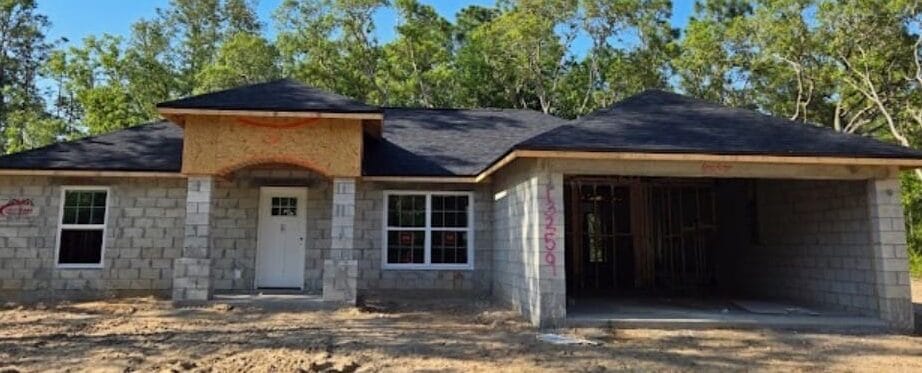
The relationship between the roofing contractor and the general contractor or builder is one of the most important dynamics on any new construction project. Roofing touches multiple trades, multiple inspection points, and multiple phases of the construction timeline. When that coordination works smoothly, the project stays on schedule and the finished product reflects the quality that everyone involved intended. When it breaks down, delays cascade through the entire project.
At Protech, we engage with the construction team as early as possible in the project, ideally during the design phase before blueprints are finalized. This early involvement allows us to review the architectural plans for roofing-specific considerations that may not be obvious to the design team. Roof slope, ridge heights, valley configurations, penetration locations, drainage paths, and overhang dimensions all affect the roofing system’s performance and installation logistics. Catching potential issues on paper is infinitely cheaper and easier than discovering them during construction.
We coordinate closely with the framing crew because the roof structure is our substrate. The framing must be plumb, straight, and properly braced before any roofing work begins. Truss spacing, sheathing thickness, ridge and hip configurations, and overhang dimensions must match the specifications in the approved plans. Variations from the plans, even small ones, can create problems with material fit, water management, and code compliance. Our project managers walk the framing before we begin work and flag any discrepancies to the general contractor before they become embedded in the finished product.
HVAC, plumbing, and electrical trades all create roof penetrations that must be integrated into the waterproof envelope. Vent pipes, exhaust fans, HVAC curbs, electrical conduits, and communication equipment all pass through the roof, and each penetration is a potential leak point. Coordinating the location and size of these penetrations with the mechanical trades before roofing begins ensures that our flashing and sealing work is done once, done right, and not damaged by subsequent trade work. One of the most common sources of warranty issues on new construction roofs is damage caused by other trades working on or around the roof after the roofing system is installed. Clear communication about the construction sequence prevents this.
Scheduling coordination is equally important. Roofing cannot begin until the framing and sheathing are complete and inspected, but the building cannot be dried in until the roofing is done. Everything that follows, interior framing, insulation, drywall, flooring, and finishes, depends on a weather-tight building envelope, and the roof is the largest component of that envelope. Delays in roofing cascade directly into delays in every interior trade. We provide realistic timelines for our portion of the work and communicate proactively about any factors that might affect the schedule, including weather windows, material lead times, and inspection availability.
Material Selection for New Construction
Choosing roofing materials for a new build is different from choosing materials for a reroof because you are not constrained by the existing roof structure’s load capacity, attachment provisions, or aesthetic context. You are starting fresh, and the options are wide open.
Asphalt architectural shingles remain the most popular choice for residential new construction in Central Florida. They offer an attractive appearance, come in a wide range of colors and profiles, carry wind warranties up to 130 mph when properly installed, and provide excellent value at a competitive price point. For new construction, we recommend premium architectural shingles from manufacturers who offer system warranties that cover not just the shingles but the underlayment, starter strips, ridge caps, and accessories as an integrated system. These system warranties can extend to 50 years and provide broader coverage than individual product warranties.
Metal roofing has gained significant ground in the new construction market, particularly standing seam profiles. A standing seam metal roof delivers the highest wind resistance available, with ratings that exceed 160 mph when installed to manufacturer specifications. It lasts 40 to 60 years, requires minimal maintenance, and provides superior resistance to fire, hail, and wind-driven debris. The energy efficiency of metal roofing is notable as well. Metal’s natural reflectivity reduces heat gain compared to dark asphalt, and when combined with a factory-applied cool roof coating, metal can significantly reduce cooling loads. The higher upfront cost of metal is offset by lower maintenance, longer lifespan, reduced insurance premiums in many cases, and enhanced resale value.
Concrete and clay tile roofing suits the Mediterranean, Spanish Colonial, and Tuscan architectural styles that are popular throughout Central Florida. Tile roofs are extremely durable, with service lives that can exceed 50 years for concrete and 75 years or more for clay. They are fireproof, wind-resistant when properly installed with mechanical attachment, and available in profiles ranging from flat to high barrel that can dramatically define a building’s character. The weight of tile is a key consideration for new construction. Concrete tiles weigh 900 to 1,100 pounds per square (100 square feet), and the structural framing must be engineered to support this load. This is one reason why material selection needs to happen early in the design phase, because the roof structure is designed differently for a tile roof than for a shingle or metal roof.
Flat and low-slope roofing materials for commercial new construction include TPO (thermoplastic polyolefin), PVC, EPDM, modified bitumen, and built-up roofing. TPO has become the dominant choice for commercial new construction due to its combination of affordability, energy efficiency, and ease of installation. PVC offers superior chemical resistance for buildings exposed to grease, oils, or industrial chemicals. Modified bitumen provides a proven track record of waterproofing performance and can be installed using multiple attachment methods. The selection depends on the building’s specific use, environmental exposure, anticipated foot traffic, and the owner’s priorities regarding initial cost versus lifecycle cost.
Synthetic roofing materials, including synthetic slate and synthetic shake, offer the appearance of natural materials without the weight, fragility, and high cost. These products have improved dramatically in recent years and now provide convincing aesthetics combined with durability ratings that exceed their natural counterparts. For new construction where the architectural design calls for a slate or shake look, synthetic options are worth serious consideration.
Florida Building Code Requirements for New Construction Roofing
New construction in Florida must comply with the current edition of the Florida Building Code, which establishes some of the most stringent roofing requirements in the nation. These requirements reflect lessons learned from decades of hurricane experience and ongoing research into building performance during high-wind events.
The current 8th Edition of the FBC governs all new construction permitting at this time. Builders and roofing contractors should also be aware that the 9th Edition is scheduled for adoption effective December 31, 2026. Projects permitted before that date will generally be governed by the 8th Edition, but projects permitted after will need to comply with whatever updates the 9th Edition introduces. Staying current with code changes is part of our responsibility as a professional roofing contractor, and we track these developments closely so our clients are never caught off guard.
Sealed roof deck requirements are one of the most important code provisions for new construction. The code mandates that the roof deck, the plywood or OSB sheathing installed over the trusses or rafters, must be covered with a secondary water barrier that prevents water intrusion even if the primary roofing material is compromised during a storm. This is achieved through self-adhering modified bitumen underlayment applied directly to the deck. The specific requirements for sealed decks depend on the building’s location relative to wind zones, with areas closer to the coast requiring more extensive sealed deck coverage. For new construction, we install sealed roof decks to the highest standard because the cost difference at this stage is minimal and the protection difference is substantial.
Roof-to-wall connections are critical structural elements that prevent the roof from separating from the walls during high-wind events. The Florida Building Code specifies minimum requirements for hurricane straps, clips, or continuous load path connectors that tie the roof trusses or rafters to the wall structure below. In new construction, these connections are engineered as part of the overall structural design and installed by the framing crew, but the roofing contractor needs to verify that the connections are in place and undamaged before installing the roofing system. During inspections, we check every visible connection point.
Wind resistance requirements for roofing materials in Florida are based on the building’s geographic location, height, exposure category, and the specific wind zone designation. Central Florida communities fall into wind zones that require roofing materials to withstand sustained wind speeds well above national minimums. Every roofing product installed in Florida must carry a Florida Product Approval (FPA) number, which confirms that the product has been tested and certified for use in the state. The FPA system ensures that products sold in Florida actually perform to the wind, water, and impact resistance standards required by the code, rather than relying on generic national ratings that may not reflect Florida conditions.
Attic insulation requirements under the current energy code mandate a minimum of R-20 insulation in the attic space for residential construction. While insulation is technically a separate trade from roofing, the two systems work together. Proper attic ventilation, which is part of the roofing system, is essential for insulation to perform at its rated value. Without adequate ventilation, heat buildup in the attic degrades insulation effectiveness and accelerates the aging of roofing materials from the underside. Our roofing designs for new construction always account for the ventilation requirements needed to support the specified insulation level.
Roof drainage is addressed in the code through requirements for gutter systems, downspout capacity, and discharge management. New construction provides the opportunity to design the drainage system as an integral part of the overall site plan rather than retrofitting gutters onto an existing structure. We coordinate with the general contractor and site engineer to ensure that roof drainage connects seamlessly with the site’s stormwater management plan.
New Construction Timeline and Scheduling
Understanding the roofing timeline within the broader construction schedule helps builders and property owners plan effectively and avoid costly delays.
For a typical single-family residential new construction project in Central Florida, the roofing phase takes approximately 3 to 7 working days from the start of underlayment installation to the completion of final trim and cleanup. This range depends on the roof size, complexity (number of hips, valleys, and penetrations), material type, and crew size. A straightforward gable roof with architectural shingles falls at the shorter end. A complex hip-and-valley roof with tile or metal roofing extends toward the longer end.
The roofing phase cannot begin until the framing inspection is passed and the roof sheathing is installed. In Central Florida’s construction environment, the gap between framing completion and roofing start can be as short as a day or two or as long as several weeks, depending on inspection scheduling, sheathing availability, and the roofing contractor’s backlog. This is where the relationship between the roofing contractor and the general contractor makes a real difference. A roofing contractor who is committed to the project and communicates proactively can minimize this gap and keep the overall construction schedule on track.
Weather is the wildcard in every Central Florida construction schedule. The roofing phase is the most weather-sensitive portion of the build because the roof deck must remain dry during underlayment and material installation. Rain events that would barely slow down framing or concrete work can halt roofing operations entirely. During the summer rainy season from June through September, afternoon thunderstorms are a near-daily occurrence, and roofing crews must plan their work to accomplish moisture-sensitive tasks during the morning dry window. We build weather contingency into our scheduling and communicate transparently with the general contractor about how weather events will affect the roofing timeline.
Material lead times are another scheduling consideration that has become more significant in recent years. Supply chain disruptions, manufacturer backorders, and shipping delays can extend the time between material order and delivery. For new construction, we recommend placing material orders as early as possible once the roof design is finalized and the required quantities are calculated. Certain specialty products, such as custom-color metal panels, specific tile profiles, or high-demand shingle lines, may require four to eight weeks of lead time. Planning for this in advance prevents the project from stalling while waiting for materials.
Inspection sequencing in Florida requires specific roofing inspections at defined stages of the installation. The roof sheathing nailing inspection verifies that the sheathing is attached to the trusses with the correct nail pattern. The dry-in inspection verifies that the underlayment and initial weatherproofing layer are properly installed before the primary roofing material goes on. The final roofing inspection verifies that the completed installation meets all code requirements. Each inspection must pass before the next phase can proceed, and inspection scheduling adds lead time that must be factored into the project timeline.
Warranty Considerations for New Construction
The warranty landscape for new construction roofing is more favorable than for reroof projects because everything is new, properly specified, and installed under controlled conditions. Taking full advantage of available warranties protects your investment for decades.
Manufacturer material warranties cover defects in the roofing materials themselves. For premium asphalt shingles, these warranties typically extend 30 to 50 years for the shingles and 15 to 25 years for accessory components. Metal roofing manufacturers offer paint finish warranties of 25 to 40 years and substrate warranties of up to 50 years or more. Tile manufacturers typically warrant their products for 50 years or the life of the structure. These warranties protect against manufacturing defects, premature failure, and in some cases excessive granule loss or color change.
System warranties, available from most major manufacturers, extend coverage beyond individual components to the complete roofing system. When all components of the roof, including shingles, underlayment, starter strips, ridge caps, ventilation, and flashing, come from the same manufacturer and are installed according to that manufacturer’s specifications, the system warranty provides broader and longer coverage than individual product warranties alone. For new construction, specifying a complete system from one manufacturer is straightforward because there are no compatibility constraints from existing materials.
Workmanship warranties from the installing contractor cover the labor and installation quality. At Protech, our workmanship warranty ensures that if any issue arises from the installation process, materials, or methods used, we return to correct it at no additional cost. The duration and specific terms of workmanship warranties vary by contractor, so this is an important question to ask during the contractor selection process.
Builder warranties and the statutory protections under Florida’s construction defect laws provide an additional layer of coverage. Florida law provides specific time frames during which construction defects, including roofing defects, can be claimed against the builder and the trades involved. Understanding these time frames and maintaining proper documentation of the roofing installation protects your interests as a property owner.
To maximize warranty coverage, maintain documentation of the roofing installation including the permit, inspection records, material specifications, and contractor invoices. Register your warranty with the manufacturer if required. And maintain the roofing system according to the manufacturer’s recommendations, as failure to perform reasonable maintenance can void warranty coverage.
Choosing the Right Roofing Partner for Your New Construction Project
Selecting a roofing contractor for new construction is different from selecting one for a repair or reroof. The stakes are higher because you are establishing the building’s primary weather defense from scratch, the coordination requirements are more complex, and the warranty implications extend further into the future.
Experience with new construction specifically matters. The skills, workflows, and coordination requirements for new construction roofing are different from those for repair and replacement work. A contractor who excels at reroofing may not have the project management capabilities, scheduling discipline, or trade coordination experience needed for new construction. At Protech, new construction is a core part of our business, and our project managers understand the rhythm of a construction site, the sequencing of trades, and the communication protocols that keep projects moving.
Licensing and insurance are non-negotiable baseline requirements. Florida law requires roofing contractors to hold a specific roofing license, separate from a general contractor license. Verify that your roofing contractor holds a current, active license with the Florida Department of Business and Professional Regulation, carries general liability insurance and workers compensation coverage, and can provide certificates of insurance to the general contractor as required.
Code knowledge is essential in Florida’s regulatory environment. The roofing contractor must understand current Florida Building Code requirements, local amendments, product approval requirements, and inspection procedures. Errors in code compliance can result in failed inspections, required rework, project delays, and potential liability issues. Our team stays current with code changes through ongoing education and active engagement with local building departments.
Communication and responsiveness make or break the contractor relationship on a construction project where timing is everything. When the general contractor calls to say the roof is ready two days ahead of schedule, or that a weather delay has shifted the timeline, the roofing contractor needs to respond immediately with a revised plan. When an inspector flags a concern, the contractor needs to address it the same day, not next week. We pride ourselves on being the most responsive roofing contractor on every project we touch because we know that delays in our work delay everyone else.
Financial stability of the roofing contractor matters because warranties are only as good as the company standing behind them. A contractor who is undercapitalized, overextended, or not positioned for long-term business continuity may not be around to honor a 10-year workmanship warranty. At Protech, we have built a stable, sustainable business that our clients can count on today and decades from now.
Looking Ahead: Code Changes and Emerging Technologies
The roofing industry is evolving, and new construction projects have the opportunity to incorporate the latest technologies and anticipate upcoming code changes that will affect building performance requirements.
The Florida Building Code 9th Edition, scheduled for adoption on December 31, 2026, will introduce updates based on the latest research and storm performance data. While the specific provisions of the 9th Edition are still being finalized, trends in code development suggest continued strengthening of wind resistance requirements, expanded sealed roof deck provisions, and potentially updated energy efficiency standards. Projects being designed today that will not be permitted until 2027 should anticipate these changes and design accordingly.
Solar-ready roofing is becoming increasingly important as Florida’s solar energy market continues to grow. New construction provides the ideal opportunity to design the roof structure, electrical conduit routing, and surface area allocation for future solar panel installation, even if solar is not part of the initial build. Adding structural provisions for solar during framing costs a fraction of what it would cost to retrofit later, and it preserves the homeowner’s option to go solar when the economics make sense for their situation.
Cool roof technologies continue to advance, with new materials offering higher solar reflectance and thermal emittance values than previous generations. For new construction in Central Florida, specifying cool roof materials from the start eliminates the need for aftermarket coatings and delivers energy savings from day one.
Impact-resistant materials that exceed code minimums are gaining popularity among homeowners and builders who want maximum storm resistance. Impact-rated shingles, for example, meet UL 2218 Class 4 standards for hail resistance and often qualify for insurance premium discounts that can offset the modest additional cost of the upgraded material.
Advanced ventilation systems that actively manage attic temperature and moisture are replacing passive ventilation in high-performance homes. Solar-powered attic fans, ridge vent systems with enhanced airflow design, and smart ventilation controllers that adjust airflow based on temperature and humidity sensors represent the current state of the art in attic climate management.
Common New Construction Roofing Mistakes and How to Avoid Them
After years of working on new construction projects throughout Central Florida, we have seen the same mistakes repeated on job sites where the roofing contractor either lacked experience with new builds or was not properly integrated into the construction team. Knowing what can go wrong helps you prevent it.
Selecting materials too late in the design process is one of the most common and most consequential mistakes. When the roofing material is not specified until after the structural framing is designed and built, the structure may not be engineered for the selected material’s weight. This is especially problematic when a homeowner falls in love with concrete tile during a showroom visit after the trusses are already manufactured for a shingle roof. Retrofitting the framing to handle the additional weight is expensive, time-consuming, and sometimes not feasible without significant design changes. The solution is straightforward: select your roofing material during the design phase and communicate that decision to the structural engineer before truss design begins.
Poor coordination of roof penetrations leads to warranty issues and potential leaks. When the HVAC contractor, plumber, or electrician cuts through the roof for vent pipes, exhaust fans, or conduit after the roofing system is installed, the integrity of the waterproof membrane is compromised at each penetration point. If these penetrations are not properly flashed and sealed by the roofing contractor afterward, every single one becomes a potential leak location. The better approach is to locate all penetrations before roofing begins, install them during the roofing process with proper flashing, and avoid any after-the-fact cuts through the completed roof.
Inadequate ventilation design is a mistake that does not show up on inspection day but causes problems for years afterward. Some builders treat attic ventilation as an afterthought, installing the minimum number of vents required by code without verifying that the total net free area of ventilation matches the attic volume and insulation configuration. Underventilated attics trap heat and moisture, shortening the life of the roofing material from the underside, promoting mold growth on the sheathing, and degrading insulation effectiveness. A ventilation design that balances intake at the soffits with exhaust at the ridge, sized for the specific attic space, should be part of the roofing specification from the beginning.
Skipping the sheathing inspection to save a day on the schedule is a gamble that does not pay off. The sheathing nailing pattern is one of the most important structural elements of the roof assembly, and it is the only opportunity to verify proper attachment before the underlayment covers everything. If a building inspector finds nailing pattern deficiencies after the roof is complete, the corrective work requires removing finished roofing to access the sheathing, a far more expensive and disruptive process than getting it right before roofing begins.
Failing to plan for future maintenance access is an oversight that becomes apparent the first time an HVAC technician needs to reach a rooftop unit or a satellite dish installer needs to mount equipment. Roof surfaces that will see regular foot traffic should be built with walkway pads or designated access paths that protect the roofing material from wear. Equipment curbs should be planned during the design phase to integrate with the waterproofing system rather than being added after the fact with questionable flashing details.
Start Your New Construction Roofing Project Right
The roof is the most important system on your building, and getting it right starts with choosing the right partner. Protech Roofing Services brings new construction roofing expertise to projects of all sizes across Hernando, Citrus, Pasco, Sumter, Polk, Hillsborough, and Pinellas counties.
Whether you are a custom home builder breaking ground on a single lot, a production builder managing multiple communities, a commercial developer planning a retail center, or a property owner building your dream home, we have the experience, the code knowledge, and the project management capability to deliver a roofing system that performs for decades.
We welcome the opportunity to review your plans, consult on material selection, and provide a comprehensive roofing proposal that integrates seamlessly with your construction schedule.
Call Protech Roofing Services at (352) 605-0696 to discuss your new construction roofing project. Let us be the roofing partner who helps you build it right from the start.
Related Roofing Services
- Roof Repair – Fix leaks, storm damage, and wear fast
- Total Roof Replacement – Complete tear-off and new roof installation
- Metal Roofing Systems – Standing seam and metal shingle, 40-70 year lifespan
- Commercial Roofing – TPO, EPDM, and flat roof systems for businesses
- Emergency Roof Repair – Same-day 24/7 response for leaks and storm damage
- Storm Damage Restoration – Insurance claims help and full storm recovery
- Insurance Claims Assistance – Documentation, adjuster meetings, and Xactimate estimates
- Roof Financing Options – Low monthly payments, flexible terms, quick approval
- Roofing in Spring Hill, FL – New builds and developments in growing Spring Hill
- Roofing in Brooksville, FL – Builder partnerships across Brooksville subdivisions
- Roofing in Hernando County – Permit-ready roofing for Hernando County builders
- Roofing in Pasco County – New construction across Dade City and Hudson
- My Safe Florida Home Program – New construction may not qualify, but additions to pre-2008 homes often do