
Professional Roof Inspection Services in Central Florida
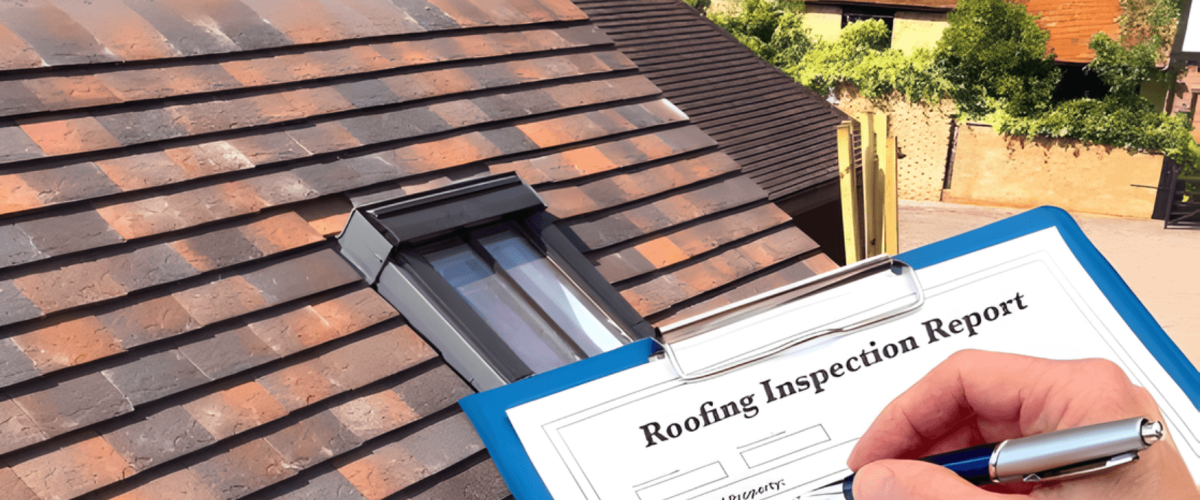
What a Professional Roof Inspection Actually Covers
A lot of homeowners assume a roof inspection means someone climbs up a ladder, walks around for ten minutes, and says “looks good” or “you need a new roof.” That could not be further from how we operate. A professional roof inspection is a systematic evaluation of every component that makes up your roofing system, from the visible surface materials all the way down to the structural decking underneath.
Our inspectors start with the exterior. We examine the condition of your shingles, tiles, or metal panels, depending on what type of roof you have. We look for cracking, curling, blistering, granule loss, rust spots, lifted edges, and any signs of storm damage. We pay close attention to the areas where problems show up first: valleys, ridges, eaves, and anywhere two planes of the roof meet. These transition points collect water and debris, which accelerates wear.
Next, we inspect every penetration point on the roof. That includes pipe boots, vent stacks, satellite dish mounts, skylights, and anything else that creates an opening in the roof surface. Each of these penetrations relies on flashing and sealant to keep water out, and both degrade over time. In Florida’s heat, pipe boots made from rubber or neoprene typically start cracking within 8 to 12 years. When they crack, water follows the pipe straight down into your home. It is one of the most common leak sources we find, and it is almost always preventable with regular inspections.
Flashing gets its own careful look. The metal strips that seal the joints between your roof and walls, chimneys, dormers, and other vertical surfaces are critical waterproofing elements. We check for rust, separation, lifted edges, and failed sealant. Florida’s thermal cycling, where temperatures swing dramatically between day and night, causes metal flashing to expand and contract repeatedly. Over years, this movement can break the seal.
We also inspect the gutters and downspouts. Clogged, damaged, or improperly pitched gutters cause water to back up under the roof edge, which leads to fascia rot and potential deck damage. We check that all connections are secure, that water flows freely, and that downspouts direct water away from your foundation.
The interior inspection matters just as much. We examine the attic space, looking at the underside of the roof deck for water stains, mold growth, daylight penetration, and signs of condensation. We check the ventilation system to make sure your attic is breathing properly. Poor ventilation traps heat and moisture, which shortens shingle life dramatically and can cause decking to warp or delaminate.
Finally, we check the structural elements. We look at the rafters, trusses, and decking for signs of sagging, cracking, or wood rot. Structural issues do not just threaten your roof. They threaten your entire home. Every finding goes into a detailed written report with photographs, descriptions, and our recommendations ranked by urgency.
Wind Mitigation Inspections: How Your Roof Can Cut Insurance Costs by 88%
If you own a home in Florida and you have not had a wind mitigation inspection, you are almost certainly paying too much for homeowner’s insurance. This is not speculation. It is math. Florida law requires insurance companies to offer premium discounts for homes that meet specific wind resistance criteria, and the savings can be staggering. Homeowners with qualifying features have seen reductions of up to 88% off the windstorm portion of their insurance premium. For many Central Florida homeowners, that translates to savings of $1,000 to $3,000 or more per year.
A wind mitigation inspection costs between $75 and $150. Let that sink in for a moment. A one-time investment of less than $150 can save you thousands of dollars every single year for as long as you own the home. It is quite possibly the best return on investment available to any homeowner in this state.
So what does the inspection actually evaluate? The Florida Office of Insurance Regulation has established a standardized form, the OIR-B1-1802, that every wind mitigation inspector must complete. It examines six specific features of your home.
The first is roof covering. The inspector documents what type of roofing material you have and when it was installed. Roofs installed after the 2001 Florida Building Code update generally qualify for better credits because the code requirements became significantly stricter that year. If your roof was installed or replaced after March 1, 2002, you are in good shape here.
Second is the roof deck attachment. This refers to how your plywood or OSB sheathing is fastened to the trusses or rafters. The inspection looks at nail size, spacing, and type. Homes with 8d ring-shank nails spaced six inches apart at the edges and twelve inches in the field score well. Ring-shank nails grip dramatically better than smooth-shank nails, which matters enormously when hurricane-force winds try to peel your roof deck away.
Third is the roof-to-wall connection. This is where things get especially important. The inspector determines how your roof structure attaches to the walls of your home. The options range from toe-nails, which offer minimal uplift resistance, to hurricane clips, which are better, to hurricane straps, which wrap over the truss and connect on both sides. Straps provide the most uplift resistance and earn the largest discount. The difference between toe-nails and straps can be worth hundreds of dollars annually on your premium.
Fourth is roof geometry. Hip roofs, where all four sides slope downward, perform significantly better in high winds than gable roofs. A hip roof deflects wind more effectively and has fewer flat surfaces where pressure can build up. If your home has a hip roof, you qualify for a larger discount. Homes with a combination of hip and gable sections receive a partial credit based on the percentage of hip construction.
Fifth is secondary water resistance. This refers to a sealed roof deck, typically achieved with peel-and-stick underlayment applied directly to the plywood before the shingles or tiles go on. This barrier prevents water intrusion even if the outer roof covering is blown off during a storm. It is one of the most valuable features for both safety and insurance savings.
Sixth is opening protection. This covers your windows, doors, garage doors, and skylights. Homes with impact-rated windows and doors, or properly installed hurricane shutters, earn additional credits. The inspector verifies that all openings are protected to current standards.
After the inspection, you receive the completed form, which you submit to your insurance company. Most carriers process the credits within one billing cycle. The inspection is valid as long as no changes are made to the inspected features, though some insurers may request an update every few years.
We perform wind mitigation inspections across all seven counties we serve. If you are buying a new home, refinancing, or simply have never had one done, call (352) 605-0696 and schedule yours. The savings start almost immediately.
4-Point Inspections: What Insurance Companies Want to Know
If your home is more than 20 years old, or sometimes 15 years depending on the carrier, your insurance company will almost certainly require a 4-point inspection before they will issue or renew your policy. This is not optional. It is a condition of coverage, and trying to get around it will only waste your time.
A 4-point inspection evaluates exactly what the name suggests: four major systems in your home. These are the roof, the electrical system, the plumbing system, and the HVAC system. Insurance companies use this inspection to assess risk. Older homes are more likely to have outdated or deteriorating systems, and insurers want to know what they are taking on before they agree to cover you.
The roof portion of a 4-point inspection is the most common reason homes fail. The inspector documents the type of roofing material, the approximate age, the overall condition, and any visible deficiencies. If your roof is nearing the end of its expected lifespan or shows significant wear, the insurance company may require repairs or replacement before extending coverage. In Central Florida, where storms test roofing systems constantly, this is a frequent issue.
The electrical evaluation looks at your panel, wiring type, and overall condition. Homes with Federal Pacific or Zinsco panels, which are known fire hazards, will typically be flagged. Aluminum wiring, common in homes built during the late 1960s and 1970s, can also cause issues. The inspector checks for proper grounding, appropriate amperage, and any visible safety concerns.
Plumbing gets a similar review. The inspector identifies the pipe material, looking specifically for polybutylene piping, which was widely used from the late 1970s through the mid-1990s and is prone to catastrophic failure. Cast iron drain lines in older homes also get flagged, as they corrode from the inside and can collapse without warning. The inspector checks for active leaks, water heater condition, and overall system integrity.
The HVAC inspection documents the age and condition of your heating and cooling system. Units that are excessively old or in poor condition may trigger concerns, though HVAC is generally the least problematic of the four points.
A 4-point inspection typically costs between $75 and $125 and takes about an hour. We often recommend bundling it with a wind mitigation inspection, which brings the combined cost to roughly $150 to $200 and covers both requirements in a single visit. That saves you time and gets both forms to your insurance company faster.
One important note: a 4-point inspection is not a substitute for a full home inspection. It is a targeted evaluation of four systems for insurance purposes. If you are buying a home, you should still get a comprehensive home inspection in addition to the 4-point. But for insurance compliance, the 4-point gives your carrier exactly what they need.
Infrared Thermal Imaging: Finding Leaks You Cannot See
Some roof problems announce themselves with obvious water stains on your ceiling. Others hide for months or even years, slowly causing damage inside your walls, insulation, and roof deck while the surface above looks perfectly fine. Traditional visual inspections are thorough, but they have a fundamental limitation: they can only find what is visible. Infrared thermal imaging goes beyond what the eye can see.
Thermal imaging cameras detect differences in surface temperature across your roof. Moisture trapped beneath roofing materials changes the thermal signature of the affected area. Wet insulation and saturated decking retain heat longer than dry materials, so they show up as distinct warm spots when the rest of the roof has cooled down after sunset. This temperature differential creates a clear map of where moisture has infiltrated, even when there is no visible evidence from above or below.
The technology works best when performed one to two hours after sunset. During the day, the sun heats the entire roof surface relatively evenly, which masks the subtle temperature differences that indicate trapped moisture. Once the sun goes down and the roof begins to cool, wet areas cool more slowly than dry areas. That window, roughly 60 to 120 minutes after sunset, provides the sharpest thermal contrast and the most accurate results.
For residential properties, infrared thermal imaging typically costs between $400 and $600, depending on the size and complexity of the roof. For commercial buildings, pricing usually runs between $0.05 and $0.10 per square foot, making it extremely cost-effective for large flat roof systems where leaks can travel significant distances before showing up inside the building.
We do not rely on thermal imaging alone to make conclusions. Every anomaly detected by the camera is confirmed with a moisture meter, which provides a direct reading of the moisture content in the material. This two-step verification process eliminates false positives. Thermal imaging identifies the suspect areas, and the moisture meter confirms whether those areas actually contain trapped water. Together, they provide a level of diagnostic accuracy that visual inspection simply cannot match.
This technology is particularly valuable in several situations. If you have a persistent leak that nobody can find, thermal imaging often solves the mystery in a single visit. If you are considering buying a property and want to know the true condition of the roof, a thermal scan reveals hidden problems that could cost you thousands after closing. If you have a flat or low-slope commercial roof, where ponding water and membrane failures are common, regular thermal scans can identify developing problems before they become emergencies.
For property managers and commercial building owners, we recommend annual thermal scans as part of a proactive maintenance strategy. The cost is minimal compared to the expense of interior damage, business interruption, and emergency repairs that result from undetected leaks.
When and How Often Central Florida Homeowners Need Inspections
Central Florida’s climate creates a unique set of challenges for roofing systems, and those challenges should dictate your inspection schedule. The standard recommendation for most of the country is an annual roof inspection. In our region, we strongly recommend bi-annual inspections: one in the spring before hurricane season begins on June 1, and one in the fall after the season officially ends on November 30.
The spring inspection serves as preparation. We check everything before the months of heaviest rainfall and strongest storms arrive. If there are loose shingles, deteriorating flashing, clogged gutters, or any other vulnerabilities, we want to find them now, when repairs can be scheduled calmly and at normal pricing. Waiting until a storm exposes the problem means you are competing with every other homeowner in the county for emergency repair slots, and prices go up accordingly.
The fall inspection is about damage assessment. Even if you did not notice any obvious problems during hurricane season, storms can cause damage that is not immediately visible. A shingle might be cracked but still in place. Flashing might have shifted just enough to create a slow seep. A section of underlayment might have been compromised by wind-driven rain. These issues will only get worse over time, and catching them promptly keeps repair costs down.
Beyond the bi-annual schedule, there are specific events that should trigger an immediate inspection. Any storm that produces winds above 60 miles per hour warrants a professional look, even if you do not see obvious damage from the ground. Hail events, though less common in Central Florida than in the Midwest, can cause damage that is invisible from ground level but significantly shortens roof life. If a large tree branch falls on your roof, even if it does not appear to have caused visible damage, get an inspection. The impact can crack underlayment or shift structural components in ways that do not become apparent until the next heavy rain.
If your roof is more than 15 years old, inspections become even more important. Most asphalt shingle roofs in Central Florida last between 15 and 25 years depending on the product, installation quality, and maintenance history. As your roof enters the back half of its expected lifespan, the frequency of small issues increases. Catching them early is the difference between getting a full life out of your roof and facing a premature replacement.
For real estate transactions, inspections are essentially mandatory. Buyers should always have the roof inspected before closing, and sellers benefit from getting an inspection before listing. Knowing the roof’s condition upfront prevents surprises during negotiations and gives sellers the opportunity to make repairs that could increase the sale price or prevent deal-killing inspection findings.
How We Report Our Findings and What Happens Next
Transparency is the foundation of every inspection we perform. When we finish evaluating your roof, you do not get a vague verbal summary or a one-page form with check boxes. You get a comprehensive written report that documents everything we found, supported by photographs and organized by priority.
Each finding is categorized into one of three tiers. The first tier covers immediate concerns: issues that need attention right away to prevent active water intrusion or structural compromise. These are the things that will cause real damage if left unaddressed for even a few weeks. The second tier covers short-term recommendations: problems that are not emergencies today but will become emergencies within the next six to twelve months if ignored. The third tier covers maintenance items and long-term planning: things to keep an eye on, minor wear patterns, and an estimated timeline for when your roof will need its next major service or replacement.
This tiered approach gives you the information you need to make smart decisions about your budget. Not everything needs to be fixed immediately, and we are not going to pretend otherwise. Our job is to give you the complete picture and help you prioritize.
For wind mitigation and 4-point inspections, the deliverable is the completed state-required form, filled out accurately and submitted in the format your insurance company needs. We also explain the results to you in plain language so you understand what each section means and how it affects your premium or coverage eligibility.
For thermal imaging inspections, the report includes both standard photographs and thermal images, with annotations showing exactly where moisture was detected and where moisture meter readings confirmed the findings. This documentation is invaluable if you need to file an insurance claim or if you want to share the findings with a roofing contractor for targeted repairs.
We keep copies of all inspection reports on file, which creates a documented history for your property. Over time, this history becomes extremely valuable. It allows us to track changes, identify developing trends, and give you increasingly accurate projections about your roof’s remaining useful life.
The Real Cost of Skipping Inspections
We understand the temptation. Your roof looks fine from the ground. You have not noticed any leaks. Money is tight, and spending $100 to $200 on an inspection when nothing seems wrong feels like a waste. We hear this reasoning regularly, and we understand it. But the numbers tell a very different story.
The average cost of a professional roof inspection in Central Florida ranges from $75 for a basic wind mitigation assessment to $600 for a full inspection with thermal imaging. The average cost of a roof repair that results from a problem caught during inspection is between $300 and $1,500. The average cost of a full roof replacement in our area is between $8,000 and $25,000, depending on the size of the home and the materials involved.
When you skip inspections, small problems do not stay small. A cracked pipe boot that would have cost $150 to replace allows water to enter your roof system. Over six months, that water saturates the decking, soaks the insulation, and creates conditions for mold growth. Now you are looking at decking replacement, insulation removal and replacement, mold remediation, and the pipe boot repair. That $150 fix just became a $5,000 problem. We have seen it happen hundreds of times.
Insurance companies understand this dynamic, which is why they require inspections for older homes and offer discounts for wind-resistant features. They know that inspected, maintained roofs are less likely to generate claims. By investing in regular inspections, you align your interests with your insurer’s interests, which keeps your premiums lower and your coverage more secure.
For commercial property owners, the calculus is even more dramatic. A small leak in a commercial flat roof can damage inventory, equipment, and finished interiors. It can force business closure during repairs. It can create liability issues if customers or employees are affected. A $500 annual thermal scan that catches a developing leak before it penetrates the interior is not an expense. It is insurance in the most literal sense of the word.
There is also the timing factor to consider. When you discover a roof problem through a scheduled inspection, you have time to get multiple quotes, choose a contractor carefully, and schedule the work at a time that is convenient for you. When you discover a problem because water is pouring into your living room during a July thunderstorm, you are in emergency mode. Emergency repairs cost more, the work is often rushed, and you have no leverage to negotiate because the damage is happening right now. Regular inspections keep you in control. Skipped inspections put the weather in control.
Why Central Florida Homeowners Trust Protech Roofing Services
We have built our reputation across Hernando, Citrus, Pasco, Sumter, Polk, Hillsborough, and Pinellas counties by doing inspections the right way. That means thorough, honest, and documented. We do not rush through inspections to fit more appointments into the day. We do not use scare tactics to push unnecessary repairs. And we do not cut corners on reporting.
Our inspectors are trained and experienced in all four types of inspection we offer: standard condition assessments, wind mitigation inspections, 4-point inspections, and infrared thermal imaging. They understand Central Florida’s unique climate challenges, local building codes, and insurance requirements. They know what to look for because they have seen it all before, from minor maintenance items to catastrophic failures that could have been prevented.
We serve homeowners, property managers, real estate professionals, and commercial building owners. Whether you need a single inspection for insurance compliance or you want to set up a recurring inspection schedule for a portfolio of properties, we have the capacity and the expertise to deliver.
Every inspection comes with clear communication. We explain what we found, what it means, and what your options are. If repairs are needed, we provide honest estimates and realistic timelines. If your roof is in good shape, we tell you that too and recommend when to schedule your next check. We believe an informed homeowner makes better decisions, and better decisions lead to longer-lasting roofs and lower lifetime costs. That philosophy drives everything we do, from the way we train our inspectors to the detail we put into every report.
We also understand the insurance landscape in Florida, which changes frequently and can be confusing for homeowners. Our team stays current on carrier requirements, state regulations, and available discount programs so we can guide you through the process. When you need a wind mitigation form or a 4-point inspection, we know exactly what your insurer is looking for and how to present the information for maximum benefit.
Central Florida is a demanding environment for roofing systems. The combination of intense UV radiation, heavy rainfall, high humidity, extreme heat, and the ever-present threat of tropical storms and hurricanes means your roof works harder here than it would almost anywhere else in the country. Professional inspections are not a luxury in this climate. They are a basic requirement for responsible homeownership.
Call Protech Roofing Services today at (352) 605-0696 to schedule your roof inspection. Whether you need a wind mitigation form for your insurance company, a 4-point inspection for policy renewal, thermal imaging to track down a hidden leak, or a comprehensive condition assessment to know exactly where your roof stands, we are ready to help. Serving Spring Hill and all of Hernando, Citrus, Pasco, Sumter, Polk, Hillsborough, and Pinellas counties.
Related Roofing Services
- Roof Repair – Fix leaks, storm damage, and wear fast
- Total Roof Replacement – Complete tear-off and new roof installation
- Metal Roofing Systems – Standing seam and metal shingle, 40-70 year lifespan
- Commercial Roofing – TPO, EPDM, and flat roof systems for businesses
- Emergency Roof Repair – Same-day 24/7 response for leaks and storm damage
- Storm Damage Restoration – Insurance claims help and full storm recovery
- Insurance Claims Assistance – Documentation, adjuster meetings, and Xactimate estimates
- Roof Financing Options – Low monthly payments, flexible terms, quick approval
- Roof Inspection in Spring Hill, FL – Insurance and wind mitigation reports for Hernando homes
- Roof Inspection in Brooksville, FL – Pre-purchase and maintenance inspections in Brooksville
- Roof Inspection in The Villages, FL – ARC and resale inspections for 55+ community homes
- Roofing in Hernando County – Certified inspectors covering every Hernando community
- Roofing in Pasco County – Licensed inspectors across all of Pasco County
- Roofing in Citrus County – Inverness, Sugarmill Woods, and Crystal River area
- My Safe Florida Home Program – Your program inspection can double as a wind mitigation report for insurance discounts
- Roofing FAQ – Questions about inspections, reports, and insurance requirements