
24/7 Emergency Roof Repair in Central Florida
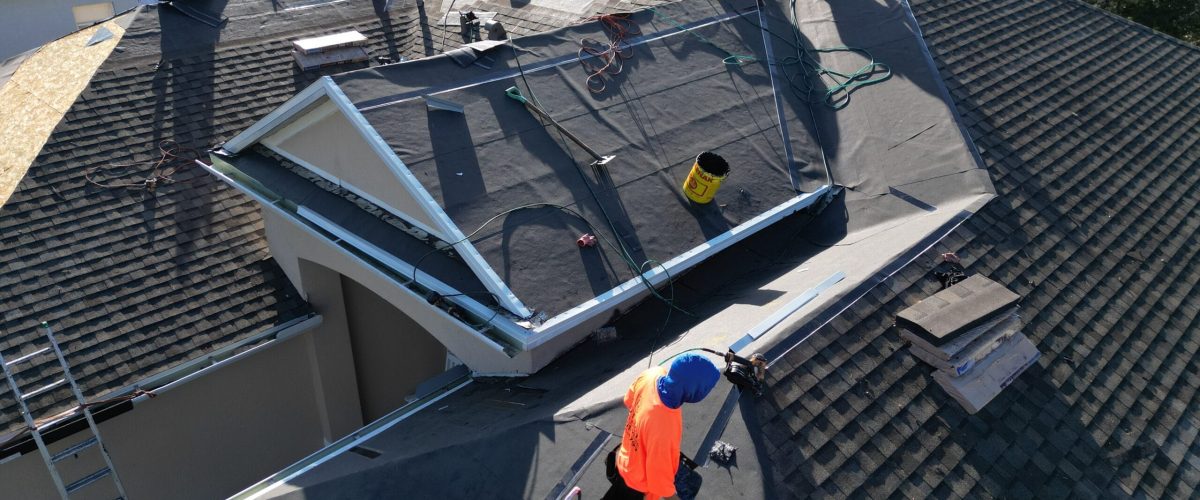
What Counts as a Roofing Emergency in Central Florida
Not every roof problem needs a midnight response. A missing shingle you noticed on a sunny afternoon can wait a few days. But certain situations demand immediate action, and knowing the difference can save you thousands of dollars in secondary damage.
A roofing emergency is any breach that exposes the interior of your home to weather. That includes a hole caused by a fallen tree limb, missing shingles or tiles from wind uplift, cracked or shattered barrel tiles after a hailstorm, flashing torn away from a chimney or wall junction, and any visible daylight through the roof deck from inside your attic. If rain can get in, or if the next rain forecast will push water into your home, you have an emergency.
Central Florida has a unique set of threats compared to other parts of the country. Our hurricane season runs from June 1 through November 30, but damaging storms can strike outside that window. Severe thunderstorms roll through year-round, and some of them produce microbursts, straight-line winds exceeding 80 mph, and hail large enough to crack concrete tiles. Tornadoes spawned by tropical systems are another hazard that catches homeowners off guard, because the damage path is narrow but intense.
There is also the heat factor. Central Florida’s average afternoon temperatures sit in the low 90s for five months of the year. When a roof is compromised and moisture enters the attic space, mold growth can begin within 24 to 48 hours in those conditions. That is why we treat any breach as time-sensitive, regardless of whether rain is in the immediate forecast. The humidity alone can cause significant damage if the opening is left unsealed.
We also see emergencies that have nothing to do with storms. An old roof that finally gives out after years of neglect, a raccoon or squirrel that chewed through rotted decking, or a poorly installed skylight that suddenly starts leaking during a routine afternoon shower. Whatever the cause, if your home’s interior is exposed, call (352) 605-0696 and we will get someone to your property.
—
Our Same-Day Response: What Happens When You Call at 2 AM
People often hesitate to call a roofing company in the middle of the night because they assume no one will answer, or that the charge for after-hours service will be outrageous. Here is how our emergency process actually works.
When you call (352) 605-0696, a dispatcher picks up. There is no voicemail maze and no “leave a message and we will get back to you during business hours” recording. The dispatcher asks for your address, a description of what happened, and whether anyone is in danger. If a tree has come through the roof and is resting on the structure, we will advise you to leave the home until we arrive and confirm it is safe.
Within the next one to three hours, a crew is on its way. For most of our service area, including all of Hernando County, northern Pasco, and southern Citrus, response times average under two hours. For calls coming from Hillsborough, Pinellas, Sumter, or Polk counties, response times may be slightly longer, but we still target same-day arrival and almost always achieve it. During active hurricane events, response times extend because of road conditions and the sheer volume of calls, but we triage by severity and get to the most critical situations first.
When the crew arrives, they conduct a rapid assessment. This is not a full inspection. The goal at this stage is to identify the source of the breach, determine the safest method to stop water from entering, and execute that fix as quickly as possible. In most cases, that means installing an emergency tarp. For smaller breaches, a direct patch using roofing cement, flashing, or replacement shingles may be sufficient.
The crew photographs and documents everything before, during, and after the tarping. This documentation serves two purposes: it gives you evidence for your insurance claim, and it gives our permanent repair team the information they need to scope the full job later.
Before the crew leaves, they walk you through what was done, what to watch for over the next few days (such as any areas where water might still seep around the tarp edges during heavy rain), and what the next steps look like. You will receive a written summary within 24 hours, along with the photos.
The whole process, from your initial phone call to a secured roof, typically takes between 4 and 12 hours. In some cases, particularly after a major hurricane when materials and manpower are stretched thin across the region, it may take up to 24 hours. But the goal is always the same: stop the damage from getting worse as fast as humanly possible.
—
Emergency Tarping: Materials, Methods, and How Long It Holds
Emergency tarping is the most common stabilization method after storm damage, and it is a procedure that looks simple but requires real skill to execute properly. A badly installed tarp can do almost as much harm as no tarp at all, because it gives homeowners a false sense of security while water pools underneath it, seeps through gaps, and continues rotting the decking.
Our crews use heavy-duty polyethylene tarps rated for UV exposure and wind resistance. We do not use the thin blue tarps you find at the hardware store. Those are fine for covering a woodpile, but they degrade in Florida’s sun within a couple of weeks and tear apart in the first strong gust. The tarps we use are multi-layered, reinforced at the grommets, and treated to resist UV breakdown for 90 days or more.
Installation follows a specific protocol. The tarp must extend at least four feet past the damaged area on all sides to account for wind-driven rain, which in Florida often comes in at a steep angle rather than falling straight down. The tarp is secured using 2×4 lumber screwed through the tarp and into the roof deck at the top edge, creating a water dam that prevents rain from flowing under the tarp from above. The sides and bottom are weighted and fastened to prevent wind uplift. On tile roofs, the process is slightly different because you cannot screw into tiles without cracking them. In those situations, we use sandbag systems and adhesive anchoring that holds the tarp without creating additional damage.
The cost of emergency tarping ranges from $200 to $1,200 depending on the size of the damaged area and the complexity of the installation. A single small breach on a standard shingle roof with easy access might fall at the lower end. A large section of missing tiles on a steep-pitch roof with limited access points will be at the upper end. We provide the exact cost before the work begins, not after.
A properly installed tarp will hold for 30 to 90 days under normal conditions. “Normal” in Central Florida during hurricane season is a relative term, so we check on our tarps after any significant weather event and replace them at no additional cost if they have been compromised. The tarp is a temporary measure. It buys you the time needed to get your insurance claim processed, your materials ordered, and your permanent repair scheduled.
One important note: the Florida Building Code requires rapid stabilization of storm-damaged roofs to prevent further damage. Leaving a damaged roof exposed is not just risky for your home. It can actually jeopardize your insurance claim. Insurers expect you to take reasonable steps to mitigate damage, and tarping is the most widely accepted form of mitigation. Failing to tarp can give your insurer grounds to deny coverage for the secondary damage, the water intrusion, the mold, the ruined drywall, that occurred because the breach was left open.
—
Documenting Storm Damage for Your Insurance Claim
One of the most overlooked aspects of emergency roof repair is documentation, and it is arguably the most important. Your insurance company is not going to take your word for it when you say a tree branch punctured your roof during Hurricane Milton. They want photos, measurements, timestamps, and a detailed description of the damage. The better your documentation, the smoother your claim process.
This is something we handle for you as part of our emergency response. When our crew arrives, they photograph the damage from multiple angles before touching anything. They photograph the interior damage as well, including any water stains on ceilings, wet insulation in the attic, and standing water on floors. They take measurements of the damaged area. And they note the weather conditions at the time of arrival, because that establishes a timeline that your adjuster can cross-reference with weather service records.
After the tarp is installed, the crew photographs the completed work to show what mitigation steps were taken. This before-and-after documentation package is critical because it demonstrates to your insurer that you fulfilled your duty to mitigate. Under Florida insurance law, homeowners have a contractual obligation to prevent further damage once they become aware of a breach. It is written into virtually every homeowners insurance policy in the state. If you fail to take reasonable mitigation steps, the insurer can refuse to pay for any damage that occurred after the initial event.
We compile all of this into a report that you can hand directly to your insurance adjuster or your public adjuster if you choose to use one. The report includes photographs with timestamps, a written description of the damage found, the mitigation steps taken, the materials used, and a preliminary assessment of what the permanent repair will involve.
Many of our customers ask us to be present during the adjuster’s inspection. We are happy to do this because we can point out damage that adjusters sometimes miss, particularly on tile roofs where cracked tiles are not always visible from the ground. Having a roofing professional on-site during the inspection also helps prevent lowball estimates. We are not there to argue with your adjuster. We are there to make sure they see everything.
Insurance claims after major storms can take weeks or months to process. During Hurricane Ian in 2022 and again after Idalia in 2023, some Central Florida homeowners waited three to six months for their claims to be settled. That is frustrating, but it does not mean your roof has to sit damaged for that entire period. We can begin permanent repairs as soon as you authorize the work, even before the claim is fully settled, if you are comfortable doing so. For homeowners who prefer to wait until the insurance payout is confirmed, the tarp keeps the home protected in the interim.
—
From Temporary Tarp to Permanent Repair: The Full Timeline
The emergency tarp buys you time. But it is not a repair. It is a bandage. At some point, that bandage needs to come off and the actual wound needs to be properly treated. Here is what the timeline looks like from the moment the tarp goes on to the day your roof is fully restored.
Week 1: Assessment and Scope
Within the first week after the emergency tarping, one of our project managers conducts a full roof inspection. This is different from the rapid assessment done during the emergency call. The project manager gets on the roof, examines every square foot, checks the decking from inside the attic, evaluates the condition of flashing, vents, boots, and other penetration points, and documents everything. The purpose is to determine the full extent of the damage, because storms often cause harm that is not immediately obvious. Wind can loosen shingles or tiles across the entire roof, not just in the area where the most visible damage occurred.
Based on this inspection, we create a detailed repair scope. For some homes, the damage is localized and a section repair is all that is needed. For others, the storm was the final straw for a roof that was already near the end of its life, and a full replacement makes more financial sense, especially with insurance covering a significant portion.
Weeks 2 through 4: Materials and Scheduling
Once you approve the scope and the insurance claim is either settled or moving forward, we order materials. During normal conditions, material lead times are short, typically a few days to a week. After a major hurricane, lead times can extend to two or three weeks because every roofing company in the region is sourcing the same materials simultaneously. We maintain relationships with multiple distributors to minimize delays, and we keep a stock of the most common shingle and tile types at our warehouse in Spring Hill.
Weeks 3 through 8: Permanent Repair or Replacement
The actual repair work takes anywhere from one day for a localized section repair to five or six days for a full roof replacement. The variables are the size of the roof, the material type (tile roofs take longer than shingle roofs), weather delays, and whether structural repairs to the decking or trusses are needed. We schedule your job and provide a start date with at least a week’s notice so you can plan accordingly.
During the repair, we remove the tarp, strip the damaged materials, inspect the decking beneath (and replace any sections that have rotted or been weakened), install the new roofing materials to current Florida Building Code standards, and clean up the property. When we leave, you would never know there was a tarp on that roof two days earlier.
The total timeline from tarping to completed permanent repair typically ranges from two to eight weeks. The wide range reflects the realities of storm season, insurance processing, and material availability. Outside of hurricane season, most jobs fall in the two-to-four-week range. After a major storm event, six to eight weeks is more realistic but still faster than the industry average in our area.
—
After the Hurricane: Lessons from Idalia, Helene, and Milton
Central Florida residents have had more experience with hurricanes in recent years than most of us would prefer. Each storm teaches lessons, and those lessons are worth sharing because they can save you time, money, and heartache the next time one comes through.
Hurricane Idalia (August 2023) made landfall in the Big Bend region but brought tropical storm-force winds and heavy rain across Hernando, Citrus, and Pasco counties. The damage was not catastrophic for most homeowners, but it was widespread. Thousands of roofs lost individual shingles or had flashing pulled loose. Many homeowners ignored the damage because it seemed minor. Six months later, some of those same homeowners were dealing with attic mold and water-stained ceilings because those “minor” breaches had been letting moisture in every time it rained. The lesson from Idalia: small damage is still damage. If you lost even a single shingle, get it replaced. Do not assume it will hold until the next reroof.
Hurricane Helene (September 2024) followed a similar track to Idalia but was stronger and slower, which meant more sustained winds over a longer period. Helene produced significant tree damage across inland areas, particularly in Sumter and Polk counties, where large oaks brought down by saturated soil crushed sections of roof on dozens of homes. The lesson from Helene: tree maintenance matters. If you have mature trees with limbs overhanging your roof, have them trimmed well before hurricane season starts. It costs a few hundred dollars to trim a tree. It costs tens of thousands to repair a roof that a tree fell on.
Hurricane Milton (October 2024) was the one that shook people. Milton crossed the state with sustained winds that tested the limits of even well-built roofs. In our service area, we responded to over 200 emergency calls in the 72 hours following Milton’s passage. Tile roofs suffered the most, particularly older installations where the adhesive had degraded over time. Entire rows of tiles slid off roofs that appeared to be in good condition before the storm. We also saw a significant number of failures at roof-to-wall junctions, where wind drove rain underneath the flashing and into the wall cavities. The lesson from Milton: age and appearance are not the same thing. A roof can look fine from the ground and still have weakened fasteners, degraded underlayment, and compromised flashing that will fail under hurricane-force loads. If your roof is more than 15 years old and has not been professionally inspected since the last major storm, schedule an inspection before the next hurricane season.
Another pattern we noticed across all three storms: homeowners who had their roofs properly maintained, with regular inspections, timely minor repairs, and clean gutters, experienced significantly less damage than those who had deferred maintenance. This makes intuitive sense, but it bears repeating. A roof in good condition sheds wind and rain the way it was designed to. A roof with loose shingles, cracked caulking, and clogged drainage is already compromised before the storm even arrives.
—
Why Protech Is the Call You Make at 2 AM
There are plenty of roofing companies in Central Florida. After a hurricane, even more show up, the so-called storm chasers who roll in from out of state with rented trucks and temporary crews. They knock on doors, offer suspiciously low estimates, collect deposits, and sometimes disappear before the work is done. Or they do the work, but they do it poorly, and you are left with a warranty that is worth nothing because the company no longer exists.
Protech Roofing Services has been serving Spring Hill and the surrounding counties for years. We are locally owned. Our crews live in the same communities we serve. When Milton came through, our team members were dealing with the same storm damage at their own homes. We are not going anywhere after the storm passes.
We hold all required Florida state licensing and carry full insurance, including workers’ compensation for every crew member. We are certified installers for major roofing manufacturers, which means the products we install come with manufacturer-backed warranties that survive beyond our company. These are not details that storm chasers can offer, and they matter enormously when you are making a decision about who to trust with one of the most expensive components of your home.
Our emergency response operates 24 hours a day, 7 days a week, 365 days a year. That includes holidays, weekends, and the middle of hurricane season when call volumes are at their peak. We staff up before major weather events, positioning crews and materials so we can begin responding the moment conditions are safe.
We also handle every phase of the process internally. The crew that tarps your roof works for us. The project manager who scopes the permanent repair works for us. The installers who do the permanent work are our employees, not subcontracted labor we have never met. That continuity matters because it means the person who saw the damage on night one is communicating directly with the person doing the final repair. Nothing gets lost in translation.
For homeowners in Hernando, Citrus, Pasco, Sumter, Polk, Hillsborough, and Pinellas counties, we are the local company that answers the phone when the storm hits. That is not a marketing slogan. It is a statement of practice backed by years of emergency responses.
—
Preparing Your Roof Before the Next Storm
Emergency repair is reactive by definition. You cannot control when a hurricane makes landfall or when a severe thunderstorm drops a tree on your house. But you can control how prepared your roof is when that happens, and preparation makes a meaningful difference in outcomes.
Start with a professional inspection. We offer full roof inspections that evaluate the condition of your shingles or tiles, the integrity of the underlayment, the condition of flashing at all penetration points, the health of the decking, and the effectiveness of your ventilation system. An inspection takes a couple of hours and gives you a clear picture of where your roof stands.
Address any issues found during the inspection before hurricane season. Loose or damaged shingles should be replaced. Cracked tiles should be swapped out. Flashing that has pulled away from walls or chimneys should be resealed or replaced. Degraded sealant around pipe boots and vents should be refreshed. These are all relatively inexpensive repairs that dramatically reduce the likelihood of storm damage.
Clean your gutters and downspouts. Clogged drainage forces water to back up under the roof edge, which can cause fascia rot, soffit damage, and water intrusion into the attic. During a heavy rain event, clogged gutters become a direct pathway for water into your home.
Trim trees that overhang your roof. The most common source of emergency roof damage in our service area, outside of hurricanes, is falling tree limbs. Keep branches at least six feet away from the roof surface. For large trees, hire a certified arborist to evaluate the health of the tree and identify any limbs that are dead, diseased, or structurally weak.
Consider your roof’s age and history. If your roof is approaching 20 years old, particularly if it is a shingle roof, it may be more cost-effective to replace it proactively rather than continuing to repair it after each storm. Insurance companies are increasingly requiring roof inspections for policies on homes with older roofs, and some are declining to renew policies when the roof exceeds a certain age. A new roof not only protects your home better but can also reduce your insurance premiums.
If you have questions about any of this, or if you want to schedule an inspection before the next hurricane season, call us at (352) 605-0696. Preparation is not glamorous and it does not make for dramatic stories. But it is the single most effective thing you can do to reduce the chance that you will need to call us at 2 AM during the next storm.
—
Contact Protech Roofing for 24/7 Emergency Service
If you are reading this page because your roof is damaged right now, stop reading and call (352) 605-0696. We will dispatch a crew to your location.
If you are reading this page because you want to be prepared for the next storm, that is smart. Here is what we recommend:
Schedule a roof inspection this month. We will evaluate your roof and give you an honest assessment of its condition. If repairs are needed, we will provide a detailed estimate. If your roof is in good shape, we will tell you that too.
Save our number in your phone: (352) 605-0696. When the power is out, the wind is howling, and you hear something hit the roof, you do not want to be searching the internet for a roofing company. Have the number ready.
Know your insurance policy. Understand your deductible, your coverage limits, and what your policy requires from you in terms of mitigation. If you are unsure about any of that, call your agent and ask. The time to figure out your coverage is before you need it, not during a crisis.
Protech Roofing Services is based in Spring Hill, FL, and serves homeowners and businesses across Hernando, Citrus, Pasco, Sumter, Polk, Hillsborough, and Pinellas counties. We are your local roofing company, and we are here around the clock.
Call us at (352) 605-0696.
Related Roofing Services
- Roof Repair – Fix leaks, storm damage, and wear fast
- Total Roof Replacement – Complete tear-off and new roof installation
- Metal Roofing Systems – Standing seam and metal shingle, 40-70 year lifespan
- Commercial Roofing – TPO, EPDM, and flat roof systems for businesses
- Storm Damage Restoration – Insurance claims help and full storm recovery
- Insurance Claims Assistance – Documentation, adjuster meetings, and Xactimate estimates
- Shingle Roof Installation – GAF-certified architectural and designer shingles
- Roof Financing Options – Low monthly payments, flexible terms, quick approval
- Emergency Roof Repair in Spring Hill, FL – Same-day tarping and leak stops in Hernando County
- Emergency Roof Repair in Brooksville, FL – Fastest response times from our nearby headquarters
- Emergency Roof Repair in The Villages, FL – 24/7 emergency service for Sumter County homes
- Roofing in Hernando County – County-wide emergency coverage, rapid dispatch
- Roofing in Pasco County – Hudson, Dade City, and all Pasco communities
- My Safe Florida Home Program – After emergency repairs, explore the program to permanently strengthen your roof