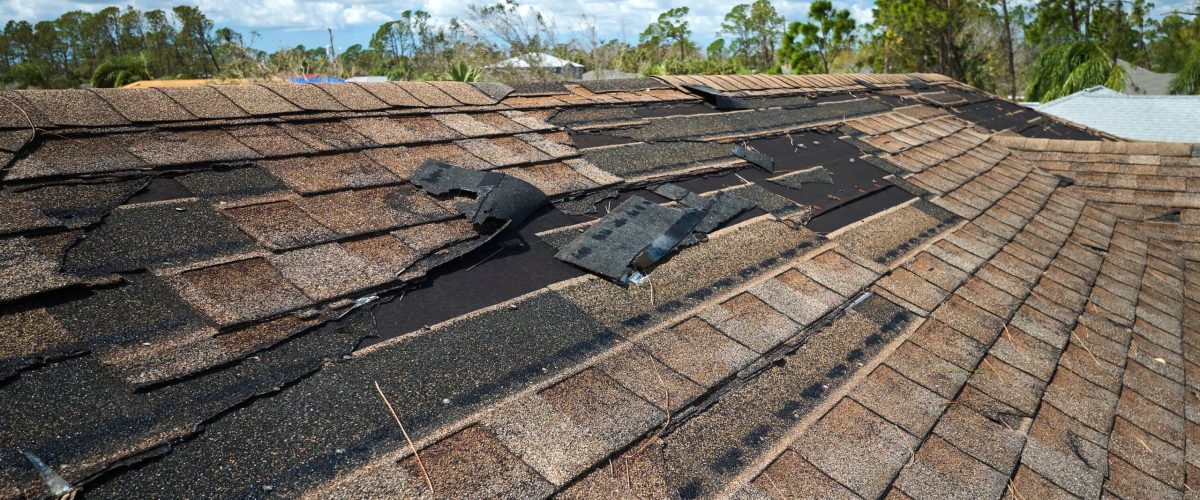
Should you patch the leak or replace the whole roof? The answer depends on your roof’s age, the extent of damage, Florida building code requirements, and what your insurance company will accept. This guide gives you the real numbers for Central Florida homes. Call (352) 605-0696 for a free inspection and honest assessment.
The national rule of thumb says asphalt shingles last 20 to 25 years. In Central Florida, that number drops to 15 to 18 years. The combination of UV exposure that runs 30 to 60 percent higher than the national average, summer roof surface temperatures reaching 150 to 170 degrees, and humidity averaging 70 to 80 percent year-round breaks down roofing materials faster than anywhere else in the continental United States.
That accelerated aging changes the repair-or-replace calculation for every homeowner in Hernando County, Pasco County, and the surrounding areas. A 12-year-old roof in Ohio still has a decade of serviceable life ahead of it. That same 12-year-old roof in Spring Hill or Brooksville may have three to five years left before the underlayment starts failing and repairs become a losing investment.
This guide walks through the real numbers, Florida-specific code requirements, insurance implications, and practical signs that help you decide whether your money is better spent on a repair or a full replacement.
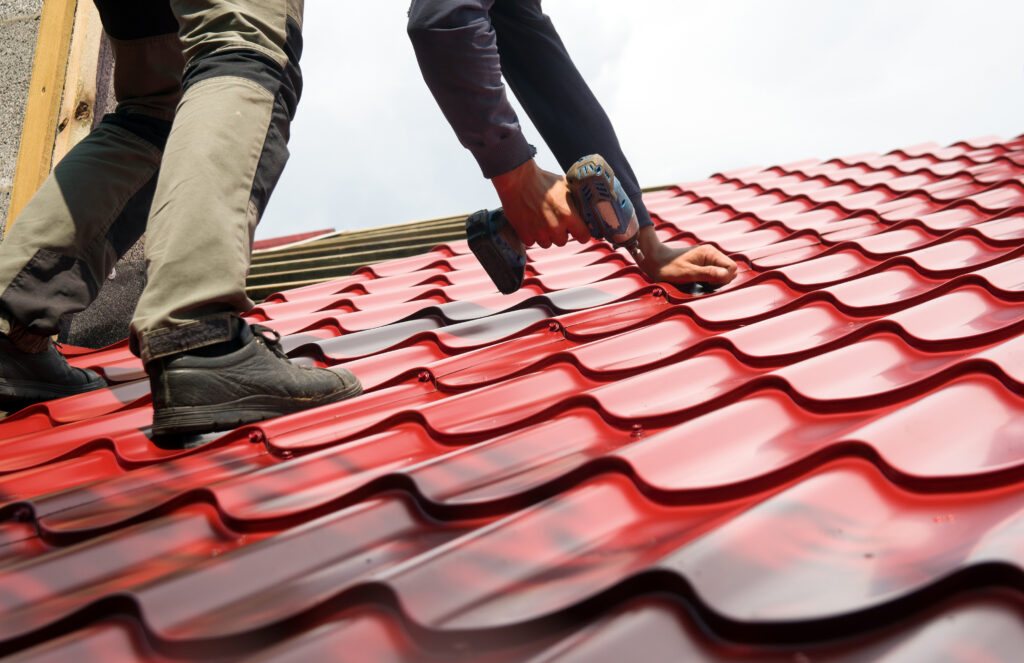
Repair makes sense when the damage is localized, the roof still has useful life remaining, and the cost stays well below what a replacement would run. Here are the situations where repair is the clear winner.
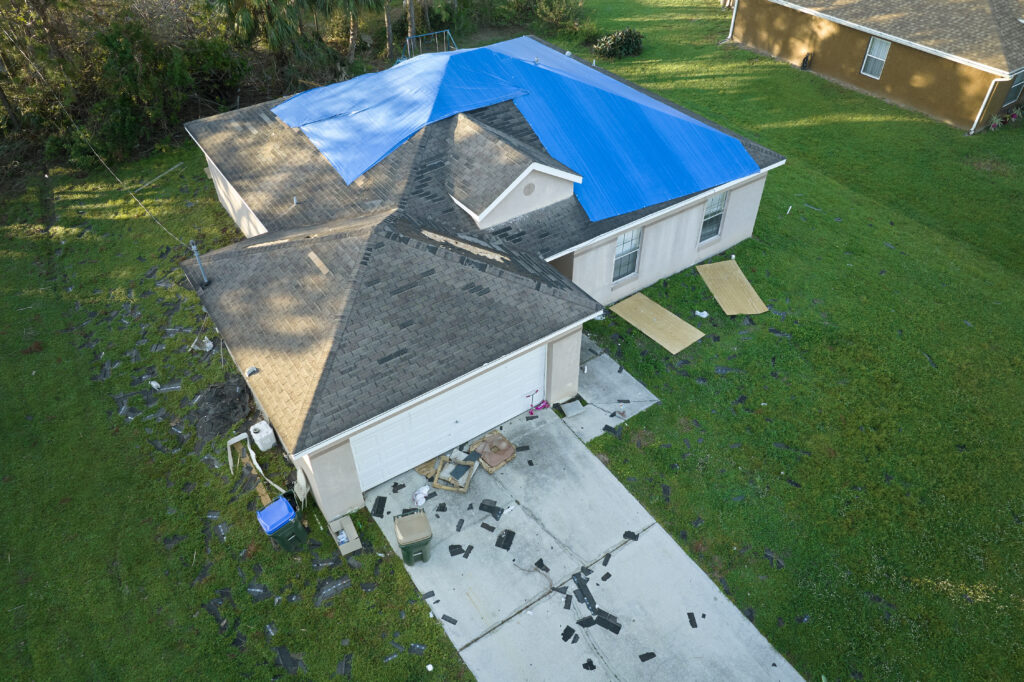
A tree branch punches through a small section. Wind lifts a row of shingles along one edge. A pipe boot cracks and creates a single leak point. When the problem is contained to one area and the rest of the roof is solid, a targeted repair restores full protection at a fraction of the replacement cost.
A relatively young roof with storm damage or a manufacturing defect does not need to be torn off. The materials still have years of performance left. Repairing the damaged section and filing a warranty claim where applicable makes financial sense.
Industry guidelines say repair is the better investment when the cost runs less than 30 percent of what a full replacement would cost. For a $15,000 replacement job, that means repairs up to about $4,500 are worth considering. Above that threshold, you start entering the gray zone where replacement delivers better long-term value.
| Repair Type | Typical Cost in Florida | When It Applies |
|---|---|---|
| Minor patch (missing shingles, small leak) | $150 – $450 | Isolated damage, roof under 10 years |
| Moderate repair (flashing, pipe boots, valley) | $400 – $1,800 | Multiple small problems, roof under 15 years |
| Major repair (section replacement, deck repair) | $2,000 – $6,500 | Storm damage to one area, roof otherwise sound |
| Emergency tarping and temp repair | $500 – $2,500 | Active leak or storm damage, needs immediate stop-gap |
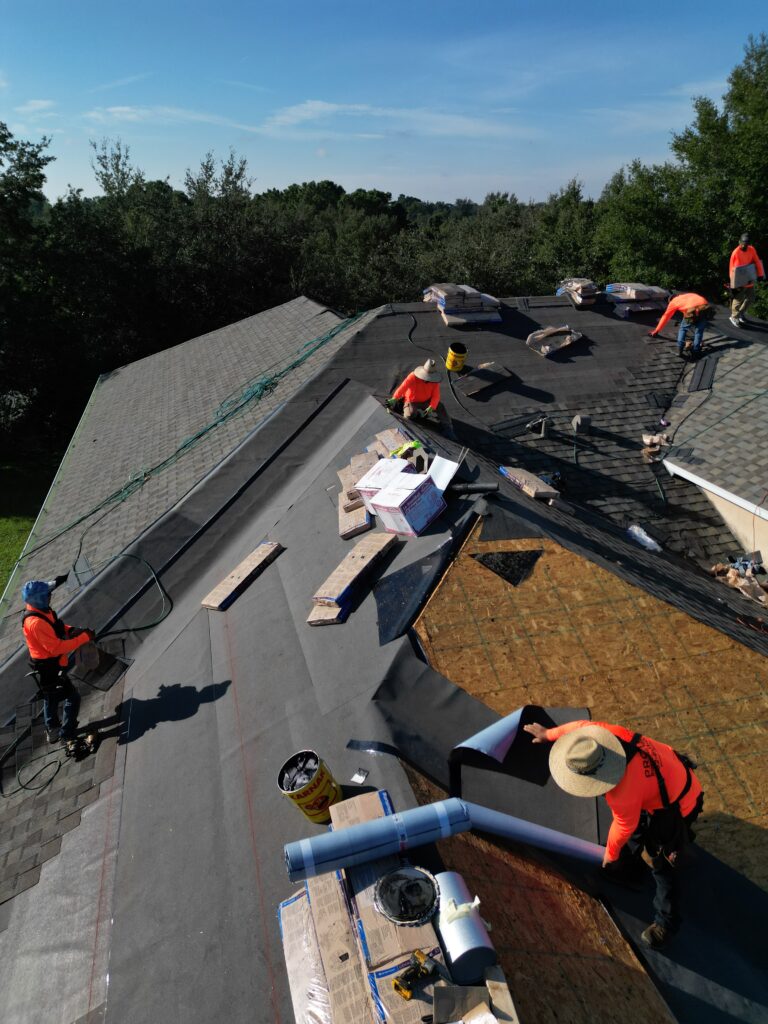
There comes a point where patching an aging roof costs more than it saves. These are the signals that your money is better spent on a new roof.
| Material | Florida Lifespan | National Average | Replace When |
|---|---|---|---|
| 3-Tab Shingles | 10 – 15 years | 15 – 20 years | Age 12+ with visible wear |
| Architectural Shingles | 15 – 18 years | 20 – 25 years | Age 15+ with granule loss |
| Metal Roofing | 40 – 50 years | 40 – 50 years | Only if severely corroded or storm-damaged |
| Concrete Tile | 40 – 50 years | 50+ years | Tiles last, but underlayment fails at 15 – 20 years |
| Flat (TPO/Mod Bit) | 15 – 25 years | 20 – 30 years | Membrane brittleness, ponding, seam separation |
When a quarter or more of the roof is compromised, Florida Building Code Section 553.844 kicks in. If more than 25% of the roof area is repaired or replaced in any 12-month period, the entire roof must be brought up to current code. For homes built before March 2009, this means a full code upgrade including new underlayment, upgraded fastening patterns, and potentially secondary water resistance. At that point, the cost difference between the code-mandated upgrade and a full replacement becomes small enough that replacement is the obvious choice.
The industry standard is straightforward: when a single repair or the accumulated cost of recent repairs exceeds half the price of a new roof, replace it. A $7,500 repair on a roof that could be replaced for $14,000 is money poorly spent because the remaining roof surface will continue to deteriorate at the same rate that caused the current failure.
A single leak point is a repair. Water stains in multiple rooms across different areas of the home indicate a systemic failure of the underlayment or deck. Patching one leak when the entire barrier layer is compromised means you will be back on the phone within months.
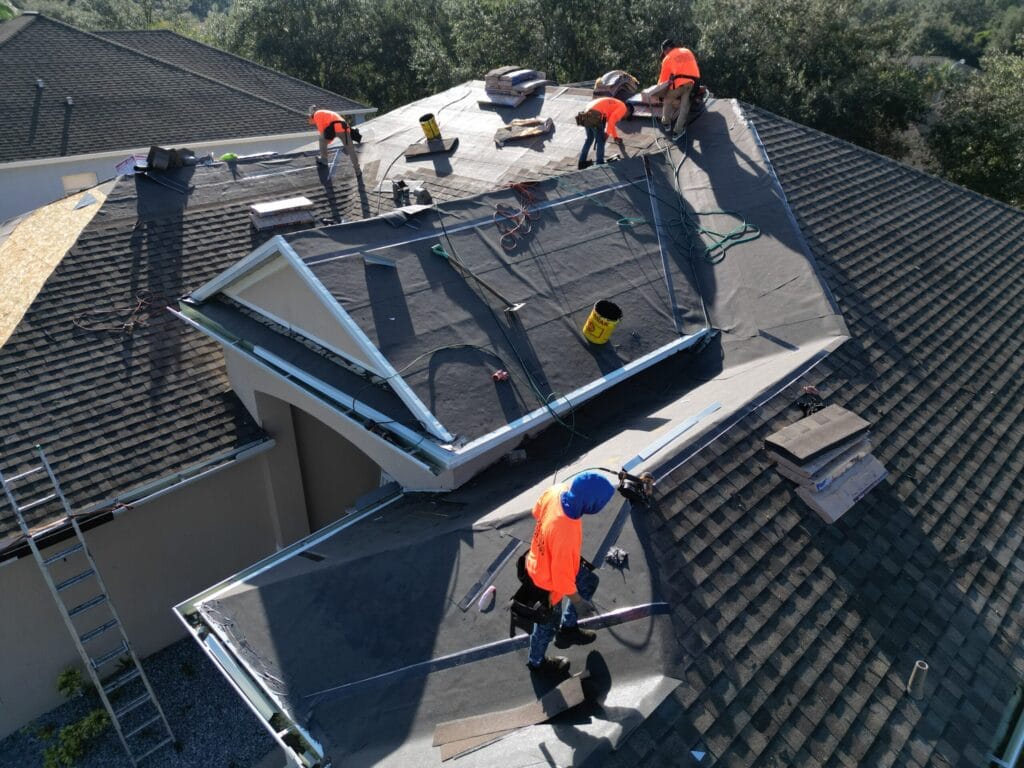
Here is what a full roof replacement typically costs for a standard 2,000 square foot home in Hernando County and the surrounding areas. These numbers include tear-off, materials, labor, permits, and cleanup.
| Roofing Material | Cost Range (2,000 sq ft) | Cost Per Square Foot |
|---|---|---|
| 3-Tab Shingles | $4,000 – $10,000 | $2 – $5 |
| Architectural Shingles | $10,000 – $18,000 | $5 – $9 |
| Standing Seam Metal | $24,000 – $46,000 | $12 – $23 |
| Concrete Tile | $14,000 – $38,000 | $7 – $19 |
| Clay Tile | $24,000 – $42,000 | $12 – $21 |
The most common project we handle is an architectural shingle replacement on a single-story home with one layer tear-off and minor deck repairs. That lands between $12,000 and $16,000 for most homes in Spring Hill and Brooksville. Financing is available with terms from 12 to 144 months and no money down through our financing partners.
Florida insurance companies have become increasingly aggressive about roof age. Under Florida Statute 627.7011, insurers cannot refuse to write or renew a policy solely because of roof age if the roof is less than 15 years old. But once your roof passes that 15-year mark, the rules change.
Insurers can require a roof inspection and may demand that the roof have at least five years of remaining useful life. If the inspector determines your roof does not meet that standard, your carrier can non-renew your policy. Citizens Property Insurance, the state insurer of last resort, considers shingle roofs “old” at 25 years and requires certification of at least three years remaining life.
Many Florida policies now pay actual cash value rather than replacement cost for older roofs. A 15-year-old architectural shingle roof on a 20-year material has depreciated by roughly 75 percent. If a storm destroys that roof, your insurance check may cover only 25 percent of what a replacement actually costs. The gap between the insurance payout and the real cost is where claims assistance and financing become essential.
A new roof automatically qualifies for multiple wind mitigation credits that can reduce the wind portion of your premium by 30 to 40 percent. A sealed roof deck alone saves 10 to 15 percent, and a hip roof adds another 20 percent. For many homeowners in Hernando County, the annual insurance savings from a new roof pay for a significant portion of the replacement cost over 10 years. A My Safe Florida Home wind mitigation inspection documents these features for your carrier.
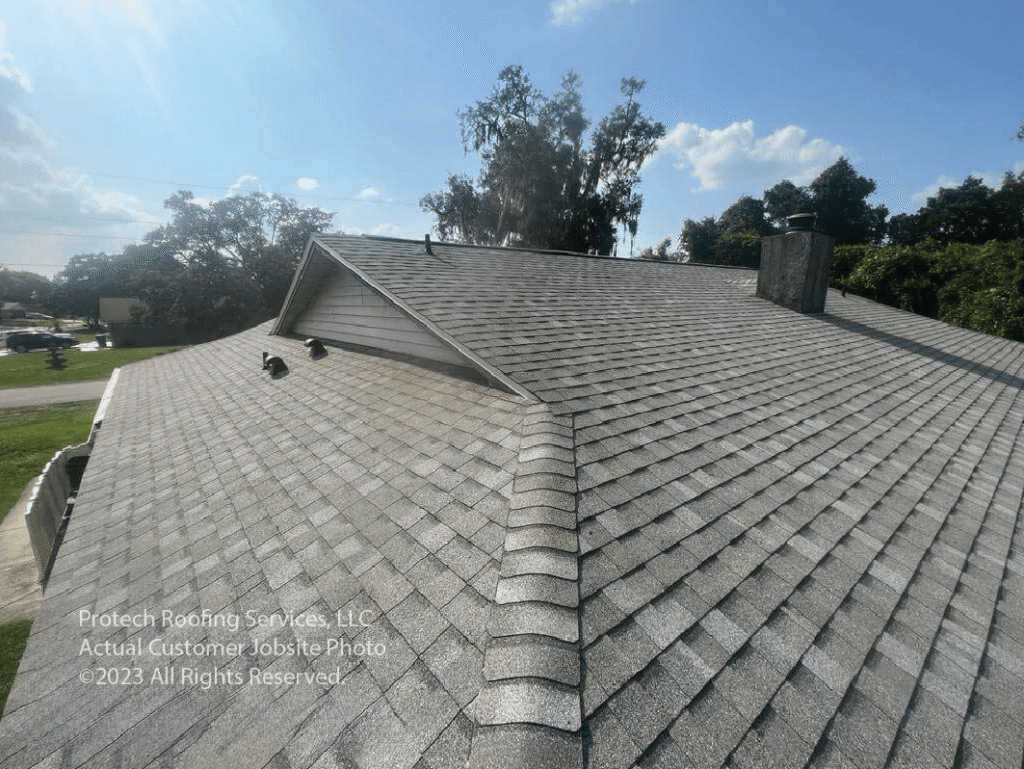
Here is what the numbers look like when you compare ongoing repairs against a one-time replacement over a 5-year period for a typical Hernando County home with an aging shingle roof.
| Cost Category | Ongoing Repairs (5 Years) | Full Replacement |
|---|---|---|
| Direct roofing cost | $8,000 – $15,000 cumulative | $12,000 – $16,000 one-time |
| Insurance premium (annual) | No discount, risk of non-renewal | 30-40% wind discount (~$500-$1,000/yr saved) |
| Energy savings (annual) | None | 15-30% cooling reduction (~$300-$600/yr) |
| Home value impact | Depreciates, buyer concerns | 60-70% cost recouped at resale |
| Risk of catastrophic failure | Increasing each year | Near zero for 15-20 years |
The math consistently favors replacement once a roof passes the 15-year mark in Florida. The combination of avoided repair costs, insurance premium reductions, energy savings, and resale value recovery means a new roof often pays for itself within 7 to 10 years, even without factoring in the peace of mind during hurricane season.
If the upfront cost is the barrier, our financing options spread the investment across 60 to 144 months, and the My Safe Florida Home program can reimburse up to $10,000 of the project cost through state-funded matching grants.