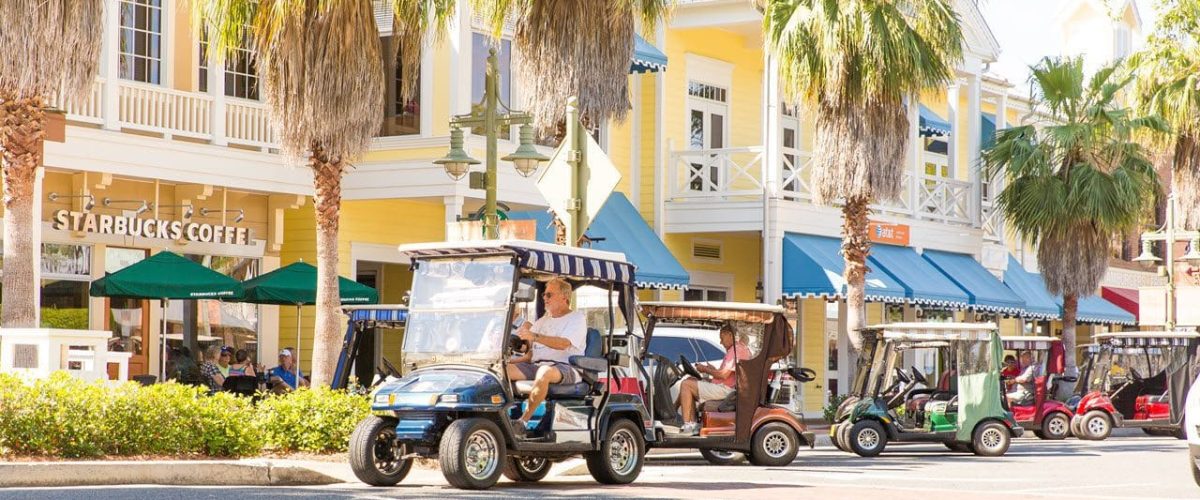
If you own a home in The Villages, there is a good chance your roof is closer to the end of its life than you think. Florida’s brutal combination of UV radiation, hurricane-force winds, and daily summer downpours shortens roof lifespans by 20 to 30 percent compared to homes up north. And with thousands of homes in The Villages now hitting the 15 to 25 year mark, roof replacement is quickly becoming the most important home maintenance decision in the community. In this guide, Protech Roofing Services breaks down exactly how long each roof type lasts in Florida, the insurance rules you need to understand, what replacement actually costs in 2026, and when it makes sense to repair versus replace. If you want a professional assessment of your roof right now, call us at (352) 605-0696 for a free roof inspection.
The number one mistake homeowners make is assuming their roof will last as long as the manufacturer’s warranty suggests. Those warranties are based on national averages, and Florida is not an average state when it comes to weather. Here is how the most common roofing materials actually perform in our climate versus the rest of the country.
| Roofing Material | Florida Lifespan | National Lifespan | Key Notes |
|---|---|---|---|
| 3-Tab Shingles | 10 to 15 years | 15 to 20 years | Most affordable but least durable in FL heat |
| Architectural Shingles | 15 to 18 years | 20 to 25 years | Most common in The Villages |
| Metal Roofing | 40 to 70 years | 40 to 70 years | Performs equally well in all climates |
| Concrete Tile | 40 to 50 years | 50+ years | Underlayment fails at 15 to 20 years |
| Clay Tile | 50 to 100 years | 50 to 100 years | Tiles outlast underlayment by decades |
Three-tab shingles are the most budget-friendly option, but they take the hardest hit from Florida’s climate. Constant UV exposure bakes the petroleum-based materials, causing them to dry out, curl, and crack years before they would in cooler states. In Central Florida, you can realistically expect 10 to 15 years from a 3-tab shingle roof, and homes that face south or west with full sun exposure often see degradation closer to the 10-year mark. If your home in The Villages still has original 3-tab shingles from the early 2000s, you are likely overdue for replacement.
Architectural shingles (also called dimensional or laminate shingles) are the most common roofing material across The Villages. They are thicker, more wind-resistant, and more attractive than 3-tab options. In Florida, you can expect 15 to 18 years of solid performance. Nationally, manufacturers rate them for 20 to 25 years, but our intense heat cycle, where attic temperatures regularly exceed 150 degrees in summer, accelerates the aging process significantly. Most shingle roof installations we perform in The Villages today use architectural shingles rated for 130+ mph winds.
This is where the conversation changes. Metal roofing systems are uniquely suited to Florida because they reflect solar heat instead of absorbing it, resist winds up to 160 mph, and will never grow algae or rot. A properly installed standing seam metal roof can last 40 to 70 years with minimal maintenance. The upfront cost is higher, but when you factor in the decades of avoided replacements and the significant insurance premium reductions, metal is often the most cost-effective choice over a 30-year window. More Villages homeowners are making this switch every year.
Tile roofs present a unique situation in Florida. The tiles themselves are incredibly durable. Concrete tile can last 40 to 50 years, and clay tile can last a century or more. But here is what many homeowners do not realize: the underlayment beneath those tiles typically fails at 15 to 20 years. When the underlayment deteriorates, water finds its way through even though the tiles above look perfectly fine. Tile roof owners in The Villages should plan for an underlayment replacement around the 15-year mark, which involves removing all tiles, replacing the underlayment, and reinstalling the tiles. It is a major project, but it extends the life of the roof by another 15 to 20 years.
The Villages is one of the fastest-growing retirement communities in the United States, and it has been expanding steadily since the late 1990s. That means a large portion of homes in the older villages, places like the Village of Duval, Village of Sunset Pointe, Village of Hemingway, and Village of Hacienda West, now have roofs that are 15 to 25 years old. For shingle roofs, that puts them squarely in the replacement zone.
We see this pattern constantly on our roof inspections throughout the community. A homeowner calls because they noticed a dark streak or a few lifted shingles, and when we get up there, the entire roof system is at the end of its useful life. Granules are thin. The felt paper underneath is brittle. Flashing around vents and valleys has corroded. Individual repairs at that stage are like putting a bandage on a wound that needs surgery.
One thing that catches many Villages homeowners off guard is the Architectural Review Committee (ARC) process. Before you can replace your roof in The Villages, you need ARC approval. The committee governs the appearance of homes within the Community Development Districts, and they maintain approved color palettes that vary by village and sometimes by home model. You cannot simply choose any shingle color you like. The approved options are designed to maintain a consistent neighborhood appearance, and submitting for approval takes time. We recommend starting the ARC process as soon as you know replacement is coming, because delays can push your project into hurricane season or past an insurance deadline. Protech handles ARC paperwork for our Villages customers as part of every total roof replacement project.
Insurance carriers operating in Florida have been tightening their requirements aggressively since 2020. Many homeowners in The Villages have received non-renewal notices specifically because their roof is past the 15-year mark. Others have seen their premiums double or triple. A new roof does not just protect your home from the next storm. It protects your ability to keep affordable homeowners insurance, which is something no Villages homeowner can afford to lose.
Some roof failures announce themselves with an obvious leak. But most roofs deteriorate gradually, and the signs are easy to miss if you do not know what to look for. Here are the most common warning signs we find during inspections in The Villages and throughout Central Florida.
Curling, cracking, or missing shingles. When shingles start to curl at the edges or develop visible cracks, they have lost their ability to shed water effectively. Missing shingles leave the underlayment directly exposed to UV and rain. Even a few missing shingles on an older roof usually indicate the adhesive strip has failed across large sections, meaning more shingles will lift in the next strong wind event.
Dark streaks or algae growth. Those black streaks running down your roof are not just cosmetic. They are caused by Gloeocapsa magma, a type of blue-green algae that feeds on the limestone filler in shingles. While the algae itself does not destroy the roof immediately, it holds moisture against the shingle surface and accelerates granule loss. In Florida’s humid climate, algae spreads fast.
Soft spots or sagging. If any section of your roof feels soft when you walk on it, or if you can see sagging from the ground, the decking beneath the shingles has likely been compromised by moisture. This is a serious structural issue that goes well beyond surface-level damage. Sagging typically means the plywood decking is rotting, and it needs immediate attention.
Water stains on interior ceilings or walls. Brown or yellowish stains on your ceiling are a clear sign that water is penetrating the roof system. By the time you see stains inside, the leak has likely been active for weeks or months. The damage path from the roof penetration point to the visible stain can be surprisingly long, as water travels along rafters and sheathing before dripping down.
Granule accumulation in gutters. Asphalt shingles are coated with ceramic granules that protect the asphalt from UV damage. As shingles age, they shed these granules at an increasing rate. If you are cleaning your gutters and finding heavy deposits of what looks like coarse sand, your shingles are losing their protective layer. This accelerates the aging process and is one of the clearest signs that replacement is near.
Rising energy bills. A deteriorating roof loses its ability to reflect heat and insulate your attic space. If your electric bills have been climbing steadily even though your HVAC system is working fine, your roof may be allowing significantly more heat transfer than it did when it was new. In Florida, where air conditioning accounts for a huge share of your utility costs, this matters.
Daylight visible through attic boards. Go into your attic on a sunny day and turn off the lights. If you can see pinpoints of daylight coming through the roof deck, water can get through those same gaps. This is especially common around penetrations like plumbing vents, exhaust fans, and satellite dish mounts.
| Warning Sign | Urgency | What It Means |
|---|---|---|
| Sagging or soft spots | Immediate | Structural damage, possible deck rot |
| Active interior leaks | Immediate | Water penetration causing ongoing damage |
| Missing shingles (multiple) | Urgent | Underlayment exposed to elements |
| Curling or cracking shingles | Soon | Shingles failing, replacement within 1 to 2 years |
| Heavy granule loss | Soon | UV protection gone, accelerated aging |
| Dark streaks or algae | Monitor | Cosmetic now, accelerates wear over time |
| Rising energy bills | Monitor | Insulation and reflectivity declining |
If you are seeing any of the “Immediate” or “Urgent” signs, do not wait. Call Protech at (352) 605-0696 to schedule a free roof inspection before minor issues become major expenses.
Florida’s homeowners insurance market has been one of the most volatile in the country over the past several years. Multiple carriers have left the state entirely, and those that remain have raised rates dramatically while tightening their underwriting standards. For homeowners in The Villages, understanding how your roof age affects your insurance is just as important as understanding the roof itself.
Under current Florida law, insurance companies can decline to issue or renew a homeowners policy if the roof is more than 15 years old. This does not mean they automatically drop you at 15 years, but it gives them the legal right to do so. Many carriers have been exercising this right aggressively since 2022. Homeowners who do receive renewal offers on older roofs often face steep premium increases.
There is an exception: if you obtain a certified roof inspection from a licensed inspector or contractor showing that your roof has at least 5 years of remaining useful life, your insurer must continue coverage. Protech provides these certified inspections, and we give you an honest assessment. If your roof genuinely has life left, we will document that. If it does not, we will tell you that too, because finding out during a claim denial is far worse.
There is good news on the horizon. Senate Bill 808 and House Bill 815, signed into Florida law, take effect on July 1, 2026. These bills aim to prohibit insurance companies from refusing to write or renew a policy solely based on the age of the roof. This is a significant change that should provide relief for homeowners with well-maintained older roofs. However, insurers can still factor roof age into pricing, and they can still require inspections. The new law does not eliminate the financial advantages of having a newer roof. It simply removes the blunt instrument of automatic denial at 15 years.
Even if your insurer continues your policy, the type of coverage you have matters enormously. Replacement Cost Value (RCV) policies pay to replace your damaged roof with a new one of similar quality. Actual Cash Value (ACV) policies pay for the depreciated value of your roof at the time of the loss. On a 15-year-old shingle roof, ACV coverage might pay out only 30 to 40 percent of what a new roof costs. That leaves you covering the majority out of pocket after a hurricane. Many insurers have quietly shifted older roofs from RCV to ACV coverage, sometimes without homeowners fully understanding the change. Check your policy declarations page carefully.
One of the strongest financial arguments for a new roof in Florida is the wind mitigation inspection. When you install a new roof that meets current Florida Building Code, you qualify for wind mitigation credits that can reduce your insurance premium by 30 to 40 percent. On a typical Villages home paying $3,000 to $5,000 per year in insurance, that is $900 to $2,000 in annual savings. Over 15 years, those savings can offset a significant portion of the replacement cost. Our My Safe Florida Home program page explains how these credits work in detail.
| Factor | Old Roof (15+ years) | New Roof |
|---|---|---|
| Annual Premium (typical) | $4,000 to $6,000+ | $2,400 to $4,000 |
| Wind Mitigation Credits | Minimal or none | 30 to 40% reduction |
| Coverage Type Available | Often ACV only | Replacement Cost (RCV) |
| Risk of Non-Renewal | High | Very low |
| Claim Payout on $20K Damage | $6,000 to $10,000 (ACV) | $18,000 to $20,000 (RCV) |
Need help navigating a roof-related insurance issue? Protech provides full insurance claims assistance to help homeowners get the coverage and payouts they deserve.
Florida’s 25% Rule is one of the most misunderstood regulations in residential roofing, and it has a direct impact on whether a repair job turns into a full replacement. Here is how it works.
If more than 25% of your roof is repaired or replaced within any 12-month period, the entire roof must be brought up to the current Florida Building Code. This rule exists to ensure that older homes receive modern hurricane protection when significant roofing work is performed.
The code distinguishes between homes built before and after March 1, 2009. For pre-2009 homes, triggering the 25% threshold means the entire roof must be upgraded to current code standards. That includes sealed roof decks, enhanced roof-to-wall connections, and current wind resistance ratings. For post-2009 homes, only the damaged or repaired sections need to meet the latest code. Since the majority of homes in The Villages were built before 2009, this distinction matters enormously. A large repair on a pre-2009 home can easily trigger a full code upgrade that costs nearly as much as a complete replacement.
The current Florida Building Code (8th Edition, effective late 2025 into 2026) requires sealed roof decks on all new installations and major repairs in high-velocity hurricane zones. Enhanced roof-to-wall connections, improved flashing standards, and specific underlayment requirements all add to the scope and cost of any code-triggered project. These are good requirements that genuinely improve hurricane performance, but they also mean that partial repairs on older homes are increasingly impractical from a cost standpoint.
The practical takeaway: if your roof needs repairs covering more than about a quarter of its surface, or if storm damage affects a large section, you are very likely looking at a full replacement once the 25% rule kicks in. In many cases, choosing a complete roof replacement upfront is more cost-effective than trying to repair and hoping you stay under the threshold.
Not every roofing issue requires a full replacement. Sometimes a targeted roof repair is the right call. The key is making that decision based on the overall condition of the roof, not just the visible problem. Here is a practical decision framework.
| Situation | Repair | Replace |
|---|---|---|
| Roof age under 10 years, isolated damage | Yes | No |
| Roof age 10 to 15 years, minor storm damage | Maybe | Maybe |
| Roof age 15+ years, any significant issue | No | Yes |
| Damage covers 25%+ of roof surface | No | Yes (code requires it) |
| Insurance non-renewal due to roof age | No | Yes |
| Single leak around a vent or pipe boot | Yes | No |
| Widespread granule loss and curling | No | Yes |
| Planning to sell within 2 years | No | Yes (maximizes resale value) |
The gray area is usually roofs in the 10 to 15 year range with moderate damage. In those cases, a thorough inspection is essential. We look at granule coverage, underlayment condition, flashing integrity, and the overall remaining life of the system. If a $2,000 repair will buy you 3 to 5 more years on a roof that is otherwise sound, it makes sense. If a $3,000 repair just delays an inevitable $18,000 replacement by one year, it does not.
Roof replacement costs have increased steadily over the past several years due to material price inflation, labor shortages, and stricter code requirements. Here is what homeowners in The Villages and surrounding Central Florida can expect to pay in 2026 for a standard 2,000 square foot home.
| Material | Cost Per Sq Ft | Total (2,000 sq ft home) | Notes |
|---|---|---|---|
| 3-Tab Shingles | $4.50 to $6.00 | $9,000 to $12,000 | Budget option, shorter lifespan |
| Architectural Shingles | $5.50 to $7.50 | $11,000 to $15,000 | Best value for most homes |
| Standing Seam Metal | $10.00 to $20.00 | $20,000 to $40,000 | Longest lifespan, best insurance savings |
| Concrete Tile | $8.00 to $14.00 | $16,000 to $28,000 | Heavy, requires structural support |
| Clay Tile | $12.00 to $21.00 | $24,000 to $42,000 | Premium option, century-long lifespan |
These ranges include materials, labor, tear-off and disposal of the old roof, permits, and standard code compliance items. Labor accounts for 40 to 60 percent of the total cost in Florida, which is higher than the national average because of the specialized hurricane installation techniques required by code.
Hurricane-specific enhancements like sealed roof decks, upgraded fastener patterns, and enhanced drip edge systems can add $1,000 to $3,000 to the base cost. These upgrades are often required by code anyway, and they directly contribute to those wind mitigation insurance credits we discussed earlier.
The average Villages homeowner replacing an architectural shingle roof in 2026 should expect to pay between $15,000 and $25,000 depending on roof complexity, accessibility, and any decking repairs needed. Protech offers financing options to help make that investment manageable, with monthly payment plans that often cost less than the insurance premium difference between an old roof and a new one.
When you replace your roof matters almost as much as whether you replace it. Florida has a rhythm to its weather and its insurance market, and smart homeowners plan their replacements around both.
Every year, the window from June through November brings the highest risk of tropical storms and hurricanes to Central Florida. Replacing your roof during hurricane season is not ideal for several reasons. Contractor availability drops because storm damage restoration work surges after any significant weather event. Material prices can spike due to demand. And having your roof partially torn off when a surprise tropical system develops is a scenario no homeowner wants to face.
The ideal window for roof replacement in Central Florida is January through May. Contractor schedules are more open, material pricing is stable, and you have your new roof in place well before hurricane season begins. This is also when insurance renewal season hits for many homeowners, so having a new roof in place before your renewal date can lock in lower premiums immediately.
Homeowners who plan their replacement 2 to 3 months in advance almost always get better pricing and scheduling than those who call in a panic after receiving an insurance non-renewal notice. The ARC approval process in The Villages adds another layer of lead time. Between choosing your materials, getting ARC approval, and scheduling the installation, 4 to 6 weeks of planning time is typical. Starting that process in November or December positions you perfectly for a January or February installation.
Waiting until something goes wrong is the most expensive approach. A planned replacement on your timeline costs less than an emergency replacement on the insurance company’s timeline.
Whether your roof is showing visible signs of wear or you just want to know where it stands, the smartest first step is a professional inspection. Protech Roofing Services, LLC provides free, no-obligation roof inspections for homeowners throughout The Villages and all of Central Florida. We will assess your roof’s current condition, give you an honest estimate of its remaining life, and walk you through your options if replacement is approaching.
Our inspections include a full written report you can use for insurance purposes, ARC applications, or simply your own peace of mind. There is no pressure and no sales pitch. Just a clear, professional assessment from a licensed and insured roofing contractor who has worked on hundreds of homes in your community.
Call Protech Roofing Services today at (352) 605-0696 or request your free estimate online. Your roof protected your family through every storm so far. Make sure it is ready for the next one.