
Roofing Services in Hudson, FL | Protech Roofing Services
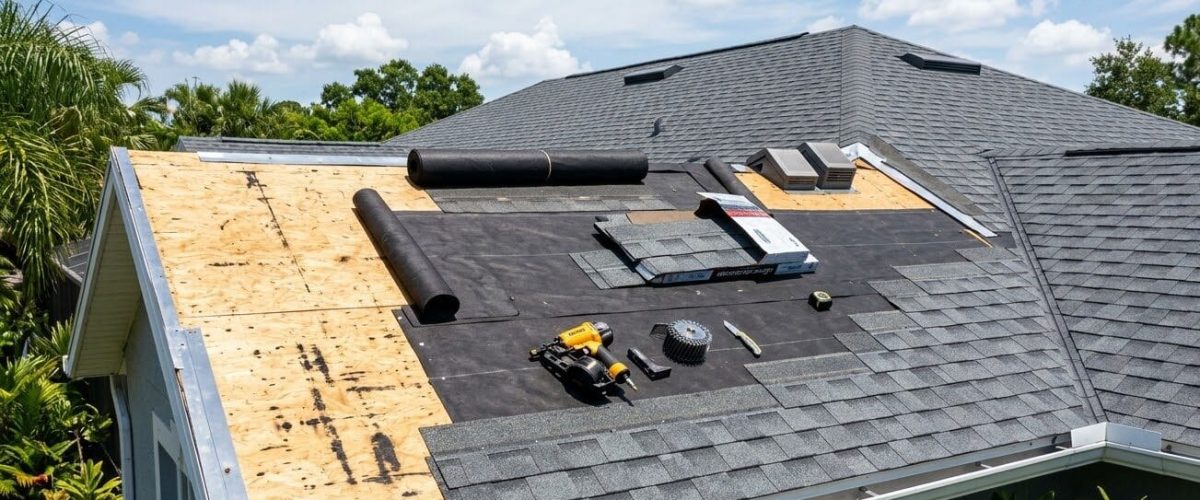
Protech Roofing Services handles coastal and inland roofing needs for Hudson homeowners in Pasco County. Call (352) 605-0696 for a free estimate.
Roofing Services We Offer in Hudson
Protech Roofing Services provides a full range of roofing services in Hudson, FL, covering everything from basic shingle repairs to complete roof system replacements on both standard suburban homes and waterfront canal properties. Hudson sits at the westernmost edge of Pasco County along the Gulf of Mexico, and that coastal location creates roofing demands that inland communities simply don’t face. Salt air, higher wind exposure, and the constant presence of moisture require materials and installation methods that hold up under harsher conditions.
Roof replacement is our most common service in Hudson. Many homes in this community were built in the 1970s, 1980s, and 1990s, which puts their original roofs well past the expected lifespan of standard asphalt shingles. If your roof is more than 20 years old and you’ve been patching problems as they pop up, you’re likely spending more on repairs than a replacement would cost. We install asphalt architectural shingles, standing seam metal roofing, stone-coated steel, concrete tile, and flat roof membranes (TPO, modified bitumen, and EPDM) for low-slope applications.
Roof repair handles the situations that don’t warrant a full replacement. A cracked pipe boot, a section of missing shingles after a storm, a leak at a flashing point, or damaged ridge cap can all be repaired without tearing off the entire roof. We carry common materials on our trucks and can complete many repairs the same day we inspect the problem. And we’ll always be straight with you about whether a repair is a reasonable fix or just a temporary bandage on a roof that really needs replacement.
Emergency storm damage service is especially critical in a coastal community like Hudson. When a storm rips off shingles, blows debris into your roof, or causes a tree limb to puncture the decking, you can’t wait days for a scheduled appointment. Our emergency crew responds quickly to tarp and secure the damaged area, stopping water intrusion until a permanent repair or replacement can be completed. Call (352) 605-0696 any time you’re dealing with active roof damage.
Gutter installation and repair, soffit and fascia work, attic ventilation upgrades, and skylight services round out our offerings. These components are part of your complete roofing system, and neglecting any one of them can undermine the performance of even a brand-new roof. We also perform wind mitigation inspections, which document your roof’s hurricane resistance features and can earn you significant discounts on your homeowner’s insurance premium.
For Hudson’s waterfront properties, we offer specialized coastal roofing services that account for salt air corrosion, higher wind loads, and the unique access challenges that come with working on canal-front and Gulf-front homes. Standard inland roofing practices don’t always hold up in Hudson’s marine environment, and we use materials and methods specifically suited to the coast. Stainless steel fasteners, marine-grade sealants, and corrosion-resistant flashing are standard on every waterfront project we handle.
Roof coatings are another service that Hudson homeowners find valuable, particularly on flat and low-slope sections. Elastomeric and silicone roof coatings can extend the life of an existing roof by 10 to 15 years in some cases, and they add a reflective barrier that reduces heat absorption. For homeowners who aren’t ready for a full replacement but want to protect and extend their current roof, a professional coating application can be a cost-effective middle ground. We evaluate your existing roof’s condition before recommending a coating to make sure the substrate is sound enough to support it.
Hudson Neighborhoods and Communities We Serve
Hudson is a census-designated place in western Pasco County with a population of roughly 13,000 residents. The community stretches from US Route 19 westward to the Gulf of Mexico, and it includes one of the largest networks of artificial residential canals in the entire United States, with over 25 miles of inland waterways. These canals were carved out by the Army Corps of Engineers in the late 1950s and 1960s, and they define the character of Hudson’s waterfront neighborhoods.
Protech Roofing serves every neighborhood in Hudson, from the gulf-front properties along the coast to the inland residential areas east of US 19. Here’s a closer look at the communities we work in regularly.
Sea Pines is Hudson’s newest waterfront development and the only deed-restricted neighborhood west of US 19. It sits at the northern end of the waterfront area, separated from the other canal neighborhoods by the Suncoast Seabird Sanctuary preserve. Homes in Sea Pines tend to be newer and well-maintained, many with architectural shingle or metal roofs that are still within their warranty period. Even so, the coastal exposure means these roofs take more punishment from salt and wind than similar homes would a few miles inland.
Driftwood Isles occupies a unique peninsula that juts out into open water between Cape Cay and Port Hudson. This neighborhood has experienced significant redevelopment in recent years, with many older structures being replaced by two and three-story waterfront homes. Roofing on these taller structures requires specialized equipment and safety planning, and the gulf-front exposure demands materials rated for the highest wind speeds. Protech Roofing has worked on numerous Driftwood Isles properties and understands the specific requirements.
Cape Cay is a smaller community with its own separate canal system entering the Gulf north of Driftwood. This neighborhood has a mix of older manufactured homes and newer stilt houses built to current flood zone standards. Roofing on stilt homes presents unique access challenges, and the combination of salt spray and Gulf winds accelerates wear on roofing materials. We see a lot of repair work in Cape Cay, particularly on older metal and shingle roofs that have been weathered by decades of coastal exposure.
Port Hudson, Hudson Beach Estates, Sea Ranch, and Signal Cove make up the southern portion of the waterfront area. These neighborhoods include some of Hudson’s oldest homes alongside newer construction, and the roofing needs vary widely from property to property. We serve all of these communities and can handle everything from a minor repair on a 1970s ranch home to a full metal roof installation on a new stilt house built to current code.
Sunset Estates and Waterway Shores sit between Cape Cay and Port Hudson, offering a mix of canal-front homes with boat access to the Gulf. The canal-side properties in these neighborhoods face additional moisture challenges from the water on both sides (the canal below and the Gulf weather above), which makes proper ventilation and moisture-resistant materials especially important.
The Hudson Beach area itself sits between the canal neighborhoods and features a marina, restaurants, and a small-town coastal atmosphere. Homes near Hudson Beach range from modest older cottages to recently built raised structures. Roofing in this area requires attention to the same coastal factors that affect the canal neighborhoods: salt exposure, higher wind classifications, and stricter insurance requirements.
East of US 19, Hudson has a broader suburban character with standard residential neighborhoods, mobile home communities, and commercial properties. Club Wildwood and other manufactured home communities have specific roofing needs that differ from site-built homes. We work with manufactured homes regularly and understand the weight limitations, attachment requirements, and material options that apply to these structures.
Common Roof Problems in Hudson’s Coastal Climate
Living near the Gulf of Mexico has its obvious benefits, but the coastal environment is hard on roofs. Hudson homeowners deal with a specific set of roofing problems that homeowners even 10 miles inland rarely encounter. Understanding these issues helps you catch problems early and make better decisions about materials and maintenance.
Salt air corrosion is the single biggest factor that separates coastal roofing from inland roofing. Airborne salt particles from the Gulf settle on every exposed surface, including your roof. On metal components like flashing, fasteners, drip edges, and metal roof panels, salt accelerates oxidation and corrosion. Standard galvanized steel fasteners can rust through in just a few years in Hudson’s environment. That’s why we always use stainless steel or specially coated fasteners on waterfront properties, and we recommend aluminum or Galvalume-coated metal for any exposed metal roofing components.
Wind exposure is greater in Hudson than in most Pasco County communities because there’s nothing between the Gulf of Mexico and your roof to break the wind. Trees, buildings, and terrain features that buffer wind in inland areas simply aren’t there on the waterfront. During tropical storms and hurricanes, Hudson’s western exposure means it takes the first and strongest hits. Roofs in the waterfront neighborhoods need to meet the highest wind ratings for this zone, and installation quality (particularly fastener patterns and attachment methods) is just as important as the material itself.
Moisture and humidity never let up in Hudson. Even on sunny days, the relative humidity stays high, and the combination of warm air and constant moisture creates perfect conditions for algae, mold, and mildew growth on roof surfaces. Algae streaks on asphalt shingles are extremely common in Hudson. Beyond the cosmetic issue, algae growth holds moisture against the shingle surface and accelerates the breakdown of the protective granule layer.
Storm surge and flooding add a dimension to roof damage that most people don’t think about. During major storms, Hudson’s waterfront neighborhoods can experience storm surge that pushes water well above normal levels. While storm surge primarily damages the lower portions of a home, the extreme conditions that cause surge also generate the highest winds and the most intense rain. Roofs take a beating from every direction during these events.
Driving rain is a different beast on the coast than it is inland. During tropical storms and nor’easters, rain in Hudson doesn’t fall straight down. It comes in at sharp angles driven by sustained winds, forcing water into seams, beneath shingle edges, and around flashing joints that would stay dry in a typical vertical rainstorm. Roofing installations in Hudson need to account for wind-driven rain by using enhanced underlayment systems, proper drip edge installation, and sealed flashing details at every penetration and transition point. A roof that passes inspection in an inland community might not hold up to the sideways rain that Hudson experiences multiple times each storm season.
UV degradation is accelerated in Hudson because the reflective water surface of the Gulf and the canals bounces additional sunlight onto roof surfaces. This is particularly noticeable on south and west-facing roof slopes, which get both direct sunlight and reflected light off the water. Asphalt shingles on these exposures tend to age faster than those on north-facing slopes of the same roof. Metal roofing and tile hold up better against UV exposure than asphalt, which is one reason these materials are popular in Hudson’s waterfront neighborhoods.
Pest intrusion through damaged roofing components is another common coastal issue. The warm, moist environment near the Gulf attracts a variety of pests, including termites, carpenter ants, and rodents. Damaged soffit panels, gaps in fascia boards, and deteriorated vent screens give these pests easy access to attic spaces. Once inside, termites can cause serious structural damage before anyone notices. Keeping your roof’s perimeter sealed and in good repair is one of the best defenses against pest intrusion. During inspections, we check all access points and note any areas where pest entry is possible so repairs can be made before an infestation develops.
Standing water on flat roof sections is a particular concern in Hudson, especially on older homes with additions or enclosed patios that have low-slope roofing. Coastal properties sometimes experience settling or shifting that creates low spots where water pools after rain. Standing water adds tremendous weight to the roof structure (water weighs about 5.2 pounds per square foot per inch of depth) and accelerates the breakdown of roofing membranes. If you notice puddles on any flat section of your Hudson home’s roof that don’t drain within 48 hours after rain stops, that’s a drainage issue that needs professional attention.
Roof Inspections and Maintenance for Hudson Properties
Given the extra stress that Hudson’s coastal environment puts on roofing systems, regular inspections are even more important here than in inland communities. We recommend that Hudson homeowners schedule a professional roof inspection twice a year: once in spring (before hurricane season) and once in late fall (after hurricane season ends). Waterfront properties in Sea Pines, Driftwood Isles, Cape Cay, and the other canal neighborhoods should consider this a minimum, not a suggestion.
A Protech Roofing inspection covers every component of your roofing system from top to bottom. We start on the roof surface, checking for damaged, missing, or deteriorating materials. We inspect all flashing points (chimneys, vent pipes, skylights, wall intersections) for corrosion, separation, or sealant failure. The ridge caps, hip caps, and starter strips get close attention because these are often the first components to fail in high winds.
We pay special attention to fasteners and metal components on Hudson waterfront homes. Salt air corrosion can weaken fasteners to the point where they fail during a storm, allowing sections of roofing to lift or blow off. Catching corroded fasteners during an inspection and replacing them is a small repair that can prevent a major failure later. We also check all exposed metal flashing for signs of oxidation, pitting, or galvanic corrosion (which happens when dissimilar metals are in contact in a salty, moist environment).
The gutter system gets a thorough evaluation as part of every inspection. In Hudson, gutters deal with heavy rain volumes during storms and constant leaf and debris accumulation from the tropical vegetation. Clogged or damaged gutters cause water to overflow, which can damage fascia boards, soffit panels, and even the foundation over time. We clean out gutters during our inspections and note any sections that need repair or replacement.
Inside the attic (when accessible), we look for signs of water intrusion, inadequate ventilation, mold or mildew growth, and structural issues. Water stains on the underside of the decking, rusted nail tips poking through, and daylight visible through the roof boards are all red flags that need immediate attention. Attic inspections are especially revealing because they often show problems that aren’t visible from the exterior.
Moss and algae growth is a persistent issue on Hudson roofs, particularly on north-facing slopes and in areas shaded by trees. The constant humidity from the Gulf creates an environment where biological growth thrives. While algae (those dark streaks running down your shingles) is primarily a cosmetic issue in the short term, moss is more damaging because its root structures can lift shingle edges and create water entry points. We recommend algae-resistant shingles for Hudson installations, and for existing roofs, professional cleaning treatments can remove growth without damaging the roofing material.
After every inspection, we provide Hudson homeowners with a detailed written report that includes photographs, condition ratings for each component, and prioritized recommendations. This report gives you a clear picture of where your roof stands and what (if anything) needs attention. For homeowners planning to sell, an inspection report from a licensed roofing contractor can also help support your asking price by documenting the roof’s condition for potential buyers.
Building Codes and Permit Requirements for Hudson Roofing
Hudson falls under Pasco County’s building jurisdiction, and all roofing work that involves replacement, significant repairs, or structural modifications requires a building permit from the Pasco County Building Construction Services department. This is not optional, and it’s not something a legitimate contractor will skip.
The permit process exists to protect you. It ensures that your new roof meets the current Florida Building Code (8th Edition, 2023), which sets standards for wind resistance, water protection, material quality, and installation methods. In a coastal community like Hudson, where roofs face higher wind loads and more severe weather than most of the state, code compliance isn’t just a bureaucratic requirement. It’s a genuine safety measure.
Pasco County accepts roofing permit applications through their online PascoGateway portal and in person at the Building Construction Services office. The application requires your contractor’s license information, a description of the work, product specifications for the roofing materials, and documentation showing compliance with wind load requirements for your property’s specific location and exposure category.
For Hudson waterfront properties, the wind load requirements may be higher than for inland Pasco County homes because of the increased exposure. The Florida Building Code assigns different exposure categories based on the surrounding terrain and distance from the coast. A home in Driftwood Isles with direct Gulf exposure is classified differently than a home east of US 19 surrounded by other buildings and trees. These classifications affect the required fastener patterns, underlayment specifications, and wind uplift ratings for your roofing materials.
Pasco County requires a minimum of three photographs during the roofing installation, with each photo clearly showing the county permit number and the fasteners being used. Multiple inspections are scheduled throughout the project to verify that the work matches the permitted plans and meets code requirements. Protech Roofing coordinates all of these inspections and makes sure our installation passes on the first try.
The 25 percent rule applies in Hudson just as it does throughout Florida. If more than 25 percent of your roof covering is being replaced (whether due to storm damage, age, or any other reason), the entire roof must be brought up to current code standards. For older Hudson homes that were built to previous code editions, this can mean upgrades to underlayment, attachment methods, and materials. While this adds cost to the project, it also means your entire roof will meet modern hurricane resistance standards, which is particularly valuable in a coastal community.
Protech Roofing handles every aspect of the permitting and inspection process for our Hudson customers. We submit the applications, provide all required documentation, schedule the inspections, and ensure that the finished work passes county review. You don’t need to visit the building department or worry about code compliance details. That’s our job.
Waterfront and Coastal Roofing Challenges in Hudson
Hudson’s identity is tied to the water. With over 25 miles of residential canals, direct Gulf of Mexico frontage, and an entire section of the community built on man-made waterways, the relationship between Hudson homes and the coast shapes every roofing decision. The challenges that come with this location aren’t impossible to manage, but they do require a contractor who understands coastal construction.
Material selection is the starting point. Not every roofing product that works well in an inland subdivision performs the same way within a mile of the Gulf. Standard three-tab asphalt shingles, for example, have lower wind ratings than architectural shingles and tend to deteriorate faster in salt-laden air. We generally recommend architectural shingles rated for 130 mph or higher for Hudson properties, and for waterfront homes west of US 19, we often suggest metal roofing or impact-rated shingles that can handle the additional wind and debris exposure.
Stainless steel and coated fasteners are a must in Hudson’s waterfront neighborhoods. Standard galvanized nails and screws will corrode in the salt air, losing holding power over time. This is one of those details that separates a roofing contractor who understands coastal work from one who doesn’t. The fasteners aren’t visible after installation, so you’d never know the difference by looking at the finished roof. But five years down the road, when a storm hits and the shingles on a roof with corroded fasteners start blowing off while the roof next door (with stainless steel fasteners) holds tight, the difference becomes obvious.
Flashing materials need to be chosen carefully for coastal properties. Galvanized steel flashing corrodes in salt air. We use aluminum flashing or stainless steel flashing on Hudson waterfront homes, and we apply marine-grade sealants at all flashing joints. The extra cost of these materials is minimal compared to the cost of a flashing failure that allows water into your home.
Stilt homes and raised structures are increasingly common in Hudson’s flood zones. Building on stilts keeps the living space above flood levels, but it creates unique roofing challenges. Access is more difficult (standard ladders may not reach), wind loads on raised structures are higher because there’s less ground-level friction to slow the wind, and the extended exposure of the exterior structure (including the underside of the raised floor) means more surfaces that need protection from the elements. Protech Roofing has the equipment and training to work safely on raised structures.
Boat lifts, docks, and seawalls create logistical considerations for waterfront roofing projects. Material delivery, debris removal, and equipment placement all need to be planned around these structures. Falling debris from a roof tear-off can damage a boat, a lift mechanism, or a dock surface if the work area isn’t properly protected. We plan every waterfront project with these factors in mind, using protective tarps and debris containment methods that keep your waterfront improvements safe during the roofing process.
Insurance requirements for waterfront properties in Hudson can be stricter than for inland homes. Many insurers require a four-point inspection (which includes a roof evaluation) before they’ll write or renew a policy on a waterfront home. A wind mitigation inspection can also be required to qualify for certain coverage levels. Protech Roofing performs both types of inspections and provides the documentation your insurance company needs. Given the current state of Florida’s homeowner’s insurance market, having a well-documented, code-compliant roof is more important than ever for Hudson homeowners.
Roof-mounted equipment like satellite dishes, antennas, and solar panels require special attention on coastal properties. Each penetration through the roof surface is a potential leak point, and in Hudson’s harsh marine environment, the sealants and flashings around these penetrations degrade faster than they would inland. When we install a new roof on a Hudson home that has roof-mounted equipment, we coordinate the removal and reinstallation of that equipment and install marine-grade flashings at every penetration point. If you’re adding solar panels to a Hudson home, doing it at the same time as a roof replacement avoids the need to remove and reinstall panels later and ensures that every mounting point is properly waterproofed from day one.
The insurance situation for Hudson waterfront properties deserves special mention. Many insurance carriers have become more restrictive about writing policies on coastal homes, and some have pulled out of the Florida market entirely. Having a well-documented, code-compliant roof with a current wind mitigation report puts you in the best possible position to secure coverage at a reasonable rate. Protech Roofing provides all the documentation that insurers typically request, including detailed inspection reports, manufacturer warranty information, permit completion records, and wind mitigation forms. We understand that for Hudson homeowners, maintaining insurability is just as important as the physical protection the roof provides.
Protech Roofing has invested in training and equipment specifically for coastal roofing projects. Our crews understand the material requirements, the environmental challenges, and the code provisions that apply to Hudson’s waterfront neighborhoods. If you own a home anywhere in Hudson, from the Gulf-front properties in Driftwood Isles to the suburban streets east of US 19, call us at (352) 605-0696 for a free inspection and estimate.
Hudson’s coastal roofing challenges are real, but they’re manageable with the right contractor and the right approach. The key is choosing materials rated for marine environments, using fasteners and sealants designed for salt exposure, installing to the highest wind load specifications, and maintaining the roof with regular inspections that catch coastal wear before it becomes coastal damage. That’s what Protech Roofing delivers on every Hudson project, whether it’s a modest repair on a canal-side cottage or a complete reroof on a three-story Gulf-front home.
For homeowners who are considering purchasing waterfront property in Hudson, we offer pre-purchase roof inspections that give you an honest assessment of the roof’s condition and remaining useful life before you close the deal. Coastal roofs age differently than inland roofs, and a roof that looks fine from the ground might have significant corrosion, fastener deterioration, or underlayment issues that only a professional inspection would reveal. Knowing the true condition of the roof before you buy helps you negotiate a fair price and budget accurately for any needed work. Contact Protech Roofing at (352) 605-0696 to schedule a pre-purchase inspection on any Hudson property.
Related Roofing Services in Hudson, FL
- Roofing Services in Pasco County, FL – County-wide roofing coverage.
- Total Roof Replacement Services – Learn about our full replacement process.
- Roof Repair in Hudson, FL – Fix leaks, storm damage, and wear before they get worse.
- Roof Replacement in Hudson, FL – Full tear-off and new roof installation for your home.
- Roof Repair in Pasco County, FL – County-level roof repair services.
- Commercial Roofing Services – TPO, EPDM, metal, and flat roof systems for businesses
- Commercial Flat Roofing – TPO, PVC, and modified bitumen systems
- My Safe Florida Home Program – Hudson coastal properties benefit most from hurricane-hardening grants
Frequently Asked Questions
A standard residential roof replacement in Hudson typically takes two to four days for an average-sized home. Factors that can extend the timeline include the size and complexity of the roof, weather delays (which are common during Florida’s rainy season), the type of material being installed (metal roofing and tile take longer than asphalt shingles), and whether the existing decking needs repairs once the old roof is removed. Waterfront properties in Hudson’s canal neighborhoods may take slightly longer due to access considerations and the additional precautions needed to protect docks and boats. Protech Roofing provides a realistic timeline estimate before work begins so you can plan accordingly.
Yes, absolutely. Pasco County requires a building permit for all roof replacements in Hudson. The permit process ensures your new roof meets the current Florida Building Code, which is especially important in a coastal community where wind load requirements are strict. Protech Roofing handles the full permit process for you, from submitting the application through PascoGateway to scheduling all required inspections. We include the permit fees in our estimate so there are no surprises. Never hire a contractor who suggests skipping the permit, as unpermitted work can void your insurance and create serious problems down the line.
Yes. Protech Roofing Services serves all of Hudson, including every waterfront neighborhood from Sea Pines and Driftwood Isles in the north to Signal Cove and Sea Ranch in the south, as well as all inland areas east of US 19. We’re fully licensed and permitted to work in Pasco County and have extensive experience with the specific roofing challenges that Hudson’s coastal environment presents. Whether you need a minor repair, a full replacement, or just a professional inspection, call us at (352) 605-0696.
We recommend twice a year for Hudson homeowners: once in spring before hurricane season and once in late fall after the storm season ends. Homes in the waterfront neighborhoods (Sea Pines, Driftwood Isles, Cape Cay, Port Hudson, and the other canal communities) should treat this schedule as a minimum because coastal exposure accelerates wear on roofing materials and fasteners. You should also schedule an inspection after any storm that produces high winds, heavy rain, or hail, even if you don’t see obvious damage from the ground. Many storm-related issues (lifted shingles, cracked flashing, compromised sealant) aren’t visible without a close-up inspection.
Yes. We provide emergency roofing service for Hudson homeowners dealing with storm damage, sudden leaks, or any situation where your roof has been compromised and water is getting in. Call (352) 605-0696 and let us know you have an emergency. We’ll dispatch a crew to your property to tarp and secure the damaged area, stopping further water intrusion. Once the immediate situation is under control, we’ll perform a full damage assessment and provide a repair or replacement estimate. If the damage is insurance-related, we’ll work directly with your insurance company to support your claim and get the permanent repair scheduled as quickly as possible.