
Roofing Services in Weeki Wachee, FL | Hernando County Roofer
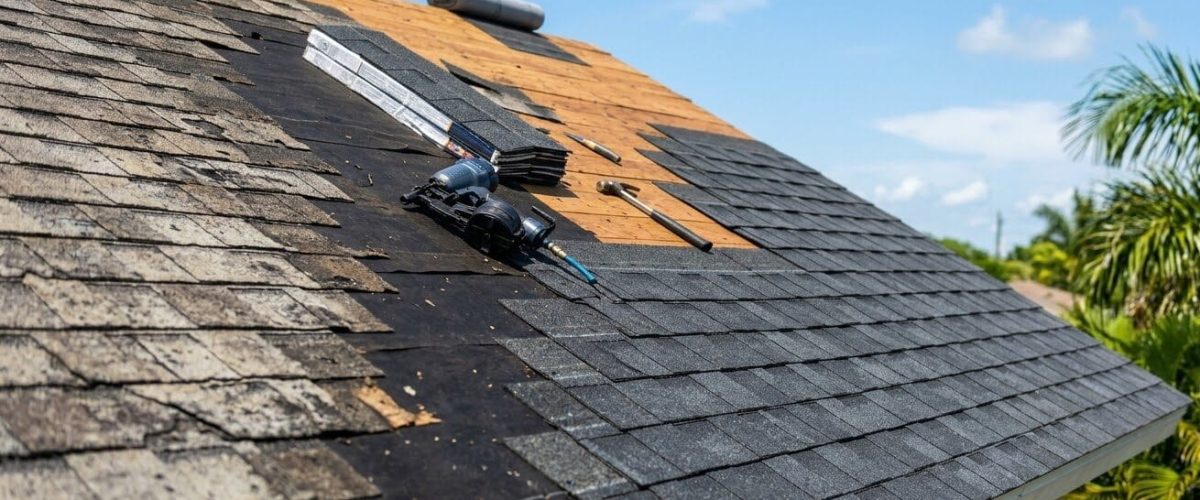
Protech Roofing Services handles roofing for homeowners near the famous Weeki Wachee Springs in Hernando County. Call (352) 605-0696.
How Hernando County’s Climate Shapes Roofing Decisions in Weeki Wachee
Finding the right roofing services in Weeki Wachee, FL starts with understanding what your roof is up against every single day. This part of Hernando County sits in a subtropical climate zone where heat, humidity, and violent storms team up to wear down roofing materials faster than most homeowners realize. The conditions here aren’t the same as what you’d deal with in central Florida or along the Atlantic coast. Weeki Wachee’s proximity to the Gulf of Mexico and its low-lying terrain surrounded by natural springs and river systems create a specific set of challenges that your roofer needs to account for from day one.
Summer heat is the most constant and relentless factor. From May through October, daytime highs routinely hit the low to mid 90s, and your roof’s surface temperature can climb well past 150 degrees on a clear afternoon. That intense UV exposure breaks down the protective granules on asphalt shingles over time, gradually stripping away the very layer that shields the asphalt from direct sunlight. Once enough granules are gone, the underlying asphalt is exposed and deterioration accelerates dramatically. Shingles that might last 25 years in a northern climate often show significant wear after just 15 years in the Weeki Wachee area. The UV also degrades sealant strips, caulk around penetrations, and the rubber components of pipe boots, all of which need to remain intact to keep water out.
The rain comes hard and fast in this part of Florida. Hernando County receives over 50 inches of rainfall per year on average, and most of that total falls between June and September during the afternoon thunderstorm season. These aren’t gentle showers. A typical summer storm can drop an inch of rain in 30 minutes or less, creating a surge of water that has to move off your roof surface, through the gutters, and away from your foundation without pooling or backing up. Valleys, transitions between roof planes, and areas around penetrations like pipe boots, bathroom vents, and HVAC curbs are the weak points in any roofing system. If those areas aren’t sealed correctly and maintained, the sheer volume of water during a Florida downpour will find a way through even the smallest gap.
Humidity stays elevated throughout the Weeki Wachee area for months at a time, even on days when it doesn’t rain. The nearby springs, the Weeki Wachee River, and the general proximity to the Gulf all contribute to ambient moisture levels that rarely drop below 60 percent and frequently sit above 80 percent for extended periods. That persistent moisture promotes algae growth on shingles (those dark streaks you see running down older roofs), feeds mold colonies in attic spaces where ventilation is inadequate, and softens wood decking anywhere moisture has been trapped under damaged roofing material. Homes surrounded by mature oak canopy and tall pines, which describes a large percentage of properties in the Weeki Wachee area, deal with additional shade that keeps the roof surface damp longer after rain and accelerates biological growth even further.
And then there’s hurricane season, which runs from June through November and brings the most acute risk to your roof. Hernando County has been in the path of multiple significant storms in recent years. Hurricane Idalia in 2023 brought damaging winds and flooding to communities throughout the county. Hurricane Helene in 2024 caused catastrophic storm surge along the Gulf coast and wind damage that extended well inland from the shoreline. Even tropical storms and unnamed weather systems can produce sustained winds of 50 to 70 mph, which is more than enough force to lift improperly fastened shingles, tear off ridge caps, snap overhanging branches onto the roof surface, and drive rain under roofing materials that appeared completely secure before the storm arrived.
Protech Roofing designs every installation in the Weeki Wachee area around these realities. We don’t treat Florida roofing the same as roofing anywhere else, because it simply isn’t the same. The materials, the installation methods, the underlayment requirements, and the fastener patterns are all shaped by the fact that your roof has to perform reliably in one of the most demanding climates in the entire country. We build it to last here in the real world, not just to look good on installation day and pass inspection once.
Neighborhoods and Communities We Serve Near Weeki Wachee
The Weeki Wachee area encompasses a diverse collection of neighborhoods and residential communities, each with its own character, its own housing stock, and its own specific roofing needs. Protech Roofing has worked in all of them over the years, and we understand the differences in home construction, lot conditions, tree cover, and community rules that affect how we approach each individual job.
Royal Highlands is one of the larger and newer communities near Weeki Wachee, located just north of the springs along US-19. This neighborhood features site-built homes on generous lots with a mix of architectural shingle and tile roofs. Most homes here were built under modern Florida Building Code standards with proper hurricane straps, sealed roof decks, and current-generation underlayment systems. But even newer construction needs regular inspections and eventual maintenance as the roofing materials age and weather events take their toll year after year. Royal Highlands also has community deed restrictions that include requirements about roofing materials, colors, and appearance standards. We’re familiar with those guidelines and work within them on every project in the neighborhood.
Weeki Wachee Hills is an established subdivision nestled in the rolling terrain that gives this part of Hernando County its distinctive look compared to the flat coastal areas to the west. The homes in Weeki Wachee Hills span a wide range of ages and styles, from smaller block-construction houses built in the 1980s to larger custom homes on wooded lots that were built more recently. Older homes in this subdivision often have original roofs that have reached or long passed their expected lifespan. Many were built before the current wind resistance standards and secondary water barrier requirements went into effect, which means a re-roof isn’t just about new shingles; it’s an opportunity to bring the entire system up to modern code standards and potentially lower your insurance costs in the process.
Glen Lakes, Heather Walk, River Country, and The Heather are additional communities in the greater Weeki Wachee area where Protech regularly works on both repair and replacement projects. Each community has its own mix of home styles and roofing systems. Some are deed-restricted with HOA oversight and require architectural review board approval before exterior work can begin. Others have no restrictions and give homeowners complete freedom in their roofing choices. We’re familiar with the specific rules, expectations, and approval processes in each of these communities, which saves you time and prevents delays during your project.
Properties along the US-19 corridor near Weeki Wachee Springs tend to sit on larger, more rural lots with significant tree cover from mature oaks, pines, and native Florida hardwoods. These homes face unique issues that more suburban properties don’t deal with as often. Heavy debris accumulation on the roof surface is a constant concern, with leaves, pine needles, small branches, and Spanish moss piling up in valleys and behind protrusions throughout the year. Overhanging branches can scrape and abrade roofing materials during wind events, and larger branches can fall directly onto the roof during storms and cause immediate, significant damage. When we work on these properties, we often recommend trimming back overhanging limbs to a minimum clearance of six to ten feet from the roof surface as part of the overall maintenance strategy. It’s a simple step that can dramatically extend the life of any roofing material.
Regardless of which Weeki Wachee neighborhood you call home, Protech brings the same standard of quality, honesty, and attention to detail to every single project. Our crews know this area intimately. They know the housing stock, the typical issues that arise with each home style and era, and they know how to work within community requirements while delivering a roof that performs reliably for decades. That local expertise is something you won’t get from a company based outside of Hernando County, no matter how polished their website looks.
Metal Roofing Options That Make Sense in the Weeki Wachee Area
Metal roofing has become an increasingly popular choice throughout the Weeki Wachee area, and the reasons behind that trend are practical rather than fashionable. In a climate that punishes conventional roofing materials with intense UV radiation, driving rain, persistent humidity, and periodic hurricane-force winds, metal offers a combination of longevity, wind resistance, and low maintenance that’s genuinely hard to match with any other material. More and more Hernando County homeowners are making the switch after comparing the true lifetime costs, and the results consistently speak for themselves.
Standing seam metal is the premium residential option. These systems feature long, continuous panels that run from the ridge to the eave without horizontal seams or joints, connected by raised vertical seams that hide all fasteners completely from the weather. Because there are no exposed screws or nail heads anywhere on the roof surface, there are no points where water can penetrate through the roofing material. The panels attach to the roof deck with concealed clips that allow the metal to expand and contract freely with temperature changes throughout the day and across seasons. In Florida, where roof surface temperatures can swing over 100 degrees between a cool winter morning and a peak summer afternoon, this floating attachment method prevents the buckling, oil-canning, and stress fractures that can occur when metal panels are rigidly mounted and can’t move with thermal changes.
Wind performance is where standing seam metal really separates itself from other roofing options. These systems carry wind ratings that exceed 140 mph when properly installed, which puts them well above the design wind speeds for the Weeki Wachee area and gives you a meaningful safety margin during major hurricanes. The interlocking seam design means individual panels physically can’t peel up the way shingles can during high-wind events. With shingles, once the wind lifts a few tabs and breaks their sealant bonds, a cascading failure can strip large sections of the roof in minutes. Standing seam panels don’t have that vulnerability because each panel is mechanically locked to its neighbor along the entire length of the seam. During Hurricane Irma, Hurricane Idalia, and other major storms, metal roofs in Hernando County consistently outperformed shingle roofs in terms of both damage resistance and post-storm integrity.
Exposed fastener metal panels are the budget-friendly alternative for homeowners who want the benefits of metal at a lower upfront cost. These corrugated or ribbed panels are screwed directly through the surface into the roof structure or purlins, creating a secure mechanical connection at each fastener point. The trade-off is that each screw relies on a neoprene washer to create its water seal, and those washers gradually break down from UV exposure over time. After 12 to 15 years of Florida sun, you’ll want to have them inspected and potentially replaced or resealed to maintain the waterproof integrity of the system. But even accounting for that periodic maintenance task, exposed fastener metal roofing is more durable than asphalt shingles, lasts significantly longer, and costs less on a per-year basis over its full lifespan when you run the honest numbers.
Modern metal roofing comes in a wide variety of profiles, colors, and finishes that work with virtually any home style or architectural preference. If you like the look of barrel tile but your home’s structure can’t support the weight, there are metal panels engineered to mimic the appearance of tile without the mass. If you prefer the clean, contemporary look of traditional standing seam, you can choose from a broad range of colors that complement your home’s exterior. Kynar 500 and Hylar 5000 PVDF finishes resist fading and chalking for decades under the most intense UV exposure, which means the color you choose at installation is the same color you’ll see 25 or 30 years from now. Cheaper SMP paint finishes fade noticeably within 5 to 10 years in Florida, so the finish quality matters as much as the metal itself.
Energy efficiency is another concrete advantage of metal roofing in this climate. A light-colored or reflective-coated metal roof can bounce up to 70 percent of the sun’s energy back into the atmosphere instead of absorbing it into your attic the way dark shingles do. That translates directly to lower attic temperatures, reduced demand on your air conditioning system, and measurable monthly savings on your electric bill during the eight or nine months a year your AC runs in the Weeki Wachee area. Over the 40 to 60 year life of a metal roof, those energy savings compound into a substantial sum that offsets a meaningful portion of the initial investment.
Protech Roofing installs both standing seam and exposed fastener metal systems throughout the Weeki Wachee area. We work with multiple manufacturers and can show you the full range of options, from standard corrugated panels to premium architectural standing seam profiles. We’ll walk you through the detailed cost comparison so you can see exactly where metal sits relative to shingles and tile, not just at installation but over a 30-year and 50-year window. If metal is the right fit for your home, we handle every aspect of the project from the Hernando County permit application to the final county inspection.
Roof Inspections and Ongoing Maintenance in Weeki Wachee
The most expensive roof repairs are almost always the ones that could have been prevented with a simple inspection months earlier. A cracked pipe boot that costs $150 to fix today can cause $5,000 or more in water damage to your ceiling, insulation, drywall, and even your electrical system if it’s ignored for a year. That’s not an exaggeration or a scare tactic. It’s a pattern we see over and over again in the Weeki Wachee area, and it’s entirely preventable. Regular professional inspections are the single most effective way to protect your roofing investment and avoid the kind of surprise repair bills that nobody wants to deal with.
Protech Roofing recommends annual professional inspections for every homeowner in the Weeki Wachee area, and we mean professional in the literal sense. Our inspectors get on the roof physically, not just look at it from the ground with binoculars or a drone camera. They walk every section and evaluate every component of your roofing system up close. We check the condition of your shingles, tiles, or metal panels across the entire surface. We examine every piece of flashing around chimneys, vents, skylights, wall intersections, and any other penetration through the roof surface. We look at the ridge cap for signs of lifting or deterioration. We inspect the drip edge along the eaves and rakes. We check the gutter attachments and look for signs of backing up or pulling away from the fascia. And we go into the attic to check for daylight showing through gaps in the deck, signs of moisture intrusion on the wood structure, proper ventilation airflow, and any pest damage from squirrels, raccoons, or birds that have found their way in.
For homes in the Weeki Wachee area with heavy tree cover (which is most of them), we also specifically check for debris accumulation in valleys and behind protrusions on the roof surface. Leaves, pine needles, small branches, acorns, and Spanish moss that pile up on the roof trap moisture against the roofing material for extended periods. That trapped moisture promotes rot and biological growth that shortens the life of whatever roofing material is underneath it. Keeping these areas clean extends the life of your roof significantly, and it’s a simple maintenance step that many homeowners overlook because they can’t easily see the roof surface from the ground and don’t think about what’s collecting up there.
After every inspection, you receive a detailed written report with photographs documenting exactly what we found on your roof. If there are issues that need attention, we explain what they are in plain language, how urgent they are on a practical timeline, and what the repair will cost. If everything looks good and the roof is performing as expected, we tell you that honestly and clearly. No invented problems, no manufactured urgency, and no pressure to replace a roof that still has years of serviceable life left in it. Our goal with inspections is to keep your existing roof performing as long as possible, not to sell you a new one before you actually need it. We earn more long-term business through honest inspections than we ever would through pressure tactics.
Post-storm inspections are equally important and shouldn’t be skipped even if your roof looks fine from ground level after a hurricane or severe thunderstorm. Wind and debris can cause damage that simply isn’t visible from the street or your driveway. Lifted shingles that settled back into place but lost their sealant bond. Cracked tiles hidden behind a ridge line. Dented metal panels on a section you can’t see from any ground angle. Loosened flashing around a chimney that didn’t fall off but is no longer water-tight. These are all common storm effects that only show up during a hands-on close inspection by someone who knows what they’re looking for. We recommend calling for a post-storm inspection any time sustained winds exceed 60 mph in the Weeki Wachee area, because the damage that goes undetected is the damage that causes the most expensive problems down the road.
Protech Roofing also offers ongoing maintenance plans for homeowners who want to stay on a regular schedule without having to remember to call every year. We’ll come out annually (or semi-annually for older roofs that warrant more frequent monitoring), perform the full inspection, clean debris from the roof surface and gutters, reseal any minor caulk failures, and handle small repairs on the spot before they have a chance to develop into bigger issues. It’s a small annual investment that consistently prevents large and unexpected expenses down the road, and our maintenance plan customers consistently report the longest roof lifespans among all the homeowners we serve.
Building Codes and Permit Requirements for Weeki Wachee Roofing Projects
All roofing work in the Weeki Wachee area requires a permit through the Hernando County Building Division. This applies to full roof replacements, re-roofs over existing material where allowed, and most significant repair jobs that involve structural work or large sections of the roof surface. The permit process exists to ensure that your new roof meets the current Florida Building Code, which includes some of the strictest residential roofing standards in the entire nation. These standards weren’t created arbitrarily. They were developed and refined over decades based on real-world data from the hurricanes, tropical storms, and severe weather events that are an unavoidable part of life in Hernando County and across Florida.
The Florida Building Code requires several specific and non-negotiable measures for residential roofing projects. First and foremost, a secondary water barrier must be installed over the entire roof deck during any re-roofing project. This self-adhering modified bitumen membrane provides an additional layer of waterproof protection between your home’s interior and the weather, specifically designed to keep water out if the primary roofing material is damaged or completely removed during a hurricane. Before this requirement went into effect in the early 2000s, homes that lost their shingles or tiles during storms were immediately exposed to rain intrusion that caused catastrophic interior damage. The secondary water barrier has proven its value during every major hurricane since, protecting homes even when the shingles, tiles, or metal panels above it were stripped away by extreme winds.
Fastener schedules are strictly defined and enforced in Hernando County with no room for shortcuts or approximations. For roof decking, the code specifies 8d ring-shank nails at 6 inches on center along panel edges and 12 inches on center in the field of each panel. For shingle installation, six nails per shingle in manufacturer-specified locations is the standard for most wind zones within Hernando County. For metal roofing, the fastener type, size, spacing, and washer specifications are all prescribed based on the specific panel system and the local wind speed requirements. These fastener patterns are specifically engineered to keep the roof deck and its covering firmly attached to the structure during sustained high winds and the powerful gusts that accompany hurricanes and severe storms. The Hernando County building inspector verifies compliance with all fastener requirements during the mandatory post-installation inspection, and a roof that doesn’t meet the standard will fail that inspection.
Roof-to-wall connections must meet current tie-down requirements under the code. Hurricane straps or clips connecting the roof trusses to the wall top plates are essential for preventing the entire roof assembly from lifting off the house during high-wind events. If your home’s existing roof-to-wall connections don’t meet the current standard (which is common in homes built before the mid-1990s), a re-roof is the most practical time to upgrade them because the roof structure is already exposed and accessible. Better connections don’t just improve your home’s storm survivability; they also directly improve your results on the wind mitigation inspection, which your insurance company uses to calculate your windstorm premium. The savings on insurance can be substantial and ongoing for as long as you own the home.
Protech Roofing handles every single aspect of the permitting and inspection process for all Weeki Wachee projects. We prepare the permit application with complete material specifications and installation details, submit it to the Hernando County Building Division, schedule all required inspections at the appropriate stages of the project, and make sure everything passes before we consider the job done and move on. Our years of experience working with the local inspectors and understanding their specific expectations means fewer delays, fewer inspection callbacks, and a smoother overall process from the first phone call to the final sign-off.
Any contractor who suggests that permits aren’t needed for your roofing project, or that you can save money and time by skipping the permitting process, is putting your home, your investment, and your legal standing at genuine risk. An unpermitted roof can create immediate problems with your homeowner’s insurance coverage if you file a claim. It can complicate or even kill a future home sale when the buyer’s inspector or title company discovers unpermitted work. And it leaves you with absolutely no guarantee that the work was done to code, which means no guarantee that your roof will actually protect your home when the next storm hits. Always insist on fully permitted and inspected work, and consider any suggestion otherwise to be a clear warning sign about the contractor making it.
What Makes Weeki Wachee a Unique Place to Own a Home
There’s truly nowhere quite like Weeki Wachee in all of Florida, or anywhere else in the country for that matter. This community is named after Weeki Wachee Springs, one of Florida’s most famous and enduring natural attractions, where underwater mermaid shows have drawn visitors from around the world since 1947. Newton Perry, a former Navy man who trained frogmen during World War II, discovered the crystal-clear spring and envisioned something nobody had seen before. He built an underwater theater where performers could breathe through air hoses while dancing, performing acrobatics, and even eating and drinking 16 to 20 feet below the surface. The name itself comes from the Seminole language and translates roughly to “little spring” or “winding river,” though the spring is anything but little. More than 117 million gallons of fresh, naturally filtered, 74-degree water flow from the subterranean limestone caverns every single day, making it one of the largest freshwater springs in the entire state.
The mermaid shows became a genuine American sensation in the mid-20th century. At their peak, Weeki Wachee Springs attracted half a million visitors per year, making it one of Florida’s top tourist destinations alongside Walt Disney World and the Kennedy Space Center. Celebrities including Elvis Presley, Don Knotts, Esther Williams, and Arthur Godfrey came to watch the performances. When ABC (the American Broadcasting Company) purchased the property in 1959, they invested heavily in building a 400-seat theater embedded 16 feet below the spring’s surface and created elaborate themed shows with underwater sets, piped-in music, sophisticated lighting, and imaginative costumes. Shows like Underwater Circus, The Mermaids and the Pirates, and Underwater Follies became legendary. Buccaneer Bay opened in 1982, adding waterslides and a white sand beach to the attraction and giving families another reason to visit. Today, Weeki Wachee Springs operates as a Florida state park, and the mermaid shows continue as one of the state’s most beloved and enduring traditions.
The community that grew up around this famous spring developed its own distinct identity separate from the attraction itself. Weeki Wachee was actually incorporated as a city in 1966, primarily as a strategic move to promote the roadside attraction and get it listed on state road signs and maps. For decades afterward, it held the remarkable distinction of being one of the smallest incorporated cities in all of Florida by population, with as few as 12 official residents at one point. The tiny city’s finances and governance eventually came under scrutiny, and the state dissolved the city in 2020 through legislation sponsored by state representative Blaise Ingoglia and signed by Governor DeSantis. Weeki Wachee is now an unincorporated community within Hernando County, but its name and identity remain as strong as ever.
But the Weeki Wachee area is far more than its tourist attraction, as remarkable as that attraction is. Homeowners here enjoy access to some of the best natural recreation opportunities anywhere in the state. The Weeki Wachee River is a designated Florida Paddling Trail, offering miles of crystal-clear kayaking and canoeing through pristine forest and natural Florida habitat where you’re likely to spot manatees, turtles, herons, and other wildlife along the way. Bayport Park and Pine Island provide direct access to the Gulf coast for fishing, boating, and beach days. The Withlacoochee State Trail and the Suncoast Trail are both within easy driving distance for cycling, jogging, and hiking. And the natural springs, state forests, and wildlife management areas that surround the community on multiple sides make it feel distinctly different from the suburban sprawl and strip mall development that characterizes much of the Tampa Bay metro area further south.
For homeowners, this beautiful natural setting also brings specific practical considerations that affect roofing decisions. Properties near the springs and river systems may sit in FEMA-designated flood zones that affect both insurance requirements and building standards for the structure. Homes on heavily wooded lots deal with constant debris accumulation on roof surfaces and higher exposure to falling limbs during wind events. The area’s relative proximity to the Gulf coast means that salt-carried moisture in the air can reach roofing materials even on properties that aren’t directly on the water, accelerating corrosion of metal fasteners, flashing, and exposed hardware over time. And the high water table in low-lying areas near the springs can affect foundation stability and drainage in ways that indirectly impact the roof structure above.
Protech Roofing understands all of these local factors because we’ve been working in and around this community for years. We know the terrain, the housing stock, the flood zone boundaries, the tree species and their debris patterns, and the specific challenges that Weeki Wachee properties face compared to homes in other parts of Hernando County. When we inspect your roof or plan a replacement project, we’re not just looking at the surface materials in isolation. We’re evaluating the entire roofing system in the full context of where your home sits, what the surrounding environment does to it every day, and what the specific risks are for your property based on its location and construction. That level of local knowledge is something no out-of-town contractor can replicate no matter how many trucks they send into the area after a storm, and it’s a big part of why Weeki Wachee homeowners consistently trust Protech with their roofing needs.
Related Roofing Services in Weeki Wachee, FL
- Roofing Services in Hernando County, FL – County-wide roofing coverage.
- Total Roof Replacement Services – Learn about our full replacement process.
- Roof Repair in Hernando County, FL – County-level roof repair services.
- Roof Repair in Weeki Wachee, FL – Fix leaks, storm damage, and wear before they get worse.
- Roof Replacement in Weeki Wachee, FL – Full tear-off and new roof installation for your home.
- My Safe Florida Home Program – Weeki Wachee area homes qualify for free inspections and matching roof grants
Frequently Asked Questions
Yes, Protech Roofing Services works throughout the Weeki Wachee area and all of Hernando County. We’re familiar with the neighborhoods, the housing stock, and the specific conditions that affect roofs in this part of Florida. Our crews are based locally, so we respond quickly to inspection requests, estimates, and emergency calls. Call us at (352) 605-0696 any time.
Most residential roof replacements in the Weeki Wachee area take one to three days of on-site work. A standard shingle re-roof on an average-sized home can often be completed in a single day. Metal roofing installations typically take two to three days, and tile roofs can take three to five days because of the extra weight and precision involved. The total timeline from contract signing to completion is usually two to four weeks when you include permitting, material ordering, and scheduling.
Yes, Hernando County requires a building permit for all roof replacements and most significant roof repairs. The permit ensures your new roof meets the current Florida Building Code, including requirements for secondary water barriers, proper fastener patterns, and wind resistance ratings. Protech Roofing handles the entire permit process for you, from application to final inspection. Never work with a contractor who suggests skipping the permit.
Contact your insurance company first to report the damage and get a claim number assigned. Then call Protech Roofing at (352) 605-0696 for a professional inspection. We’ll document the damage thoroughly with photos and a written assessment that supports your claim. We can meet with your insurance adjuster on-site to walk through the findings together. Avoid making permanent repairs before the adjuster inspects, but temporary protection like tarping an active leak is fine and actually expected by most insurers.
The best material depends on your home’s structure, your budget, and your priorities. Architectural shingles are the most affordable option and perform well when properly installed with the correct fastener pattern for this wind zone. Metal roofing (especially standing seam) offers superior wind resistance and longevity of 40 to 60 years, making it a strong value over time. Concrete and clay tile last 50 or more years and handle UV and moisture extremely well, but they’re heavier and more expensive upfront. Protech Roofing can walk you through the options and help you choose the right fit for your specific home.