
Storm Damage Roof Restoration in Central Florida
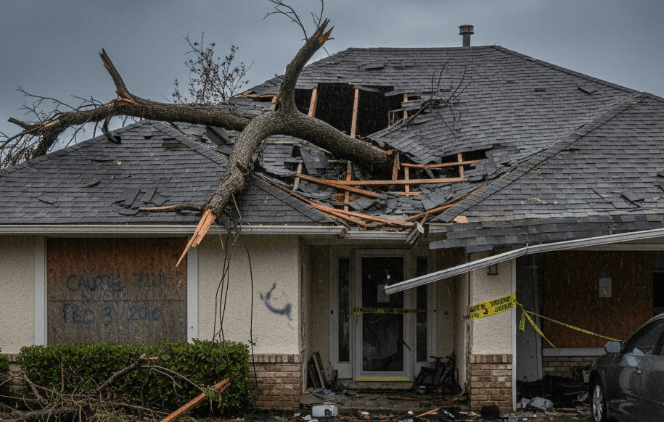
Central Florida’s Storm History and What It Means for Your Roof
The past decade alone has given Central Florida homeowners a brutal education in storm damage. Hurricane Irma tore through the state in September 2017 as one of the most powerful Atlantic hurricanes ever recorded. It made landfall in the Florida Keys as a Category 4 and tracked directly up through the center of the state, bringing sustained winds above 100 mph to inland communities that rarely see that kind of punishment. Thousands of roofs in Hernando and Pasco counties suffered damage ranging from missing shingles to complete structural failure.
Just one year later, Hurricane Michael formed in the Gulf of Mexico in October 2018 and rapidly intensified into a Category 5 monster before slamming into the Florida Panhandle. While the direct hit was further north, Central Florida experienced tropical storm force winds and heavy rain bands that reopened damage from Irma and created new problems for roofs that were already aging.
Hurricane Ian arrived in September 2022, making landfall near Fort Myers as a Category 4 storm. It crossed the state and brought devastating flooding and wind damage to communities throughout Central Florida. Many homeowners in Polk and Hillsborough counties who thought they were safely inland found themselves dealing with torn-off ridge caps, damaged fascia boards, and water intrusion through compromised roof penetrations.
Hurricane Idalia in August 2023 took a different path, making landfall in the Big Bend region but bringing tropical storm conditions to Hernando, Citrus, and Sumter counties. The storm pushed a significant storm surge into coastal areas and dropped heavy rainfall that tested every gutter system and roof drainage setup in its path.
Then came 2024, a year that reminded everyone why Florida is called the hurricane capital of the United States. Hurricane Helene struck in late September, followed closely by Hurricane Milton in October. Back-to-back major hurricanes within weeks of each other pushed roofing contractors to their limits and left thousands of homeowners waiting for repairs during the busiest storm season in recent memory.
Each of these storms left behind a trail of damage that ranged from cosmetic issues to catastrophic failure. The lesson is clear: Central Florida roofs take repeated punishment, and each storm weakens the system a little more. A roof that survived Irma with minor damage might have developed hidden vulnerabilities that Ian exploited five years later. That is why professional inspection after every significant storm event matters so much.
Types of Storm Damage That Affect Central Florida Roofs
Not all storm damage looks the same, and not all of it is visible from the ground. Understanding the different ways storms attack your roof helps you communicate effectively with your contractor and your insurance company.
Wind damage is the most common result of hurricane and tropical storm activity. High winds create uplift pressure on roofing materials, starting at edges, ridges, and areas where the roof plane changes direction. Shingles can be peeled back, cracked, or completely torn away. Metal roofing panels can lift at seams. Tile roofs suffer from broken or displaced tiles, especially older installations where the adhesive has degraded over time. Wind-driven debris adds another layer of damage. Tree branches, pieces of fencing, lawn furniture, and construction materials from neighboring properties become projectiles during high winds.
Hail damage is less common in Central Florida than in the Midwest, but it absolutely happens during severe thunderstorms. Hailstones as small as one inch in diameter can bruise asphalt shingles, cracking the surface granules and exposing the underlying mat to UV degradation. On flat roofs, hail can puncture single-ply membranes and crack built-up roofing systems. The tricky part about hail damage is that it often does not cause an immediate leak. Instead, it shortens the roof’s remaining lifespan by compromising the protective surface layer.
Water damage from heavy rainfall follows wind damage like a shadow. Once the wind creates an opening, even a small one, rain finds its way inside. Central Florida’s tropical downpours can dump several inches of rain in under an hour, and that kind of volume exploits every gap, crack, and lifted shingle on the roof. Water intrusion damages decking, insulation, drywall, electrical systems, and can trigger mold growth within 24 to 48 hours in Florida’s humid environment.
Tornado damage, while less frequent, is devastating when it occurs. Central Florida sits in a secondary tornado alley, and tropical systems often spawn short-lived tornadoes as they move onshore. Tornado damage tends to be highly localized but extremely severe, with complete roof removal possible even from relatively weak EF0 or EF1 tornadoes.
Lightning strikes present a unique threat in the lightning capital of the United States. A direct strike can ignite roofing materials, split structural members, and create holes in the roof system. Even near-misses can damage electrical components that run through the attic space.
Emergency Response: What to Do in the First 48 Hours
The first two days after a storm are critical. What you do, and what you avoid doing, during this window can significantly affect both your safety and your insurance claim outcome.
Your first priority is personal safety. Do not climb onto a damaged roof under any circumstances. Even if damage appears minor from the ground, structural integrity may be compromised. Wet surfaces, loosened materials, and hidden damage to the decking create serious fall hazards that injure hundreds of homeowners across Florida every hurricane season.
Document everything you can see from the ground. Walk around the perimeter of your home and photograph damage from multiple angles. Capture images of missing shingles, displaced flashing, broken tiles, fallen tree limbs on the roof, and any visible holes or openings. Photograph the interior as well, including ceiling stains, dripping water, wet insulation visible in the attic, and any personal property damaged by leaks. Date and time stamp everything. This documentation becomes evidence for your insurance claim.
Call your insurance company to report the damage as soon as possible. You do not need a full damage assessment to file a claim. Simply report that your property sustained storm damage and that you are seeking inspection. Get a claim number and the name of your adjuster.
Emergency tarping is your next step if there is any opening in the roof system. Professional emergency tarping typically costs between $200 and $1,200 depending on the size of the area that needs coverage and the complexity of the installation. At Protech Roofing Services, we offer emergency tarping as a first response service because we know that every hour an opening remains unprotected in Florida’s climate is an hour that water damage spreads further into the structure. A properly installed tarp is secured to the roof decking, not just draped over the damage, and should extend at least four feet beyond the damaged area in every direction.
Do not make permanent repairs before the insurance adjuster inspects the property. This is one of the most common mistakes homeowners make. Temporary measures like tarping are expected and reimbursable, but if you replace shingles or patch holes before the adjuster documents the damage, you may lose leverage in your claim. The adjuster needs to see the actual storm damage, not your repair work.
Contact a licensed roofing contractor for a professional inspection. A qualified contractor provides a detailed damage assessment that serves as your independent documentation alongside the insurance adjuster’s report. If those two reports disagree, having professional documentation from a licensed contractor gives you standing to dispute the adjuster’s findings.
Navigating the Insurance Claim Process in Florida
Florida’s insurance landscape for storm damage claims has changed significantly in recent years, and homeowners need to understand the current rules to protect their interests.
The most important deadline to know is the two-year claim filing window. Under current Florida law, you have two years from the date of loss to file an insurance claim for storm damage. Missing this deadline means forfeiting your right to coverage for that event, regardless of how severe the damage may be. Two years sounds like plenty of time, but it passes quickly, especially when homeowners are dealing with multiple competing priorities after a major storm.
House Bill 837, Florida’s tort reform legislation, changed the playing field for property insurance disputes. The law eliminated one-way attorney fees in insurance litigation, which had previously allowed homeowners to sue their insurer without risking liability for the insurer’s legal costs if the claim was denied. This change means that disputing a denied or underpaid claim now carries more financial risk for homeowners, making it even more important to build a strong claim from the beginning with thorough documentation and professional assessments.
Assignment of Benefits reform is another major shift. Previously, homeowners could sign over their insurance benefits to a contractor through an AOB agreement, allowing the contractor to deal directly with the insurer and even file lawsuits on the homeowner’s behalf. Recent legislative changes have restricted AOB practices significantly. At Protech Roofing Services, we work with homeowners directly through the claims process rather than relying on AOB arrangements. We believe this approach gives you more control over your claim and your restoration project.
The 25% rule is something every Florida homeowner should understand. When storm damage affects 25% or more of the total roof area, the Florida Building Code requires that the entire roof be brought up to current code standards. This is not just the damaged section. It is the whole roof. For older homes with roofing systems installed under previous code editions, this can mean a significant upgrade in materials, attachment methods, and structural reinforcement. While this increases the scope and cost of the project, it also means your new roof meets the latest wind resistance and impact standards, which can substantially reduce your insurance premiums going forward.
Understanding these rules before you file helps you ask the right questions and push back when adjusters try to minimize legitimate claims. We walk every client through the process so there are no surprises.
Restoration vs. Repair: Knowing the Difference
There is an important distinction between storm damage repair and storm damage restoration, and choosing the wrong approach can cost you money in the long run.
A repair addresses specific, localized damage. Replacing a few blown-off shingles, resealing a section of flashing, patching a small puncture in a flat roof membrane. Repairs are appropriate when the overall roofing system is in good condition and the storm damage is limited to a small area. They are faster, less expensive, and can often be completed without a permit for minor work.
Restoration is a more comprehensive approach. It addresses not just the visible damage but the underlying vulnerabilities that the storm exposed. Restoration might include replacing the entire slope of a roof that suffered widespread shingle loss, installing a new underlayment system, upgrading flashing at all penetrations, and reinforcing attachment methods to meet current code requirements. Restoration acknowledges that a storm did not just remove some shingles. It stressed the entire system, and the parts that did not fail this time may fail in the next event.
The decision between repair and restoration depends on several factors. The age of the existing roof matters enormously. If your shingle roof is 15 years into a 25-year lifespan and a hurricane tore off 20% of the shingles, the remaining shingles have also been stressed by the same winds. They may be weakened, with compromised nail seals and degraded adhesive strips, even though they are still technically in place. Repairing only the missing shingles leaves you with a patchwork roof that is more vulnerable to the next storm.
The extent of damage to the roof deck is another critical factor. When shingles are torn away, the underlying plywood or OSB decking is exposed to rain. Even a few hours of saturation can weaken decking panels, and once the moisture penetrates, it promotes rot and mold growth that continues long after the surface has dried. A thorough restoration includes inspection and replacement of any compromised decking, ensuring the foundation of the new roof system is solid.
Insurance coverage often supports restoration when the damage justifies it. If your adjuster’s report and your contractor’s assessment both indicate widespread damage, your policy should cover the full restoration scope. This is where having a knowledgeable contractor on your side makes a real difference, because we know how to document damage in the language that insurance adjusters and claims processors understand.
Florida Building Code Compliance After Storm Damage
Storm damage restoration in Florida is not just about making the roof look good again. It is about meeting some of the strictest building code requirements in the country.
The Florida Building Code, now in its 8th Edition, establishes minimum standards for roof systems that reflect the state’s unique vulnerability to hurricanes and severe weather. When storm damage triggers the 25% rule or when a homeowner opts for full roof replacement, the new installation must comply with the current edition of the FBC, regardless of what code was in effect when the original roof was installed.
Wind resistance requirements are the cornerstone of Florida’s roofing code. Depending on your location within Central Florida, your roof must be designed to withstand specific wind speeds that correspond to your wind zone designation. Hernando County, for example, falls within a wind zone that requires roofing systems to resist sustained winds well above what a standard installation in a non-coastal state would need to handle. This translates into specific requirements for nail patterns, adhesive application, underlayment type, and edge metal installation.
Sealed roof deck requirements mandate that the underlayment system create a secondary water barrier beneath the primary roofing material. If the shingles, tiles, or metal panels are compromised during a storm, the sealed deck prevents water from reaching the interior of the structure. This is achieved through self-adhering modified bitumen underlayment or mechanical attachment of synthetic underlayment with sealed seams, depending on the specific installation.
Impact resistance standards apply in designated zones and govern the type of roofing materials that can be installed. Products must carry a Florida Product Approval number, which confirms that they have been tested and certified for use in the state. Not all roofing products sold nationally carry this approval, so material selection during restoration requires attention to this detail.
Roof-to-wall connections are inspected during permitted restoration work to verify that the roof structure is properly tied to the wall system below. Hurricane straps, clips, or continuous load path connectors may need to be installed or upgraded as part of the restoration. These connections prevent the roof from lifting off the wall structure during high winds, which is one of the most catastrophic failure modes in hurricane-force events.
At Protech Roofing Services, we pull permits for all restoration work that requires them and schedule inspections with the local building department to verify code compliance. Some contractors skip this step to save time and money, but cutting corners on code compliance leaves you exposed to both safety risks and insurance complications. A roof installed without proper permits and inspections may not be covered by your insurance policy if it fails in a future storm.
Why Central Florida Homeowners Choose Protech for Storm Restoration
Choosing a roofing contractor after a storm is one of the most important decisions you will make as a homeowner, and unfortunately, it is a decision that storm chasers and fly-by-night operators try to exploit.
After every major hurricane, out-of-state contractors flood into Florida looking to capitalize on the surge in demand. They knock on doors, offer suspiciously low estimates, collect deposits, and in too many cases, deliver substandard work or disappear entirely. The Florida Department of Business and Professional Regulation issues warnings about this phenomenon after every significant storm event, and local law enforcement agencies regularly investigate storm-chasing fraud.
Protech Roofing Services is a local company based in Spring Hill. We have been here before the storms, during the storms, and after the storms. Our team lives in the same communities we serve, and our reputation in Hernando, Citrus, Pasco, Sumter, Polk, Hillsborough, and Pinellas counties is built on years of consistent, quality work.
We carry full licensing and insurance as required by the State of Florida. Our project managers are experienced in Florida Building Code requirements and work directly with local building inspectors throughout the restoration process. We do not subcontract our work to unknown crews. The team that shows up at your property is our team, trained to our standards.
Our storm damage restoration process begins with a comprehensive inspection that documents every area of damage, including areas that may not be visible from the ground. We use this documentation to prepare a detailed scope of work that aligns with both your insurance claim and current code requirements. We then work with your insurance adjuster, providing supplemental documentation when needed, to ensure your claim reflects the true scope of the damage.
We do not ask homeowners to sign Assignment of Benefits agreements. We believe you should maintain control over your insurance claim and your restoration project. We provide transparent pricing, detailed written estimates, and clear communication throughout the project timeline.
The True Cost of Delaying Storm Damage Repairs
One of the most expensive decisions a homeowner can make after a storm is deciding to wait and see. The damage looks minor from the ground. The ceiling stain is small. The missing shingles are on the back of the house where nobody sees them. So the repairs get pushed to next month, then next quarter, then next year. Meanwhile, the damage compounds in ways that are invisible until they become catastrophic.
Water intrusion through a compromised roof does not stop just because the rain stops. Moisture that has entered the roof assembly gets trapped between layers of material. In Central Florida’s humidity, that trapped moisture does not dry out. It feeds mold growth that spreads through the attic sheathing, into wall cavities, and behind drywall. Mold remediation in a residential home averages $3,000 to $10,000, but severe cases involving structural members and HVAC ductwork can exceed $25,000. All of that cost could have been avoided by addressing a $500 shingle repair within the first few weeks after the storm.
Structural decking deterioration is another consequence of delayed repairs. Plywood and OSB roof decking lose structural integrity when they absorb moisture. A saturated decking panel becomes soft, loses its nail-holding capacity, and eventually fails under the weight of the roofing material above it. What started as a small area of wind damage now requires decking replacement, which means removing the roofing material in a larger area, cutting out and replacing the damaged panels, and reinstalling everything to current code specifications. The cost multiplies with every month of delay.
Insurance complications also increase with delay. While Florida law provides a two-year window to file a claim, adjusters scrutinize claims filed months after the storm event. They look for evidence that the damage has worsened due to the homeowner’s failure to mitigate, which can reduce the claim payout. The requirement to mitigate further damage after a covered loss is written into most homeowner insurance policies, and failing to perform reasonable temporary repairs like tarping can be used to reduce or deny portions of your claim.
Energy costs rise silently when storm damage compromises the roof’s thermal envelope. Gaps, lifted shingles, and damaged flashing allow conditioned air to escape from the attic and hot outside air to enter. Your HVAC system works harder to compensate, and your electric bill creeps upward by $20, $30, or $50 per month. Over the course of a year or more of delayed repairs, those incremental costs add up to hundreds of dollars that could have been applied toward the repair itself.
The bottom line is simple. Storm damage only gets worse with time, never better. The cheapest time to fix it is now.
Building Long-Term Resilience After Storm Restoration
Storm damage restoration is not just about getting back to where you were before the storm hit. It is an opportunity to make your home more resilient against future events.
When your roof is being restored to current Florida Building Code standards, you are already getting a significant upgrade in storm resistance compared to most older installations. But there are additional steps you can take during the restoration process that further reduce your vulnerability.
Impact-resistant shingles carry higher wind ratings and resist damage from airborne debris during storms. They cost slightly more than standard architectural shingles, but many insurance companies offer premium discounts for impact-resistant roofing materials, which can offset the added cost over time.
Enhanced underlayment systems that exceed minimum code requirements provide an additional layer of protection. A peel-and-stick modified bitumen underlayment applied across the entire roof deck, rather than just the required areas near edges and penetrations, creates a fully sealed secondary barrier that can keep your home dry even if the primary roofing material is completely stripped away during a major hurricane.
Proper attic ventilation is often overlooked during storm restoration, but it plays a critical role in roof longevity. Florida’s extreme heat builds up in unventilated attic spaces and accelerates the aging of roofing materials from the underside. Ridge vents, soffit vents, and powered attic ventilators work together to manage temperature and moisture in the attic, extending the life of your new roof and reducing cooling costs year-round.
Metal roofing is increasingly popular among Central Florida homeowners who are tired of replacing shingle roofs after every major storm. Standing seam metal roofs carry the highest wind ratings available, resist impact damage from debris, and last 40 to 60 years with proper maintenance. While the upfront cost is higher than asphalt shingles, the long-term value is compelling when you factor in reduced insurance premiums, lower maintenance costs, and the elimination of storm-related replacement cycles.
Gutter system evaluation should be part of every storm restoration project. Damaged or undersized gutters contribute to water intrusion by allowing runoff to pool along the roof edge and work its way under roofing materials. Replacing or upgrading gutters during the restoration ensures that your drainage system matches the capacity of your new roof.
Take the First Step Toward Restoring Your Roof
If your roof has been damaged by a storm, whether it happened last week or last year, the worst thing you can do is wait and hope for the best. Hidden damage gets worse over time, insurance filing deadlines are firm, and the next storm season is always closer than you think.
Protech Roofing Services provides free storm damage inspections throughout Hernando, Citrus, Pasco, Sumter, Polk, Hillsborough, and Pinellas counties. Our inspection includes a thorough evaluation of every roof surface, all penetrations and flashings, the gutter system, fascia and soffit, and an interior check for signs of water intrusion. We document everything with photographs and detailed notes, and we provide you with a written assessment that you can use with your insurance company.
There is no pressure and no obligation. We simply tell you what we find, what it means, and what your options are. From there, the decision is yours.
Call Protech Roofing Services today at (352) 605-0696 to schedule your free storm damage inspection. Whether you need emergency tarping right now or a full restoration plan for damage from a previous season, our team is ready to help you protect your home and get your roof back to the condition your family deserves.
Related Roofing Services
- Roof Repair – Fix leaks, storm damage, and wear fast
- Total Roof Replacement – Complete tear-off and new roof installation
- Metal Roofing Systems – Standing seam and metal shingle, 40-70 year lifespan
- Commercial Roofing – TPO, EPDM, and flat roof systems for businesses
- Emergency Roof Repair – Same-day 24/7 response for leaks and storm damage
- Insurance Claims Assistance – Documentation, adjuster meetings, and Xactimate estimates
- Shingle Roof Installation – GAF-certified architectural and designer shingles
- Roof Financing Options – Low monthly payments, flexible terms, quick approval
- Roofing in Spring Hill, FL – Rapid storm response for Hernando’s largest community
- Roofing in Brooksville, FL – Emergency tarps and permanent repairs near our office
- Roofing in Hernando County – County-wide storm damage coverage and insurance help
- Roofing in Dade City, FL – Post-storm restoration across eastern Pasco County
- Roofing in Hudson, FL – Hurricane and wind damage repair on the Gulf Coast
- My Safe Florida Home Program – Combine storm damage restoration with program-funded mitigation upgrades