Blog
Commercial Roofing in Hernando County, FL: Systems, Costs & What to Choose (2026)
Call (352) 605-0696A commercial roof in Hernando County is one of your largest and longest-lived capital assets. Choosing the right system in 2026 means understanding TPO, PVC, modified bitumen, metal, and built-up systems with real cost data, real lifespan numbers, and real Florida failure points. Call (352) 605-0696 for a free commercial assessment.
Why Commercial Roofing in Florida Is Different
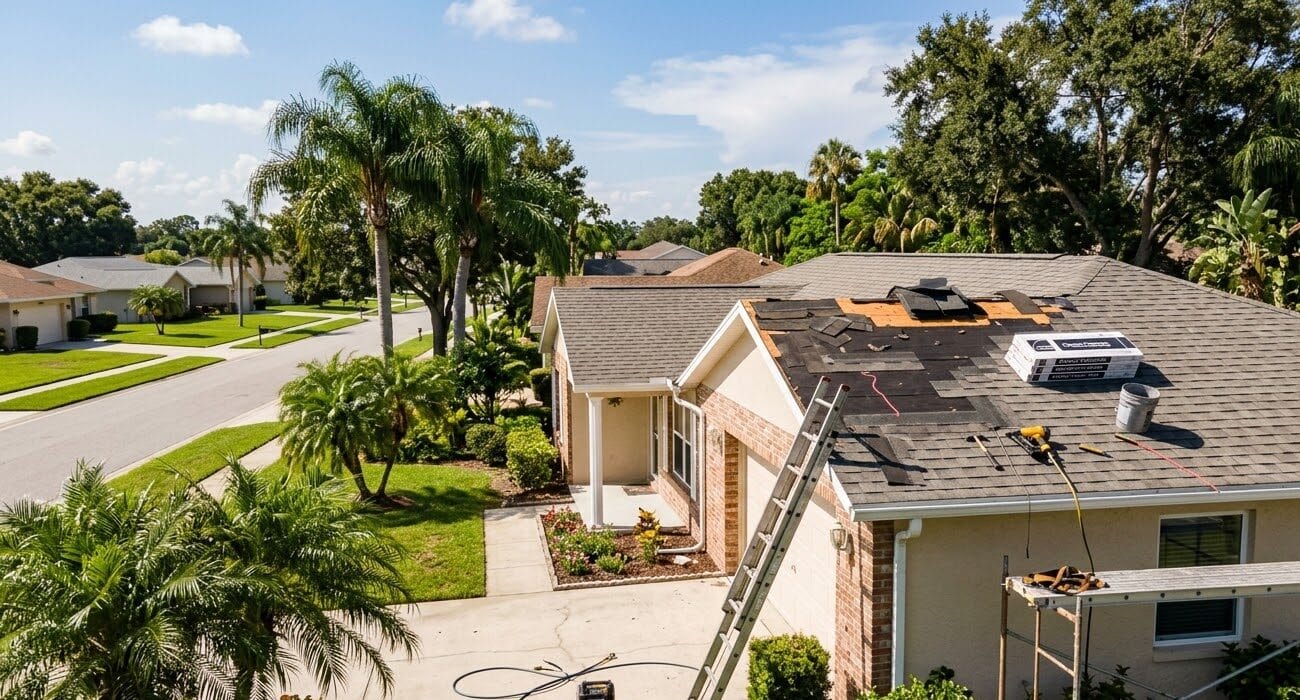
A commercial roof in Hernando County is not a scaled-up version of a residential roof. The systems, codes, inspection requirements, and economic stakes are fundamentally different. Property managers and building owners across Brooksville, Spring Hill, and the surrounding service areas need to understand what works, what fails, and what each system actually costs in 2026 before making decisions that affect operations for the next 20 to 50 years.
Commercial buildings in Central Florida face challenges that drive every roofing decision:
- Hurricane-force winds that test wind uplift ratings every season.
- Intense UV exposure that breaks down membranes faster than in any other US climate.
- Heavy rainfall that exposes drainage failures within months of installation.
- High humidity that grows mold and accelerates seam separation.
- Roof-mounted HVAC equipment that creates dozens of penetrations vulnerable to leaks.
A commercial roof failure can cost more than the roof itself. Inventory damage, business interruption, tenant relocation, and emergency response fees often exceed the original install cost. Choosing the right system the first time is the single biggest cost-control decision a building owner makes.
The Four Commercial Roofing Systems Used in Central Florida
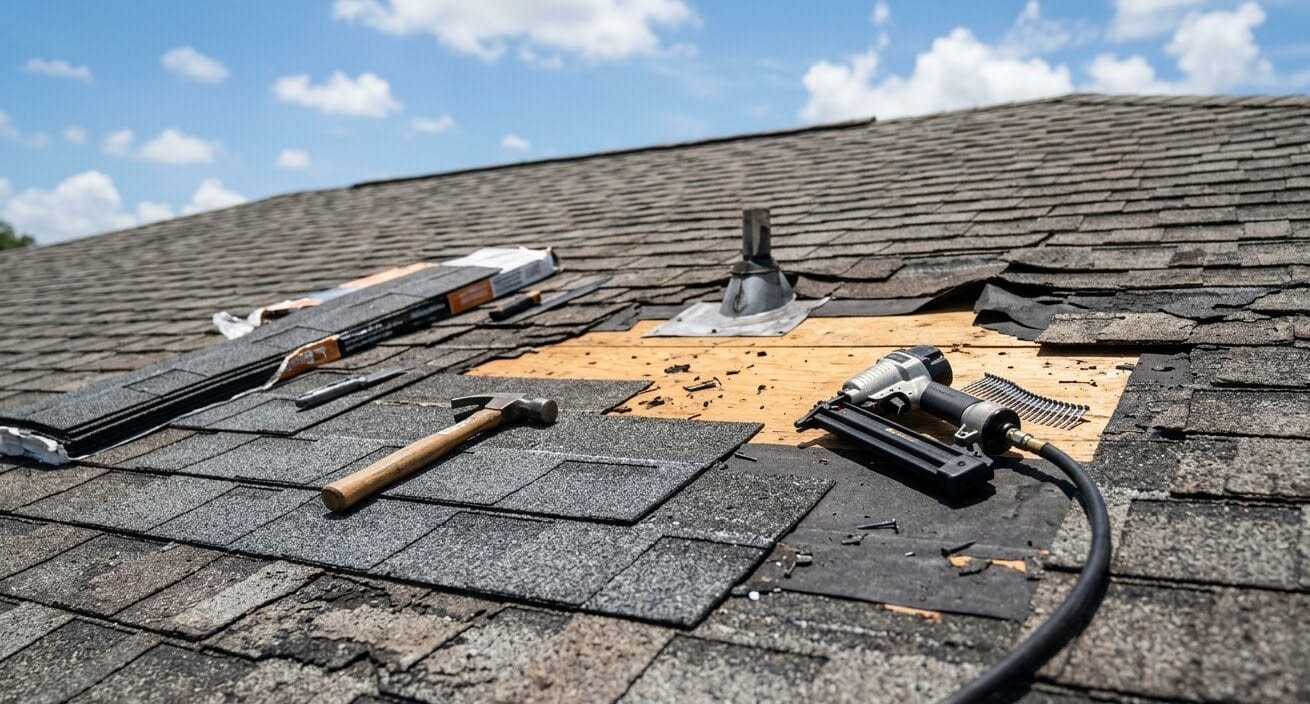
Most commercial buildings in Hernando County use one of four roofing systems. Each has clear strengths and clear failure modes.
TPO (Thermoplastic Polyolefin) — Most Common in 2026
TPO is the default choice for most flat and low-slope commercial roofs in Central Florida today. The single-ply membrane is heat-welded at the seams, creating a waterproof envelope across the entire roof. Reasons TPO dominates:
- Reflective white surface lowers cooling costs by 10 to 20 percent.
- Heat-welded seams are stronger than the membrane itself.
- Strong wind uplift ratings when installed to spec.
- Cost-effective for buildings of any size, especially under 50,000 sq ft.
TPO weak spots: punctures from foot traffic and HVAC service, UV degradation on lower-grade products, and seam failures when installation is rushed. Buying premium TPO from established manufacturers (GAF, Carlisle, Firestone, Versico) avoids most of these issues.
Modified Bitumen — Proven Long-Term Performer
Modified bitumen (mod-bit) is an asphalt-based system applied in multiple plies, either torched down or self-adhered. It is the modern evolution of traditional built-up roofing. Advantages:
- Multi-layer construction tolerates foot traffic and equipment service.
- Excellent track record on Florida buildings (decades of in-service data).
- Granular surface resists UV and impact damage.
- Easier to repair than single-ply systems if local damage occurs.
Mod-bit is heavier than TPO, which limits use on older buildings with weight restrictions. It is also less reflective, so cooling costs run higher than with white TPO.
Standing Seam Metal — Best Long-Term Value
Metal roofing systems work on commercial buildings the same way they work on residential: extreme durability, minimal maintenance, and the longest lifespan in the industry. For buildings with adequate slope (2:12 or greater), standing seam metal is the premium choice. Reasons commercial owners choose metal:
- 30 to 50+ year service life with proper installation.
- Wind uplift ratings up to 160 mph (best in the industry).
- Reflective coatings cut cooling costs significantly.
- Insurance carriers offer the largest premium discounts on metal.
- Compatible with solar panel installations without penetrating the membrane.
The trade-off is upfront cost. Metal runs higher per square foot than any single-ply or built-up system, but the lifecycle math heavily favors metal on buildings owners plan to hold long-term. Metal roofing systems are increasingly common on warehouses, industrial buildings, and architecturally featured properties.
Built-Up Roofing (BUR) — Heavy-Duty Traditional Choice
Built-up roofing layers asphalt and reinforcing felts (or fiberglass) topped with gravel or a cap sheet. It is the oldest commercial system still in regular use. BUR strengths:
- Multi-layer redundancy: water has to defeat several plies before reaching the deck.
- Proven longevity on properly maintained buildings.
- Excellent for buildings with heavy rooftop equipment.
- Compatible with most insulation strategies.
BUR is the heaviest of the four systems and slow to install, both of which drive cost upward. It is most appropriate on existing structures already engineered to carry the weight or on new construction where structural design accommodates it.
2026 Commercial Roofing Costs in Hernando County
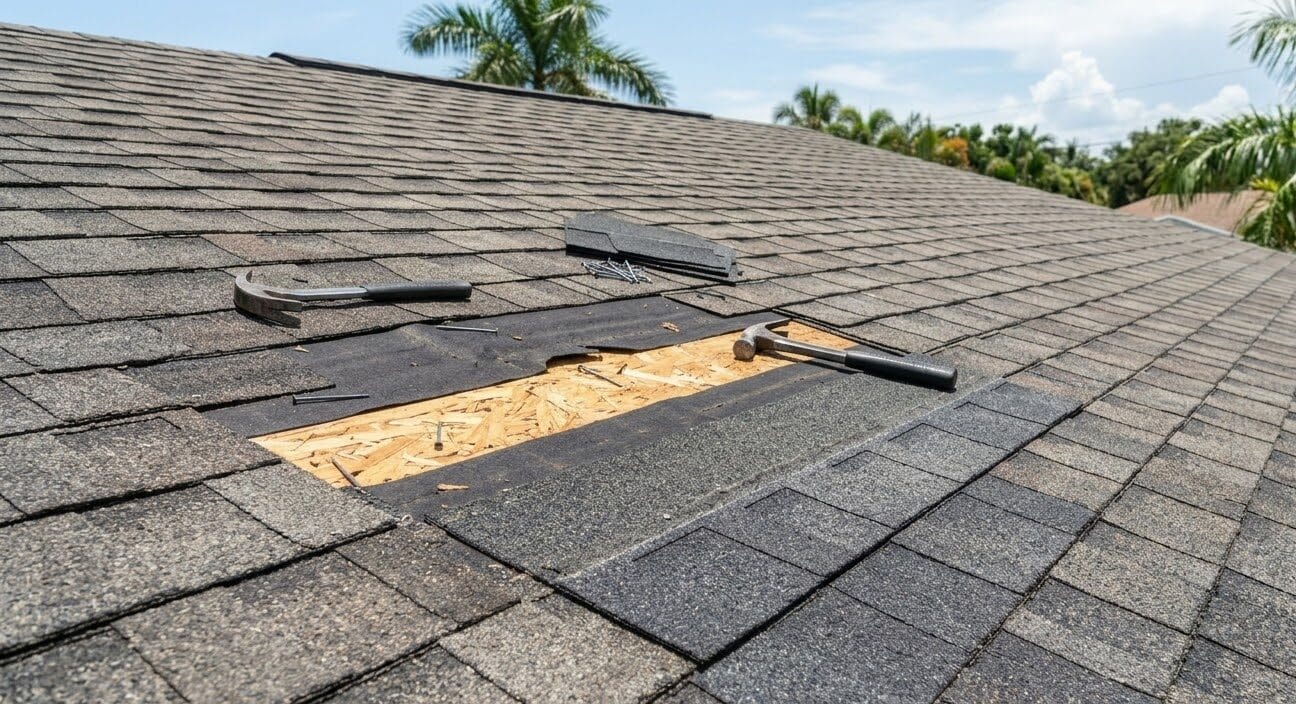
Commercial roofing costs are quoted per square foot. Real 2026 numbers for a typical Hernando County building:
| System | Cost per Sq Ft (Installed) | Service Life | Best For |
|---|---|---|---|
| TPO (60-mil) | $7 to $12 | 20 to 25 years | Most flat-roof retail, office, light industrial |
| PVC (60-mil) | $8 to $14 | 20 to 30 years | Restaurants, chemical exposure environments |
| Modified Bitumen (2-ply) | $6 to $10 | 20 to 30 years | High-traffic roofs, equipment-heavy buildings |
| Standing Seam Metal | $10 to $18+ | 30 to 50+ years | Long-hold properties, architectural buildings |
| Built-Up Roofing (BUR) | $8 to $14 | 25 to 35 years | Heavy-equipment buildings, retrofits |
Three factors push pricing up or down within these ranges:
- Building size: Larger roofs typically run lower per-square-foot pricing because of crew efficiency and equipment amortization.
- Roof complexity: Multiple HVAC penetrations, drains, parapet walls, and curbs add labor hours and material waste.
- Tear-off vs. recover: Some buildings allow installing a new system over the existing one (recover), saving 30 to 40 percent. Others require full tear-off.
Repair vs. Replace: Making the Right Call on a Commercial Roof
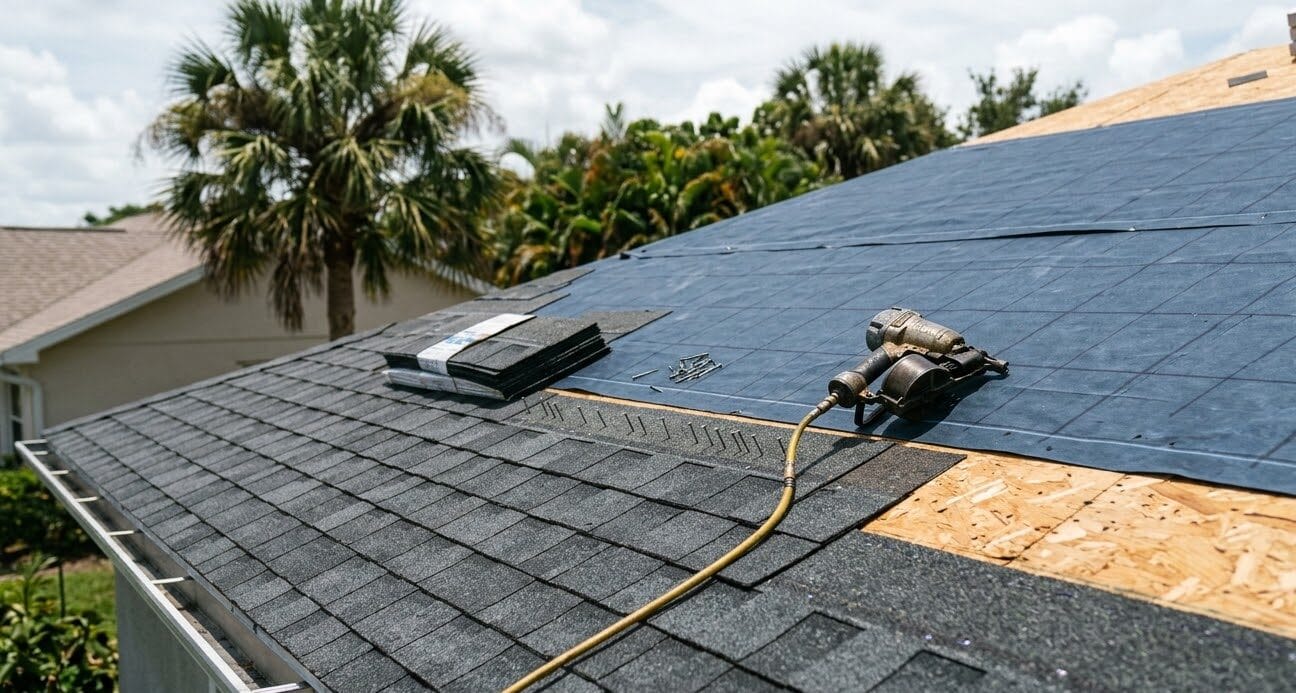
Most commercial roof issues do not require full replacement. The decision comes down to age, scope of damage, and whether localized fixes can buy meaningful additional life.
When Repair Is the Right Call
Repair makes sense when these conditions hold:
- Damage is localized to one area (under 25 percent of the roof).
- The membrane is less than 10 to 15 years old and otherwise in good shape.
- No widespread seam failures, ponding water, or insulation saturation.
- The building is held short-term and a new roof would not be amortized.
When Replacement Is the Right Call
Replacement is the right call when:
- Multiple leaks have appeared in different areas over the past 12 to 24 months.
- The membrane is at or beyond its expected service life.
- Insulation is saturated and no longer providing thermal value.
- Energy bills have risen materially as the roof's reflectivity has degraded.
- Storm damage covers more than 25 percent of the roof area (the Florida 25 percent rule applies to commercial as well, see our permit guide for details).
A Third Option: Roof Coating Restoration
For commercial roofs that are aging but not failing, a fluid-applied roof coating can extend service life by 10 to 15 years at roughly 30 to 50 percent of replacement cost. Coatings work best on:
- TPO and PVC roofs that have lost reflectivity but are otherwise sound.
- Modified bitumen and BUR roofs with minor surface degradation.
- Metal roofs showing seam fatigue or coating wear.
Our roof coating service is a strong middle option for property owners who need to extend roof life while planning a longer-term capital strategy.
Why Annual Inspections Pay for Themselves
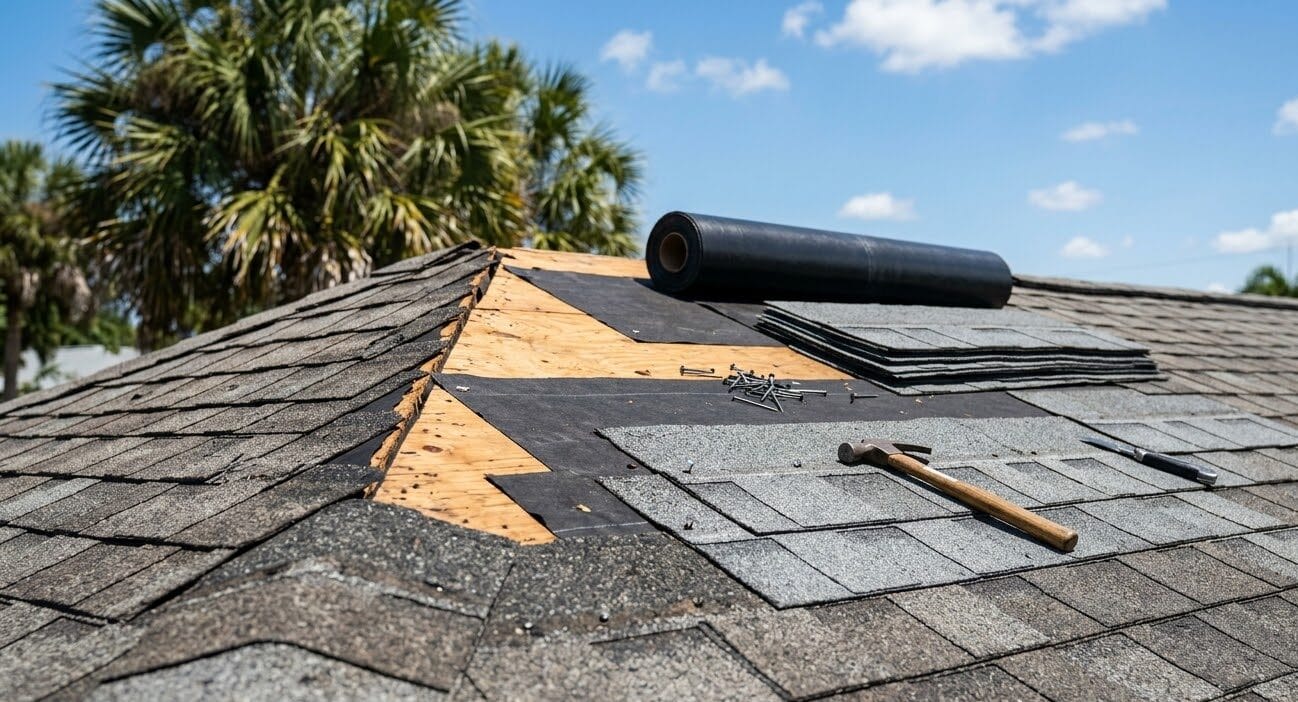
Commercial roofs fail in ways that residential roofs do not. Most commercial leaks start months or years before they reach the interior. By the time water shows up on a tenant's ceiling, insulation has already been compromised, deck has started to rot, and the repair cost has grown 5x to 10x what it would have been if caught early.
A regular inspection program catches these issues at the cheapest possible stage. Recommended inspection cadence:
- Annual inspection in the spring before hurricane season.
- Post-storm inspection after any named storm or significant wind event.
- Pre-purchase inspection before buying a commercial property.
- Pre-renewal inspection before lease signing or property sale.
- Drainage inspection before each rainy season (typically May).
Protech provides commercial roof inspections with written reports, photo documentation, and prioritized recommendations. The inspections are free for buildings under maintenance contract and minimal-cost otherwise.
The Most Common Failure Points on Florida Commercial Roofs
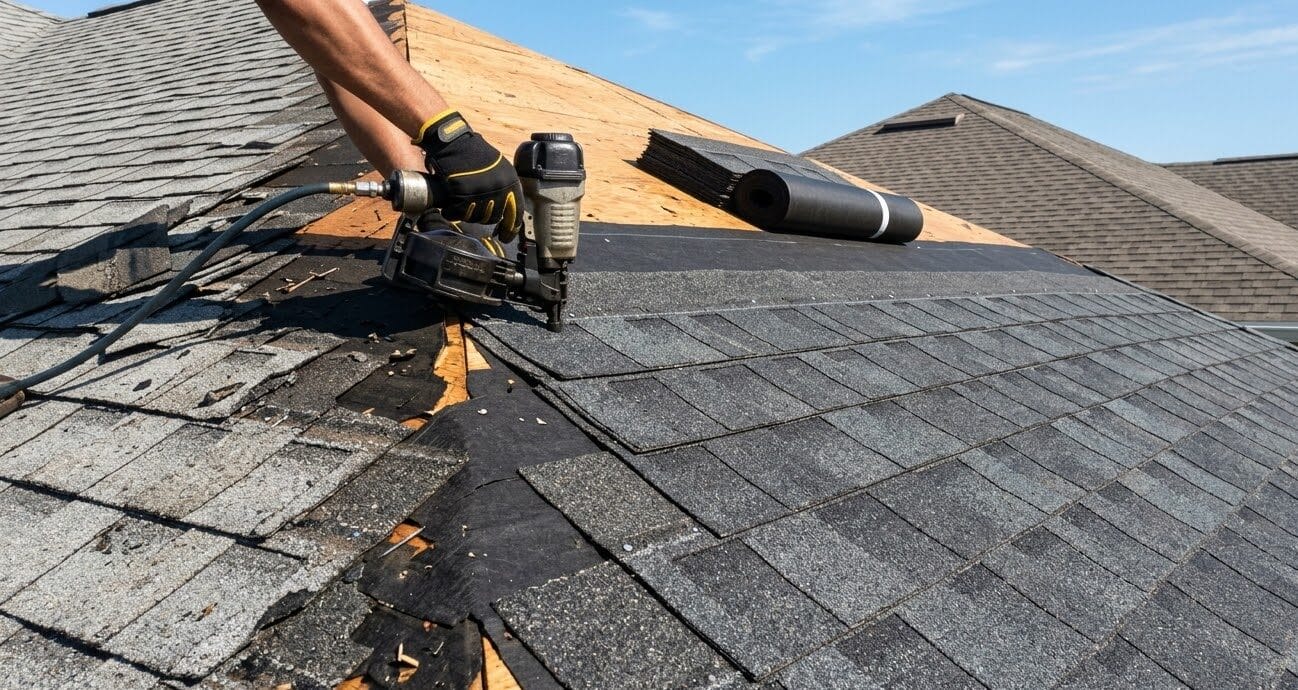
Across hundreds of commercial roof inspections in Hernando County, the same six trouble spots account for the majority of leak calls:
- HVAC penetrations and curbs. Every rooftop unit creates a penetration. Service technicians walking on roofs cause incidental damage. Curb flashing fails first.
- Roof drains and scuppers. Clogged drains create ponding. Ponding accelerates membrane breakdown and adds weight load. Quarterly drain cleaning is the highest-ROI maintenance item.
- Parapet wall flashing. Wind drives water uphill against parapet walls. Flashing details that work in inland climates fail in coastal Florida wind.
- Pipe boots and vents. Plumbing vents and gas lines penetrate the membrane at every utility cluster. Boots crack with UV exposure within 5 to 10 years.
- Seams and laps. Heat-welded TPO and PVC seams are usually strong, but solvent-welded older systems fail. Modified bitumen seams open with thermal cycling.
- Skylights and roof hatches. Custom flashing details around skylights almost always need attention by year 10.
Choosing the Right Commercial Roofing Contractor
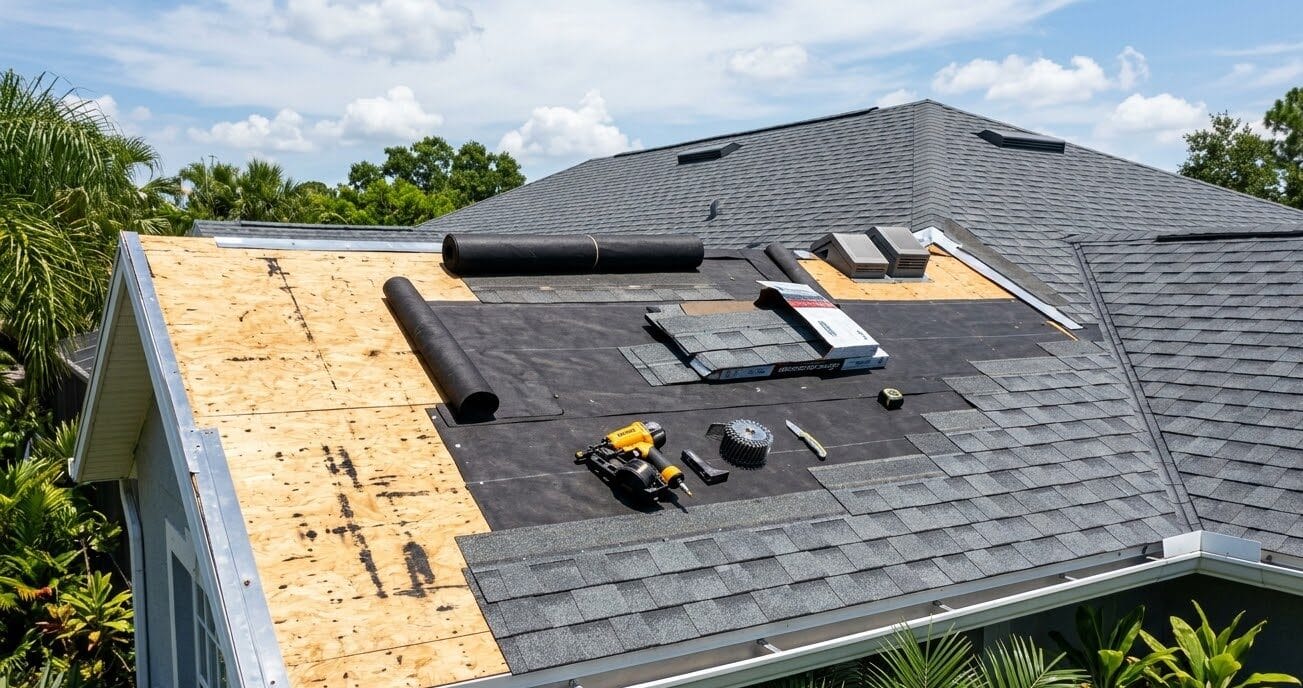
A commercial roof replacement is a six- to seven-figure decision on most buildings. The contractor matters as much as the system. Verify each of these before signing:
- Active Florida roofing license (CCC or CC prefix), verified at myfloridalicense.com.
- Manufacturer certifications (GAF, Carlisle, Firestone, Versico) for the system being installed.
- Workers compensation and general liability insurance certificates current on the install date.
- Local registration with the Hernando County Building Division for permit pulling.
- References for at least 3 commercial projects in Central Florida that you can verify.
- Detailed line-item estimate broken out by tear-off, insulation, membrane, flashing, drains, permits, and warranty.
- Written workmanship warranty on top of the manufacturer warranty.
For a deeper checklist of red flags and license verification steps, see our companion post on how to hire the right roofing company.
Service Areas Across Central Florida
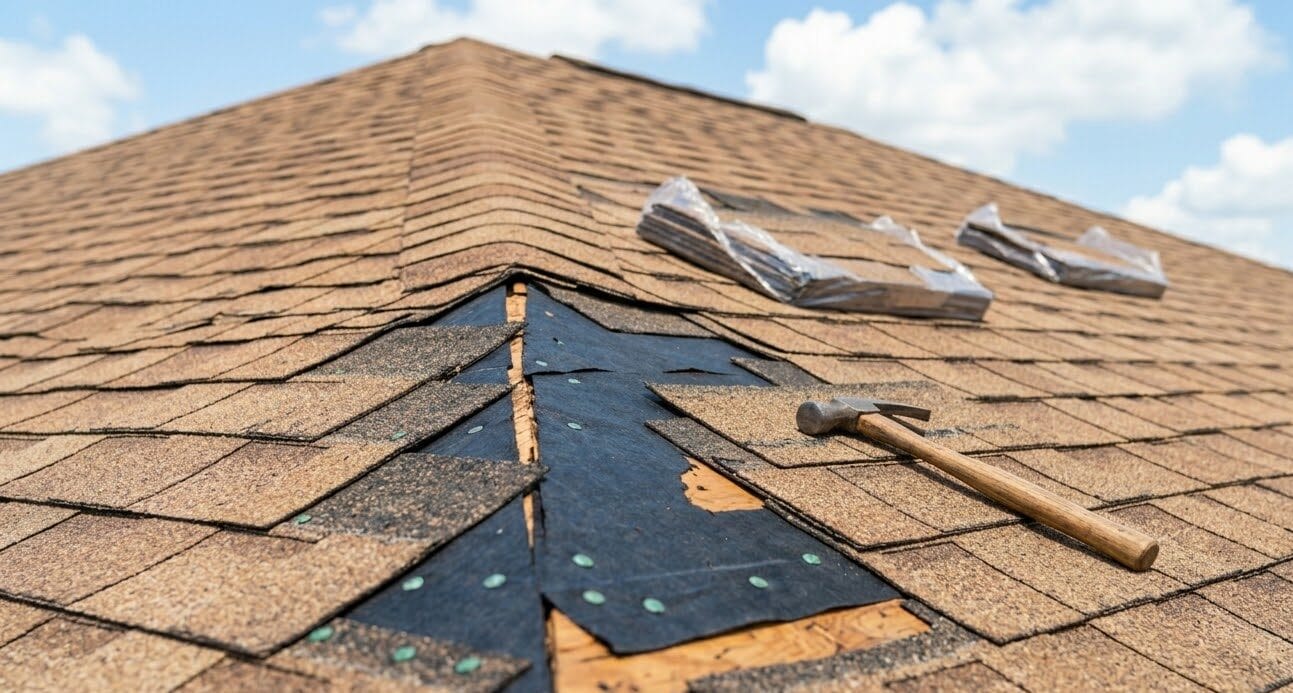
Protech serves commercial property owners and managers across:
- Hernando County — Spring Hill, Brooksville, Weeki Wachee, Hernando Beach
- Pasco County — Dade City, Land O' Lakes, New Port Richey corridor
- Citrus County — Inverness, Crystal River, Homosassa
- Sumter County — The Villages, Bushnell, Wildwood
- Pinellas County — Clearwater, Largo, and the broader Tampa Bay metro
Schedule Your Commercial Roof Assessment
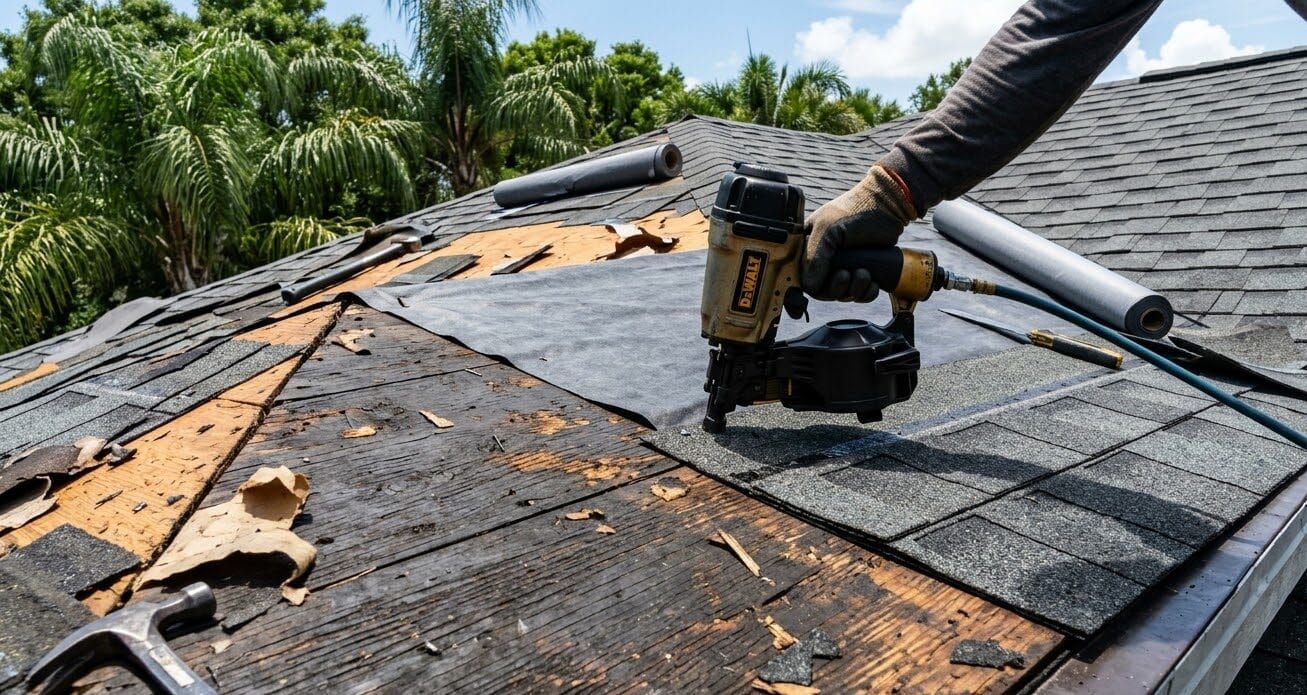
Whether you need a single-building inspection, a multi-property portfolio review, or a full replacement bid, Protech provides:
- Free initial assessment with written report and photo documentation.
- System recommendations based on building age, use, hold period, and budget.
- Line-item bid with no surprise charges added later.
- Permit handling, inspection scheduling, and code compliance from start to finish.
- Post-completion warranty documentation for insurance and resale purposes.
Call (352) 605-0696 or request a commercial assessment online.
Related Services and Resources
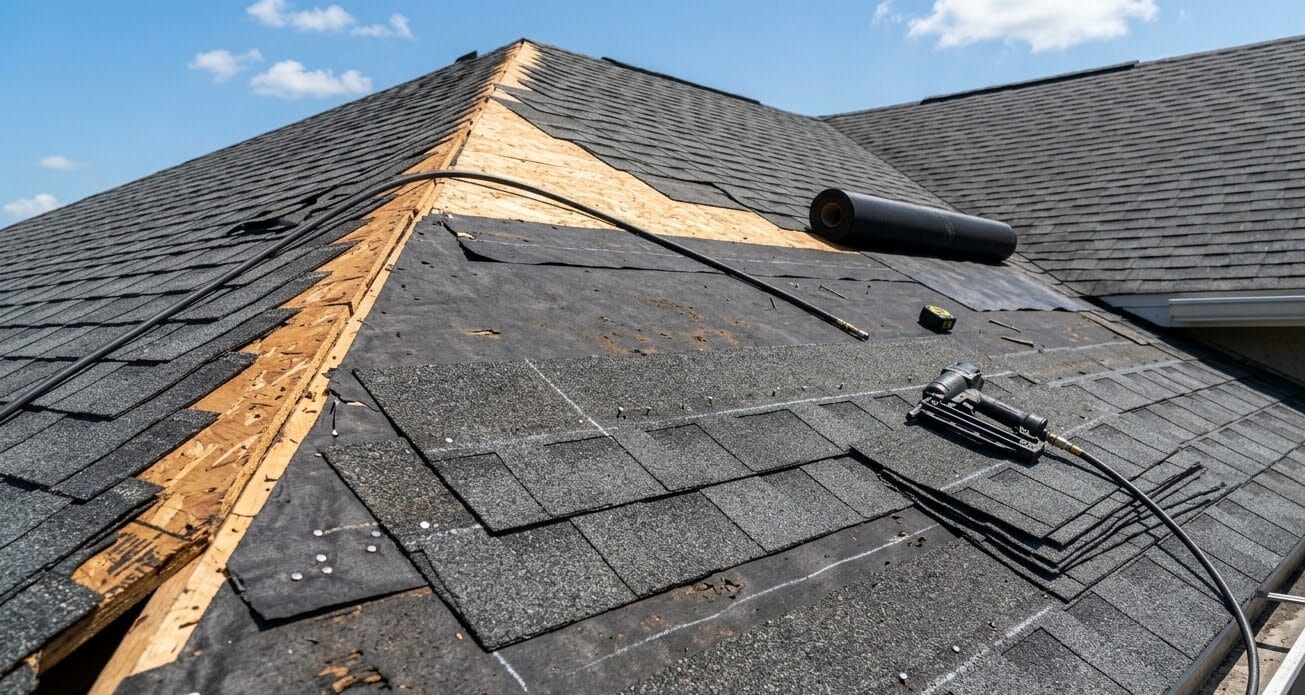
- Commercial Roofing - Full-service installation, replacement, and repair
- Commercial Flat Roofing - TPO, PVC, and modified bitumen specialists
- Metal Roofing Systems - Long-life standing seam for commercial buildings
- Roof Coating - Restoration system that extends roof life by 10-15 years
- Regular Maintenance - Annual programs that prevent emergency calls
- Roof Inspection - Free pre-claim and pre-purchase commercial assessments
- Roof Permit Hernando County Guide - Permits, inspections, and the 25 percent rule
- Insurance Roof Claims in Florida - Commercial claims work the same way as residential
FAQ
Frequently Asked Questions
What is the most common commercial roofing system in Florida?
+
How much does a commercial roof cost per square foot in Hernando County?
+
How long does a commercial roof last in Florida?
+
Should I repair or replace my commercial roof?
+
What is a roof coating and when does it make sense?
+
How often should I inspect a commercial roof in Florida?
+
What are the most common failure points on Florida commercial roofs?
+
Related Articles
More guides for Florida homeowners
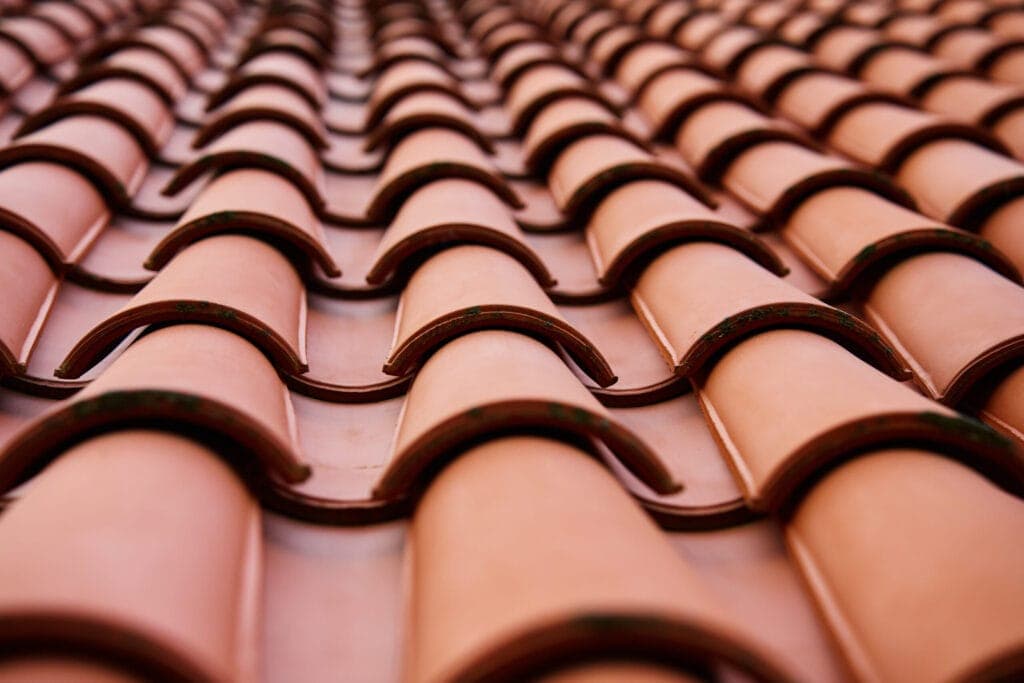
Florida Tile Roof Problems: Repair vs Re-Roof (2026)
Tile lasts for decades, the underlayment under it does not. Here are the tile roof problems Florida homeowners see most, what each repair costs in 2026, and how to tell when a repair is enough and when it is time to re-roof.
Read Article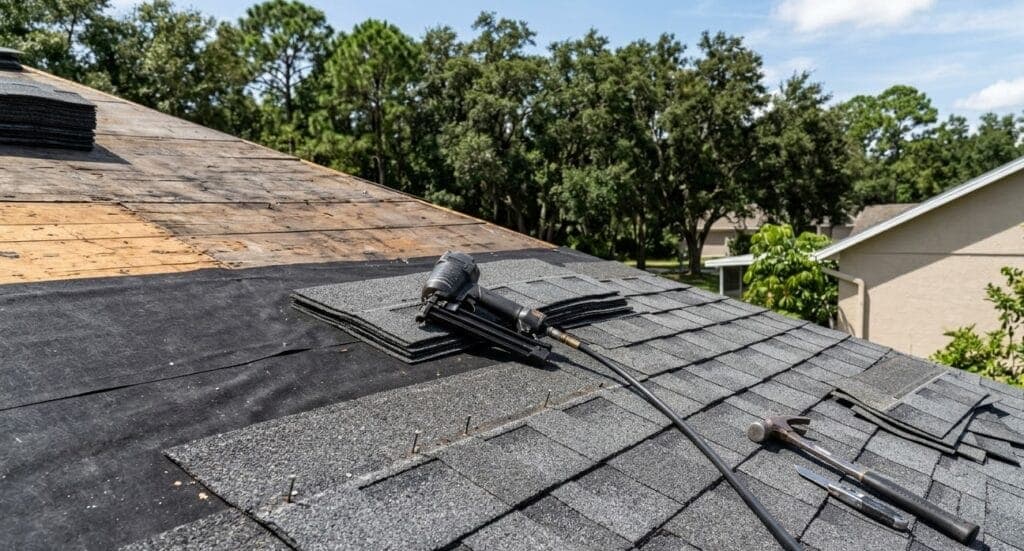
Solar Roofing in Florida: Solar Shingles vs Panels (2026)
Every solar system on a Florida roof is either bolted to the roof or is the roof. Here is how panels and solar shingles compare in 2026, what changed with the federal credit, and why the cheapest solar project often starts with a re-roof.
Read Article
Gutters for Florida Homes: Seamless vs Sectional Guide
Seattle gets 38 inches of rain a year and runs 5-inch gutters. Tampa gets 52.6 and overflows, because 30 of those inches fall in four months and mostly in short bursts. Gutters are sized on inches per hour, not inches per year. Here is the sizing math, what seamless actually buys you, and the two spec lines that matter more than the word seamless in a hurricane state.
Read ArticleReady When You Are
Get your free roof inspection today.
No-pressure, written estimate. Same-week scheduling across Hernando County. Call us now or request a visit online.