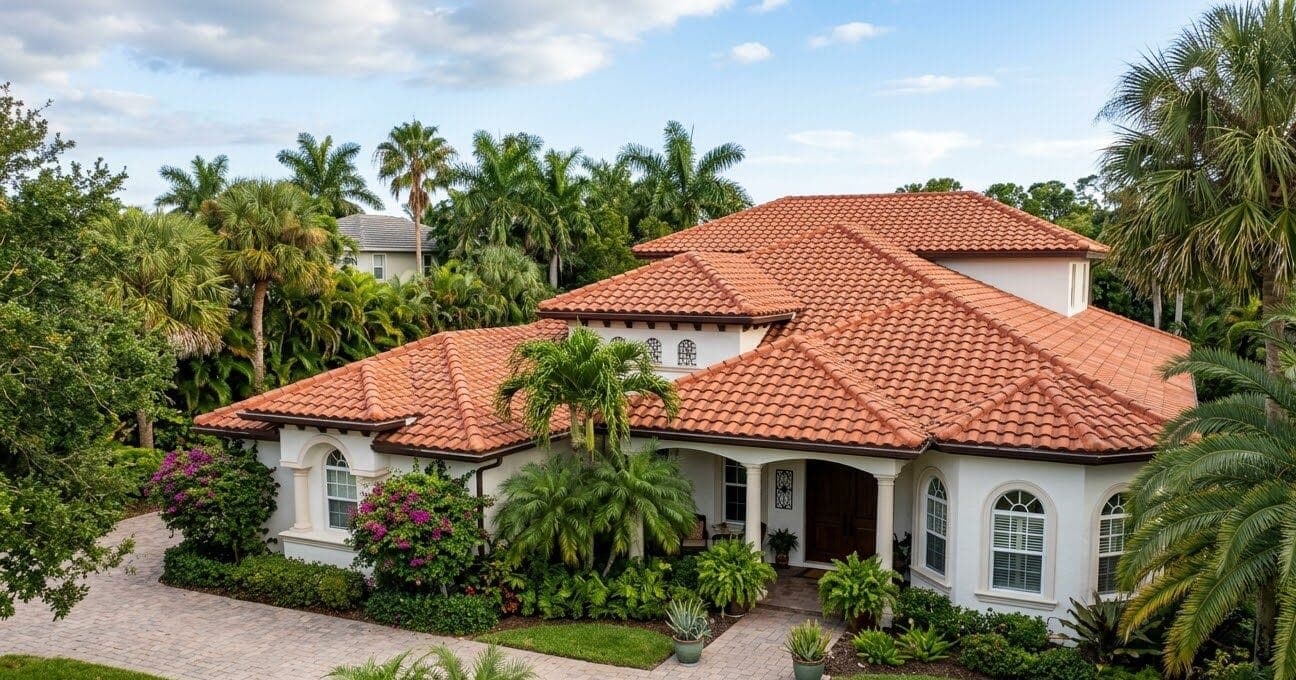
Yes, Hernando County requires a permit for almost every roof replacement, and skipping it puts your insurance, warranty, and property value at risk. Here is the complete 2026 guide to what triggers a permit, how much it costs, the inspections involved, and how Protech handles the entire process for you. Call (352) 605-0696 for a free roof inspection.
The Direct Answer: Yes, You Need a Permit
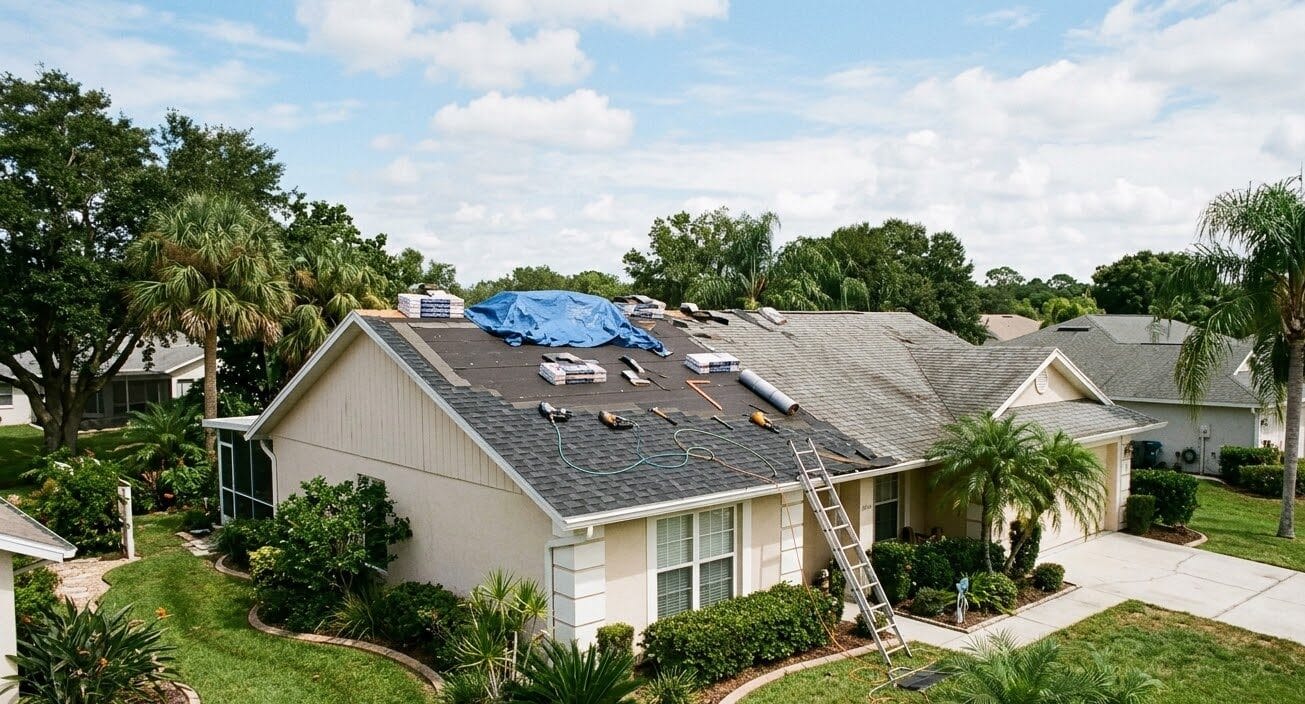
If you are planning a roof replacement anywhere in Hernando County, the question is not whether you need a permit. It is who pulls it and what gets inspected. Florida law and the Hernando County Building Division both require a permit for nearly every roofing project that goes beyond a small patch repair, and that includes Spring Hill, Brooksville, Weeki Wachee, Hernando Beach, and every unincorporated neighborhood in between.
The reason is straightforward. A roof is the single most important structural element protecting your home from the hurricane-force winds and torrential rain that hit Central Florida every year. The state and county take seriously the responsibility of confirming that any new roof installed on a Hernando County home:
- Meets the current Florida Building Code (8th Edition).
- Uses materials with valid Florida Product Approval numbers.
- Is fastened to specification for high-wind hurricane zones.
- Passes physical inspection at multiple stages of the job.
Skipping the permit creates four serious problems for the homeowner:
- It is illegal under Florida law and Hernando County code.
- It voids your homeowners insurance for any roof-related claim.
- It complicates every future sale of your property.
- It leaves you personally liable if anything goes wrong on the job.
The good news is that when you hire a licensed Florida roofing contractor like Protech Roofing, the entire permit process happens behind the scenes. You sign one document and we handle every step from application to final inspection.
Why Hernando County Requires Roof Permits
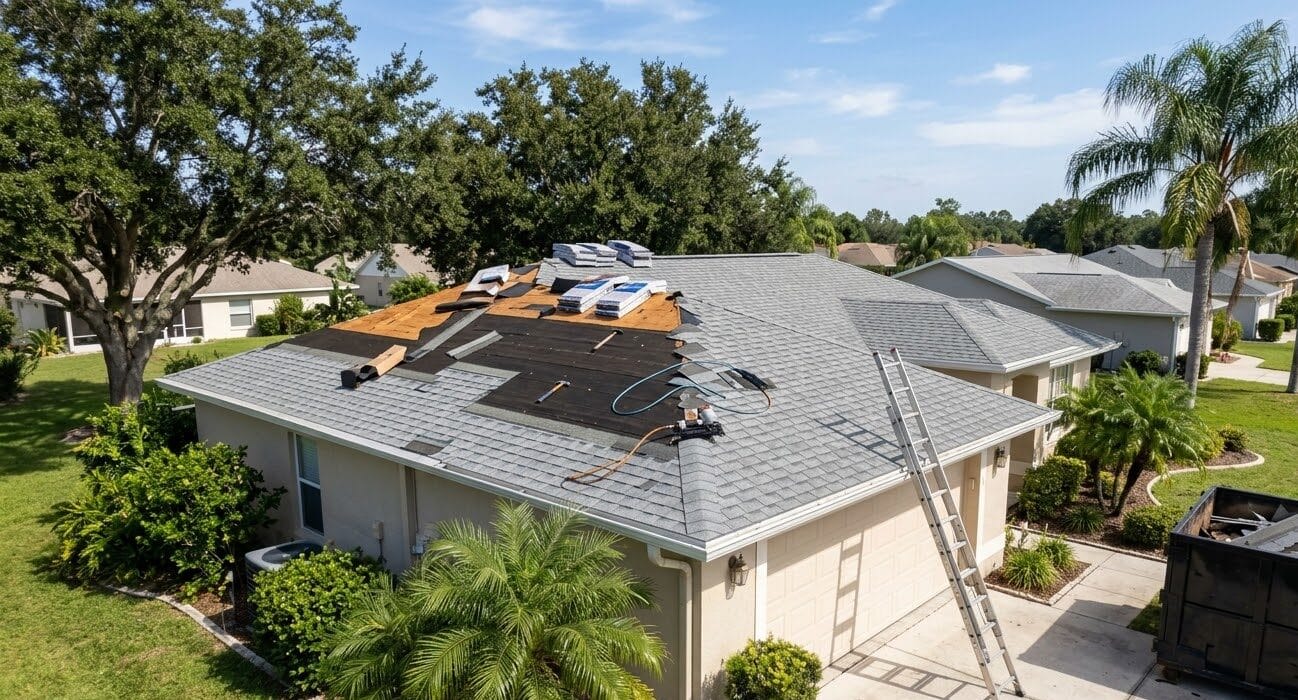
Roofing work is not cosmetic. It is structural and life-safety work that determines whether your home survives the next hurricane intact or loses its roof to a Category 3 wind event. The Hernando County Building Division enforces permits to keep three things in alignment.
Florida Building Code Compliance
Florida operates under one of the strictest building codes in the United States, originally written after Hurricane Andrew destroyed huge portions of South Florida in 1992. The current 8th Edition Florida Building Code spells out exactly how every component of a roof must be installed in our state, including:
- Shingles, metal panels, or tiles (the visible roofing surface).
- Underlayment type, weight, and lap dimensions.
- Flashing around vents, valleys, and wall transitions.
- Fastener type, length, and spacing pattern.
- Decking thickness, attachment, and sealed-deck requirements.
The permit process is how Hernando County confirms that the work being done on your home actually follows that code.
Hurricane Wind Mitigation Standards
Hernando County sits in a wind zone that requires roofs rated to handle sustained winds well above 130 mph. The modern code requires several hurricane-specific upgrades on every permitted roof:
- Sealed roof decks that resist water intrusion if shingles blow off.
- Secondary water barriers under the primary roofing layer.
- Enhanced roof-to-wall connections that resist uplift.
- Specific nail patterns and fastener spacing rated for high wind.
These details matter so much that Florida insurers offer significant My Safe Florida Home wind mitigation credits, often 30 to 40 percent off your annual premium, when a permit-documented installation confirms the work was done to spec.
Material and Fastener Verification
Permits also document exactly what is being installed. Every application records:
- Manufacturer name and product code for every roofing material.
- Fire rating and Class A, B, or C designation.
- Wind rating in mph (typically 130 mph minimum in Hernando County).
- Fastener type, length, and spacing pattern.
- Underlayment type and lap dimensions.
If your insurance company asks ten years from now what shingles are on your roof, the permit record answers that question. If a future buyer needs the wind mitigation report, the permit is the source of truth.
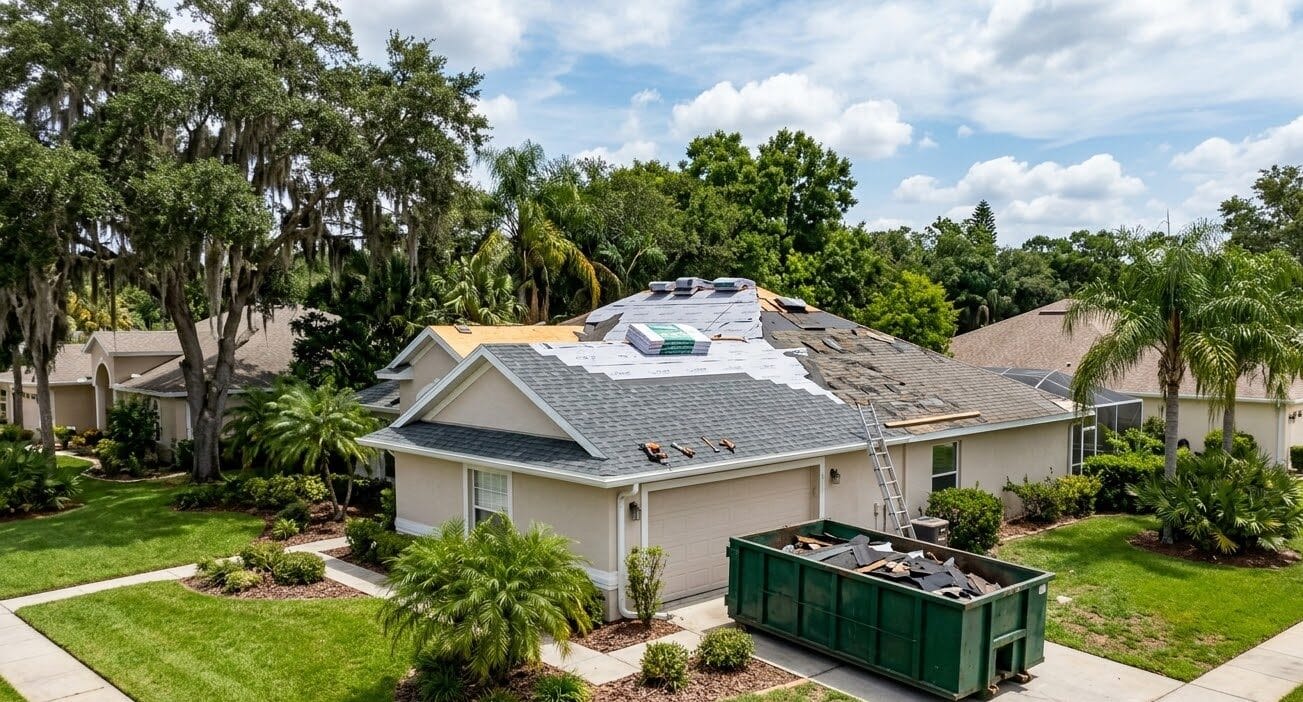
What Roofing Work Requires a Permit (and What Does Not)
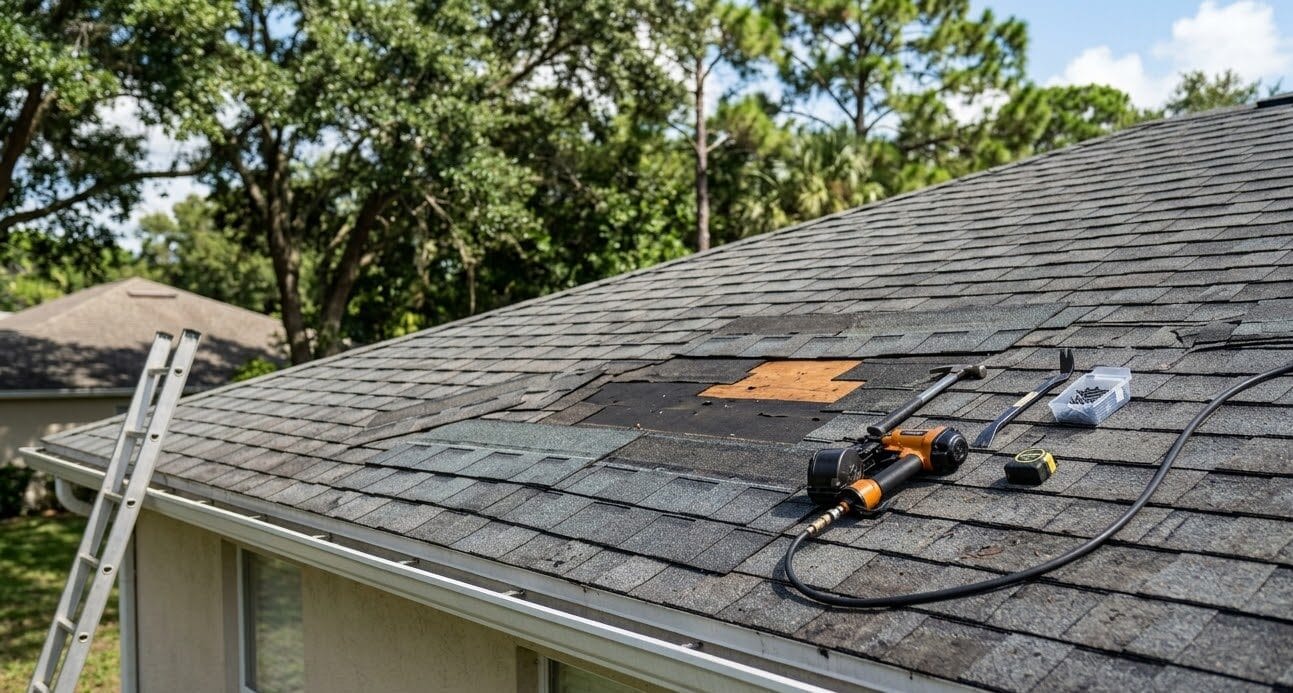
Hernando County does not require a permit for every roofing-related task, but the threshold is low. A permit is required any time the work meets one of the following triggers:
- It touches the structural roof system (decking, trusses, fasteners).
- It changes the roofing material (shingle to metal, tile to shingle, etc.).
- It replaces a meaningful portion of the roof surface (more than 25 percent in 12 months).
| Type of Roofing Work | Permit Required? | Notes |
|---|---|---|
| Full roof replacement (tear-off and re-roof) | Yes | Always. No exceptions. |
| Re-roof over existing layer | Yes | Florida code limits to one overlay; many homes already disqualify. |
| Material change (shingle to metal, etc.) | Yes | New product spec, new fastener pattern, new permit. |
| Roof decking repair or replacement | Yes | Structural work, separate inspection required. |
| Repairs that exceed 25% of roof area in 12 months | Yes (treated as replacement) | Triggers full code upgrade. |
| Replacing a few damaged shingles | No | Cosmetic spot repair; no structural change. |
| Pipe boot or vent flashing replacement | No | Minor repair, single penetration. |
| Small leak repair (under 25 sq ft) | No | Localized, no decking work. |
| Gutter installation | No | Not part of the roof envelope. |
If you are unsure where your project falls, the safe rule is this: if the work involves more than a few shingles or any structural component, assume a permit is required. A licensed contractor can give you a definitive answer in five minutes after walking the roof. Protech provides free roof inspections across Hernando County so homeowners know exactly what scope of work is needed before any permit is filed.
The Florida 25 Percent Rule and How It Triggers a Permit
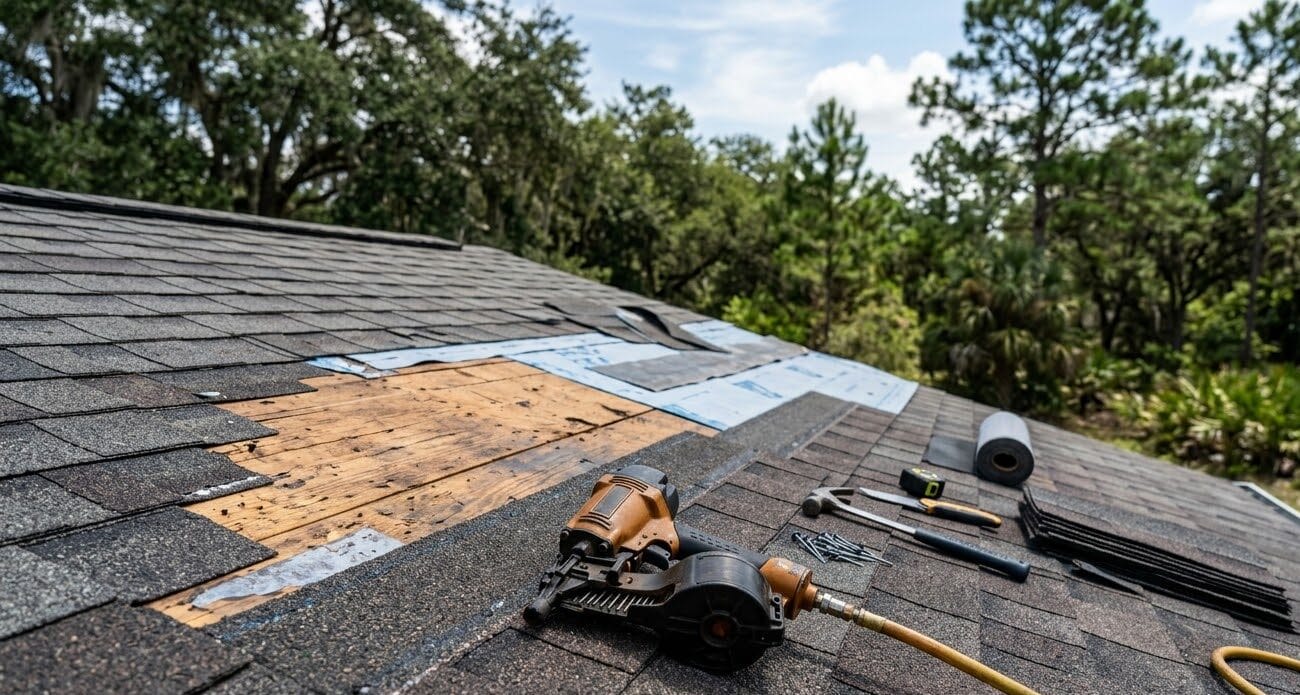
One of the most misunderstood regulations in Florida residential roofing is the 25 percent rule, and it directly affects when a repair becomes a permitted replacement. The rule is written into Section 706.7 of the Florida Building Code and it applies in Hernando County exactly as it does statewide.
If more than 25 percent of your total roof area is repaired or replaced within any 12-month period, the entire roof must be brought up to current Florida Building Code. That is no longer a repair. That is a permitted re-roof, and it triggers all the inspections and code upgrades that come with a full replacement.
For homes built before March 1, 2009 (the majority of residential properties in Hernando County), this is significant. Pre-2009 homes were built under earlier code and often have decking, fastener patterns, and roof-to-wall connections that no longer meet current standards. Triggering the 25 percent rule means upgrading all of those items, even on portions of the roof that were not originally damaged.
In practical terms, if a hurricane strips shingles from one half of your roof and you cannot honestly classify the damage as under 25 percent, the smart move is usually a full roof replacement rather than a borderline repair. Half-measures often end up costing nearly as much as a full re-roof while leaving the rest of the roof to fail in the next storm.
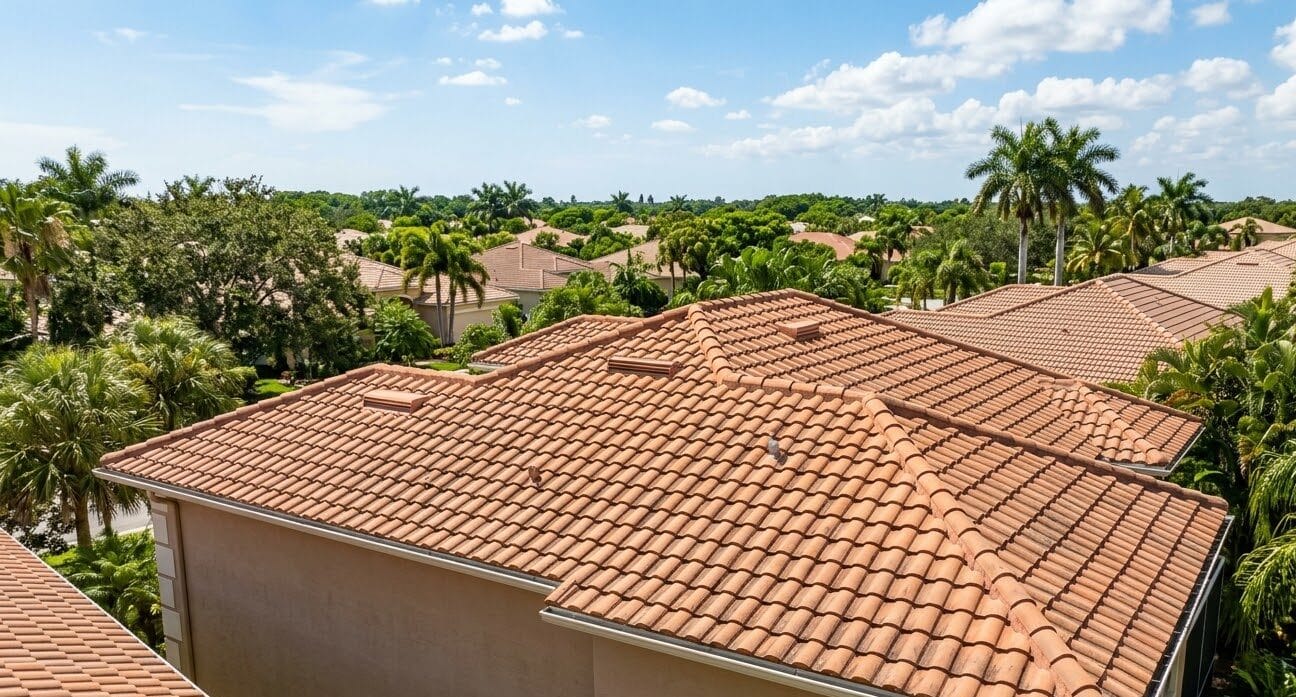
Who Pulls the Permit: Homeowner vs Contractor
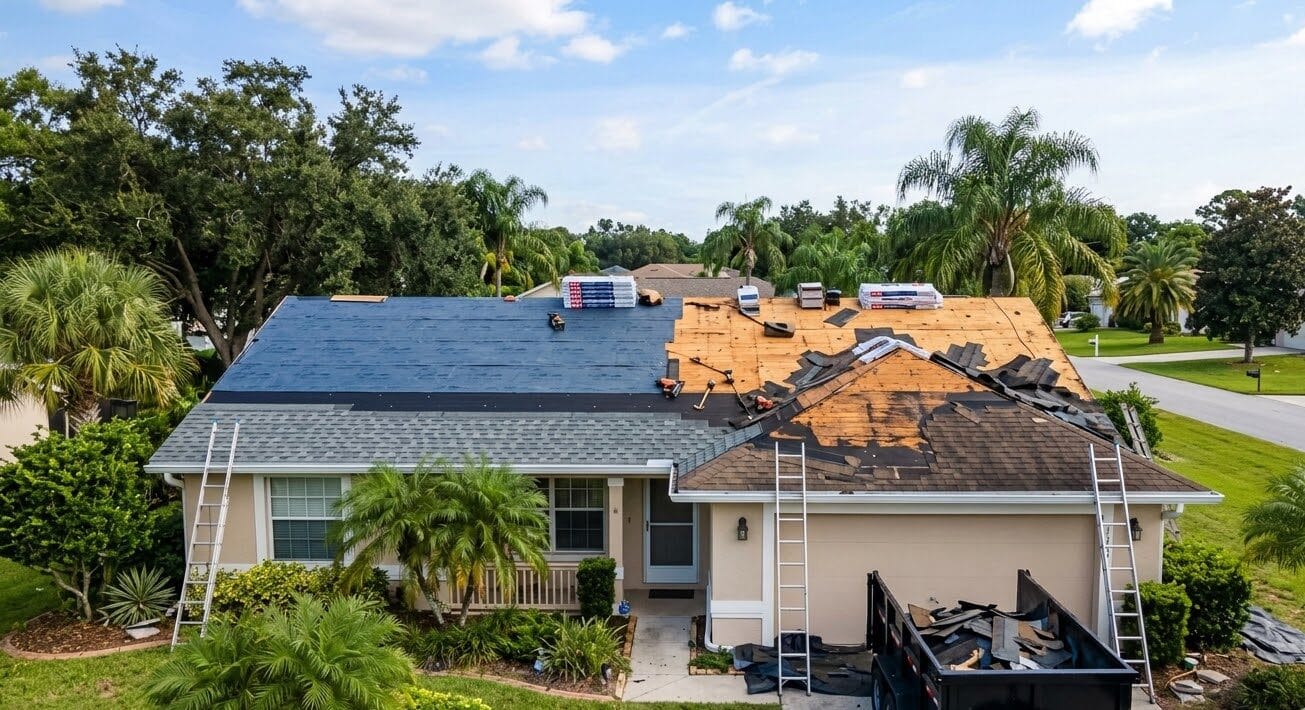
Florida law allows two parties to pull a roofing permit in Hernando County: a licensed roofing contractor or the homeowner under an owner-builder permit. Both are legal options. Only one is the right one for the vast majority of residential roof replacements.
When a Licensed Contractor Pulls the Permit
When a Florida-licensed roofing contractor pulls the permit, the contractor takes on legal responsibility for:
- Code compliance from tear-off through final inspection.
- Manufacturer specifications for every product installed.
- Worker safety and workers compensation coverage on the job.
- The warranty, both manufacturer-backed and workmanship.
The license number is filed with the permit application, and the Building Division ties every inspection back to that license. If something fails inspection, the contractor must correct it. If something fails years later, the contractor remains liable under Florida statute of limitations.
This is the path Protech Roofing follows for every project. For every job in Hernando County:
- We pull every permit under our Florida license.
- We schedule every inspection and meet the inspector on site.
- We stand behind every roof we install with a written workmanship warranty.
Our crews work Hernando County year-round, so the local Building Division knows our team and our process.
When the Homeowner Pulls the Permit (Owner-Builder)
Florida statutes also allow a homeowner to pull an owner-builder permit, but the route comes with serious strings attached. Under owner-builder rules, the homeowner must:
- Personally do the work or directly supervise the crew on site.
- Occupy the home as a primary residence for at least one year after construction.
- Accept full personal liability for code compliance, workplace injuries, and any damage that results from the project.
In practice, owner-builder permits are a trap when used to hide unlicensed labor. Some unlicensed contractors will ask the homeowner to pull the permit "to save money." This shifts every legal risk onto the homeowner. Three things can happen, and any of them is financially devastating:
- A worker falls off the roof and the contractor has no workers comp coverage. The homeowner can be personally liable for medical costs that run into the hundreds of thousands of dollars.
- The inspector flags work that does not meet code. The homeowner is the one fixing it.
- A future hurricane reveals a code violation. The insurance claim can be denied.
Never pull an owner-builder permit on behalf of a contractor you hired. If a roofer asks you to do this, walk away. A legitimate licensed roofing contractor in Florida will always pull permits in their own name.
The Hernando County Permit Process Step by Step
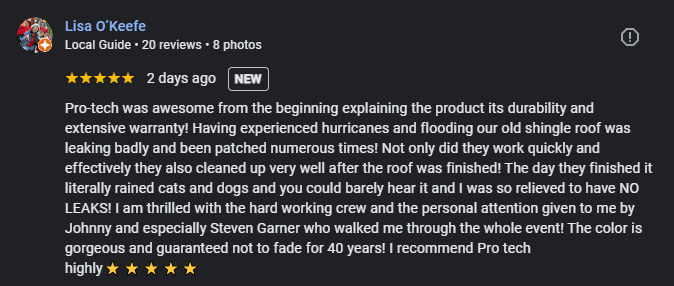
Here is exactly what happens between the day you sign a roofing contract and the day your final inspection is signed off. When Protech is the contractor, every step happens on our end without homeowner involvement, but the process itself is the same regardless of who pulls the permit.
- Roof inspection and scope of work. Before any permit is filed, a written scope of work documents what is being torn off, what is being installed, deck repair allowances, and product details. This is the foundation of the permit application.
- Product approval verification. Florida requires every roofing product (shingles, underlayment, flashing, drip edge, ridge vent) to have a Florida Product Approval number on file with the state. The contractor pulls these numbers and includes them with the application.
- Permit application submission. The application goes to the Hernando County Building Division through the online permitting portal. It includes the property address, owner information, contractor license, scope of work, product approvals, and applicable fees.
- Plans review and permit issuance. The Building Division reviews the application, verifies the contractor license is active, confirms the products are approved, and issues the permit. For straightforward residential re-roofs in Hernando County, this typically takes three to seven business days.
- Notice of Commencement. For projects above a state-defined threshold, a Notice of Commencement is recorded with the county clerk. The permit cannot be activated until this is done.
- Tear-off and dry-in inspection. The crew tears off the existing roof, inspects and repairs decking, installs underlayment, and stops. The Building Division inspector visits to verify the dry-in meets code before any shingles, metal, or tile are installed.
- Final installation and final inspection. Once dry-in passes, the new roofing material is installed. The inspector returns for a final inspection that confirms fastener patterns, flashing, ridge vent, and overall workmanship.
- Permit closure and wind mitigation report. After the final inspection passes, the permit is closed in the county system. Protech provides a wind mitigation inspection report homeowners can submit to their insurer for premium credits.
Inspections Required Before, During, and After the Job
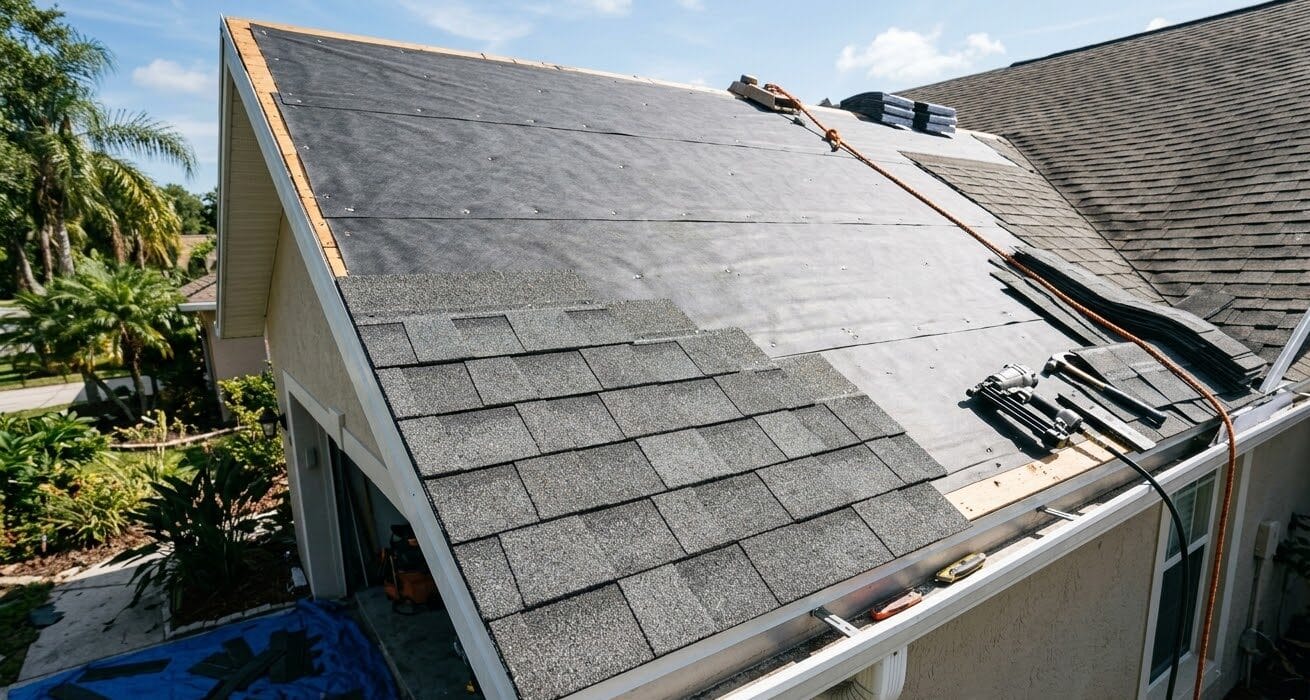
Hernando County requires the following physical inspections on every permitted roof replacement:
- Dry-in inspection after tear-off and underlayment install, before any new roofing goes on.
- Final inspection after the new roofing is complete.
- Additional intermediate inspections on tile re-roofs, large decking replacements, or major structural work.
Dry-In Inspection
The dry-in inspection happens after the existing roof is torn off, the decking is repaired, and the underlayment is installed, but before any new shingles, metal panels, or tiles go on. At this visit the inspector verifies:
- The decking is sound, with no rotted or compromised plywood.
- Decking fasteners are spaced to current Florida Building Code.
- The underlayment is the correct product and properly lapped.
- Any deck-sealing requirements for sealed roof deck credit are met.
This stage is when sealed roof deck credits get earned for insurance purposes.
Final Inspection
The final inspection happens after the new roof material is fully installed. The inspector reviews:
- Fastener patterns on the visible roofing material.
- Flashing around all roof penetrations (vents, pipes, chimney).
- Drip edge installation along the eaves and rakes.
- Ridge vent placement and end caps.
- Overall workmanship and cleanliness of the install.
- That installed products match the products listed on the permit.
If anything is off, the contractor must correct it before the permit closes.
Failed Inspections
A failed inspection is not a disaster, but it is a delay. The inspector writes up the corrections, the contractor fixes them, and a re-inspection is scheduled. Typical reasons inspections fail:
- Insufficient fastener counts or wrong fastener spacing pattern.
- Missed flashing details around penetrations or wall transitions.
- Paperwork that does not match the work done on the roof.
- Improper underlayment lap or unsealed deck where credit was claimed.
With an experienced licensed contractor, failed inspections are rare. Protech maintains a clean inspection record across hundreds of Hernando County roofs because our crews train specifically on Florida code requirements and our project managers walk every job before calling for inspection.
How Much Roof Permits Cost in Hernando County in 2026
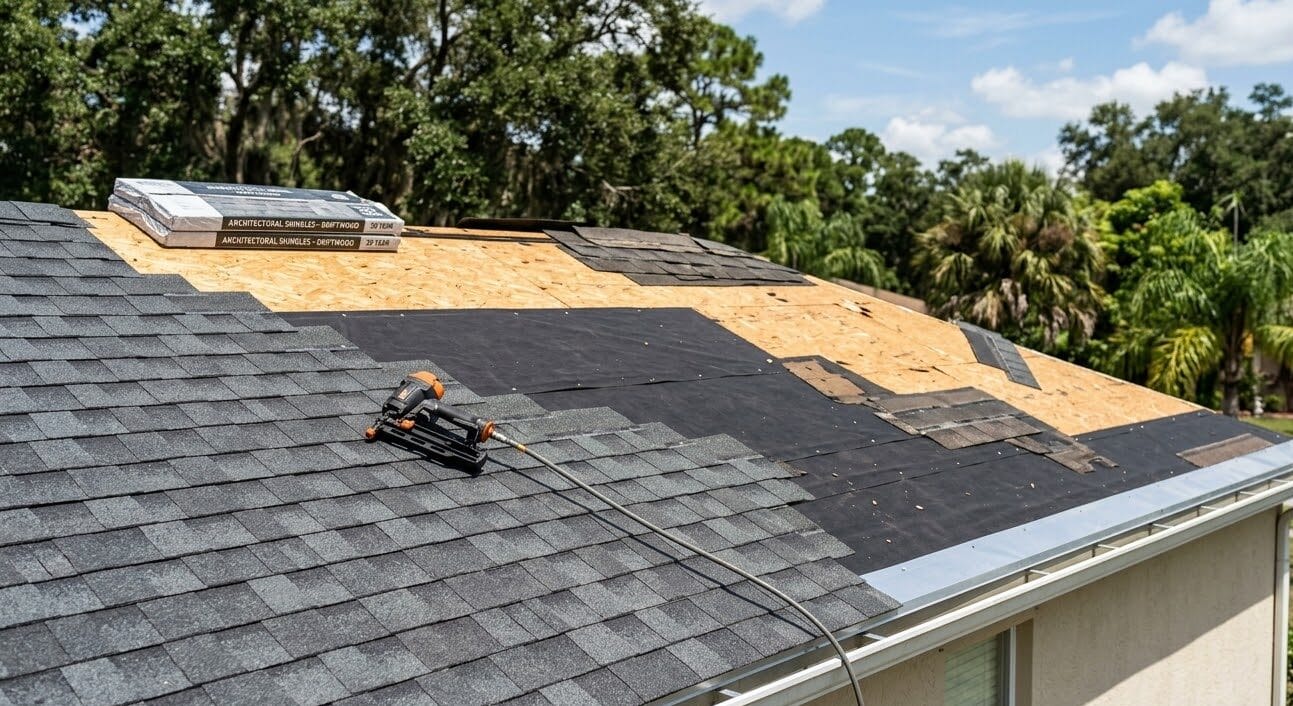
Roof permit fees in Hernando County are set by the county Building Division and depend on the value of the work being performed. The base fee covers the application, plans review, and required inspections. For most residential re-roofs in 2026, total permit costs fall in the range below.
| Project Scope | Typical Permit Cost | What It Includes |
|---|---|---|
| Small home shingle re-roof (under 1,500 sq ft) | $150 to $250 | Application, dry-in, final inspection |
| Standard home shingle re-roof (1,500-2,500 sq ft) | $250 to $400 | Same as above, scaled to project value |
| Larger home or metal re-roof (2,500+ sq ft) | $400 to $600 | Higher project value drives higher fee |
| Tile re-roof or major decking replacement | $500 to $800+ | Additional structural inspection may apply |
| Re-inspection fee (if first inspection fails) | $50 to $100 each | Charged separately if needed |
When Protech provides a roofing estimate, the permit fee is included in the line-item breakdown. There are no surprise charges added later. The fee goes to Hernando County, not to Protech. We simply pull the permit on your behalf and pay the fee as part of the project.
What Happens If You Skip the Permit
Some homeowners wonder if they can save the permit fee by simply not pulling one. The savings of a few hundred dollars upfront pales next to what unpermitted roofing work actually costs over the years. Here is what skipping the permit looks like in practice.
Stop-Work Orders and Fines
Hernando County code enforcement actively investigates unpermitted construction. Neighbors report it. Insurance adjusters spot it. Real estate agents flag it during disclosure. When unpermitted roofing work is discovered, the county can take any of the following actions:
- Issue a stop-work order halting all roofing activity on the property.
- Levy daily fines until a retroactive permit is obtained.
- Require a retroactive permit at significantly higher cost than a normal permit.
- Require sections of the roof to be opened up so an inspector can verify code compliance after the fact.
Insurance Claim Denials
This is the biggest risk and the one that hurts most homeowners. Florida insurance carriers require roofing work to be properly permitted. When you file a wind or hurricane claim on a roof installed without a permit:
- The claim is often denied outright on the basis that the work was not code-compliant.
- Even if the roof itself is fine, the missing permit is enough to disqualify the claim.
- Homeowners pay out of pocket for damage that should have been covered.
Problems Selling the Home
Florida disclosure law requires sellers to inform buyers of any unpermitted work on the property. The friction at closing usually shows up in three places:
- Title companies catch unpermitted roofs during the closing process.
- Lenders refuse to underwrite mortgages on homes with open code violations.
- Buyers pull out or demand a price reduction once the disclosure surfaces.
The homeowner ends up choosing between three bad outcomes: pay for retroactive permits and inspections at the worst possible time, drop the asking price to compensate, or walk away from the sale entirely.
No Warranty Protection
GAF, Owens Corning, CertainTeed, and every other major shingle manufacturer require permitted installation as a condition of their workmanship and material warranties. An unpermitted installation voids the warranty. If shingles fail prematurely, the homeowner has no recourse against the manufacturer.
If you are uncertain whether existing roofing work on your home was properly permitted, Protech offers insurance claims assistance and inspection services that document the current condition of your roof and identify whether retroactive permitting is needed before your next claim.
Permit Timing, Hurricane Season, and Project Planning
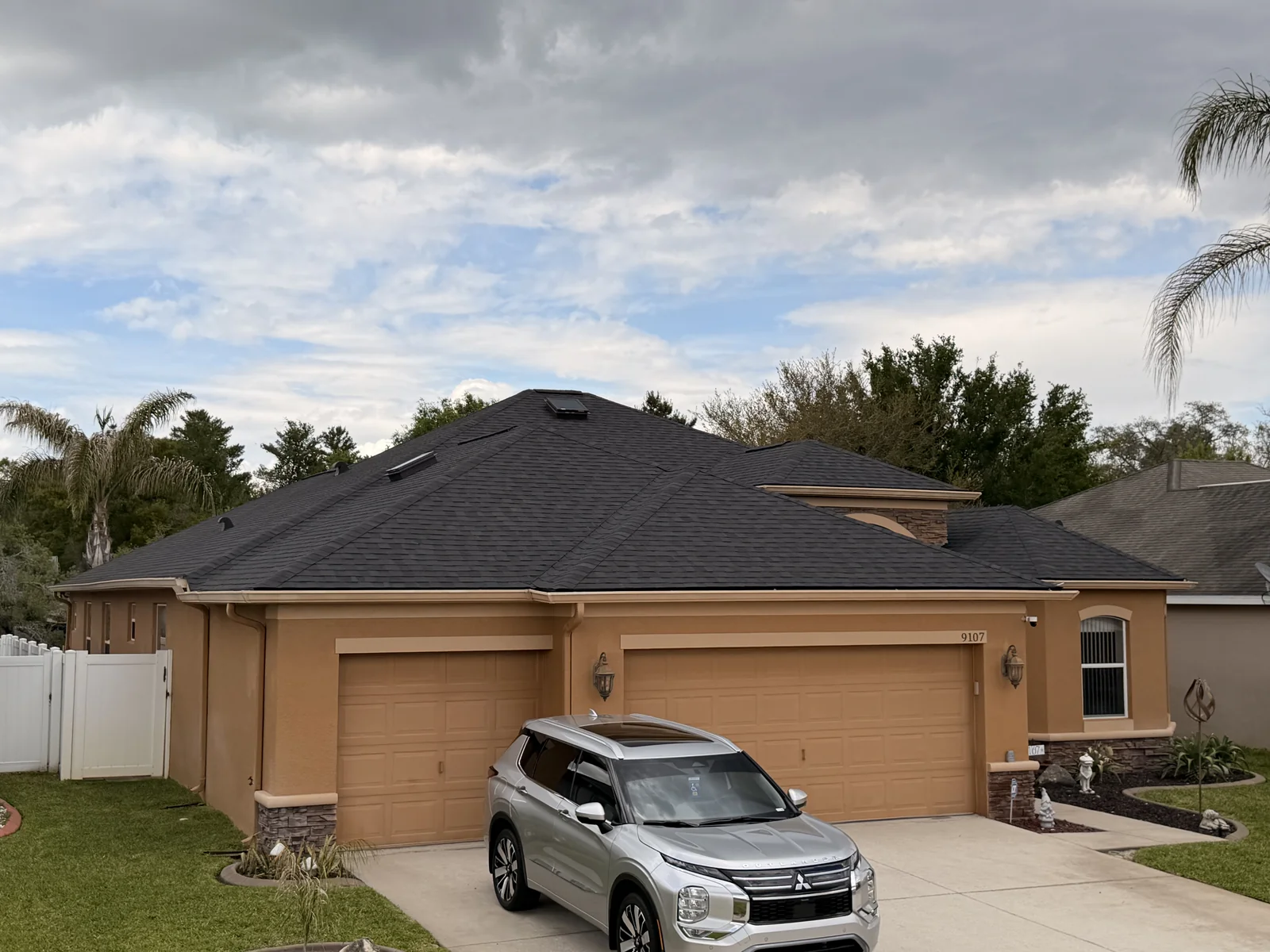
When you file a permit matters as much as whether you file one. Hernando County permitting volume swings dramatically with the seasons, and aligning your project with the right window can shave a week or more off the timeline.
January Through May Is the Best Window
The Building Division is at full staff and project volume is moderate from January through May. Three reasons this is the best window to schedule:
- Permit reviews come back in three to five business days on average.
- Inspectors are available within a day or two of inspection requests.
- The permit can close cleanly before hurricane season begins on June 1.
Hurricane Season Slowdowns
From June 1 through November 30, permit volume surges. After any major storm damage event, hundreds of emergency re-roof applications hit the Building Division at once. Expect:
- Review times stretching to two or three weeks (vs. three to five business days off-season).
- Inspectors booked solid, sometimes a week out from the inspection request.
- Material lead times growing as supply chains absorb the regional demand spike.
This is exactly when many homeowners need new roofs the most, but the wait is significantly longer.
Insurance Renewal Deadlines
If your insurance carrier has issued a non-renewal notice tied to roof age, you have a hard deadline to install a new roof before the policy lapses. Plan around these timing realities:
- Pulling a permit and getting the work completed typically takes four to six weeks from contract signing.
- Starting six to eight weeks before your renewal date is the safe approach.
- Working backward from your renewal date (not forward from "when can you start") is the smartest way to plan.
How Protech Handles the Permit For You
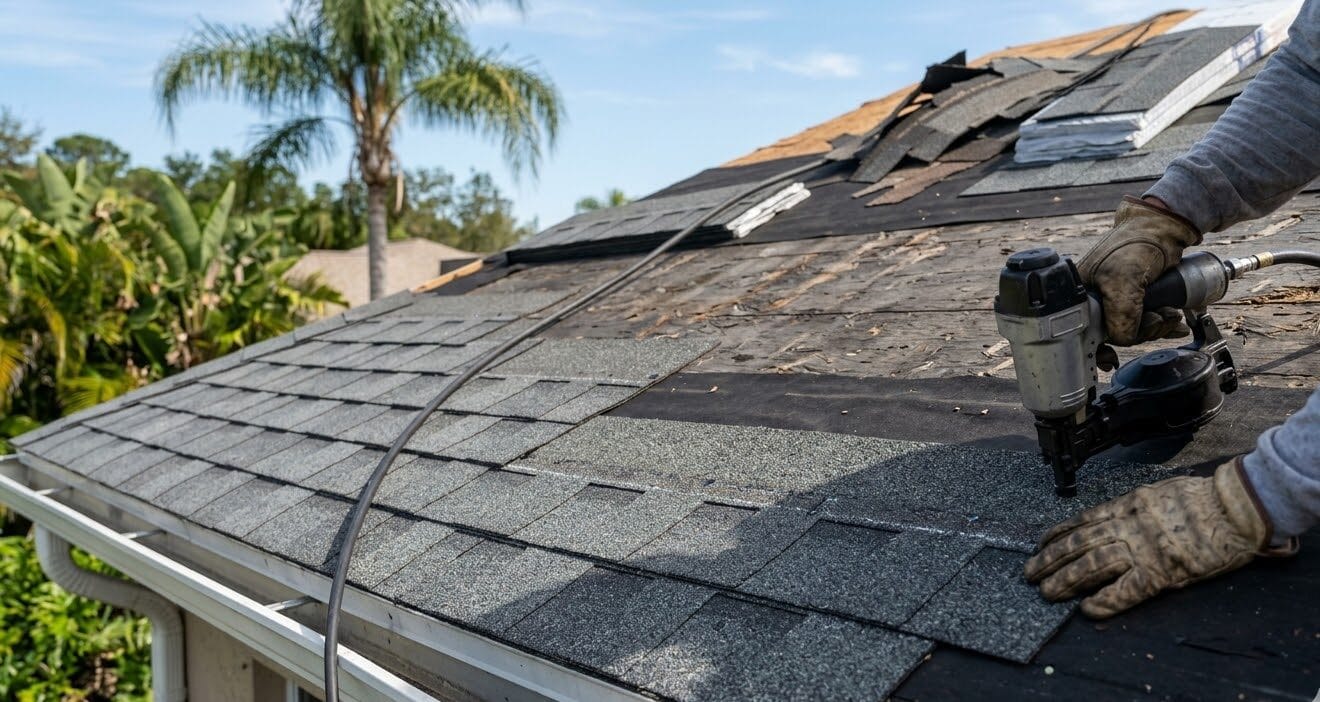
When you hire Protech Roofing for a roof replacement in Hernando County, the permit happens entirely on our side. The homeowner signs the contract and the wind mitigation authorization. We do the rest.
- Our project manager pulls Florida product approvals for every material on your job.
- We submit the permit application to the Hernando County Building Division through the online portal under our license.
- We monitor the application daily and respond to any plans review questions immediately.
- We schedule the dry-in inspection at the right point during the tear-off.
- We schedule the final inspection after installation is complete.
- We close the permit in the county system and provide your wind mitigation report.
Every roof we install in Brooksville, Spring Hill, Weeki Wachee, Hernando Beach, and the surrounding communities goes through this exact process. Our credentials on file with Hernando County:
- Florida roofing license CCC1335878 (active and in good standing).
- GAF Certified Contractor status for premium warranty coverage.
- Current workers compensation and general liability insurance certificates.
- Active local registration with the Hernando County Building Division.
The result is a roof replacement that:
- Closes cleanly with the Building Division.
- Qualifies for full insurance coverage and wind mitigation credits.
- Holds its manufacturer warranty (typically 25 years on shingles).
- Adds verified, documented value to your home for resale.
Schedule Your Free Roof Inspection
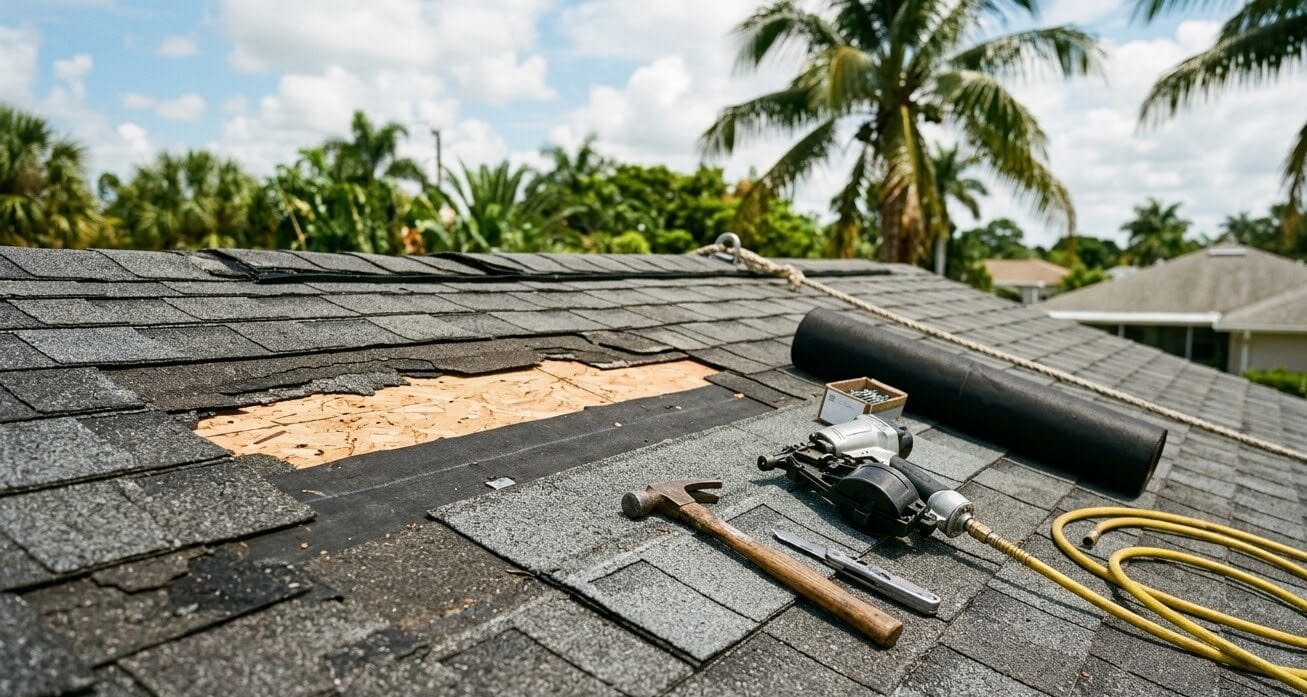
If your roof is approaching the end of its useful life, has visible storm damage, or is the reason your insurance carrier sent a non-renewal notice, the smart first step is a free roof inspection. Protech provides no-pressure assessments throughout Spring Hill, Brooksville, Weeki Wachee, Hernando Beach, and the surrounding Hernando County communities.
During the inspection we will:
- Document the current condition of your roof in writing and with photos.
- Give you an honest estimate of remaining lifespan.
- Walk you through the permit and inspection process if replacement is the right call.
- Answer every question before you sign anything.
Call (352) 605-0696 or request your free estimate online today.
Related Services and Resources
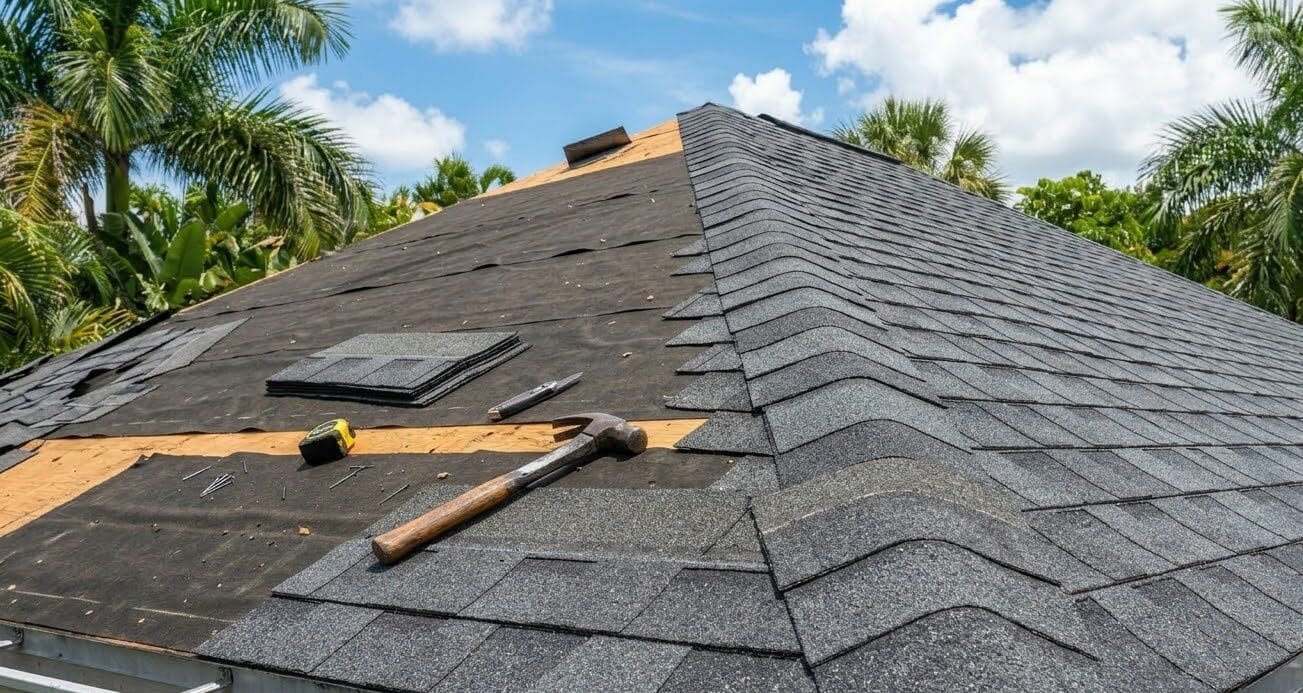
- Total Roof Replacement - Permit-to-completion service across Hernando County
- Roof Inspection - Free written assessments before any permit application
- Insurance Claims Assistance - Support from filing to settlement
- My Safe Florida Home - State grants up to $10,000 for wind mitigation
- Storm Damage Restoration - Emergency repairs and full replacements after hurricanes
- Roof Financing - Flexible terms with no money down
- Will Insurance Cover Your Roof? - How permitted installations protect claim eligibility
- How to Hire the Right Roofing Company - License verification and red flags
- Ultimate Guide to Roofing in Spring Hill - Local expertise for Hernando homeowners
FAQ
Frequently Asked Questions
Do I need a permit to replace my roof in Hernando County, FL?
+
Who pulls the permit for a roof replacement in Hernando County?
+
How much does a roof permit cost in Hernando County in 2026?
+
How long does it take to get a roof permit in Hernando County?
+
What inspections are required for a roof replacement in Hernando County?
+
What happens if my contractor doesn't pull a roof permit?
+
Does the Florida 25 percent rule require a permit?
+
Related Articles
More guides for Florida homeowners

Florida Tile Roof Problems: Repair vs Re-Roof (2026)
Tile lasts for decades, the underlayment under it does not. Here are the tile roof problems Florida homeowners see most, what each repair costs in 2026, and how to tell when a repair is enough and when it is time to re-roof.
Read Article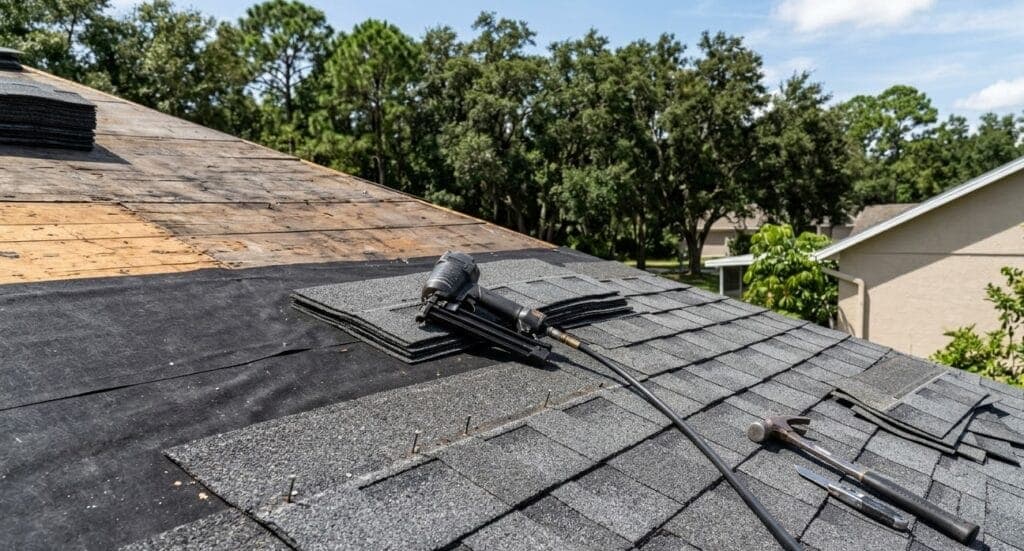
Solar Roofing in Florida: Solar Shingles vs Panels (2026)
Every solar system on a Florida roof is either bolted to the roof or is the roof. Here is how panels and solar shingles compare in 2026, what changed with the federal credit, and why the cheapest solar project often starts with a re-roof.
Read Article
Attic Ventilation for Florida Roofs: Vents and Savings
Section R806.2 gives you an arithmetic target for attic ventilation, and most Florida attics miss it at the eave rather than the ridge. Here is the math, the four failures we find, and what poor venting costs in shingle life and warranty coverage.
Read ArticleReady When You Are
Get your free roof inspection today.
No-pressure, written estimate. Same-week scheduling across Hernando County. Call us now or request a visit online.