Blog
Flat Roof Repair & Replacement in Florida: TPO, Leaks & What Business Owners Should Know
Call (352) 605-0696Flat roofs are common across Florida commercial buildings, and they come with unique challenges. This 2026 guide covers TPO, PVC, and modified bitumen systems, repair vs. overlay vs. replacement decisions, real costs across Hernando County, and the overlay opportunity that saves 30 to 40 percent on most projects. Call (352) 605-0696 for a free commercial inspection.
Why Flat Roofs Leak More Often Than Sloped Roofs
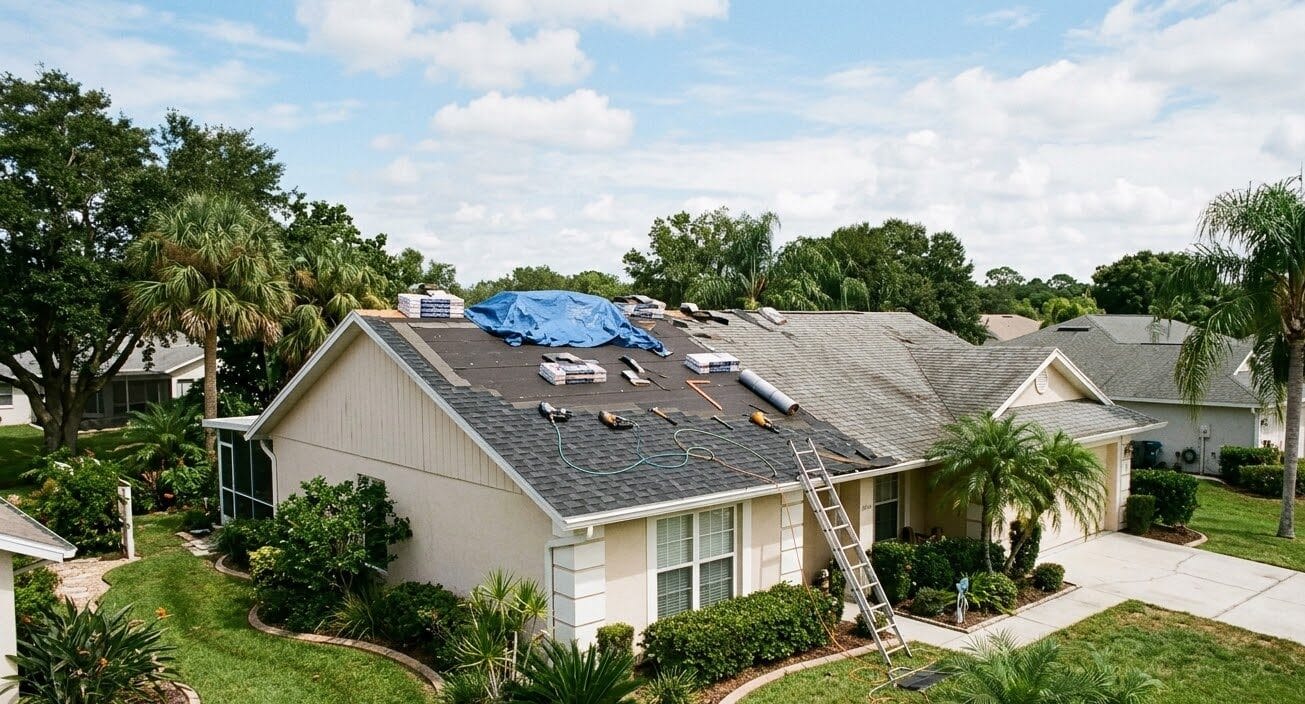
A flat roof is not actually flat. Every commercial flat roof in Hernando County is engineered with a slight slope (typically 1/4 inch per foot) to drive water toward drains and scuppers. The problem is that this small slope leaves zero margin for error. When the membrane fails, water has nowhere to go but into the building.
Three things make flat roofs more leak-prone than sloped roofs in Central Florida:
- Water sits on the surface longer, accelerating membrane and seam degradation.
- Drainage failures (clogged drains, debris dams) create ponding that can persist for days.
- Foot traffic from HVAC service, antennas, and roof access damages the membrane over time.
Add to that Florida's intense UV exposure, hurricane-force winds, and tropical rain events, and the average flat roof needs more attention than its sloped counterpart. Most flat roof failures are preventable with the right system, the right install, and a basic maintenance program.
The Most Common Flat Roof Problems in Florida
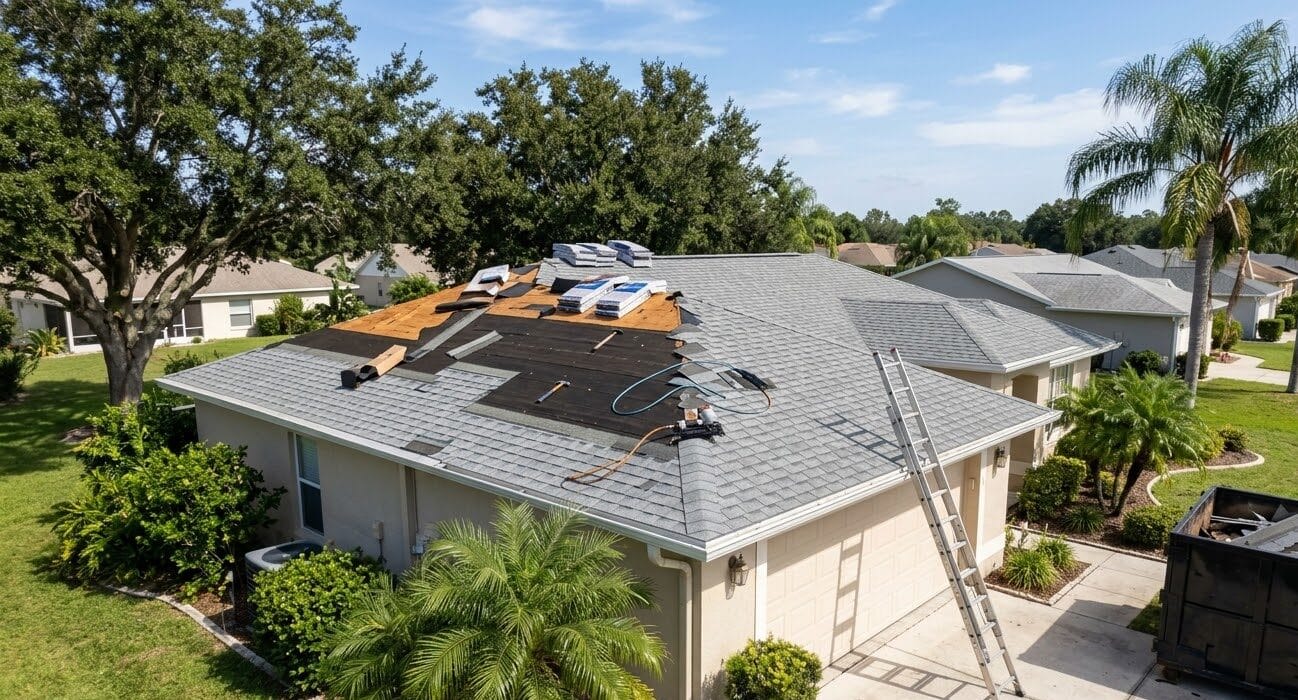
Across hundreds of flat roof inspections in Hernando County, six issues account for the majority of leak calls and emergency repairs:
- Ponding water. Water that sits on the roof for more than 48 hours after rain accelerates membrane breakdown and adds dead-load weight that the structure may not be designed for.
- Membrane separation at seams. TPO and PVC seams are heat-welded and very strong when done right. Older solvent-welded systems and mod-bit overlaps fail first.
- Cracked or shrunken membranes. UV exposure dries out single-ply membranes over years. The membrane shrinks, pulls away from edges, and cracks.
- Flashing failures around roof penetrations. HVAC curbs, vent pipes, drains, and skylights all need flashing details that survive wind, water, and thermal cycling. Flashing is where 70 percent of leaks start.
- Damaged drains, scuppers, and gutters. Clogged drains are the most common cause of ponding. Debris from trees, granule loss from adjacent roofs, and bird nesting all contribute.
- Rooftop equipment damage. Service technicians dropping tools, walking off designated paths, and dragging equipment cause incidental damage that often goes unreported.
The Three Best Flat Roof Systems for Florida
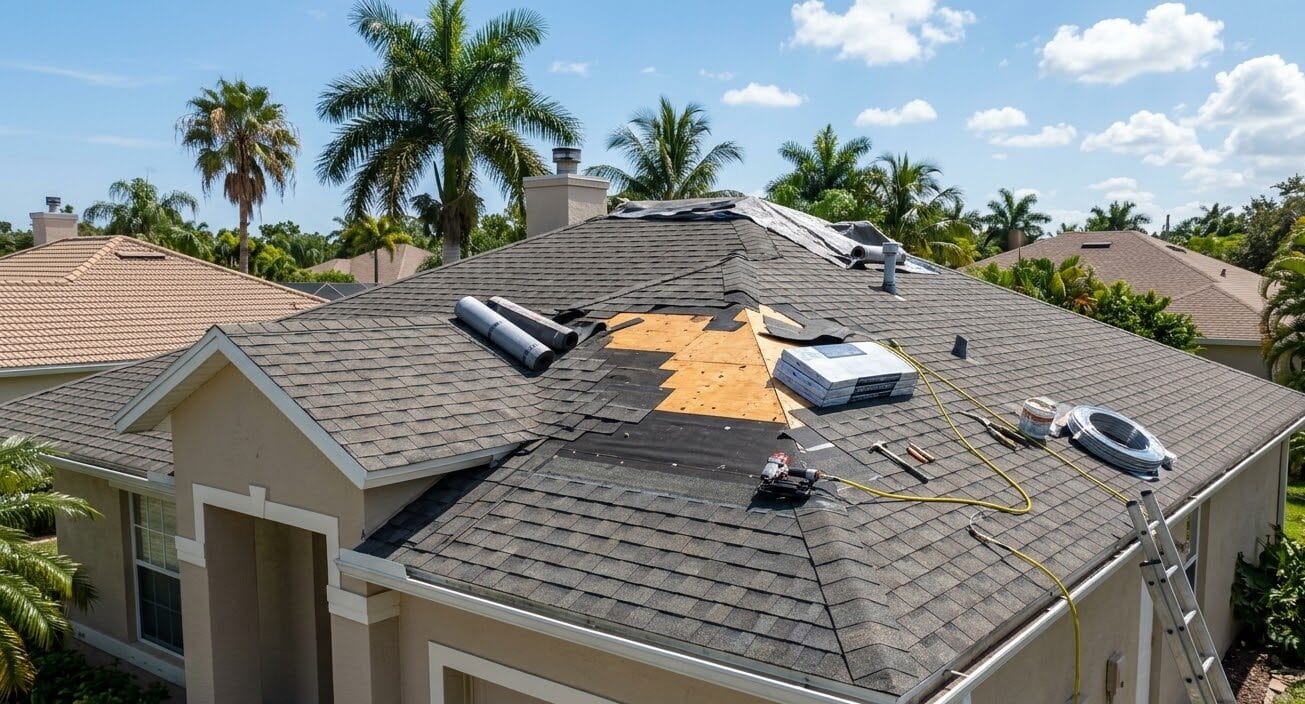
Three systems dominate flat-roof installations across Hernando County and Central Florida. Each has clear strengths.
TPO (Thermoplastic Polyolefin)
TPO is the most common new flat-roof installation in Central Florida in 2026. Reasons it dominates:
- Heat-welded seams that are stronger than the membrane itself.
- Reflective white surface that lowers cooling costs by 10 to 20 percent.
- Excellent resistance to UV and Florida heat.
- Lightweight (avoids structural upgrades on older buildings).
- Strong wind uplift ratings when installed to manufacturer spec.
TPO is the right choice for most commercial buildings, retail strip centers, and warehouses across Hernando County. Premium 60-mil and 80-mil TPO from established manufacturers carries warranties of 20 to 30 years.
PVC (Polyvinyl Chloride)
PVC is similar to TPO but more chemically resistant. PVC is the right choice when:
- The building houses a restaurant with grease exhaust on the roof.
- Industrial chemicals or cleaning solvents are present nearby.
- The roof has heavy foot traffic that demands extra puncture resistance.
- A long warranty (25 to 30 years) is critical to the financing or sale strategy.
PVC costs slightly more than TPO but the lifecycle math favors PVC on buildings with chemical or grease exposure.
Modified Bitumen (Mod-Bit)
Modified bitumen is an asphalt-based system applied in multiple plies. It is the modern evolution of traditional built-up roofing. Mod-bit shines when:
- The roof has heavy regular foot traffic from HVAC and plumbing service.
- Multiple plies are needed for redundancy on critical buildings (data centers, hospitals, food processing).
- Local repair friendliness matters (mod-bit is easier to patch than single-ply).
- A proven track record on Florida buildings is the deciding factor.
Mod-bit is heavier and less reflective than TPO or PVC, so cooling costs run higher and structural weight matters more.
Repair vs. Replacement: Making the Right Call
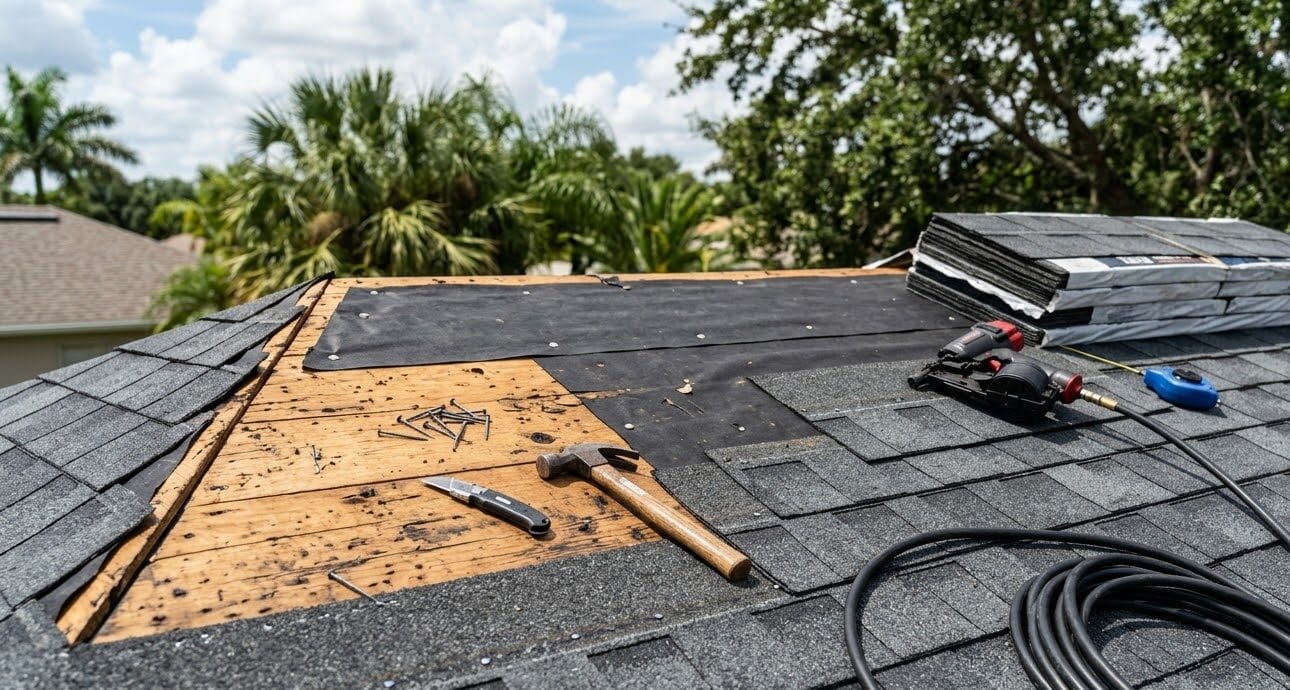
Most flat roof issues do not require full replacement. The decision comes down to four factors.
When Repair Is the Right Call
Targeted repairs make sense when:
- Leaks are isolated to a single area (HVAC penetration, drain corner, parapet flashing).
- The membrane is under 10 to 15 years old and otherwise sound.
- No widespread seam failure, ponding, or insulation saturation.
- The repair area is under 25 percent of the total roof.
When Replacement Is the Right Call
Full replacement is the right call when any of the following are true:
- Multiple leaks have appeared in different areas over the past 12 to 24 months.
- The membrane is at or beyond its expected service life.
- Insulation under the membrane is saturated and no longer providing thermal value.
- Storm damage covers more than 25 percent of the roof (the Florida 25 percent rule applies — see our permit guide).
- Multiple penetration flashings are failing simultaneously.
The TPO Overlay: A Big Cost-Saving Opportunity
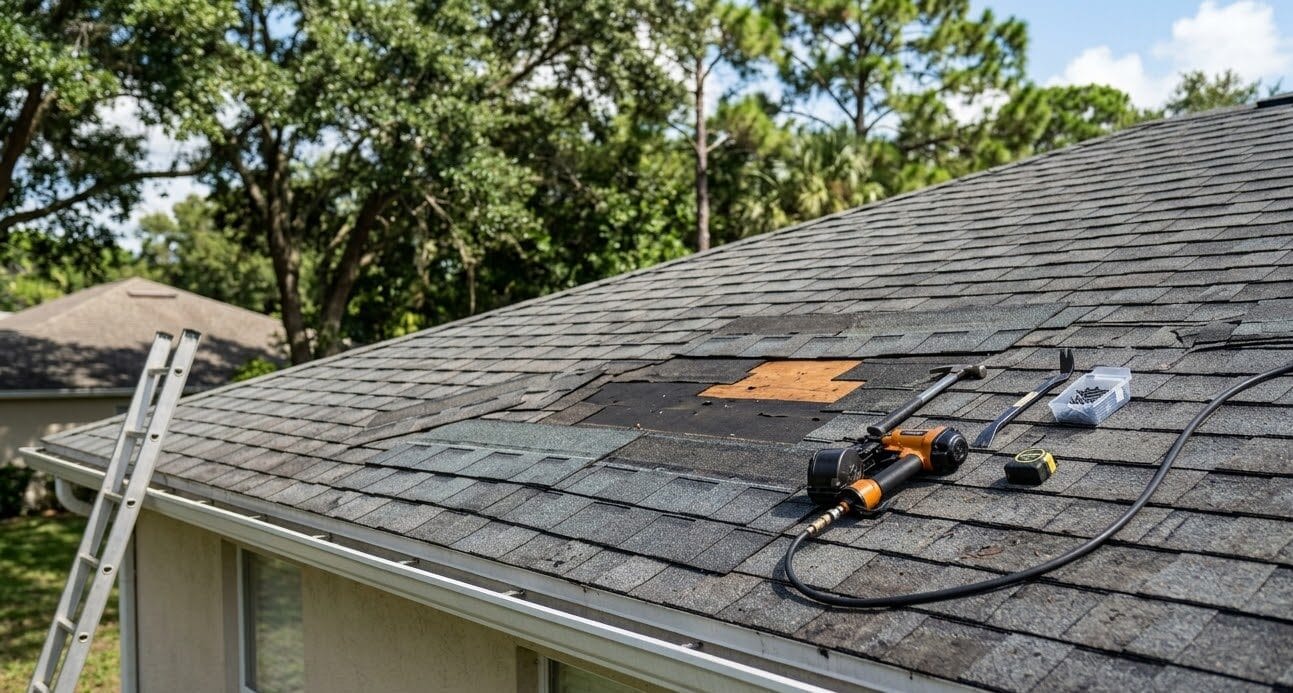
For many flat roofs in Hernando County, full tear-off is not necessary. A TPO (or PVC) overlay system installs a new membrane directly over the existing roof, saving substantial cost:
- Time savings: Overlay installation runs 30 to 50 percent faster than full tear-off.
- Labor savings: No tear-off labor, no debris handling, no exposed deck.
- Disposal savings: No landfill fees, no dumpster rental.
- Operational continuity: Building stays watertight throughout the install.
- Total cost reduction: Typically 30 to 40 percent less than full tear-off.
Overlays are not always possible. Three conditions must hold:
- The existing roof must have at most one layer (Florida code limits to two total layers).
- The existing insulation must be dry (saturated insulation must be torn off and replaced).
- The structural deck must be sound (no rotted plywood, no compromised metal).
A proper inspection determines whether overlay is viable. When it is, it is usually the right financial decision. When it is not, the overlay attempt creates worse problems and more cost down the road. Protech provides honest assessments through our commercial roof inspection service.
2026 Cost Comparison: Repair vs. Overlay vs. Replace
Real 2026 numbers for a typical 10,000 square foot Hernando County commercial flat roof:
| Approach | Typical Cost (10,000 sq ft) | Service Life Added | Best For |
|---|---|---|---|
| Targeted repair | $1,500 to $8,000 | 3 to 7 years | Localized leaks, sound overall membrane |
| Roof coating restoration | $25,000 to $45,000 | 10 to 15 years | Aging but sound roofs, capital deferral |
| TPO overlay (over existing) | $50,000 to $80,000 | 20 to 25 years (full warranty) | Single-layer existing roof, dry insulation |
| Full tear-off and TPO replacement | $70,000 to $120,000 | 20 to 30 years (full warranty) | Saturated insulation, multiple existing layers |
| Full tear-off and PVC replacement | $85,000 to $140,000 | 25 to 30 years (full warranty) | Restaurants, chemical exposure environments |
The right choice depends on building age, planned hold period, and capital strategy. A property held for sale in 18 months may warrant only repair. A long-term owned warehouse with saturated insulation almost always justifies full replacement.
Storm Damage and Insurance Claims on Flat Roofs
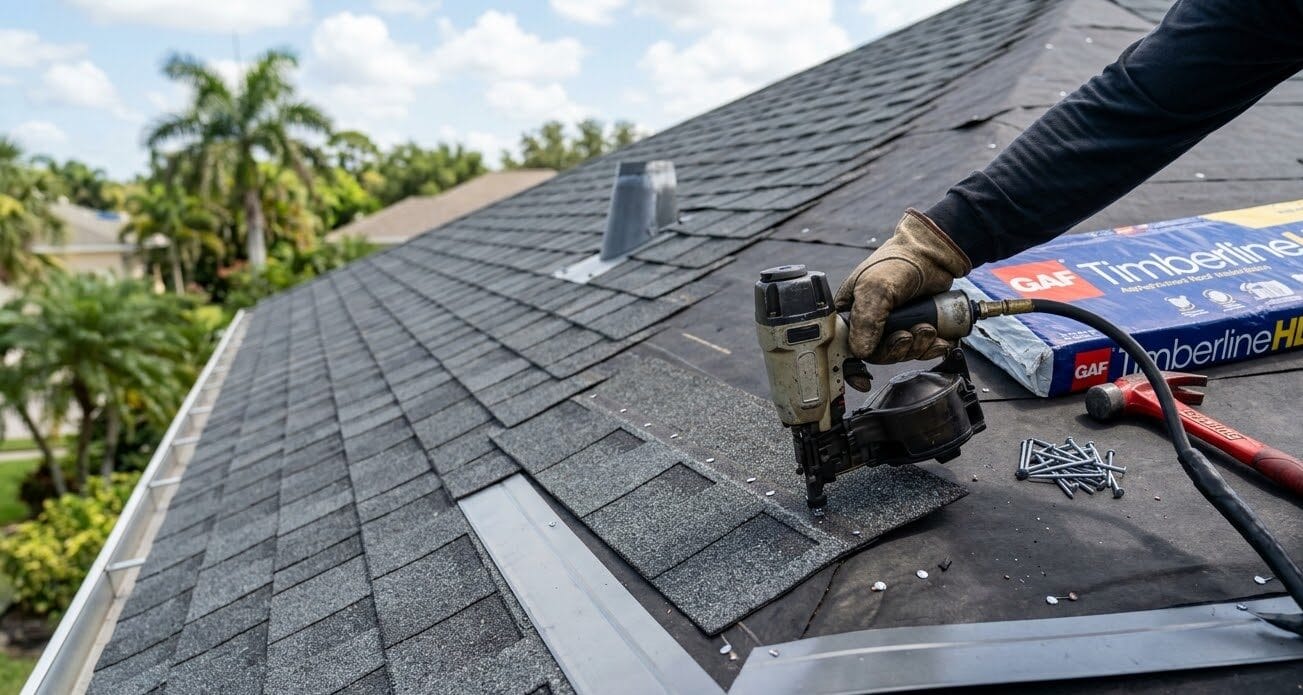
Flat roofs are particularly vulnerable to hurricane wind and water damage. Insurance carriers cover specific damage types when properly documented:
- Wind damage: Membrane lifted, torn, or detached from the roof assembly.
- Membrane uplift: Wind pressure bubbles or separates membrane from substrate.
- Water intrusion: Wind-driven rain that penetrates damaged seams or flashings.
- Falling debris: Tree limbs or wind-blown objects that puncture the membrane.
- Hail damage: Visible bruising, fractures, or granule loss on the roof surface.
Having a contractor present during the adjuster inspection can change the outcome by 20 to 50 percent on commercial flat roof claims. Adjusters are not roofing experts. A HAAG-trained roofer points out damage that adjusters routinely miss. For the full claim playbook, see our Florida insurance claims guide.
Maintenance Tips for Flat Roof Owners
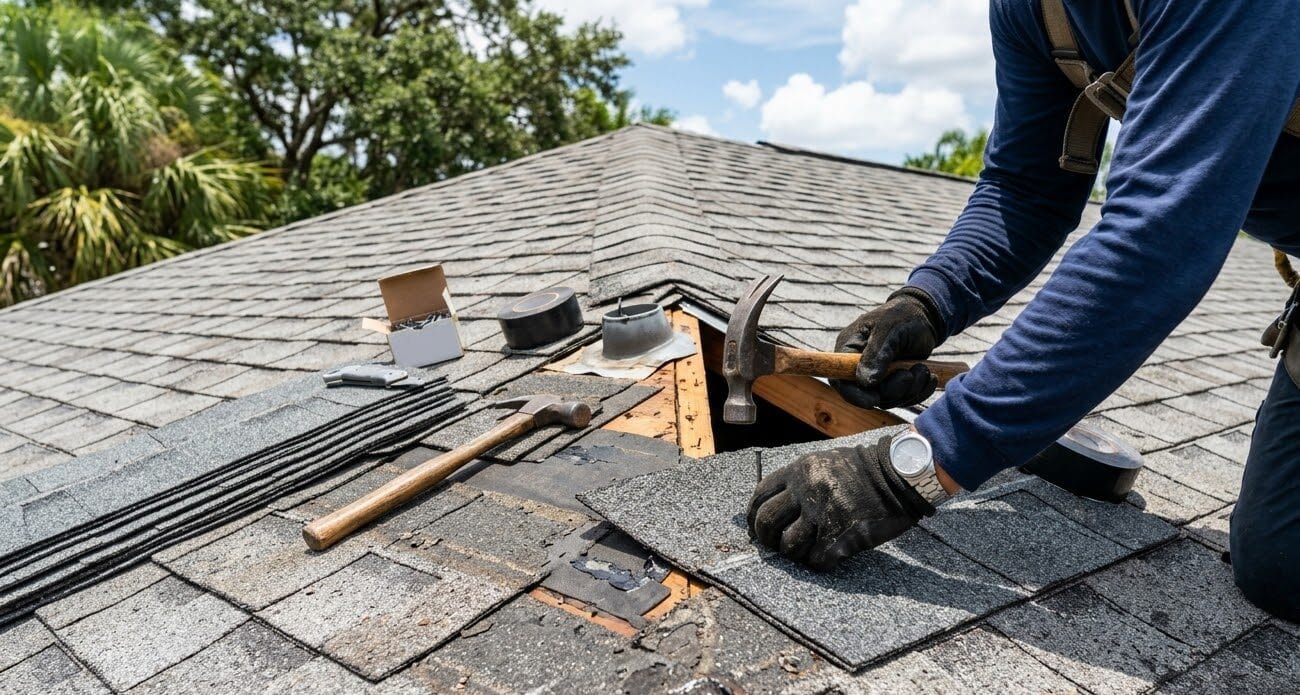
Most flat roof failures are preventable. A basic maintenance program extends roof life by 5 to 10 years and avoids the majority of emergency calls:
- Annual professional inspection. A licensed contractor walks the roof, photographs every condition, and provides a written report with prioritized recommendations.
- Quarterly drain cleaning. Clogged drains are the single most common source of flat roof problems. Quarterly cleaning costs almost nothing and prevents most ponding issues.
- Post-storm inspections. After any named storm or significant wind event, inspect for membrane lift, debris damage, and new ponding spots.
- Document HVAC service visits. Require service technicians to report any incidental membrane damage. Most cause damage; few report it.
- Address small issues immediately. A $300 flashing repair today prevents a $30,000 saturated-insulation replacement two years later.
- Keep maintenance records. Documentation of regular care matters at insurance claim time and protects warranty status.
Why Hernando County Businesses Choose Protech
Protech specializes in commercial flat roofing systems across Central Florida. Reasons local businesses work with us:
- TPO, PVC, and modified bitumen experience across hundreds of commercial buildings.
- Manufacturer certifications (GAF, Carlisle, Firestone) for full-coverage warranty eligibility.
- Insurance claims specialists on staff for full claim assistance.
- Permit handling and code-compliant installations every time.
- Honest assessments that distinguish viable overlays from required tear-offs.
- Florida license CCC1335878, headquartered in Hernando County since 2008.
Service Areas Across Central Florida
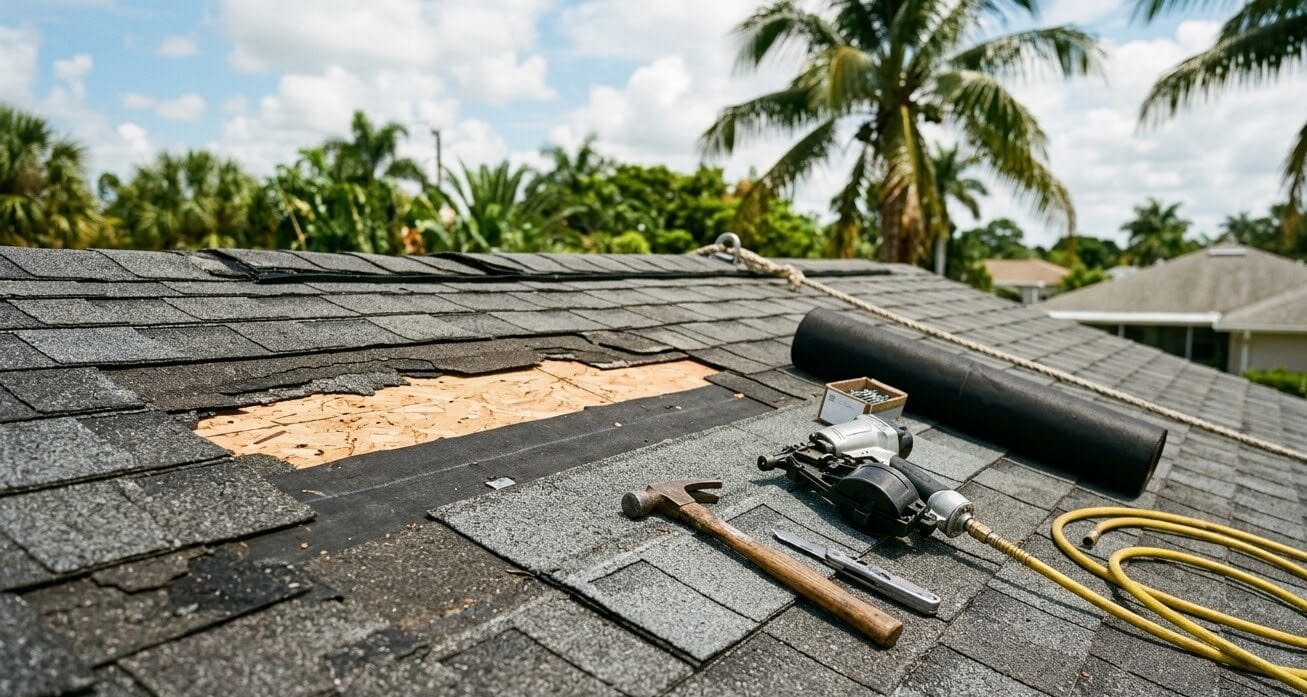
We serve commercial property owners and managers across:
- Hernando County — Spring Hill, Brooksville, Weeki Wachee, Hernando Beach
- Pasco County — Dade City, New Port Richey, Land O' Lakes
- Citrus County — Inverness, Crystal River, Homosassa
- Sumter County — The Villages, Bushnell, Wildwood
- Pinellas County — Clearwater, Largo, Tampa Bay metro
Schedule Your Free Flat Roof Inspection
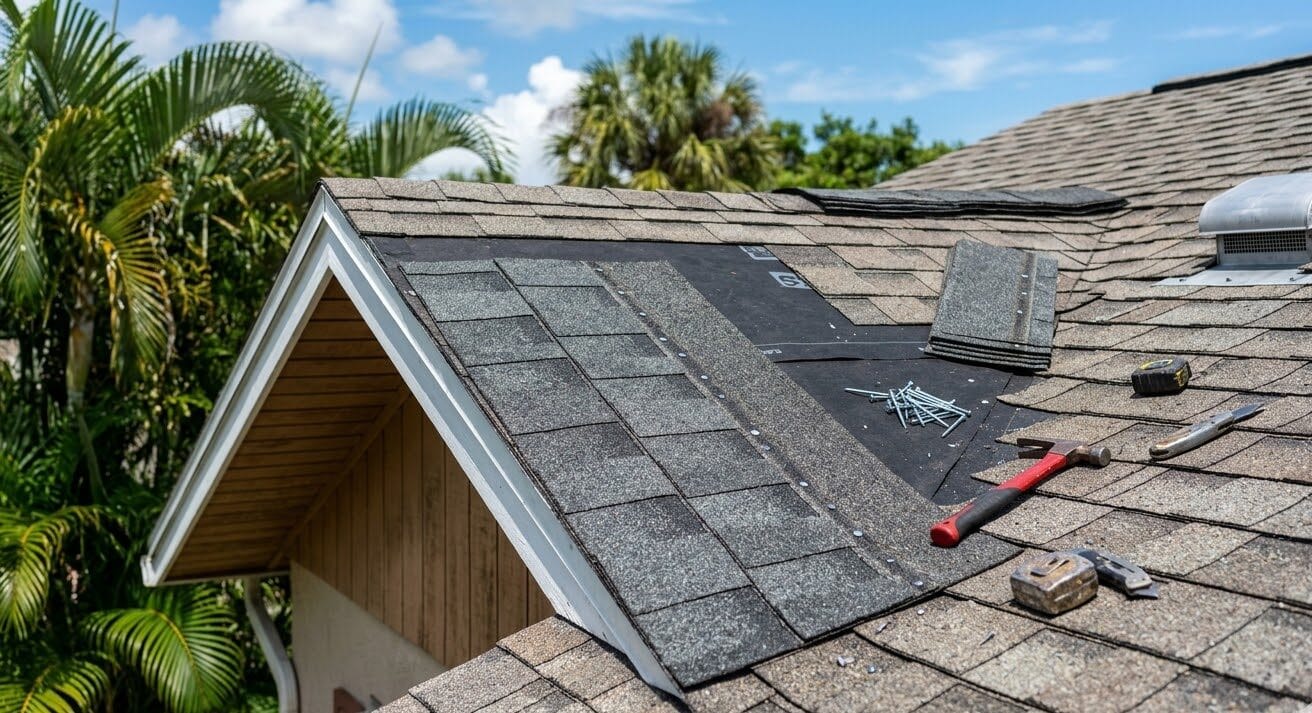
If your flat roof is leaking, ponding, or aging out, a free inspection is the right first step. We will:
- Walk the entire roof and document every condition with photos.
- Identify whether targeted repair, coating, overlay, or full replacement is the right path.
- Provide a written report with prioritized recommendations and rough cost ranges.
- Walk you through any insurance claim implications if storm damage is involved.
Call (352) 605-0696 or request your free commercial inspection online.
Related Services and Resources
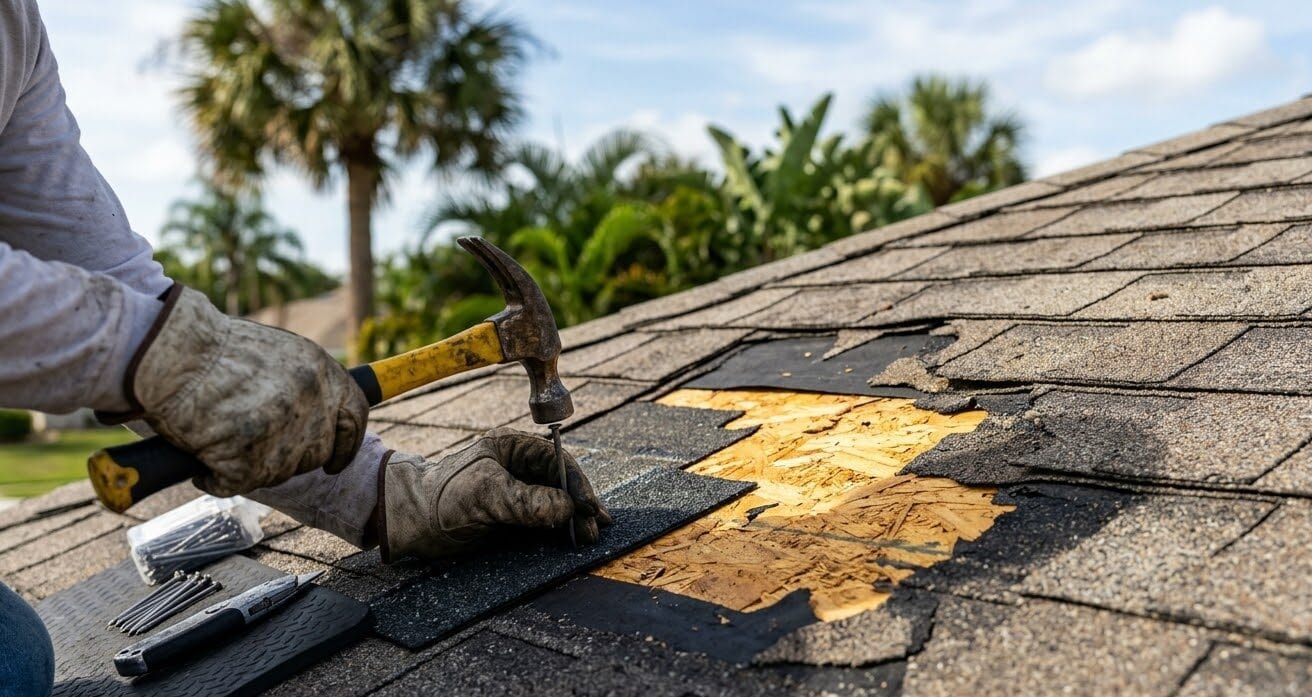
- Commercial Flat Roofing - TPO, PVC, modified bitumen specialists
- Commercial Roofing - Full-service installation, replacement, and repair
- Roof Coating - 10-15 year life extension at 30-50% of replacement cost
- Leak Detection & Repair - Targeted flat roof repair for localized issues
- Regular Maintenance - Annual programs that prevent emergency calls
- Insurance Claims Assistance - Commercial claim support from filing to settlement
- Commercial Roofing Hernando County Guide - Full system comparison and 2026 costs
- Florida Insurance Claims Guide - The full claim playbook
FAQ
Frequently Asked Questions
Why do flat roofs leak more than sloped roofs in Florida?
+
What is the best flat roof system for a Florida commercial building?
+
What is a TPO overlay and when does it make sense?
+
How much does a flat roof replacement cost in Hernando County?
+
Should I repair or replace my flat roof?
+
What flat roof damage does insurance cover in Florida?
+
How can I extend the life of my commercial flat roof?
+
Related Articles
More guides for Florida homeowners
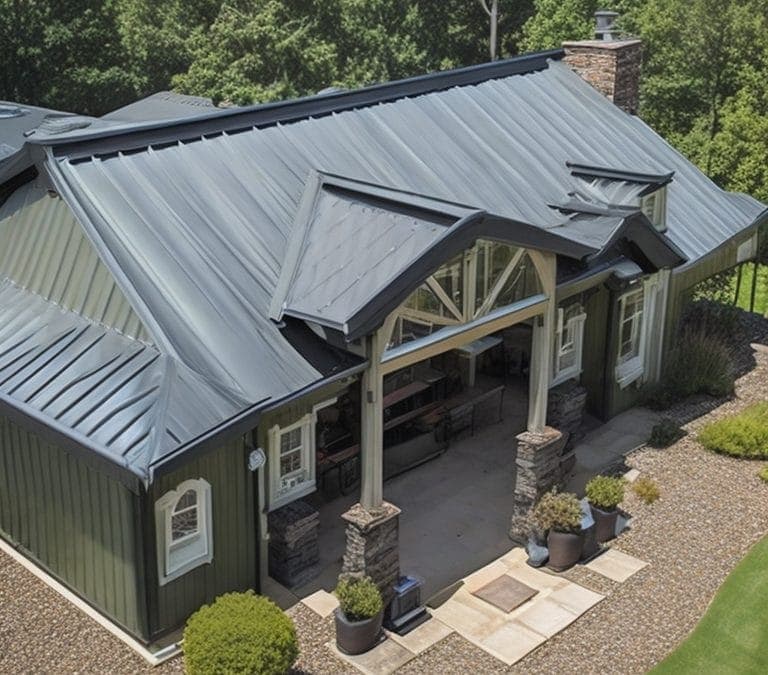
Best Roof Color for Florida Heat: Cool Roofs Explained
Florida test homes show a white shingle saves only 3 to 5 percent on cooling while reflective white metal or tile saves 18 to 26 percent. Here is how to choose a roof color that actually keeps your attic cooler.
Read Article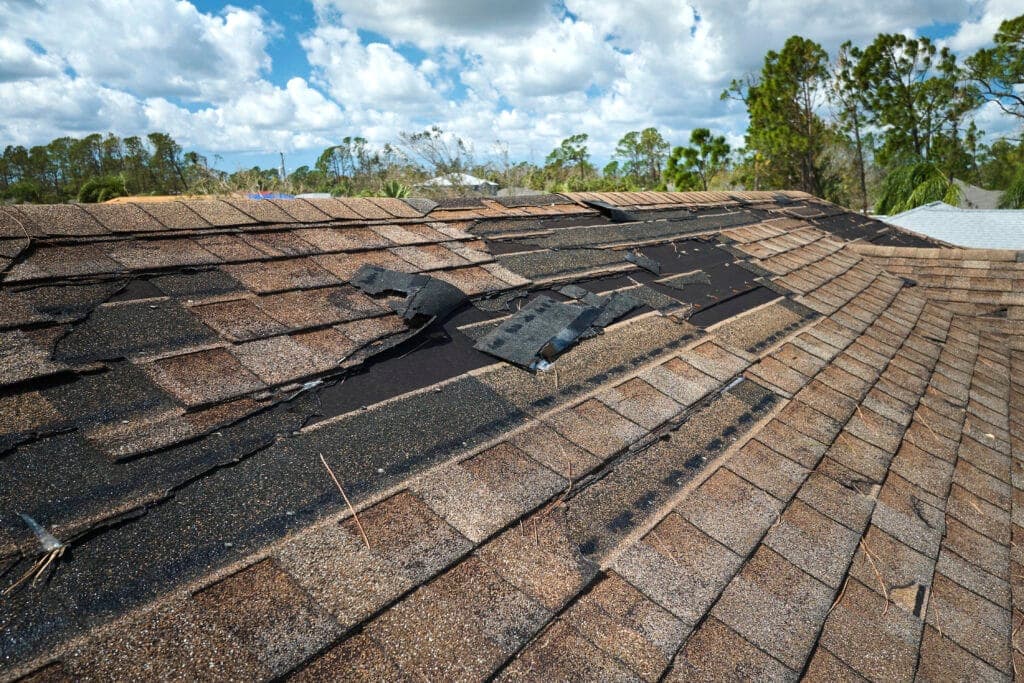
Roof Underlayment in Florida: The Hidden Layer Explained
Underlayment is the layer that decides what happens to your house when wind strips the shingles. Here is how felt, synthetic and peel-and-stick compare, what Florida code requires on a re-roof, and what each option costs in 2026.
Read Article
Florida Tile Roof Problems: Repair vs Re-Roof (2026)
Tile lasts for decades, the underlayment under it does not. Here are the tile roof problems Florida homeowners see most, what each repair costs in 2026, and how to tell when a repair is enough and when it is time to re-roof.
Read ArticleReady When You Are
Get your free roof inspection today.
No-pressure, written estimate. Same-week scheduling across Hernando County. Call us now or request a visit online.