Leak Detection and Roof Repair in Central Florida
Why Roof Leaks Are So Hard to Find Without Professional Equipment
Most people assume that a ceiling stain sits directly below the hole in the roof. That assumption leads homeowners to climb up with a tube of caulk, seal the area right above the stain, and call it fixed. Then the next heavy rain rolls through and the stain spreads even further. The reason is simple but frustrating: water almost never drips straight down from the point of entry.
When rain gets past your shingles, tiles, or metal panels, it hits the roof deck and begins traveling. It follows the path of least resistance, running along rafters, sliding across sheathing, and moving horizontally for several feet before it ever finds a gap to drip through your ceiling. A leak that shows up over your living room might actually originate eight or ten feet away, near a plumbing vent on the other side of the ridge. Without the right diagnostic tools, you are guessing. And guessing costs money.
Professional leak detection eliminates the guesswork entirely. At Protech, our technicians use three overlapping methods to confirm the exact source of water intrusion before we ever pick up a repair tool.
Infrared thermal imaging is the backbone of our approach. Thermal cameras detect temperature differences across your roof surface and attic space. Wet areas retain heat differently than dry areas, so they show up as distinct color variations on the thermal scan. This technology lets us map moisture patterns across your entire roof without removing a single shingle. For residential properties, infrared scanning typically runs between $400 and $600 depending on roof size and complexity. That investment pays for itself many times over because it prevents unnecessary tear-offs and misdirected repairs.
Moisture meters provide the ground-truth confirmation. After the thermal scan identifies suspect areas, we press a moisture meter directly against decking, insulation, and framing to get precise moisture content readings. A reading above 19 percent in wood framing signals active moisture intrusion that needs immediate attention. Readings above 28 percent indicate saturated wood that may already be compromised structurally.
Controlled water testing is the third tool in our process. When thermal imaging and moisture meters point to a general zone but we need to confirm the exact penetration point, we spray water on specific areas of the roof in a systematic pattern while a second technician monitors the attic from inside. This method isolates the entry point with absolute certainty. It takes patience, but it eliminates all doubt.
We perform our infrared scans one to two hours after sunset. The reason is physics. During the day, the sun heats your entire roof surface to a relatively uniform temperature. But after the sun goes down, wet areas and dry areas cool at different rates. That thermal contrast is what makes moisture visible on the camera. Scanning during daylight hours produces unreliable results because the sun’s heat masks the subtle temperature differences that reveal hidden water.
The Most Common Leak Sources on Central Florida Roofs
After performing thousands of leak detection inspections across the region, we have identified the components that fail most often. Understanding these weak points helps you know what to watch for between professional inspections.
Pipe boots are the single most common source of roof leaks in Central Florida. Every plumbing vent that exits through your roof has a rubber or neoprene boot that seals the gap between the pipe and the surrounding roofing material. These boots are exposed to direct UV radiation every day, and Florida’s intense sun degrades rubber faster than anywhere else in the country. Most pipe boots begin cracking and splitting after 8 to 12 years, even if the rest of your roof is in solid condition. Once that rubber deteriorates, rainwater follows the pipe straight down into your attic. Replacing a pipe boot is a straightforward repair that costs a fraction of what the resulting water damage would cost if left alone.
Valley flashing is the next most frequent failure point. Valleys are the internal angles where two roof planes meet, and they channel enormous volumes of water during heavy rain. The metal flashing that lines these valleys must be properly overlapped, sealed, and integrated with the surrounding roofing material. Over time, thermal expansion and contraction can loosen flashing, and debris accumulation in valleys can dam water and force it under shingles. In Central Florida, valleys take a beating during the summer storm season when downpours can dump two or three inches of rain in under an hour.
Step flashing along walls, dormers, and other vertical transitions is another common culprit. Step flashing consists of individual L-shaped metal pieces woven into the shingle courses where the roof meets a wall. When even one piece of step flashing shifts or corrodes, water can penetrate behind the wall cladding and travel down inside the wall cavity. These leaks are particularly insidious because the water may not show up on your ceiling at all. Instead, it soaks into wall insulation and framing, promoting hidden mold growth that you only discover during a renovation or when the damage becomes severe enough to cause structural problems.
Chimney flashing combines several of the challenges mentioned above. A chimney penetrates the roof at a large rectangular opening, requiring base flashing, step flashing, counter flashing, and a cricket or saddle on the uphill side to divert water. Every one of these components must work together perfectly. If the mortar that holds counter flashing in place deteriorates, or if the cricket’s membrane fails, water has multiple pathways into your home. Chimney leaks are among the most complex to diagnose and repair correctly.
Skylight seals round out the top five. Skylights create a large penetration in the roof surface, and their perimeter seals are under constant stress from thermal movement. We see skylight leaks spike in homes that are 10 to 15 years old, right when the original sealant reaches the end of its useful life.
What Happens When You Ignore a Roof Leak in Florida
The consequences of a delayed roof repair in Central Florida are more severe than in most parts of the country, and the reason is humidity. Florida’s average relative humidity hovers between 70 and 80 percent for much of the year. When you add active water intrusion on top of that ambient moisture, you create conditions where biological growth takes hold with alarming speed.
Mold colonies can establish themselves within 24 to 48 hours of water intrusion. In a dry climate, you might get away with a slow response. In Florida, you cannot. Once mold takes hold in your attic, it spreads through insulation, across framing, and into ductwork. Remediation costs escalate quickly, often reaching $5,000 to $15,000 or more depending on the extent of contamination. A roof repair that would have cost a few hundred dollars can snowball into a five-figure restoration project if mold gets established.
Beyond mold, wet insulation is quietly driving up your energy bills every single day the leak continues. In Central Florida, air conditioning accounts for 60 to 70 percent of your total home energy consumption. Your AC system’s efficiency depends heavily on the thermal barrier provided by attic insulation. Insulation works by trapping tiny pockets of air within its fibers, and those air pockets resist heat transfer. When insulation gets wet, water replaces the air pockets and destroys the material’s R-value. Wet fiberglass insulation can lose more than 40 percent of its insulating effectiveness. That means your AC runs longer, works harder, and costs more, all because of a leak you might not even realize is there.
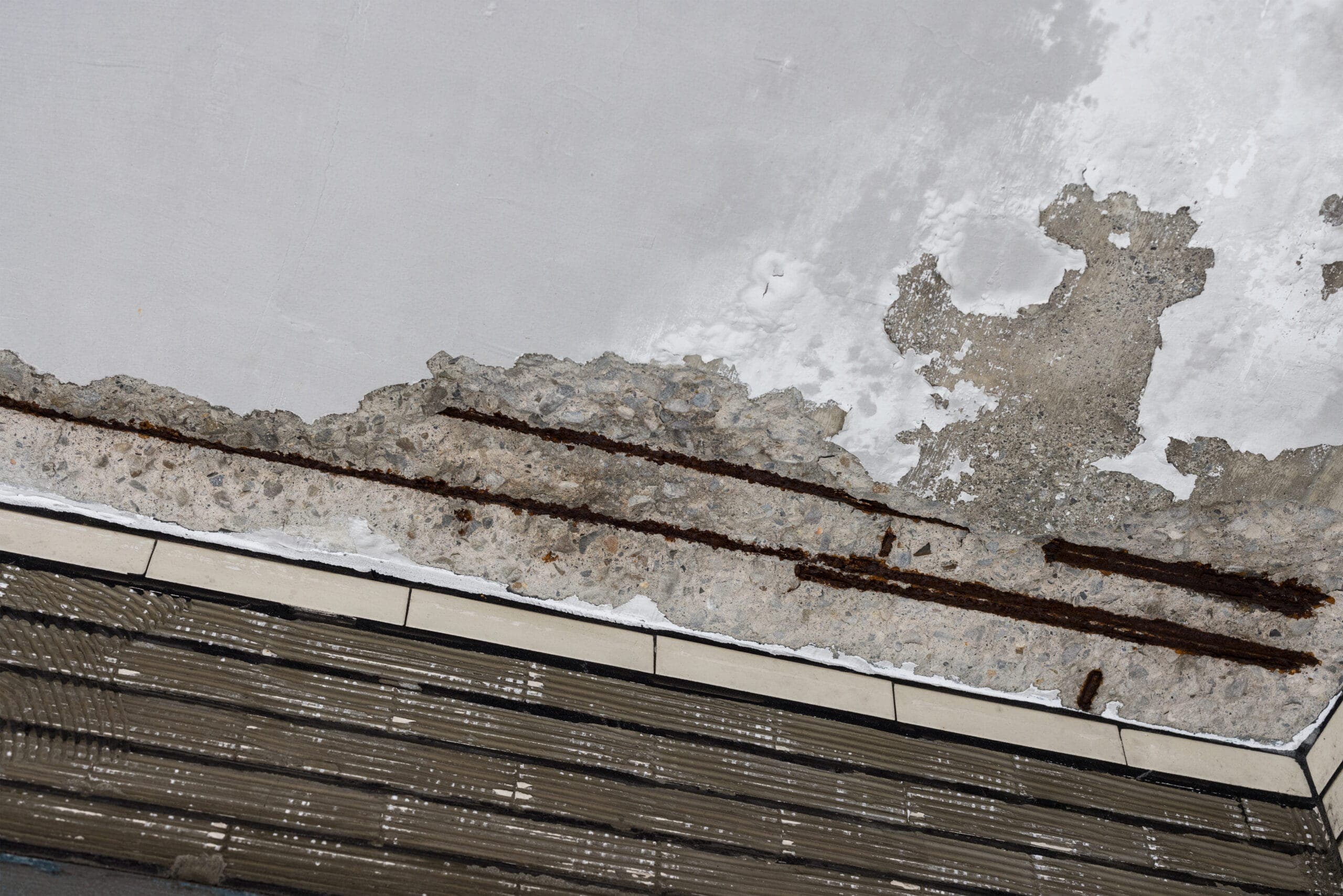
Structural damage is the third and most expensive consequence. When roof decking stays wet for extended periods, it begins to delaminate and lose its structural integrity. OSB decking is especially vulnerable because the wood strands absorb moisture and swell, weakening the resin bonds that hold the panel together. Plywood decking holds up slightly better but still deteriorates under sustained moisture exposure. Rafters and trusses can develop wood rot at connection points where water pools. In extreme cases, compromised framing requires engineering analysis and reinforcement that adds thousands to the repair cost.
None of these consequences are theoretical. We see them regularly in homes across Hernando, Pasco, and Citrus counties where homeowners put off addressing a small leak. The pattern is always the same: a minor repair turns into a major project because the delay allowed secondary damage to compound.
Our Leak Detection and Repair Process Step by Step
When you call Protech at (352) 605-0696, here is exactly what happens next.
Step one: initial assessment. We schedule an on-site inspection and begin with a thorough visual examination of your roof. Our technician documents the age and type of your roofing material, the condition of all flashings and penetrations, and any visible damage from the ground and from the roof surface. We also inspect your attic if accessible, looking for daylight penetration, water staining on decking, and moisture in insulation.
Step two: infrared thermal scan. We schedule the thermal scan for the evening, one to two hours after sunset. The technician scans your entire roof surface and attic space, capturing thermal images that reveal moisture patterns invisible to the naked eye. We save these images as part of your permanent inspection record.
Step three: moisture meter confirmation. Using the thermal scan results as our map, we take targeted moisture readings at every suspect location. We document each reading with its precise location so we have quantified data, not just visual impressions.
Step four: controlled water testing if needed. For complex leak scenarios where the source remains ambiguous after thermal and moisture analysis, we perform controlled water testing. One technician systematically sprays water on the roof while another monitors from the attic. We start at the lowest suspect area and work upward, isolating each potential entry point one at a time.
Step five: diagnosis and repair plan. With all data collected, we present you with a clear explanation of where the leak originates, what is causing it, and what it will take to fix it permanently. We provide a written estimate before any repair work begins.
Step six: professional repair. Our crew executes the repair using materials appropriate to your roof type. We do not patch over problems with sealant and hope for the best. We address root causes, whether that means replacing a deteriorated pipe boot, re-flashing a valley, or replacing damaged decking and shingles over the affected area.
Step seven: verification. After repairs are complete, we perform a follow-up water test on the repaired area to confirm the leak is fully resolved. We also re-scan with the moisture meter to establish a dry baseline for future reference.
Storm Damage and Emergency Leak Response
Central Florida averages more than 50 inches of rainfall annually, and the distribution is far from even. The wet season from May through September brings daily afternoon thunderstorms that can produce torrential rain, strong wind gusts, and hail. Tropical storms and hurricanes raise the stakes even further, with sustained winds and driving rain that test every component of your roofing system.
After a major storm, Protech offers priority scheduling for active leaks. Water actively entering your home is an emergency, and we treat it as one. Our goal is to get a tarp or temporary seal over the affected area as quickly as possible to stop further water intrusion while we schedule the permanent repair.
We also provide post-storm roof inspections for homeowners who are not sure whether their roof sustained damage. Storm damage is not always obvious from the ground. Wind can lift shingle tabs and break their seal without tearing them off. Flying debris can crack tiles or dent metal panels in ways that only become apparent during a close inspection. And the pressure changes during a severe thunderstorm can drive water through penetrations that held up fine during ordinary rain.
If you file an insurance claim for storm damage, our inspection documentation supports your claim with detailed evidence. We photograph all damage, provide moisture readings, and document the scope of repair needed. This level of documentation helps ensure your claim is processed fairly and completely.
One thing we always tell homeowners after a storm: do not wait to see if a leak develops. By the time you see a ceiling stain, the damage behind your ceiling has already been accumulating for days or weeks. A proactive post-storm inspection is one of the smartest investments a Central Florida homeowner can make.
It is also worth noting that storm damage is not limited to the dramatic events that make the news. Everyday summer thunderstorms in Central Florida can produce wind gusts exceeding 60 mph and dump inches of rain in under an hour. These storms do not always make headlines, but they are perfectly capable of dislodging flashing, lifting shingle edges, and driving water into vulnerable spots. Over the course of a full summer, the cumulative effect of dozens of these storms can create leak conditions that were not present in the spring. Homeowners who schedule an inspection at the end of the wet season, in addition to pre-season checks, catch problems that developed over the summer before they cause damage through the fall and winter months.
How Leak Detection Saves You Money on Energy Bills
We touched on this earlier, but it deserves a deeper look because the financial impact is substantial. Your roof is the primary thermal boundary between your conditioned living space and the brutal Florida heat. When that boundary is compromised by moisture, your energy costs go up and your comfort goes down.
Consider the numbers. The average Central Florida home spends $200 to $350 per month on electricity during peak summer months, and 60 to 70 percent of that goes straight to air conditioning. If wet insulation reduces your attic’s thermal resistance by even 20 to 30 percent, your AC system has to compensate by running more frequently and for longer cycles. That can add $30 to $70 per month to your electric bill during the summer. Over the course of a full year, a hidden leak that is slowly saturating your insulation can cost you $300 to $600 in excess energy consumption alone.
Now compare that to the cost of professional leak detection and repair. The thermal scan costs $400 to $600. The repair itself, depending on the source, might run another few hundred to a couple thousand dollars. Even in a worst-case scenario, you typically recoup the entire investment within one to two years through energy savings alone, and that does not even account for the structural damage and mold remediation costs you avoided.
There is also the comfort factor. When your attic insulation is dry and performing at its rated R-value, your home stays cooler with less effort from your AC system. You notice fewer hot spots, more consistent temperatures between rooms, and less strain on your HVAC equipment. That reduced strain extends the life of your air conditioner, which is another cost you avoid down the road.
We recommend that homeowners who have never had a professional leak detection scan, especially those in homes more than 10 years old, schedule one as a proactive measure. You might have a slow leak that has not produced a visible ceiling stain yet but is already degrading your insulation and costing you money every month.
Preventive Maintenance That Reduces Leak Risk
The best leak is the one that never happens. While you cannot control the weather, you can control the condition of your roof’s most vulnerable components. Protech offers preventive maintenance programs designed specifically for Central Florida’s demanding climate.
Annual roof inspections catch developing problems before they become active leaks. We check every pipe boot, flashing detail, sealant joint, and penetration point on your roof. Components that are showing early signs of deterioration get flagged for proactive replacement. Replacing a cracked pipe boot for $150 to $250 is far better than dealing with the water damage it would cause next storm season.
Gutter and downspout maintenance plays a bigger role in leak prevention than most homeowners realize. When gutters clog with leaves and debris, water backs up along the roof edge. That standing water can wick under shingles and saturate the fascia board and soffit area. In severe cases, backed-up gutters contribute to ice damming during the rare Central Florida cold snap, though our primary concern here is the chronic water exposure that rots fascia and edge trim.
Attic ventilation verification is another key element of preventive maintenance. Proper attic ventilation keeps your roof deck dry by allowing moisture to escape before it condenses. In Florida, the combination of high humidity and intense sun creates a cycle where moisture enters the attic through vapor drive and then condenses on cooler surfaces at night. If your soffit vents are blocked by insulation, or if your ridge vent is not functioning properly, moisture accumulates and promotes the same kind of damage that an active leak would cause, just more slowly.
Trimming overhanging branches reduces the risk of physical damage from falling limbs during storms and cuts down on debris accumulation in valleys and gutters. Trees that overhang your roof also keep sections in constant shade, which promotes moss and algae growth on shingles. Those organisms retain moisture against the roof surface and accelerate material degradation.
We tailor our maintenance plans to your specific roof type, age, and the surrounding environment. A home surrounded by mature oak trees has different maintenance needs than a home in an open subdivision. A tile roof needs different attention than an asphalt shingle roof. The common thread is that regular professional maintenance dramatically extends roof life and reduces the likelihood of costly emergency repairs.
Roof Types and Their Unique Leak Vulnerabilities
Different roofing materials develop leaks in different ways, and the detection approach needs to account for those differences. Central Florida homes feature a wide mix of roof types, and our technicians are trained to work with all of them.
Asphalt shingle roofs are the most common residential roofing system in our service area. Shingles develop leaks when the granule surface wears away and exposes the asphalt mat to UV degradation. Over time, the mat cracks and curls, and water finds its way underneath. Wind damage is another major factor. High gusts can lift shingle tabs, break the factory seal strip, and peel shingles partially or completely off the deck. Even when a shingle looks intact from the ground, the seal strip underneath may have failed, allowing wind-driven rain to penetrate during storms. Our thermal imaging picks up moisture that has entered through compromised shingle seals long before you see any evidence inside your home.
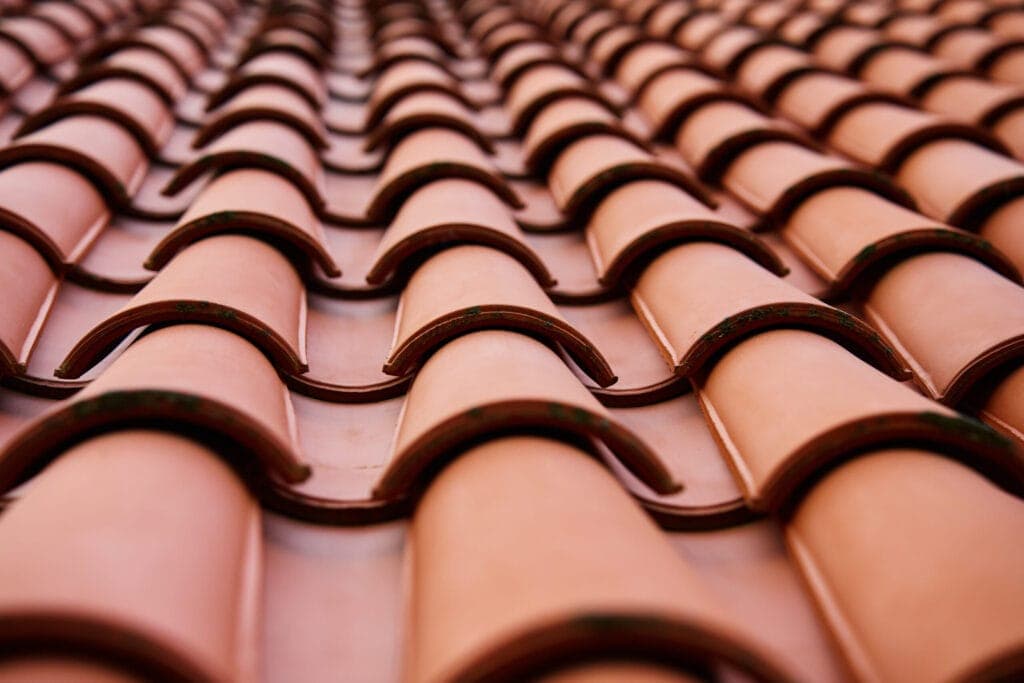
Tile roofs present a different set of challenges. Tile itself is not the waterproof layer. The underlayment beneath the tile provides the actual moisture barrier. When tiles crack from debris impact or foot traffic, the exposed underlayment degrades rapidly under direct sun and rain. But the more common scenario is underlayment failure beneath tiles that look perfectly fine from outside. The underlayment has a shorter lifespan than the tiles above it, typically 15 to 25 years. When it deteriorates, water reaches the deck even though the tile surface shows no visible damage. Our moisture meter readings beneath lifted tiles reveal the true condition of the waterproofing system that homeowners cannot see.
Metal roofs generally resist leaks well, but they are not immune. The most common failure points on metal roofs are at transitions and penetrations. Panel seams, ridge cap connections, and the seals around pipes and vents can all develop openings over time as sealants age and thermal expansion shifts components. Fastener-based metal systems (as opposed to standing seam) have hundreds of screws that each create a potential leak point. The neoprene washers on those screws compress and crack after years of UV exposure, and each failed washer becomes a pathway for water. Our controlled water testing is particularly effective on metal roofs because the fast drainage of the smooth metal surface allows us to isolate specific areas quickly.
Flat and low-slope roofs on commercial buildings and some residential additions require specialized leak detection because water does not drain off these surfaces as quickly. Ponding water is a persistent concern, and the membrane systems used on flat roofs can develop punctures, seam failures, and blistering that allow slow water intrusion. Infrared scanning is especially valuable on flat roofs because it can map moisture across the entire surface in a single scan, revealing wet areas that might take months to produce a visible interior symptom.
Regardless of your roof type, the fundamental principle remains the same: finding the leak source requires tools and expertise that go beyond visual inspection. At Protech, we bring the right combination of technology and experience to every roof we evaluate.
Why Central Florida Homeowners Choose Protech for Leak Detection
Protech Roofing Services has built its reputation on doing the job right the first time. Leak detection requires patience, technical skill, and experience that cannot be shortcuts around. Plenty of roofers will climb up, look around for a few minutes, and recommend replacing a section of shingles based on a hunch. That approach might work sometimes, but it fails often enough to leave homeowners frustrated and still dealing with water in their home.
Our approach is different because we invest in the diagnostic process. The infrared scans, moisture meters, and controlled water testing we use are not quick or cheap, but they produce definitive results. When we tell you where the leak is coming from, we have the data to back it up. When we make a repair, we know it addresses the actual source, not a symptom.
We serve homeowners throughout Hernando County, Citrus County, Pasco County, Sumter County, Polk County, Hillsborough County, and Pinellas County. Whether you are in Spring Hill, Brooksville, Crystal River, New Port Richey, Wesley Chapel, Zephyrhills, The Villages, or anywhere in between, Protech is your local expert for roof leak detection and repair.
If you have a ceiling stain, musty smell in your attic, or unexplained spike in your energy bills, do not wait for the next storm to make it worse. Call Protech Roofing Services at (352) 605-0696 to schedule your professional leak detection inspection. We will find the source, fix it right, and give you the peace of mind that comes from knowing your roof is keeping your home dry and protected.
Central Florida’s climate demands more from your roof than almost any other region in the country. Between the relentless UV exposure, the annual deluge of 50-plus inches of rain, the summer thunderstorms, and the ever-present threat of tropical weather, your roof is under constant assault. Professional leak detection is not a luxury. It is a necessary part of responsible homeownership in this part of the world. Let Protech be your partner in keeping your home safe, dry, and energy efficient for years to come.
Related Roofing Services
- Roof Repair – Fix leaks, storm damage, and wear fast
- Total Roof Replacement – Complete tear-off and new roof installation
- Metal Roofing Systems – Standing seam and metal shingle, 40-70 year lifespan
- Commercial Roofing – TPO, EPDM, and flat roof systems for businesses
- Emergency Roof Repair – Same-day 24/7 response for leaks and storm damage
- Storm Damage Restoration – Insurance claims help and full storm recovery
- Insurance Claims Assistance – Documentation, adjuster meetings, and Xactimate estimates
- Roof Financing Options – Low monthly payments, flexible terms, quick approval
- Roofing in Spring Hill, FL – Pinpointing leaks in Spring Hill’s aging roof stock
- Roofing in Brooksville, FL – Infrared leak scans for Brooksville properties
- Roofing in Hernando County – Advanced leak detection across all Hernando communities
- Roofing in Dade City, FL – Leak tracing for older Pasco County homes
- My Safe Florida Home Program – Chronic leaks may signal that your roof qualifies for a program-funded replacement