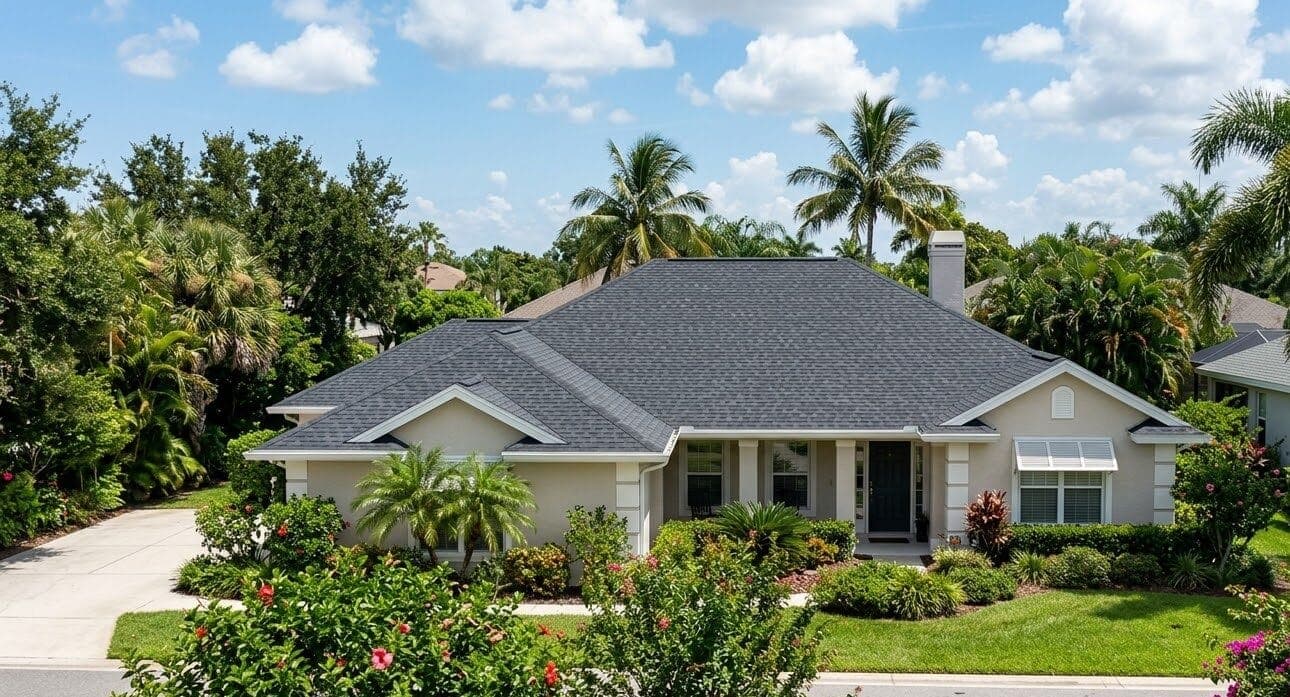
Pinellas County, FL
Roofing Services in Tarpon Springs, FL
Roof repair in Tarpon Springs, FL from a trusted roofer. Repair, replacement, and metal roofing for historic and waterfront homes. Call (352) 605-0696 today.
Call (352) 605-0696Protech Roofing Services handles roofing services in Tarpon Springs, FL for homes along the Sponge Docks, the bungalows of Greektown, the waterfront streets around Spring Bayou and Whitcomb Bayou, and the newer subdivisions east of US-19. Our headquarters sits in Brooksville, about 47 miles and an hour north, and our crews have been working Pinellas County roofs since 2008. When a Tarpon Springs homeowner calls (352) 605-0696, they get a GAF-certified crew that understands 1900s plank decking, 130 mph mainland wind code, 150 mph coastal exposure, and the design review process that protects the Greektown Historic District.
Your Local Roofing Company in Tarpon Springs, FL
Looking for reliable roofing services in Tarpon Springs, FL? Protech Roofing Services has spent more than 18 years on roofs across Pinellas County, and Tarpon Springs is one of the most interesting cities we work in. The city was incorporated in 1887, which makes it the first incorporated city in all of Pinellas County, and that age shows up on every inspection. We routinely lift shingle and tile on homes that still sit on 1910s plank decking, with hand-cut rafters and a build quality you simply do not see in newer Florida construction. About 25,138 people live here, with a median age of 53 and nearly three in ten residents over 65, which means we spend as much time walking homeowners through insurance paperwork as we do installing shingles.
What makes Tarpon Springs different is the mix. The Anclote River waterfront, Dodecanese Boulevard, and the Sponge Docks pull the salt air inland farther than most of the county. The Greektown Historic District along Athens, Hope, and Dodecanese carries design review obligations that reach into every roof replacement there. The Downtown Tarpon Avenue Historic District adds another layer of oversight on top of the standard Pinellas County permit. And the banyan trees that shade Spring Bayou and Whitcomb Bayou drop limbs on roofs every hurricane season. One roofer cannot treat a 1912 Greektown cottage, a 1960s ranch on Florida Avenue, and a 2005 waterfront home on Whitcomb the same way, and we do not.
We are fully licensed in Florida, GAF-certified, BBB A+ rated, and carry general liability plus workers' compensation on every crew. We write itemized estimates, we climb every roof before we quote it, and we do not send a salesperson with a clipboard. You get a project manager who documents what is there with photos and tells you what the roof actually needs. If Tarpon Springs has been on your mind because of a leak after Hurricane Milton, an insurance non-renewal letter on a 50 year old tile roof, or a century-old home that finally needs a new system, call (352) 605-0696 and we will set a free inspection this week.
Roofing Services We Offer Across Tarpon Springs Neighborhoods
Tarpon Springs homes need different things depending on age, location, and historic district status. We cover the full range so you do not have to juggle contractors.
Roof repair. Post-Milton, we are still catching leaks on homes across Tarpon Springs that the homeowner thought had dried out in the weeks after the storm. We fix cracked pipe boots, reseat slipped Spanish tile on older Greektown homes, replace rusted flashing near the Sponge Docks where salt air destroys galvanized steel within a decade, patch limb-impact damage from banyan and live oak canopy, and chase mystery water stains back to the real entry point. Most Tarpon Springs repairs run a half-day to a full day.
Roof replacement. When a roof is 20 plus years old on shingle or 40 plus on tile, or when a private carrier has sent a non-renewal letter citing roof age, replacement is the right call. We install architectural shingle, Spanish and flat clay tile, standing-seam metal, metal shingle, and flat-roof systems to the Florida Building Code 8th Edition 2023. Mainland Tarpon Springs falls in the 130 mph design wind zone, and exposed coastal properties near the Gulf and along the Anclote River push into the 150 mph zone. We pull permits through the City of Tarpon Springs Building Department at 324 East Pine Street, and for homes inside the Greektown Historic District or the Tarpon Avenue Historic District we handle the Historic Preservation Board design review application.
Roof inspection. We do pre-purchase inspections for Tarpon Springs buyers who need to know what they are inheriting from a 1920s bungalow on Hope Street, annual maintenance inspections to catch small issues on waterfront homes before hurricane season, wind-mitigation inspections that cut insurance premiums 15 to 35 percent, and storm-damage inspections with photo reports that carriers actually pay on.
Emergency roof repair. When a banyan limb punctures a roof on Spring Bayou at 2 a.m. during a tropical system, we have 24/7 phone dispatch out of Brooksville. Our crew can be on a Tarpon Springs property within a few hours. We tarp, board up exposed openings, and stabilize the structure so the interior damage does not double overnight. Hurricane-season calls get priority.
Metal roofing. Metal is growing fast in Tarpon Springs, especially along the coast. A properly specified standing-seam aluminum roof lasts 40 to 50 years, resists the salt-air corrosion that eats steel fasteners on homes within a mile of the Gulf or the Anclote, and sheds wind-driven rain better than any tile system we install. For homes inside the Greektown Historic District where standing seam is not always allowed, metal shingle profiles often pass design review because they mimic traditional Spanish tile and architectural shingle patterns.
Tarpon Springs Climate, Storms, and 130 to 150 mph Wind Code
Tarpon Springs sits in the humid subtropical belt with roughly 49 inches of annual rainfall and relative humidity that hangs between 70 and 80 percent most days of the year. Summer highs in the low 90s combine with afternoon sea breezes off the Gulf to create daily thunderstorms from June through September that stress every flashing joint, valley, and ridge cap on a roof. Algae streaks show up on Tarpon Springs shingles faster than on inland roofs, which is why we specify algae-resistant shingles with copper granules on almost every install in the city.
Storm history is the bigger story. Hurricane Milton made landfall at Siesta Key on October 9, 2024 as a Category 3 with 120 mph sustained winds, and the northern Pinellas coast around Tarpon Springs took a direct hit from the leading edge. Helene swept through in late September 2024 and pushed Gulf surge into the Sponge Docks, flooding first floors along Dodecanese Boulevard. Hurricane Idalia brought 3 plus feet of surge to the Anclote River in August 2023 and damaged roofs up and down Riverside Drive. Before those, Hurricane Ian hit southwest Florida in September 2022. Any roof on Spring Bayou, Whitcomb Bayou, or the stretches along Anclote Boulevard that went through all four storms is a roof we need to inspect before the 2026 season.
Because of that exposure, Pinellas County enforces a 130 mph design wind speed on all mainland roof assemblies and a 150 mph design wind speed on exposed coastal and barrier island properties. Tarpon Springs is in the Wind-Borne Debris Region, though not a formal HVHZ like Miami-Dade or Broward. Every shingle, tile, underlayment, fastener, drip edge, vent, and ridge cap we install has to carry a Florida Product Approval Number. Asphalt shingles need the 130 mph enhanced nailing pattern with six nails per shingle and sealed laps. Tile needs proper underlayment, foam adhesive or screw attachment, and engineered ridge fastening. Standing-seam metal needs clips rated for the zone. Skipping any of those specifications kills the insurance wind-mitigation credit and voids the manufacturer warranty.
The insurance side has been its own storm in Tarpon Springs. Citizens Property Insurance has dropped roughly 90,000 policies across the Tampa Bay region, and private carriers now routinely send inspectors when a Tarpon Springs roof hits 10 or 12 years old. On a 1920s Greektown home, an inspector who flags curling shingles or soft decking can trigger a non-renewal letter 30 days before renewal. Citizens treats standard or architectural shingle as old at 25 years and tile, slate, metal, or concrete as old at 50 years. A lot of the original Spanish tile on Tarpon Avenue and Pinellas Avenue is already past that 50 year line. Senate Bill 808 and House Bill 815 both take effect July 1, 2026 and prohibit Florida carriers from refusing to write or renew a policy solely because of roof age. Condition still matters, but pure age-based cancellation goes away that day. We document roof condition for insurance appeals and write the letters that carriers actually read, and we do it at no charge for our customers.
Humidity and salt air deserve their own paragraph. Tarpon Springs coastal homes within a mile of the Gulf or the Anclote River sit in what the coatings industry calls a severe marine exposure category. Chloride salt deposits accelerate corrosion on steel fasteners, galvanized flashing, vent-stack collars, and drip edge. On those homes we default to stainless or copper on everything that fastens, aluminum or copper on every piece of flashing, and polyurethane or silicone sealants rated for marine exposure on every joint. Inland neighborhoods east of US-19 get a more standard Pinellas specification with galvanized fasteners and aluminum flashing, which holds up fine in that microclimate.
Neighborhoods We Serve Across Tarpon Springs
We work the full city and the unincorporated pockets around it. Each area has its own personality, and that shows up on the roofs.
Greektown Historic District is the cultural heart of Tarpon Springs and the first Traditional Cultural Property listed on the National Register in Florida. Greek sponge divers arrived in 1905 under John Cocoris from the Dodecanese Islands, and the district runs along Dodecanese Boulevard, Athens Street, Hope Street, and Roosevelt Boulevard. Most of the housing stock is 1905 to 1940, with hip-roofed cottages, shotgun houses, and two-story Mediterranean-influenced homes. Design review through the City of Tarpon Springs Historic Preservation Board is required before any material change to the roof. We handle the application and the drawings, and we match original profiles, colors, and materials wherever the code allows.
Downtown Tarpon Avenue Historic District was listed on the National Register in 1990 and covers the blocks along Tarpon Avenue and Pinellas Avenue. Late 1800s and early 1900s commercial and residential buildings line the district, and flat and low-slope roofs are common on the commercial buildings. Residential roofs here often hide original Spanish S-tile under a newer asphalt layer, which changes how we approach a replacement.
Spring Bayou is the waterfront neighborhood just south of downtown, centered on the bayou that gave the city its original name. The homes are a mix of 1910s to 1950s originals and newer waterfront rebuilds. Banyan trees shade most of the streets, and limb damage is a constant post-storm issue. Salt air exposure is moderate, but wind loads from the south-southwest during Gulf storms are significant.
Whitcomb Bayou sits north of downtown near the Anclote River mouth and is one of the most salt-exposed neighborhoods in the city. Waterfront homes along Whitcomb Boulevard and the surrounding streets see direct Gulf air, and the fasteners we install there have to be stainless or copper to avoid rust bleed within five years.
Sponge Docks along Dodecanese Boulevard is the working waterfront with sponge warehouses, restaurants, and homes behind them. Salt air exposure is extreme. We run a marine-grade specification on every roof in this zone and recommend metal over tile for long-term economics.
Older housing stock across Tarpon Springs is a category of its own. A big share of homes in Greektown, along Tarpon Avenue, around Spring Bayou, and on parts of Whitcomb Bayou date from the 1900s through the 1930s. That age shows up in every inspection. Plank decking is common under the roofs instead of modern plywood or OSB sheathing. Individual planks expand and contract more aggressively than sheet goods, which creates gaps that telegraph through asphalt shingles as visible ridges or dips within a few seasons. When we replace a roof on plank-decked homes, we verify the plank spacing, check for nail-pop damage at the plank edges, and in many cases add a half-inch plywood overlay across the exposed planks before setting new underlayment. Many of these older homes also had spray-foam insulation retrofitted in the 2000s or 2010s, which traps moisture against the underside of the decking and accelerates rot if there is a leak above. We pull accessible attic panels during inspection to verify there is no hidden moisture before closing up new shingles, tile, or metal panels.
And we cover the residential areas east of US-19 in places like Innisbrook, Tarpon Woods, Beckett Bridge, River Bend, and Lake Tarpon, all with the same crews and the same standards. If you are somewhere we did not name and you are in Tarpon Springs or close to it, we probably still cover you. Call (352) 605-0696 to confirm the address and schedule a free inspection.
Roofing By Area
Roofing services near Tarpon Springs
FAQ
Frequently Asked Questions
Where can I find a roofer near me in Tarpon Springs, FL?
+
Do you serve historic homes inside the Greektown Historic District in Tarpon Springs?
+
What wind rating does my Tarpon Springs roof need to meet?
+
How did Hurricane Milton and Helene affect roofs in Tarpon Springs?
+
Do you handle permits through the City of Tarpon Springs Building Department?
+
My 1920s Tarpon Springs home still has original plank decking. Can you still re-roof it?
+
Is there a roofer near me in Tarpon Springs?
+
From the Blog
Stay informed about roofing in Florida.
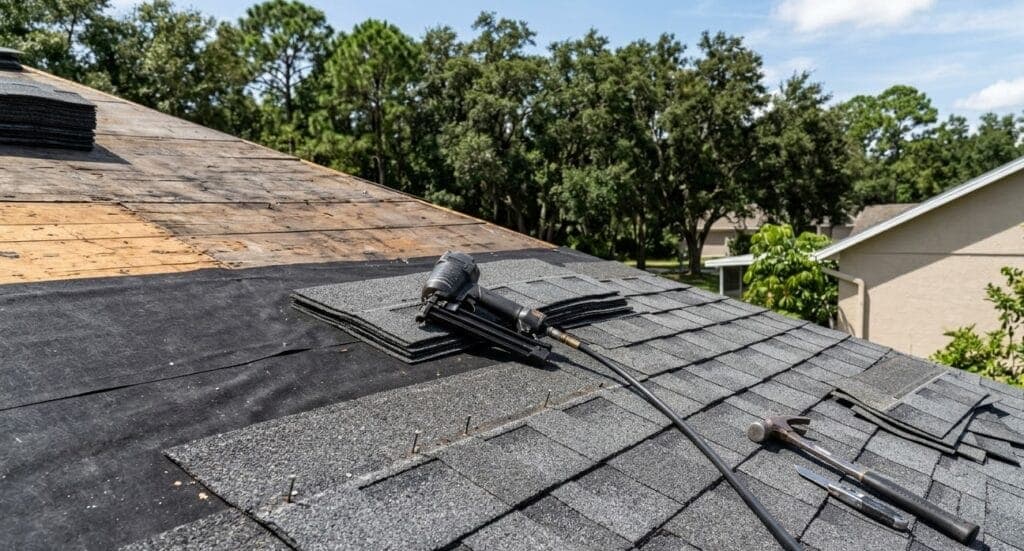
Roofing Warranties in Florida: What Voids Them
A new Florida roof usually carries two warranties: one from the manufacturer for the product and one from the contractor for the installation. Here is what each covers, what quietly voids them and how to keep your coverage.
Read Article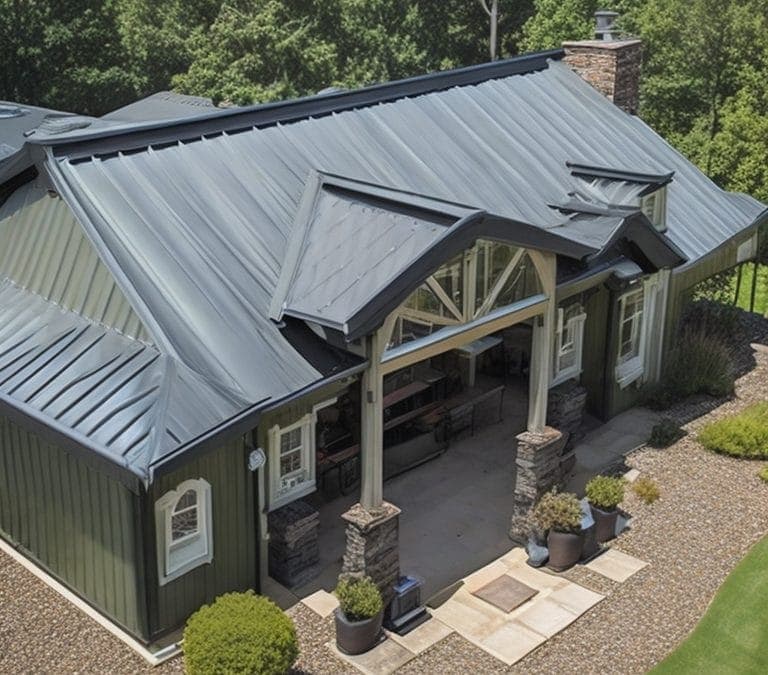
Best Roof Color for Florida Heat: Cool Roofs Explained
Florida test homes show a white shingle saves only 3 to 5 percent on cooling while reflective white metal or tile saves 18 to 26 percent. Here is how to choose a roof color that actually keeps your attic cooler.
Read Article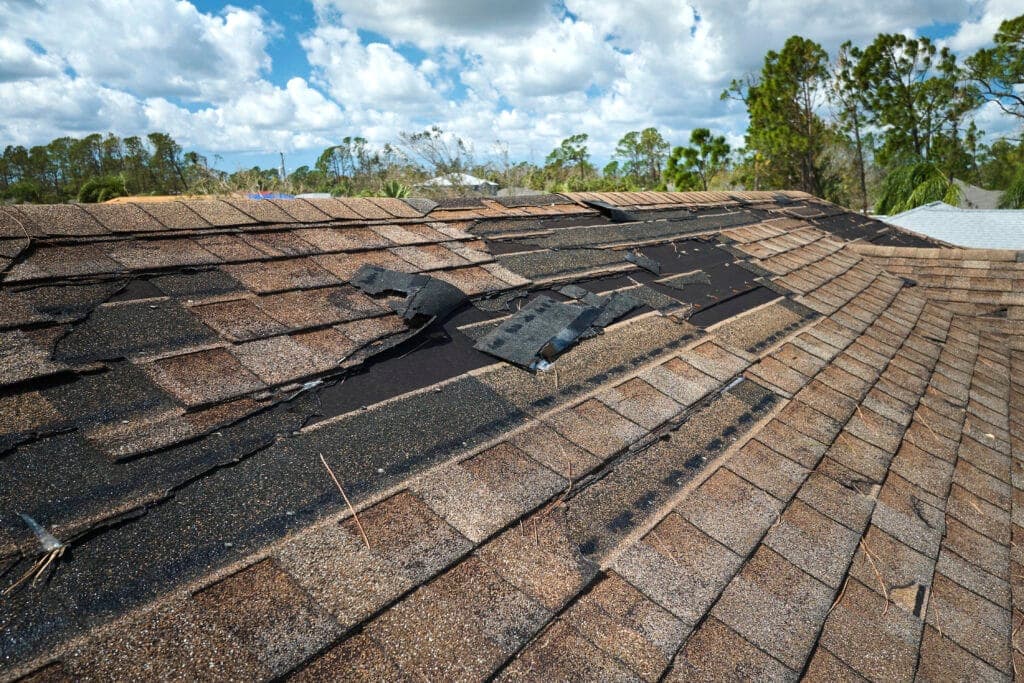
Roof Underlayment in Florida: The Hidden Layer Explained
Underlayment is the layer that decides what happens to your house when wind strips the shingles. Here is how felt, synthetic and peel-and-stick compare, what Florida code requires on a re-roof, and what each option costs in 2026.
Read ArticleReady When You Are
Get your free roof inspection today.
No-pressure, written estimate. Same-week scheduling across Hernando County. Call us now or request a visit online.