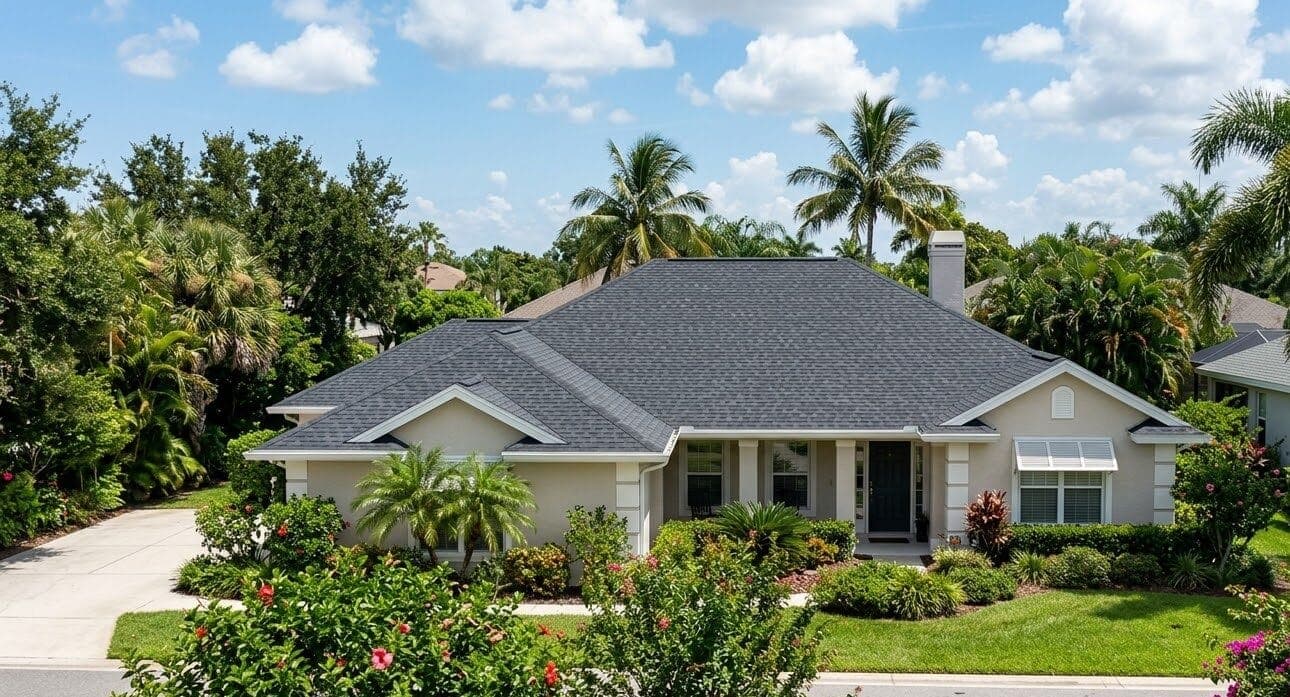
St. Petersburg, FL
Emergency Roof Repair in St. Petersburg, FL
Emergency roof repair in St. Petersburg, FL. 24/7 storm response, tarping, and leak stabilization. Call (352) 605-0696 for a free estimate.
Call (352) 605-0696When Hurricane Milton peeled the roof off Tropicana Field and dropped 18 inches of rain on St. Petersburg in a single night, the phone lines at Protech Roofing didn't stop ringing. Emergency roof repair in St. Petersburg, FL means dispatching a crew from Brooksville at 2 a.m., tarping exposed openings before the next squall, and stabilizing the structure so the damage doesn't double. Call (352) 605-0696 for a free estimate.
You Are Viewing
Emergency Roof Repair for homeowners and businesses in St. Petersburg, part of Pinellas County, FL, Florida.
24/7 Response from Brooksville, Roughly 90 Minutes to St. Pete
Emergency roof repair in St. Petersburg, FL starts with a phone call that gets answered. Our dispatch line runs 24/7, including weekends, holidays, and hurricane-season nights when every roofer in Pinellas is already booked three deep. When you reach us, you talk to a person who takes the address, confirms the nature of the emergency, and sets an expected arrival window before the call ends. No automated menus. No callback loops.
From Brooksville, St. Petersburg is about 75 miles and 90 minutes down I-275 on a clear night. During normal weather, we hit the property in that window. During an active hurricane or tropical storm with road closures, surge flooding on I-275, or statewide evacuation backups, that window stretches. We'll tell you exactly what to expect when we take the call. If we can't get there in the window you need, we'll say so up front and help you find another option rather than string you along.
What we bring on an emergency dispatch. Heavy-duty reinforced tarps rated for sustained wind, not the blue tarps from a hardware store that shred inside a week. Battery-powered nail guns and impact drivers. Plywood for boarding exposed openings where a tree or flying debris has punched through. Moisture meters to check ongoing water intrusion. Photo documentation gear because every emergency visit doubles as the first evidence packet for the insurance claim that follows.
Hurricane-Season Readiness and the Milton and Helene Lessons
Helene in late September 2024 and Milton on October 9, 2024 taught every St. Pete homeowner and every Pinellas roofer some hard lessons. The big one. Prepare the roof before hurricane season, not after. Cracked pipe boots, lifted shingles, and loose flashing that would survive a normal thunderstorm don't survive a 101 mph gust. We started hearing from homeowners in mid-October 2024 who had known about small issues for months and ran out of time to fix them before Milton arrived.
Second lesson. Emergency tarps need to hold through multiple follow-on storms. In the two weeks after Milton, Pinellas got hit with back-to-back squall lines, and tarps that were adequate for the immediate hole failed under sustained rain and wind afterward. We install reinforced tarps with proper nail patterns along the roof surface and battens along the edges, not the toss-and-staple approach that falls apart in a week.
Third lesson. Document everything on day one. St. Pete homeowners who took photos, kept receipts, and called a licensed contractor within 48 hours had their Milton claims processed faster and paid more than those who waited. 2.1 million cubic yards of debris went through Pinellas collection after Milton, the largest volume ever, and insurance adjusters were buried. The homeowners who documented well got to the front of the queue.
Our pre-season readiness service is a fixed-fee visit before June 1 each year. We walk the roof, check every flashing point, pipe boot, ridge cap, and vent, and fix anything that's not storm-ready. On most St. Pete homes the visit finds three to eight items and wraps in a half-day. The cost almost always beats the cost of an emergency call during an actual storm.
Emergency Tarping That Actually Holds Through Follow-On Storms
Emergency tarping is the first physical job on most emergency calls. A proper tarp stops water intrusion, buys time for a permanent repair, and is covered as a mitigation expense by almost every homeowner's policy. Done poorly, it makes things worse by trapping moisture against the decking or lifting in the next wind event and tearing a bigger hole.
We install reinforced polyethylene tarps rated for at least 30 days of sustained exposure. Along the high edge of the tarp, we wrap the material around a 1x4 or 2x4 batten and nail through the batten into the decking with ring-shank nails every six inches. That batten keeps the tarp from tearing at the nail holes in the next wind. Along the low edge, we stagger the nailing pattern and run a bead of roofing cement along the batten-to-shingle interface to stop wind-driven rain from getting underneath.
For exposed openings where a tree or debris has punched through the decking, tarping alone isn't enough. We board the opening with plywood screwed to adjacent rafters, install building paper and synthetic underlayment across the patch, and then tarp over the top. That stack of materials holds through a follow-on storm. A single tarp over a hole in the decking almost never does.
After the emergency tarp is in place, we schedule the permanent repair or replacement. For Milton-style damage where the carrier is involved, that permanent work waits for claim approval and material availability, sometimes a few weeks out. Our tarps are built for that timeline, and we'll come back to patch or replace the tarp if something fails during the wait. No charge on the return.
Fallen Tree and Debris Response in St. Petersburg Oak Canopy Neighborhoods
Fallen tree damage is the single most destructive kind of St. Pete roof emergency. Historic Kenwood, Crescent Lake, Euclid-St. Paul, and Old Northeast all have heavy live oak canopy that's beautiful ninety-nine nights a year and catastrophic on the hundredth. When a mature oak branch or a whole tree comes down on a roof, the damage pattern is different than wind or hail.
Tree damage usually punches through multiple layers at once. Shingles, underlayment, decking, and sometimes framing, all in one compressed impact zone. Our first job on a tree call is to stabilize the structure. If framing is compromised, we brace from inside the attic before we do anything on the roof surface, because stepping on a weakened truss turns an emergency into a disaster. Then we assess whether the tree needs removal before roof work starts. We don't do tree removal ourselves, but we partner with licensed arborists in Pinellas who respond quickly and coordinate with our crew.
Once the tree is clear, we tarp, board, and document for insurance. On heavy-branch impacts where only shingle and underlayment are broken, we can often do the permanent repair within the same week. On whole-tree impacts where framing and decking need rebuilding, the permanent work may wait for a structural engineer's report and a building permit from the City of St. Petersburg Development Services office at One 4th Street North. That's a two to four week delay, and our emergency tarp holds through that wait.
Insurance Claim Prep and Why the First 48 Hours Matter Most
Emergency roof damage in St. Pete almost always becomes an insurance claim, and how you handle the first 48 hours shapes how much the carrier pays. Report damage to your carrier within 24 to 72 hours. Florida law expects prompt notification, and delays give adjusters room to argue the damage got worse after the event due to inaction. Open the claim even before you have repair estimates.
Get professional documentation fast. Our emergency crews photograph every angle of damage, measure affected areas, check attic for interior water intrusion, and produce a written summary the same day for most calls. That packet goes to the adjuster and becomes the starting point for the claim. Adjusters processing thousands of St. Pete claims after Milton don't have time to inspect deeply, and our documentation often makes the difference between a $4,000 settlement and a $14,000 settlement on the same roof.
Keep every receipt. Emergency tarping, board-up costs, temporary housing if the home is uninhabitable, even the tarp material itself. Most policies cover mitigation expenses as a line item separate from the main roof claim. Homeowners who submit receipts for every mitigation action recover money they'd otherwise leave on the table. We provide itemized invoices for every emergency service we perform in St. Pete, with tax IDs and license numbers that adjusters expect to see.
What to Do Before Our Crew Arrives in St. Petersburg
When you call our emergency line, the crew is already rolling toward St. Pete. What you do in the meantime affects how bad the damage gets before we arrive. First, get out of the affected rooms if water is actively coming through the ceiling. Drywall can collapse under the weight of pooled water above it, and nobody needs a hospital trip on top of a damaged roof.
Second, move furniture, electronics, and anything valuable out of the drip zone. Plastic bins, laundry baskets, and even kitchen pots catch water temporarily and buy time until we stabilize the source. Put down towels on wet flooring to limit subfloor damage. Turn off electrical breakers to any circuit that has water near it, including ceiling light fixtures in the drip area.
Third, don't climb on the roof. We hear this one from St. Pete homeowners every hurricane season, and it's the worst idea in an emergency. Wet shingles, cracked tiles, compromised decking, and wind gusts turn a second-story roof into a fall hazard that has killed people in Pinellas. Even an experienced contractor doesn't walk a damaged roof without fall protection, and homeowners definitely shouldn't. Leave the surface assessment to our crew.
Fourth, take photos from the ground. Wide shots of the house showing all visible damage. Close-ups of debris, fallen branches, and any damage you can see from windows or the yard. Time-stamped photos from the day of the event establish the damage timeline for the insurance claim and prevent later disputes about when things occurred.
Pre-Season Readiness Service Before Every St. Pete Hurricane Season
The best emergency roof call is the one you don't have to make. Our pre-season readiness service runs every year between March and late May, before Atlantic hurricane season starts on June 1. The visit is a flat fee that covers a full roof walk, an attic check, and on-site fixes for anything we find that isn't storm-ready.
On a typical St. Pete home, we find three to eight items each year. A cracked pipe boot. A lifted ridge cap. A loose flashing at a chimney corner. A ridge vent with wind-damaged baffles. Small stuff individually, but the kind of items that turn into catastrophic failures when a Milton-level storm shows up. Fixing them before the storm costs $400 to $1,500 total. Fixing them after the storm, often while competing with every other Pinellas homeowner for the same crew, costs three to five times that and takes months.
We also walk around the attic and check interior ceiling areas for any existing staining that indicates slow leaks that would accelerate under storm conditions. Sometimes we find active leaks the homeowner didn't know about because the stain was hidden in a corner closet or a garage ceiling. Catching those in May rather than October is the difference between a $600 repair and a ruined drywall ceiling plus mold remediation.
More in this area
Other roofing services in St. Petersburg
FAQ
Frequently Asked Questions
How fast can you get to an emergency roof repair in St. Petersburg?
+
How much does emergency roof repair and tarping cost in St. Petersburg, FL?
+
What do I do if a tree falls on my St. Petersburg home during a storm?
+
Does my insurance cover emergency roof tarping in St. Petersburg?
+
How did Milton and Helene change emergency roof readiness in St. Pete?
+
From the Blog
Stay informed about roofing in Florida.
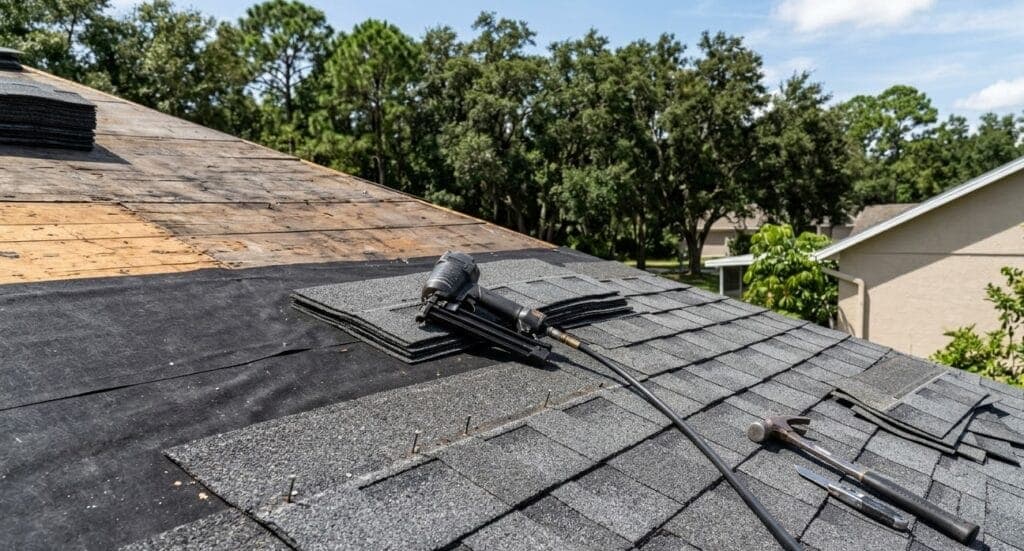
Roofing Warranties in Florida: What Voids Them
A new Florida roof usually carries two warranties: one from the manufacturer for the product and one from the contractor for the installation. Here is what each covers, what quietly voids them and how to keep your coverage.
Read Article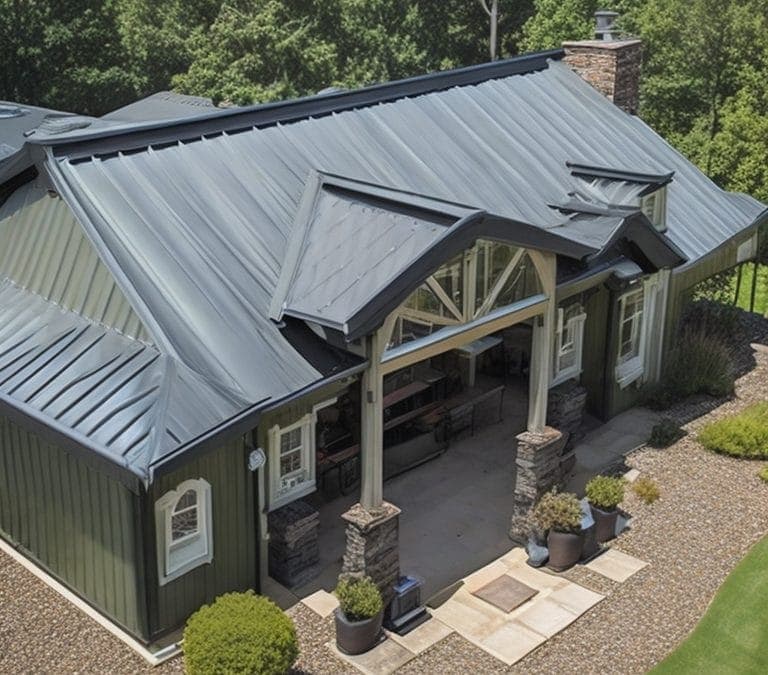
Best Roof Color for Florida Heat: Cool Roofs Explained
Florida test homes show a white shingle saves only 3 to 5 percent on cooling while reflective white metal or tile saves 18 to 26 percent. Here is how to choose a roof color that actually keeps your attic cooler.
Read Article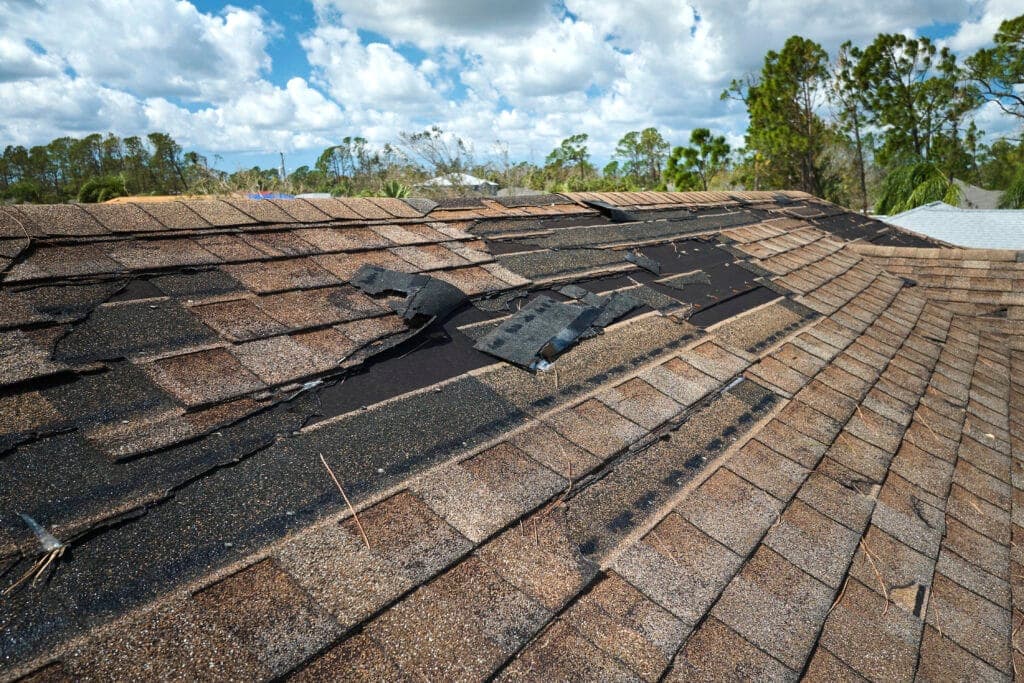
Roof Underlayment in Florida: The Hidden Layer Explained
Underlayment is the layer that decides what happens to your house when wind strips the shingles. Here is how felt, synthetic and peel-and-stick compare, what Florida code requires on a re-roof, and what each option costs in 2026.
Read ArticleReady When You Are
Get your free roof inspection today.
No-pressure, written estimate. Same-week scheduling across Hernando County. Call us now or request a visit online.