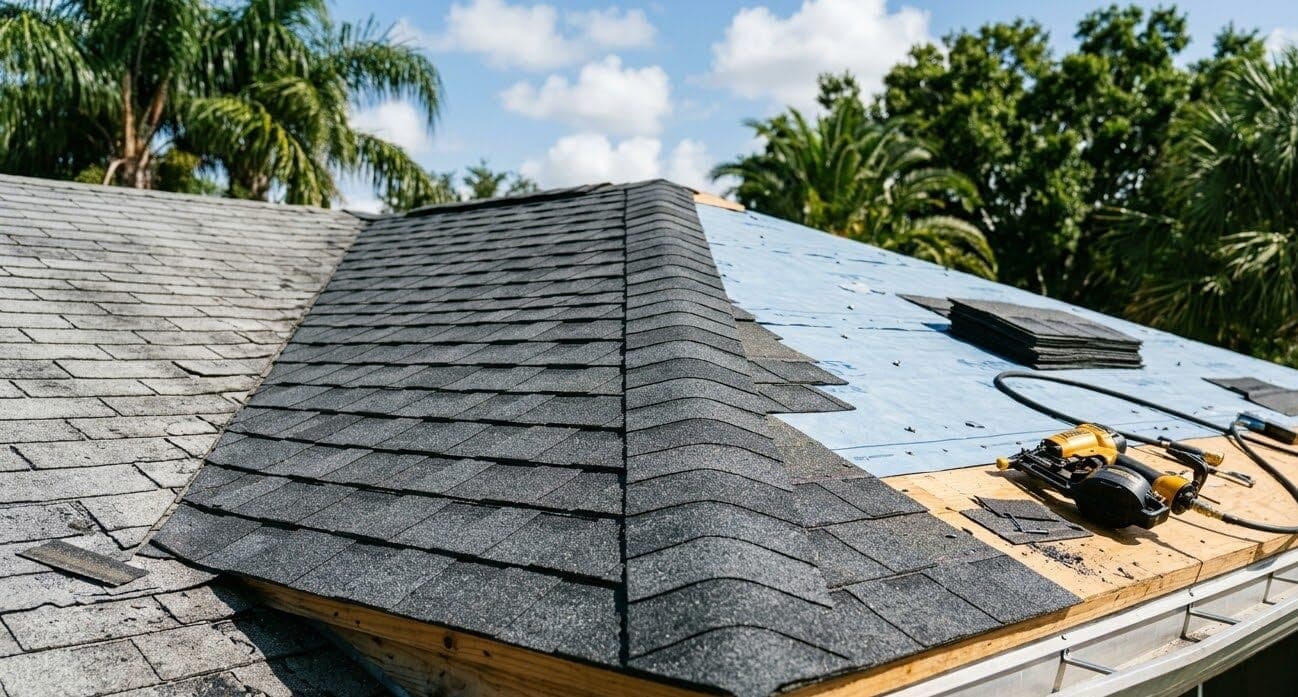
Florida roof insurance claims are won or lost on documentation, timing, and the inspection itself. This 2026 guide walks through every step from the first damage assessment to the final RCV check, including ACV vs. RCV coverage, hurricane deductibles, supplemental claims, and the mistakes that cost homeowners thousands. Call (352) 605-0696 for a free pre-claim inspection.
What Florida Insurance Actually Covers (and What It Does Not)
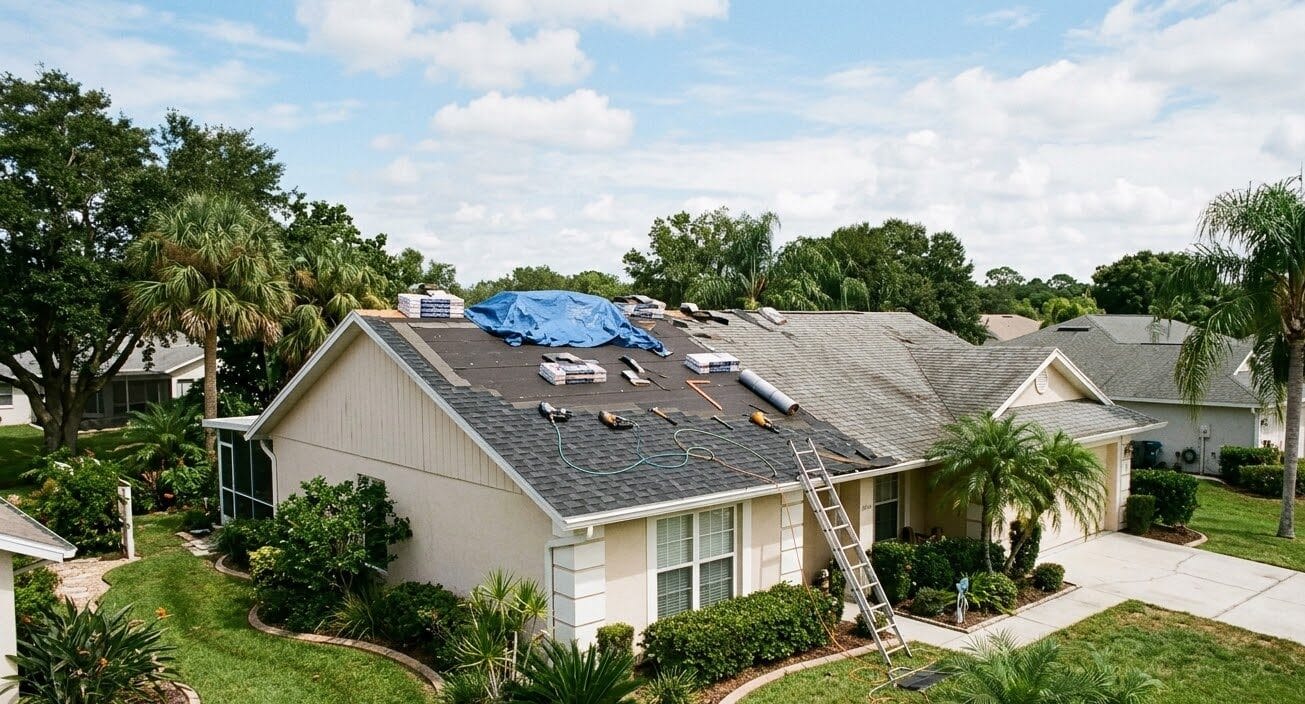
Filing a roof insurance claim in Florida is one of the most stressful things a homeowner can deal with after a storm. The rules change often, carriers tighten requirements every year, and the difference between a paid claim and a denied one often comes down to documentation, timing, and how the inspection is handled. This guide walks Hernando County and Central Florida homeowners through every step of a 2026 roof claim, from the first inspection to the final RCV check.
Damage That Florida Insurance Typically Covers
Most Florida homeowners insurance policies cover sudden, accidental damage from these causes:
- Hurricanes and named tropical storms (subject to a separate hurricane deductible).
- Wind damage outside of named storms (straight-line winds, microbursts).
- Hail damage to shingles, flashing, and vents.
- Falling debris, including trees and large branches during a storm.
- Lightning strikes that damage the roof system or trigger a fire.
Damage That Florida Insurance Typically Does Not Cover
These causes are explicitly excluded or treated as homeowner responsibility:
- Normal wear and tear from age and Florida sun exposure.
- Roofs that have exceeded the carrier's age threshold (typically 15 to 20 years).
- Lack of routine maintenance (clogged valleys, missing flashing not repaired).
- Damage from improper installation by a previous contractor.
- Pre-existing damage that was not reported when the policy was bound.
- Roofs installed without a permit (insurer cannot verify code compliance).
The age threshold is the single biggest reason claims get denied in Hernando County. Pre-2009 homes with original roofs are now well past 20 years old, and many carriers now refuse to insure those properties at all without a recent roof inspection showing remaining life. The permit issue is the second biggest reason: if your previous contractor skipped the permit, the carrier has no way to verify the work was done to code.
The Five-Step Claim Process from First Damage to Final Check
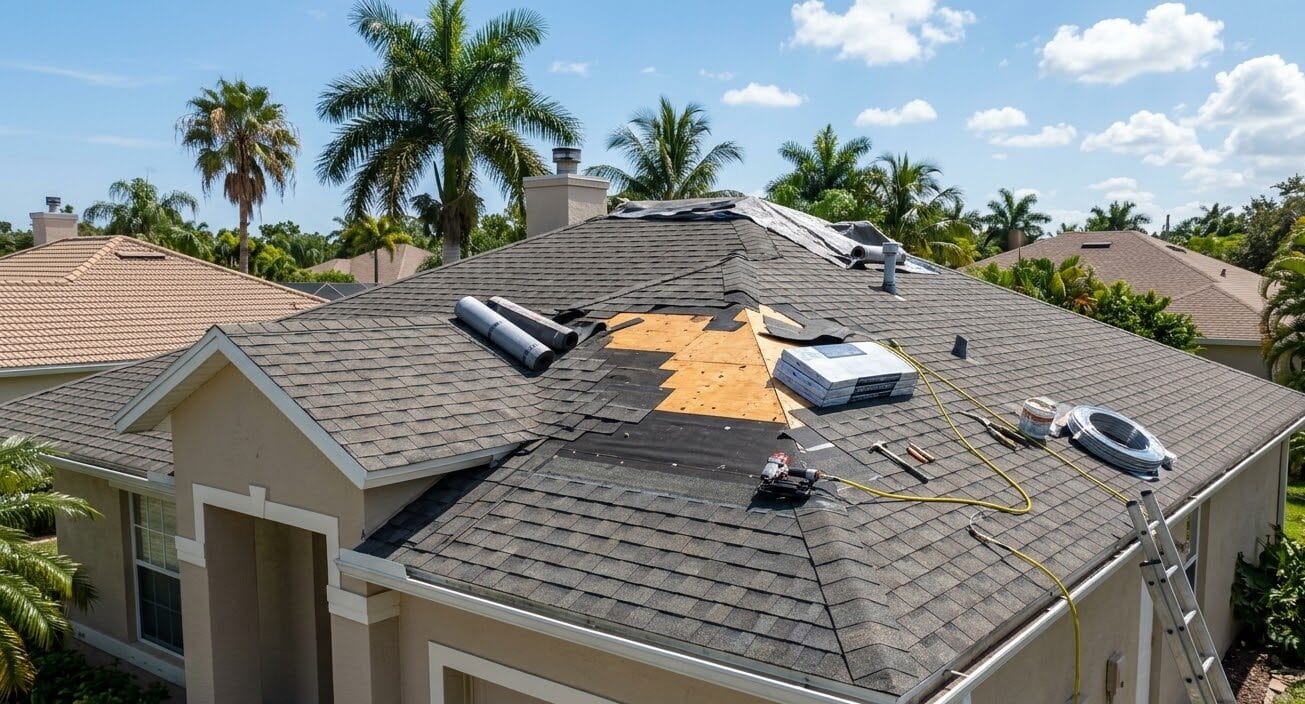
A successful roof insurance claim follows the same sequence in nearly every case. Skipping or rushing any step is what causes denials and lowballs.
- Get a contractor inspection first. Before you call your insurance carrier, have a licensed Florida roofing contractor inspect the damage and provide a written report with photos. This document anchors your claim and prevents the adjuster from missing damage during the official inspection.
- Document the damage exhaustively. Photograph everything from multiple angles. Capture interior water stains, exterior shingle loss, gutter debris, and any related damage to fascia, soffit, or pool cage.
- File the claim with your carrier. Call the claim number on your policy or use the carrier's app. Provide the date of damage, a description of the cause, your contractor's report, and your photos.
- Meet the insurance adjuster on site. Have your roofing contractor present during the adjuster's inspection. The contractor knows what to point out, what to push back on, and what damage adjusters routinely miss.
- Review the estimate and supplement if needed. Once the carrier issues a scope of work and payment, your contractor reviews it line by line. If items are missing or underpriced, the contractor files a supplemental claim with documentation supporting the additional payment.
Protech Roofing handles every step of this process for our customers. We do not just install roofs. We provide complete insurance claims assistance from the first inspection through final settlement, because most homeowners cannot fight a $20,000 claim alone against a carrier that processes thousands of them every year.
Why a Pre-Claim Contractor Inspection Changes Everything
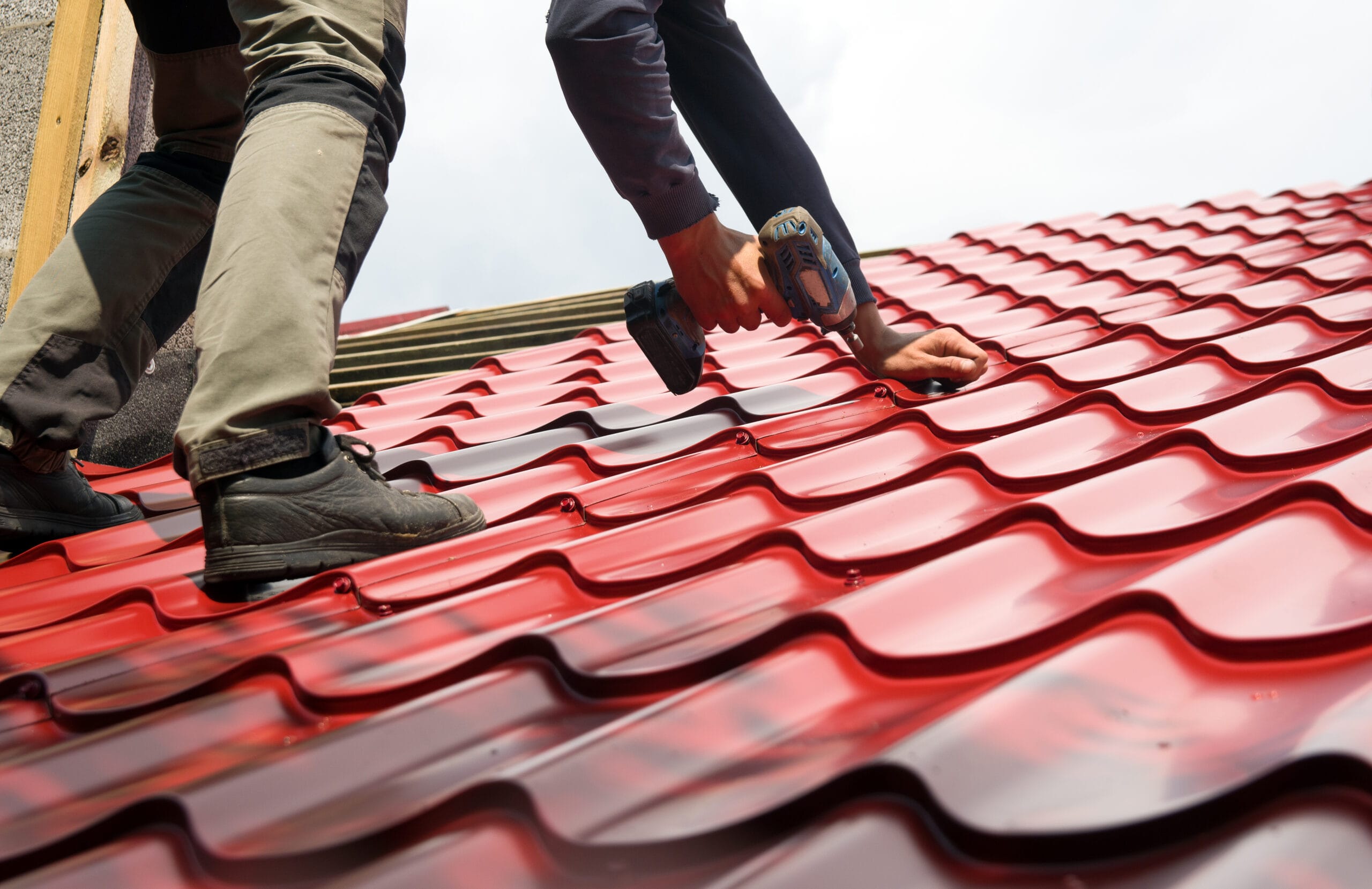
Calling a roofer before calling your insurance company sounds counterintuitive, but it is the single biggest factor in claim outcomes. Here is why every Florida homeowner should do it.
Adjusters Are Looking for Reasons to Deny
Insurance adjusters work for the carrier. Their job includes documenting any pre-existing damage, age-related wear, or maintenance issues that could justify a denial or a reduced payout. A pre-claim inspection from your own contractor flips this dynamic by establishing facts before the adjuster arrives:
- A documented condition baseline that distinguishes new storm damage from pre-existing issues.
- Photographic evidence taken close to the storm date.
- A professional damage estimate the adjuster has to address rather than dismiss.
Many Adjusters Are Not Roofing Experts
Florida adjusters handle thousands of claim types. Roofing is technical, and many adjusters miss damage that a HAAG-certified inspector spots immediately. Common items missed without a contractor present:
- Cracked shingle bases that look fine from a distance but have lost their seal.
- Lifted shingles that resealed enough to look normal until the next wind event.
- Hail bruising on the underside of shingles, only visible when you bend the shingle.
- Damaged ridge vents, drip edge, and step flashing around dormers.
- Hidden decking damage that requires a tear-off to fully assess.
ACV vs. RCV: The Single Most Important Coverage Detail
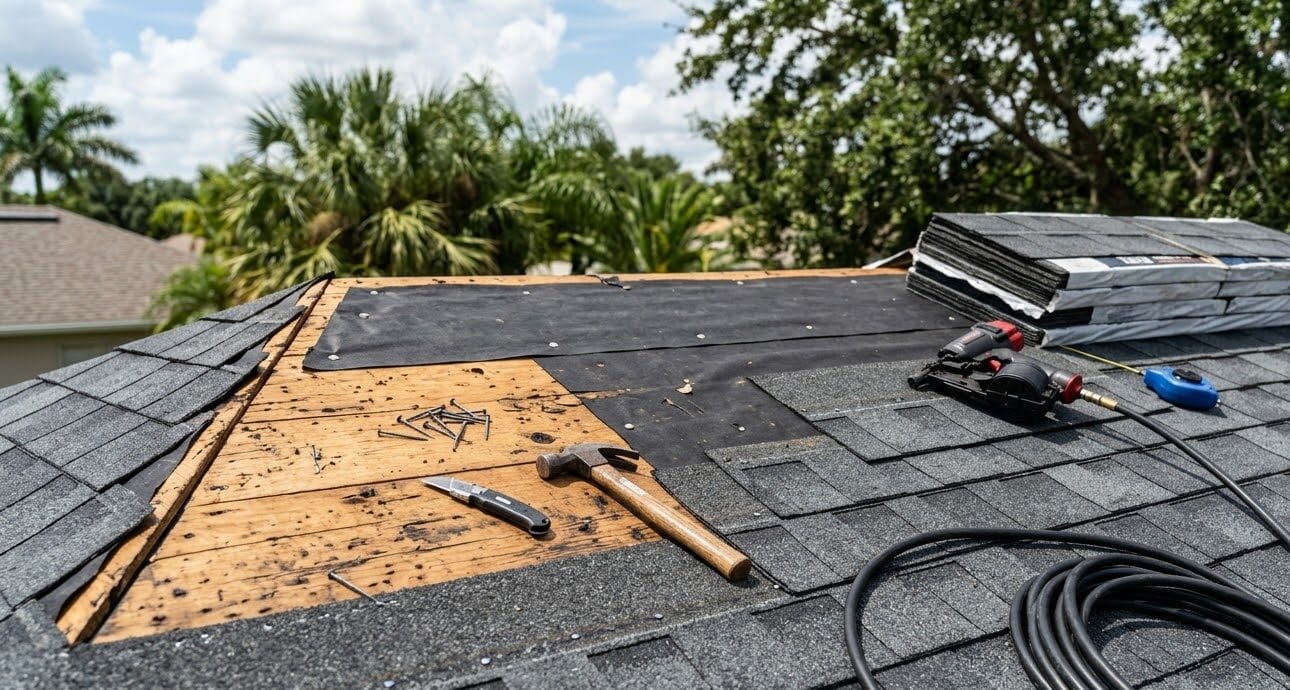
Two acronyms determine how much money you actually receive on a roof claim, and most homeowners do not know which one their policy uses until it is too late.
| Coverage Type | What It Pays | Example: 15-Year-Old Roof, $20,000 Damage |
|---|---|---|
| Replacement Cost Value (RCV) | Full cost to replace with new materials of similar quality | $18,000 to $20,000 (after deductible) |
| Actual Cash Value (ACV) | Depreciated value at time of loss (RCV minus age-based depreciation) | $6,000 to $10,000 (after deductible) |
| RCV with depreciation withheld | ACV first, depreciation released after work is completed and invoiced | $6,000 to $10,000 first, $8,000 to $10,000 after completion |
If you discover during a claim that your policy switched to ACV without you realizing it, the difference can be devastating. Florida carriers have been quietly downgrading older roofs from RCV to ACV at renewal time. To protect yourself, take these actions before any claim is filed:
- Pull your declarations page and verify whether the dwelling and roof are RCV or ACV.
- If you see ACV listed for the roof, call your agent and ask what it would cost to upgrade to RCV.
- If your roof is over 15 years old and the carrier refuses RCV, schedule a roof inspection now (not after a storm).
- If replacement is the right call before the next claim, pursue full roof replacement on your timeline rather than the carrier's.
Florida Hurricane Deductibles Explained
Hurricane deductibles are different from regular homeowners deductibles, and they trip up many Florida homeowners during their first hurricane claim. Three things every Hernando County policyholder should know:
- Hurricane deductibles are a percentage of dwelling coverage, not a flat dollar amount. Most Florida policies set this at 2 to 5 percent of the home's insured value. On a home insured for $400,000, a 2 percent hurricane deductible is $8,000 out of pocket before insurance pays a dollar.
- The hurricane deductible only triggers for named storms. Damage from a regular thunderstorm or unnamed system uses the standard policy deductible (often $1,000 or $2,500), which is much smaller.
- The deductible applies once per hurricane season, not per storm. Florida law (since 2007) requires that the hurricane deductible only apply once per calendar year, no matter how many named storms hit your property.
Knowing your exact hurricane deductible before storm season starts changes how you make claim decisions. If your roof has $9,000 of damage and your hurricane deductible is $8,000, the math may favor paying out of pocket and avoiding a claim that affects future renewability.
The Adjuster Inspection: What to Expect and How to Prepare
The adjuster inspection is the moment that decides your claim. Going in unprepared is the most common mistake homeowners make.
Before the Inspection
Take these steps in the days before the adjuster arrives:
- Schedule your contractor to be present for the adjuster meeting.
- Compile all documentation: contractor report, photos, receipts for any emergency tarping, weather records.
- Walk the exterior and mark any damage points with painter's tape or chalk.
- Make a list of every interior issue (leaks, stains, ceiling damage) with the date you first noticed each one.
During the Inspection
Stay involved without being adversarial. The contractor handles technical questions; the homeowner answers questions about timing and personal property:
- Walk the roof with the adjuster and the contractor (or watch from the ground if it is unsafe).
- Make sure every damaged area is photographed by the adjuster, not just the obvious ones.
- Ask the adjuster to confirm in writing what the wind event was, what damage was observed, and what repairs are being approved.
- Do not sign anything that releases the carrier from supplemental claims.
After the Inspection
The carrier issues a scope of work and an estimate within 7 to 14 days in most cases. Review it carefully:
- Compare the carrier's line items to your contractor's original estimate side by side.
- Flag anything missing (decking, code upgrades, dump fees, permits, ridge vent).
- If the estimate is materially below the contractor's, file a supplemental claim with documentation.
- Do not start work until the carrier and contractor agree on scope, unless emergency tarping is required.
Common Claim Mistakes That Cost Homeowners Thousands
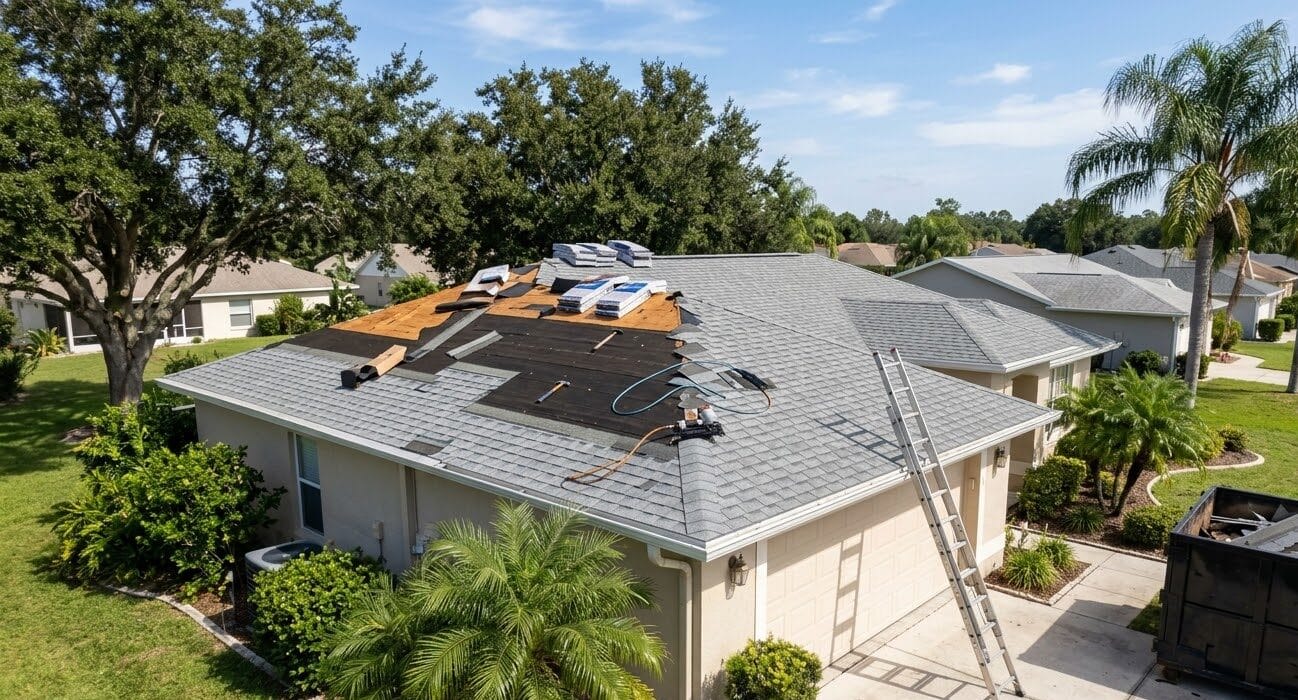
After hundreds of insurance claims across Hernando County, the same errors cost homeowners money over and over. Avoid these:
- Waiting too long to file. Florida law requires claims to be filed within one year of the loss event, but waiting more than 60 to 90 days makes it harder to prove the damage cause and gives the carrier room to argue pre-existing condition.
- Filing without documentation. Adjusters give more credibility to claims backed by contractor reports and photo evidence than to claims based on a homeowner's verbal description.
- Accepting the first estimate. Initial adjuster estimates are starting points, not final offers. Supplemental claims often add 30 to 60 percent to the original payout when properly documented.
- Hiring an unlicensed "storm chaser" contractor. Out-of-state contractors who flood Florida after hurricanes often disappear before warranty work is needed, leaving homeowners stuck. Always verify a Florida license at myfloridalicense.com.
- Signing an Assignment of Benefits (AOB). Some contractors push AOB contracts that transfer your insurance claim rights to them. This gives the contractor unilateral control over claim negotiation. Florida tightened AOB laws in 2019, but the practice still happens.
- Skipping the permit on prior roof work. If your previous contractor did unpermitted work, your current claim can be denied. See our Hernando County roof permit guide for what to verify.
When the Carrier Denies or Underpays: Your Options
A claim denial or a lowball estimate is not the end of the road. Florida law gives homeowners several paths forward:
- Supplemental claim. File additional documentation showing why the original scope is insufficient. Most successful claim disputes resolve at this stage.
- Independent appraisal. Both sides hire appraisers, who agree on a third umpire. The umpire makes a binding decision. Many policies include this as a contractual right.
- Mediation through the Florida DFS. The Department of Financial Services offers free mediation for residential property claims under specific dollar thresholds.
- Public adjuster. Licensed public adjusters represent the homeowner (not the carrier). They take a percentage of recovered amounts, usually 10 to 20 percent.
- Litigation. A last resort, but Florida case law generally favors homeowners on properly documented claims. A qualified attorney can advise on viability.
Wind Mitigation Credits: Pay for the Roof Twice
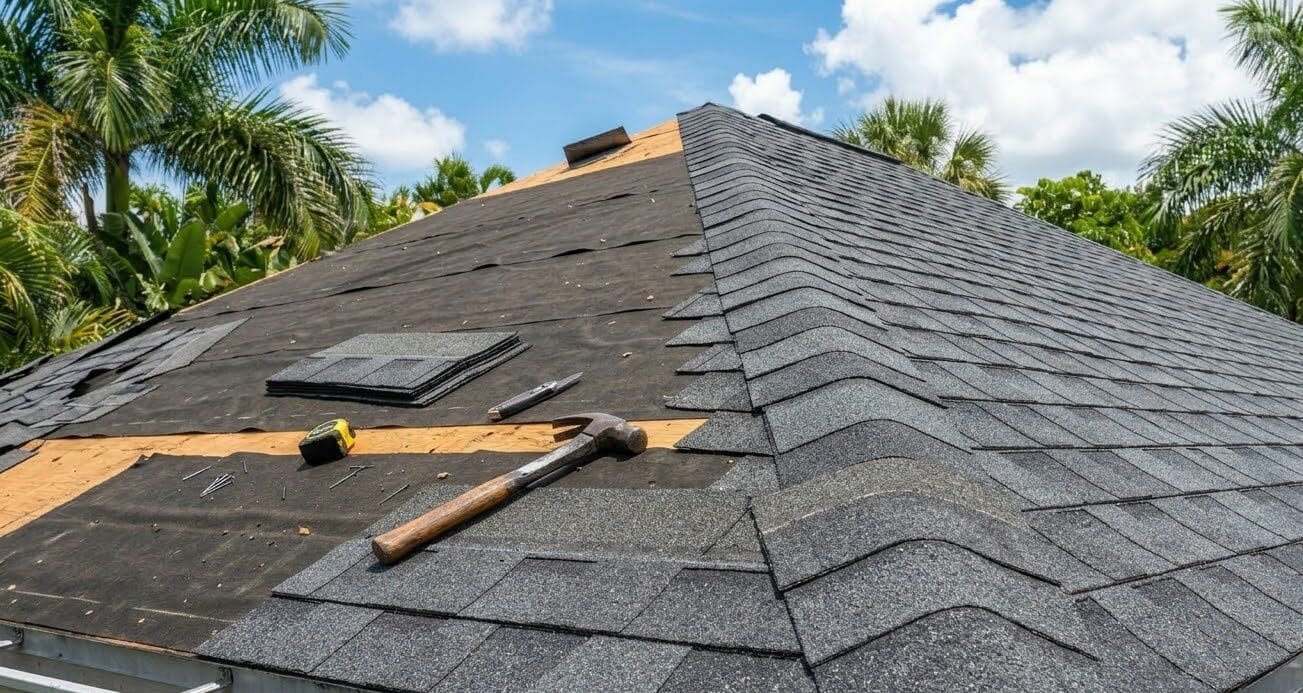
After every roof replacement (whether insurance-paid or self-paid), Florida homeowners qualify for wind mitigation insurance credits. These often pay for the roof a second time over the next decade:
- Sealed roof deck credit: 5 to 10 percent off premium.
- Hip roof shape credit: another 10 to 20 percent off premium.
- Secondary water resistance credit: additional 5 to 10 percent off premium.
- Enhanced roof-to-wall connections credit: significant additional savings depending on connection type.
Stack all four credits and the typical Hernando County homeowner saves 30 to 40 percent off their annual premium for the life of the roof. Combine that with the My Safe Florida Home grant program, which provides up to $10,000 toward hurricane-hardening improvements, and the financial picture for upgrading older roofs becomes much more favorable than most homeowners realize.
How Protech Handles Insurance Claims
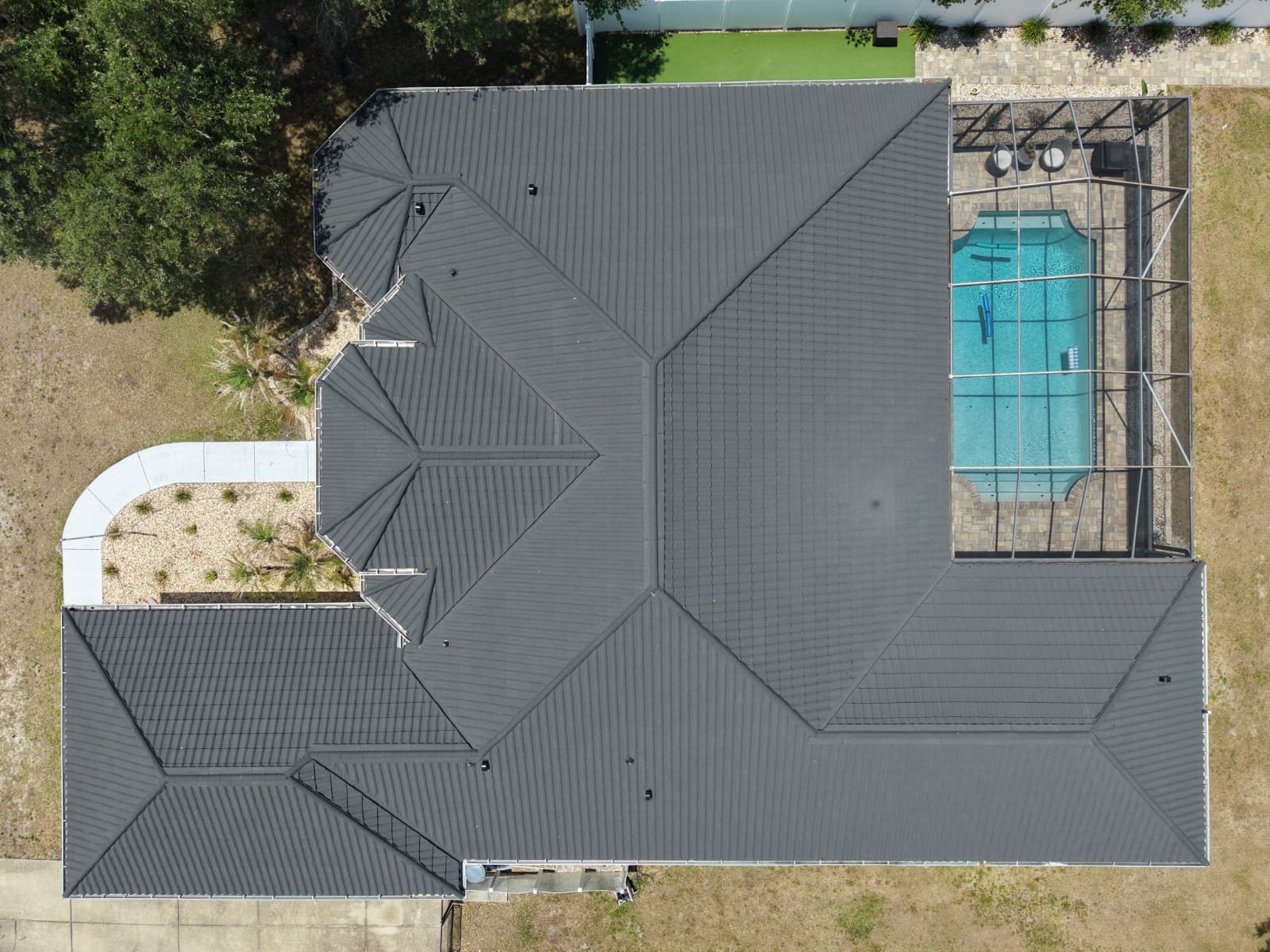
When you call Protech after a storm or roof damage event, the process unfolds in this exact sequence:
- Free pre-claim inspection within 24 to 48 hours, with written report and photos.
- Coordination with your carrier or guidance on filing if you have not yet done so.
- Project manager present at the adjuster inspection (we never let you face the adjuster alone).
- Line-item review of the carrier's estimate with you.
- Supplemental claim filed and documented if items are missing or underpriced.
- Permit pulled, work scheduled, and crews on site once claim is settled.
- Wind mitigation report issued at completion so you can capture insurance credits.
Florida license CCC1335878. GAF Certified. HAAG-trained. Hernando County since 2008. We work with every major Florida carrier and dozens of regional ones, and we know the language adjusters use because we are in those conversations every week.
Schedule Your Free Inspection
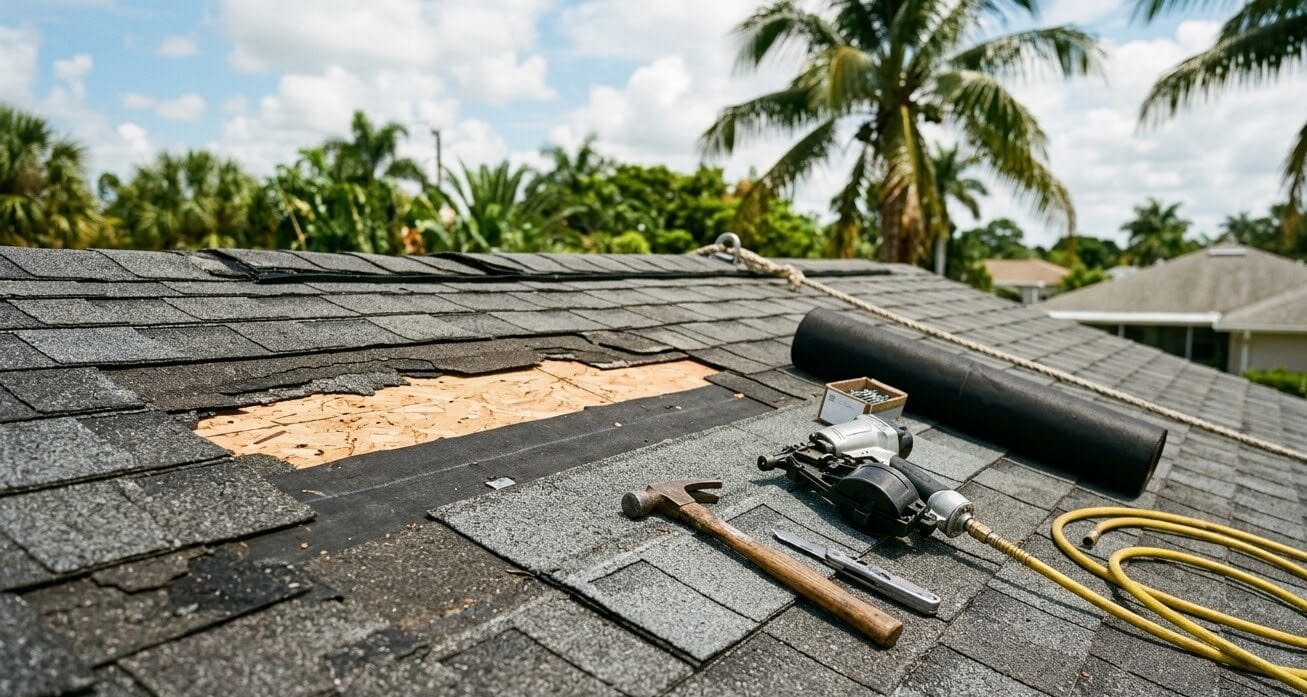
If you suspect your roof has storm damage, suspect your insurance is about to drop you, or just want a clear assessment of where you stand, the smart first step is a free inspection. We serve Spring Hill, Brooksville, Weeki Wachee, Hernando Beach, and the surrounding Central Florida communities.
During the inspection we will:
- Document your roof's current condition with photos and a written report.
- Identify storm-related damage that is claim-eligible.
- Tell you honestly whether filing a claim is worth the deductible cost.
- Walk you through every step if a claim is the right move.
Call (352) 605-0696 or request your free estimate online today.
Related Services and Resources
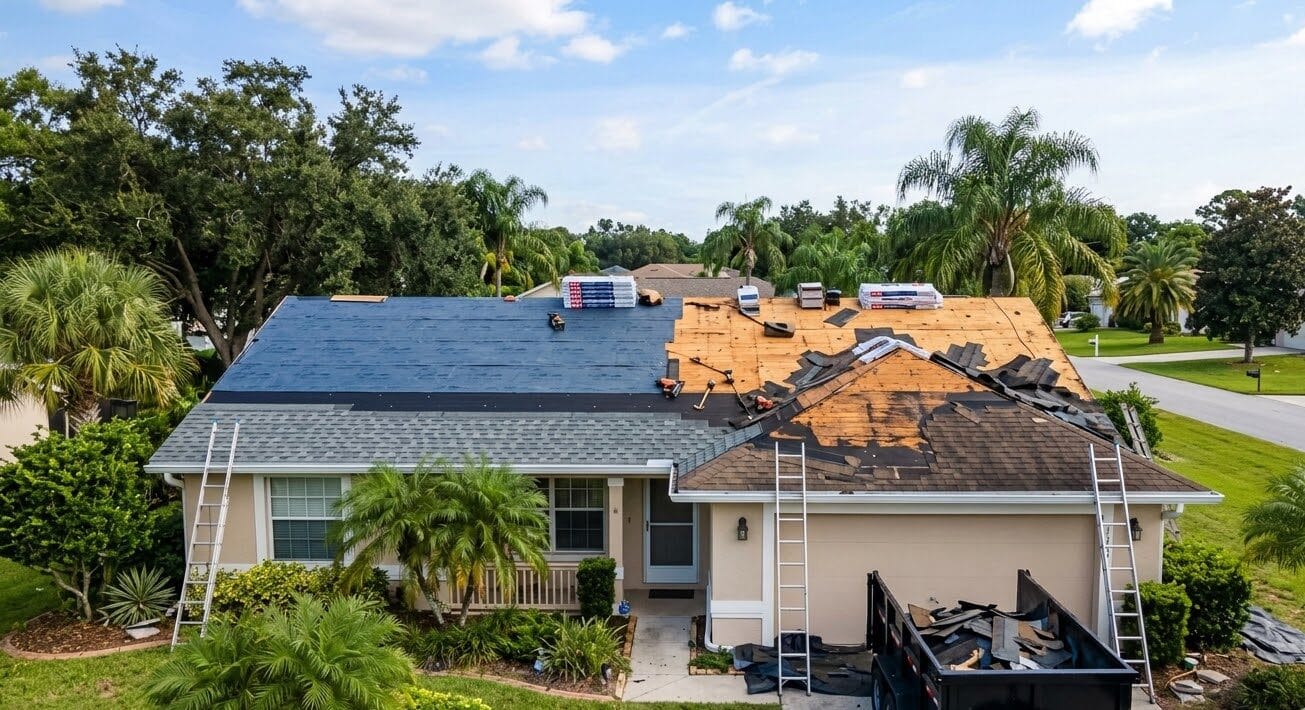
- Insurance Claims Assistance - End-to-end claim support across Hernando County
- Storm Damage Restoration - Emergency tarping, repairs, and full replacements
- Roof Inspection - Free pre-claim and post-claim inspections
- My Safe Florida Home - State grants up to $10,000 for wind mitigation
- Total Roof Replacement - Code-compliant, RCV-eligible installations
- Roof Permit Hernando County Guide - Why permits matter for claim approval
- Will Insurance Cover Your Roof? - Coverage triggers and exclusions explained
- How to Hire the Right Roofing Company - Storm chaser red flags
This is especially common in retirement communities where insurance carriers run pre-renewal inspections more aggressively. Homeowners across The Villages and surrounding Sumter, Marion, and Lake counties have been hit with renewal-conditioned roof requirements over the past two years.
FAQ
Frequently Asked Questions
What roof damage does Florida homeowners insurance cover?
+
What is the difference between ACV and RCV on a Florida roof claim?
+
How does the Florida hurricane deductible work?
+
Should I get a contractor inspection before filing an insurance claim?
+
Can I file a supplemental claim after the insurance estimate is issued?
+
What is wind mitigation and how does it lower my Florida insurance premium?
+
How long do I have to file a roof insurance claim in Florida?
+
Related Articles
More guides for Florida homeowners
Roof Underlayment in Florida: The Hidden Layer Explained
Underlayment is the layer that decides what happens to your house when wind strips the shingles. Here is how felt, synthetic and peel-and-stick compare, what Florida code requires on a re-roof, and what each option costs in 2026.
Read Article
Florida Tile Roof Problems: Repair vs Re-Roof (2026)
Tile lasts for decades, the underlayment under it does not. Here are the tile roof problems Florida homeowners see most, what each repair costs in 2026, and how to tell when a repair is enough and when it is time to re-roof.
Read Article
Solar Roofing in Florida: Solar Shingles vs Panels (2026)
Every solar system on a Florida roof is either bolted to the roof or is the roof. Here is how panels and solar shingles compare in 2026, what changed with the federal credit, and why the cheapest solar project often starts with a re-roof.
Read ArticleReady When You Are
Get your free roof inspection today.
No-pressure, written estimate. Same-week scheduling across Hernando County. Call us now or request a visit online.