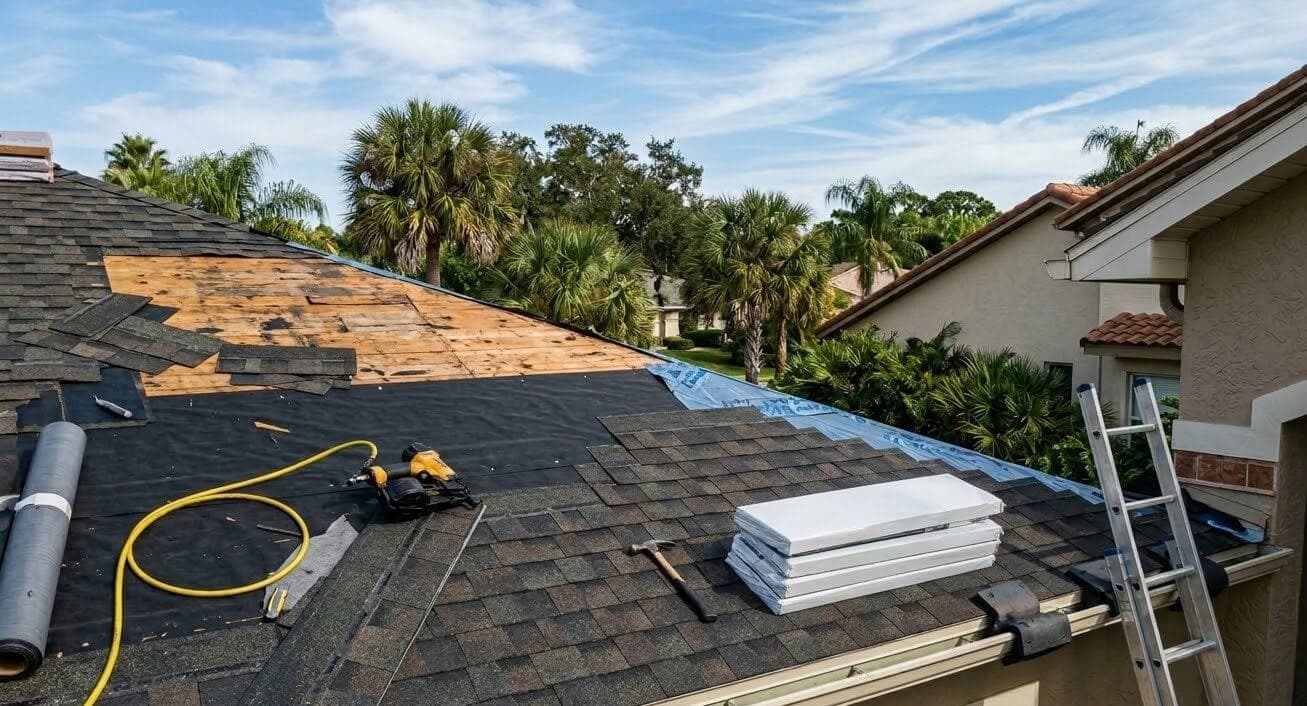
Tarpon Springs, FL
Roof Replacement in Tarpon Springs, FL
Roof replacement in Tarpon Springs, FL. Historic district design review, 130 to 150 mph code, tile tear-off. Call (352) 605-0696.
Call (352) 605-0696Protech Roofing Services handles roof replacement for Tarpon Springs homeowners across Greektown, the Sponge Docks, Spring Bayou, Whitcomb Bayou, Tarpon Avenue, and the subdivisions east of US-19. We have been installing Spanish tile, architectural shingle, metal, and flat-roof systems across Pinellas County since 2008, and we understand how the 130 mph mainland code, the 150 mph coastal zone, and the Historic Preservation Board design review process all combine on a single project. Call (352) 605-0696 for a free inspection and a written replacement quote.
You Are Viewing
Roof Replacement for homeowners and businesses in Tarpon Springs, part of Pinellas County, FL, Florida.
Material Choices That Match Tarpon Springs Historic Design Review
A roof replacement in Tarpon Springs, FL is never just a material decision. It is a material decision filtered through the Historic Preservation Board design review process if the home sits inside the Greektown Historic District or the Downtown Tarpon Avenue Historic District, and through the 130 mph or 150 mph wind code that applies to the specific address. Getting both right is what separates a replacement that passes inspection and adds value from one that gets red-tagged and has to be torn off again.
For homes inside Greektown, the default replacement is Spanish S-tile in a profile and color that matches the original. Clay tile is the most common original material, and clay is what the Board prefers when the budget allows. Concrete S-tile in a color-matched finish is the approved alternative when clay is not practical, and it still passes design review cleanly. Architectural shingle is allowed on some Greektown homes that originally carried shingle, but the color and profile have to be documented during the application. Standing-seam metal is usually not approved on front-facing slopes inside the district, though metal shingle profiles that mimic tile or architectural shingle often pass.
Outside the historic districts, homeowners have a wider menu. Architectural shingles with algae-resistant copper granules are the everyday choice for inland Tarpon Springs neighborhoods east of US-19. Standing-seam aluminum is growing fast on coastal and waterfront homes around Whitcomb Bayou and the Anclote River because it handles salt air better than any tile fastener system. Flat-roof sections on older Tarpon Avenue commercial and residential properties get TPO or modified bitumen depending on the structural detail.
130 mph Mainland vs 150 mph Coastal Wind Code in Tarpon Springs
Pinellas County enforces two different wind design speeds inside the Tarpon Springs city limits, and the line between them is not arbitrary. Mainland properties, which covers most of the city east of the Gulf coast and the Anclote River, fall in the 130 mph zone. Exposed coastal properties near the Gulf, the Anclote River mouth, the Sponge Docks on Dodecanese Boulevard, and the barrier-island sections of Whitcomb Bayou fall in the 150 mph zone. Hurricane Milton made landfall at Siesta Key on October 9, 2024 as a Category 3 with 120 mph sustained winds, and the exposed Tarpon Springs coast took leading-edge gusts well above that. The 150 mph design is what keeps a coastal roof on during the next storm.
The difference between the two zones shows up in the specification, not the visible material. Inside the 150 mph zone, asphalt shingles need the full enhanced nailing pattern with six nails per shingle, sealed laps, and a peel-and-stick underlayment instead of basic felt. Tile needs engineered mechanical attachment with screws and clips rated for 150 mph, not just the standard foam-adhesive set used on mainland projects. Standing-seam metal needs closer-spaced clips, and the drip edge, ridge, and valley details all step up to a heavier gauge. Every component carries a Florida Product Approval Number matched specifically to the zone, and the building inspector verifies that match on the dry-in inspection.
On the insurance side, the difference is also real. A 150 mph specification earns stronger wind-mitigation credits than a 130 mph specification, and the annual premium savings on a coastal Tarpon Springs home can reach $800 to $2,000. If your address is inside the 150 mph zone, putting a 130 mph specification on the roof is a short-term savings that costs real money over the life of the system.
Permits Through the Tarpon Springs Building Department and Historic Preservation Board
Every roof replacement in Tarpon Springs runs through the City of Tarpon Springs Building Department at 324 East Pine Street, Tarpon Springs, FL 34689. The Building Department reviews the permit application, verifies the Florida Product Approval numbers, inspects the dry-in before shingle or tile goes down, and inspects the final installation. Typical permit turnaround for a non-historic replacement runs three to ten business days depending on season and workload. We pull the permit on the homeowner's behalf and handle the entire back-and-forth.
For homes inside the Greektown Historic District or the Downtown Tarpon Avenue Historic District, there is a second layer. The Tarpon Springs Historic Preservation Board reviews material changes to designated properties before the Building Department will issue the permit. Minor in-kind replacements, which means the same material in the same profile and the same color as the original, often qualify for a staff-level Certificate of Appropriateness and do not need a full Board hearing. Changes in material, profile, or color do need a Board hearing, which meets monthly. We handle the application, the photos, the product data sheets, and the drawings. With design review, the combined permit timeline runs two to six weeks instead of the three to ten day mainland turnaround.
The 25 percent rule matters here too. If the replacement affects more than 25 percent of the roof, the entire roof generally has to be brought up to current Florida Building Code. For homes with a 2007 or newer previous roof, the 2023 Florida law changes let us limit the code upgrade to the replaced area. For homes with pre-2007 roofs, which is most of Greektown and Tarpon Avenue, we plan the project as a full current-code replacement from day one.
Cost Ranges for Century-Old Tear-Off Complexity in Tarpon Springs
A straightforward roof replacement on a 1990s home in Tarpon Woods is not the same project as a full tear-off on a 1920s Greektown cottage with original plank decking under three layers of shingle and a rusted Spanish tile hidden at the bottom. Tarpon Springs carries some of the oldest housing stock in Pinellas County, and century-old tear-off complexity is a real line item in our estimates. We do not hide it and we do not pad it.
Typical replacement ranges we see in Tarpon Springs look like this. Architectural shingle on a straightforward mainland home east of US-19 runs roughly $9,500 to $18,000 for an average-sized single-story house, depending on roof pitch, complexity, and penetrations. Spanish S-tile on a Greektown cottage with design review and salvaged matching tile runs $28,000 to $55,000 depending on square footage. Standing-seam aluminum on a coastal Whitcomb Bayou home in the 150 mph zone runs $22,000 to $48,000. Flat-roof replacement on a Tarpon Avenue commercial or mixed-use building runs $8 to $14 per square foot of roof area. These ranges all assume normal tear-off. If we find rotted plank decking, active underlayment saturation, or previous code violations that need correcting, those come in as clear line items on a change order.
What drives the cost on century-old tear-off is not the shingle or tile price. It is the discovery. A 1920s home often has two or three previous roof layers that were never torn off before the last re-roof, and we have to remove all of them before we can set the new system. The plank decking beneath may need overlay with half-inch plywood to meet current fastener pull-out requirements. Original chimney flashings may need custom fabrication. We itemize all of it in the estimate.
Insurance Non-Renewal on 50-Year-Old Tarpon Springs Tile Roofs
The insurance non-renewal problem is real in Tarpon Springs, and it hits hardest on older tile roofs. Citizens Property Insurance and most private carriers treat a tile, slate, metal, or concrete roof as old at 50 years. A big share of the original Spanish tile on Tarpon Avenue, Pinellas Avenue, and inside the Greektown Historic District is already past that 50-year mark. For a homeowner who has owned the property for decades and never had a leak, the first real warning is a non-renewal letter 30 days before the policy ends.
Senate Bill 808 and House Bill 815 both take effect on July 1, 2026 and prohibit Florida carriers from refusing to write or renew a policy solely because of roof age. That is the most important legislative change of the decade for Tarpon Springs homeowners. Condition still matters, which means a 60-year-old tile roof with broken tiles, underlayment failure, or rusted flashing can still be non-renewed on condition. But pure age-based cancellation goes away the day the laws take effect. We document roof condition for insurance appeals, write the letters that carriers actually read, and time replacement projects around the renewal window at no extra charge for our customers.
For homeowners who need to replace now and do not want to wait for July 2026, we often recommend keeping the original tile profile and color to match the neighborhood, pulling the old tile during tear-off, replacing the underlayment and flashing to current code, and resetting the original tile on the new underlayment where the tile itself is still sound. That approach preserves the historic look, passes design review cleanly, resets the 50-year insurance clock, and usually comes in well below a full new-tile install.
What to Expect During a Roof Replacement in Tarpon Springs
From signed estimate to final inspection, a typical Tarpon Springs roof replacement runs four to eight weeks on a mainland project and six to twelve weeks on a project with Historic Preservation Board design review. Most of that calendar is permitting. The actual on-roof work is usually two to five days depending on material and complexity. Here is how the process runs.
We start with a free on-roof inspection. We photograph every slope, every penetration, the attic decking, and the existing flashing. We write an itemized estimate with line items for tear-off, decking repair, underlayment, new roofing material, flashing, vents, and permit fees. We submit the permit application and, where required, the Historic Preservation Board Certificate of Appropriateness. Once permits are in hand, we schedule the tear-off and the dry-in inspection. The city inspector comes out after dry-in to verify underlayment and flashing. We set the new roofing material, and the inspector returns for final after installation. We close the permit, provide the wind-mitigation report for the insurance carrier, and register the manufacturer warranty in the homeowner's name.
A few practical notes for Tarpon Springs homeowners. We protect landscaping with plywood and tarps before tear-off, which matters under the banyan canopy around Spring Bayou and Whitcomb Bayou. We sweep the yard and the driveway with a magnetic roller every evening to catch nails. We stage dumpsters on the driveway or the street with a City of Tarpon Springs permit where street parking is restricted. And we work with neighbors on shared walls and party-wall flashings where the Greektown lot lines are tight. The full process is set up so the homeowner does not have to manage any of the moving parts.
More in this area
Other roofing services in Tarpon Springs
FAQ
Frequently Asked Questions
How much does roof replacement cost in Tarpon Springs, FL?
+
Do I need Historic Preservation Board approval for a roof replacement in Tarpon Springs?
+
What wind code applies to a roof replacement in Tarpon Springs?
+
My insurance carrier sent a non-renewal letter on a 50 year old Tarpon Springs tile roof. What are my options?
+
Can you replace a roof on a 1920s Greektown home with original plank decking?
+
From the Blog
Stay informed about roofing in Florida.
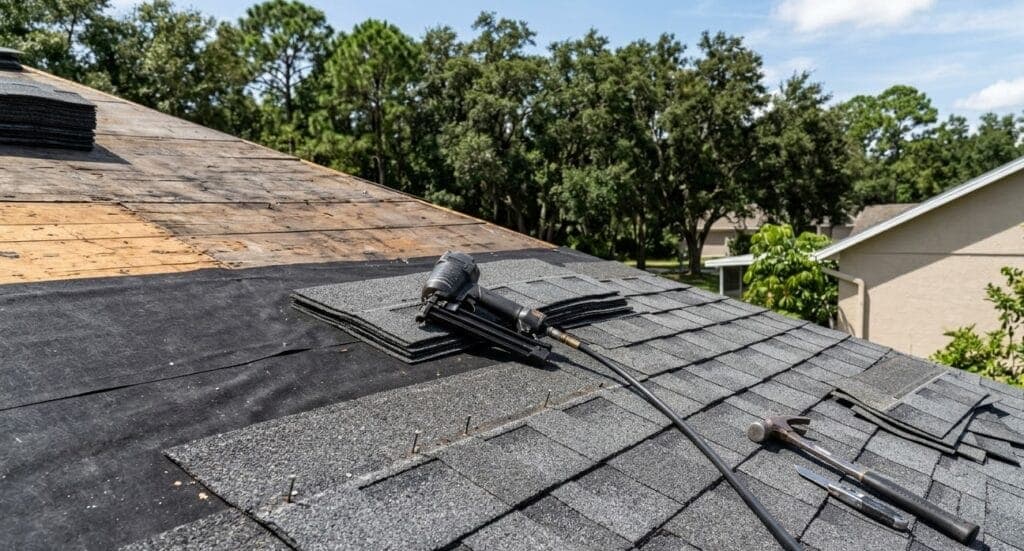
Roofing Warranties in Florida: What Voids Them
A new Florida roof usually carries two warranties: one from the manufacturer for the product and one from the contractor for the installation. Here is what each covers, what quietly voids them and how to keep your coverage.
Read Article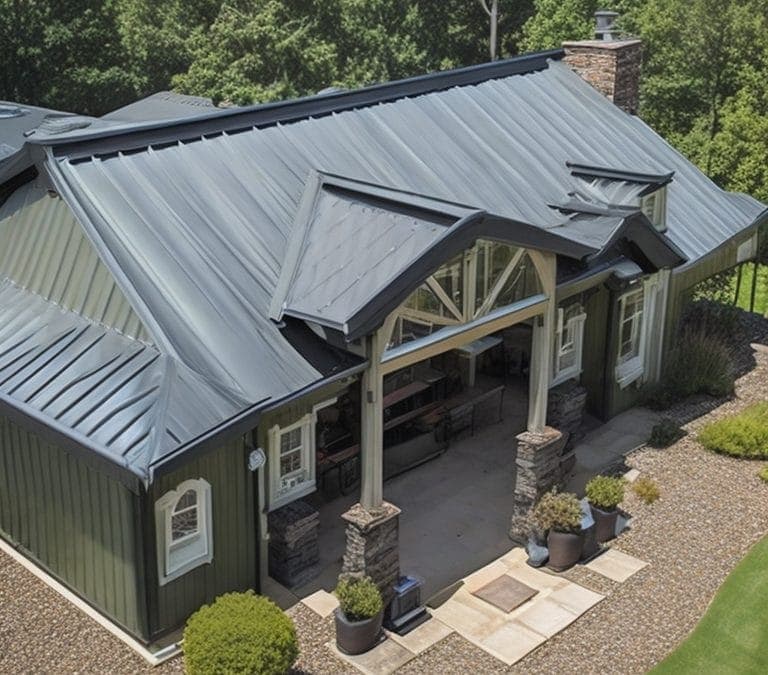
Best Roof Color for Florida Heat: Cool Roofs Explained
Florida test homes show a white shingle saves only 3 to 5 percent on cooling while reflective white metal or tile saves 18 to 26 percent. Here is how to choose a roof color that actually keeps your attic cooler.
Read Article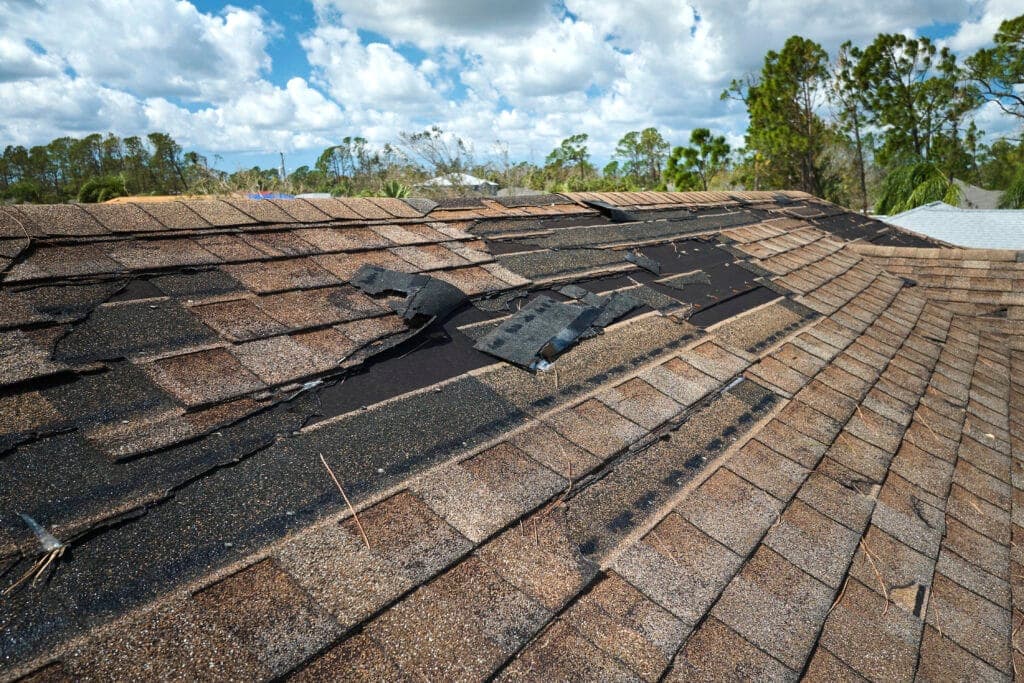
Roof Underlayment in Florida: The Hidden Layer Explained
Underlayment is the layer that decides what happens to your house when wind strips the shingles. Here is how felt, synthetic and peel-and-stick compare, what Florida code requires on a re-roof, and what each option costs in 2026.
Read ArticleReady When You Are
Get your free roof inspection today.
No-pressure, written estimate. Same-week scheduling across Hernando County. Call us now or request a visit online.