Largo, FL
Gutter Cleaning in Largo, FL
Gutter cleaning in Largo, FL. Protech Roofing clears oak debris and palm fronds from home and mobile home gutters year round. Call (352) 605-0696.
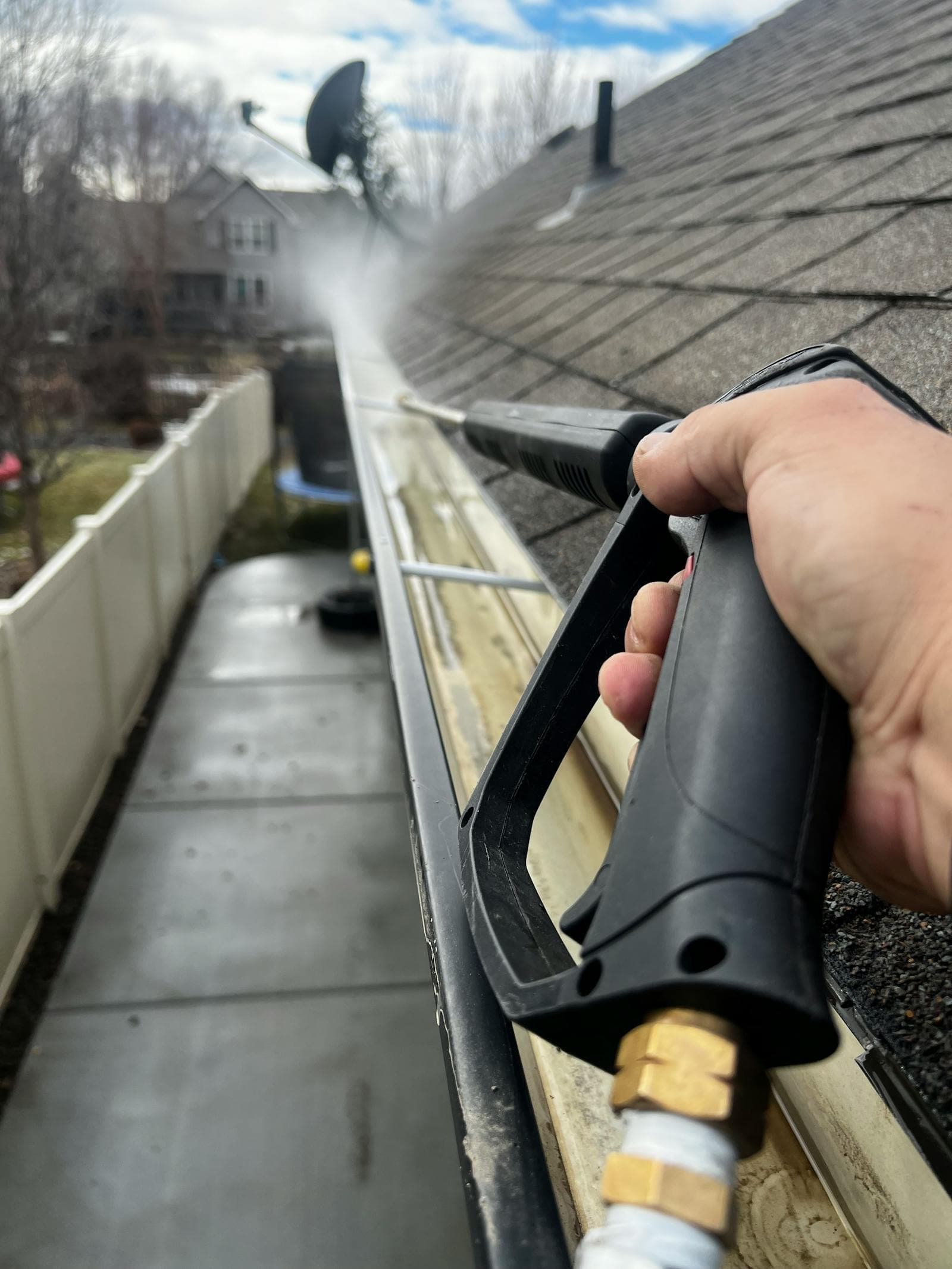
Call (352) 605-0696If you've stood under your eave during a Largo afternoon storm and watched water sheet over the front edge of your gutter instead of running through it, you already know what we're going to find when we pop the ladder. Gutter cleaning in Largo, FL is one of the most frequently neglected jobs in Pinellas County because the gutter looks fine from the ground until the day it doesn't. Protech Roofing cleans gutters across Largo on stick-built ranches near Lake Seminole, manufactured homes in parks off Ulmerton, two-story Designers in Highland Lakes, and the 55+ patio homes in Imperial Cove. Call (352) 605-0696 to get on the schedule before the next storm pushes us another week out.
You Are Viewing
Gutter Cleaning for homeowners and businesses in Largo, part of Pinellas County, FL, Florida.
The Three-Window Gutter Cleaning Calendar for Largo Homes
Largo gutters fill up on a predictable rhythm, and once you've cleaned a few hundred of them across the city, you start seeing the three windows when the work matters most. The spring window runs from late February through April, when live oak catkins drop and pollen layers build up across the canopy streets. The summer window hits June through August, when afternoon thunderstorm cycles flush debris into corners and tropical storm rains test whether your downspouts can actually keep up. And the fall window covers September through November, which in Largo means hurricane debris, palm frond drops, and the heaviest rain volume of the year.
Most Largo homes do well on a twice-a-year schedule that catches the spring window and the fall window. Homes with heavy oak or palm canopy overhead need a third visit in the summer to clear what the June rains push into the corners. Manufactured homes in the parks off Ulmerton, East Bay, and 113th Street North usually need the same twice-a-year rhythm even though their perimeter is smaller, because debris that accumulates near the discharge end of a manufactured home gutter has nowhere to go and ends up overflowing onto the pier line below.
We schedule Largo cleanings on a rolling calendar so homeowners don't have to remember to call. Our spring window typically books out by late January, and our fall window books out by mid-August. Homeowners who wait until they see overflow during a storm are usually two to three weeks out from our next available date, which is fine in May but not fine in October when another tropical system is rolling toward the Gulf.
And here's the part that catches people off guard. A clean gutter system in Largo isn't a one-and-done deal. It's a maintenance item that runs on the same rhythm as HVAC filters or pool chlorine. The homes that get cleaned twice a year for ten years straight have gutters that last 25 to 30 years. The homes that wait until something fails usually have to replace the gutters within ten because the standing debris held water against the fascia and rotted the wood from behind.
Live Oak and Palm Frond Debris Across Largo Neighborhoods
Largo's canopy isn't uniform across the city. Some streets have heavy live oak coverage with century-old trees arching over the road, and other streets are dominated by sabal palms and queen palms that drop fronds in chunks instead of catkins. Knowing what's overhead changes what we expect to pull out of the gutter, and it changes how often we recommend cleaning the system.
Live oak streets are the high-maintenance category. Mature live oaks shed catkins from late February through April, and those tiny stringy flowers compact into a brown felt mat in the gutter within a few weeks. Catkins by themselves wouldn't be a huge problem if they washed through. The issue is that the felt mat traps every leaf, every seed, every bit of bird droppings, every roofing granule that runs off the shingles. Within a month of a catkin drop, a gutter under heavy oak canopy is half-full of organic sludge that holds water and breeds mosquitoes. We see this most often in older Largo neighborhoods like Ridgewood Highlands and on the streets that border Lake Seminole's mature canopy.
Palm fronds are a different debris problem. A single dropped frond from a sabal palm can be three or four feet long and several pounds wet. It usually doesn't fit into the gutter cleanly. Instead, it bridges across the top, blocks the channel, and traps water until the next big rain pushes it over the edge. We see this most often in Belleair Bluffs and the parts of Largo with planted palm landscaping closer to the homes. Palm flower stalks also drop in clusters during the summer and create the same kind of woven mat that catkins do, just chunkier and harder to remove.
Then there are the streets with mixed canopy where we pull a little bit of everything out of each gutter run. Those homes usually need a slightly longer cleaning visit because the debris won't all flush through the same way. We adjust the schedule and the tool kit based on what's overhead, which is something a quick-hit gutter cleaning service won't take the time to do.
Cleaning Gutters on Manufactured Homes in Largo Mobile Home Parks
Manufactured home gutter cleaning in Largo is a job that has its own quirks, and we run into them every week in the parks off Ulmerton and East Bay. The first issue is access. Manufactured homes sit on piers above a vapor barrier, and the lot layout often leaves narrow gaps between the home and the neighbor's pad. We can't always set a standard ladder where we'd want to. Our crew uses shorter A-frame ladders and section ladders that can fit those tight gaps without leaning into the neighbor's space or damaging landscaping.
The second issue is the gutter material itself. A lot of manufactured home gutters are thinner aluminum than the .032 we install on stick-built ranches, and the hangers are often spaced wider than they should be. That means we can't lean on the gutter the way we would on a residential ranch. We work from the ladder side and reach in with hand tools rather than putting weight on the channel. It takes a little longer per linear foot but it prevents bending or pulling the gutter loose from the eave.
The third issue is the discharge side. On a manufactured home, the downspout has to clear the pier line before it dumps, and if leaves and debris pack into the elbow at the bottom of the downspout, water backs up and starts flowing down the home's siding instead. We check every elbow, every extension, and every splashblock during a cleaning visit, not just the gutter channel itself. That's a step we built into our manufactured home cleanings specifically because we've been called to homes where the gutter looked clean from the roof side but the discharge was plugged solid at ground level. Both ends of the system need to flow for the install to do its job, and on manufactured homes the discharge side fails more often than the channel side.
Cost for a Largo manufactured home gutter cleaning usually runs $90 to $160 depending on perimeter length and how much debris we're pulling out. We bag the debris on-site, take it with us so it doesn't sit on the pad waiting for trash day, and finish with a hose flush through every downspout to confirm flow. Many Largo park residents schedule us twice a year and we adjust the visit length based on what we found last time.
Post-Hurricane Cleanup After Milton and Helene in Largo
Hurricane Helene came through Pinellas on September 26, 2024, and Hurricane Milton followed on October 9, 2024. Both storms left Largo gutters in a state we don't usually see outside of major events. After Helene, we pulled tropical storm wind debris out of gutters across Lake Seminole and Ridgewood Highlands for nearly three weeks straight. After Milton, the debris load was heavier because the storm tracked closer to Pinellas with stronger inland wind, and we were still cleaning post-Milton material into early December.
Post-storm gutter cleaning isn't the same job as a routine spring cleaning. The debris is different. We pull whole tree branches, palm fronds that came down in chunks, roof shingle pieces from neighbors' homes, screen mesh fragments from blown lanai cages, and a surprising volume of insulation that gets blown out of damaged attics and lands in gutter channels two blocks away. All of that has to come out by hand, and a lot of it can't go into the standard debris bag because it's wet, heavy, and full of grit.
Post-storm visits also include a roof-edge check that a routine cleaning doesn't always cover. We look for displaced shingles at the eave, lifted drip edge, blown-out soffit panels, and any place where wind-driven rain might've gotten into the wall cavity through gaps that opened during the storm. If we find any of that, we document it with photos so the homeowner has something for the insurance file before we leave. That's saved Largo homeowners real money on Helene and Milton claims because the damage was caught and documented before secondary water intrusion made the original cause harder to prove.
If a homeowner waited a year to clean gutters after Milton because they thought the rain had washed everything through, what we usually find when we get up there is a packed mat of storm debris that's been holding water against the fascia for months. That's the kind of finding that leads to a gutter replacement quote a year or two later, not because the gutter failed on its own but because the storm debris was never cleared. So the post-hurricane window is one of the most important cleaning visits a Largo home can get.
What We Pull Out of Largo Gutters
The debris haul from a Largo gutter cleaning is usually a mix of three or four signature items depending on the neighborhood. On a Ridgewood Highlands ranch under heavy oak canopy, the dominant material is catkin felt with bird droppings, asphalt granules from the shingles, and a layer of dirt that's been blown in over the year. The combined mat is heavier than people expect. A single run of 30 feet can produce two trash bags of material if the gutter hasn't been touched in 18 months.
On a Belleair Bluffs home with palm landscaping, we pull frond fragments, palm flower stalks, palm seed pods, and a fair amount of stucco grit that washed off the walls during summer storms. Palm material is fibrous and stringy, which means it doesn't break down quickly and it grabs anything else that lands in the gutter. We've pulled palm fiber mats out of Belleair Bluffs gutters that were so dense the homeowner thought the gutter was solid metal at first glance.
In Highland Lakes and Imperial Cove, the debris mix tends to be lighter because the communities maintain their tree canopy more carefully and street sweepers come through regularly. We still find granules, dirt, and the occasional bird nest, especially in corners where two runs meet at a miter and debris collects naturally. The 55+ communities don't usually have the wet-felt mat problem the older oak streets do, which means cleanings are quicker and the system flows freely between visits.
Across all Largo neighborhoods, the one thing we find more than anything else is shingle granules. Asphalt shingle roofs shed granules at a steady rate over their lifespan, and those granules wash into the gutter every time it rains. A gutter system that catches ten years of granule shed without ever being cleaned ends up with two or three inches of granule sediment in the bottom of every run, which restricts flow and adds weight that pulls on the hangers. We measure granule depth at every cleaning and tell the homeowner what we're seeing, because heavy granule loss is also a signal that the roof itself is nearing the end of its life.
Two-Story Designer Home Cleaning Safety in Largo
Two-story Designer homes in Highland Lakes, Imperial Cove, and the newer Largo subdivisions need a different cleaning approach than the single-story ranches that dominate the city. A two-story eave is 18 to 22 feet off the ground, which puts us into extension ladder territory, and Florida turf doesn't always set a ladder foot the way northern soil would. So we plan the access before we start.
We use 28-foot and 32-foot extension ladders with stabilizers that hook over the gutter without pressing weight into the channel. The stabilizer arm spreads the load across the roof edge and prevents the gutter from bending where the ladder rail would otherwise touch. We also tie the ladder off at the top whenever possible, because a sudden gust of wind on an unsecured ladder at 20 feet is the kind of thing that ends a career in the wrong way. Florida summer thunderstorms can build up faster than the forecast predicts, and we keep one eye on the western sky during every afternoon cleaning visit.
For homes where ladder access isn't safe or won't reach, we work from the roof itself with fall protection anchored to a structural attachment point. That's a slower method but it's the right one on steep two-story roofs where standing on a ladder at the eave wouldn't be safe. The homeowner usually doesn't see the difference in our final result, but we factor the access difficulty into the visit length and the quote.
Two-story cleanings in Largo usually run $250 to $400 depending on perimeter length, debris load, and whether we need a third ladder section to reach the back corners. We don't skip corners on two-story homes just because they're harder to reach, because a clogged back-corner miter on a Designer home holds water against the rear fascia just as effectively as a clogged front-corner miter does. The whole system has to flow for the cleaning to be worth doing.
Bundling Gutter Cleaning With Roof Inspection in Largo
When we're already on a ladder at the eave of a Largo home, we're a few feet from a clear view of the roof edge, the drip flashing, the first course of shingles, and any soffit damage that's visible from above. So we bundle a basic roof inspection into most cleaning visits at no extra charge, and that bundle has paid off for a lot of Largo homeowners who wouldn't have called for a separate inspection otherwise.
What we look for during a cleaning-plus-inspection visit is straightforward. Are any shingles missing or lifted at the eave? Is the drip edge still seated tight or has it pulled away from the fascia? Are there cracked or curling shingles in the first two or three courses? Is there visible algae streaking that suggests moisture is sitting on the roof surface longer than it should? Is the soffit clean and tight or are there gaps where wind-driven rain could find its way in? Each of those items takes us another five or ten minutes per side and we document anything we find with photos.
For Largo homeowners with older 1970s or 1980s roofs, this combined visit is often the first heads-up that a replacement is coming within a few years. We've had homeowners book us for a cleaning, get the bundled inspection findings, and use the documentation to plan a roof replacement for the following dry season before insurance non-renewal letters started showing up. Pinellas insurance carriers are tightening rules on roofs older than 20 to 25 years, and getting ahead of that timeline with documentation matters.
If the inspection finds something that needs immediate attention, like an active leak path or storm damage that wasn't visible from the ground, we'll talk through repair options with the homeowner before we leave. Some of those findings turn into same-day fixes if the materials are on the truck. Others turn into scheduled repair visits within the next few weeks. Either way, the homeowner walks away from a single cleaning visit with a clear picture of where the gutter system stands and where the roof above it stands, which is harder to get from a service that only does one or the other.
More in this area
Other roofing services in Largo
FAQ
Frequently Asked Questions
How often should I clean gutters on my Largo home?
+
Do you clean gutters on manufactured homes in Largo mobile home parks?
+
Should I get my Largo gutters cleaned after a hurricane?
+
Can you clean two-story Designer home gutters in Highland Lakes and Imperial Cove?
+
What's actually in my Largo gutters when you clean them?
+
From the Blog
Stay informed about roofing in Florida.

Gutters for Florida Homes: Seamless vs Sectional Guide
Seattle gets 38 inches of rain a year and runs 5-inch gutters. Tampa gets 52.6 and overflows, because 30 of those inches fall in four months and mostly in short bursts. Gutters are sized on inches per hour, not inches per year. Here is the sizing math, what seamless actually buys you, and the two spec lines that matter more than the word seamless in a hurricane state.
Read Article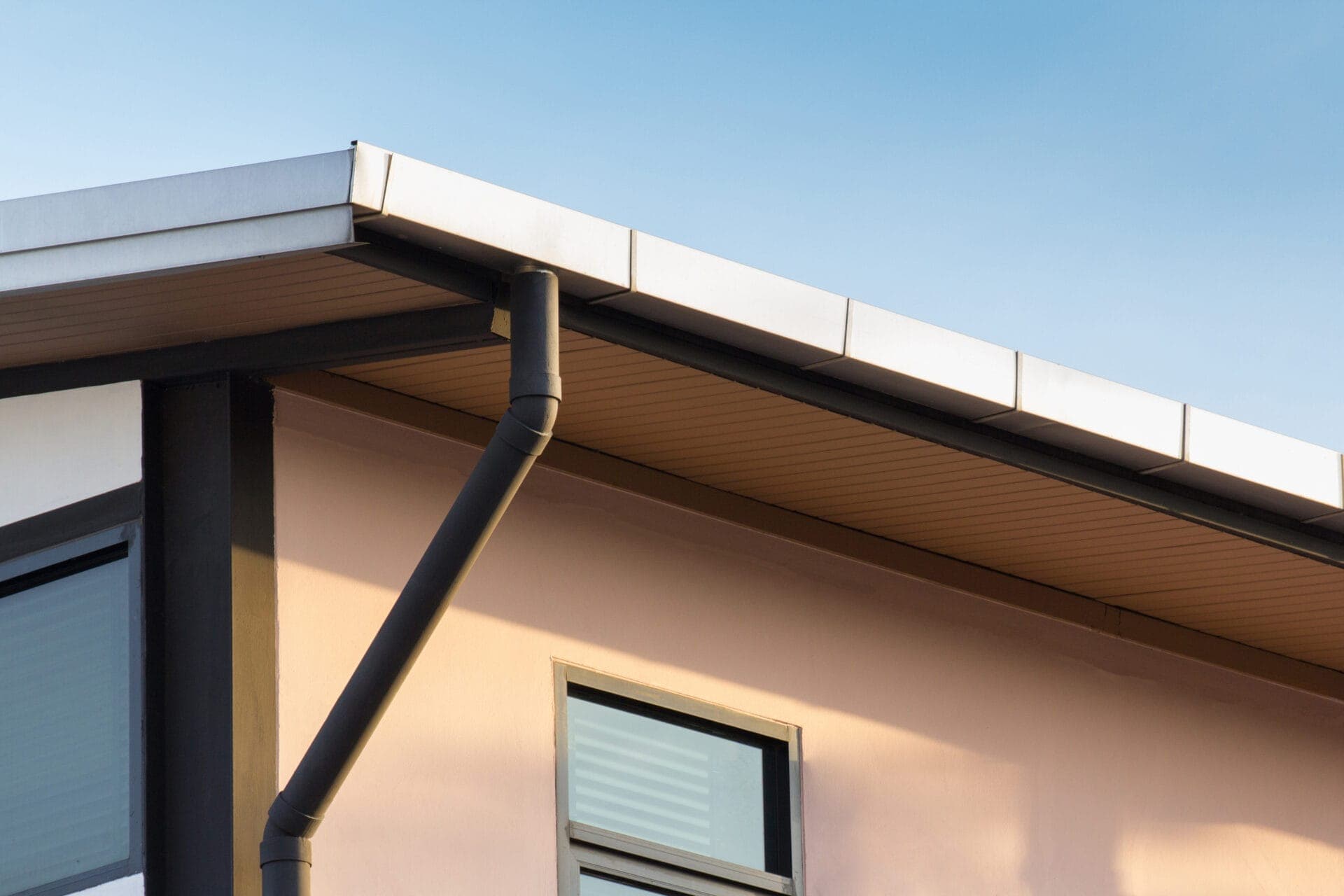
Box Gutter Solutions for Commercial Roofs in Central Florida
Complete guide to box gutter systems for commercial flat roofs in Central Florida. Types, materials, sizing for Florida rainfall, common problems, repair costs, and maintenance. Call (352) 605-0696.
Read ArticleReady When You Are
Get your free roof inspection today.
No-pressure, written estimate. Same-week scheduling across Hernando County. Call us now or request a visit online.