Roofing Services in Croom, FL | Hernando County Roofer
Protech Roofing Services delivers reliable roofing for rural homes and properties throughout the Croom area. Call (352) 605-0696 for a free estimate.
How Florida’s Climate Affects Roofs in the Croom Area
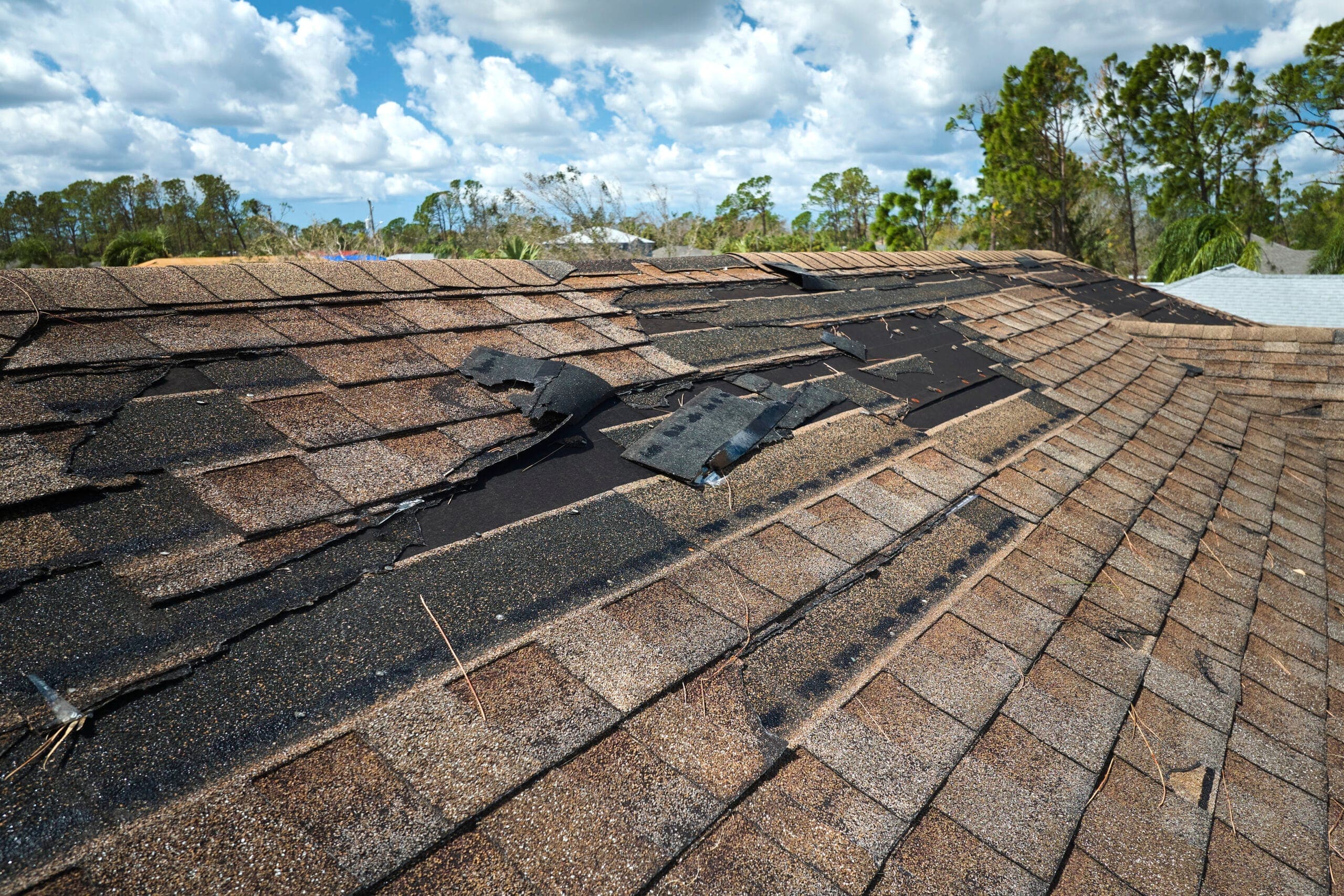
Homes in the Croom area face a full range of weather conditions that wear down roofing materials year after year. Roofing services in Croom, FL have to address the combined effects of extreme heat, heavy seasonal rainfall, high humidity, and the ever-present threat of tropical storms moving through Hernando County. Summer temperatures here routinely hit the low to mid-90s, and the surface temperature of your roof can climb well past 150 degrees on a cloudless afternoon. That kind of heat degrades asphalt shingles faster than most homeowners expect, baking out the volatile oils that keep the material flexible and causing granule loss that exposes the underlying mat to UV damage.
Croom’s inland position in eastern Hernando County provides some protection from the direct coastal storm surge that waterfront communities face. But wind and rain are a different story. Hurricane Helene in September 2024 pushed winds well over 120 mph near its center as it tracked up the coast just 90 miles offshore. Even inland areas experienced damaging gusts and extended periods of driving rain. Weeks later, Hurricane Milton dumped more than a foot of rain across parts of the region, pushing the Withlacoochee River to its highest level since the 1930s. The Croom area sits right along that river corridor, and the flooding that followed impacted properties throughout the area.
Beyond storms, the daily weather cycle here creates its own wear pattern. Afternoon thunderstorms from June through September bring heavy downpours, lightning, and occasional hail. The humidity rarely drops below 60 percent during summer months, which means roofing materials stay damp for extended periods. That moisture feeds algae and mold growth, weakens adhesive bonds, and accelerates the deterioration of wood components like fascia boards and roof decking. Regular inspections are the single best way to catch these issues before they become expensive repairs.
Why Croom Homeowners Trust Protech Roofing
Living in a rural community like Croom means you need a roofing company that actually shows up when they say they will. That might sound basic, but homeowners out here know the frustration of calling contractors who either won’t drive out to eastern Hernando County or who quote a job and then disappear. Protech Roofing serves the Croom area because we’re a local Hernando County company. We’re not driving in from Tampa or Orlando; we’re already here.
Our team understands rural properties. Many homes in the Croom area sit on larger lots, sometimes multiple acres, with long driveways, well water systems, and septic tanks. That affects how we plan a roofing project. We need to know where your septic field is before we position a dumpster. We need to account for longer material delivery runs and plan accordingly. And we understand that homes surrounded by the Withlacoochee State Forest have specific concerns about tree debris, overhanging branches, and fire risk that suburban properties don’t share.
We also believe in being straight with people. When we inspect your roof, we tell you exactly what we find, good and bad. If your roof has five more years of life in it, we’ll say so. If it needs replacing, we’ll explain why and show you the evidence. We don’t push unnecessary work, and we don’t use scare tactics. Homeowners in Croom appreciate that approach because they’ve seen the alternative, and it’s not pretty.
Metal Roofing Options for Croom Properties
Metal roofing makes a lot of sense for properties in the Croom area, and we’re seeing more and more homeowners make the switch. There are several reasons why metal is particularly well-suited to rural Hernando County properties, and they go beyond just durability.
First, longevity. A properly installed metal roof can last 50 to 70 years in Florida, compared to 15 to 25 years for a typical asphalt shingle roof. For homeowners who plan to stay on their Croom property for decades, and many do, that lifespan means you may only need one roof for the rest of your time in the home. The math works out in metal’s favor even though the upfront cost is higher. You pay more once instead of paying less two or three times over the same period.
Second, fire resistance. This is a big deal in Croom. The Withlacoochee State Forest surrounds the community, and Florida’s wildfire risk is real, especially during dry spring months. Metal roofing carries a Class A fire rating, which is the highest available. It won’t ignite from airborne embers or direct flame contact. For homes on wooded lots or adjacent to forest land, that fire resistance provides genuine peace of mind that asphalt shingles simply can’t match.
Third, wind performance. Standing seam metal roofs can handle wind speeds up to 140 mph or more, depending on the specific product and installation method. The panels interlock continuously, so there are no individual pieces that can be peeled off by uplift forces the way shingles or tiles can. During the 2024 hurricane season, metal roofs in Hernando County performed significantly better than shingle roofs in the same neighborhoods.
We install several types of metal roofing systems, including standing seam, corrugated panels, and metal shingle profiles that mimic the look of traditional materials. Each has different price points and aesthetic characteristics. Standing seam is the premium option with the best wind performance. Corrugated is more affordable and popular on agricultural buildings and workshops. Metal shingles give you a traditional roof appearance with metal’s durability. We’ll help you pick the right system for your Croom property based on your budget, your building, and your priorities.
Building Codes and Roofing Permits in Croom
Any roofing project in Croom that involves more than a minor repair requires a permit from Hernando County’s Building Division. That includes full roof replacements, re-roofing over an existing layer, and any structural modifications to the roof system. The permitting process exists to make sure the work meets the Florida Building Code, which is updated regularly to reflect lessons learned from hurricane damage and evolving construction science.
The current Florida Building Code (8th Edition, effective since December 31, 2023) sets specific requirements for roof deck attachment, wind uplift resistance, fastener type and spacing, and underlayment. For Hernando County, the design wind speed for residential structures falls in a range that requires careful attention to these details. Your roofer should know these specifications without having to look them up. If they don’t, that’s a red flag.
We handle the entire permit process for our Croom customers. We prepare the application, submit it to Hernando County, and schedule all required inspections during and after the project. Inspections typically include a check after the old roofing is removed and the deck is exposed (to verify deck condition and attachment), and a final inspection after the new roof is installed. The inspector confirms that materials, fasteners, and installation methods match what was specified on the permit.
Some homeowners in rural areas wonder whether permits really matter when their property is out in the country. They do. Beyond the legal requirement, permitted work creates a documented record that you’ll need when you sell the home, file an insurance claim, or deal with any warranty issue. Unpermitted roof work can void your insurance coverage, create title problems during a sale, and leave you personally liable if the installation fails. It’s not worth the risk.
What Makes Roofing in the Croom Area Unique
Croom isn’t a typical Florida subdivision. It’s a rural community with deep historical roots. The area was once a railroad town in the late 1800s and early 1900s, built around the Florida Southern Railroad (later the Atlantic Coast Line). Industries like logging, phosphate mining, and turpentine production supported a small but active community until the resources were exhausted and the town faded. Today, the Croom area is part of the Withlacoochee State Forest, and the residential properties here are mostly larger lots with a rural character that’s increasingly rare in central Florida.
That rural character affects roofing work in practical ways. Many Croom properties have outbuildings, barns, workshops, or covered equipment storage in addition to the main residence. We regularly work on these structures too, often with different materials than the house. A metal panel system that’s perfect for a barn or workshop might not be the best choice for the main home, or it might be exactly right. It depends on the property.
Tree coverage is another factor unique to this area. Properties in and around the Withlacoochee State Forest are often heavily wooded with mature oaks, pines, and cypress trees. Those trees provide shade that keeps homes cooler, but they also drop debris on the roof constantly. Pine needles accumulate in valleys and behind penetrations, holding moisture against the roof surface and creating conditions for biological growth and material breakdown. Overhanging branches rub against roofing materials during wind events and can cause abrasion damage or punctures. We recommend keeping branches trimmed back at least six feet from the roof edge, and we factor tree coverage into our material recommendations for every Croom project.
Access can also be a consideration. Some properties in the Croom area have narrow or unpaved driveways, limited turnaround space, or low-clearance entries that affect how materials and equipment get to the job site. We plan for these logistics before the project starts so there are no surprises on installation day.
Roof Repair vs. Full Replacement for Croom Homes
Knowing whether your roof needs a repair or a full replacement is one of the most important decisions you’ll make as a homeowner. Get it wrong in either direction and you’re wasting money. A premature replacement throws away years of remaining life. But dumping repair money into a roof that’s past its useful life is just delaying the inevitable while spending more in total than a replacement would have cost.
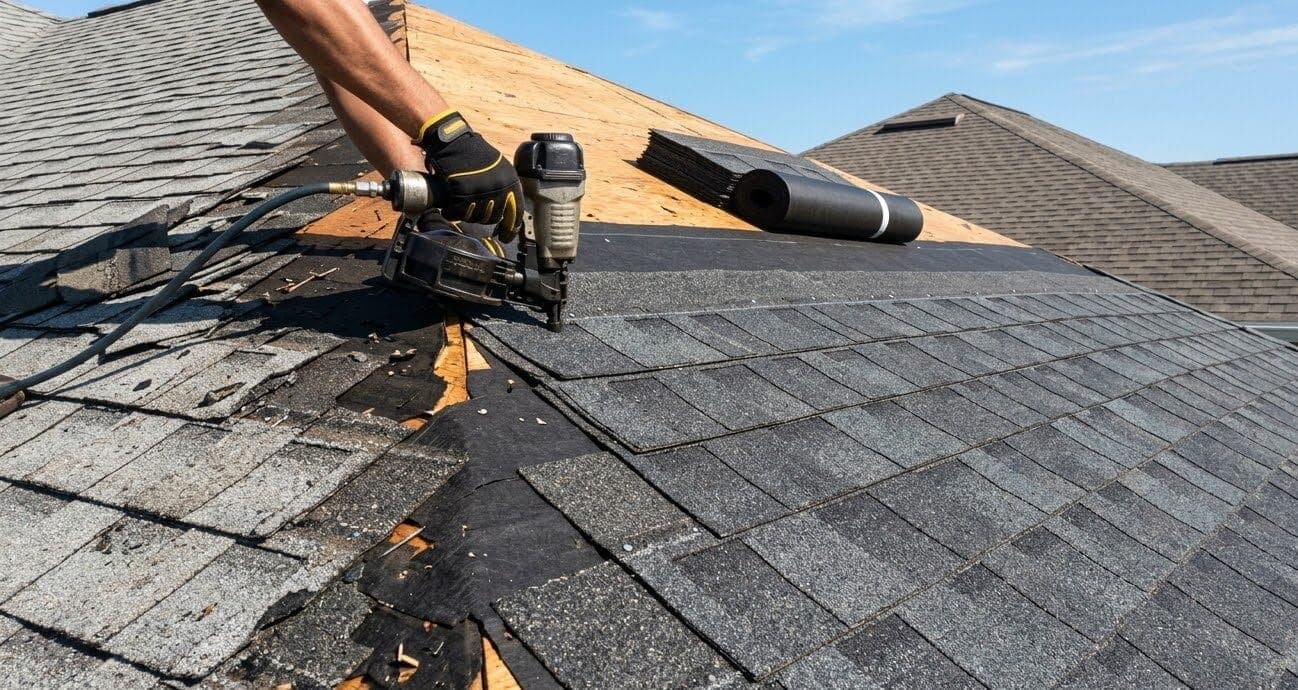
Here’s a simple framework we use with Croom homeowners. If the damage is limited to one area, the roof is less than 15 years old, and the rest of the system is in good shape, a targeted repair is almost always the right call. We fix the specific problem, verify the surrounding area is sound, and move on. These repairs might include replacing a section of damaged shingles, re-sealing a flashing point, swapping out a cracked plumbing boot, or patching a small area of damaged decking.
Replacement makes more sense when multiple areas of the roof are showing wear, when the roof is past 75 percent of its expected lifespan, or when the cost of accumulated repairs starts approaching the cost of a new roof. We also recommend replacement when we find evidence of widespread deck deterioration during an inspection. Soft spots in the decking, sagging between trusses, or visible water staining on the underside of the plywood from the attic all indicate systemic problems that spot repairs won’t solve.
There’s also a code consideration. Under the Florida Building Code, if you’re replacing more than 25 percent of the roof covering within a 12-month period, the entire roof must be brought up to current code standards. That rule exists to prevent homeowners from doing a series of partial replacements to avoid a full code-compliant installation. So if a large section of your roof is damaged and the rest is near the end of its life, doing a full replacement now may actually be required anyway. We explain all of this during the estimate so you understand your options and the reasoning behind our recommendation.
Related Roofing Services in Croom, FL
- Roofing Services in Hernando County, FL – County-wide roofing coverage.
- Total Roof Replacement Services – Learn about our full replacement process.
Frequently Asked Questions
Yes. We provide free roof inspections and written estimates for homeowners in Croom and throughout eastern Hernando County. Our inspector will evaluate your entire roofing system, take photos of any areas of concern, and sit down with you to explain what we found. The estimate includes a detailed breakdown of the recommended work, materials, and pricing. There’s no cost and no obligation. We believe you should have honest information about your roof’s condition before making any decisions. Call (352) 605-0696 to schedule your free inspection.
In most cases, yes. Hernando County requires a building permit for roof replacements, re-roofing projects, and any work that involves structural changes to the roof system. Minor repairs like replacing a few damaged shingles or re-sealing a flashing point generally don’t require a permit, but anything beyond that typically does. The permit process ensures the work meets the current Florida Building Code standards for wind resistance, deck attachment, and material specifications. Protech handles all permit applications and coordinates the required inspections with the Hernando County Building Division, so you don’t have to deal with the paperwork.
Start with licensing and insurance. Your roofer should hold an active Florida roofing contractor license, carry general liability insurance, and have workers’ compensation coverage for their crew. Verify the license through the Florida DBPR website. Beyond that, look for a company with experience on rural properties. Croom homes often sit on larger lots with septic systems, well water, outbuildings, and heavy tree coverage. A roofer who primarily works on subdivision homes may not be prepared for the logistics involved. Ask about their experience with metal roofing if that’s something you’re considering, and make sure they pull proper permits through Hernando County for every project.
We recommend a professional roof inspection at least once per year for homes in the Croom area, and ideally twice: once in the spring before hurricane season and once in the fall after storm season ends. Properties surrounded by the Withlacoochee State Forest should consider more frequent checks because tree debris, pine needle buildup, and branch contact can cause damage between inspections. Beyond your scheduled annual inspections, you should also have the roof checked after any significant storm event, including hurricanes, tropical storms, and severe thunderstorms with high winds or hail. Catching small problems early through regular inspections prevents them from becoming major repairs.
Roof lifespan in Florida depends heavily on the material. Standard three-tab asphalt shingles typically last 12 to 18 years in Florida’s heat and humidity. Architectural (dimensional) asphalt shingles perform better, averaging 20 to 25 years with proper installation and maintenance. Metal roofing, which is increasingly popular in the Croom area, can last 50 to 70 years. Standing seam metal in particular holds up exceptionally well against wind, heat, and moisture. Concrete tile roofs average 40 to 50 years, though individual tiles may need periodic replacement. These estimates assume professional installation to current Florida Building Code standards and regular maintenance. Skipping maintenance or installing materials incorrectly will shorten any roof’s lifespan significantly.