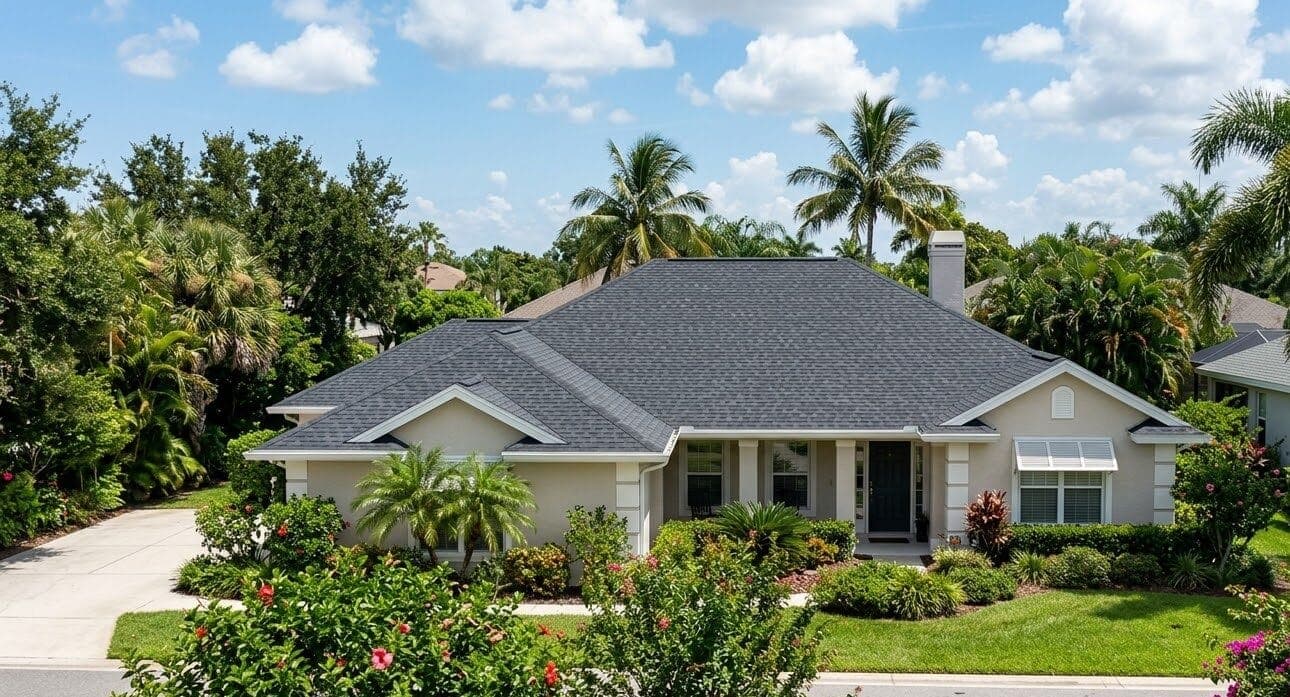
Hernando County, FL
Roofing in Spring Lake, FL
Roofing contractor serving Spring Lake, FL from Brooksville. Repair, replacement, inspection, storm damage, and Hernando County permits handled.
Call (352) 605-0696Spring Lake sits about eight miles from our front door
Spring Lake is a census designated place in Hernando County, located roughly eight miles (13 kilometers) southeast of Brooksville. Brooksville is the county seat, and it is also where Protech Roofing Services keeps its headquarters at 9035 Jayson Dr. That short distance matters more than it sounds on paper. A crew based in the same county works under the same building department, submits to the same inspectors, and does not have to treat your address as an outlying job squeezed in between two others. When a Spring Lake homeowner calls about water coming through a ceiling, the drive is a normal part of the working day.
Spring Lake is small. The 2020 census counted 465 residents spread across about 3.44 square miles of total area, which makes it one of the lower density communities in Hernando County. The 2010 census recorded 211 housing units, and the median age is 49.5 years. Those numbers are a head count and a land measurement, and that is all they are. They say nothing about the condition of any individual roof on any individual street, which is why we look at yours before offering an opinion on it. Most of what we do here is residential: repairs, full replacements, inspections, leak tracing, gutter work, and storm damage restoration.
Being unincorporated changes one very practical thing about your project. There is no Spring Lake city permit office. Every permit, every inspection, and every code question routes through Hernando County. If a contractor tells you they need to check with the city, they are describing a process that does not exist at this address. The county handles it, and the county is who we deal with on your behalf.
The Hernando County roofing permit is our job, not yours
In Hernando County, any replacement of a roof covering requires a permit. There is no version of a reroof that skips this step legally. Permits and contractor registration run through the Hernando County Building Department, which uses the Tyler EnerGov online portal for applications and inspection scheduling. Contractors have to be licensed by the State of Florida and registered with the county before they can pull anything. Those are not optional credentials, and asking to see them is a fair question to put to anyone who knocks on your door after a storm.
Protech pulls the permit for your project and conducts the final inspection process through to closure. That is included in the service rather than handed back to you as paperwork. It matters because the permit holder is the party responsible for requesting the final inspection, and Hernando County expects that request within ten business days after the work is finished. If an inspection comes back with a red tag, the reinspection has to be requested within seven business days. Homeowners who pull their own permit on a friend of a friend job are the ones who discover, sometimes years later at closing, that a permit was never closed out on their property.
The permit package also has to prove the products are legal for your address. Hernando County requires that roofing products carry either a Florida Product Approval or a Miami-Dade Notice of Acceptance, with a wind rating compatible with the wind speed for the specific job site. That is why the shingle, the underlayment, and the fastening pattern are not interchangeable choices. The approval documentation is tied to a tested assembly, and the assembly is what gets inspected.
The 25 percent rule decides whether a repair stays a repair
This is the rule that surprises the most homeowners in Hernando County, so it is worth explaining before you get a quote from anyone. If more than 25 percent of the total roof area is repaired or replaced within any twelve month period, the entire roof has to be brought up to the current Florida Building Code. It is not a per job threshold. It is a rolling twelve month count across everything done to that roof.
The practical effect is that spreading work out to avoid a replacement often does not work the way people hope. A homeowner patches one slope in March after wind damage, then patches a second area in September when a leak shows up, and the combined area crosses the line. At that point the code upgrade is triggered and the project changes shape entirely, usually with a larger bill than if the replacement had been planned from the start. Knowing the rule in advance turns a surprise into a decision you get to make.
When we inspect a roof in Spring Lake, we measure the damaged area against the total roof area and tell you where you stand relative to that 25 percent line before any work begins. Sometimes a targeted repair is clearly the right answer, and the roof has years left in it. Sometimes the honest answer is that you are buying a repair on a roof that will need replacing inside two seasons, and the money is better spent once. We would rather have that conversation on the driveway than after a tear off has already started.
Picking a roof system for a Spring Lake home
Asphalt shingles remain the most common residential choice in Central Florida, and for good reason. The installed cost is lower than the alternatives, the repair path is straightforward, and modern architectural shingles carry wind ratings that satisfy code when installed with the correct nailing pattern and underlayment. Details matter more than brand here. The nail placement, the number of nails per shingle, the starter course, and the ridge detail are what the nail off inspection looks at, and they are what determines whether the roof holds in a real wind event. See shingle roof installation for how we handle those details.
Metal is the other serious option, and it has gained ground across Hernando County. A properly installed standing seam or exposed fastener metal roof handles wind uplift well, sheds water fast during the summer downpours that define this part of Florida, and reflects heat instead of holding it. The tradeoff is a higher up front cost and a shorter list of contractors who install it correctly. Stone coated steel tile is a middle path that gives you the profile of a tile roof with the weight and wind behavior of steel. Both are covered on our metal roofing systems and stone coated steel tile pages.
Concrete and clay tile roofs show up throughout the region, and they usually fail at the underlayment long before the tile itself gives out. A tile roof can look intact from the street while water runs freely underneath it. Broken and slipped tiles are repairable, and we handle those through tile repairs, but a tile roof past a certain age often needs the tiles lifted, the underlayment replaced, and the tiles reset. For whole roof projects of any material, total roof replacement walks through the full scope.
Finding the leak before it finds your ceiling
A leak almost never enters where the stain appears. Water travels along decking, down rafters, and across the top of a ceiling before it finally drops through drywall. Chasing the stain is how people end up with three failed patches and a roof that still leaks. We start with an on site inspection and a thorough visual examination of the roof surface, then move into the attic where accessible, looking for daylight penetration, water staining on the decking, and moisture trapped in insulation.
When the visual pass is not conclusive, we bring instruments. Thermal imaging identifies temperature differences that mark where moisture is sitting inside the assembly. After the thermal scan narrows the suspect areas, we press a moisture meter directly against decking, insulation, and framing to get precise moisture content readings rather than a guess. That combination separates an active leak from an old stain that dried out two summers ago, which is a distinction that changes the entire repair scope.
If thermal imaging and moisture readings point to a general zone but the exact entry point is still unclear, we run a controlled water test. One technician sprays specific areas of the roof in a systematic pattern while a second technician monitors the attic from inside. That is how you confirm a penetration point instead of assuming one. The images from the inspection are saved as part of your permanent inspection record, which becomes useful later if the same area is ever questioned by an insurer or a buyer. Full detail lives on our leak detection and repair page.
Hurricane season runs June 1 through November 30
The Atlantic hurricane season officially runs from June 1 to November 30, with peak activity concentrated between the middle of August and the middle of October. That calendar governs everything about roof maintenance timing in Hernando County. The right moment to find a lifted shingle or a failing pipe boot is in the spring, when the repair is small and the schedule is open. The wrong moment is the week a storm is named, when every roofer in the county is booked and the supply chain tightens.
Hurricane Irma in 2017 is the clearest recent example of what a wind event does to this county. Irma caused wind damage and brought down trees and power lines across Hernando County, left roughly 37 percent of the county without electricity, and generated around 8.16 million dollars in total damages countywide. Those are county level figures rather than Spring Lake specific ones, but they describe the conditions a roof in this area has to be built for.
The 2024 season brought a different kind of problem. Hurricanes Helene and Milton drove historic flooding on the Withlacoochee River, which runs through the eastern side of Hernando County. The river gauge at Trilby reached its highest level since 1960, around 19.1 to 19.3 feet, according to official reports and local press coverage. Again, that is a county level event affecting the eastern portion of the county, and we are not going to tell you it happened at your specific address. What it does tell you is that rainfall totals in this region can be extraordinary, and a roof that merely sheds normal rain is not the same as a roof that holds through days of it.
Our recommendation is simple and does not change from year to year. Schedule a roof inspection before the season starts rather than after. A roof inspection evaluates the condition of the shingles or tiles, the integrity of the underlayment, the condition of flashing at every penetration point, the health of the decking, and whether the ventilation is actually working. Storm work itself, when it comes to that, runs through storm damage restoration and emergency roof repair.
Insurance claims, adjuster meetings, and wind mitigation
Storm claims are won or lost on documentation. Protech provides the inspection at no charge for storm damage assessments, because having an accurate picture of the damage from day one is what the rest of the claim rests on. We check shingles for wind lift and hail bruising, examine flashing around penetrations and valleys, assess soffit and fascia for wind damage, and look for signs of water intrusion in the attic space. Everything gets photographed and written up.
Many of our customers ask us to be present when the adjuster comes out, and we recommend it. When Protech meets the adjuster at your property, we walk through every area of concern documented in our inspection report so nothing gets missed during a visit that is often shorter than homeowners expect. An adjuster is looking at a lot of roofs that week. Having someone on your side who already knows where the damage is changes what ends up in the scope. Our insurance claims assistance page covers the process in more depth.
There is a step after the roof is finished that homeowners frequently skip. Once a replacement is complete, we recommend scheduling a wind mitigation inspection right away, because a new roof built to current Florida Building Code standards will typically qualify for the highest available credits on your homeowners policy. Those credits apply going forward on every renewal. Skipping the inspection means paying for protection you already bought and never claiming the discount for it.
My Safe Florida Home and what it actually requires
My Safe Florida Home is a state program administered by the Florida Department of Financial Services, not a Hernando County program and not something Protech controls. It offers a free wind mitigation inspection and matching grants of up to 10,000 dollars toward hurricane resistance improvements, including roof work. For an older Spring Lake home, it can meaningfully change the arithmetic on a replacement.
The eligibility rules are specific, and they disqualify a lot of applicants who assume they are covered:
- The property has to be a single family home.
- It has to be your primary residence.
- It has to have been built before 2008.
- The insured value has to be 700,000 dollars or less.
- The program is now restricted to low and moderate income households, defined as up to 120 percent of the county median income.
That last condition is recent and it is the one that catches people. A household that would have qualified under earlier versions of the program may not qualify now. We are happy to walk you through the requirements and point you at the state application, but the approval decision belongs to the state and we will not pretend otherwise. Details on how we work with approved projects are on our My Safe Florida Home page.
Everything else we handle in Spring Lake
Residential roofs are the bulk of the work here, but they are not all of it. We handle commercial buildings across Central Florida, including flat roof systems where our general recommendation is TPO for most applications and PVC for restaurants, chemical environments, or owners who want the longest available warranty term. On commercial work we handle the entire permitting and inspection process, prepare the complete permit documentation package for building department review, and provide written proposals that break out every cost component separately: tear off and disposal, deck repairs, insulation, membrane, flashings, drainage modifications, permits, and warranty. Building owners get access to manufacturer NDL warranty programs because we hold and maintain the certifications those manufacturers require. See commercial roofing and commercial flat roofing.
Water management around the roof is the other half of the equation, and in a rainfall pattern like this one it is not a minor detail. We design and install seamless gutter systems, present the design with a written estimate that breaks down every component, and recommend a professional gutter inspection at least once a year. Related services include gutter installation, gutter protection, and gutter cleaning. For roofs that are sound but aging, roof coating and regular roof maintenance extend service life, and new construction roofing covers builds from the deck up. Smaller jobs run through roof repair.
Spring Lake sits inside the same service area we cover from Brooksville, alongside Brooksville, Spring Hill, Timber Pines, Weeki Wachee, and Hernando Beach. Protech Roofing Services is rated 4.9 on Google, licensed by the State of Florida, and registered with Hernando County. If you have a leak, storm damage, or a roof you suspect is near the end of its service life, call (352) 605-0696 and we will schedule an inspection at your address.
Our Services
Some of the roofing services we offer in Roofing in Spring Lake
Roofing By Area
Roofing services near Roofing in Spring Lake
FAQ
Frequently Asked Questions
Do you serve Spring Lake?
+
Who issues the roofing permit for a Spring Lake home?
+
Can I repair just part of my roof, or does the whole roof have to be replaced?
+
What inspections does a reroof go through in Hernando County?
+
Will you help with my insurance claim after storm damage?
+
From the Blog
Stay informed about roofing in Florida.
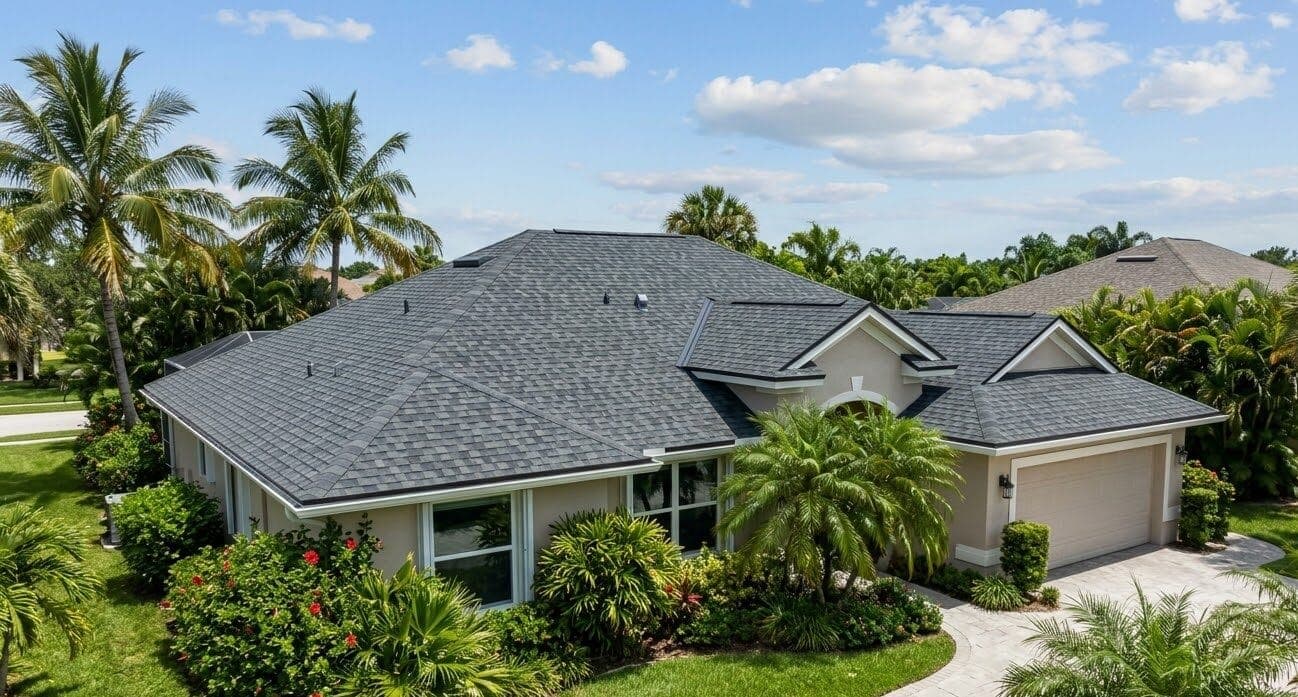
Polk County Roofing 2026: Lakeland, Winter Haven, Bartow
Most roofing guides treat a county as one market. Polk is not one market and it is not one permit office. Six cities run their own building departments, the county division covers only unincorporated land, and the address on your deed decides which portal your contractor files in, which fee schedule applies and how the inspections get scheduled. Add a housing stock with a median build year of 1992 and the fourth fastest population growth in the country, and Polk becomes the Central Florida county where the paperwork, not the shingle, is most likely to delay your roof.
Read Article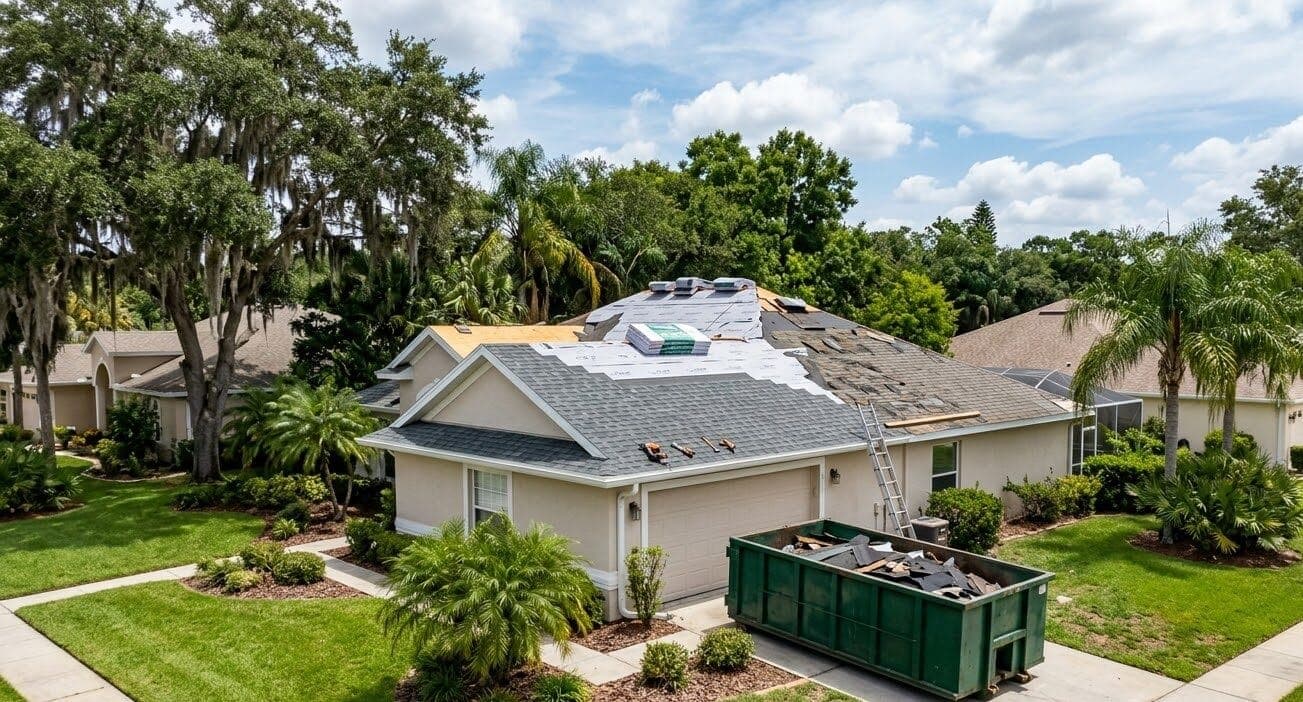
Roofing in Lakeland FL: Polk County Contractor Guide
Lakeland sits far enough inland that its roofs escape the two things that drive coastal prices up: the highest wind-speed requirements and constant salt air. This guide breaks down what a roof replacement really costs in Lakeland in 2026, why Polk County jobs commonly run $2 to $3 per square foot below comparable coastal work, the wind code that shapes your price, and how to pick a contractor.
Read Article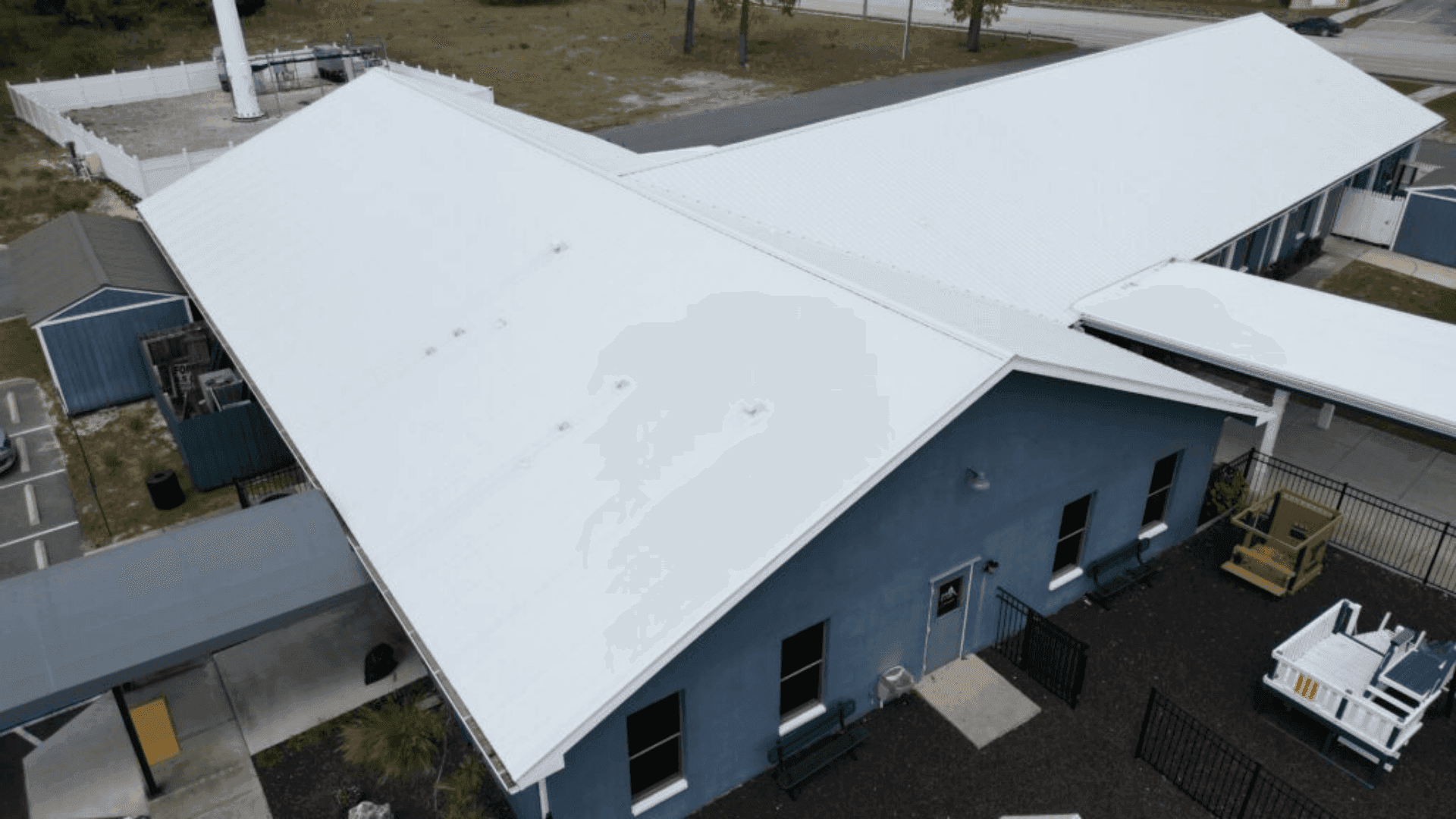
The Ultimate Guide to Roofing in Spring Hill, FL (2026)
Complete 2026 guide to roofing in Spring Hill, FL. Materials, costs, permits, contractors, and hurricane-ready options for Hernando County homeowners.
Read ArticleReady When You Are
Get your free roof inspection today.
No-pressure, written estimate. Same-week scheduling across Hernando County. Call us now or request a visit online.