Central Florida Roofing Service
Soffit Fascia Repair
Soffit and fascia repair in Central Florida: rotted fascia, sagging or blown-out soffit, animal entry. Rated 4.9 on Google. Call (352) 605-0696.
Call (352) 605-0696What Soffit and Fascia Actually Do on a Florida Home
Fascia is the long board along the edge of your roof, where the rafter tails end. Your gutters hang on it, and the roof's drip edge laps over it. Soffit is the panel under the overhang, the part you see when you stand in the driveway and look up at the eaves. Together they close the gap between the roof and the walls of the house.
That closed gap does three jobs. It keeps rain from blowing up under the roof deck. It keeps animals and insects out of the attic. And on most Central Florida homes, the soffit is where the attic takes in air. Vented soffit panels let cooler air in low, so hot, wet air can leave through vents up high. When soffit is blocked, crushed, or painted shut, the attic runs hotter and holds more moisture, and that moisture works on the underside of your roof deck all year.
So soffit and fascia are not trim in the cosmetic sense. They are the edge of the roof system, and when they fail, the problem rarely stays at the edge. Rotted fascia lets gutters pull away and dump water against the wall. Open soffit gives squirrels and rats a door into your attic. A section of soffit that blows out in a storm lets wind-driven rain fall onto insulation and ceiling drywall. That is why we treat this as roofing work, done by a roofing crew, and not as a paint job.
If you want the background on materials and why wood fascia breaks down so fast in this climate, our article on soffit and fascia repair in Florida covers it in depth. This page is for the homeowner who already sees a problem and wants it fixed: what we look for, what the options are, and how the job runs from the first visit to the finished eave.
Signs Your Soffit or Fascia Needs Repair
Most people spot soffit and fascia problems from the ground, usually by accident. These are worth a closer look:
- Paint that bubbles, peels, or flakes on the fascia, especially in the same spots every year. Paint failing in a line usually means water is getting behind it.
- Soft wood. If a screwdriver sinks into the fascia under light pressure, the board is rotting from the inside.
- Gutters that lean out, pull away, or drip behind themselves instead of carrying water to the downspout.
- Dark stains or streaks on the soffit, often right under a gutter seam or at the bottom of a roof valley.
- Soffit panels that sag, bow, or have dropped out of their channel.
- Gaps between the soffit and the fascia, or between the soffit and the wall.
- Chewed edges, holes, or nesting material sticking out of the eave, or scratching sounds in the attic around dawn and dusk.
- Wasps, bees, or birds going in and out of the same spot under the overhang.
- Water stains on a ceiling near an outside wall. Water that gets in at the eave can run along the top of the wall before it shows inside.
No single sign tells you how deep the damage goes. Peeling paint can be surface wear, or it can be the first visible sign of a rafter tail that has been wet for years. That is why we look behind the board before we write a scope. A repair priced from the ground is a guess, and guesses are how homeowners end up paying twice.
If you see staining on an inside ceiling as well as damage at the eave, tell us when you call. That combination changes how we inspect, because the source may be a roof leak above the fascia and not the fascia itself. In that case our leak detection and repair process comes first, so we fix the cause and not only the symptom.
Why Fascia Rots Here: Gutters, Drip Edge, and Humidity
Central Florida is hard on wood at the roof edge. Summer brings almost daily afternoon storms, and the air stays humid most of the year. Wood that gets wet and never fully dries is exactly what rot fungi need. On the homes we inspect, rot is rarely random. It shows up where water is concentrated, and finding that spot is most of the job.
Gutters that overflow or sit wrong
A gutter packed with oak leaves, pine needles, or spring pollen fills up in a downpour and spills over the back edge, right onto the fascia. Repeat that every afternoon in July and the board stays wet for weeks. Gutters pitched the wrong way do the same thing more slowly: water sits in the trough, finds the gap behind it, and soaks the wood. Fascia rot under a gutter is often a gutter problem first. Keeping them clear with regular gutter cleaning, or adding gutter protection, helps keep the rot from coming back after the repair.
Missing or short drip edge
The drip edge is the metal flashing at the edge of the roof that throws water past the fascia and into the gutter. On older roofs it is sometimes missing, bent, or too short to clear the gutter. Without it, water wicks back under the edge of the roofing and runs down the face of the board. When fascia is replaced, the drip edge has to be checked too, because new wood under the same flashing problem will rot the same way.
Valleys, kick-outs, and roof-to-wall corners
Where two roof planes meet in a valley, the water volume is highest, and the fascia at the bottom of that valley takes the hit. The same goes for spots where a lower roof meets a wall, like over a garage or a porch. If the flashing there has no kick-out to steer water into the gutter, it runs behind the gutter end and into the corner of the fascia. These corners are where we find the worst rot, and the rafter tail behind them has often softened too.
Sprinklers, shrubs, and shade
Irrigation heads that spray the eaves, shrubs grown up against the wall, and heavy shade from live oaks all keep the eave wet longer. None of these are roof defects, but they help explain why a board failed. When we see them, we will tell you, because a new board in the same spray pattern starts the clock over.
Wildlife in the Eaves: Squirrels, Rats, and Birds
In this part of Florida, soffit is one of the most common ways animals get into an attic. Squirrels chew through a soft corner of fascia or push up a loose soffit panel. Roof rats need very little room and will use the seam where the soffit meets the fascia. Birds and wasps build inside vented openings that have lost their screen. Once inside, animals tear up insulation, leave droppings, and chew on wiring.
The opening gets repaired, but order matters. If an animal is still living in the attic and the hole is closed, it will chew a new one or die inside the wall. If there are active signs, a licensed wildlife removal company should confirm the attic is clear first. Once it is, the damaged wood and panels are replaced and the gaps are closed so the eave is tight again.
Animal damage is also a clue. Squirrels go for wood that is already soft. If a corner has been chewed, the board behind it is often wet, so we check it for rot along with the hole. Patching only the hole on a rotted board rarely lasts, because the animal comes back to the same weak spot.
Hurricane Wind and Blown-Out Soffit Panels
After a named storm, soffit is one of the first things we find in yards. Vinyl and aluminum panels that were poorly fastened, or that sit in worn channels, can pop out when wind pressure builds under the overhang. Wood soffit with rot at the edges can tear loose in whole sections.
The panel on the lawn is the small part of the problem. An open eave lets wind-driven rain blow straight into the attic. It soaks the insulation over your exterior walls, runs onto the ceiling, and can show up days later as a stain or a sagging ceiling. In a storm, the soffit is part of what keeps water out of the house, not just what makes the eave look finished.
If you lost soffit or fascia in a storm, take photos before anything is moved, and cover the opening if you can do it safely from the ground. Then call us. Storm damage at the roof edge is often part of a larger claim, and it should be documented along with the rest of the roof. Our insurance claims assistance team provides storm damage inspections at no charge, and many homeowners ask us to be there when the adjuster comes, so the eave damage does not get overlooked.
When storm damage covers more than the eaves, our storm damage restoration page explains how we handle the roof as a whole. Soffit and fascia repairs fit into that same process.
Before hurricane season, walk around the house and look up. Any panel that moves when you press it with a broom handle, or any section that hangs lower than its neighbors, is worth fixing before the wind finds it.
Soffit Vents, Attic Heat, and Moisture
Not every soffit problem is visible damage. Some of the most expensive ones are vents that stopped working. Attic insulation is often pushed against the inside of the soffit, blocking the vents from above. Older solid soffit may have only a few small vents for a long eave. Vented panels get painted over during exterior repaints until the slots are sealed.
When the soffit cannot pull air in, the attic does not move air the way it was designed to. Heat builds up under the roof, and humid air sits against the underside of the deck. Over time that can show up as stained or delaminating decking, rusted nails, and mildew in the attic, all far from the eave where the problem started.
During a soffit and fascia job, we look at the eave from inside the attic if it is accessible, checking for blocked vents, wet insulation, and daylight where there should not be any. If the soffit is being replaced anyway, it is the right time to make sure the new panels actually let air through and that nothing on the attic side is blocking them. It costs far less to get airflow right while the eave is open than to come back for it later.
Repair, Replace a Section, or Redo the Whole Eave Line
There are a few honest answers to a soffit and fascia problem, and the right one depends on what is behind the board.
Spot repair
When rot or damage is limited to a short run, the bad section is cut out back to sound wood, replaced, and sealed and finished to match. Spot repair makes sense when the rest of the eave line is solid and the cause, usually a gutter or flashing issue, can be fixed at the same visit.
Replacing a full run
When one whole side of the house shows the same pattern, such as every board under a long gutter run, it is usually better to replace that full run than to patch it in five places. Patches on a board that is failing everywhere leave joints that open up and a line that never looks straight.
The whole eave line
Some homes still have original wood fascia and soffit that has reached the end of its life all the way around. In that case we will talk with you about replacing the full eave line. It is also the moment to look at the gutters, because they have to come down for fascia work anyway. If your gutters are old or undersized, pairing the job with new gutter installation saves taking them down twice.
When the roof is the real issue
If the decking at the edge is soft, the rafter tails are rotted, or the roofing above is worn out, fixing the fascia alone puts new wood under an old problem. We will show you photos of what we find. Sometimes the right call is a roof repair at the edge. Occasionally it is planning soffit and fascia work together with a roof replacement, so the new edge, drip edge, and roof go on as one system. We will not push a roof you do not need. On a roof with plenty of life left, a good fascia repair is the answer most of the time.
What moves the price
Nobody can give you a real number without seeing the house. What changes it: how many linear feet are damaged, whether the rafter tails behind the fascia need repair, the height and access (a two-story eave over a pool cage is a different job from a single-story garage), whether the gutters come down and go back up, whether animal damage needs extra sealing, and what finish has to match. You get a written estimate that breaks those pieces out, so you can see exactly what you are paying for.
How a Protech Soffit and Fascia Job Runs
- You call or send the form. Tell us what you see and where, plus anything inside the house such as ceiling stains or noises in the attic.
- Inspection. We look at the eaves from the ground and from a ladder, probe the fascia and the rafter tails behind it, and check the drip edge and gutters. If the attic is accessible, we check it for daylight, wet insulation, blocked vents, and signs of animals. We photograph what we find.
- Written scope. You get a written estimate listing what needs to be replaced and why, along with the cause we found. If the cause is a gutter or flashing problem, that is on the scope too, so the repair is not undone by the next storm.
- Permit, when one is required. If your city or county requires a permit for the work, Protech pulls it and handles the final inspection. It is part of the job, not something you have to chase.
- The repair. Gutters come down where needed, damaged wood is cut out, rafter tails are repaired if they are soft, new fascia and soffit go up, the drip edge is corrected, and the gutters are rehung.
- Walkthrough. We go over the finished eave with you and compare it against the photos from the inspection.
A word of caution when you compare quotes. Be wary of any proposal that covers soft, rotted wood with a new aluminum wrap and calls it fixed, or that closes up an eave over an attic where animals are still active. Both look fine on the day of the job. Both fail later, usually somewhere you cannot see until the damage is bigger. Ask every contractor what they will do about the cause, not just the board.
If you are not sure whether the eaves are the problem or only the place where a roof problem shows, a full roof inspection answers that before you spend anything on repairs.
Where We Work: Brooksville, The Villages Area, and Beyond
Protech runs soffit and fascia work from the same two offices as our roofing crews.
Brooksville headquarters, 9035 Jayson Dr, Brooksville, FL 34613, covers Hernando County: Spring Hill, Brooksville, Weeki Wachee, Hernando Beach, and down into Hudson. Call (352) 605-0696.
Summerfield office, 10935 SE 177th Place, Ste 404-M7, Summerfield, FL 34491, covers the area around The Villages. The Villages sits across three counties, so from this one office we serve Marion County (Summerfield, Belleview, and south Ocala), Sumter County (Wildwood), and Lake County (Lady Lake). Call (352) 320-0062.
Eave problems look a little different from house to house. Homes under heavy oak canopy tend to see more gutter overflow, wetter fascia, and more squirrel traffic. Homes with vinyl or aluminum soffit see fewer rot problems and more loose or blown-out panels after strong wind. Wood soffit and fascia that has been painted many times over can hide rot under a surface that looks fine from the driveway. We look for all three.
Beyond those two hubs, our crews also work in Citrus, Pasco, Hillsborough, Pinellas, and Polk counties, the same area our roofing work covers. If you are not sure you are in range, call the closest office and ask.
Protech Roofing is rated 4.9 on Google. If you want a crew to look at your eaves, call the office nearest you or request an inspection through our contact form, and tell us what you are seeing.
FAQ
Frequently Asked Questions
Can soffit and fascia be repaired without replacing the roof?
+
Is rotted fascia a sign that my roof is leaking?
+
Can you fix soffit that squirrels or rats chewed through?
+
Will homeowners insurance pay for soffit and fascia damage after a storm?
+
Who handles the permit if my soffit and fascia work needs one?
+
Roofing Knowledge
Articles and guides for homeowners
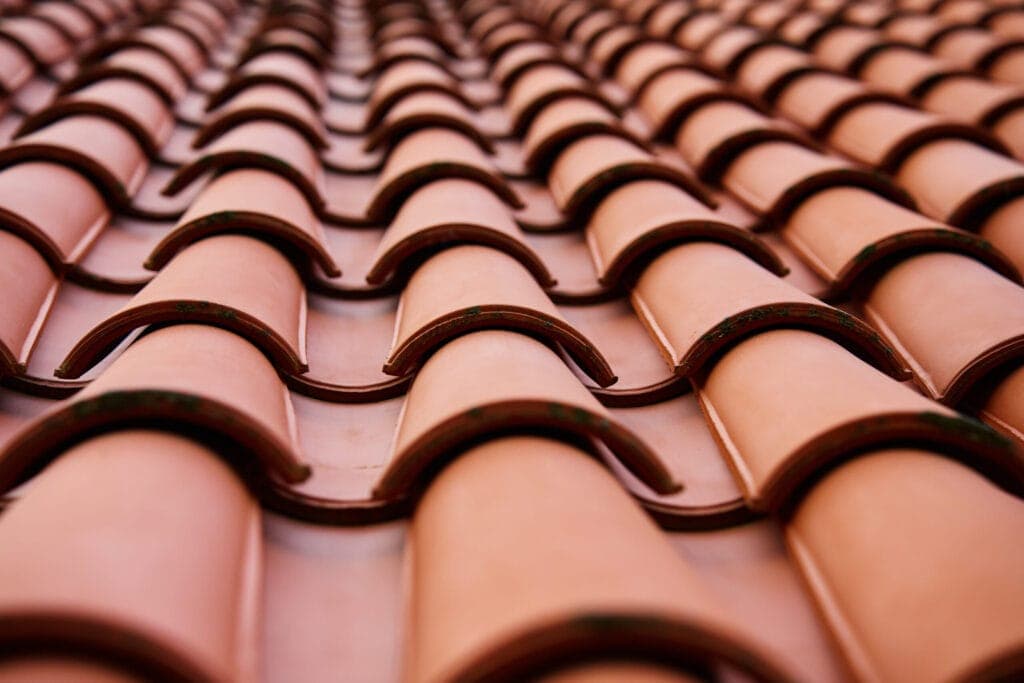
Florida Tile Roof Problems: Repair vs Re-Roof (2026)
Tile lasts for decades, the underlayment under it does not. Here are the tile roof problems Florida homeowners see most, what each repair costs in 2026, and how to tell when a repair is enough and when it is time to re-roof.
Read Article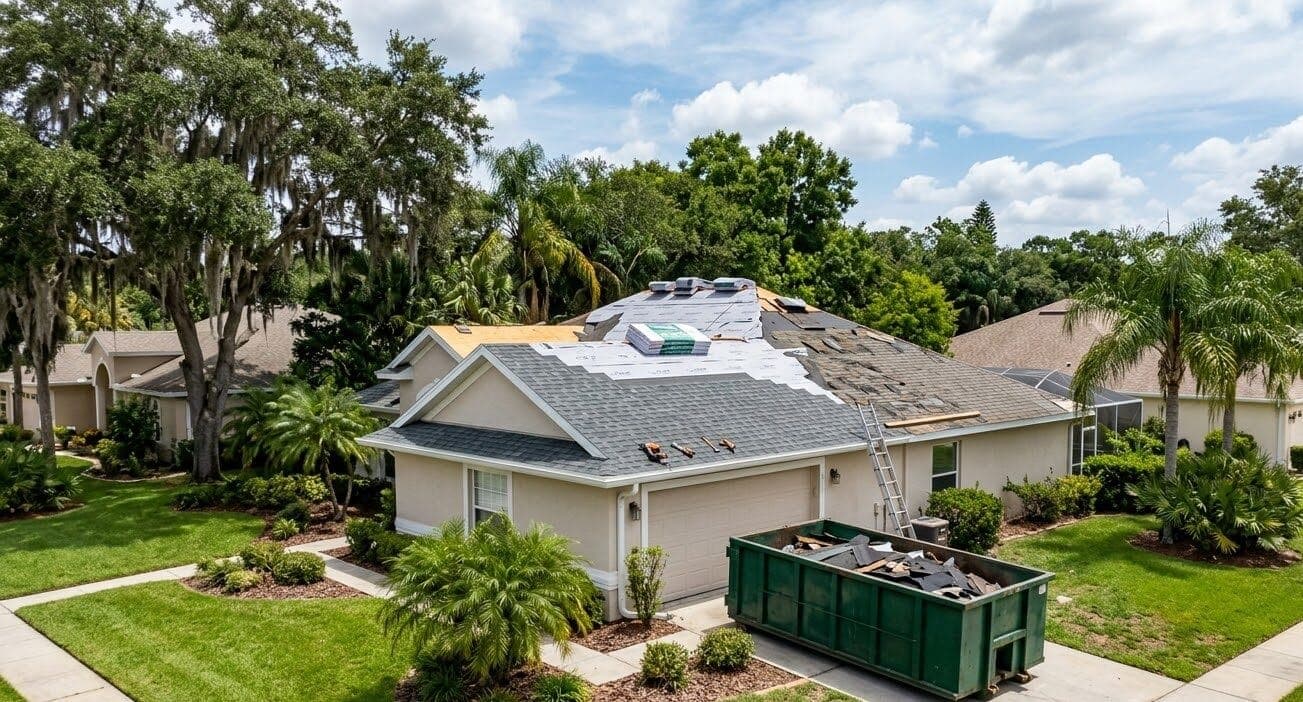
Skylights in Florida: Install, Leaks and Hurricane Ratings
A skylight is a deliberate hole in the one assembly built to keep water out. Florida code puts it through a 9 pound 2x4 at 34 mph and 9,000 pressure cycles. Here is what that means for specifying one, why they leak here, and what replacement runs in 2026.
Read Article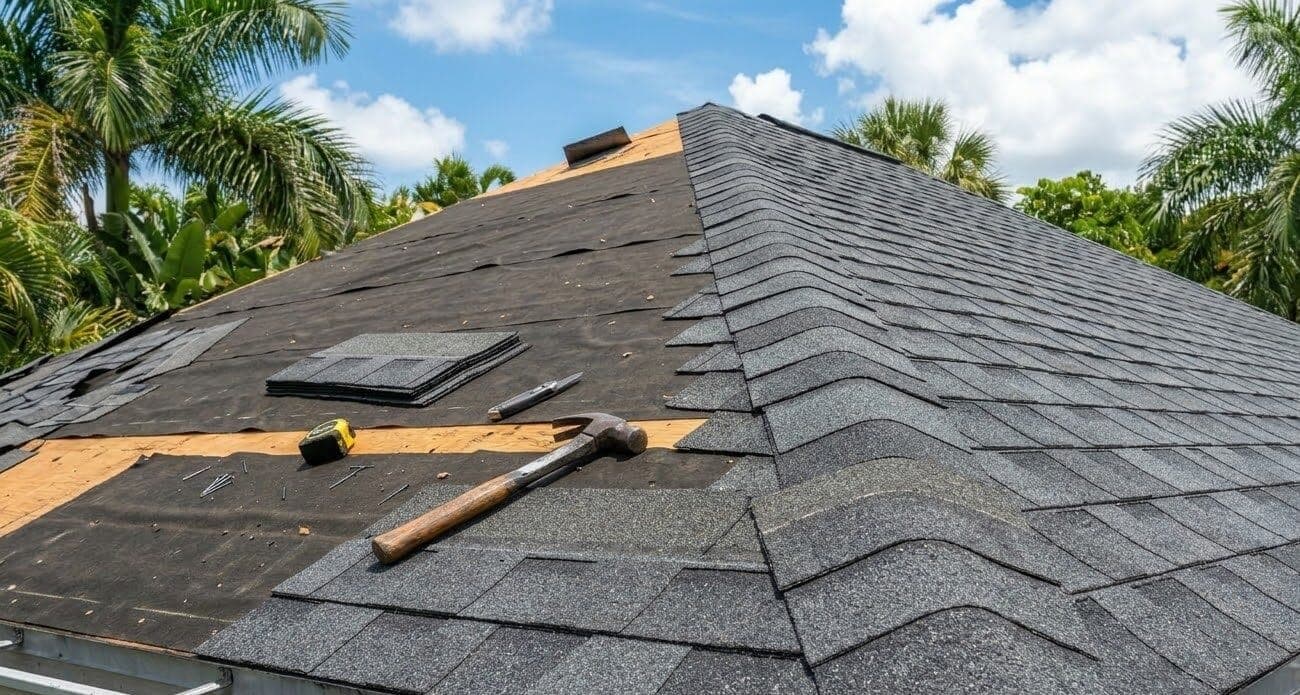
Soffit and Fascia Repair in Florida: Rot and Wind Failure
Soffit gets filed under trim until a panel is hanging down. University of Florida testing shows a 2 foot overhang fails 12 to 26 percent below its own rated pressure while a 1 foot overhang survives twice it. Here is what that means for your house, your corners and your fascia.
Read ArticleReady When You Are
Get your free roof inspection today.
No-pressure, written estimate. Same-week scheduling across Hernando County. Call us now or request a visit online.