Blog
Florida Tile Roof Problems: Cracked Tiles, Underlayment Failure and When Repair Beats Re-Roof
Call (352) 605-0696Tile is the roof Florida homeowners buy so they can stop worrying about the roof, and the tile itself often lasts 40 years or more. The problem is everything under and around it. Underlayment that ages out at 20 to 25 years, ridges and hips that loosen, flashings that rust and tiles that crack under foot cause most tile roof leaks in Florida. Here are the seven problems we see most, what each repair costs in 2026, how Florida's 25 percent rule and roof-age insurance law change the math, and how to tell when a repair is enough and when it is time to re-roof.
Tile Lasts for Decades. The Layer Under It Does Not.

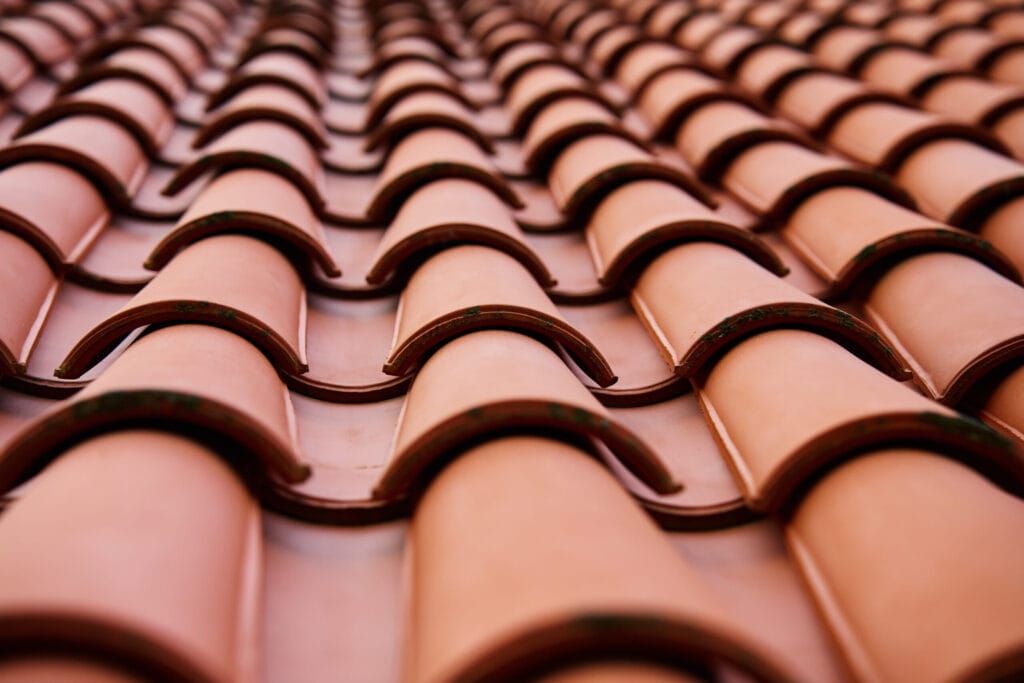
Tile is the roof Florida homeowners buy when they want to stop thinking about the roof. Concrete and clay tile shrug off sun, salt air and rot, and a well-made tile can outlive the mortgage. That reputation is earned, and it is also the reason so many tile roof problems go unnoticed until water shows up on a ceiling. The tile on top is rarely what fails first. The underlayment beneath it, the flashings at the walls and valleys, and the way each tile is attached are what decide how long the roof actually keeps water out.
This guide walks through the tile roof problems we see most often across Hernando, Pasco, Citrus and the rest of west central Florida, what each one means, what it costs to fix in 2026, and the honest answer to the question every tile roof owner eventually asks: can this be repaired, or is it time to re-roof?
The short version, for people who want it up front. A few cracked or slipped tiles on a roof under 15 years old is a repair. Repeated leaks in different spots on a roof 20 to 25 years old almost always point to tired underlayment, and the real choice there is between lifting and relaying the existing tile on new underlayment or replacing the whole system. Florida law and the building code add a few twists to that choice, and we cover them below.
How a Florida Tile Roof Actually Keeps Water Out
A tile roof is a two-layer system. The tiles are the first line of defense. They shed most of the rain, protect everything under them from UV, and take the beating from wind-driven debris. But tiles are not sealed to each other. Wind-driven rain gets under them in every storm, and it is designed to. The second layer, the underlayment, is the actual waterproofing. Water that gets past the tiles runs down the underlayment and out at the eave.
That design is why tile and underlayment age on completely different clocks. Concrete and clay tiles commonly last 40 to 60 years or more. The underlayment beneath them, in the Florida heat, typically lasts about 20 to 25 years before it dries, cracks and stops shedding the water the tiles let through. Our own field experience in this region puts many older felt systems at the low end of that range. When a tile roof leaks at age 20, the tiles usually look fine from the street. The failure is underneath, where nobody can see it.
Attachment matters as much as waterproofing. In Florida, tiles are installed to the FRSA/TRI Florida High Wind Concrete and Clay Roof Tile Installation Manual, now in its Seventh Edition, using mechanical fasteners, foam adhesive, or a combination, depending on the roof slope, the wind zone and the product approval. Older roofs may be set in mortar. Each method has its own way of failing, and it shapes what a repair looks like.
The 7 Most Common Tile Roof Problems in Florida
1. Cracked and broken tiles
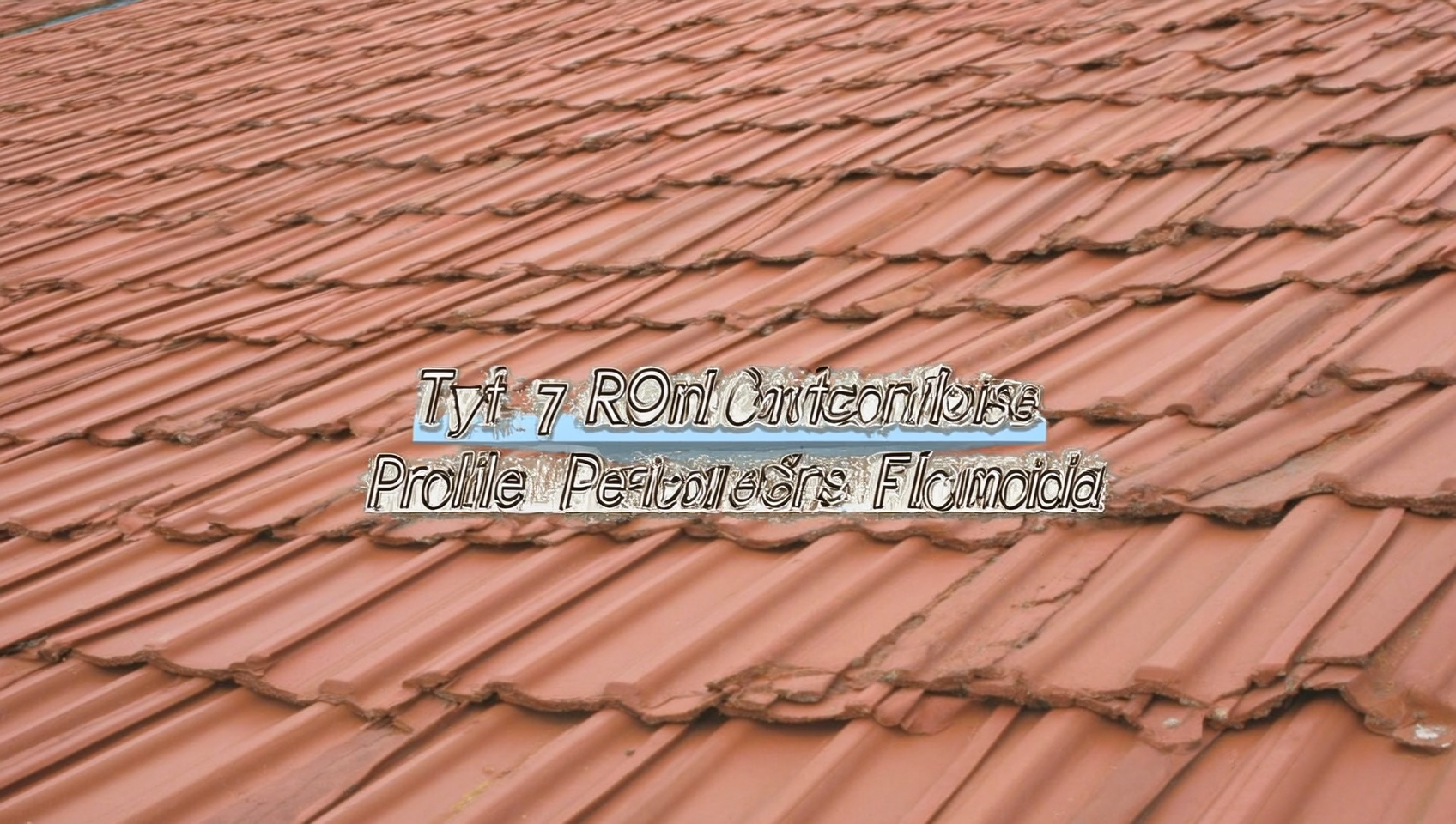
The single most common tile complaint, and usually the least serious on its own. Concrete tile is strong in compression but cracks when someone steps in the wrong place. Satellite installers, pressure washers, solar crews, HVAC techs and even well-meaning homeowners walking the roof after a storm cause a large share of the breakage we see. Falling limbs and hurricane debris do the rest.
One cracked tile is not a leak by itself, because the underlayment is still doing its job. The problem is time: a broken tile exposes the underlayment beneath it to direct sun, and UV cooks that small patch of underlayment much faster than the rest of the roof. Replace broken tiles promptly and the underlayment never pays for it.
2. Slipped or displaced tiles
Tiles that slide out of their course are a sign that the attachment has failed. On mortar-set roofs the mortar breaks down with age. On foam-set roofs, adhesive that was applied with too little contact area, or that has degraded, lets go. After a hurricane, a row of slipped tiles is also a classic sign of wind uplift. Slipped tiles open gaps that let far more water reach the underlayment than the system was designed for, and loose tiles become projectiles in the next storm. This is a repair that should not wait.
3. Underlayment failure
This is the big one, and the most expensive. Signs include leaks that appear in different spots in different storms, stains that grow on ceilings near exterior walls, rot visible at the fascia or the eave, and an attic that smells damp after rain. Pull a tile on a roof with tired felt underlayment and the felt often crumbles at a touch. Replacing tiles will not fix it. Patching the one spot that leaked this year will not fix it either, because the rest of the underlayment is the same age and will fail next.
4. Ridge and hip failure
Ridge and hip tiles sit at the most exposed part of the roof. On older roofs they are bedded in mortar, which cracks and washes out over the years. On newer roofs they may be set with foam or attached to a ridge board with fasteners. When ridge and hip attachment fails, the caps loosen, water gets in at the top of the roof, and the ridges are often the first tiles to come off in high wind. Rebuilding ridges and hips is one of the most common tile repairs we do.
5. Flashing and valley problems
Valleys carry the heaviest water flow on the roof, and the metal in them, along with the flashings where the roof meets walls, chimneys and skylights, often wears out before the tile does. Rusted valley metal, debris dams of leaves and pine needles, and counter-flashing that has pulled away from stucco are common leak sources that get blamed on the tile. Near the coast, corrosion speeds this up considerably, which is one reason the 2026 code tightens fastener corrosion rules within 3,000 feet of saltwater.
6. Mold, algae, efflorescence and pressure-washing damage
Black streaks and green growth are mostly cosmetic on tile, but they hold moisture against the surface and can speed up wear on concrete tile. White, chalky efflorescence on concrete tile is mineral salt coming to the surface and is not structural. The bigger risk is the cleaning. High-pressure washing strips the surface coating off concrete tile, drives water under the laps, and cracks tiles under foot. A soft wash with the right cleaner and a crew that knows where to step is the safe way to do it.
7. Hurricane and wind damage
Wind damage on tile shows up as missing tiles, slipped courses, broken tiles from flying debris, and lifted ridges and hips. Some of it is easy to see from the ground, much of it is not. If you have had a named storm come through, document what you can see from the ground, and get a professional inspection before walking the roof. If there is visible damage, the deadline for filing a claim matters, and our insurance claims assistance team can help you document it properly.
What Tile Roof Repairs Cost in Florida in 2026
Tile repair prices vary with tile profile, tile availability and roof access, but these are the ranges homeowners should expect in 2026. Matching discontinued tile is often the hardest part of the job, and it is why we always suggest keeping a few spare tiles from the original install.
| Repair | Typical 2026 range | What drives the price |
|---|---|---|
| Replace a few cracked or broken tiles | A few hundred dollars for a small repair | Tile availability, matching, roof access, any underlayment patch underneath |
| Reset slipped tiles and re-secure a section | Several hundred to a few thousand dollars | How many courses slipped, whether the attachment method has to change |
| Rebuild ridges and hips | Varies with linear feet of ridge and hip | Mortar vs foam vs mechanical attachment, ridge vent, tile replacement |
| Replace valley metal and flashings | Varies with the length of valley and number of walls | Tiles that must be lifted and reset, stucco work at wall flashings |
| Lift and relay: new underlayment, reuse tile | About $600 to $1,170 per square, roughly $18,000 to $35,000 on a 2,500 sq ft home | Tile breakage during removal, deck repair, new flashings, permit |
| Full concrete tile re-roof | About $11 to $16 per sq ft installed in Florida | Tile profile, deck repairs, underlayment system, permit and wind design |
The lift-and-relay range comes from 2026 Florida pricing published by roofing cost sources and matches what we see on typical homes. It generally runs around 40 to 60 percent of a full replacement because the existing tile goes back on. Concrete tile replacement figures come from 2026 Florida installer pricing, and clay tile runs higher. For a full breakdown by material, see our Florida roof replacement cost guide.
Repair vs Re-Roof: How to Decide
The decision comes down to three questions. How old is the underlayment? How much of the roof is affected? And what will your insurer and the building code require once work starts?
- Repair makes sense when: the roof is under about 15 years old, the problem is localized to a few tiles, a ridge or a flashing, and the underlayment you can see under lifted tiles is still flexible and intact.
- Lift and relay makes sense when: the tile is in good shape and still available for matching, but the underlayment is at or past 20 years and leaks are showing up in more than one place. You keep the tile you paid for and get a new waterproofing layer under it.
- Full re-roof makes sense when: the tile itself is deteriorating, the profile is discontinued and breakage during removal would leave you short, the deck has widespread rot, or you want to change material.
- Get a second opinion when: someone recommends a full replacement on a tile roof under 15 years old with no storm damage. That is unusual and deserves a closer look.
A real inspection pulls tiles in several areas to look at the underlayment, checks the attic for staining and daylight, and looks hard at valleys, walls and penetrations. A drone flyover alone cannot tell you what condition the underlayment is in. Our roof inspection service includes pulling tiles where it matters, and we will put the condition of each component in writing.
Florida Rules That Change the Repair Decision
The 25 percent rule and the 2007 code exception
Florida Building Code Section R908.1.1 for residential roofs says that when more than 25 percent of a roof section is repaired, replaced or recovered within a 12-month period, the entire roof section has to be brought up to current code. In 2022, the Legislature added Section 553.844(5) to Florida Statutes. If the existing roof section was built, repaired or replaced in compliance with the 2007 Florida Building Code or later, only the portion being repaired has to meet the current code, even if it is more than 25 percent. The 2007 code took effect on March 1, 2009, so roofs installed after that date are generally eligible for the exception. A tile roof installed in 2004 is not. If your roof predates 2009, a large storm repair can turn into a full replacement whether you planned for one or not.
Roof age and your insurance
Under Florida Statute 627.7011, an insurer cannot refuse to write or renew a homeowners policy solely because the roof is less than 15 years old. Once a roof reaches 15 years, the insurer can require an inspection at your expense, and if that inspection shows at least five years of remaining useful life, the insurer cannot refuse coverage based on age alone. Tile roofs generally have an easier time on this than shingle roofs, but a tile roof with failing underlayment can still fail the remaining-life test. A 4-point inspection or a wind mitigation report will surface underlayment and attachment problems, so it pays to know your roof condition before the insurer asks.
The 9th Edition Florida Building Code
The 9th Edition of the Florida Building Code takes effect December 31, 2026. For tile, it keeps the Seventh Edition FRSA/TRI manual as the installation reference, makes drip edge mandatory on steep-slope roofs, requires tile underlayment uplift resistance to be tested to FM 4474 or UL 1897, and requires tile fasteners to penetrate through the sheathing or at least 3/4 inch into it. Coastal homes see tighter corrosion requirements for nails and screws. None of this forces you to replace a sound roof. It does mean a re-roof permitted after December 31 will be built to the newer rules.
How to Make a Florida Tile Roof Last Longer
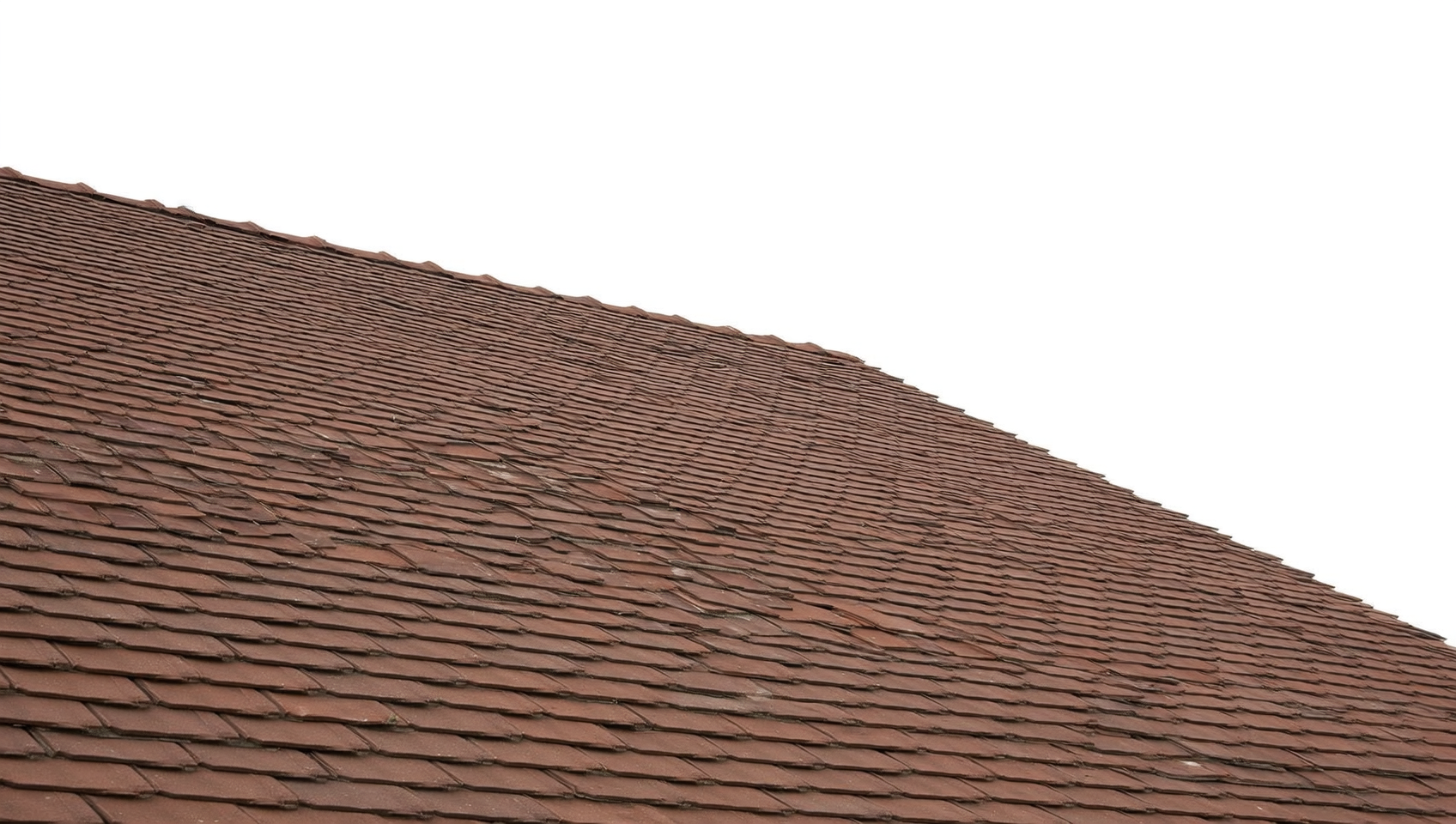
- Keep people off it. Most broken tile is caused by foot traffic. Ask any contractor who needs roof access, from solar to satellite, whether they know how to walk tile, and have damaged tiles replaced before they leave.
- Clean valleys and gutters. Leaves and pine needles in valleys back water up under the tile. Clear them at least once a year, and after storms.
- Soft wash, never pressure wash. Low-pressure cleaning protects the tile surface coating and keeps water from being forced under the laps.
- Replace broken tiles quickly. A broken tile left in place for years exposes the underlayment to UV and shortens its life.
- Plan for the underlayment. Budget for an underlayment replacement around year 20 to 25 instead of being surprised by it. A planned lift and relay costs less than emergency repairs plus interior damage.
- Inspect after every named storm. Slipped tiles and lifted ridges are easy to miss and get worse in the next storm.
Get an Honest Answer on Your Tile Roof
Protech Roofing repairs, relays and replaces tile roofs across Hernando, Pasco, Citrus, Marion, Sumter, Pinellas and Hillsborough counties under Florida license CCC1335878. We will tell you whether your problem is a few tiles, a ridge, a flashing or the underlayment, and we will put the options and prices side by side in writing. Most tile problems are a tile repair, not a new roof, and we will say so when that is the case. When the underlayment is done, our roof replacement team can quote both a lift and relay and a full replacement so you can compare.
Call (352) 605-0696 or get in touch to schedule an inspection. Tile roof owners in Spring Hill and Brooksville can usually be seen within the week.
FAQ
Frequently Asked Questions
How long does a tile roof last in Florida?
+
Can you replace just the underlayment on a tile roof?
+
Is a cracked roof tile an emergency?
+
Does the 25 percent rule apply to tile roofs in Florida?
+
Why does my tile roof leak when no tiles are broken?
+
Can I pressure wash my tile roof?
+
Related Articles
More guides for Florida homeowners
Best Shingles for Florida: Impact-Rated Class 4 Guide
The best shingle for a Florida home is usually a Class H architectural shingle installed as a full system. Here is how 3-tab, architectural and Class 4 impact-resistant shingles compare on cost, wind, insurance and lifespan.
Read Article
Metal Roof Cost in Florida 2026: Per-Sqft Guide
Metal roofs in Florida run about $8 to $23 per square foot installed, depending on the system. Here is what standing seam, stone coated steel and exposed fastener panels cost, what a typical home pays and how to compare quotes.
Read Article
Roofing Warranties in Florida: What Voids Them
A new Florida roof usually carries two warranties: one from the manufacturer for the product and one from the contractor for the installation. Here is what each covers, what quietly voids them and how to keep your coverage.
Read ArticleReady When You Are
Get your free roof inspection today.
No-pressure, written estimate. Same-week scheduling across Hernando County. Call us now or request a visit online.