Blog
Black Streaks on Your Florida Roof: Algae, Safe Soft Washing and Why Not to Pressure Wash
Call (352) 605-0696Black streaks on a Florida roof are almost always algae, most often Gloeocapsa magma, and on a sound shingle roof they are mainly cosmetic. They can be lightened with a low pressure soft wash using a diluted bleach solution, but pressure washing strips the granules and should never be used. Here is what causes the streaks, how to clean them safely and how to keep them from coming back.
Those Black Streaks on Your Roof Are Almost Always Algae
Drive through any Spring Hill or Brooksville neighborhood and you will see it: dark streaks running down the north side of shingle roofs, starting near the ridge and spreading toward the gutters. Homeowners often assume it is mold, soot, dirt from the trees or a sign that the roof is failing. In most cases it is none of those. It is algae.
The Asphalt Roofing Manufacturers Association (ARMA), the trade group for shingle makers, identifies Gloeocapsa magma as probably the most prevalent of several algae species behind roof discoloration. The spores travel through the air, settle on roofs and other outdoor surfaces, and grow where moisture and warmth last long enough. ARMA notes the problem is most common in the Gulf States and along the Eastern Seaboard, which puts Florida squarely in the middle of it.
This guide explains what the streaks are, what they do and do not do to your roof, the cleaning method shingle manufacturers actually accept, why pressure washing is the wrong tool, how to keep the streaks from coming back and when a streaked roof is really telling you something else.
Why Florida Roofs Streak So Badly
Algae needs three things: moisture, warmth and time. A Florida roof supplies all three for most of the year. Humidity stays high, summer afternoon storms soak the roof almost daily from late May into October, and nights are warm enough that dew sits on the shingles well into the morning. The north and shaded sides of the roof dry last, which is why the streaks almost always start there.
The streak pattern itself comes from water. Rain carries the algae colony and its pigment down the slope, so the dark lines follow the path water takes from the ridge to the eaves. Overhanging live oaks and pines make it worse by shading the roof and dropping leaf litter that holds moisture against the surface, a pattern we see constantly in older Hernando and Citrus County neighborhoods.
Light colored roofs show it most. ARMA points out that algae pigments can slowly darken a light roof, so a white or light gray shingle chosen to stay cool in the Florida sun is also the one that shows streaks first. A dark roof has the same algae; you just notice it later.
Is Roof Algae Harmful or Just Ugly?

On a sound asphalt shingle roof, algae streaks are mainly a cosmetic problem. They do not punch holes in the shingle, and a streaked roof does not leak because of the streaks. That said, "cosmetic" still costs something in Florida:
- Heat: a darkened roof absorbs more sunlight than the clean surface it covers. That matters most on light colored roofs bought specifically for their reflectance, which our guide to the best roof colors for Florida heat covers in detail.
- Moisture: the colony holds water against the shingle surface longer after each rain, which is one more reason the shaded side of a Florida roof ages faster than the sunny side.
- Curb appeal and resale: buyers and their inspectors read a streaked roof as an old roof, even when it is not.
- Insurance perception: insurers increasingly review aerial images. A heavily stained roof can look worse in a photo than it is up close, which is one reason we suggest keeping it clean in our article on roof insurance non-renewal in Florida.
Moss and lichen are a different story. They grow thicker, root between shingles, lift edges and trap water, and they need attention sooner. True moss is less common on Central Florida shingle roofs than algae, but it shows up in heavily shaded spots and on older roofs.
Black Streaks That Are Not Algae
Before you clean anything, make sure algae is what you are looking at. A few other problems can look similar from the driveway:
- Granule loss: when the protective mineral granules wear off, the black asphalt underneath shows through. This looks like dark patches rather than vertical streaks, and you will usually find granules in the gutters and at the bottom of downspouts. Granule loss is aging, not staining, and washing will not fix it.
- Rust streaks: orange to brown lines below painted steel vents, flashing or old satellite mounts. The fix is replacing the rusting part, not cleaning the shingles.
- Soot and debris: localized dark spots near a chimney, a fire pit or under trees. ARMA itself notes that tree droppings and similar marks are usually localized rather than streaked.
- Water staining from a problem: dark areas around a valley, a pipe boot or a low spot can mean water is sitting where it should be shedding.
If you are not sure which one you have, a professional roof inspection answers it in one visit and checks the things you cannot see from the ground, like lifted tabs, cracked pipe boots and soft decking.
How to Remove Black Streaks: The Soft Wash Method
The cleaning method ARMA describes is gentle by design. It uses a diluted solution of liquid household bleach (sodium hypochlorite) and water, applied at low pressure, not scrubbed. ARMA does not publish a single mixing ratio and says directions vary among shingle manufacturers, so the first step is to check the cleaning instructions from the maker of your shingles. Using other chemicals or methods without the manufacturer's approval can create a warranty problem.
In practice, a proper soft wash looks like this:
- Protect the landscape: wet down plants, grass and shrubs around the house before and after, and rinse anything the runoff touches. Bleach runoff can burn foliage.
- Apply gently: spray the solution onto the stained areas at low pressure, working from the bottom of the slope up, without brushes or brooms.
- Let it dwell, then rinse: leave the solution on for a short dwell time and rinse with a gentle, low pressure flow of clean water, following the shingle manufacturer's instructions.
- Protect yourself: eye protection and rubber gloves at a minimum, because the solution is caustic.
- Expect it to come back: ARMA is clear that the effect of cleaning is only temporary and the discoloration will likely return, because the spores are still in the air.
A note on safety: a wet roof coated in cleaning solution is slippery, and ARMA recommends that only trained professionals work on roofs. If the roof is steep, two stories or has no safe access, hire it out.
Why You Should Never Pressure Wash a Shingle Roof

ARMA warns that high pressure washing is likely to damage asphalt roofing and should not be used to clean algae. The reason is the granules. Those ceramic coated mineral granules on the surface of every shingle protect the asphalt from UV and give the shingle its color. A pressure washer strips them off in seconds, and once they are gone they do not come back. The result is a clean looking roof that has just lost years of life.
High pressure water can also be driven under the shingle laps and past the sealant strips, straight toward the underlayment and deck. On tile roofs it strips the surface coating from concrete tile and cracks tiles under foot, which our article on tile roof problems in Florida covers. And damage from pressure washing is not a manufacturing defect, so it is not covered by the shingle warranty, a point we explain in our guide to roofing warranties in Florida.
If a cleaning company quotes you a pressure wash for a shingle roof, ask what pressure they use and whether they follow the shingle maker's instructions. The right answer is low pressure and a cleaning solution, not a turbo nozzle.
How to Keep the Streaks From Coming Back
Cleaning resets the clock. Prevention slows it down. These are the options that work on Florida roofs:
- Trim the trees: more sun and airflow on the roof means it dries faster after rain and dew. Cutting back branches that overhang the roof also cuts leaf litter, which helps the gutters too.
- Keep debris off: leaves and pine needles in valleys and behind chimneys hold moisture and feed growth. A clear roof and clean gutters shed water faster.
- Zinc or copper strips: metal strips installed near the ridge release a small amount of metal into the rainwater that runs down the roof, which discourages algae below them. They work best on the area directly downslope and lose effect farther away.
- Algae resistant shingles: ARMA notes that algae resistant products are designed to resist growth for extended periods. Most major shingle lines now include granules treated with copper or zinc, and many come with a separate algae warranty. If your roof is due for replacement anyway, this is the most effective long term fix.
- Regular inspections: a scheduled look at the roof catches debris build up, early growth and the problems hiding behind the stains. Our roof maintenance program and the Florida roof maintenance schedule lay out what to check and when.
When the Streaks Mean It Is Time for a New Roof
Algae alone is never a reason to replace a roof. But streaks often show up on roofs that are near the end of their life for other reasons, and the stain draws attention to the age of the roof. If you see streaks along with any of these, have the whole roof evaluated:
- Granules piling up: in the gutters or at the downspouts.
- Curling, cupping or cracked shingles: especially on the south and west faces that take the most sun.
- Missing or lifted tabs: after a storm, which also creates entry points for water.
- Interior signs: water stains on ceilings or a musty attic, which can mean a leak behind the stain.
- Age: an asphalt shingle roof past about 15 to 20 years in Florida conditions, the range we explain in how long a roof lasts in Florida.
When replacement makes sense, choosing an algae resistant shingle solves the streak problem for the life of the new roof. Our shingle roof installation crews install algae resistant architectural shingles from major manufacturers, and metal roofing systems are another option for homeowners who want a roof that does not feed algae at all. For a full tear off, see our roof replacement service.
Get a Straight Answer About Your Roof
Black streaks are usually algae and usually cosmetic, but the only way to know for sure is to look at the roof up close. If you are seeing streaks, granules in the gutters or stains inside, an inspection tells you whether you are dealing with a cleaning job, a repair or a roof that is ready to be replaced.
Protech Roofing (license CCC1335878) inspects, repairs and replaces roofs across Hernando County and nearby communities, including homes in Spring Hill and Brooksville. Call (352) 605-0696 to schedule an inspection.
FAQ
Frequently Asked Questions
What causes black streaks on roofs in Florida?
+
Do black algae streaks damage a shingle roof?
+
Can I pressure wash black streaks off my roof?
+
How long does a roof soft wash last in Florida?
+
Do algae resistant shingles really work?
+
Are black streaks a sign I need a new roof?
+
Related Articles
More guides for Florida homeowners
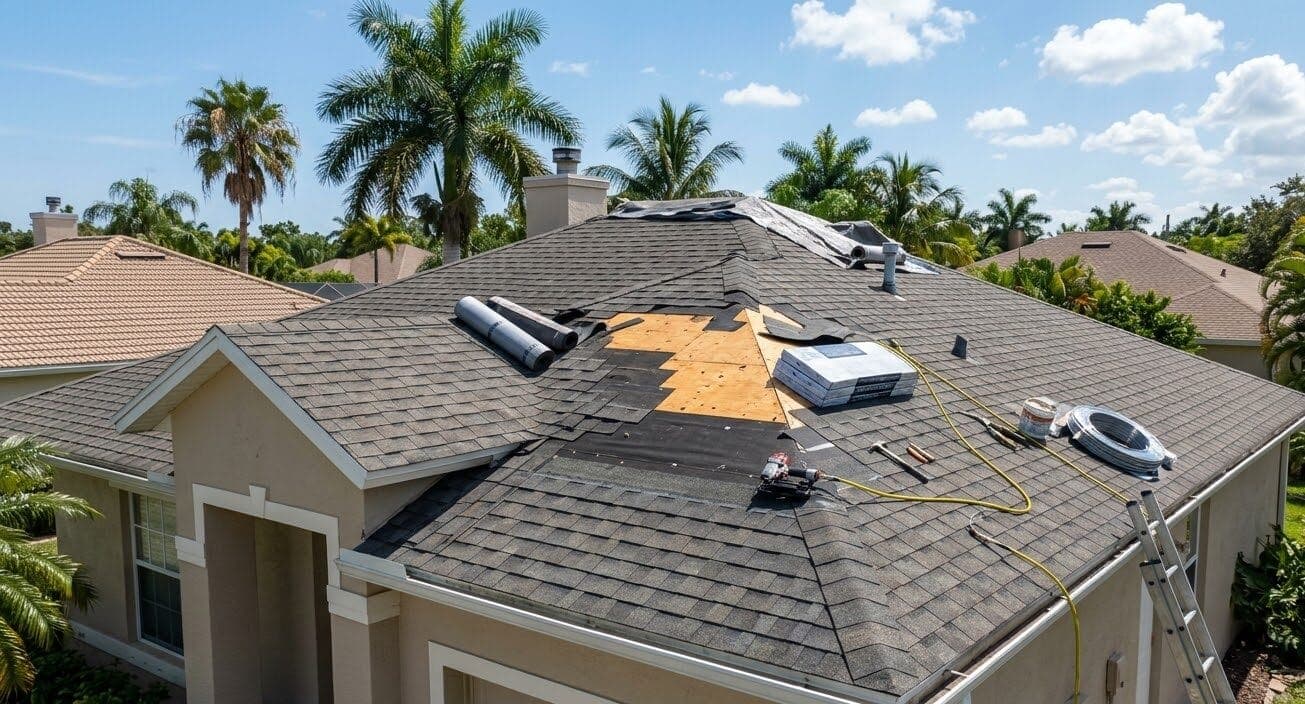
Roof Leak Mold in Florida: How Fast It Grows (2026)
How fast mold grows after a roof leak in Florida: the 24 to 48 hour drying window, where roof leak mold hides in attics and walls, warning signs, health risks, what to do in the first 48 hours, the 10 square foot rule, Florida licensing and how insurance treats mold.
Read Article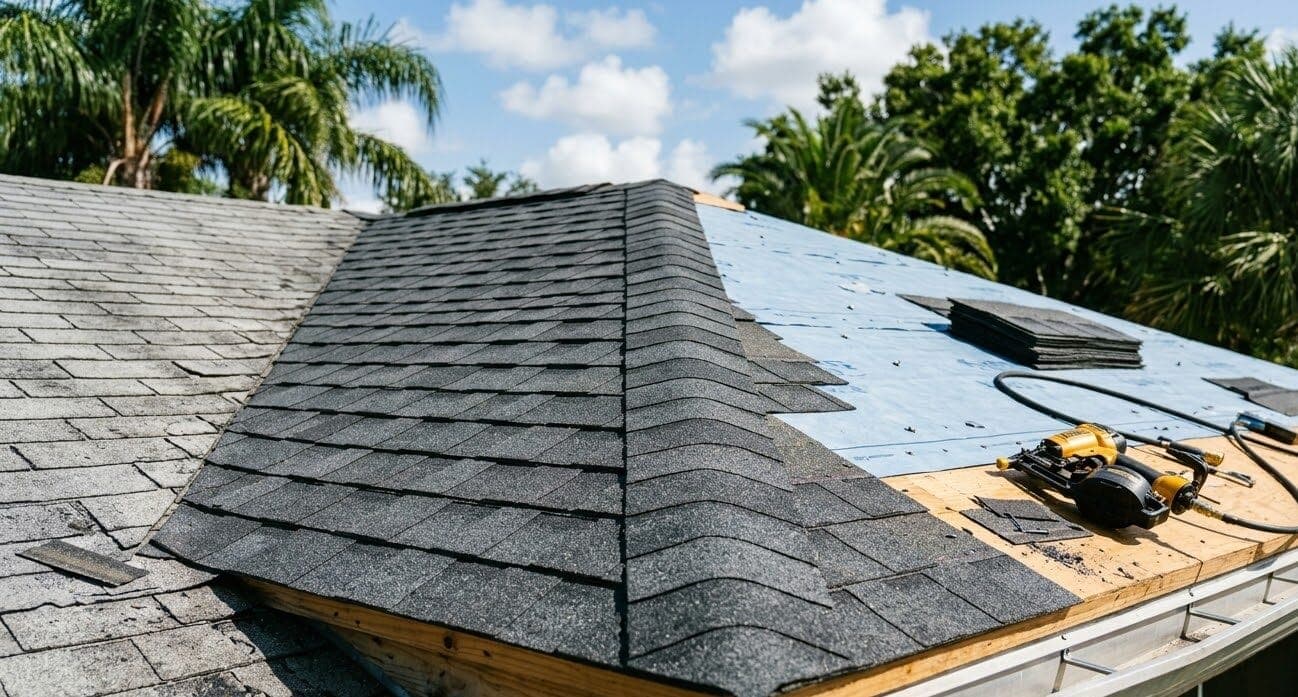
Florida Roof Maintenance Schedule for Homeowners (2026)
A seasonal roof maintenance schedule for Florida homeowners: monthly, quarterly and yearly tasks, what to do in the dry season, before and during the rainy season and through hurricane season, roof-type checks and why a maintenance log matters.
Read ArticleRoof-to-Wall Retrofit in Florida: Straps & Savings
How Florida roof-to-wall connections work, the toe nail, clip and wrap categories on the wind mitigation form, when Section 706.8 requires a retrofit during a reroof, what the 2026 form changed and how to pay for it.
Read ArticleReady When You Are
Get your free roof inspection today.
No-pressure, written estimate. Same-week scheduling across Hernando County. Call us now or request a visit online.