Blog
Florida Roof Insurance Non-Renewal: Why Carriers Drop 15-Year Roofs and What to Do
Call (352) 605-0696A Florida roof non-renewal notice gives you at least 120 days. Insurers cannot drop a roof under 15 years old solely for its age, and for older roofs an inspection showing 5 or more years of remaining life can keep the policy. Here is how to read the notice and choose between inspecting, repairing, replacing or moving the policy.
The Letter Arrives: Your Insurer Will Not Renew Because of the Roof
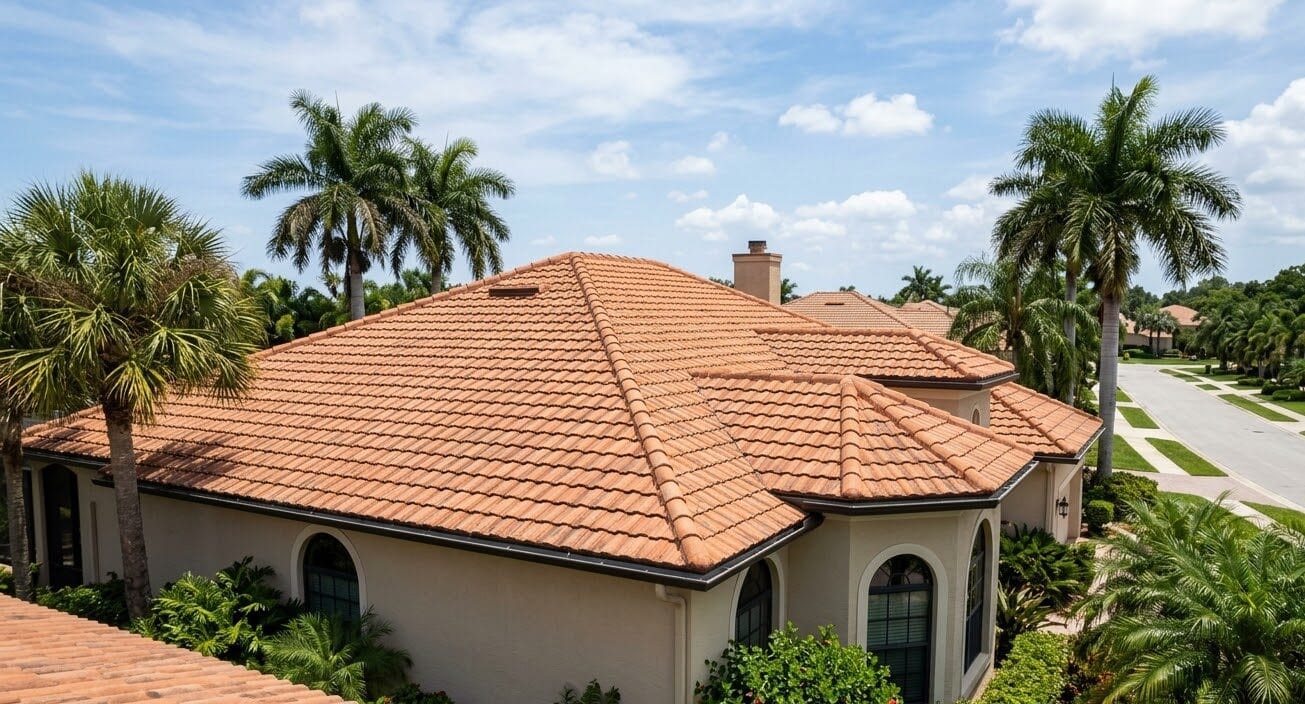
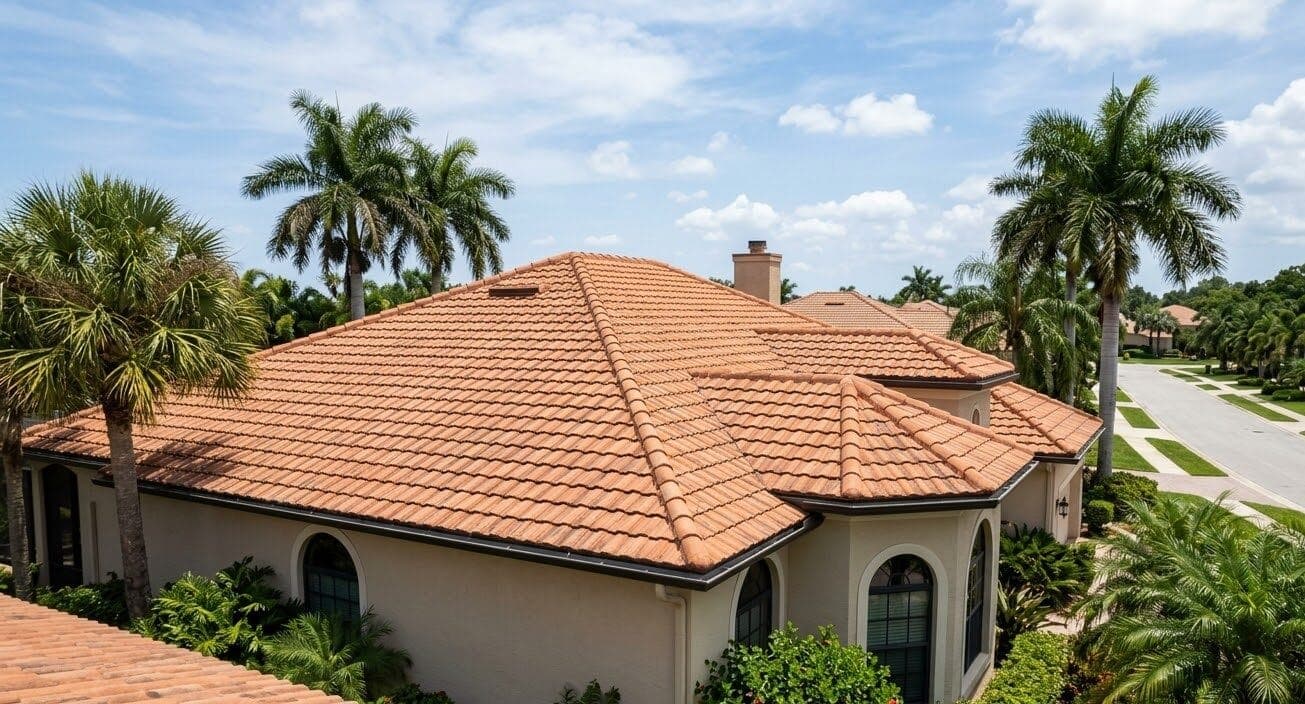
It usually shows up in the mail a few months before the policy anniversary. The language is polite and short: the company will not be offering renewal of your homeowners policy, and the reason listed is the age or condition of the roof. For many Florida homeowners with a 15 to 20-year-old shingle roof, that letter is the first time anyone has told them the roof is a problem. The roof is not leaking. It made it through the last hurricane season. And now it is the reason the house may not be insured.
The good news is that a non-renewal notice is not the end of coverage, and in many cases it is not even the end of the conversation with the same insurer. Florida law sets a long notice period, limits when a carrier can drop a roof solely for its age, gives you the right to a roof inspection before a forced replacement and protects homeowners who are still repairing hurricane damage. Knowing those rules turns a panic decision into a planned one.
This guide explains why carriers drop older roofs, what Florida statutes actually require, how to read the reason on your notice, and the four realistic paths forward: challenge it, inspect it, repair or replace it, or move the policy. If you need the inspection details first, our 4-point inspection guide covers what the inspector looks at line by line.
Why Florida Insurers Non-Renew Older Roofs
From the insurer's side, the roof is the single biggest driver of claim cost on a Florida home. Wind, hail and water intrusion all start at the roof, and older roofs fail more often and more expensively. A 20-year-old three-tab shingle roof was installed under an older version of the Florida Building Code, often with less secure deck attachment, older underlayment and shingles rated for lower wind speeds than what goes on a house today. When a storm comes through, that roof is more likely to lose shingles, let water into the attic and turn a modest claim into a ceiling, insulation and mold claim.
After years of heavy losses and litigation, carriers tightened underwriting. Many now set internal roof age limits by material, ask for photos or a 4-point inspection at renewal and use aerial imagery to spot worn, patched or discolored roofs without sending anyone to the house. The non-renewal is the result of that screening. It is a business decision about risk, not a finding that your roof is about to fail.
That distinction matters because it tells you what kind of evidence can change the outcome. If the problem is the number on paper, a qualified inspection showing remaining life may solve it. If the problem is actual condition, such as missing shingles, soft decking or active leaks, the fix is a repair or a new roof, and arguing the statute will not help.
What Florida Law Says About Roof Age and Non-Renewal
The core rule lives in Florida Statute 627.7011(5), which applies to homeowners policies issued or renewed on or after July 1, 2022. It does three things that matter for a non-renewal:
- Roofs under 15 years old: An insurer may not refuse to issue or refuse to renew a homeowners policy on a residential structure with a roof less than 15 years old solely because of the age of the roof.
- Roofs 15 years or older: Before requiring replacement as a condition of issuing or renewing, the insurer must allow the homeowner to have the roof inspected by an authorized inspector at the homeowner's expense. If that inspection shows the roof has 5 years or more of useful life remaining, the insurer may not refuse to issue or renew solely because of roof age.
- How age is counted: Roof age is calculated from the last date on which 100 percent of the roof surface was built or replaced under the code in effect at that time. Partial repairs do not reset the clock, which is why a roof with a few replaced sections still counts as its original age.
The statute also defines who counts as an authorized inspector: an inspector approved by the insurer who is a licensed home inspector, a certified building code inspector, a licensed general, building, residential or roofing contractor, a licensed professional engineer, a licensed architect, or another individual or entity the insurer recognizes as qualified. In practice, call the carrier or your agent first and confirm that the inspector you plan to use will be accepted.
Two limits are easy to miss. First, the word solely. The statute protects you from a decision based only on age. It does not stop an insurer from non-renewing for other underwriting reasons, including the roof's actual condition, prior claims or other findings on a 4-point. Second, the five-year protection depends on the inspection actually showing five years of remaining life. An inspector cannot write that conclusion for a roof that does not support it.
The 120-Day Clock and the Post-Hurricane Protection
Florida Statute 627.4133(2)(b) requires an insurer that does not intend to renew a residential property policy to mail or deliver written notice at least 120 days before the effective date of the non-renewal, and the notice must include the reason. That 120 days is your planning window. It is usually enough time to schedule an inspection, get quotes, do a repair or even replace a roof, as long as you start right away instead of waiting until the last month.
There is a second protection for storm-damaged homes. Under 627.4133(2)(e), when a dwelling has hurricane or wind damage from a storm covered by a declared emergency, the insurer may not non-renew for a period of 90 days after the home has been repaired. After that, if it still intends to non-renew, it must give at least 90 days' notice. If your roof was damaged in a named storm and you are still in the claim or repair process, mention it to your agent before you accept the non-renewal date as final.
Mark the effective date on a calendar the day the letter arrives, and work backward. A realistic schedule is inspection in the first two weeks, decision by day 30, repair or replacement contracted by day 45, and new coverage bound well before the old policy ends. If a replacement is needed, our roof replacement timeline guide shows how long permits, materials and crews typically take.
Read the Reason on Your Non-Renewal Notice
The reason line on the notice tells you which path to take. Most roof-related notices fall into one of three groups:
- Age only: The notice cites the age of the roof and nothing else. If the roof is under 15 years old, ask the carrier in writing how the decision complies with 627.7011(5)(b). If it is 15 or older, request the inspection option the statute guarantees before any replacement is required.
- Condition: The notice cites wear, granule loss, curling, missing shingles, prior repairs or a failed 4-point. This is not an age-only decision, so the statute's age protection does not apply directly. The fix is a documented repair or a replacement.
- Aerial imagery or missing information: Some notices are triggered by an aerial photo or by the carrier not having a current inspection on file. A fresh inspection report with photos often resolves these quickly, and sometimes the image shows an older roof that has since been replaced.
If the reason is vague, ask your agent to get the specific underwriting finding from the carrier. You cannot fix what you cannot see, and the statute requires the reason to be stated in the notice.
Option 1: Get a Roof Inspection That Proves Remaining Life
For roofs 15 years and older that are in fair shape, a qualified inspection is the cheapest first move. The inspector documents roof material, approximate age, permit history if available, visible damage, decking condition from the attic, flashing, penetrations and signs of leaks, and gives an opinion on remaining useful life. If that opinion supports five or more years, the report goes to your agent and the carrier with a request to reconsider the non-renewal.
A few things make that report more persuasive. Clear photos of every slope, the attic deck and the flashing. The original permit or invoice showing when the roof was installed, which matters because the age clock runs from the last full replacement. And a list of any small repairs completed before the inspection, such as resealing pipe boots or replacing a handful of lifted shingles. Our roof inspection service produces this kind of documentation, and homeowners near our home base can book a roof inspection in Spring Hill or Brooksville directly.
Be realistic about the result. A roof with widespread granule loss, cracked or brittle shingles or soft decking will not earn a five-year rating from an honest inspector, and an inspection that overstates remaining life only delays the problem until the next claim.
Option 2: Repair the Items That Triggered the Notice
When the notice cites specific condition issues and the rest of the roof is sound, a targeted repair can be enough. Common examples are replacing damaged or missing shingles on one slope, resealing or replacing flashing at walls and chimneys, replacing cracked pipe boots, repairing a section of rotted fascia and fixing a known leak. After the repair, a new inspection with before and after photos goes to the carrier.
Repairs do not reset the roof's age, so this path works best for roofs in the middle of their life, not for a 22-year-old shingle roof at the end of it. If a repair quote starts to approach a third of the cost of a new roof, or the inspector is finding problems on every slope, replacement is usually the better use of the money. Our roof repair team will tell you plainly which side of that line your roof is on.
Option 3: Replace the Roof Before the Non-Renewal Date
For many 18 to 25-year-old shingle roofs, replacement is the option that solves the insurance problem for the longest time. A new roof resets the age clock to zero, puts the home well inside the 15-year protection for years to come and usually improves the wind mitigation profile, which can lower your premium. A full replacement in Florida requires a permit, is installed to the current Florida Building Code and gives you new documentation that insurers accept without argument.
The new roof can also be built to earn discounts. Florida insurers must offer premium credits for verified wind-resistant features, and a wind mitigation inspection after the roof goes on documents items such as roof deck attachment, roof-to-wall connections and secondary water resistance. Ask your contractor in advance which of those features are included, because some are much cheaper to add while the roof is open than later.
Timing matters. Book the replacement early in your 120-day window so the permit, installation and final inspection are done before the policy ends, and send the permit and final inspection to your agent as soon as they are closed. Our total roof replacement service handles the permit, the installation and the paperwork insurers ask for, across Hernando, Citrus, Pasco and nearby counties, including roof replacement in Brooksville.
Option 4: Move the Policy to Another Carrier or Citizens
A non-renewal from one company does not mean every company will decline the house. Underwriting rules differ by carrier, and an independent agent can shop several markets with your inspection report in hand. Some carriers accept older roofs with a clean inspection, sometimes with a higher deductible or an actual cash value settlement on the roof, which you should read carefully before accepting.
Citizens Property Insurance, the state-created insurer of last resort, is the fallback many homeowners consider. Citizens has its own roof eligibility rules, which have changed several times since 2023. Its published guidance has tied eligibility to roof age by material, with older shingle roofs needing documentation of remaining useful life, and it requires that the oldest section of a partially replaced roof sets the age. Citizens eligibility also depends on what the private market offers: if a private carrier offers comparable coverage at a premium within 20 percent of the Citizens premium, the homeowner is generally not eligible for Citizens. Ask your agent to confirm the current Citizens roof and eligibility rules for your exact roof before counting on it.
Whatever the carrier, the same evidence helps: a recent inspection with photos, the roof permit and installation date, a wind mitigation report and a clean claim history. A roof in documented good condition gives your agent more options.
How to Lower the Odds of a Roof Non-Renewal Next Time
Most roof non-renewals are predictable. A few habits keep you ahead of them:
- Know your roof's real age: Find the permit for the last full replacement in your county's permit records and keep a copy with your policy.
- Inspect before renewal, not after: Once a roof passes about 12 years, a professional inspection a few months before renewal tells you what the carrier will see before it sees it.
- Fix small items fast: Lifted shingles, cracked boots and loose flashing are cheap repairs that become underwriting red flags in photos.
- Keep the roof clean: Algae streaks and debris can make a sound roof look worse in aerial images. Proper soft washing does not damage shingles the way pressure washing can.
- Plan the replacement year: If your shingle roof will hit 15 years soon, budget for replacement on your own schedule instead of the insurer's.
State programs can help with the cost of hardening. The My Safe Florida Home program has offered free wind mitigation inspections and matching grants for eligible improvements when funding is open, and those improvements can improve both insurability and premium.
Get Ahead of the Non-Renewal Date
A roof non-renewal feels urgent because it is, but 120 days is enough time to make a good decision if you start in the first week. Inspect, read the reason, decide between repair and replacement, and give your agent the documents to shop or reconsider. The homeowners who end up paying the most are the ones who wait until the last month and have to accept whatever coverage is left.
Protech Roofing inspects, repairs and replaces roofs across Hernando, Citrus, Pasco and Pinellas counties and documents every job the way Florida insurers ask for it. Call (352) 605-0696 to schedule an inspection, and we will tell you honestly whether your roof can earn more time or whether a replacement is the smarter move.
FAQ
Frequently Asked Questions
Can a Florida insurer non-renew my policy because my roof is old?
+
How much notice does a Florida insurer have to give before non-renewing?
+
Who can do the roof inspection that proves 5 years of remaining life?
+
Does a roof repair reset the roof age for insurance?
+
Can I go to Citizens if my insurer drops me over the roof?
+
What should I do first when I get a roof non-renewal notice?
+
Related Articles
More guides for Florida homeowners

ACV vs RCV Roof Claims in Florida: Insurance Payout Guide
Why the first insurance check on a Florida roof claim is smaller than the estimate: how actual cash value, replacement cost, depreciation and deductibles work, what Florida law requires and how to recover the holdback.
Read Article
Roof Leaks in Florida: 8 Causes and How to Find Them
Most Florida roof leaks come from eight sources, from cracked pipe boots and flashing failures to lifted shingles and worn underlayment. Here is how to trace the water to its entry point and limit the damage.
Read Article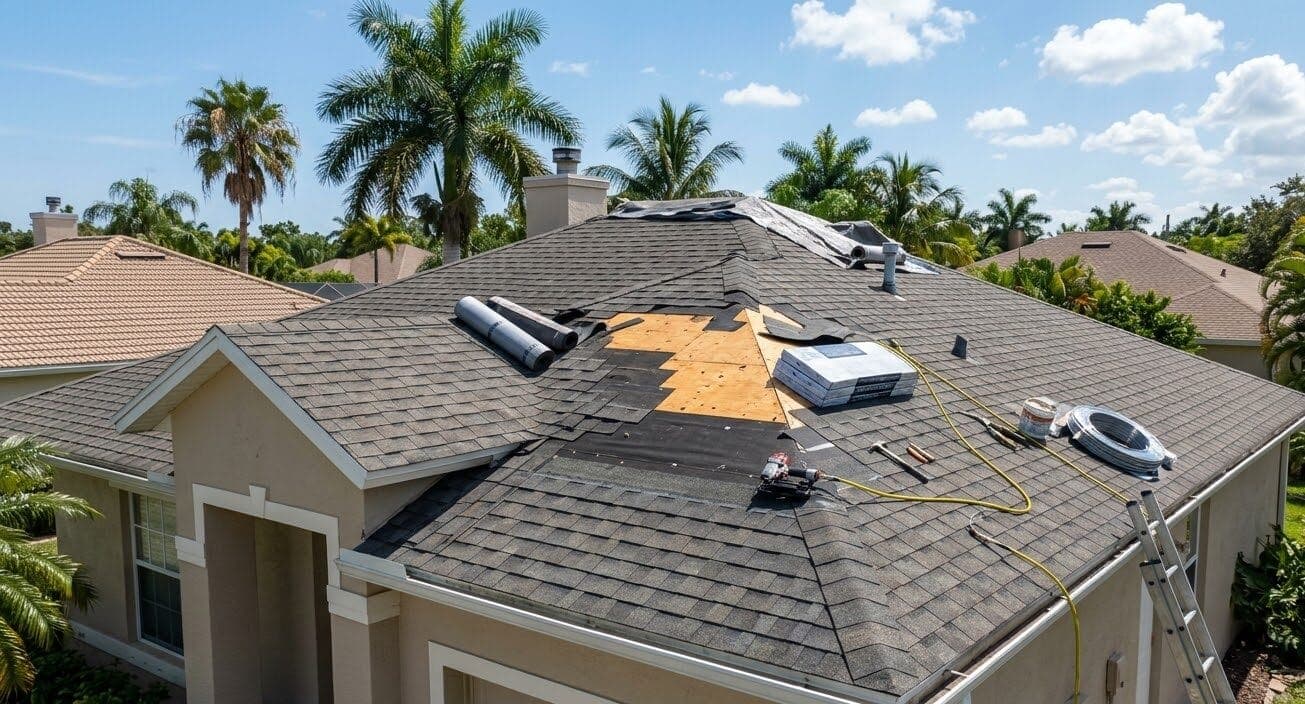
How Long a Roof Replacement Takes in Florida: 2026 Guide
A Florida shingle re-roof takes one to three days of physical work and about two to four weeks from contract to closed permit. Here is what happens each day, how metal and tile change the schedule and what causes delays.
Read ArticleReady When You Are
Get your free roof inspection today.
No-pressure, written estimate. Same-week scheduling across Hernando County. Call us now or request a visit online.