Blog
4-Point Inspection in Florida: What Insurers Check and How an Older Home Passes the Roof Section
Call (352) 605-0696A 4-point inspection has no pass or fail stamp on it. It is a short underwriting form recording the age, type and condition of four systems, and the carrier decides what those entries mean. Citizens requires one on properties over 20 years old, most private carriers over 25 to 30. Of the four sections, the roof is where most Florida declines happen, and it is also the only one where state law hands you a written answer: statute 627.7011 says roof age alone cannot drop you if an authorized inspector documents five years or more of useful life remaining. Here is what each section checks, what blocks coverage, and the four moves that follow a short roof life entry.
A 4-Point Is Not a Home Inspection, and Treating It Like One Costs Coverage
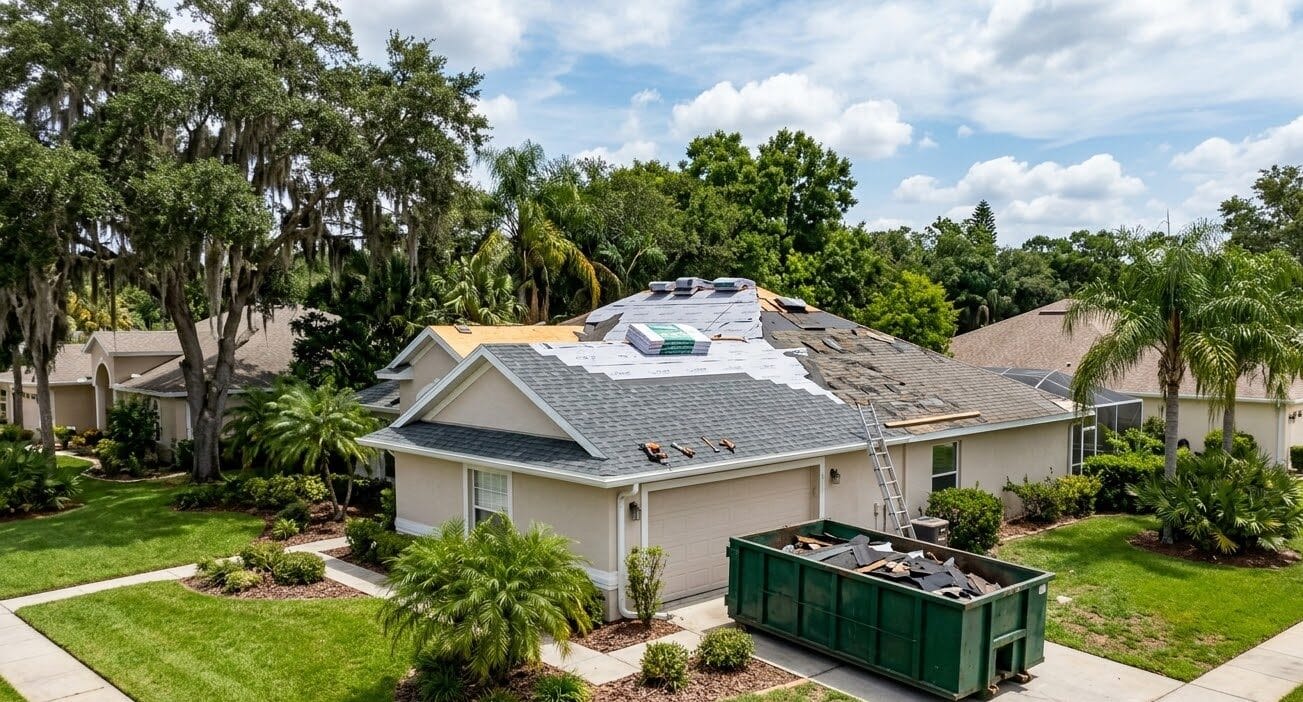
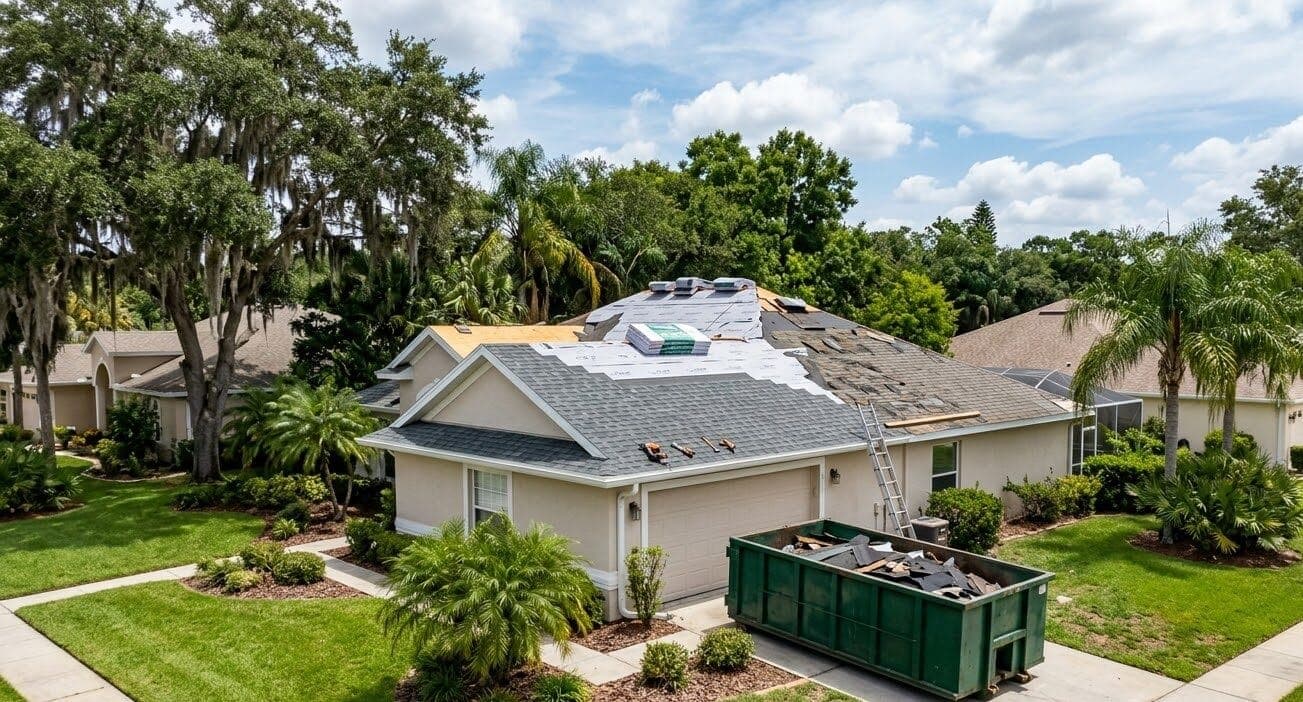
Homeowners hear inspection and picture the report they got when they bought the house: 40 pages, photos of every cracked outlet cover, a list of recommendations. A 4-point inspection is a different document with a different reader. It is a short underwriting form covering four systems, and the only person it is written for is the underwriter deciding whether to put your house on the books.
That difference matters because of what it means to fail. A 4-point has no pass or fail stamp on it. The inspector records the age, type and condition of four systems, and the carrier compares those entries against its own underwriting rules. One carrier declines on a finding another carrier surcharges and writes. So the honest framing is not will I pass, it is which entries on this form will an underwriter refuse to accept, and can I change them before the form is filled out.
The four systems are roof, electrical, plumbing and HVAC. Of those four, the roof section is where most Florida declines actually happen, and it is also the only one of the four where state law gives you a specific, written right to argue back. This guide walks all four, spends the most time on the roof, and gives you the statute number that ends a roof-age-only nonrenewal.
Who Requires One, and at What Age

There is no single statewide trigger age. The requirement comes from each carrier's underwriting manual, and the thresholds cluster in a narrow band.
- Citizens Property Insurance: requires a four-point inspection for all property owner, dwelling and mobile home applications on properties more than 20 years old. This is the lowest common threshold in the state, which is why Citizens applicants run into it first.
- Private carriers: most commonly require a 4-point before binding or renewing on homes over 25 to 30 years old. A 1998 house that sailed through renewal last year can hit the requirement this year simply because it crossed a carrier's age line.
- Report age: carriers generally want a report dated within 12 months of the application. An inspection from three years ago is a document, not a current one.
Two things follow from those numbers. First, if your house was built in 2006 or earlier, assume a 4-point is in your future at the next carrier change. Second, the requirement attaches to the application, not the house, so shopping carriers can trigger a fresh inspection even when nothing about the property changed.
What a 4-Point Costs in 2026
Pricing is one of the few easy parts. A standalone 4-point inspection in Florida runs roughly $100 to $250, with most homeowners landing around $150 to $180. The wider national band quoted for 2026 is $75 to $200, and Florida sits at the upper end of it because demand here is concentrated and carrier documentation requirements are heavier. Quotes as high as $400 exist, usually for large homes, multiple structures or rush scheduling.
The money-saving move is bundling. A 4-point and a wind mitigation inspection are two separate reports on two separate forms, and they get ordered together constantly because carriers want both on an older home. Booked as a pair they cost meaningfully less than booked a month apart, and the wind mitigation report is the one that actually lowers your premium rather than just qualifying you for a policy.
Keep the two straight in your head, because homeowners mix them up and then wonder why the 4-point did not produce a discount. A 4-point is a gatekeeping document: it earns you the right to be quoted. Wind mitigation is a discount document: it documents features that reduce your rate. Neither substitutes for the other.
The Roof Section Is Where Policies Actually Die
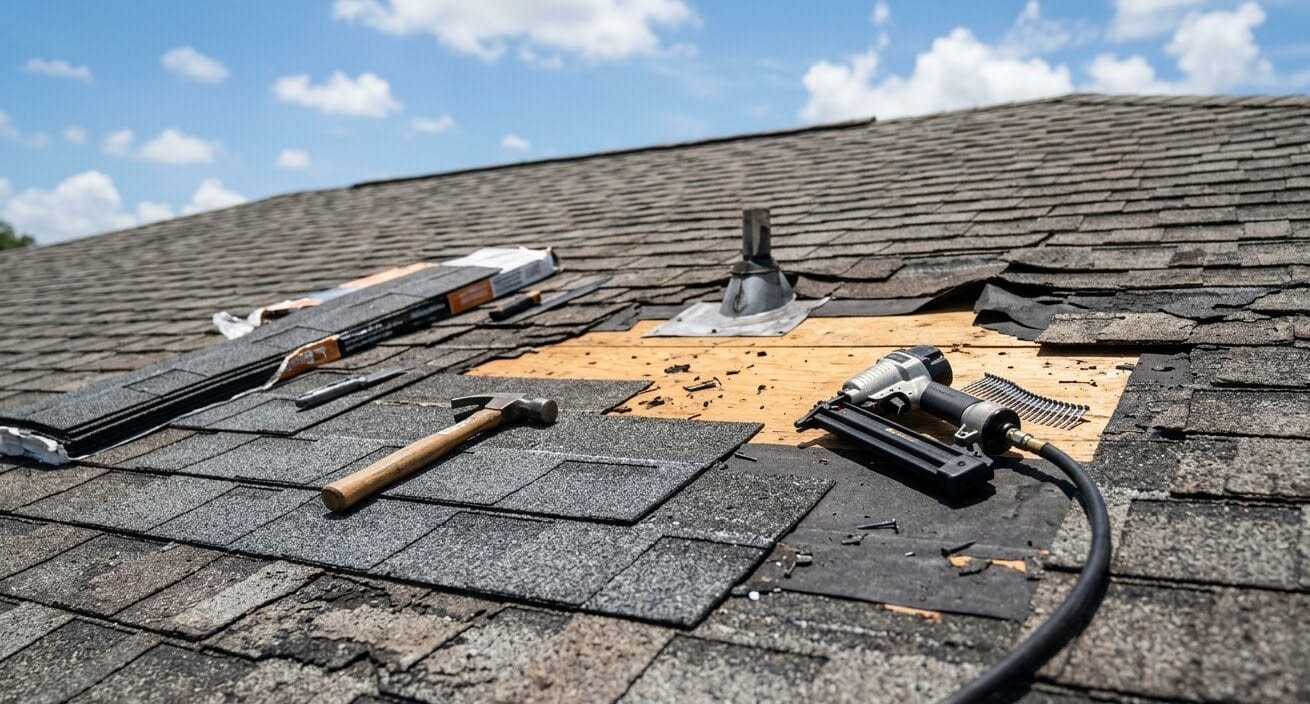
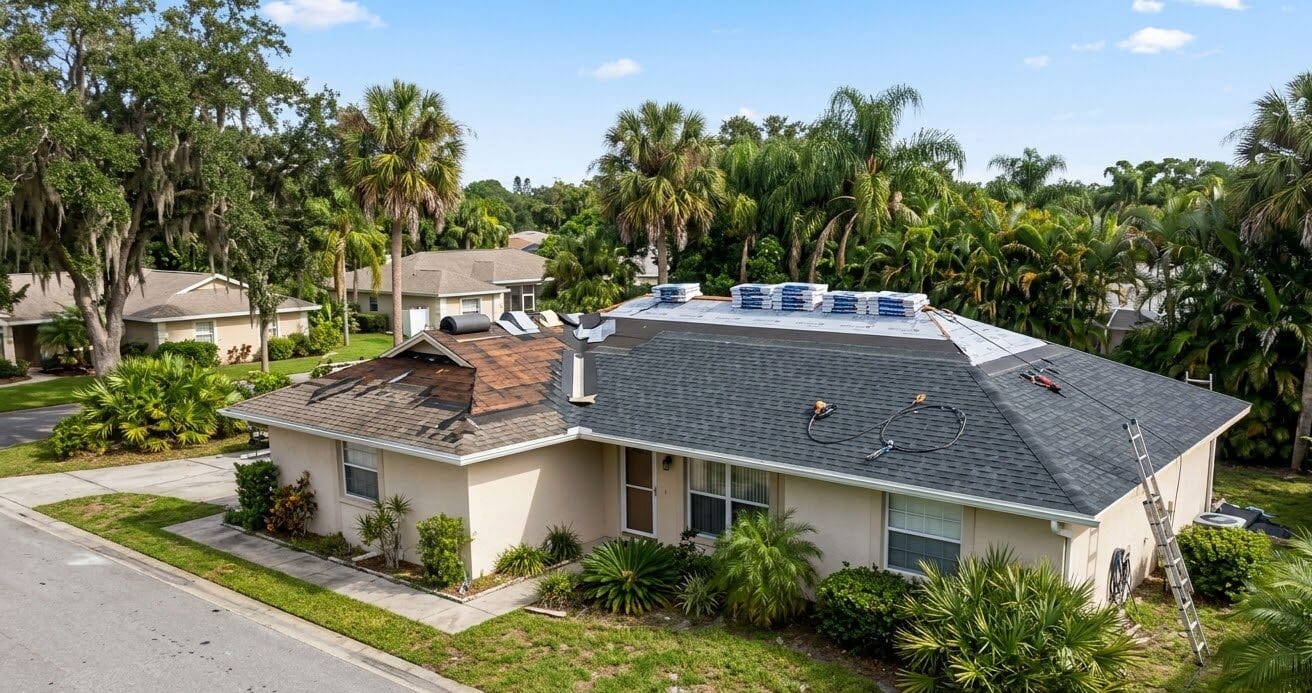
On the roof line of the form, the inspector records four things: covering type, age, visible condition, and an estimate of remaining useful life. That last entry is the one that decides the outcome, and it is an opinion in the sense that a professional forms it, not in the sense that it is arbitrary. It is built from observable evidence: granule loss, cupped or curled shingle edges, exposed fasteners, soft decking underfoot, prior repair patches, flashing condition, and the state of the boots around plumbing vents.
Carriers then apply thresholds to that entry. Citizens sets the cleanest published ones: a soft roof covering such as shingle older than 25 years, or a hard covering such as tile, slate or metal older than 50 years, needs documentation that it has at least five years of remaining useful life. Across the private market, a roof documented with fewer than three years of remaining life is one of the findings that blocks coverage outright until it is corrected, alongside the electrical and plumbing items further down this page.
The practical consequence is that two identical 22-year-old shingle roofs get different outcomes depending on who inspects them and what is visible on the day. A roof with clean flashing, intact boots, no soft spots and documented maintenance reads as having life left. The same roof with three curled slopes and a patched valley reads as finished. That gap is exactly why a pre-inspection roof inspection from a roofing contractor is worth the money before the insurance inspector ever gets on the ladder: you find out what is going to be written down while you still have time to change it.
Your Written Right: Florida Statute 627.7011 and the Five-Year Rule
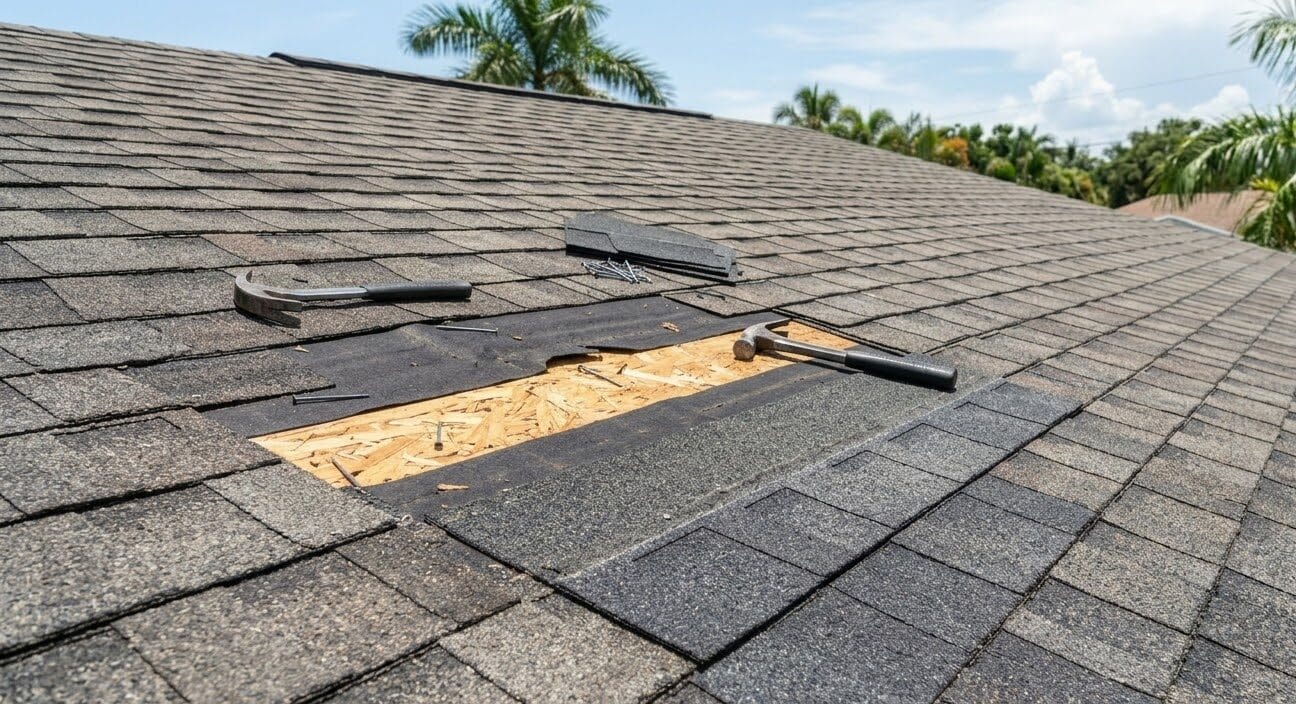
This is the part of the process most Florida homeowners do not know exists, and it is the single most useful thing on this page. Roof age alone is not a legal reason to drop you.
Florida Statute 627.7011 states that an insurer may not refuse to issue or refuse to renew a homeowner's policy insuring a residential structure with a roof that is less than 15 years old solely because of the age of the roof. For roofs at or past 15 years, the statute gives you a second door: an insurer may not refuse to renew solely because of roof age if an inspection of the roof performed by an authorized inspector indicates that the roof has five years or more of useful life remaining.
Two words carry the weight there. Solely, because a carrier can still decline for other documented findings, and roof age alone is not one of them. And authorized inspector, because the statute defines that term rather than leaving it open. It includes:
- Home inspectors licensed under section 468.8314.
- Building code inspectors certified under section 468.607.
- General, building, residential or roofing contractors licensed under section 489.111.
- Professional engineers licensed under section 471.015.
- Registered architects licensed under section 481.213.
- Anyone else the insurer recognizes as possessing the qualifications to complete a general inspection of an insured residential structure.
Read that list again and notice who is on it: a licensed roofing contractor. The company that repairs your roof can also produce the inspection report that satisfies the statute, which means a homeowner facing a roof-age nonrenewal has a path that does not start with a roof replacement quote. It starts with a documented remaining-life assessment.
One related number belongs in this section because older homes run into it constantly. Law and ordinance coverage, which pays for code-required upgrades triggered by a covered loss, defaults to 25 percent of your dwelling limit, with an option to select 50 percent instead. On a 1980s house that would have to be brought up to current code after a loss, that election is not a formality. The code requirements that drive those costs are in our breakdown of the 2026 Florida Building Code roof changes.
Electrical: the Findings That Stop a Policy Cold
The electrical section is short and unforgiving. The inspector documents the panel manufacturer, amperage, wiring type and any visible unsafe condition. A handful of specific findings are close to automatic declines across the Florida market.
- Federal Pacific Electric and Zinsco panels: among the most common reasons a home fails a 4-point. These panels have a long documented history of breakers that do not trip reliably, and most carriers will not write over them. Replacement is the only fix.
- Aluminum branch wiring: flagged for fire risk at connections. Carriers either decline or require remediation, most commonly installation of CO/ALR-rated devices at every outlet and switch by a licensed electrician. Note the scope: every device, not a sample.
- Knob-and-tube wiring: blocks coverage until replaced. Rare in Florida housing stock but present in genuinely old structures.
- Double-tapped breakers, missing covers, open splices: individually small, cheap to fix, and they make a report read as neglected. Fix these before the inspection, not after.
The pattern worth noticing is that the expensive electrical findings are about equipment identity, not condition. An FPE panel in perfect visual shape is still an FPE panel. You cannot clean your way past that section, so if you know you have one, price the panel replacement before you shop carriers rather than after a decline is on your record.
Plumbing: Polybutylene, Cast Iron, and the Active Leak
Plumbing gets flagged for materials with known failure histories and for anything actively wet on inspection day.
- Polybutylene supply piping: the most commonly rejected pipe material in Florida. Gray plastic supply lines installed roughly from the late 1970s into the mid 1990s, with a failure record severe enough that most carriers treat their presence as disqualifying regardless of whether they have leaked yet.
- Aging cast iron drain lines: common in Florida homes built before the mid 1970s. Cast iron corrodes from the inside and the failure mode is a slab leak, so carriers price or decline on age and visible corrosion.
- Galvanized steel supply: same corrosion logic, flagged for reduced flow and leak risk.
- Any active documented leak: an immediate block, and the easiest one to prevent. A dripping angle stop under a vanity is a twenty dollar part that can hold up a policy.
Water damage is the most frequent homeowners claim in Florida by a wide margin, which is why underwriters read this section as closely as the roof section. If your house has polybutylene, know it before the inspector arrives, because the repipe conversation changes your carrier options completely and it is better to have it on your timeline than theirs.
HVAC: the Section That Surcharges Rather Than Declines
HVAC is the mildest of the four. The inspector records system type, age, whether it produces cooling at the register, the condition of visible ductwork, and the state of the condensate drain and drain pan. Florida underwriters care about condensate specifically because a clogged drain line is a slow interior water loss, which is a claim they pay often.
A system past roughly 15 years with a working compressor rarely triggers a decline on its own. What it does is add weight when the report already has problems elsewhere. A 22-year-old roof plus a 19-year-old air handler plus cast iron drains reads as a house with three deferred capital items, and that is an underwriting picture rather than a single finding. Flushing the condensate line and replacing a rusted drain pan costs very little and removes the two entries most likely to be written as deficiencies.
The Pre-Inspection Walk: Nine Things to Do Before the Inspector Arrives
The inspector documents what is visible and accessible. Both of those words are levers you control.
- Clear access to the electrical panel. Move the shelving, the paint cans, the bikes. A panel the inspector cannot open gets noted as not accessible, and not accessible reads worse than old.
- Open the attic access. No attic view means no decking assessment, which pushes the remaining-life entry toward the conservative end.
- Clear the water heater and the air handler. Same reason. Visible pan, visible connections, visible label with the manufacture date.
- Fix every drip. Angle stops, supply lines, P-traps, hose bibs. This is the cheapest single hour of prep available.
- Flush the condensate line and check the drain pan. Standing water in a pan is a written finding.
- Clear roof debris and clean the gutters. Debris on the roof and packed gutters both read as deferred maintenance and both hide the surfaces the inspector needs to judge.
- Replace missing outlet and junction box covers. Trivial cost, visible carelessness if missing.
- Gather your paperwork. Permits and invoices for the roof, the panel, the repipe, the HVAC change-out. A documented 2019 reroof with a closed permit answers the age question before it is asked.
- Confirm the permit record matches the roof. If the roof was replaced without a permit, the county has no record and the inspector has only the shingle to go on. Find this out now, not during underwriting.
None of that is gaming the inspection. It is making sure the report describes the house you actually own rather than the house that happened to be photographable that morning.
If the Roof Section Comes Back Short: Four Moves in Order
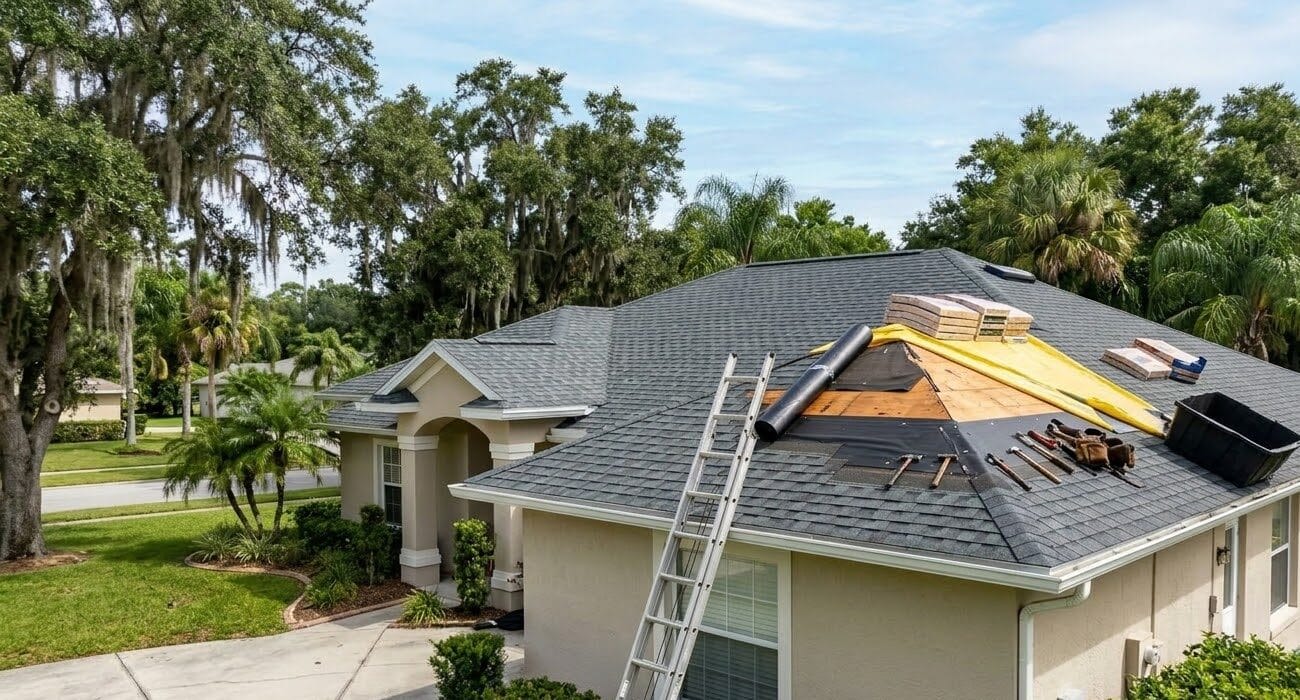
A short remaining-life entry is not the end of the process. There are four responses, and they run cheapest first.
Move one: repair the specific deficiencies and get re-documented. If the report cites lifted shingles on one slope, cracked boots and failed pipe flashing, those are targeted repairs, not a reroof. A roof repair that addresses the cited items, followed by a fresh inspection, moves the remaining-life entry for a fraction of replacement cost. This resolves more cases than homeowners expect.
Move two: get an authorized inspector's remaining-life report. If the roof is 15 years or older and you believe it has five or more years left, statute 627.7011 puts the burden back on the carrier once you produce that documentation from someone on the authorized list. A licensed roofing contractor is on that list.
Move three: shop carriers. Underwriting rules are not uniform. A 24-year-old tile roof that one carrier treats as a decline is inside another carrier's appetite, especially with a clean wind mitigation report attached. Your agent can tell you which markets are currently writing older roofs.
Move four: replace the roof. Sometimes the report is simply right. When the decking is soft and the covering is at the end of its service life, a total roof replacement is the answer, and it resets the clock for 20 years plus qualifies you for wind mitigation credits that partially offset the cost. Before you get there, read what insurance will and will not pay toward it in our guide on whether insurance covers roof replacement in Florida.
Timing: the Two Deadlines That Actually Bind

Two clocks matter. The first is the 12-month report window: carriers want the 4-point dated within a year of the application, so an inspection done well ahead of a planned carrier change can expire before you use it. Order it inside that window, not two years early.
The second is your renewal date. Nonrenewal notices arrive with lead time, and that lead time is your entire working window to repair, re-inspect and shop. A homeowner who opens the notice and calls in week one has room for all four moves above. A homeowner who calls in the final week has one option left, and it is the expensive one. If your roof is between 15 and 25 years old, put a reminder 120 days before renewal and get the remaining-life documentation in hand before anyone asks for it.
We inspect and document roofs for insurance purposes across the Nature Coast and Central Florida, including Spring Hill, Brooksville and Hudson, where a large share of the housing stock is now past the 25-year soft-roof line. Call (352) 605-0696 and ask for a remaining-life assessment rather than a replacement quote. If the roof has life in it, that is what the report will say, and that report is the document the statute talks about.
FAQ
Frequently Asked Questions
What fails a 4-point inspection in Florida?
+
At what age does a Florida home need a 4-point inspection?
+
Can an insurance company drop me just because my roof is old in Florida?
+
How much does a 4-point inspection cost in Florida in 2026?
+
What does the roof section of a 4-point inspection actually look at?
+
My 4-point came back with a short roof life. What should I do first?
+
Related Articles
More guides for Florida homeowners
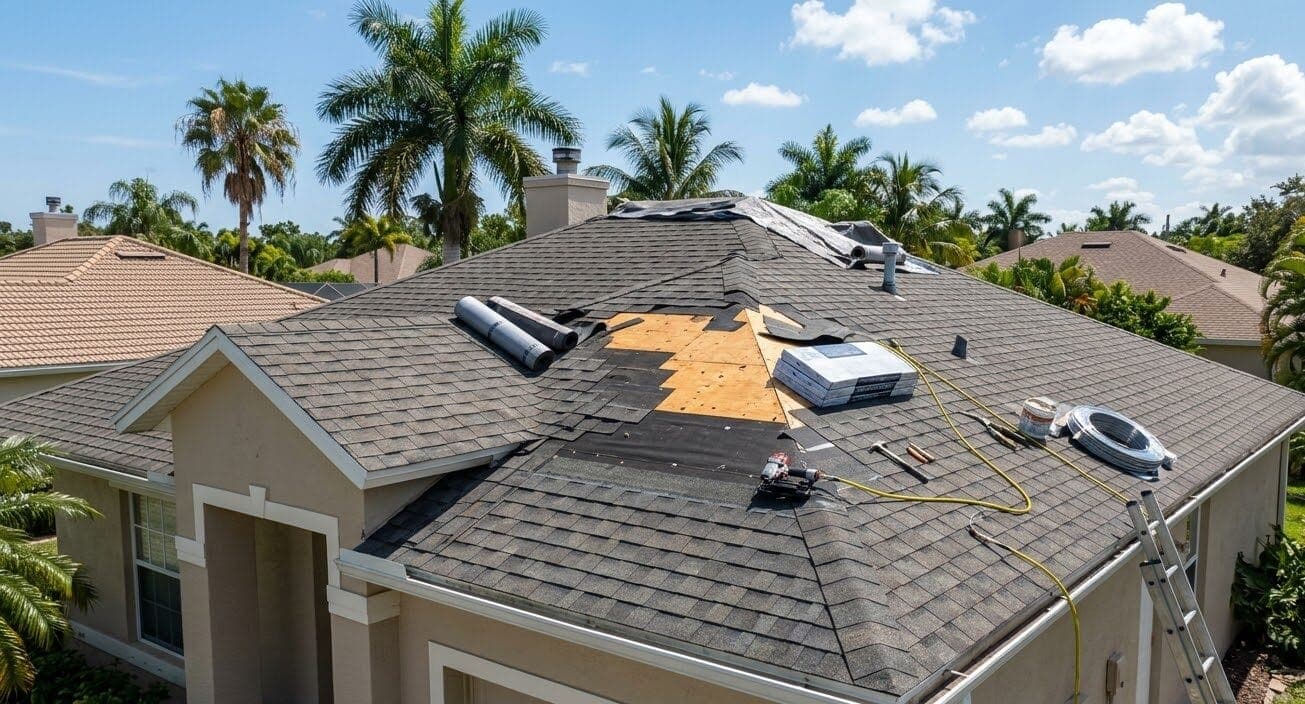
How Long a Roof Replacement Takes in Florida: 2026 Guide
A Florida shingle re-roof takes one to three days of physical work and about two to four weeks from contract to closed permit. Here is what happens each day, how metal and tile change the schedule and what causes delays.
Read ArticleBest Shingles for Florida: Impact-Rated Class 4 Guide
The best shingle for a Florida home is usually a Class H architectural shingle installed as a full system. Here is how 3-tab, architectural and Class 4 impact-resistant shingles compare on cost, wind, insurance and lifespan.
Read Article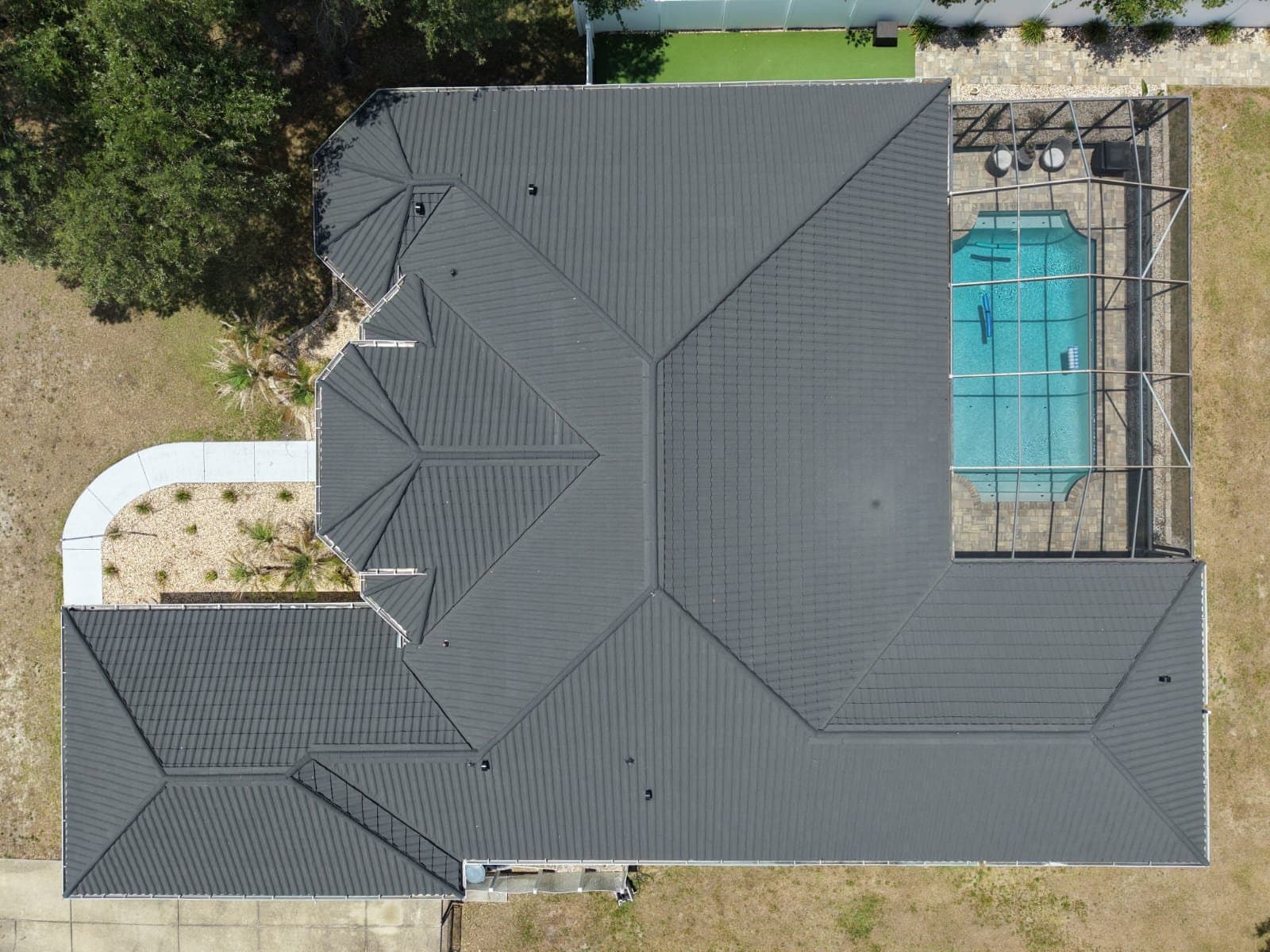
Metal Roof Cost in Florida 2026: Per-Sqft Guide
Metal roofs in Florida run about $8 to $23 per square foot installed, depending on the system. Here is what standing seam, stone coated steel and exposed fastener panels cost, what a typical home pays and how to compare quotes.
Read ArticleReady When You Are
Get your free roof inspection today.
No-pressure, written estimate. Same-week scheduling across Hernando County. Call us now or request a visit online.