Blog
Roofing Warranties in Florida: Manufacturer vs Workmanship and What Quietly Voids Them
Call (352) 605-0696A new roof in Florida usually comes with two warranties, not one: a manufacturer warranty that covers the product and a workmanship warranty from the contractor that covers the installation. Each has different terms, and both can be voided by things that happen long after the roof goes on. This guide explains what each one covers, what quietly voids them and how to keep your coverage intact.
Two Warranties, Two Different Promises
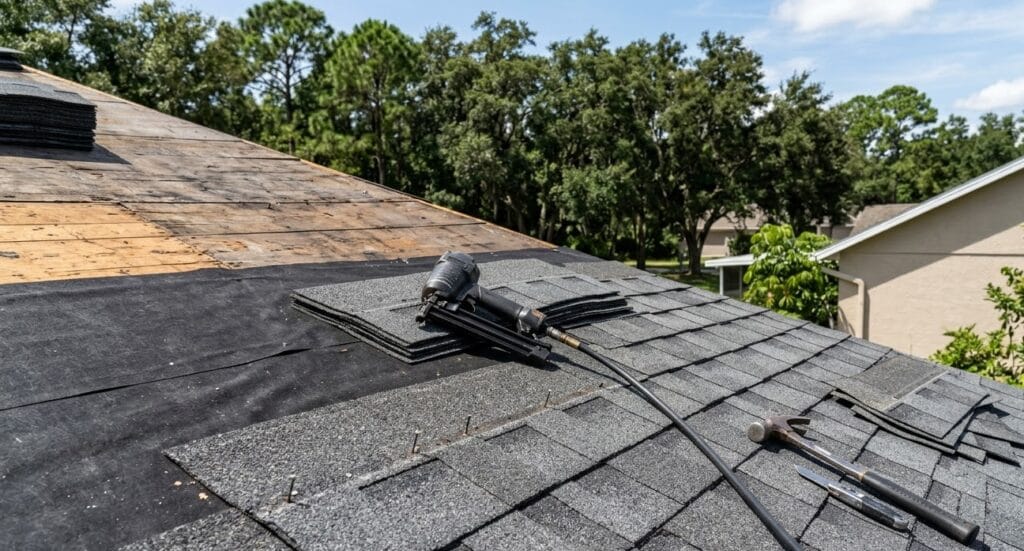
Every new roof in Florida comes with at least one warranty, and most homeowners assume that one piece of paper covers the whole roof for decades. It does not. A residential roof is usually covered by two separate promises from two separate companies, and each one has its own length, its own exclusions and its own way of being voided. Knowing which is which is the difference between a covered repair and a bill for the full cost.
The manufacturer warranty comes from the company that made the shingles, tiles or metal panels. It covers defects in the product itself: shingles that crack, curl or lose granules early because of how they were made. The workmanship warranty, sometimes called a labor or installation warranty, comes from the roofing contractor. It covers mistakes in how the roof was put on: bad nailing, a flashing detail done wrong, a valley that was cut short, an underlayment lap that lets water in.
Here is the catch most homeowners learn too late. In Florida, the leaks that show up in the first ten years are rarely caused by a defective shingle. They come from installation details and from things that happened to the roof after it was installed. A lifetime product warranty does nothing for a leak at a pipe boot that was never sealed properly. That is why the workmanship side, and who stands behind it, matters at least as much as the brand name on the bundle.
Manufacturer Roofing Warranties in Florida: What They Actually Cover
Shingle makers sell their product with a standard limited warranty, often marketed as "lifetime." In practice, lifetime means the product is covered for as long as the original owner owns the home, but the coverage is not equal across those years. The first stretch is usually non-prorated, meaning the manufacturer pays its share of the repair or replacement in full. After that period the coverage becomes prorated, and the amount the manufacturer pays drops every year. By year twenty, a prorated claim may cover only a small fraction of the material cost and none of the labor to tear off and reinstall.
Above the standard warranty sit enhanced system warranties. These require that the roof be installed by a contractor the manufacturer has certified and that the roof use a minimum set of the manufacturer's own components: starter strips, underlayment, ridge caps, hip and ridge shingles and sometimes ventilation products. In exchange, the non-prorated period gets much longer, and the top tiers add coverage for installation errors made by the certified contractor.
GAF's top residential tier, the Golden Pledge limited warranty, is a good example of how these work. According to GAF, its misapplication coverage, which is the workmanship portion backed by the manufacturer, runs 25 or 30 years depending on the shingle installed, while the mid-level Silver Pledge carries 10 years of workmanship coverage. Golden Pledge is only available through GAF's highest contractor certification. Owens Corning and CertainTeed sell comparable top tiers through their own certified contractor programs. The names change, but the structure is the same: the longer the coverage, the more the manufacturer controls who installs the roof and which parts go on it.
What a manufacturer warranty almost never covers is damage from weather beyond the product rating, from foot traffic, from other trades working on the roof, or from anything the warranty calls improper installation unless you bought a tier that includes workmanship. Wind coverage is a separate line inside most shingle warranties, with a stated maximum speed that often depends on how many nails were used and whether the right starter strip went on the edges. Our guide to wind uplift ratings for shingles in Florida explains the test classes behind those numbers.
Workmanship Warranties: The Contractor Side of the Promise
A workmanship warranty is only as good as the company that writes it. Florida law does not set a minimum length for a roofer's workmanship warranty, so the term is whatever the contract says. Two, five and ten year terms are all common. Some contractors offer "lifetime" workmanship, which sounds generous until you remember that it only lasts as long as the business does.
When you compare workmanship warranties between two quotes, look past the number of years and read for these points:
- What is covered: leaks caused by installation defects only, or also the interior damage those leaks cause? Many warranties cover the roof repair but exclude drywall, insulation and contents.
- Who pays for labor: a warranty that supplies material but bills you for labor covers very little, since labor is most of the cost of a repair.
- How to file: a written notice requirement, a phone number and a response time. If the contract does not say how to make a claim, assume it will be hard.
- Transferability: whether the warranty passes to the next owner if you sell, and whether there is a fee or deadline to transfer it.
- Backing: whether the workmanship is backed only by the contractor or also by the manufacturer through an enhanced system warranty. Manufacturer backing survives if the contractor closes.
Florida also gives homeowners a legal floor that exists regardless of what the warranty says. Under section 95.11 of the Florida Statutes, a lawsuit over a construction defect generally has to be filed within four years, and a 2023 change shortened the outer limit, known as the statute of repose, from ten years to seven. Before suing over a defect, Chapter 558 requires the homeowner to serve the contractor a written notice of claim at least 60 days before filing. The contractor then has 30 days to inspect and 45 days to respond in writing. A clear written warranty is usually a faster path than any of that, which is one more reason to read it before you sign.
What Quietly Voids a Roof Warranty in Florida
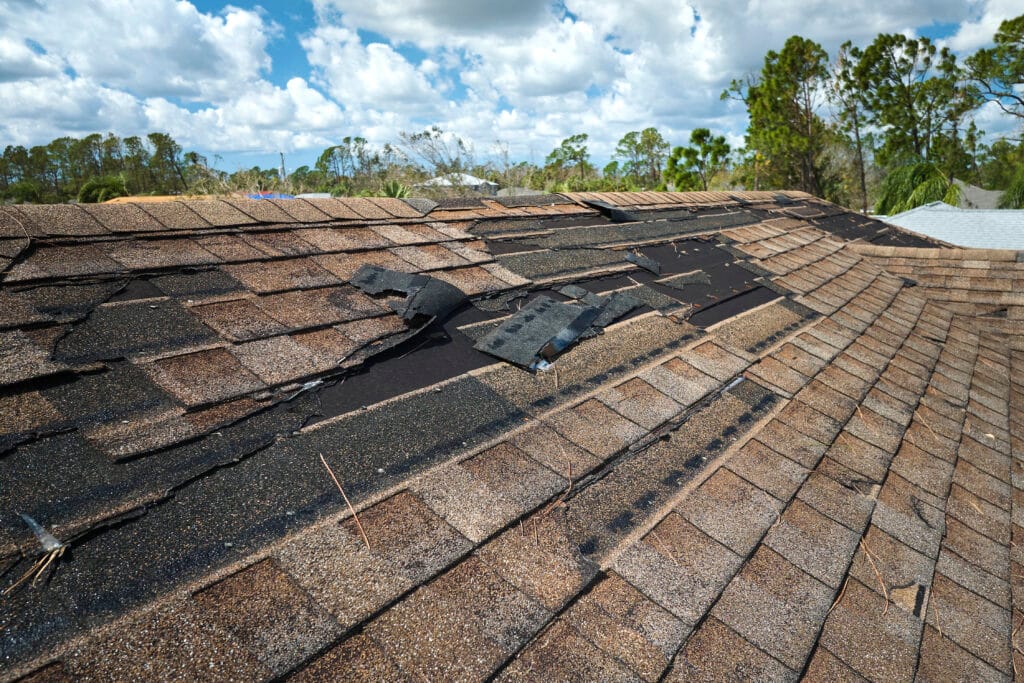
Most warranties are not voided by one dramatic event. They are voided by small decisions made months or years after the roof went on, often by someone other than the roofer. These are the ones we see most often in Hernando, Pasco and Citrus counties.
- Not registering the warranty: enhanced manufacturer warranties usually have to be registered by the contractor after the job. If nobody registered it, you may only have the standard product warranty. Ask for the registration confirmation, not just a brochure.
- Poor attic ventilation: GAF states that inadequate ventilation is not an application error and is excluded from coverage, and other manufacturers say the same. Heat and moisture trapped in a Florida attic cook shingles from below. Our guide to attic ventilation for Florida roofs shows how to check yours.
- Pressure washing: high pressure strips granules off asphalt shingles and can drive water under tiles. Damage caused by cleaning is not a manufacturing defect. Soft washing with a low pressure cleaner is the safer route for algae.
- Penetrations by other trades: a satellite dish, a solar array, a new bathroom vent or an attic fan cut in by someone else can void the workmanship warranty for that area, and often for the leak it causes. Ask the installer to coordinate with your roofer or use a mounting method the manufacturer approves.
- Mixing products: system warranties require the manufacturer's own accessories. A repair done with a different brand of starter, ridge cap or underlayment can reduce the coverage to the standard warranty.
- Unlicensed or unpermitted repairs: a repair done by an unlicensed handyman, or work done without a permit when one was required, gives both the manufacturer and the original contractor an easy reason to deny a claim.
- Missing maintenance records: some warranties require reasonable maintenance. Photos, invoices and inspection reports are your proof that the roof was cared for.
- Selling the house without transferring: manufacturer warranties often transfer only once. GAF, for example, lets a warranty transfer one time, and gives the second owner the original coverage only if the transfer happens within the first 20 years, after which coverage drops to two years. Missing the notice window can leave the buyer with nothing.
Hurricanes, Storms and Where Warranty Ends and Insurance Begins
A warranty is not insurance. If a hurricane tears off shingles at wind speeds above the rated limit, or a tree limb punctures the deck, that is a storm claim for your homeowners policy, not a warranty claim. Manufacturers cover the product performing as promised. They do not cover acts of nature beyond the rating.
The gray area is wind. If shingles blow off in a storm well below the stated wind rating, the cause may be an installation problem or a product problem, and that can fall under warranty. To have a real case, you need to know what wind speed hit your area, which wind coverage applies to your roof, and how the roof was installed. This is why a written installation record matters: nailing pattern, starter strips, underlayment type and the permit with its final inspection.
After any named storm, document the roof before anything is repaired. Photos of the damage, the date and the storm name support both an insurance claim and a warranty claim. Temporary repairs to prevent more water damage are expected, but keep the receipts and the replaced material until the claim is resolved. If you are not sure whether damage is storm or defect, a professional roof inspection will separate the two and give you a written report to submit.
Florida Building Code, Permits and Your Roofing Warranty
Every roof replacement in Florida needs a permit and a final inspection, and the permit record becomes part of your warranty protection. It shows the roof was installed to the Florida Building Code in effect at the time, with the required underlayment, fastening and edge details. Manufacturers and insurers both look at it.
Code also affects repairs. Under section 553.844 of the Florida Statutes, if 25 percent or more of a roof is repaired or replaced within 12 months and the existing roof was built to the 2007 Florida Building Code or later, only the repaired section has to meet current code. Older roofs that cross the 25 percent line may need full replacement. A contractor who understands this will plan a repair that keeps you covered without forcing an early replacement. Our roof repair service starts with that check.
How to Protect Your Roofing Warranty After Installation
A warranty is a contract, and like any contract it rewards the person with the best paperwork. Keep these items together in one folder or one cloud drive:
- The signed contract: with the scope of work, the product names and colors and the workmanship warranty terms written out.
- The manufacturer registration: the certificate or confirmation email with the warranty tier and the registration number.
- The permit and final inspection: printed from the county portal once the roof passes.
- Photos: before, during and after installation, especially of the deck, underlayment and flashing that will be hidden later.
- Maintenance log: dates of inspections, gutter cleanings and any repairs, with invoices.
Then make a habit of two things. First, have the roof looked at after every named storm and every few years even without one, so small problems get fixed under warranty instead of growing into claims that get denied for neglect. Second, call your roofer before anyone else touches the roof, whether that is a solar company, a satellite installer or a plumber adding a vent.
Questions to Ask Before You Sign a Roofing Contract
The best time to protect your warranty is before the first shingle comes off. Ask every contractor quoting your roof the same questions so the answers can be compared:
- Which manufacturer warranty tier will this roof qualify for?: and is your company certified to offer it?
- Who registers the warranty and when?: and will I get the confirmation in writing?
- How long is your workmanship warranty and what does it exclude?: including interior damage and labor.
- Does this quote include the full system?: starter, underlayment, ridge, ventilation and flashing from the same manufacturer.
- How will ventilation be checked and corrected?: since poor ventilation is a common reason claims are denied.
- Can the warranty be transferred if I sell?: and what does the buyer need to do?
If you are getting quotes for a new roof, our total roof replacement service includes the permit, the full manufacturer system and written workmanship terms in a single quote, and our shingle roof installation page explains the components that go into a warrantable shingle roof.
Talk to a Licensed Roofer About Your Warranty
Protech Roofing (license CCC1335878) installs and repairs shingle, metal, stone coated steel and tile roofs across Hernando, Pasco, Citrus and the surrounding counties. If you are not sure what your current warranty covers, we can review the paperwork, inspect the roof and tell you what is still protected. Call (352) 605-0696 to schedule a visit. Homeowners planning a new roof can start with our pages on roof replacement in Brooksville and roof replacement in Spring Hill.
FAQ
Frequently Asked Questions
What is the difference between a manufacturer and a workmanship roof warranty?
+
How long is a typical roofing warranty in Florida?
+
Does pressure washing void a roof warranty?
+
Does adding solar panels void my roof warranty?
+
Is a roofing warranty transferable when I sell my Florida home?
+
Will a roof warranty cover hurricane damage?
+
Related Articles
More guides for Florida homeowners
Best Roof Color for Florida Heat: Cool Roofs Explained
Florida test homes show a white shingle saves only 3 to 5 percent on cooling while reflective white metal or tile saves 18 to 26 percent. Here is how to choose a roof color that actually keeps your attic cooler.
Read Article
Roof Underlayment in Florida: The Hidden Layer Explained
Underlayment is the layer that decides what happens to your house when wind strips the shingles. Here is how felt, synthetic and peel-and-stick compare, what Florida code requires on a re-roof, and what each option costs in 2026.
Read Article
Florida Tile Roof Problems: Repair vs Re-Roof (2026)
Tile lasts for decades, the underlayment under it does not. Here are the tile roof problems Florida homeowners see most, what each repair costs in 2026, and how to tell when a repair is enough and when it is time to re-roof.
Read ArticleReady When You Are
Get your free roof inspection today.
No-pressure, written estimate. Same-week scheduling across Hernando County. Call us now or request a visit online.