Blog
Florida Roof Maintenance Schedule: Seasonal Homeowner Checklist for Rainy, Hurricane and Dry Seasons
Call (352) 605-0696A Florida roof needs a seasonal schedule: repairs in the dry season from November to April, gutter and valley cleaning before the rainy season starts in late May, close watching through the summer storms and a full check after hurricane season. Here is the homeowner checklist, season by season.
Why Florida Roofs Need a Calendar, Not Just a Phone Number
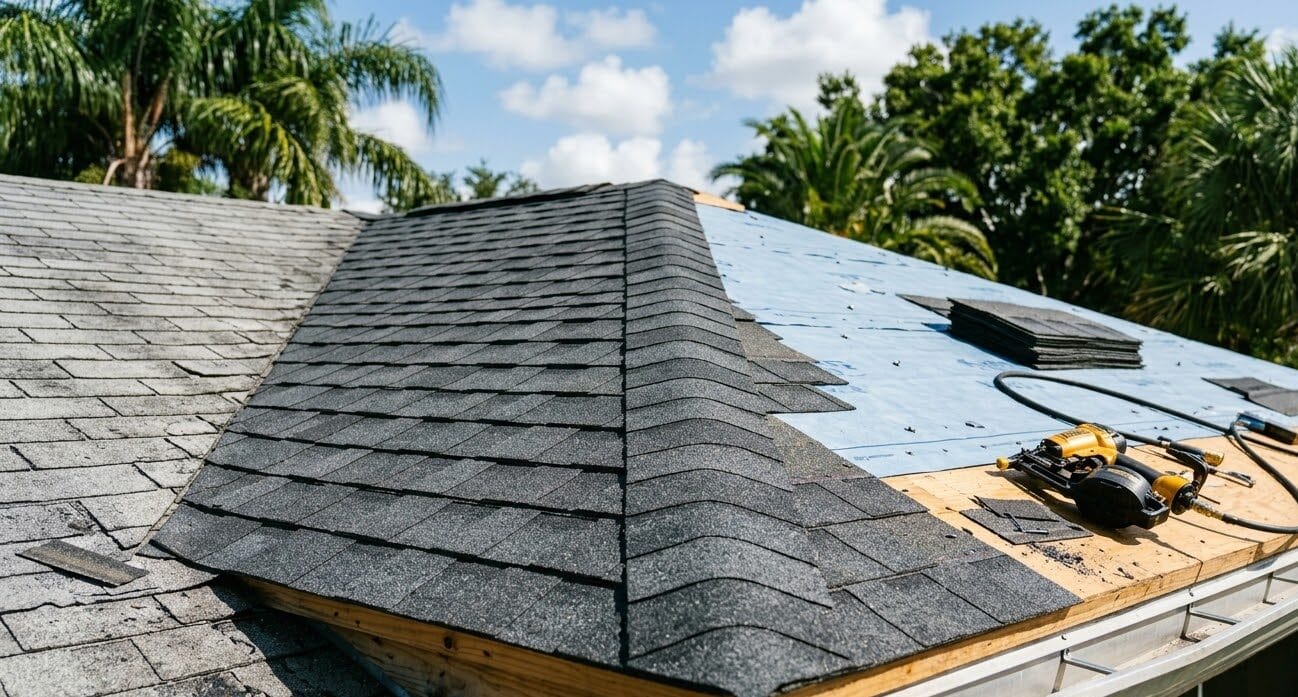
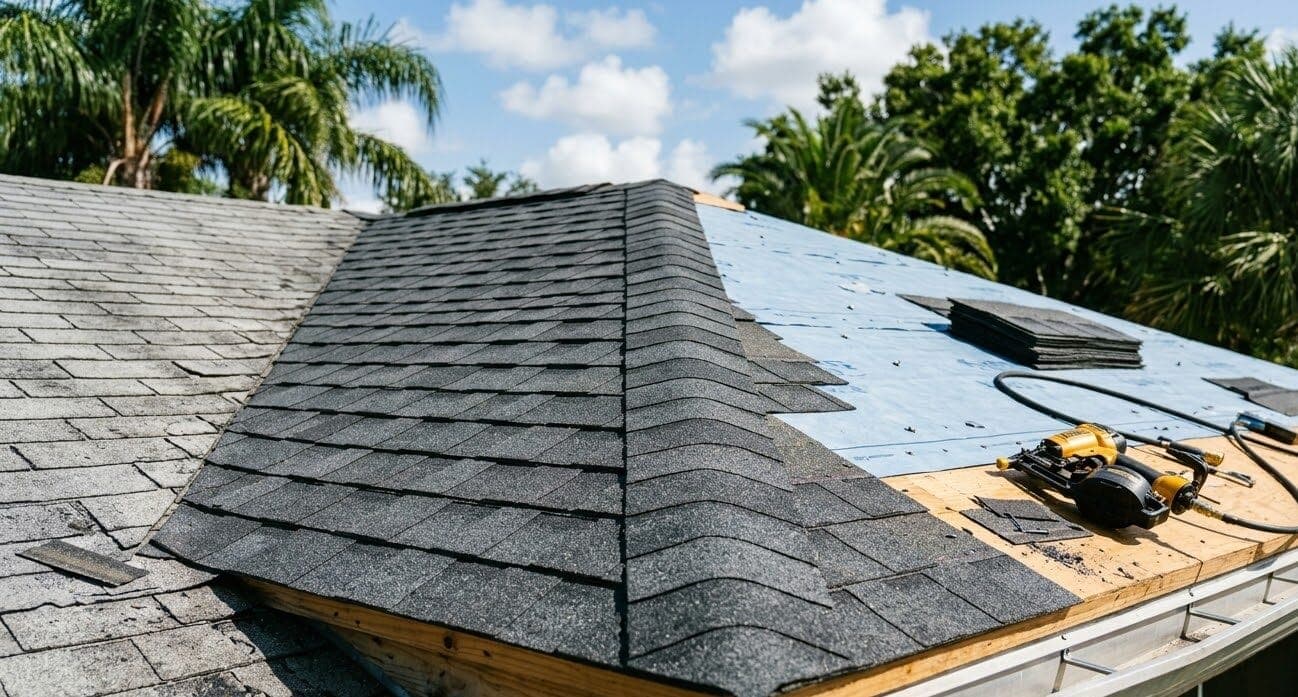
Most homeowners think about the roof twice: when it leaks and when the insurance company asks how old it is. By then the cheap fixes are gone. A lifted shingle that would have cost a small repair in March becomes a wet deck in August. A gutter packed with oak leaves in the dry season becomes a fascia rot job after the first week of afternoon storms. Florida roofs rarely fail all at once. They fail in small steps that a simple schedule would have caught.
The good news is that Florida weather is predictable enough to plan around. The National Weather Service Tampa Bay office defines the rainy season for West Central Florida as roughly May 25 through October 10. The Atlantic hurricane season runs June 1 through November 30. The months in between, roughly November through April, are dry, mild and the best time of year to get roof work done. That gives every homeowner in Hernando, Pasco and Citrus counties a natural three-season calendar: a dry season to repair, a rainy season to watch and a hurricane season to protect.
This guide turns that calendar into a homeowner checklist. It covers what to check yourself from the ground, what to leave to a roofer, how often each task should happen and how a maintenance record protects you with insurers and manufacturers. If you own a commercial building, our commercial roof maintenance calendar covers flat roofs and rooftop equipment in more detail.
The Florida Roof Maintenance Schedule at a Glance
- Monthly, from the ground: a two-minute walk around the house looking for shingles out of place, debris on the roof, sagging gutters and new stains on soffits or ceilings.
- Every 3 to 4 months: clear gutters and downspouts, more often under oak and pine canopy. In Florida trees drop leaves, needles and pollen pods year round, not in one fall season.
- Twice a year: a closer inspection before the rainy season starts in late May and again after it ends in October.
- Once a year, in the dry season: a professional roof inspection with photos, repairs to anything found and an attic check for moisture and ventilation.
- After every named storm or severe thunderstorm with high winds: a ground-level check the same day it is safe, and a professional inspection if anything looks wrong.
- Every few years, as needed: soft-wash algae streaks, reseal flashing details and replace pipe boots before they crack.
The rest of this guide walks through each season in order, starting with the one that matters most for repairs.
Dry Season Roof Maintenance (November Through April)
The dry season is the repair window. Rain is less frequent, humidity is lower, and roofers are not buried in storm calls. This is when the annual professional inspection belongs, because anything it finds can be fixed before the rain returns.
- Schedule the annual inspection: a roofer should walk the roof, photograph every slope, check flashing at walls, chimneys and skylights, look at every pipe boot and roof vent and note shingles that are cracked, curled, lifted or missing granules.
- Fix what the inspection found: replacing a few shingles, resealing a flashing seam or swapping a cracked pipe boot is inexpensive in January. The same defects can let water into the deck once daily storms begin.
- Check the attic: on a sunny afternoon, look for daylight around penetrations, dark stains on the underside of the deck, damp insulation and signs of pests. Poor ventilation shortens shingle life in Florida heat, and our guide to attic ventilation for Florida roofs explains what to look for.
- Trim trees: cut back branches that hang over the roof or touch it. Branches scrape granules off shingles, drop debris into valleys and give squirrels and rats a path to the roof edge.
- Clean algae if needed: black streaks are usually algae. Soft washing with a low-pressure cleaning solution removes it without stripping granules. Never pressure wash an asphalt shingle roof.
- Plan big projects: if the inspection shows the roof is near the end of its life, the dry season is the best time to replace it, with shorter permit lines and fewer weather delays.
Our roof inspection service documents every slope with photos, so you have a dated record of the roof's condition each year.
Pre-Rainy Season Check (Late April to Late May)
The weeks before the rainy season are the last easy chance to prepare. From late May on, many afternoons bring heavy thunderstorms, and water finds every weak point on the roof.
- Clean gutters and downspouts completely: flush each downspout with a hose to confirm it drains. A clogged downspout sends water over the back of the gutter and into the fascia and soffit.
- Clear the valleys: valleys collect leaves and pine needles that act like small dams. Water backs up under the shingles at the edge of the debris.
- Look at the flashing: from the ground or a ladder at the eave, check that step flashing along walls is tight and that counter flashing has not pulled away from stucco or siding.
- Confirm drainage at ground level: downspout extensions or splash blocks should move water away from the foundation, not into the slab edge.
If you do not want to be on a ladder, our gutter cleaning service clears gutters, downspouts and valleys and flags any roof damage we see while we are up there.
Rainy Season Roof Maintenance (Late May Through Early October)
During the rainy season, maintenance means watching rather than working. The daily storms are a free leak test, and the job is to notice problems while they are small.
- Check ceilings after heavy storms: look at ceilings near exterior walls, around skylights, near bathroom vents and in closets. A small brown ring is often the first sign of a flashing or pipe boot leak.
- Watch the gutters during a storm: water pouring over the front edge means a clog or undersized downspout. Water dripping behind the gutter means a flashing or drip edge problem.
- Look in the attic after a big storm: a flashlight check for wet spots on the deck or insulation takes five minutes.
- Clear gutters mid-season if trees are heavy: homes under large oaks often need a second cleaning in July or August.
- Act fast on leaks: the U.S. Environmental Protection Agency advises drying wet building materials within 24 to 48 hours to prevent mold growth, so a ceiling stain is not something to leave until the dry season.
When a stain shows up, our leak detection and repair service traces the water to the real entry point, which is often several feet away from where it shows up on the ceiling. The most common sources are covered in our guide to roof leak causes in Florida.
Hurricane Season Roof Checklist (June 1 Through November 30)
Hurricane season overlaps most of the rainy season, then runs past it into late November. The roof work for hurricane season falls into three moments: before the season, when a storm is coming and after it passes.
- Before the season: make sure the dry season repairs are done, gutters are clean and loose items like satellite dishes and solar panel mounts are secure. Photograph every side of the house and the roof surface so you have a dated before picture for insurance.
- Know your paperwork: keep your policy, your wind mitigation report and your roof permit or installation date in one place. Many insurers accept a wind mitigation report for up to five years, so check the date on yours.
- When a storm is forecast: clear the yard of anything that can become a projectile, trim dead branches if there is time and close attic access hatches. Do not climb on the roof as wind picks up.
- After the storm: walk around the house once it is safe. Look for missing shingles, lifted ridge caps, bent flashing, dents in metal and granules collected in the gutters. Photograph everything before any cleanup.
Our post-storm roof inspection checklist covers the after-storm walk in detail, and the hurricane prep checklist covers the rest of the house. Under current Florida law, a new residential property insurance claim must generally be reported within one year of the date of loss, so document damage right away even if it looks minor.
Post-Season Inspection (October and November)
Once the rainy season ends and the worst of hurricane season passes, schedule the second inspection of the year. Months of daily storms, ultraviolet exposure and wind gusts can loosen things you cannot see from the ground.
- Check for wind damage that did not leak yet: creased or lifted shingles may still be in place but have lost their seal. They are the first to go in the next storm.
- Look at sealant and pipe boots: Florida sun breaks down rubber pipe boots and sealant faster than in milder climates. Cracked boots are among the most common leak sources on otherwise healthy roofs.
- Inspect soffits and fascia: after a wet summer, soft or stained fascia boards show where water has been getting behind the gutters. Our soffit and fascia repair service replaces rotted boards before they let pests into the attic.
- Book the dry season repairs: anything the inspection finds goes on the list for the November through April window.
Maintenance by Roof Type
The calendar is the same for every Florida home, but what you look for changes with the roof material.
- Asphalt shingles: watch for granule loss in gutters, curling or cupped edges, lifted tabs after wind, algae streaks and exposed nail heads. Never pressure wash shingles, and avoid walking on them in the midday heat, when they scuff easily.
- Concrete and clay tile: look for cracked, slipped or broken tiles, especially after storms and after anyone has walked on the roof. The underlayment does most of the waterproofing on a tile roof, so leaks often appear years before the tiles look worn. Our guide to tile roof problems in Florida covers this in detail.
- Metal: check fasteners and their rubber washers, sealant at panel laps and trim, scratches that expose bare metal and any contact with dissimilar metals that can cause corrosion, especially near the coast.
- Low-slope and flat sections: porches, additions and carports often have low-slope roofs. Look for standing water that stays more than a couple of days after rain, blisters and open seams.
What You Can Do Yourself and What to Leave to a Roofer
Most of a good maintenance schedule happens from the ground, the attic and the top of a ladder. Walking on the roof is where homeowners get hurt and where shingles and tiles get damaged.
- Safe homeowner tasks: ground-level visual checks, binocular inspections of the roof surface, attic checks with a flashlight, clearing gutters from a stable ladder, trimming small branches from the ground and keeping records.
- Roofer tasks: walking the roof, replacing shingles or tiles, resealing flashing, replacing pipe boots, soft washing, any work above the first story and any inspection used for insurance or warranty documentation.
Two-story homes, steep roofs and tile roofs should always be left to a professional. Tile cracks under foot traffic when you step in the wrong place, and a fall from a roof edge is a far more expensive problem than any roof repair.
Keep a Roof Maintenance Log
A simple log is one of the most valuable things a Florida homeowner can keep. Write down the date of each inspection, what was found, what was repaired and who did the work, and keep the photos with it.
- Insurance: when you file a claim, the adjuster will ask about the roof's condition before the storm. Dated photos and repair receipts show the damage is new, not wear and tear.
- Warranties: manufacturer and workmanship warranties can be weakened by neglect, improper cleaning or unauthorized repairs. A record of professional maintenance supports a warranty claim. Our guide to roofing warranties in Florida explains what usually voids them.
- Resale: buyers, inspectors and insurers all ask about the roof. A maintenance history answers those questions before they slow down a sale.
Put Your Roof on a Schedule
The easiest way to stick to a roof maintenance schedule is to put it on someone else's calendar. Our regular roof maintenance program includes scheduled inspections, small repairs before they become leaks and a written record of every visit. When something does need fixing, our roof repair team handles it before the next season arrives.
Protech Roofing (license CCC1335878) maintains, repairs and replaces roofs across Hernando County and nearby communities, including roof inspections in Spring Hill and roof inspections in Brooksville. Call (352) 605-0696 to book your dry season inspection and start the year with a roof you know is ready.
FAQ
Frequently Asked Questions
How often should a roof be inspected in Florida?
+
When is the best time of year for roof work in Florida?
+
How often should I clean my gutters in Florida?
+
Can I pressure wash my shingle roof?
+
What should I check on my roof after a hurricane?
+
Does roof maintenance affect my insurance or warranty?
+
Related Articles
More guides for Florida homeowners
Roof-to-Wall Retrofit in Florida: Straps & Savings
How Florida roof-to-wall connections work, the toe nail, clip and wrap categories on the wind mitigation form, when Section 706.8 requires a retrofit during a reroof, what the 2026 form changed and how to pay for it.
Read Article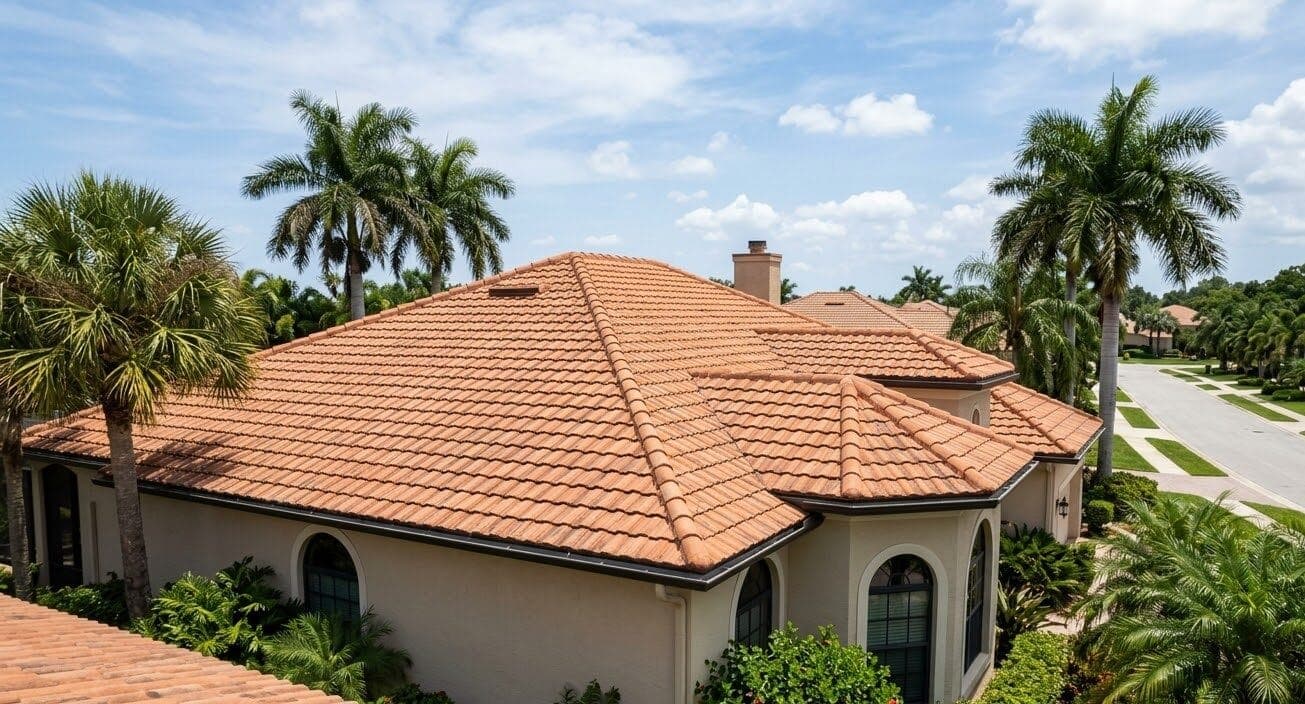
Florida Roof Insurance Non-Renewal: Why Carriers Drop Roofs
Why Florida insurers non-renew homeowners policies over older roofs, what FS 627.7011 and 627.4133 require, how to read the reason on your notice and the four paths forward: challenge, inspect, repair or replace, or move the policy.
Read Article
ACV vs RCV Roof Claims in Florida: Insurance Payout Guide
Why the first insurance check on a Florida roof claim is smaller than the estimate: how actual cash value, replacement cost, depreciation and deductibles work, what Florida law requires and how to recover the holdback.
Read ArticleReady When You Are
Get your free roof inspection today.
No-pressure, written estimate. Same-week scheduling across Hernando County. Call us now or request a visit online.