Blog
Post-Storm Roof Inspection: The 12-Point Homeowner Checklist (Central Florida Edition)
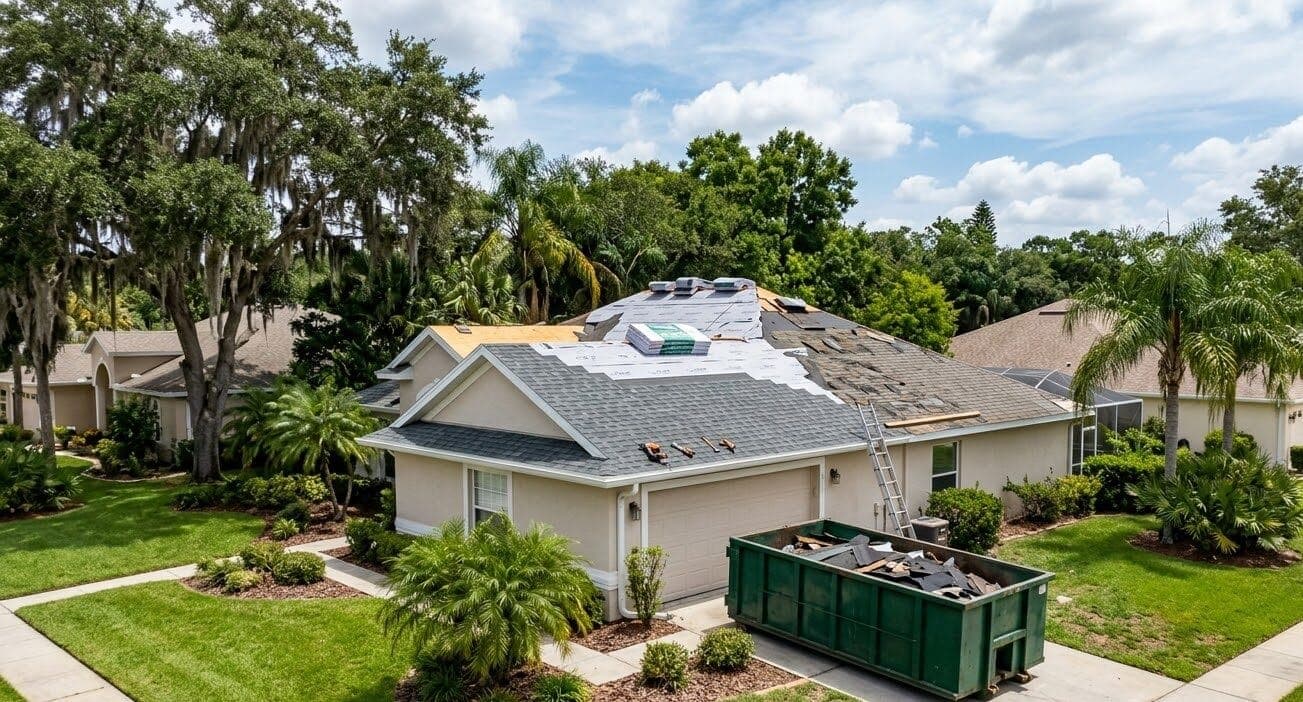
Call (352) 605-0696After every Florida hurricane, our crews drive subdivision after subdivision and see the same pattern: homeowners walking around their yard the morning after, looking at their roof from below, and concluding it's "probably fine." Two months later they call about a ceiling stain that has spread from a corner to a 4-foot patch, and the wind damage that caused it is no longer eligible for insurance recovery because they did not document it within their carrier's deadline.
Hurricane wind damage to a roof is rarely obvious from the ground. Lifted shingles re-seat themselves, hidden underlayment tears do not show, and water that pooled in your attic for 24 hours dries before you ever notice it. This is the 12-point post-storm roof inspection checklist Protech Roofing's crews run on every home we walk after a Central Florida storm. Run through it within 7 days of the storm passing, even if your roof looks untouched.
Why Post-Storm Roof Inspection Matters
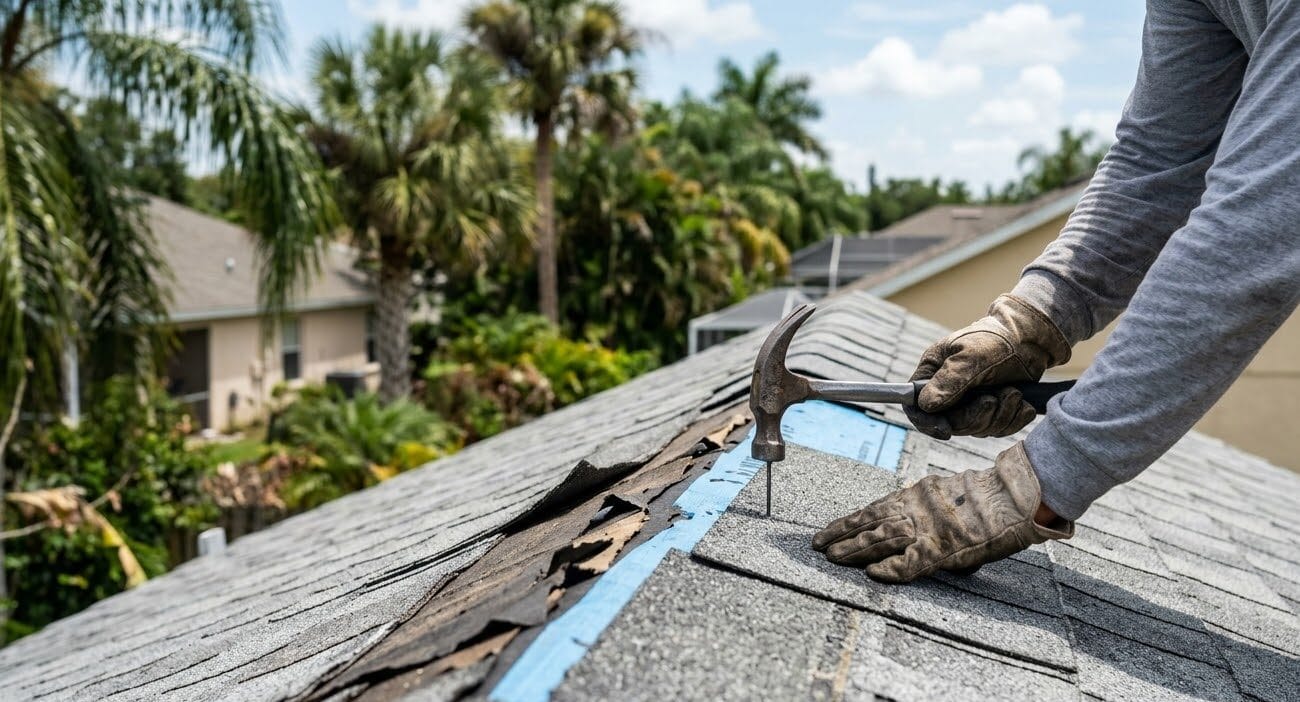
Florida insurance law gives homeowners a hard 2-year window to file a claim from the date of loss on hurricane damage, but in practice, the best settlements happen when claims are filed within 30 to 60 days with documented damage. After 90 days, adjusters start questioning whether the damage was actually caused by the named storm or by general wear and tear, and your settlement drops accordingly.
The 12 checks below are designed to be done by a homeowner from the ground or with a ladder, without climbing onto the roof itself. Climbing onto a recently-storm-damaged roof is dangerous, and your insurance carrier will often refuse to cover injuries that happen during DIY inspection.
Before You Start: Safety First
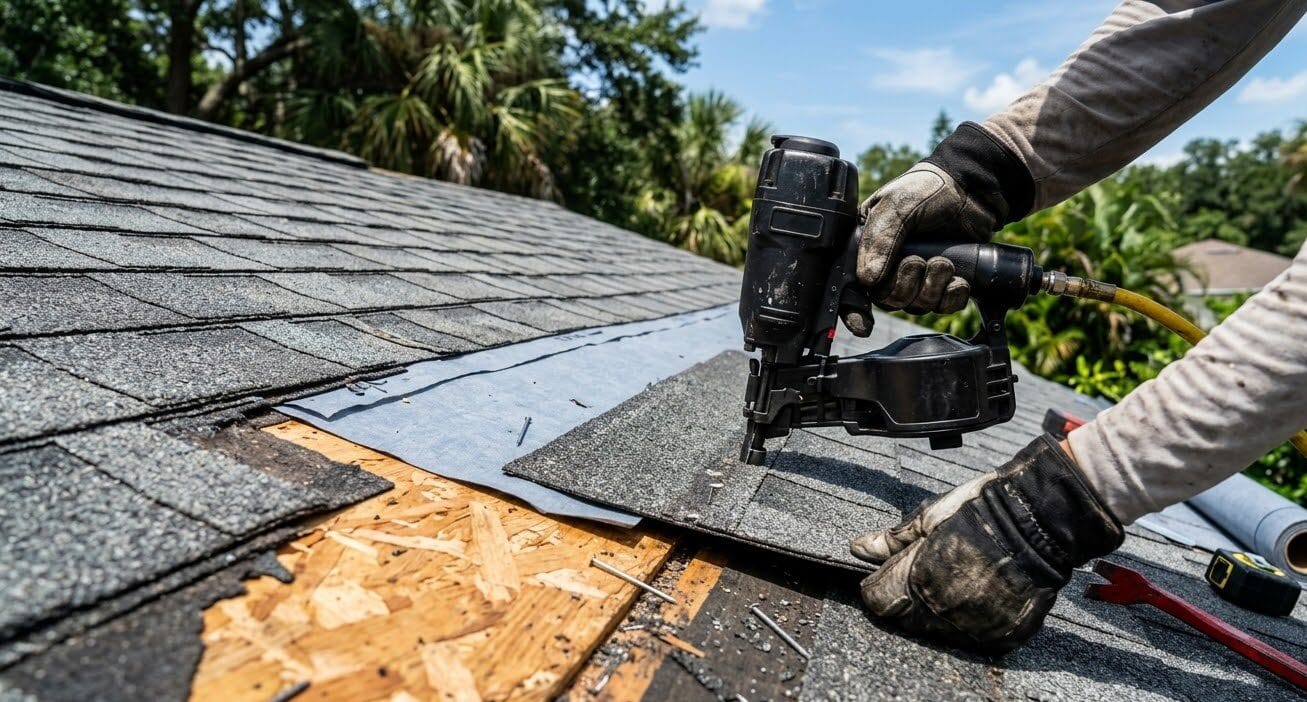
If the storm damage is severe (visible structural damage to your home, downed power lines on your property, partial collapse), do not inspect anything yourself. Call a licensed contractor for emergency assessment. The 12-point check is for homes that appear largely intact from a distance.
Wait at least 24 hours after the storm passes before doing the inspection. The roof and any standing water should be partially dry, and the wind should be back to normal levels. Wear closed-toe shoes (broken glass and nails are everywhere after a storm), and have a second person with you.
The 12 Critical Post-Storm Roof Checks
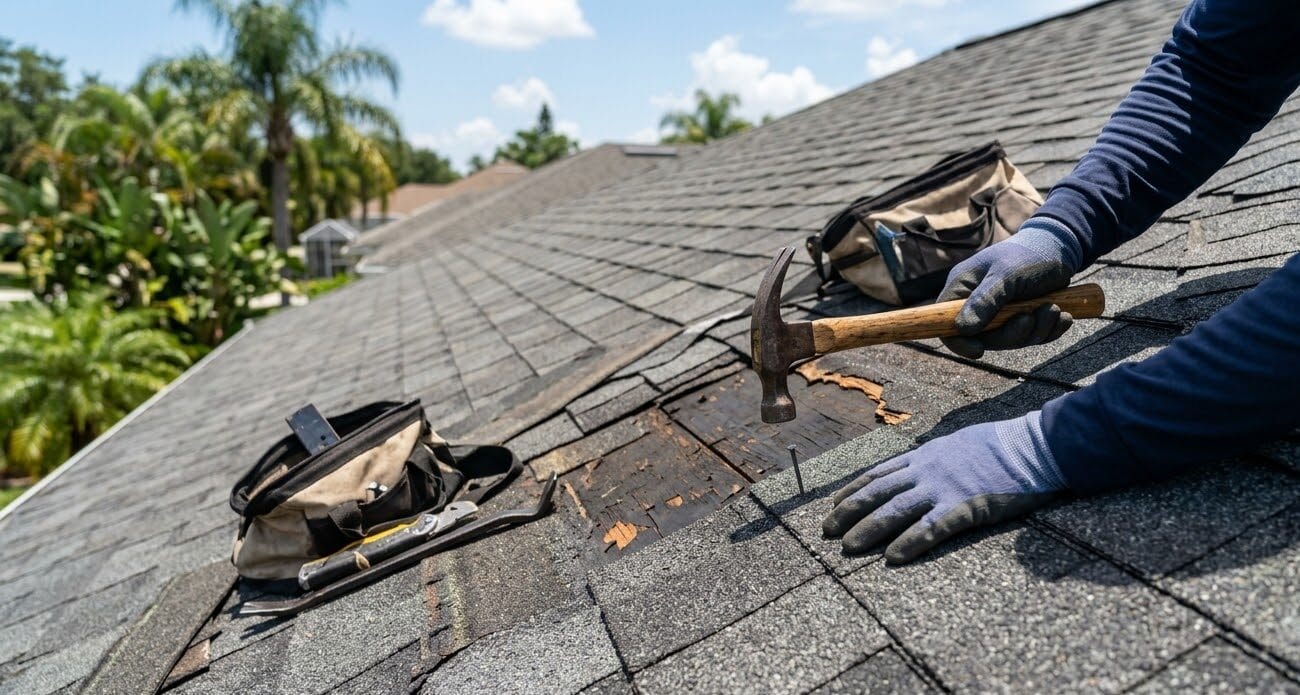
1. Walk the Perimeter of the Home and Look Up
Stand 20 to 30 feet back from each face of the home and look at the roof. Note: missing shingles, lifted edges, shingles in the wrong position (a shingle that has shifted sideways), or any visible bare patches where the underlayment is exposed. Take photos of each face from this distance. This is your baseline documentation.
2. Look for Shingle Debris on the Ground and in the Yard
Find every shingle piece, granule pile, and roofing nail in your yard. The amount of debris is a direct indicator of damage. A few granules washed off is normal. A pile of granules at the base of a downspout means significant shingle abrasion. Full shingles or shingle sections on the ground mean roof damage and almost certainly a claim.
3. Inspect All Gutters and Downspouts
Gutters that have separated from the fascia, downspouts pulled away from the wall, or gutters bent inward all indicate strong wind impact. The location of the damage tells you where the wind hit hardest, which corresponds to where the roof is most likely to have hidden damage.
4. Check Flashing and Trim Around Vents, Chimneys, and Skylights
From a ladder placed on solid ground (not leaning on the roof itself), look at each rooftop penetration. Flashing that has lifted, sealant that has cracked, or any visible gap is a leak point. Even if no water is currently coming through, these will leak in the next rain.
5. Examine the Soffit and Fascia for Damage
Walk under the eaves and look for soffit panels that are bowed inward, lifted, or pulled loose from their tracks. Soffit damage is a top-3 cause of attic water intrusion in Florida hurricanes. A pulled-loose soffit lets wind-driven rain into the attic, where it soaks insulation and drywall above your ceilings.
6. Look at the Roof Ridge and Hip Lines
From the ground or a ladder, scan the ridges and hip lines. Ridge cap shingles are the most exposed and the first to lift in wind. Missing or lifted ridge caps look like dark gaps along the top of the roof. Any ridge damage is a guaranteed leak source in the next heavy rain.
7. Look at the Valleys
Roof valleys (where two roof faces meet) collect water. Storm debris in the valley, lifted shingle edges along the valley line, or any granule loss in the valley fabric all indicate wind damage. Valleys are also the second-most common leak point in Florida roofs.
8. Check the Attic for Water Stains and Daylight
With a flashlight, climb into the attic and inspect the underside of the roof deck. Look for: wet spots (especially along the wood underside of the deck), water stains that did not exist before the storm, visible daylight coming through any nail penetration or board separation, and any sign of insulation that has been moved or wet. Photograph anything suspicious.
9. Inspect Ceilings in the Top Floor
Walk every room in your top floor and look at the ceiling, especially along walls and in corners. Storm damage often shows up first as a faint discoloration or shadow before becoming a visible stain. Check above closets and inside any dropped ceiling panels in bathrooms or laundry rooms.
10. Check Window and Door Seals
While not strictly roof-related, window and door seals fail in the same wind events that damage roofs. Water that came in around a window during the storm runs down the wall cavity and shows up in unexpected places days or weeks later. Document any seal damage now while it is connected to the storm event.
11. Look for Damage to the Garage Door
A garage door that has visibly bowed inward, has separated from its tracks, or has dents in the panel is a sign that the wind pressure on your home approached the failure threshold. Even if the door appears to be functioning, internal pressure spikes during the storm may have stressed the roof framing. This warrants a professional inspection.
12. Walk the Property for Tree and Debris Damage
Look at every tree on your property. Trees that have lost large limbs, have visible bark damage, are leaning, or have exposed root systems may now be threats to your home in the next storm. Note any tree that has actually struck your roof, even glancingly. Tree-impact damage qualifies under storm damage restoration and is a common settlement category that homeowners forget to document.
Documentation: What to Capture for the Insurance Claim
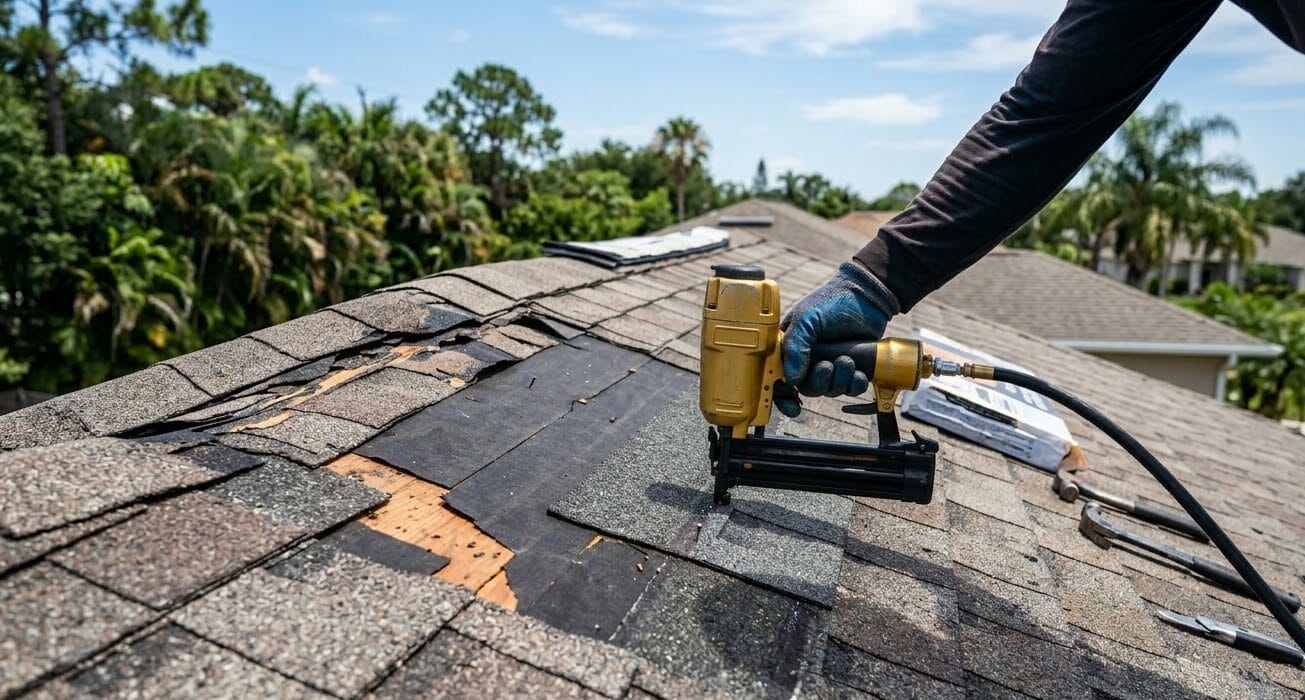
Your insurance carrier will need:
- Date, time, and name of the storm event
- Photos of all 4 sides of the home, including roof faces visible from the ground
- Close-up photos of any damaged shingles, flashing, soffit, or gutters
- Photos of the inside of the attic showing any water staining or daylight
- Photos of any interior ceiling or wall damage
- Photos of debris on the ground (shingles, granules, branches that hit the home)
- A written list of damage observed, organized by area of the home
- Receipts for any emergency mitigation work (tarping, temporary repairs)
When to Call a Roofer Immediately
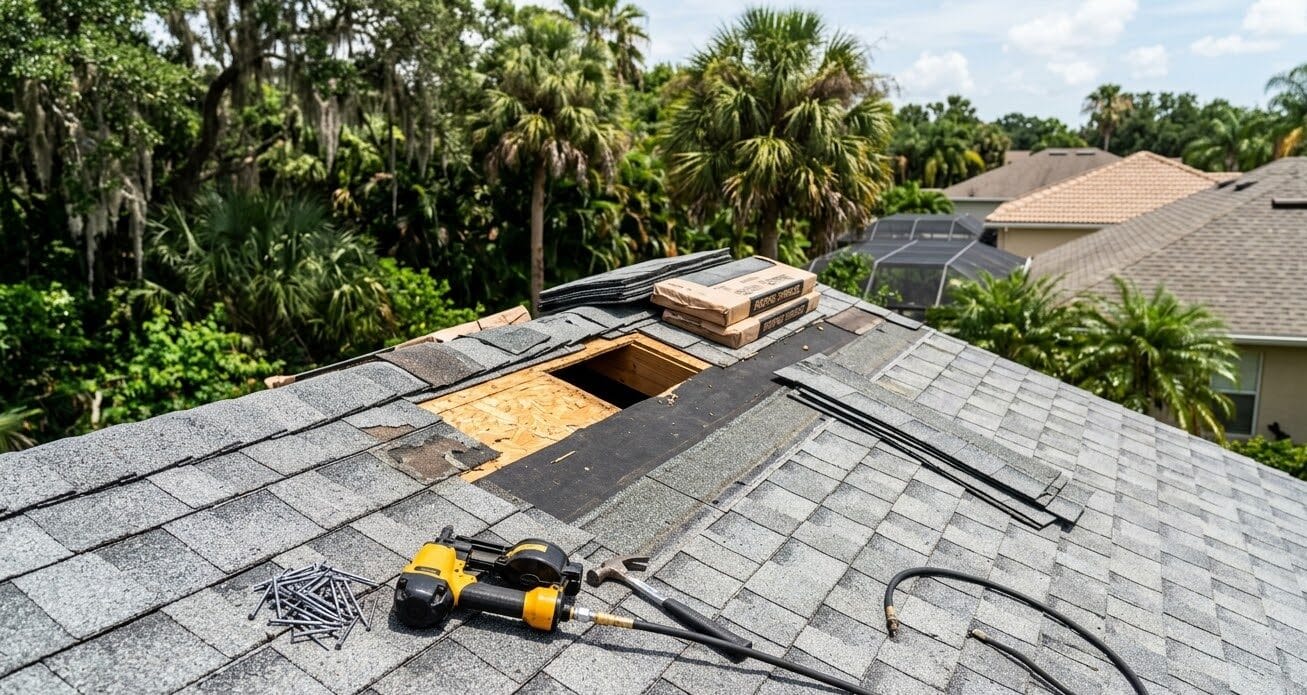
Some damage warrants emergency response, not just documentation:
- Any visible hole in the roof, even small
- Any active water leak inside the home, including small drips
- Missing shingles in a contiguous patch larger than 2 feet by 2 feet
- Visible separation between the roof deck and the wall
- Soffit panels hanging loose or completely missing
- Any tree limb that struck the roof, regardless of apparent damage level
In any of these cases, call a licensed roofer within 24 hours for emergency tarping or boarding. Temporary mitigation is almost always covered by homeowners insurance and prevents the original damage from becoming a much larger claim.
The Adjuster Visit: What to Expect
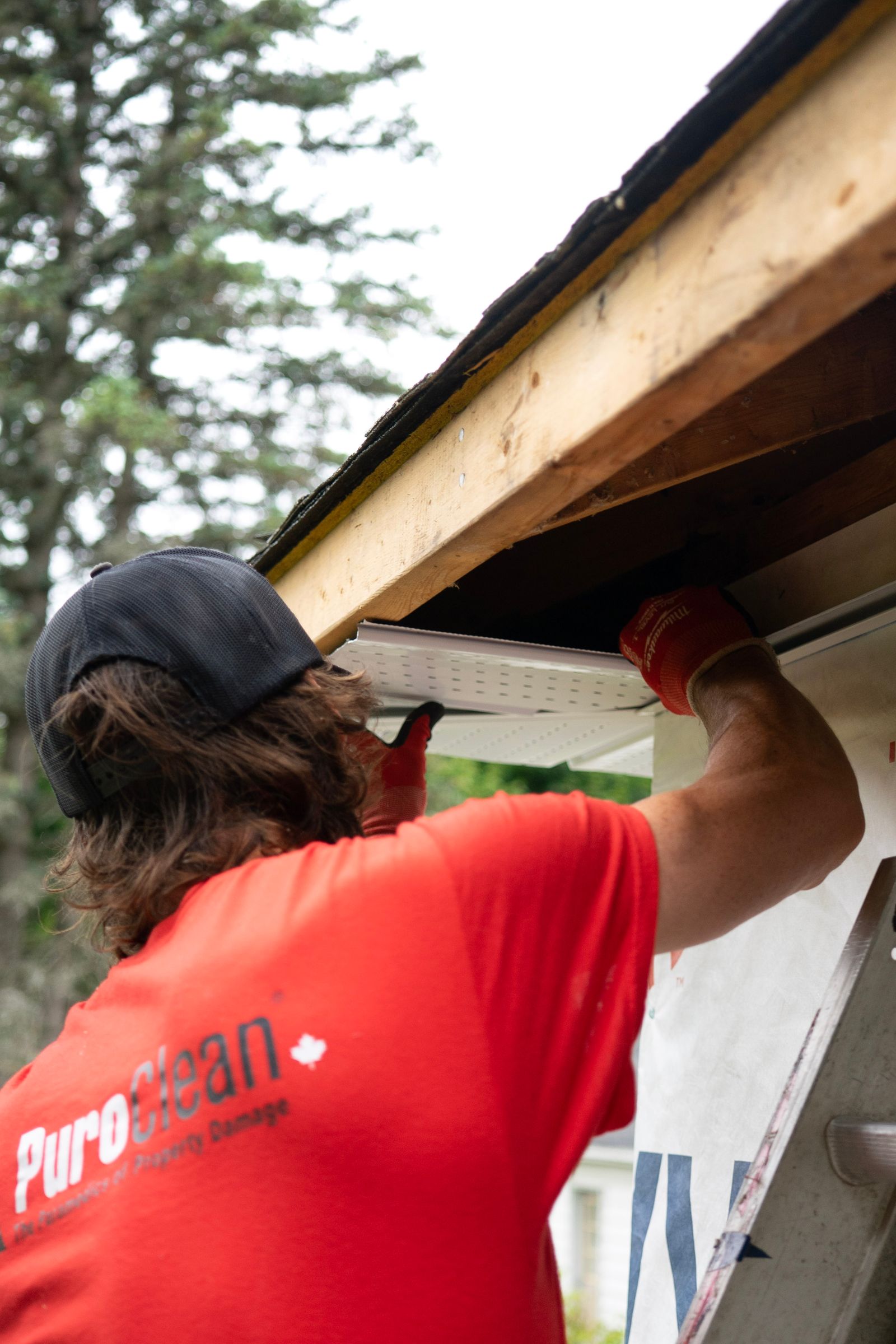
When the insurance adjuster comes to inspect your damage, they will typically spend 1 to 3 hours on site. They will:
- Photograph the roof from multiple angles (sometimes using a drone)
- Inspect the attic and interior ceilings
- Ask about the storm event, including timing and wind speed estimates
- Ask about your roof age, installation history, and any previous claims
- Calculate a settlement based on the damage observed and the policy terms
Best practice: have your roofer present during the adjuster visit. A licensed roofing contractor can point out damage the adjuster might miss (our Florida insurance claim guide walks through the adjuster meeting in detail), especially hidden issues like underlayment tears or compromised flashing. Most reputable roofers do not charge for this visit if you are also engaging them for the eventual repair work.
Common Post-Storm Mistakes
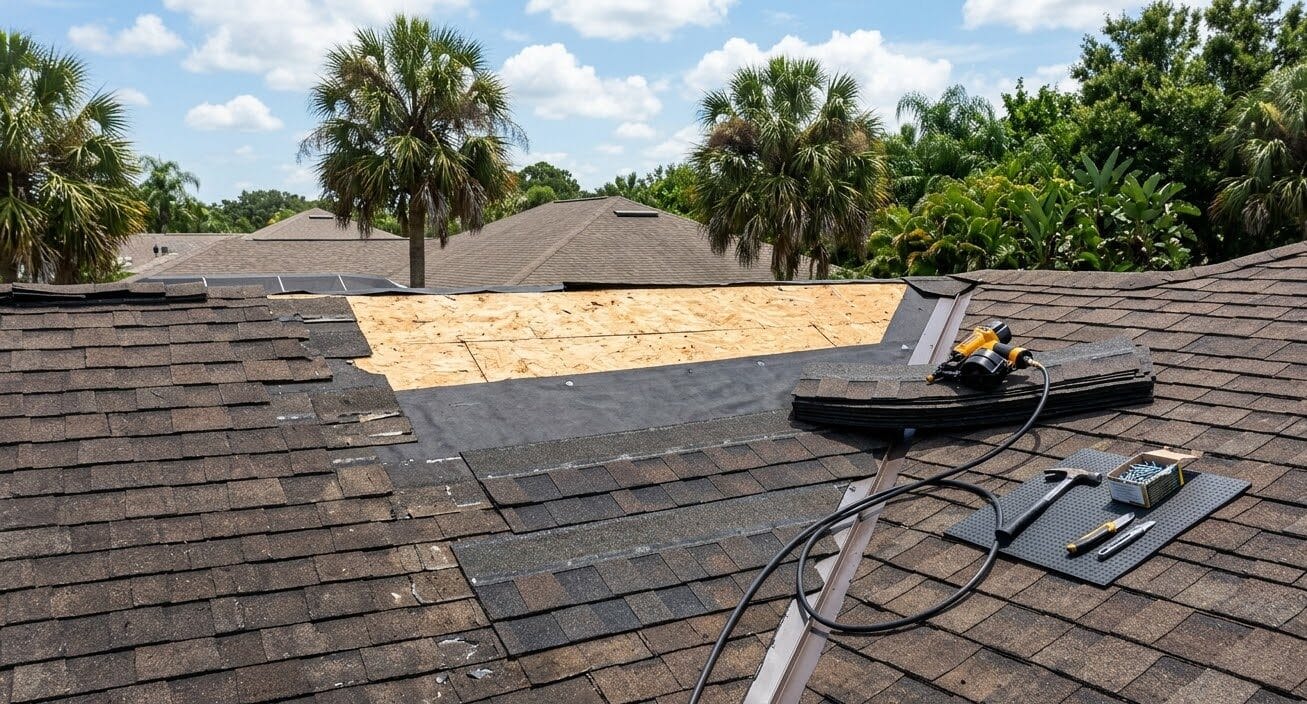
- Assuming "it looks fine." Wind damage rarely looks dramatic. A roof that appears intact from the street can have lifted underlayment that will leak in the next storm.
- Signing with a door-to-door contractor. Storm-chasers from out of state show up after every Florida hurricane. They take deposits, do shoddy work, and disappear. Only use licensed Florida contractors with verifiable local addresses.
- Cleaning up debris before photographing. Once you have hauled away the shingle pieces and branches, you cannot prove the storm caused that damage. Document first, clean up second.
- Waiting 3 months to call the insurance carrier. Florida adjusters question late claims aggressively. File within 2 weeks of the storm even if the damage seems minor.
- Skipping the attic inspection. The roof can look perfect from outside while the deck is soaked from inside.
- Refusing to climb the ladder. Many homeowners skip the ladder inspection of the soffit and flashing. This is where 60 percent of the documentable damage lives.
Free Post-Storm Inspection From Protech
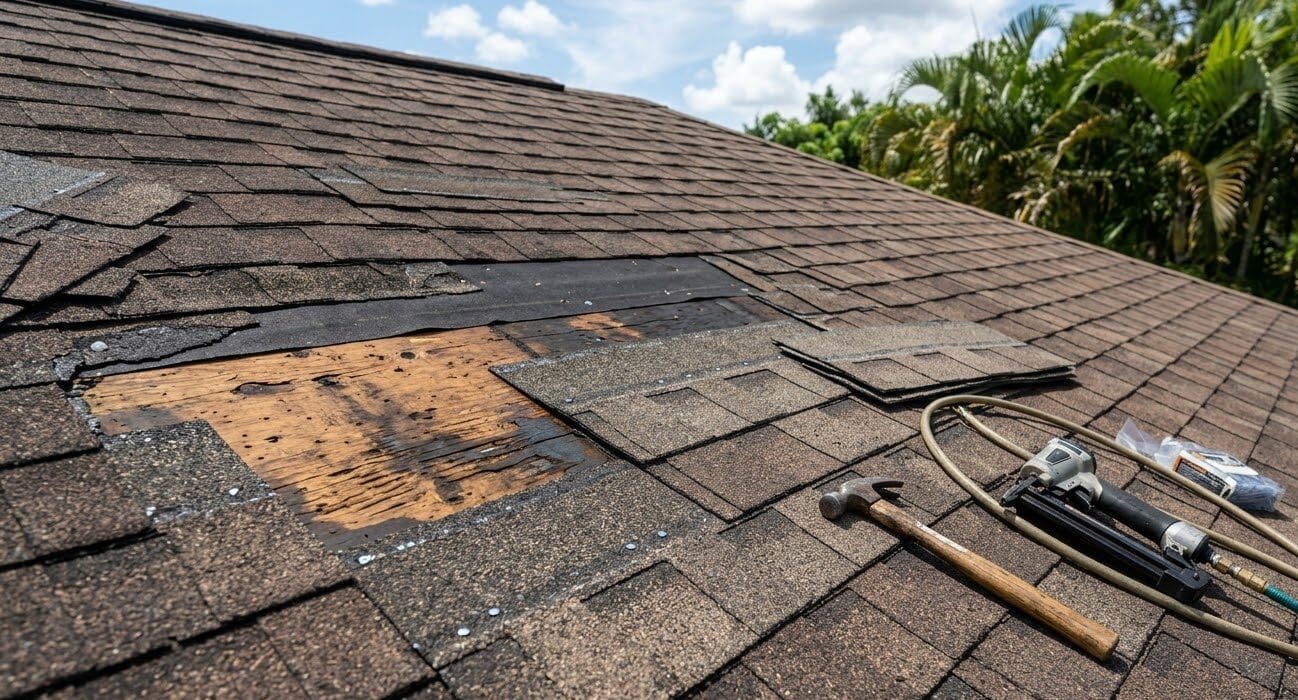
If a named storm has impacted Hernando, Citrus, Pasco, Sumter, Marion, or Lake County, Protech Roofing offers free post-storm inspections within 5 business days of the storm passing. Our crews document everything visible from a ladder and from drone footage, give you a written report you can submit to your insurance carrier, and provide emergency mitigation (tarping, board-up) if needed at standard rates.
Call (352) 605-0696 or schedule online. We have been doing post-storm work in Central Florida since 2008, and we know how the local insurance carriers (and the post-Hurricane HB 837 deadlines) work.
FAQ
Frequently Asked Questions
How soon after a hurricane should I inspect my roof?
+
Can I tell if my roof is damaged just by looking from the ground?
+
Should I climb on my roof after a hurricane?
+
How long do I have to file a hurricane damage claim in Florida?
+
What does "hidden" roof damage look like?
+
Do I need to be home when the insurance adjuster inspects?
+
Will my insurance cover emergency tarping or temporary roof repair?
+
Should I sign a contract with a storm-chaser contractor who knocks on my door?
+
Related Articles
More guides for Florida homeowners

Florida Tile Roof Problems: Repair vs Re-Roof (2026)
Tile lasts for decades, the underlayment under it does not. Here are the tile roof problems Florida homeowners see most, what each repair costs in 2026, and how to tell when a repair is enough and when it is time to re-roof.
Read Article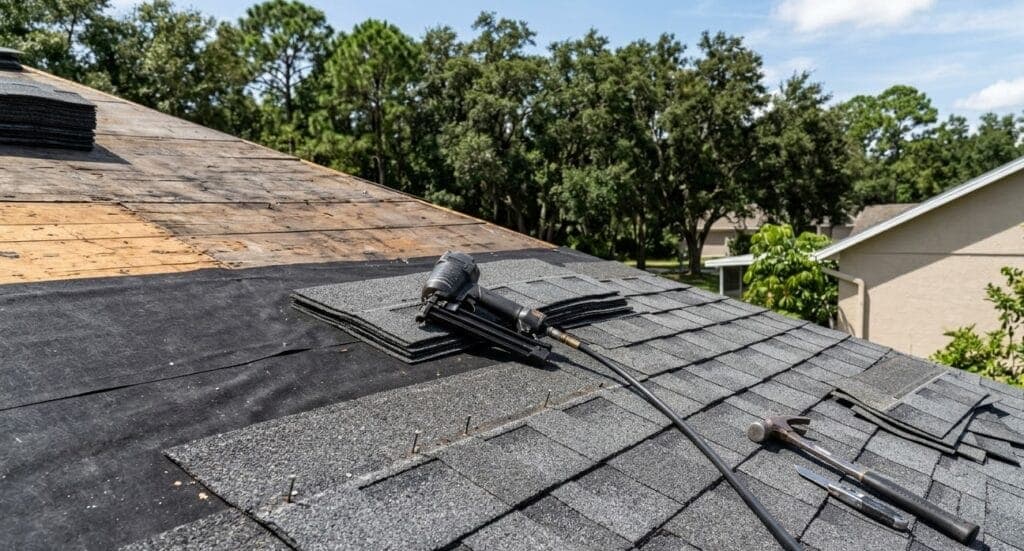
Solar Roofing in Florida: Solar Shingles vs Panels (2026)
Every solar system on a Florida roof is either bolted to the roof or is the roof. Here is how panels and solar shingles compare in 2026, what changed with the federal credit, and why the cheapest solar project often starts with a re-roof.
Read ArticleChimney Flashing Leaks in Florida: Find the Real Cause
Roofs do not leak in the field, they leak at the terminations, and the chimney is the hardest termination on the roof. Here is what Florida code requires, the five failures behind almost every chimney leak, and what a correct reflash costs in 2026.
Read ArticleReady When You Are
Get your free roof inspection today.
No-pressure, written estimate. Same-week scheduling across Hernando County. Call us now or request a visit online.