Blog
Hurricane Season 2026: The Complete Pre-Season Prep Checklist for Florida Homeowners
Call (352) 605-0696Hurricane season runs June 1 through November 30 , and most Florida homeowners wait until a storm enters the Gulf to act. By then, it's too late. This complete hurricane prep checklist covers everything you need to do before the first named storm of 2026. Call (352) 605-0696 to schedule your free pre-season roof inspection.
2026 Season Outlook: What Florida Homeowners Need to Know
NOAA's 2026 Atlantic hurricane season outlook calls for 8 to 14 named storms, 3 to 6 hurricanes, and 1 to 3 major hurricanes. An El Niño developing this summer is expected to bring stronger wind shear that can suppress storm formation in the Atlantic , but don't let a below-normal forecast give you a false sense of security.
Hurricane Andrew was a Category 5 in an otherwise quiet 1992 season. It only takes one storm in the right place. Plan for the worst-case scenario, not the seasonal average. Preparing now , before any storm is named , is the only way to stay ahead.
1. Roof & Structural Inspection
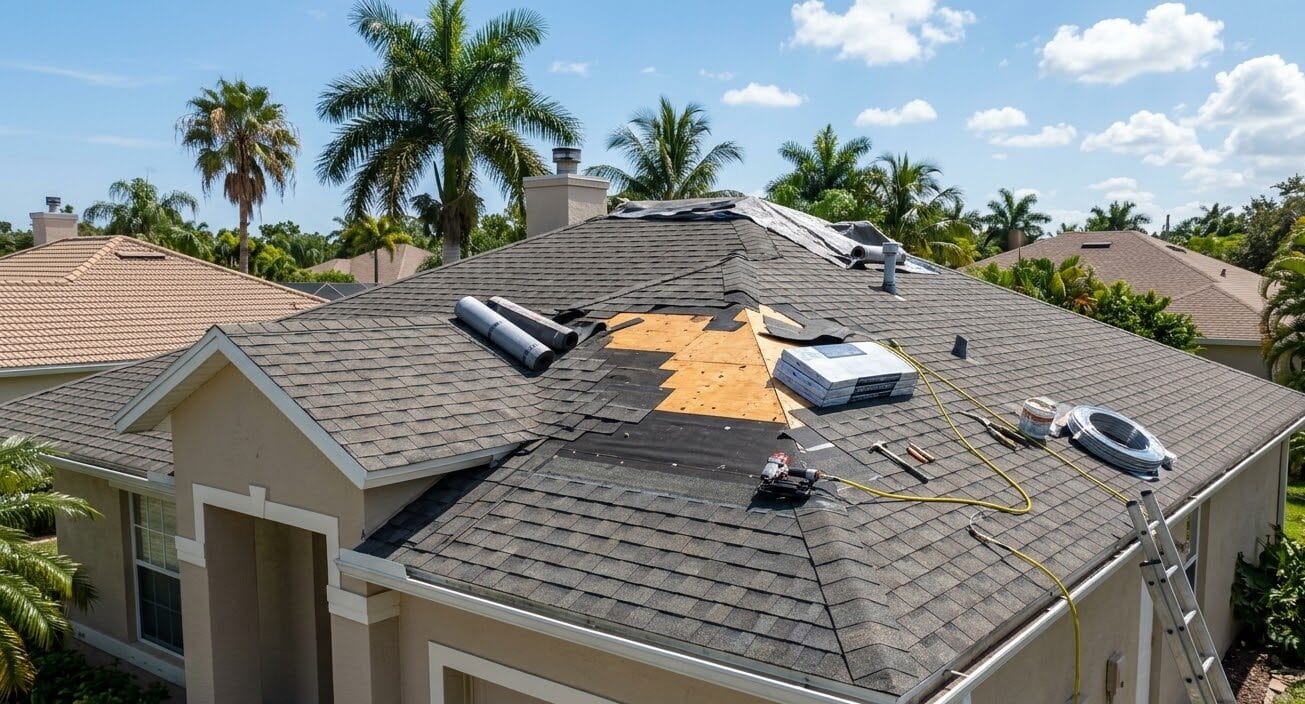
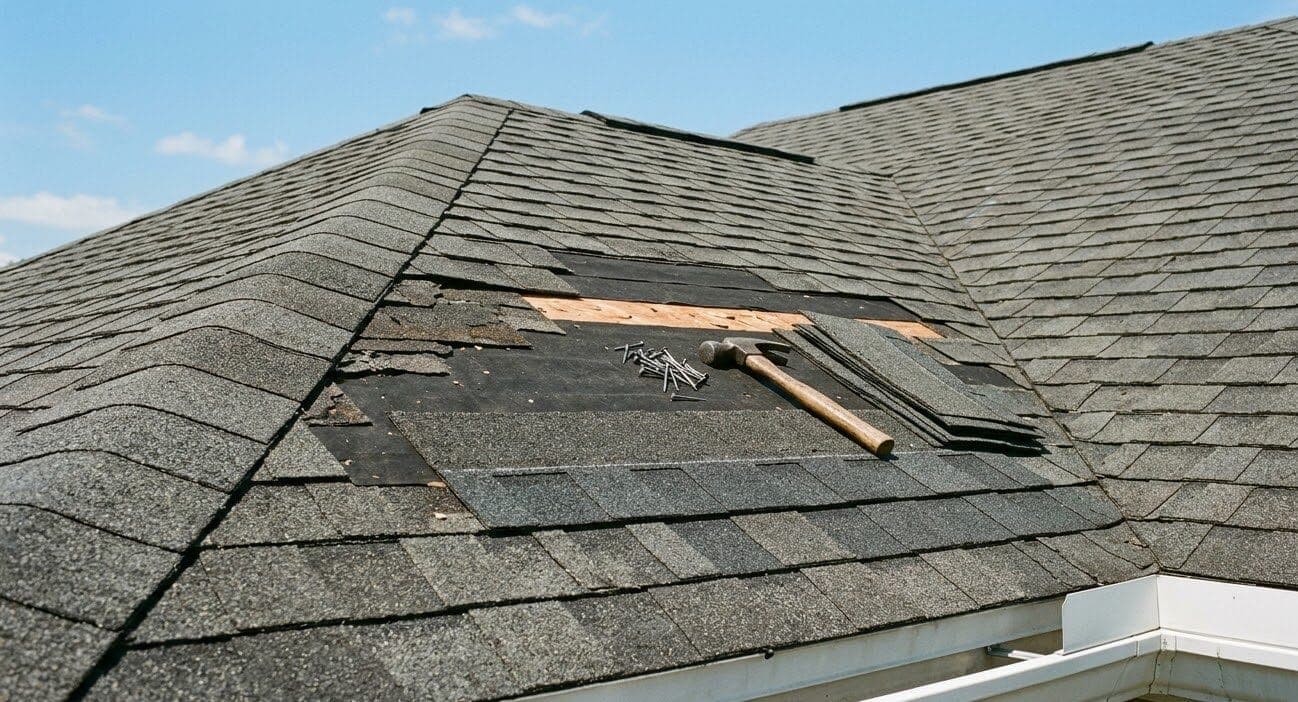
Your roof is the first thing a hurricane attacks and the most expensive thing to replace. Get this done now, not in August, when every contractor in Central Florida has a multi-week waiting list. Walk your property with this checklist, and better yet, book a free professional inspection so you have a documented baseline:
- Shingles: from the ground, look at every face of the roof for missing, cracked, curling, or lifted shingles and bald patches of granule loss. Most homeowners only check the front and miss damage on the back.
- Flashing: the most common leak point. Check around vents, chimneys, and skylights for rust, separation from the shingles, or cracked sealant.
- Soffit and fascia: rotted fascia boards and loose soffit panels let wind-driven rain into your attic and can rip off as projectiles. Push gently on each panel; anything that moves needs re-securing before June 1.
- Roof deck: from inside the attic with a flashlight, check the underside of the deck for dark stains, soft spots, or mold. A drip in dry weather becomes a flood during a hurricane.
- Roof-to-wall connections: in the attic, look at where the rafters meet the wall plates for metal hurricane straps or clips. Older Florida homes (pre-2002) often have only nails. Adding straps is the single highest-value hurricane upgrade, and it qualifies for both the My Safe Florida Home grant and a significant insurance discount.
- Garage door: from inside, press the panels. If the door flexes more than a few inches it can fail in 100-plus mph winds, and once it fails the internal pressure is one of the leading causes of roof loss.
- Trees and gutters: trim oak, magnolia, and other heavy branches at least 6 feet back from the roof line, and clear valleys and gutters completely so water can drain.
- Roof age, honestly: asphalt shingle roofs in Florida last about 15 to 20 years, less in coastal salt air; tile and metal go 25 to 50. Florida carriers have started declining to renew policies on roofs over 20 years old, and a pre-season inspection report can be the difference between renewal and non-renewal.
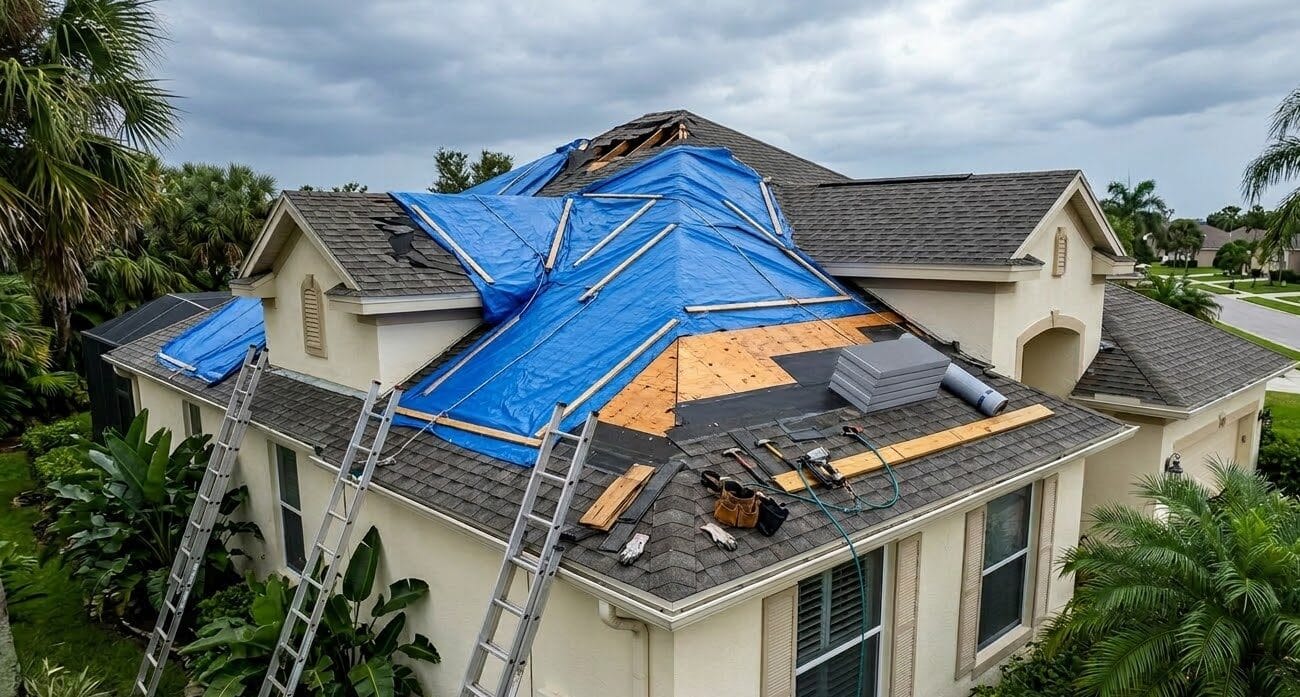
During a hurricane, if a window or door fails, wind enters the home and pressurizes the interior, and that pressure combined with external wind can lift the roof off. That is why pre-season inspection is critical. Our storm damage team offers free pre-season inspections. Book before the season peaks.
2. Window & Door Protection

If your home doesn't have impact windows or approved hurricane shutters, this is your number one priority before June 1.
- Impact windows , permanent, no action required during a storm
- Accordion shutters , deploy in minutes; worth the investment if you don't already have them
- Panel shutters / plywood , last resort; accordion shutters take minutes, plywood takes hours
Test all accordion/roll-down shutters now , verify tracks aren't jammed and all hardware is present. Garage doors are one of the most common failure points during hurricanes. Material lead times for shutter hardware and garage door reinforcement kits run 2 to 4 weeks before scheduling installation. Order now.
3. Insurance: The Most Expensive Mistake You Can Make
Review your insurance every May. Insurance mistakes are the most expensive hurricane prep failures , and they are completely preventable.
- Wind deductible: Many Florida policies carry separate hurricane deductibles of 2 to 5% of home value. On a $450K home, that's up to $22,500 out of pocket before the insurer pays a dollar.
- Flood insurance: Standard homeowners insurance does NOT cover flood damage from rising water or storm surge. You need a separate NFIP or private flood policy.
- Waiting period: NFIP flood policies have a 30-day waiting period. Buy before hurricane season , not when a storm appears in the forecast.
- Policy type: Is your policy Replacement Cost or Actual Cash Value? ACV policies pay depreciated value , on an older roof, that can be cents on the dollar.
Florida's My Safe Florida Home program offers free wind mitigation inspections and matching grants up to $10,000 for improvements like impact windows, hurricane shutters, and roof reinforcement. Eligibility: home built before January 1, 2008, insured value $700,000 or less. The 2025 to 2026 allocation is first-come, first-served.
4. Emergency Supplies Kit
Florida emergency management recommends at least 7 days of supplies. Build your kit now , before shelves are picked over.
| Category | What to Stock |
|---|---|
| 💧 Water | 1 gallon per person per day × 7 days |
| 🥫 Food | Non-perishable, no-cook options |
| 💊 Medications | 2-week supply of all prescriptions + OTC basics |
| 🔋 Power | Batteries (AA, AAA, D), portable power banks, solar charger |
| 📻 Comm | Battery-powered or hand-crank NOAA weather radio |
| 🐾 Pets | 7-day supply of food, water, medication, carrier, and records |
| 🧳 Go-bag | Clothes, medication, water, snacks, ID copies, hygiene items |
5. Home Documentation
Documentation starts before the storm. A home inventory with photos and receipts accelerates your insurance claim.
- Walk every room with your phone camera. Photograph electronics serial numbers and your exterior. Store the video in cloud backup.
- Keep copies of insurance policies, IDs, and financial documents in a waterproof bag AND in the cloud.
- Write down your policy numbers and your insurer's claims hotline now.
6. Know Your Evacuation Zone
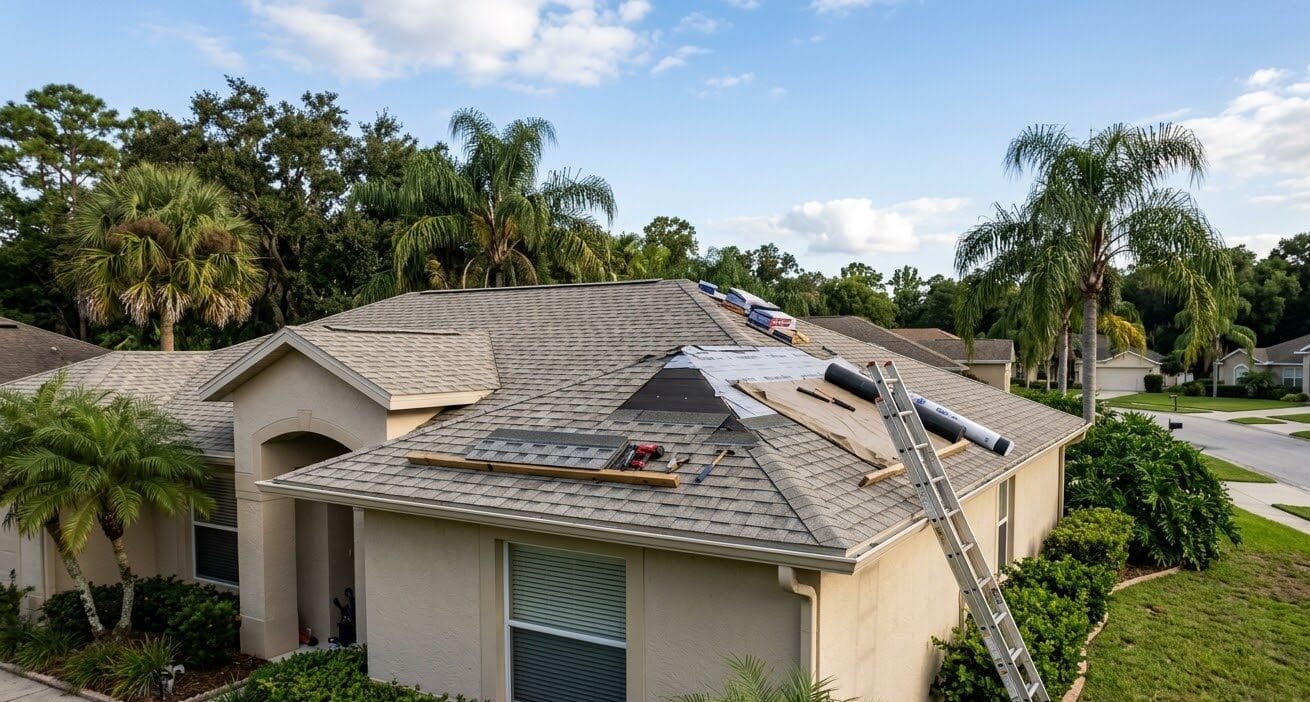
Look up your address at floridadisaster.org or your county emergency management site , before a storm is 48 hours out and the site is overloaded.
- Identify your nearest shelter and pet-friendly shelter
- Plan two evacuation routes (primary + alternate)
- Establish a family meeting point if you get separated
When a Watch Is Issued: 48 to 72 Hour Actions
If you completed steps 1 to 6 above, this is just execution:
- Deploy hurricane shutters on all windows and doors
- Bring all outdoor items inside , patio furniture, grills, potted plants, trampolines. In 100+ mph winds, a plastic chair becomes a missile.
- Fill your vehicle with gas , pump lines can run 2 to 4 hours within 24 hours of a warning
- Withdraw cash from ATM
- Charge all devices and power banks to 100%
- If ordered to evacuate , go. No house is worth your life.
Post-Storm: The Part Everyone Skips
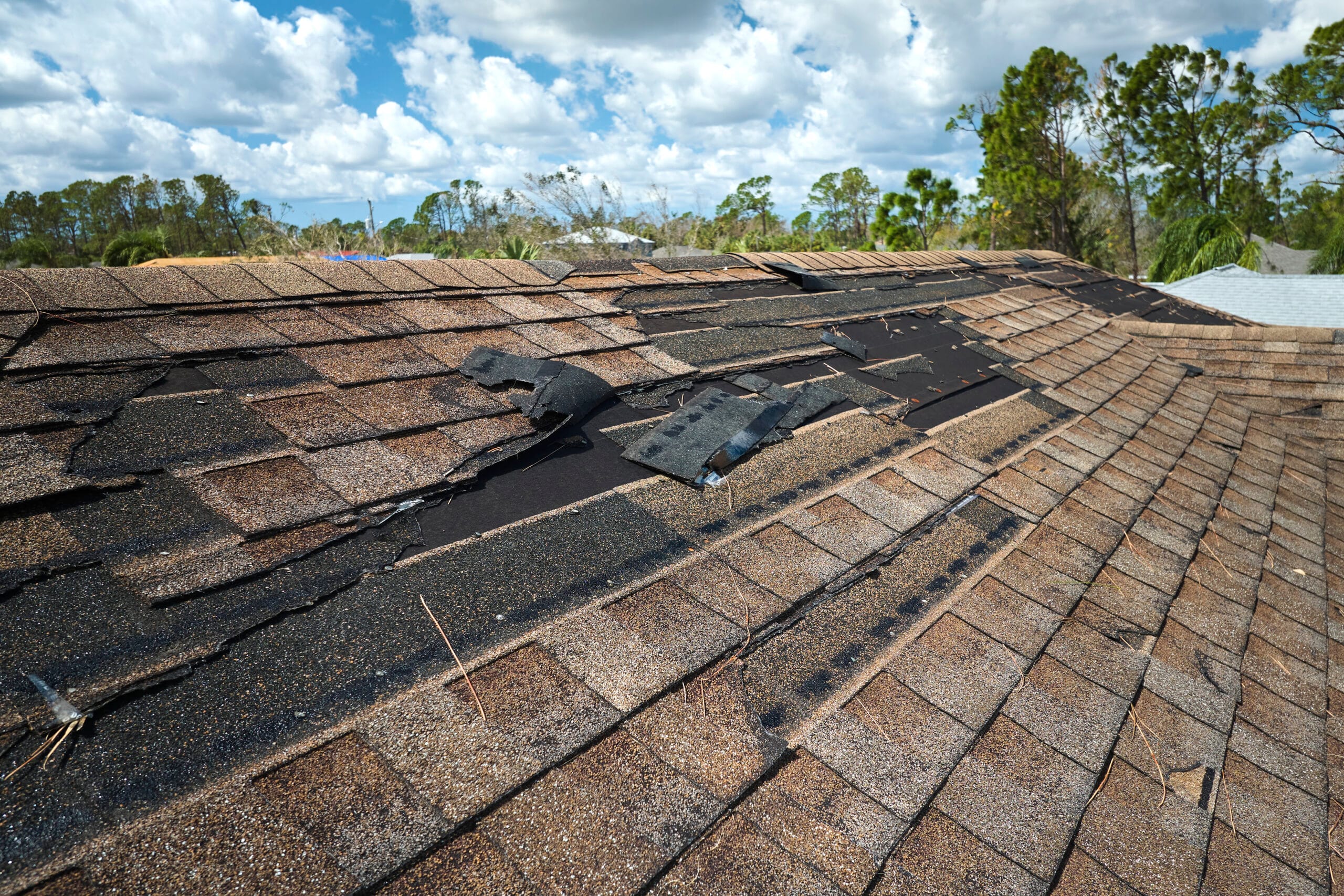
Statistically, more injuries occur in the 48 hours after a storm than during it , chainsaw accidents, generator carbon monoxide poisoning, and downed power line contact are the main culprits.
- Never run a generator indoors or in a garage. Generators must be at least 20 feet from any door, window, or vent. CO poisoning is the leading cause of post-storm deaths.
- Never drive through flooded roads. Six inches of moving water can knock an adult off their feet. Twelve inches can carry a small car.
- Mold can start growing within 24 to 48 hours after water intrusion , document damage and call your contractor immediately.
- Contact your insurance company before starting any repairs.
If your home sustained roof damage, broken windows, or water intrusion, get a licensed contractor on-site before the damage compounds. Our storm damage team is available for emergency assessments , call us before the backlog builds.
Common Pre-Season Prep Mistakes
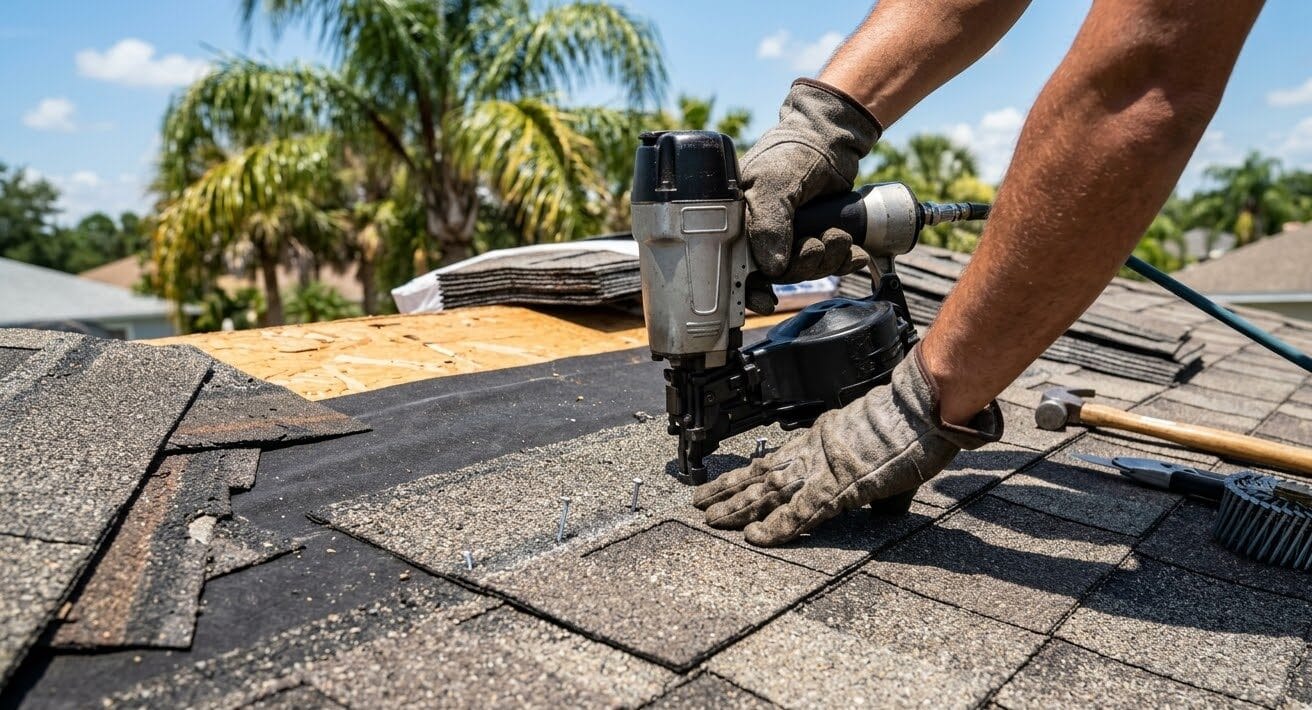
- Waiting until July or August. Reputable contractors fill their inspection schedule in May. By August you are competing with everyone who waited, and emergency roof work during a post-storm surge runs 40 to 80 percent more than off-season.
- Skipping the attic inspection. A roof can look perfect from the ground while the deck rots from the inside.
- Trusting an old wind mitigation inspection. If yours is more than 5 years old, the rating may not match your current discount eligibility, and a new one often finds improvements that qualify for extra savings.
- Not pulling your insurance declarations. Know your hurricane deductible, named-storm sub-limits, and coverage before a storm, not after.
- Ignoring tree work because it is expensive. Removing a tree costs $800 to $3,000. Replacing a roof crushed by a fallen tree costs $20,000 to $40,000. The math is not subtle.
Quick-Reference Checklist Summary
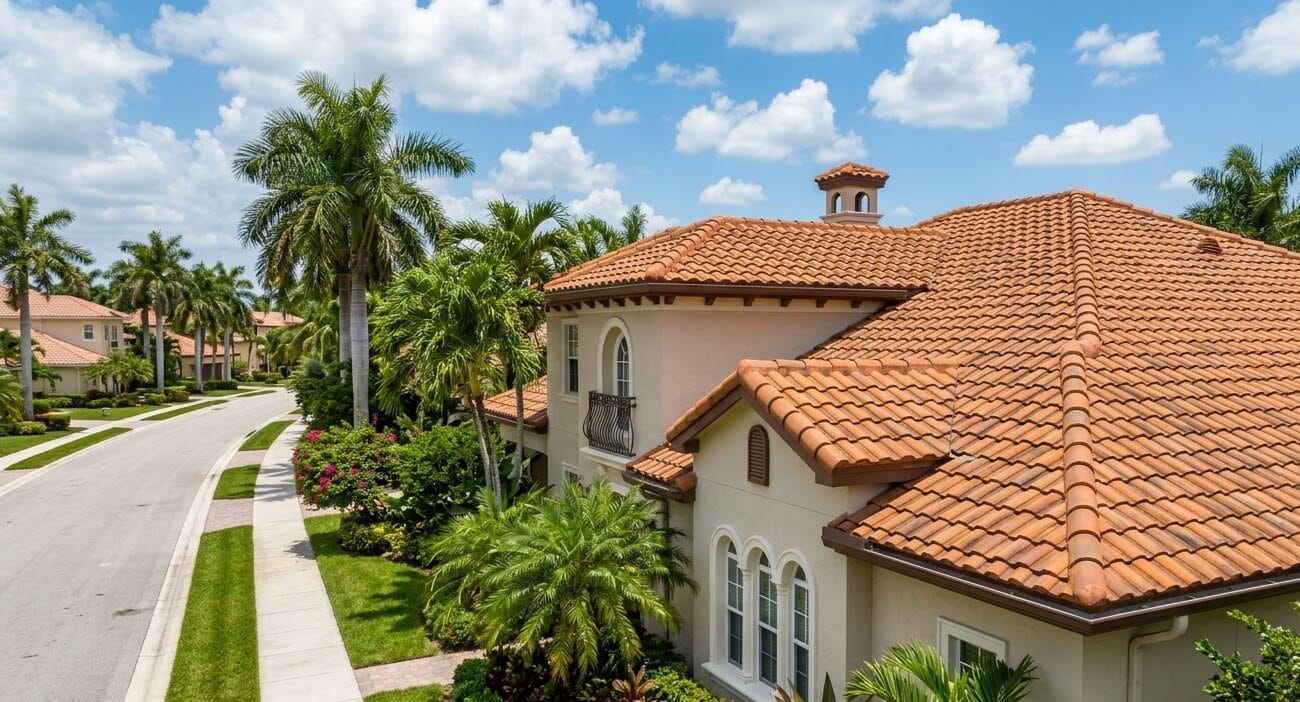
| Task | When |
|---|---|
| ☐ Roof inspection | Now |
| ☐ Test / install shutters | Now |
| ☐ Confirm insurance + flood policy | Before June 15 |
| ☐ Apply for My Safe Florida Home grant | ASAP (first-come) |
| ☐ Build 7-day emergency kit | Now |
| ☐ Document home with video/photos | This week |
| ☐ Know your evacuation zone | Now |
| ☐ Pre-season contractor inspection | Before peak season |
Why Get a Roof Inspection Before Hurricane Season?
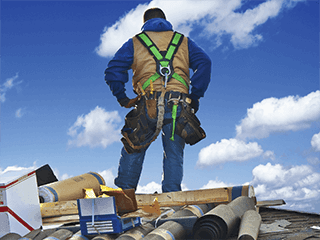
A pre-season roof inspection identifies vulnerabilities that become catastrophic failures during a storm , missing shingles, compromised flashings, soft spots, and damaged soffits. Protech Roofing serves Hernando, Pasco, Hillsborough, and Citrus counties with free pre-season inspections. We identify issues before they become insurance claims.
Call (352) 605-0696 or request your free inspection online. Don't wait for the first named storm.
Related Resources
- Storm Damage Services , Emergency assessments and repairs after a hurricane
- Free Roof Inspection , Pre-season inspection to identify vulnerabilities
- Best Roof for Hurricanes in Florida , Which roofing system holds up best in a major storm
- Florida Insurance Claims Guide , How to file and win your roof claim
FAQ
Frequently Asked Questions
When does hurricane season start in Florida?
+
What is the most important thing to do before hurricane season in Florida?
+
Do I need flood insurance in Florida if I already have homeowners insurance?
+
How much water should I store for a hurricane?
+
What is the My Safe Florida Home program?
+
Is it safe to run a generator inside after a hurricane?
+
What should I do if my roof is damaged after a hurricane?
+
Related Articles
More guides for Florida homeowners
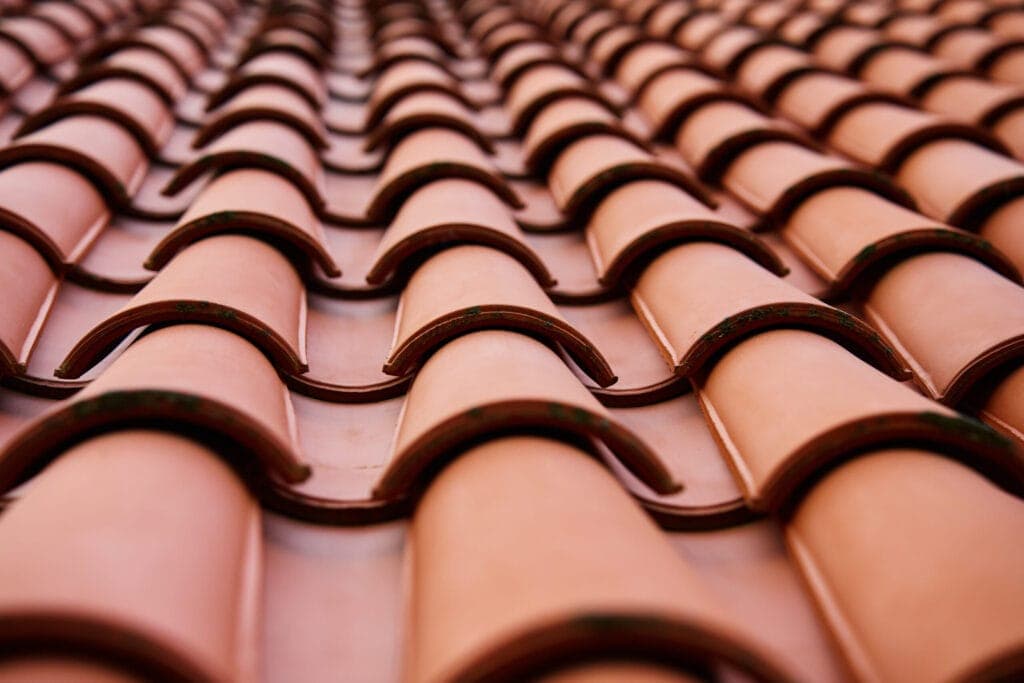
Florida Tile Roof Problems: Repair vs Re-Roof (2026)
Tile lasts for decades, the underlayment under it does not. Here are the tile roof problems Florida homeowners see most, what each repair costs in 2026, and how to tell when a repair is enough and when it is time to re-roof.
Read Article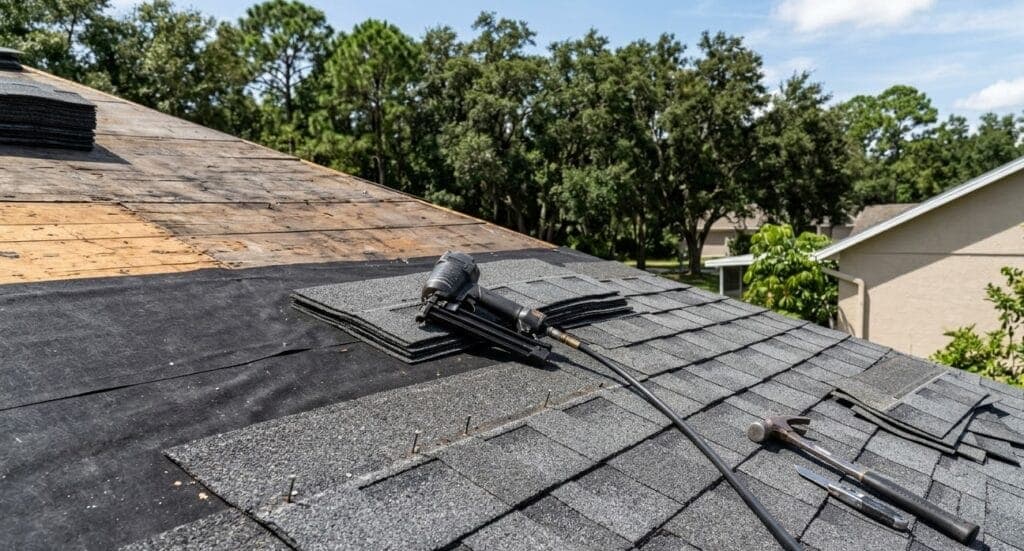
Solar Roofing in Florida: Solar Shingles vs Panels (2026)
Every solar system on a Florida roof is either bolted to the roof or is the roof. Here is how panels and solar shingles compare in 2026, what changed with the federal credit, and why the cheapest solar project often starts with a re-roof.
Read Article
Chimney Flashing Leaks in Florida: Find the Real Cause
Roofs do not leak in the field, they leak at the terminations, and the chimney is the hardest termination on the roof. Here is what Florida code requires, the five failures behind almost every chimney leak, and what a correct reflash costs in 2026.
Read ArticleReady When You Are
Get your free roof inspection today.
No-pressure, written estimate. Same-week scheduling across Hernando County. Call us now or request a visit online.