Blog
Best Roof Color for Florida Heat: Cool Roofs, Reflectivity and Real AC Savings
Call (352) 605-0696Roof color matters in Florida, but less than most homeowners think and more than most roofers explain. Side by side test homes measured by the Florida Solar Energy Center show that a white shingle barely moves the AC bill, while a truly reflective metal or tile roof can cut cooling energy by a fifth or more. This guide explains the numbers and how to pick a color that actually keeps your attic cooler.
Two Identical Houses, Two Very Different Attics
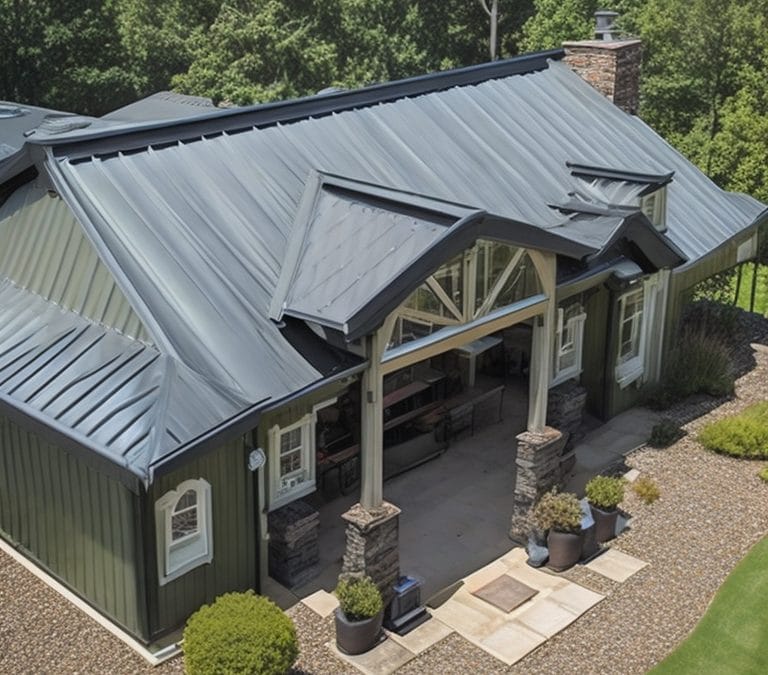
In the summer of 2000, researchers at the Florida Solar Energy Center (FSEC) ran one of the cleanest roof color experiments ever done in this state. In Fort Myers they monitored a row of identical 1,144 square foot, three bedroom homes, built on the same plan, facing the same way, with the same insulation and the same air conditioner. The only thing that changed from house to house was the roof. One had dark gray asphalt shingles. The others had white shingles, terra cotta barrel tile, white barrel tile, flat white tile and white painted metal.
The results are still the best local answer to the question every Florida homeowner asks before a re-roof: does roof color actually matter here? It does, but not in the way most people expect. Simply picking a lighter shingle does far less than you would think, while a truly reflective surface can cut cooling energy by a fifth or more. This guide walks through what the Florida data says, what each roof material can realistically achieve, and how to choose a color that keeps your attic cooler without creating problems with your HOA, your insurer or your resale value.
What the Florida Solar Energy Center Measured
The FSEC study, published by Danny Parker, John Sonne and John Sherwin, measured solar reflectance (the share of sunlight a roof bounces back) and the air conditioning energy each house used through July. The dark gray shingle control roof reflected only 8.2 percent of the sun. Here is how the other roofs compared, using the adjusted cooling savings from the report:
- White asphalt shingle: solar reflectance of 24 percent, about 10.6 percent cooling savings in July, and only 3 to 5 percent on an annual basis
- Terra cotta barrel tile: solar reflectance of 34.6 percent, about 7.7 percent cooling savings in July, 3 to 9 percent annually
- White barrel tile: solar reflectance of 74.2 percent, about 18.5 percent cooling savings
- Flat white tile: solar reflectance of 77.3 percent, about 21.5 percent cooling savings
- White painted metal: solar reflectance of 66.2 percent, about 24 percent cooling savings and roughly 40 percent lower demand during the 4 to 6 PM peak
Across the three white reflective roofs, FSEC estimated annual cooling savings of 18 to 26 percent and peak demand reductions of 28 to 35 percent, which worked out to 0.8 to 1.0 kilowatt less load at the hottest hour of the day. The attic numbers tell the story even more clearly. The dark shingle attic averaged 90.8 degrees Fahrenheit across July and peaked at 135.6 degrees. The white metal attic averaged 82.9 degrees and peaked at 100.7 degrees. On the hottest afternoons, the dark roof attic ran about 40 degrees above the outdoor air, while the most reflective roofs kept the attic close to outdoor temperature.
Why a White Shingle Is Not a Cool Roof
The most surprising number in the study is the white shingle. Most homeowners assume that white is white. But a white asphalt shingle only reflected 24 percent of the sun, compared with 8 percent for dark gray. Earlier FSEC work found the same pattern: roughly 5 percent for black, 20 percent for gray and 25 percent for white shingles. The reason is the surface. Shingle granules are rough, they shade each other, and there is asphalt showing between them, so even a pale shingle absorbs most of the sunlight that hits it.
That is why color alone is the wrong way to think about a cool roof. What matters are two measured properties:
- Solar reflectance: how much of the sun the surface bounces away, from 0 to 1. A higher number means less heat soaks into the roof deck.
- Thermal emittance: how well the surface sheds the heat it did absorb, also from 0 to 1. Bare metal reflects well but emits poorly, which is why painted or coated metal performs better in this climate than bare galvanized panels.
- Solar Reflectance Index (SRI): a single number that combines both, used by many specifiers to compare products.
The federal ENERGY STAR roof products program used to be the shortcut for comparing these numbers, but the EPA ended that specification on June 1, 2022. Today the independent source is the Cool Roof Rating Council (CRRC), which publishes a free online directory of rated products with initial and three year aged values for solar reflectance and thermal emittance. Aged values are the ones to look at in Florida, because dirt, mildew and algae lower reflectance over time.
Best Roof Colors for Florida Heat, by Roof Type
The right answer depends on what kind of roof you are putting on. Here is how the main Florida roof systems compare when the goal is a cooler house.
Asphalt shingles. Shingles are still the most common re-roof in Hernando, Pasco and Citrus County because they cost the least up front. Within shingles, lighter colors such as light gray, white, tan and weathered wood blends run cooler than charcoal, black or dark brown, but the difference in energy use is modest, in the range of a few percent a year based on the FSEC data. Several major manufacturers sell shingle lines made with reflective granules that are listed in the CRRC directory, and those do better than a standard light shingle. If you want shingles, ask to see the rated product before you choose a color. Our shingle roof installation quotes name the exact product line so you can look it up.
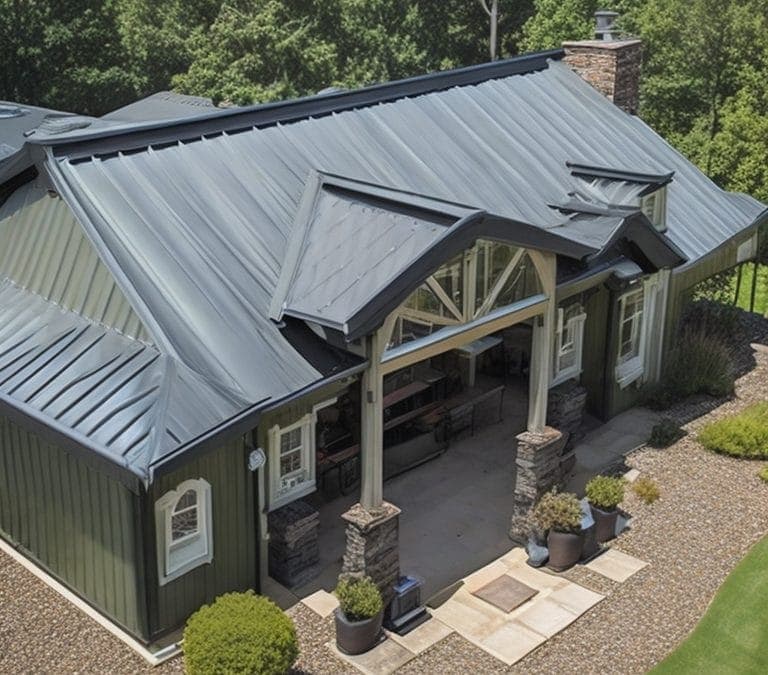
Metal roofing. Painted metal is where color makes the biggest difference. Factory finished panels in white, light gray, almond, tan and other pale colors combine high reflectance with good emittance, and that is the combination that produced the largest savings in the Fort Myers homes. Many manufacturers also offer darker colors made with infrared reflective pigments, which bounce back more of the invisible part of sunlight than a standard dark paint. That lets you get a deep bronze or charcoal look with better heat performance than an ordinary dark finish. For homeowners who want the best balance of wind performance, lifespan and heat control, metal roofing systems are usually the strongest option in our area.
Concrete and clay tile. Tile has a built in advantage. The air space under barrel tile acts as a vent, and the mass of the tile slows heat transfer. Even unglazed terra cotta reflected 34.6 percent in the FSEC tests, better than white shingle, and white tile was among the best performers overall. Light colored tile is a strong choice where the structure is designed for its weight.
Stone coated steel. These panels look like shingles or tile but are steel underneath. Their granular stone surface behaves more like a shingle than a painted metal panel when it comes to reflectance, so lighter colors help, but they will not match smooth painted metal. Stone coated steel tile makes sense when you want a tile or shake look with lighter weight and strong wind ratings.
Low slope and flat roofs. On flat sections, porch roofs and commercial buildings, a white or light reflective membrane or coating is the standard approach. A properly applied roof coating can raise reflectance on an existing low slope roof without a tear off, as long as the roof underneath is sound.
How Much a Cooler Roof Saves on Your AC Bill
Savings depend on more than color. FSEC also retrofitted reflective coatings on nine occupied Florida homes and measured air conditioning savings that averaged 19 percent, but ranged from 2 percent to 43 percent. The researchers found the results depended on how much ceiling insulation the house had, where the air ducts were located, the roof reflectance itself and how the air conditioner was sized.
The duct location is the big one in Florida. Most homes here run their ductwork through the attic. When a dark roof pushes the attic to 130 degrees or more on a summer afternoon, those ducts sit in an oven, and every leak or thin spot in the insulation adds load to the AC. A reflective roof lowers the attic temperature, so the ducts lose less of the cold air they carry. Houses with ducts in the attic and modest ceiling insulation tend to see the biggest gains. Houses with deep attic insulation and ducts inside the conditioned space see less.
To put that in practical terms, consider a house that spends 1,000 dollars a year on cooling. Based on the FSEC ranges, a switch from dark shingle to a light shingle might save something in the range of 30 to 50 dollars a year, while a switch to a highly reflective white or light metal roof could save in the range of 180 to 260 dollars a year. Your number will depend on your rates, your house and your thermostat habits, but the order of magnitude explains why material and reflectance matter more than the color name on the sample board.
There is also a comfort benefit that does not show up on the bill. Rooms under a hot attic, especially bonus rooms and second floor bedrooms, are the hardest spaces to cool. A cooler attic makes those rooms easier to keep comfortable in July and August.
Roof Color, Ventilation and Insulation Work Together
A cooler roof color is one part of a system. The FSEC study also tested a sealed attic with foam under the roof deck and found that it helped on average but performed poorly on the hottest days when the ceiling below was not insulated. The lesson is that no single upgrade fixes heat on its own.
- Ventilation: balanced intake at the soffits and exhaust at the ridge moves hot air out of the attic. Our guide to attic ventilation for Florida roofs explains how to size it.
- Insulation: more ceiling insulation slows the heat that does reach the attic floor from moving into your rooms.
- Underlayment and deck: a re-roof is the only time the deck is exposed, so it is the moment to seal it and choose the right underlayment. See our breakdown of roof underlayment in Florida.
- Ducts: sealing and insulating attic ducts often pays back faster than any roofing change.
The Trade Offs of Light Roof Colors in Florida
Light roofs are not perfect, and it is worth knowing the downsides before you commit.
- Staining: Florida humidity feeds algae and mildew, and the dark streaks show more on a white or light gray roof. Many shingle lines include algae resistant granules, and metal and tile can be cleaned, but plan on it.
- Aging: reflectance drops as a roof weathers and collects dirt. This is why the CRRC publishes aged values, and why a product that starts very bright may settle lower after three years.
- HOA rules: many Florida communities restrict roof colors. Check your HOA approved color list before ordering materials. Some communities already allow lighter metal and tile colors that perform well.
- Glare: very bright white roofs can create glare for neighbors on two story homes, which occasionally comes up in HOA reviews.
- Curb appeal and resale: a color that fits the neighborhood usually helps resale more than an extreme choice. A mid tone with a reflective rating is often the best compromise.
Does Roof Color Affect Insurance or Wind Ratings?
Roof color by itself does not change your wind mitigation credits. Florida insurers look at roof covering type, roof deck attachment, roof to wall connections, secondary water resistance and roof shape on the wind mitigation form. Color does not appear on it. What matters for insurance is that the roof is installed to the Florida Building Code with the right fasteners, a sealed deck where required and a covering rated for your wind zone.
So the right order of decisions is simple. First choose the roof system that gives you the wind performance, lifespan and budget you need. Then choose the most reflective color within that system that your HOA allows and that you will be happy looking at for twenty years or more.
Choosing the Right Color With a Local Roofer
When you get a re-roof quote, ask these questions:
- Which exact product line is this?: so you can look up its aged solar reflectance and emittance in the CRRC directory.
- Is a reflective or infrared reflective version available in my color?: many metal and some shingle lines offer one.
- What is included for ventilation?: a cooler color loses part of its value if the attic cannot breathe.
- Does my HOA already have this color on file?: a roofer who works in your community often knows the approved list.
If your current roof is near the end of its life, a roof inspection will tell you how many years it has left and whether the attic is running hotter than it should. When it is time to replace it, our total roof replacement service covers tear off, deck repair, sealed deck, ventilation and the new covering in a single written quote.
Get a Cooler Roof Quote in Hernando County
Protech Roofing (license CCC1335878) installs shingle, metal, stone coated steel and tile roofs across Hernando, Pasco, Citrus and the surrounding counties. We bring product samples with their rated reflectance so you can compare colors on real numbers, not guesses. Call (352) 605-0696 to schedule a visit. Homeowners looking at metal can start with our page on metal roofing in Brooksville, and Spring Hill homeowners can see what goes into a roof replacement in Spring Hill.
FAQ
Frequently Asked Questions
What is the best roof color for Florida heat?
+
Do white shingles keep a house cooler in Florida?
+
Is a metal roof cooler than shingles in Florida?
+
Are ENERGY STAR roofs still available?
+
Does roof color affect my Florida wind mitigation insurance discount?
+
Do dark roofs really make that much difference in attic temperature?
+
Related Articles
More guides for Florida homeowners
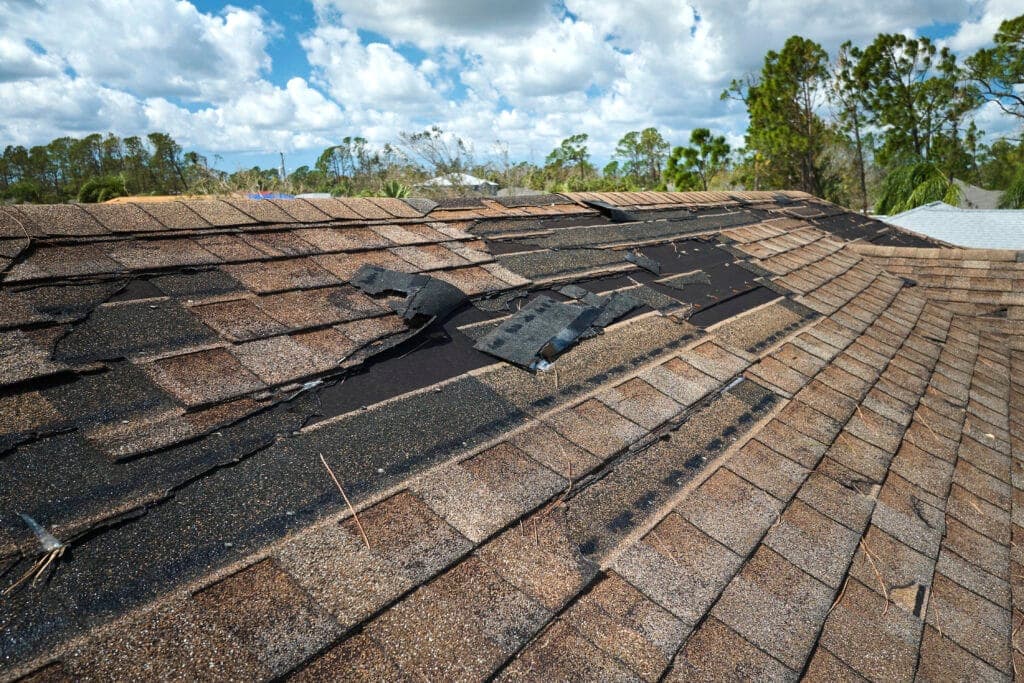
Roof Underlayment in Florida: The Hidden Layer Explained
Underlayment is the layer that decides what happens to your house when wind strips the shingles. Here is how felt, synthetic and peel-and-stick compare, what Florida code requires on a re-roof, and what each option costs in 2026.
Read Article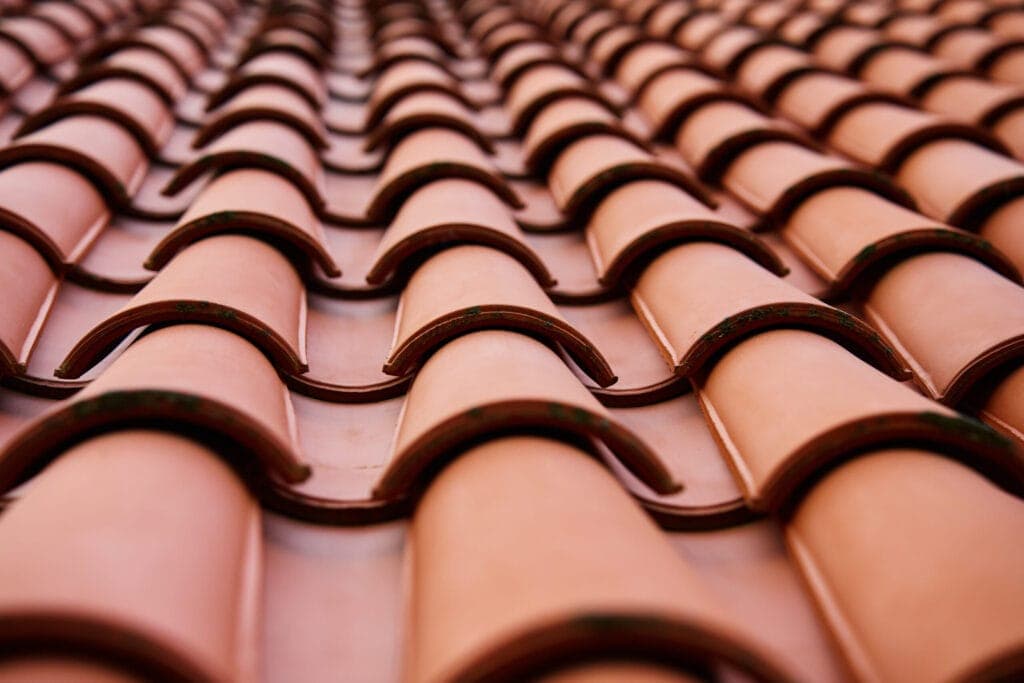
Florida Tile Roof Problems: Repair vs Re-Roof (2026)
Tile lasts for decades, the underlayment under it does not. Here are the tile roof problems Florida homeowners see most, what each repair costs in 2026, and how to tell when a repair is enough and when it is time to re-roof.
Read Article
Solar Roofing in Florida: Solar Shingles vs Panels (2026)
Every solar system on a Florida roof is either bolted to the roof or is the roof. Here is how panels and solar shingles compare in 2026, what changed with the federal credit, and why the cheapest solar project often starts with a re-roof.
Read ArticleReady When You Are
Get your free roof inspection today.
No-pressure, written estimate. Same-week scheduling across Hernando County. Call us now or request a visit online.