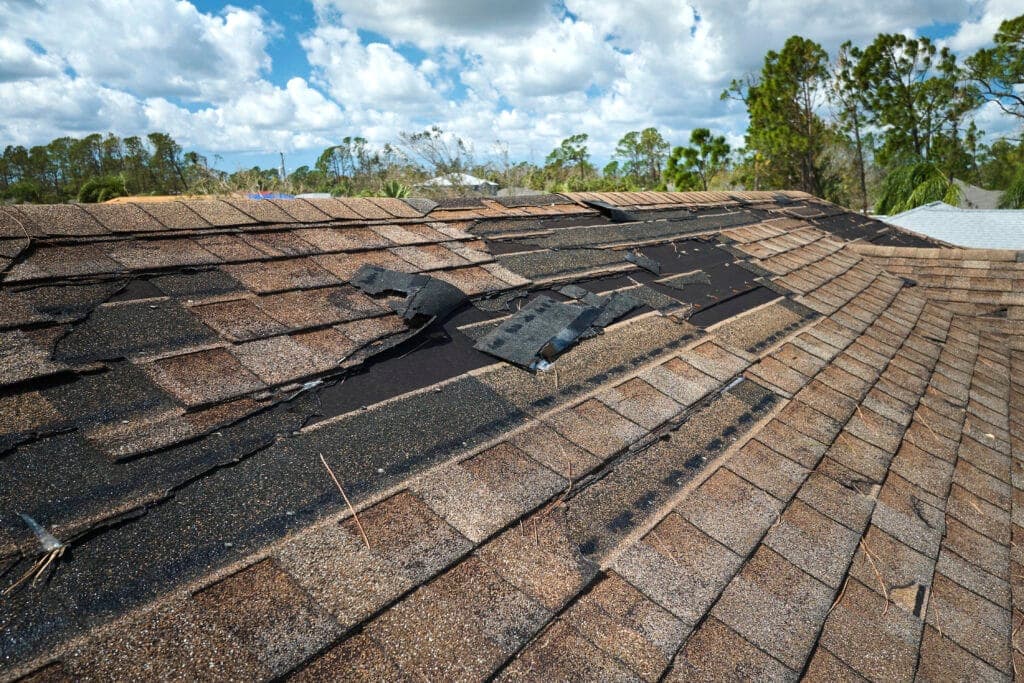
Underlayment is the layer between your roof deck and your shingles, metal or tile, and it is the one that decides what happens to your house when a storm strips part of the roof away. This guide compares felt, synthetic and peel-and-stick underlayment, explains the sealed roof deck rules Florida applies on a re-roof, and lays out what each option costs in 2026.
The Layer Nobody Sees Is the One That Saves the House
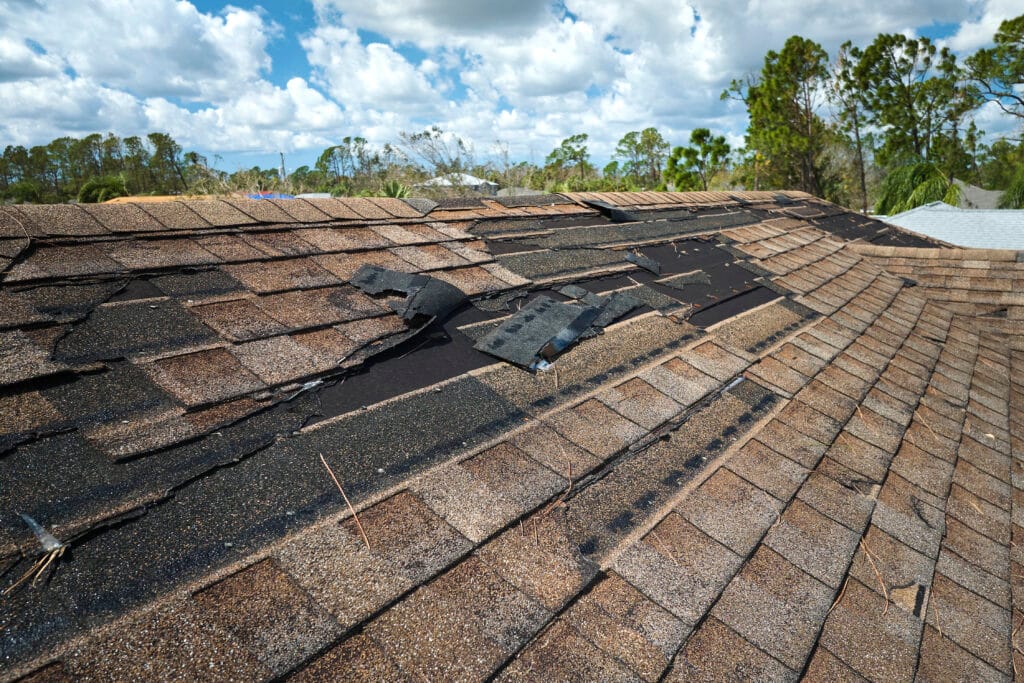
After every big Florida storm, the same picture repeats across Hernando, Pasco and Citrus County. Two houses on the same street lose a similar patch of shingles. One family puts a tarp up and goes back to normal life. The other family finds wet insulation, a stained ceiling and a drywall bill, because rain poured through the gaps between the plywood sheets for the six hours it took the storm to pass. The difference between those two houses is almost never the shingles. It is the underlayment, the layer between the roof deck and the roof covering that nobody sees once the roof is finished.
Underlayment does two jobs. On a normal day it is the backup waterproofing under shingles, metal or tile, catching the water that gets past the covering and carrying it to the eave. On a hurricane day, when wind strips part of the covering away, it becomes the only thing standing between the rain and your attic. That second job is why the Florida Building Code has steadily raised the bar on underlayment, and why insurers and the My Safe Florida Home program care about it.
This guide explains the main underlayment types used on Florida roofs, what the code requires when you re-roof, what a sealed roof deck is, what each option costs in 2026, and how to read the underlayment line on a roofing quote so you know what you are paying for.
What Roof Underlayment Actually Does in Florida
Every roof covering leaks a little. Shingles overlap, metal panels have seams and fasteners, and tile is not waterproof at all, it is a shield that sheds most of the water and lets some through by design. The underlayment sits under all of that and turns "most of the water" into "all of the water."
In Florida, three things make that layer work harder than it does in most of the country:
- Wind-driven rain: Tropical storms push rain sideways and upward, under shingle tabs and through ridge vents. Research by the Insurance Institute for Business and Home Safety (IBHS), cited by the Federal Alliance for Safe Homes (FLASH), found that a sealed roof deck can prevent as much as 90% of wind-driven rain from coming through deck joints.
- Heat: Attic and deck temperatures under a dark roof in a Florida summer run far above air temperature. Underlayment that is not rated for that heat can soften, sag or dry out early, which is why high-temperature rated membranes are used under metal and tile.
- Time under tile: Tile can last 40 years or more, but the underlayment beneath it, in Florida heat, typically lasts about 20 to 25 years. Under tile, the underlayment is what sets the real life of the roof.
Put simply, the covering decides how the roof looks and how long it lasts in the sun. The underlayment decides what happens to your house on the worst day of the year.
The Three Main Types: Felt, Synthetic and Peel-and-Stick
Asphalt-saturated felt
Felt, often called tar paper, is the traditional underlayment: a mat saturated with asphalt, sold in lighter (15-pound) and heavier (30-pound) weights. It is inexpensive and familiar to every crew. Its weaknesses show up in Florida: it absorbs moisture, wrinkles in heat and humidity, tears more easily when the wind catches it before the covering goes on, and it does not seal around nails. A single layer of felt is also not considered a sealed roof deck on its own, which matters for the code and for insurance credits we will get to below.
Synthetic underlayment
Synthetic underlayment is a woven or spun polymer sheet. It is lighter, much stronger against tearing, does not absorb water and lies flat in heat, so it is now the standard mechanically fastened underlayment on most Florida shingle and metal roofs. Like felt, it is nailed or capped down, so on its own it does not seal the joints between the plywood sheets. Miami-Dade County notified contractors that under the 8th Edition (2023) of the Florida Building Code, synthetic underlayments must comply with ASTM D8257, which is a sign of how seriously the state now takes the product.
Self-adhered membrane (peel-and-stick)
Self-adhered underlayment is a rubberized, polymer-modified asphalt membrane with a sticky back. The installer peels off the release film and bonds it directly to the deck. Because it is adhered across its whole surface, it seals around the nails driven through it and seals the joints between the deck panels. It is the strongest underlayment option for wind-driven rain and the most common way to create a sealed roof deck. It costs more, it must be compatible with the covering above it, and it makes future tear-offs more work, since it bonds to the wood.
Florida Code: The Sealed Roof Deck and Your Re-Roof
Since the 7th Edition (2020) of the Florida Building Code, residential underlayment for shingles, metal and similar coverings has been built around the idea of a sealed roof deck. The residential code gives several ways to get there. The main approaches are:
- Full self-adhered deck: The entire roof deck is covered with a self-adhering polymer-modified bitumen underlayment that complies with ASTM D1970, installed to the underlayment and roof covering manufacturer instructions.
- Joint strips plus underlayment: A narrow strip of self-adhering membrane or flashing tape, about 4 inches wide in the code text, is applied over every joint in the roof deck, and a code-approved underlayment is then installed over the whole roof.
- Two layers of felt or approved underlayment: Two layers of ASTM D226 Type II or ASTM D4869 Type III or IV underlayment, started with a 19-inch strip at the eave and lapped so the whole roof is covered twice, fastened with cap nails at a maximum of 12 inches on center in the field and 6 inches on center at the laps.
The fastening details are specific because underlayment that blows off before the covering is installed does nothing. The 2020 residential code calls for ring-shank or deformed-shank cap nails with caps at least 1 inch in diameter, and requires metal caps where the design wind speed reaches 170 mph. It also requires double underlayment on low-slope shingle roofs, from 2:12 up to 4:12.
When an existing roof is replaced, the Florida Building Code, Existing Building also comes into play. Local permit guidance for site-built single-family homes, especially older homes built before the Florida Building Code took effect on March 1, 2002, describes two upgrades triggered by a re-roof: a secondary water barrier, which points back to the sealed deck options above, and extra deck fasteners, typically 8d ring-shank nails at 6 inches on center along the framing. Some jurisdictions require the deck nailing to be inspected before the underlayment goes on. Tile roofs installed under the Florida code and roofs with slopes under 2:12 have their own compliance paths.
Tile is handled separately. The residential code sends tile underlayment to the tile section and to the FRSA/TRI Florida High Wind Concrete and Clay Roof Tile Installation Manual, so a tile re-roof is specified around the tile system rather than the shingle rules. We cover the tile side in our guide to the 2026 Florida roof code changes, which also explains what shifts when the next edition takes effect at the end of 2026.
The practical takeaway: on a permitted Florida re-roof, the question is not whether you get a sealed deck, it is which method your roofer uses to deliver it, and whether it is documented well enough to earn the insurance credit.
Peel-and-Stick vs Felt: Which Sealed Deck Method Is Better?
All three code paths can produce a compliant roof. They are not equal on the worst day.
| Method | How it seals | Strength | Watch out for |
|---|---|---|---|
| Full peel-and-stick | Bonded across the whole deck, seals around nails | Best protection if the covering blows off | Highest cost; must be rated for the covering and heat |
| Seam tape plus synthetic | Joints sealed, field covered by nailed underlayment | Strong value; blocks the main leak path at deck joints | Every joint must be taped; hard to verify after |
| Two layers of felt or synthetic | Double coverage, no adhesive | Lowest material cost of the sealed options | Depends on fastening; felt ages fastest in heat |
For most homes we work on, full self-adhered underlayment is the strongest choice when the budget allows, and seam tape under a quality synthetic is the strong value option. Double felt passes code, but it is the method most sensitive to installation quality and to Florida heat. On a metal roof, a high-temperature rated self-adhered membrane is usually the right call, because the metal panel runs hot and the membrane needs to stay stable under it. Our metal roofing systems are specified that way.
What Roof Underlayment Costs in Florida in 2026
Underlayment is a small slice of a full roof replacement, which is why it is the easiest place for a low bid to cut corners. Published 2026 cost guides put installed underlayment in roughly these ranges, per roofing square (100 square feet):
- 15-pound felt: about $35 to $55 per square.
- 30-pound felt: about $45 to $65 per square.
- Synthetic: about $45 to $85 per square.
- Self-adhered membrane, full coverage: about $65 to $105 per square.
On a typical 25-square Florida home, that puts the difference between a basic synthetic system and full peel-and-stick at roughly $500 to $1,000 in material and labor. Seam tape sits in between. Measured against the cost of replacing ceilings, insulation and flooring after a storm, it is one of the best-value upgrades on the entire roof.
Two things push the number up on real jobs: deck repairs found after tear-off, such as soft or delaminated plywood, and the deck re-nailing required on older homes. Neither is optional once the deck is exposed, and an honest quote prices them as line items, not surprises. For the full picture, our roof replacement service quotes underlayment, deck repair allowances and nailing as separate lines.
Underlayment, Insurance and the My Safe Florida Home Grant
Secondary water resistance is one of the features a Florida wind mitigation inspector records, and it can reduce the windstorm portion of your homeowners premium. We explain how the form works and which features earn credits in our wind mitigation inspection guide. The key point for underlayment is documentation: once shingles are on, an inspector cannot see what is under them, so photos taken during installation and the permit records are what prove the deck is sealed.
The My Safe Florida Home program also treats the sealed roof deck as a grant-eligible improvement. Its published guidance accepts, at re-roofing, full-coverage self-adhered underlayment, self-adhered seam tape over all deck joints with nailed-down underlayment above it, or a double layer of felt or synthetic, plus spray foam adhesive applied from the attic when the roof is not being replaced. The program lists hot mop, tar, a single layer of felt, and peel-and-stick applied over another underlayment as not eligible for grant funding. If you plan to use the grant, the method has to match the program rules before the roof goes on. Our My Safe Florida Home service handles that coordination.
A 2026 report in Insurance Journal noted that state lawmakers have questioned grant-funded roofs where the secondary membrane could not be verified after completion. That is one more reason to insist on installation photos of the deck, the tape or membrane, and the nailing before the covering goes on.
How to Read the Underlayment Line on a Roofing Quote
Most roofing estimates list underlayment in a single line, and that line tells you a lot about the contractor. Before you sign, make sure the quote answers these questions:
- Which product, by name: "Underlayment" is not a specification. Ask for the manufacturer and product, and whether it carries a Florida product approval.
- Which sealed deck method: Full self-adhered, seam tape plus synthetic, or double layer. If the quote does not say, ask.
- Deck repair allowance: How many sheets of plywood are included, and the price per extra sheet.
- Re-nailing: Whether additional ring-shank nails are included on an older deck, and at what spacing.
- Heat and covering compatibility: For metal and tile, whether the membrane is rated for high temperatures and approved for that covering.
- Documentation: Whether you receive photos of the taped or membraned deck for your insurer and wind mitigation report.
If you are not sure what is under your current roof, a roof inspection can tell you the age and condition of the underlayment from the attic side and from any exposed areas, and whether your next re-roof should include a full membrane.
Signs Your Underlayment Is Failing
Underlayment failure is often mistaken for a covering problem. These are the patterns we see most:
- Leaks in different spots during heavy rain: Especially on a tile roof 20 years old or more, scattered leaks usually mean the underlayment has dried and cracked, not that tiles are broken.
- Stains along the lines of the deck sheets: Water tracking along plywood joints in the attic points to unsealed joints and a tired underlayment.
- Wavy or rippled shingles: Wrinkled felt beneath shingles telegraphs through the surface.
- Granules and debris in gutters plus attic moisture: Combined with an older roof, this suggests both layers are near the end of their life.
Underlayment cannot be replaced on its own under shingles or metal. It is replaced with the covering, which is why the choice made during a re-roof matters for the next 20 years.
Get the Hidden Layer Right on Your Next Roof
Protech Roofing installs and documents sealed roof decks on shingle, metal and tile roofs across Hernando County and the surrounding area. Every replacement quote we write names the underlayment product, the sealed deck method, the deck repair allowance and the nailing schedule, and we photograph the deck before the covering goes on so you have proof for your insurer.
If your roof is nearing replacement, call (352) 605-0696. Homeowners in Spring Hill and Brooksville can usually get an inspection and a written, itemized quote within the week.
FAQ
Frequently Asked Questions
What is the best roof underlayment for Florida?
+
Does Florida require a sealed roof deck?
+
How much does roof underlayment cost in Florida?
+
Is peel-and-stick underlayment worth it?
+
Does the My Safe Florida Home grant pay for underlayment?
+
How long does roof underlayment last in Florida?
+
Related Articles
More guides for Florida homeowners
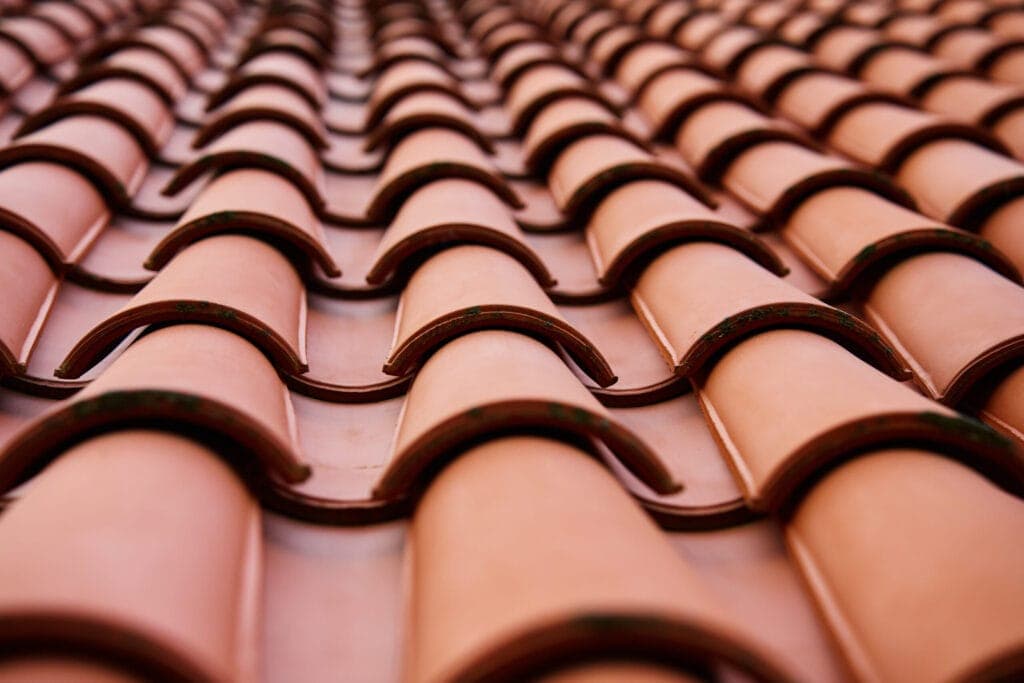
Florida Tile Roof Problems: Repair vs Re-Roof (2026)
Tile lasts for decades, the underlayment under it does not. Here are the tile roof problems Florida homeowners see most, what each repair costs in 2026, and how to tell when a repair is enough and when it is time to re-roof.
Read Article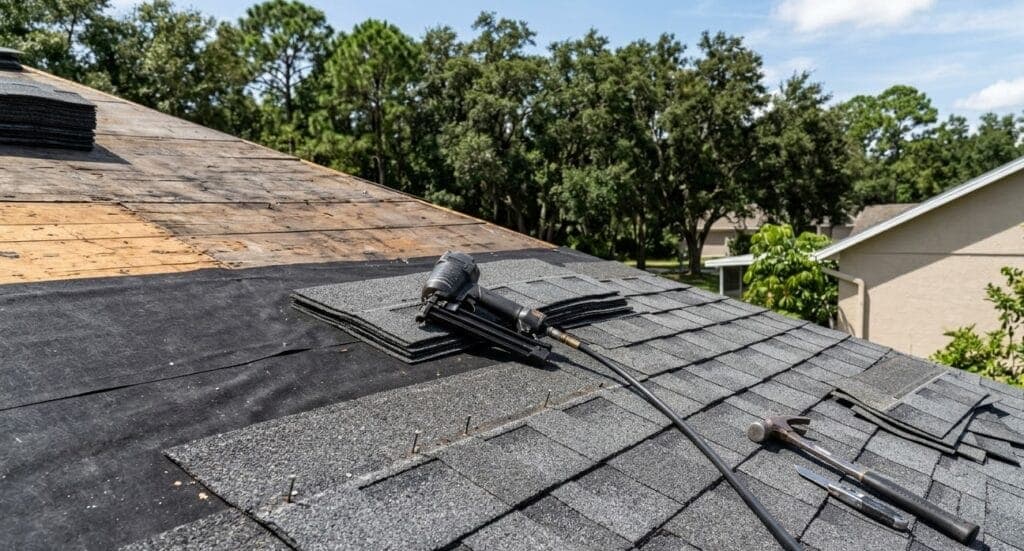
Solar Roofing in Florida: Solar Shingles vs Panels (2026)
Every solar system on a Florida roof is either bolted to the roof or is the roof. Here is how panels and solar shingles compare in 2026, what changed with the federal credit, and why the cheapest solar project often starts with a re-roof.
Read Article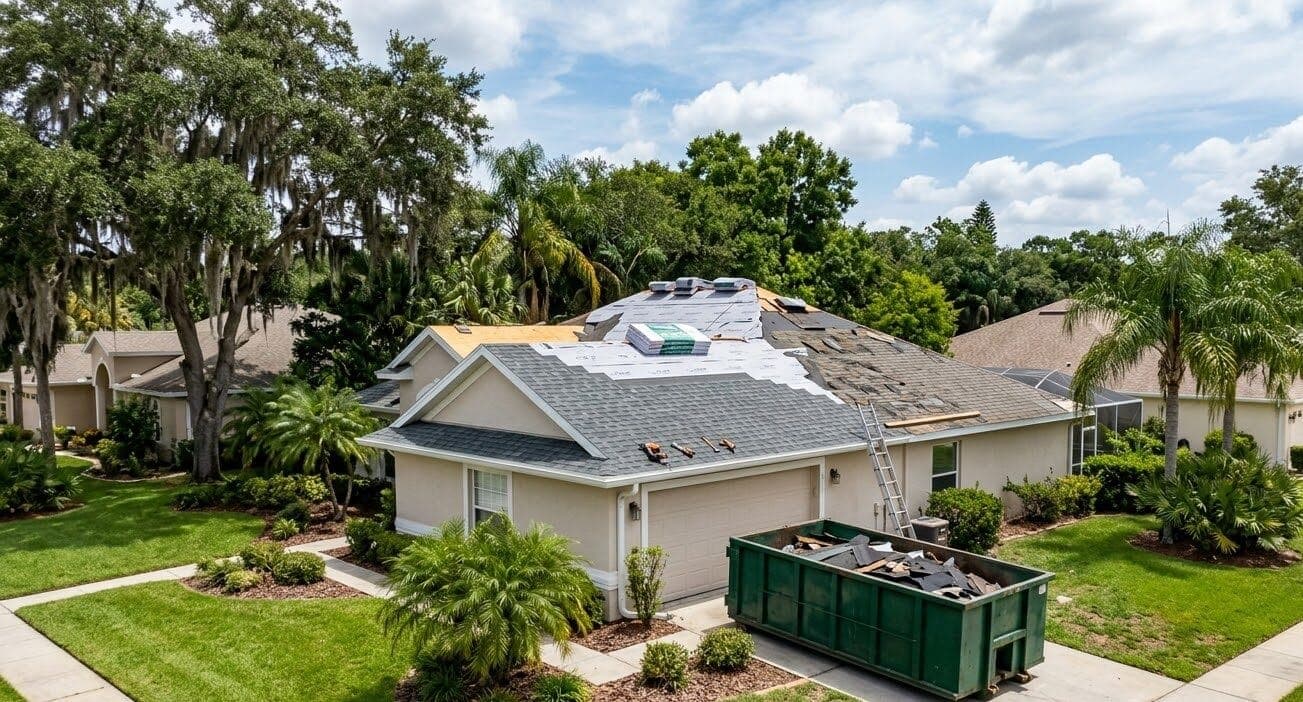
Chimney Flashing Leaks in Florida: Find the Real Cause
Roofs do not leak in the field, they leak at the terminations, and the chimney is the hardest termination on the roof. Here is what Florida code requires, the five failures behind almost every chimney leak, and what a correct reflash costs in 2026.
Read ArticleReady When You Are
Get your free roof inspection today.
No-pressure, written estimate. Same-week scheduling across Hernando County. Call us now or request a visit online.