Blog
Roofing in Lakeland FL: Why Polk County Inland Roofs Cost Less Than the Coast
Call (352) 605-0696Lakeland is close enough to both coasts to feel every storm that crosses Florida, but far enough inland to dodge the two factors that push coastal roofing prices up: the highest wind-speed design requirements and the constant salt air that shortens shingle life. That gap is not small. On a comparable home, a Polk County roof commonly lands a few dollars per square foot below the same job in coastal Pinellas or Sarasota. This guide covers what a roof really costs in Lakeland in 2026, the Polk County wind code that shapes that number, the materials that make sense for inland heat, and how to choose a contractor. For a free assessment on your Lakeland roof, call Protech at (352) 605-0696.
Why a Lakeland Roof Costs Less Than the Same Roof on the Coast
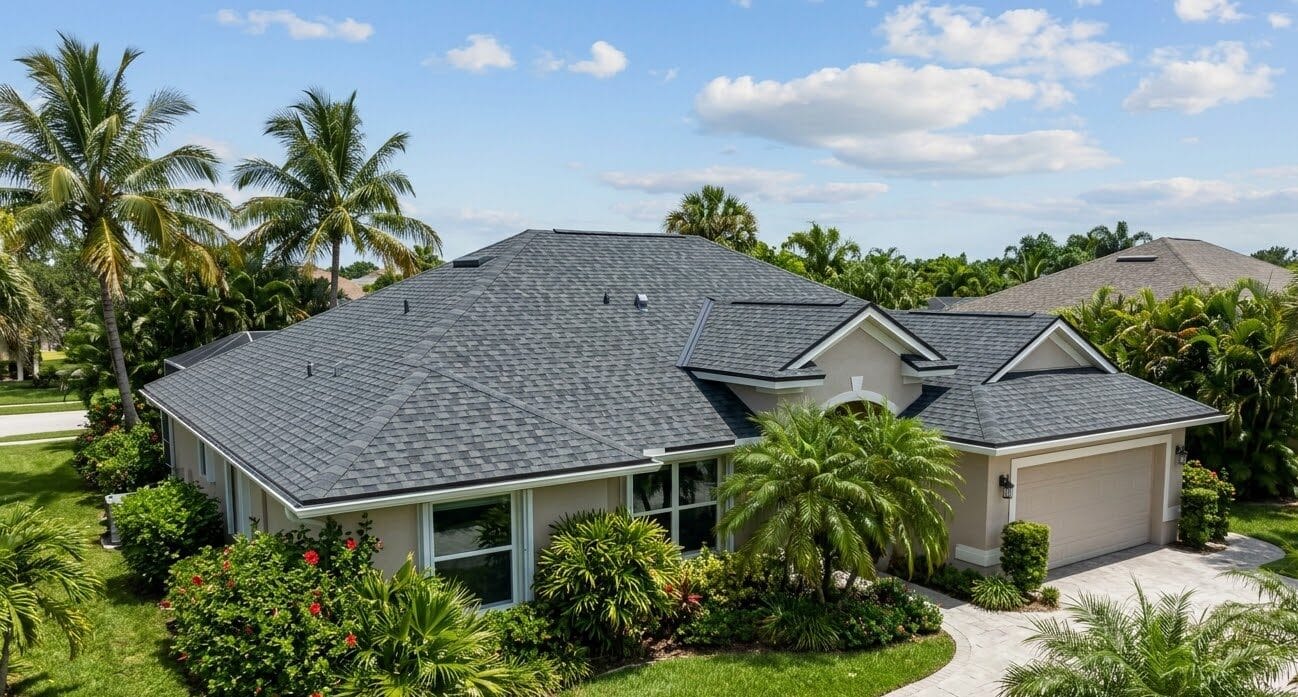
Two homes, same size, same shingle, same crew. One is in Lakeland, one is in Clearwater. The Clearwater roof costs more, and it is not because the coastal contractor is greedy. It is because the coast changes the job in two concrete ways that both show up on the invoice.
The first is wind. Design wind speeds in Lakeland and most of Polk County run in the 120 to 140 mph range, while the immediate Gulf coast sits higher. A higher wind-speed requirement means more fasteners, more expensive rated components, heavier underlayment attachment and sometimes a different product line entirely to meet code. The second is salt. Coastal air corrodes metal fasteners and accelerates asphalt aging, so coastal roofs are often specified with upgraded materials that carry a premium. Lakeland's inland position removes both pressures, and the savings commonly work out to about $2 to $3 per square foot on a full replacement. Over a typical home that difference is real money, and it is the single best reason inland Polk homeowners should not price their roof off a coastal quote.
None of this means a Lakeland roof is a soft job. Polk County still takes direct hits from tropical systems that cross the peninsula, and inland wind gusts routinely peel poorly fastened shingles. The point is narrower: you are buying to an inland code and an inland climate, so your baseline should be lower than the coast, and a contractor quoting you coastal numbers owes you an explanation.
What a Roof Replacement Actually Costs in Lakeland in 2026
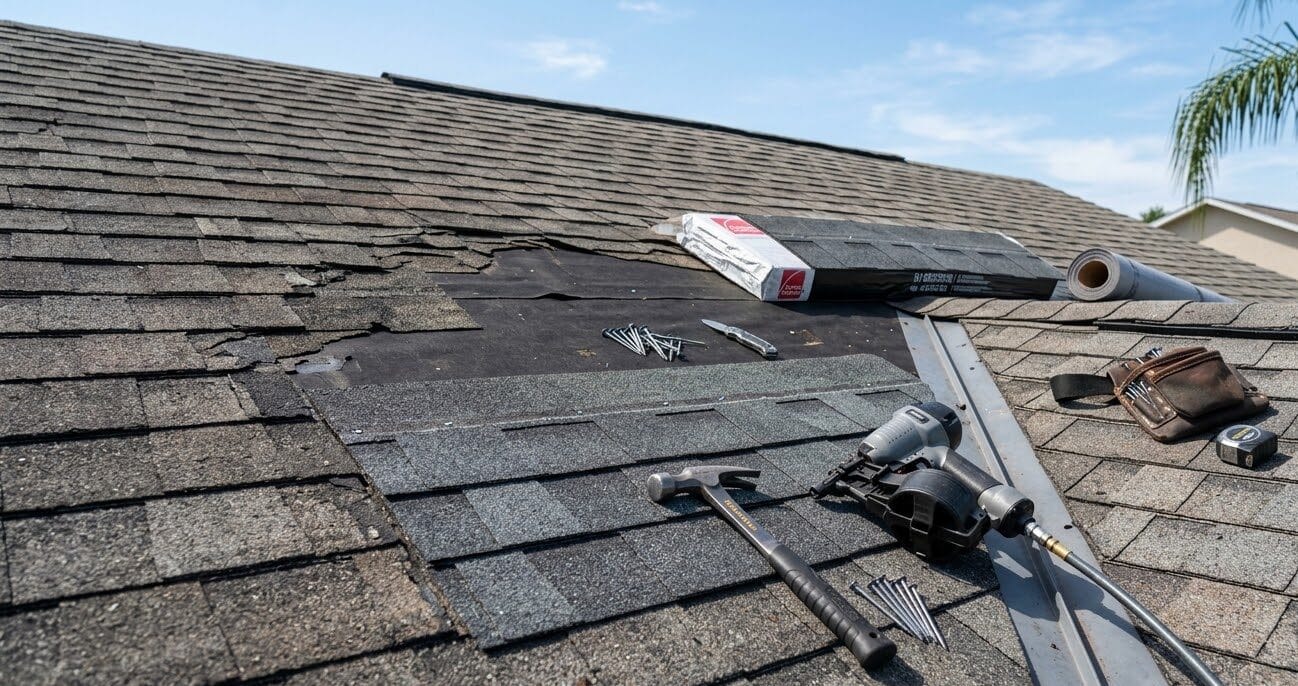
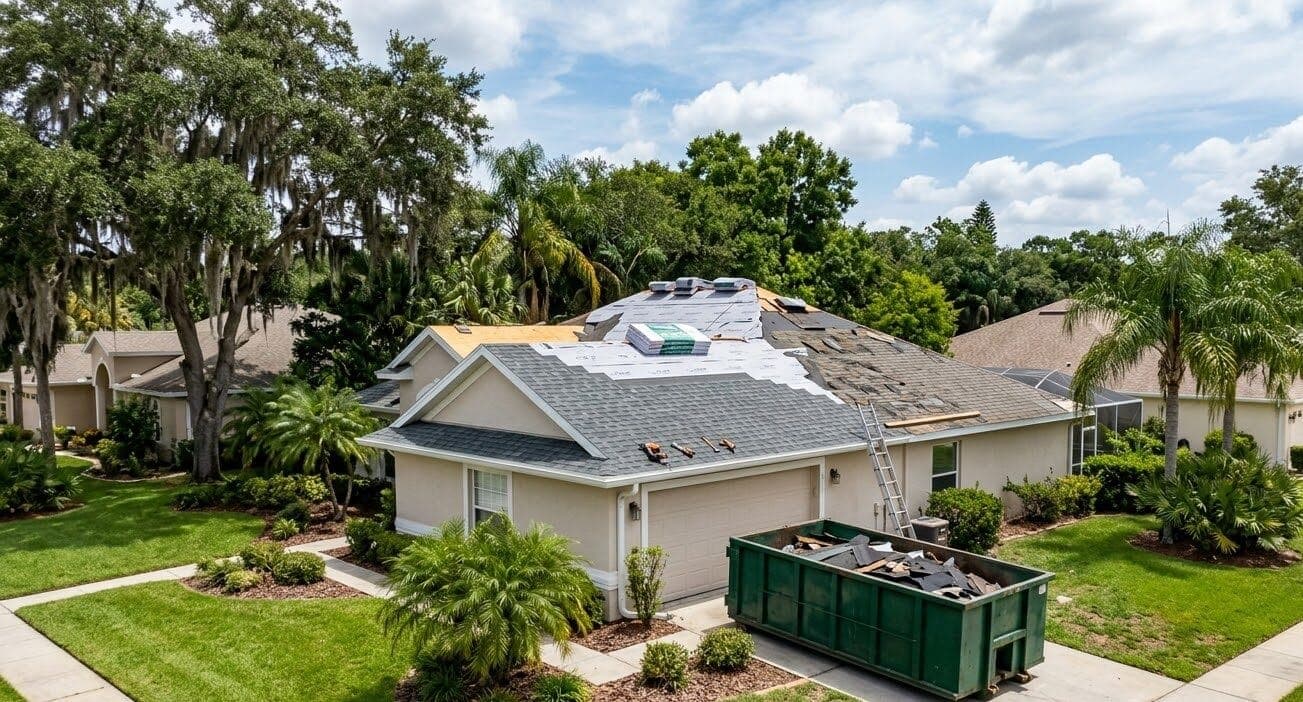
Here are the current Lakeland numbers, first per square (a roofing square is 100 square feet of roof surface, installed) and then as a total for a typical single-story home. Prices include tear-off, decking inspection, new underlayment, flashing, ridge vents, the roofing material, cleanup, and permits.
- Architectural asphalt shingles: Roughly $350 to $500 per square installed, or about $8,500 to $14,000 for a standard 2,000 to 2,100 square foot Lakeland home.
- Impact-resistant (Class 4) shingles: A step up that commonly runs $10,000 to $16,500 on the same home, and often earns an insurance discount that offsets part of the difference.
- Concrete or clay tile: Around $600 to $1,000 per square installed, driven by weight and labor.
- Standing seam metal: Roughly $700 to $1,200 per square, or about $17,000 to $30,000 installed, with the longest service life of the group.
Two things move these ranges. Roof complexity is the first: steep pitches, multiple valleys, dormers and skylights all add labor. Hidden decking damage is the second, and it is the one that turns up mid-project, which is why a real inspection before you sign matters. For the statewide picture behind these Lakeland figures, see our Florida roof replacement cost guide, and get your own number with a roof inspection before comparing bids.
Polk County Wind Code and Why It Shapes Your Price
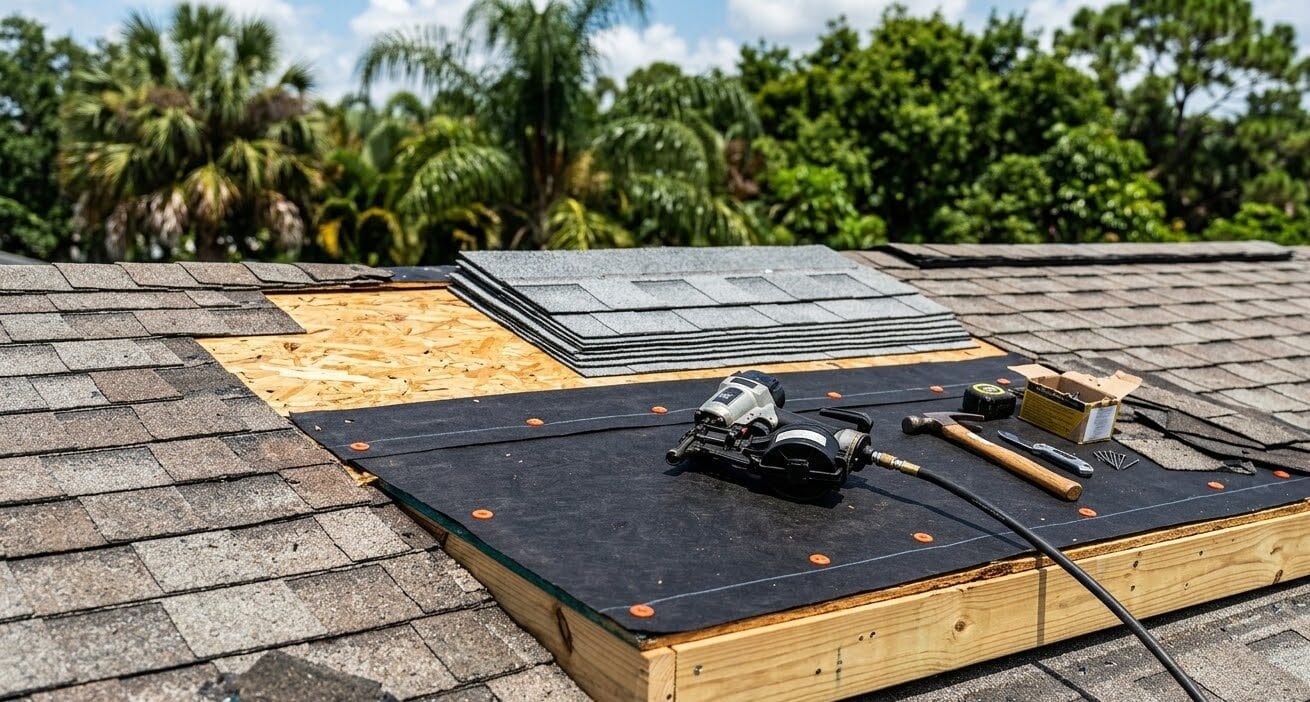
Every roof installed in Lakeland has to meet the wind provisions of the Florida Building Code for its design wind speed, which across most of Polk County falls in the 120 to 140 mph band. That number is not a formality. It dictates the nailing pattern, the rating of the shingle or panel, the way the underlayment is attached, and the secondary water barrier at the deck. A roof that fails those provisions fails inspection, and worse, it fails in the next storm.
The upside for inland homeowners is that a 120 to 140 mph design speed can usually be met with mainstream, well-priced systems, without jumping to the heaviest coastal-rated products. The 2026 code cycle also tightened several roof requirements statewide, and knowing which ones apply to your Lakeland re-roof keeps a contractor from either cutting a corner or over-selling you. We break the current changes down in the 2026 Florida Building Code roof changes, and explain how the ratings themselves work in wind uplift ratings for shingles.
Practical takeaway: ask any Lakeland bid to name the design wind speed it is built to and the product's rating. A contractor who can answer that in one sentence is building to code. One who cannot is guessing with your roof.
Salt Air Is the Coast's Problem, Not Lakeland's
On the Gulf and Atlantic coasts, salt in the air is a slow, constant attack. It corrodes metal fasteners, flashing and vents, and it accelerates the aging of asphalt shingles, which is why coastal roofs frequently lose several years of service life compared to identical roofs inland. Lakeland sits far enough from both coasts that this is simply not a factor for the vast majority of homes.
That inland position is a quiet advantage that most homeowners never price in. It means a standard architectural shingle in Lakeland is likely to reach the upper end of its rated life rather than the lower end, and it means you are not paying the salt-air premium for corrosion-resistant components that a coastal home needs. Your enemy inland is heat and ultraviolet exposure, not salt, and that changes which upgrades are worth paying for. It is one more reason a Lakeland roof should not be quoted like a beachfront one.
Permits and Inspections in Lakeland and Polk County
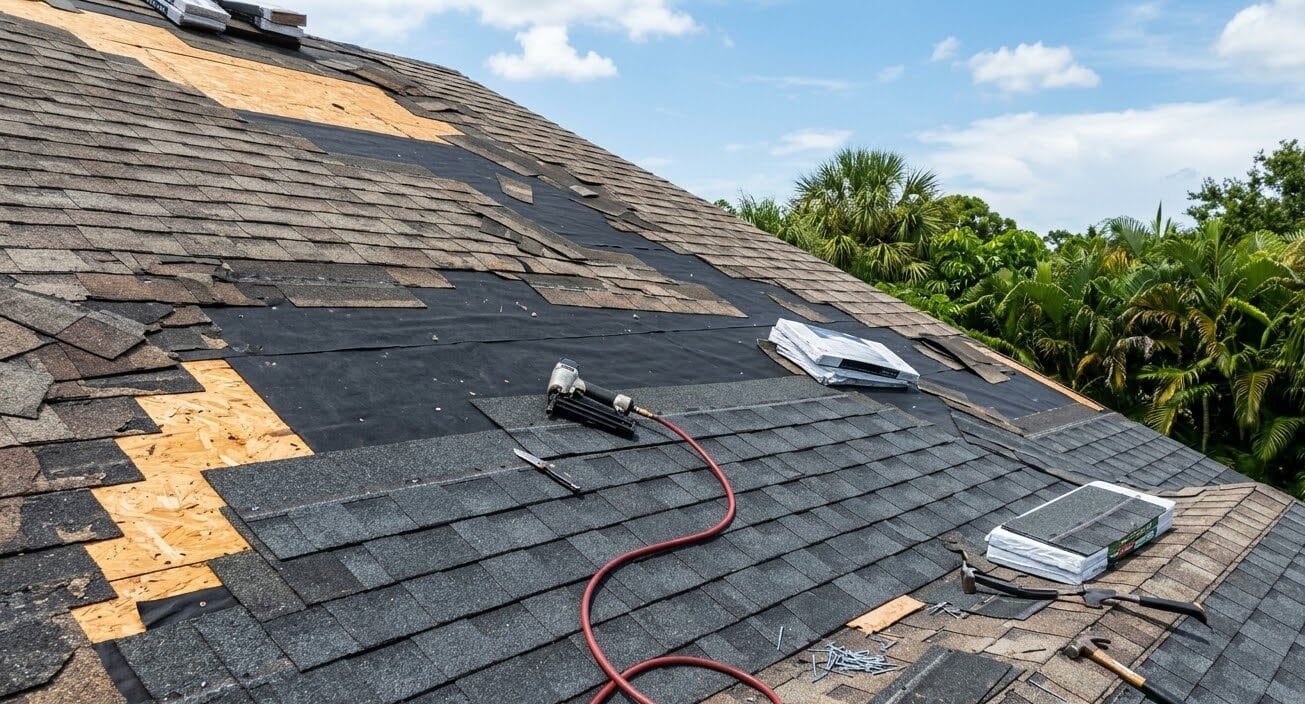
A roof replacement in Lakeland requires a permit, full stop. Whether the property is inside Lakeland city limits or in unincorporated Polk County determines which office issues it, but a permitted re-roof always includes at least a dry-in inspection after the underlayment goes down and a final inspection after the covering is installed. A contractor who offers to skip the permit to save you money is offering to void your warranty and your insurance at the same time.
The permit process is also your protection. It forces a licensed contractor, a code-compliant assembly, and a third-party inspector to sign off on the work. Reputable Lakeland roofers pull the permit as a matter of course and schedule the inspections around the tear-off and install. If your quote does not mention permits and inspections, that is a red flag, not a discount. A proper total roof replacement includes them in writing.
Best Roofing Materials for Lakeland's Inland Heat
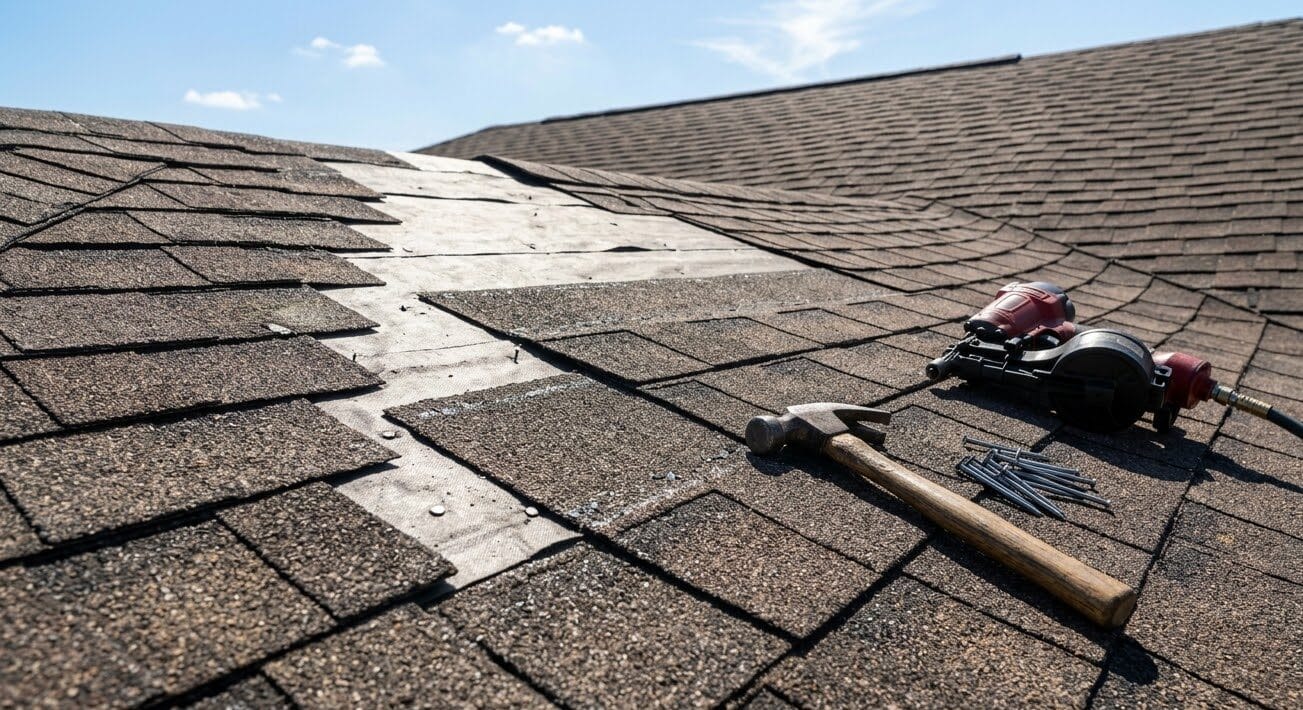
Because salt is off the table, the material decision in Lakeland comes down to budget, heat performance and how long you plan to stay in the home.
- Architectural shingles: The value default. They meet Polk's wind code comfortably, look good, and cost the least up front. A quality shingle roof installation is the right call for most Lakeland homeowners.
- Impact-resistant shingles: Worth the upgrade if your insurer offers a Class 4 discount, since the premium savings can recover part of the extra cost over the life of the roof.
- Metal: The longest-lasting option and the best at reflecting Lakeland's intense summer heat, lowering attic temperatures. It costs more up front but can outlive two shingle roofs. See metal roofing systems.
- Tile: Common in Lakeland's Mediterranean-style neighborhoods, extremely durable, but heavy enough that the structure has to support it.
Whatever the material, ventilation and a reflective or light-colored surface matter more inland than on the coast, because heat, not salt, is the aging force working on your Lakeland roof year round.
Insurance, Wind Mitigation and Your Lakeland Premium
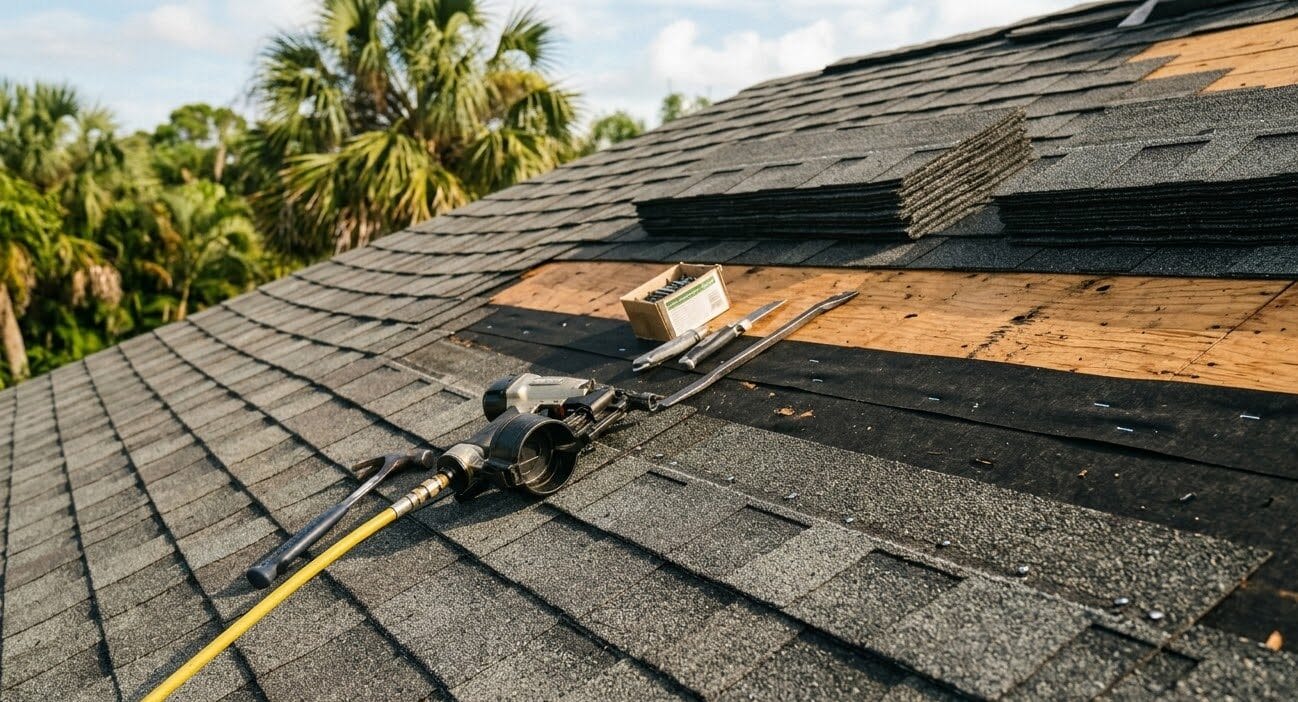
Florida homeowners insurance is expensive everywhere, and Polk County is no exception. The lever most Lakeland homeowners underuse is the wind mitigation inspection, a report that documents the roof features insurers reward: the covering's wind rating, the roof-to-wall connections, the deck attachment and a secondary water barrier. A strong report can cut the wind portion of your premium meaningfully.
A new, code-compliant roof usually scores well on these features by design, which is part of the long-term math of replacing an aging roof rather than patching it. If a storm has already caused damage, the claim itself is a process worth handling carefully. We walk through both the inspection and the savings in the wind mitigation inspection guide, and our insurance claims assistance helps Lakeland homeowners document and file correctly after a storm.
Repair or Replace: Reading a Lakeland Roof's Age
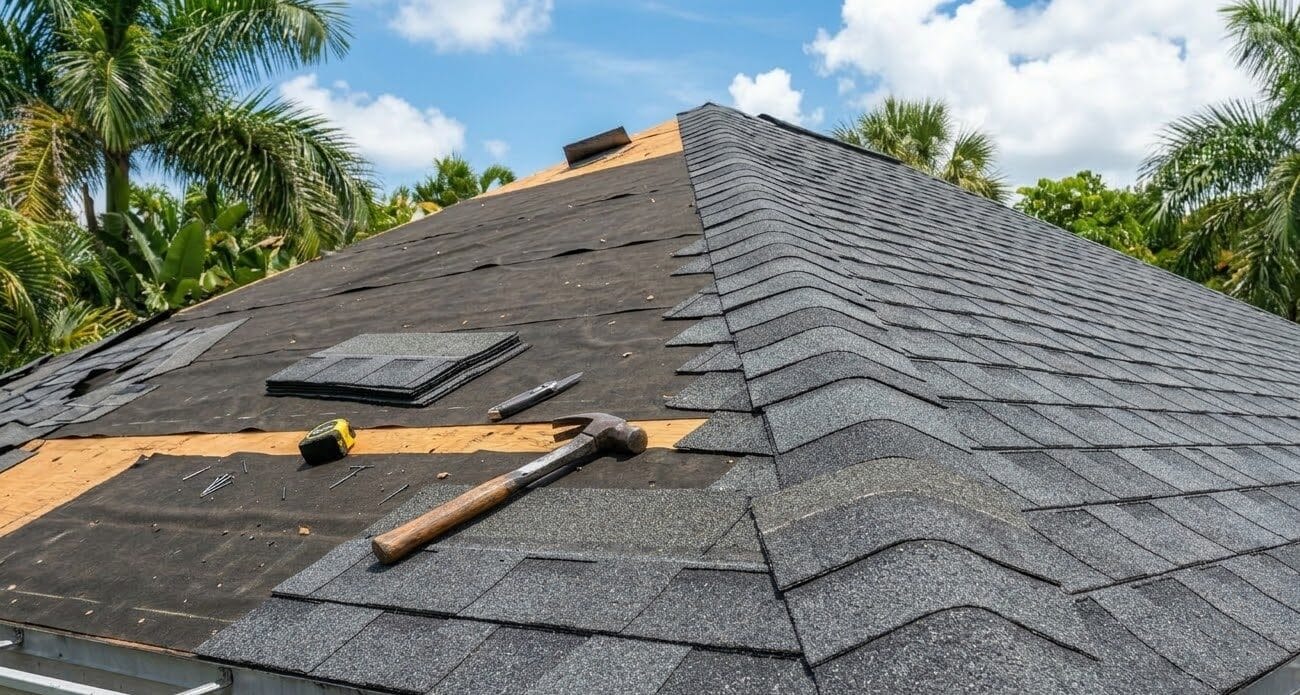
Not every Lakeland roof problem is a replacement. The honest question is whether the roof has service life left, and the answer turns on age, extent of damage and the cost ratio. A ten-year-old shingle roof with a handful of wind-lifted tabs and an isolated leak is usually a repair. A twenty-year-old roof with widespread granule loss, brittle shingles and multiple leak points is throwing good money after bad if you keep patching it.
The rule of thumb inland roofers use in Polk County is the same one that works statewide: if the repair cost approaches a third or more of a replacement, and the roof is past the midpoint of its rated life, replacement is the better long-term spend. Two things push a Lakeland roof toward the replace side faster than owners expect: the intense inland heat that bakes shingles year round, and a single hard storm that concentrates damage across a whole slope rather than one spot. If you are unsure which camp your roof is in, a roof repair visit or a leak detection assessment gives you the facts before you commit either way.
Lakeland's Storm Season and What It Does to Roofs
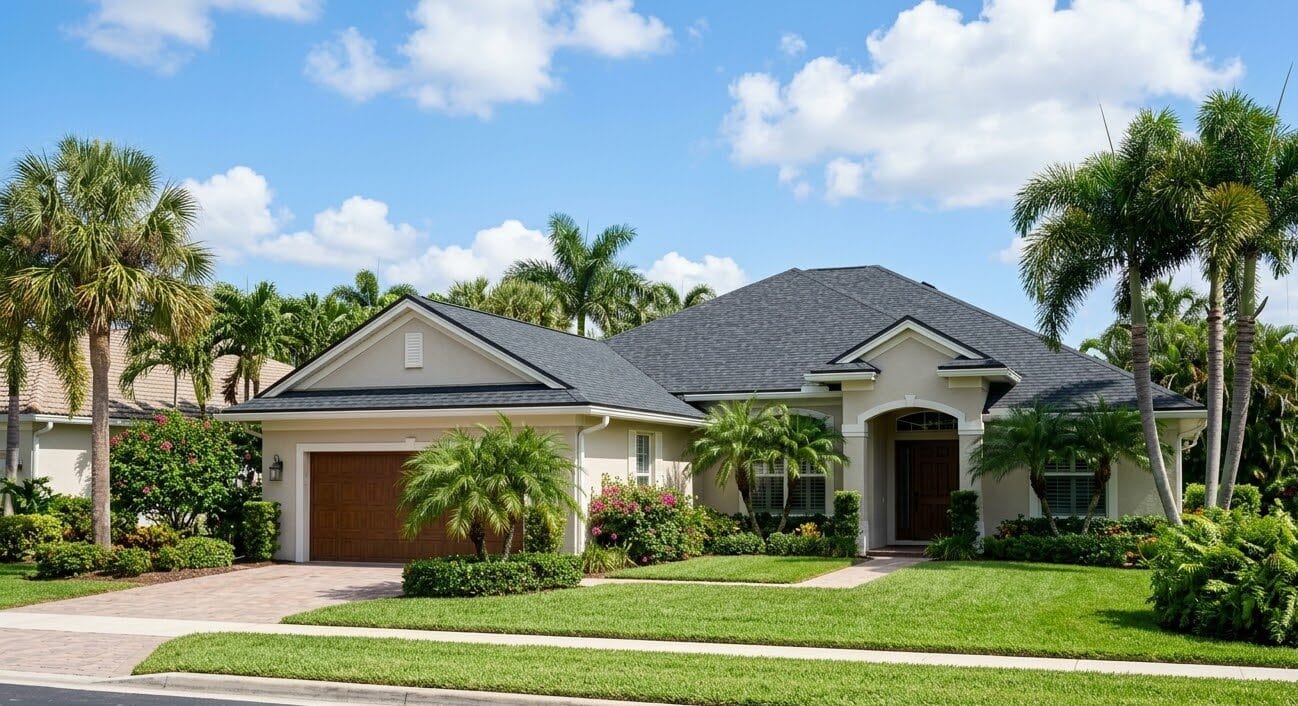
Lakeland's calendar is predictable in a way that helps you plan. The bulk of Florida's rain and wind arrives in the June to September window, and inland Polk County catches both the tropical systems that cross the peninsula and the near-daily summer thunderstorms that bring straight-line gusts. Those gusts, not just named hurricanes, are what lift poorly fastened shingles and drive water under the covering.
The practical move is to get ahead of that season rather than react to it. A roof inspected and repaired in spring goes into summer sealed and fastened, while a roof with an unnoticed lifted edge in May is the one leaking in August. After any significant storm, the window to document and act is short, both for stopping interior damage and for a clean insurance claim, which is exactly why we wrote the 72-hour roof damage window. Treat Lakeland's storm season as a scheduled event, and your roof stops being a surprise line item.
Choosing a Roofing Contractor in Lakeland
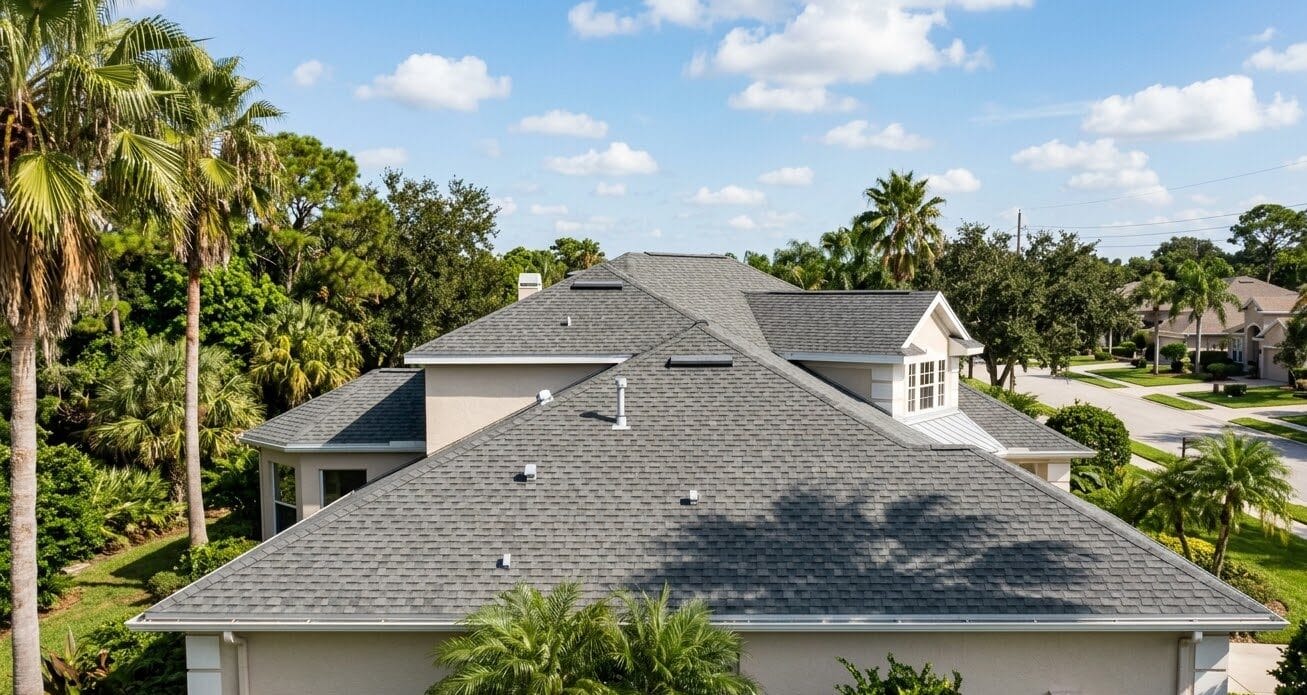
The right Lakeland roofer is licensed and insured in Florida, pulls permits, quotes to a stated design wind speed, and puts the full scope in writing, including tear-off, decking allowance, underlayment, flashing and cleanup. Be wary of the storm-chaser pattern: an out-of-town crew that appears after a hurricane, quotes low, and is gone before the warranty matters. Inland Polk County sees these crews too.
Protech Roofing serves homeowners across Central Florida, including Polk County and the Lakeland area, and handles everything from a single leak to a full replacement. If a storm has hit or your roof is nearing the end of its life, start with a professional look at it. Book a roof inspection, get help fast with storm damage restoration, or request a free assessment and call (352) 605-0696.
FAQ
Frequently Asked Questions
How much does a new roof cost in Lakeland, FL in 2026?
+
Why is roofing in Lakeland cheaper than on the Florida coast?
+
What wind speed does a roof in Lakeland have to be built for?
+
Do I need a permit to replace my roof in Lakeland?
+
What is the best roofing material for a Lakeland home?
+
Can a new roof lower my insurance in Lakeland?
+
Related Articles
More guides for Florida homeowners
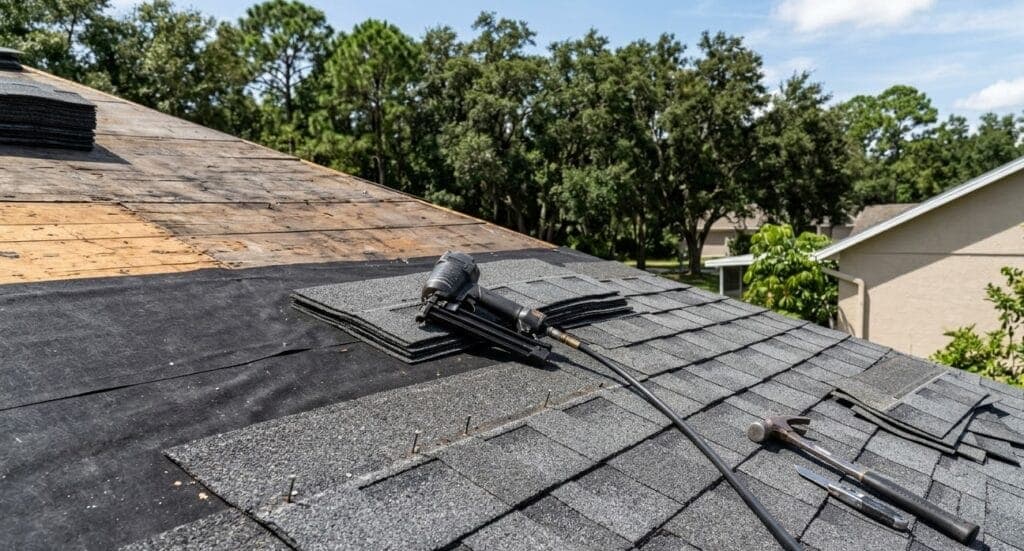
Roofing Warranties in Florida: What Voids Them
A new Florida roof usually carries two warranties: one from the manufacturer for the product and one from the contractor for the installation. Here is what each covers, what quietly voids them and how to keep your coverage.
Read ArticleSolar Roofing in Florida: Solar Shingles vs Panels (2026)
Every solar system on a Florida roof is either bolted to the roof or is the roof. Here is how panels and solar shingles compare in 2026, what changed with the federal credit, and why the cheapest solar project often starts with a re-roof.
Read Article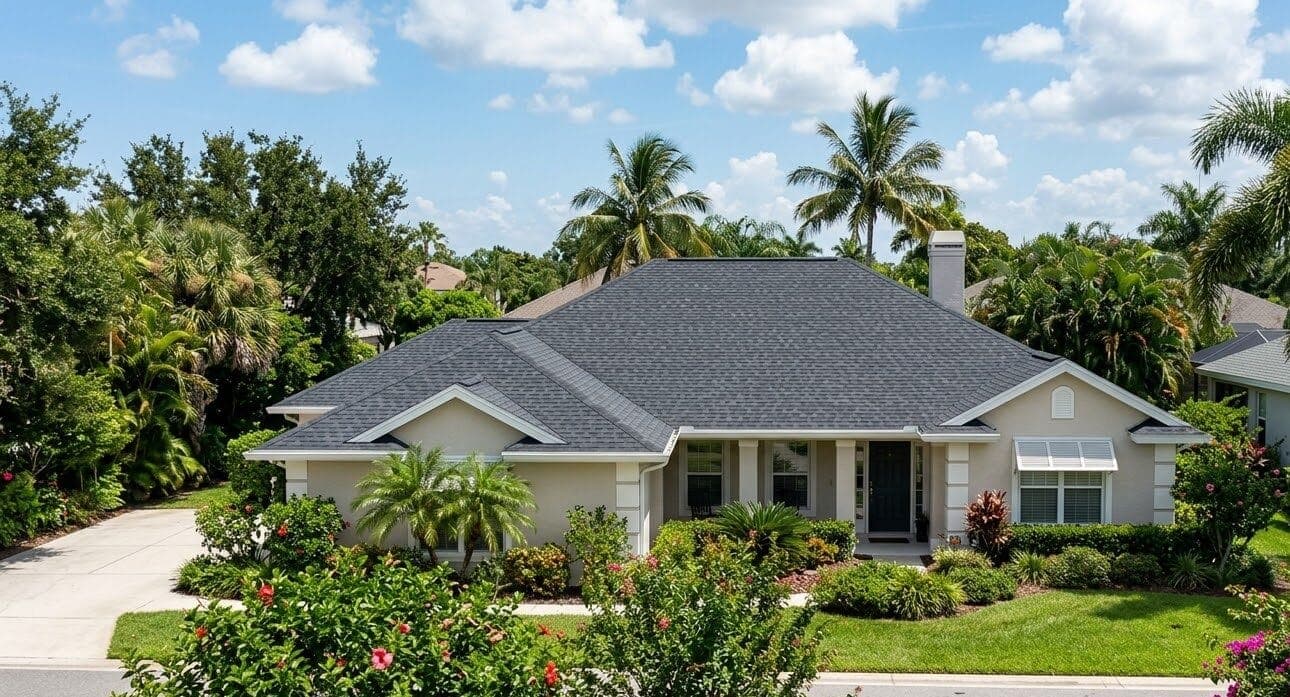
Pinellas Flood Zone Roofing: The 49% Rule Explained
Every article calls it the FEMA 50 percent rule. In unincorporated Pinellas County the number that governs your permit is 49 percent, measured against structure value without land. Here is what counts toward it, where a roof replacement actually lands in that math, and why simultaneous permits still aggregate even where the lookback period was repealed.
Read ArticleReady When You Are
Get your free roof inspection today.
No-pressure, written estimate. Same-week scheduling across Hernando County. Call us now or request a visit online.