Blog
The 72-Hour Roof Damage Window: Exact Photos, Notes and Receipts That Maximize Florida Claim Settlements
Call (352) 605-0696When a storm hits your Florida roof, the first 72 hours quietly decide how much your insurance pays. Adjusters settle on evidence, and the strongest evidence is captured before you clean up, before the next rain, and before memory fades. This guide walks through the exact photos, notes and receipts that protect your claim, plus the Florida deadlines you cannot afford to miss. Call (352) 605-0696 for a free documented roof assessment.
Why the First 72 Hours Decide Your Payout
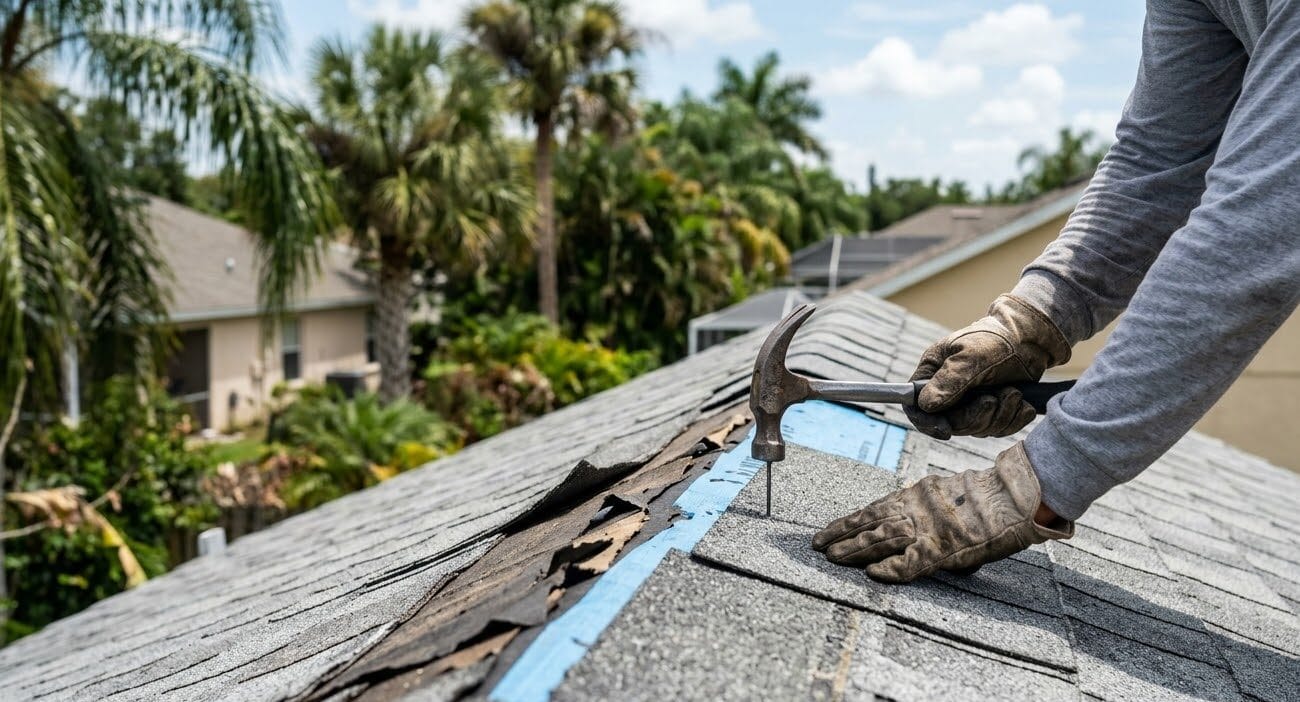
A roof insurance claim is only as strong as the evidence behind it. In the days after a storm, three things work against you at once: you naturally want to clean up, Florida weather sends another round of rain, and the exact condition of the roof at the moment of loss starts to disappear. Every hour that passes without documentation makes it easier for an adjuster to argue the damage is old, minor, or unrelated to the storm. The 72-hour window is the stretch where you can still prove what happened, and it is the single biggest lever most homeowners never use. If you are unsure where to start, our Florida roof insurance claims guide lays out the full process.
Your policy also gives you a duty to prevent further damage, which means you should tarp and stop leaks quickly. The trick is doing that without erasing the evidence. Document first, then mitigate, and keep every receipt from the mitigation. Done in the right order, those two duties reinforce each other instead of fighting.
Hour 0 to 24: Safety First, Then Photograph Everything

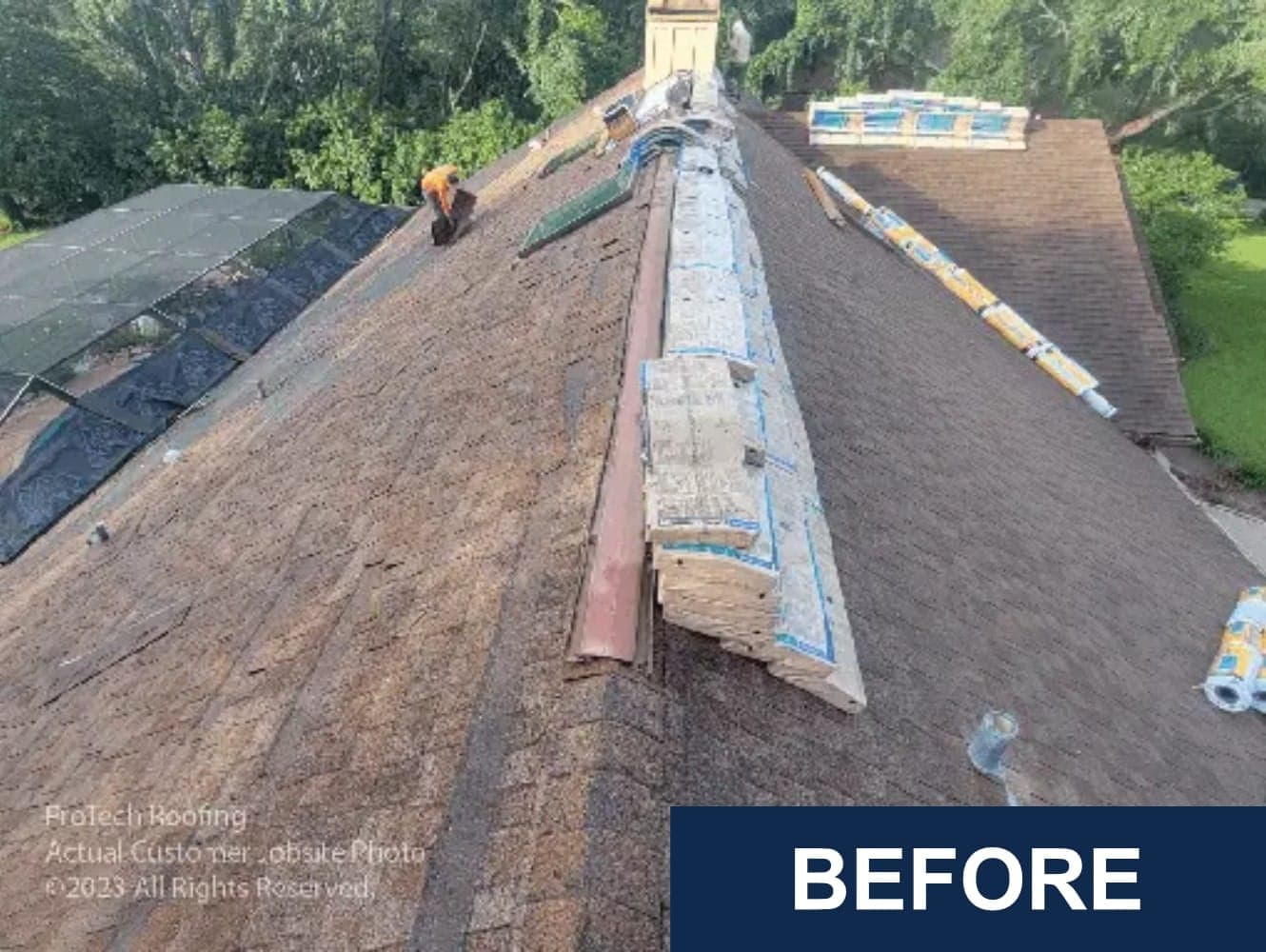
Start with safety. Never climb a wet, steep, or storm-damaged roof yourself, and stay clear of downed power lines and sagging ceilings. Most of the documentation that matters can be captured from the ground, from a ladder at the eave, or from inside the attic. If the roof needs to be walked, that is a job for a professional with fall protection, which is one reason a post-storm roof inspection pays for itself.
Then photograph everything, twice over. Take wide shots that show the whole roof and the house, so the adjuster can place the damage, and take close shots of every specific problem: lifted or missing shingles, cracked tile, bent flashing, dented vents, granules in the gutters, and any water stain on a ceiling or wall. Shoot all four sides of the house, even the ones that look fine, because undamaged sides help prove the damage is storm-directional. Use your phone so each image carries a date and time stamp, and if a tree limb or debris caused an impact, photograph it in place before you move it.
Notes: The Damage Log Adjusters Trust
Photos show what broke; notes show when and how. Within the first day, write down the date and time the storm hit, the type of event (hurricane, wind, hail, or heavy rain), and what you observed as it happened, such as water coming through a ceiling or a section of roof lifting. Note the date and time of every photo set, and log any water intrusion room by room. A short, dated written record turns a pile of pictures into a timeline an adjuster can follow.
Keep the log going as you take mitigation steps. Record when you placed a tarp, when a leak was stopped, and when any contractor or inspector visited. If you call your insurer, write down the date, the representative name, and your claim number. This paper trail is exactly what separates a claim that gets paid quickly from one that drags for months.
Receipts: Your Mitigation Costs Come Back
Florida policies generally reimburse reasonable emergency steps you take to prevent further damage, but only if you can prove what you spent. Keep receipts for tarps, plywood, fasteners, a professional tarping service, water extraction, fans, and temporary repairs. Photograph the temporary fix in place, and hold onto the receipt even for small hardware-store runs. These reasonable and necessary mitigation costs are a category adjusters expect to reimburse, and they add up.
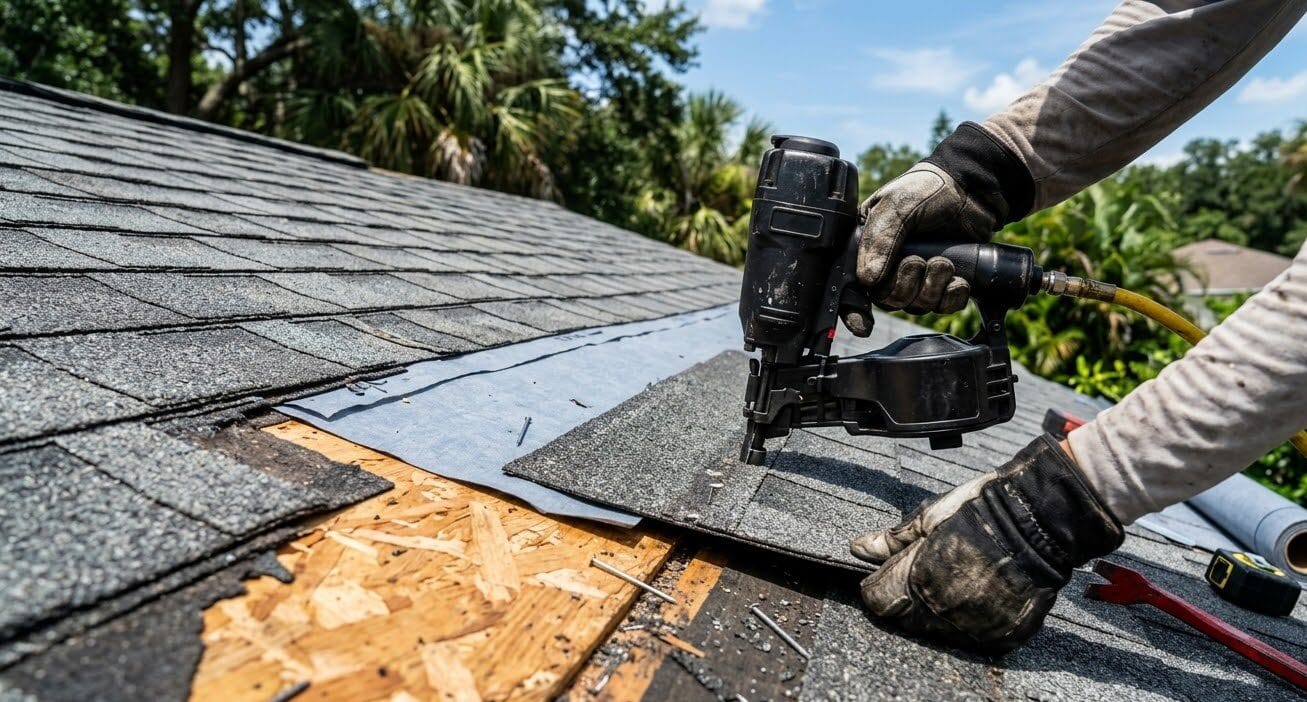
Do not throw away damaged materials until the adjuster has seen them or you have clear photos and, ideally, a professional inspection on file. A discarded pile of storm-torn shingles is evidence you cannot get back. When Protech tarps a roof, we document the damage underneath first, so your mitigation and your claim work together.
The Legal Clock: Florida's One-Year Notice Deadline
Documentation is worthless if you miss the deadline. Under Florida Statute 627.70132, as amended by the 2022 reforms, you must give your insurer notice of a new property claim within one year of the date of loss, a window cut down from the old three-year rule. A supplemental claim, where you reopen for additional damage found later, must be filed within 18 months of the date of loss. Miss those and the claim is barred, no matter how strong the photos are.
The date of loss is not the day you notice the leak. For weather events it is the date the storm struck, verified where applicable by the National Oceanic and Atmospheric Administration. That means the clock can already be running while damage hides above your ceiling, which is why fast documentation and an early inspection matter so much in Florida's storm-prone counties.
What the Insurer Owes You Back
The deadlines run both ways. Once you file, Florida Statute 627.70131 requires your insurer to pay or deny the claim, or a portion of it, within 60 days of receiving notice, unless factors beyond its control prevent it. That is a real, enforceable clock, and a well-documented claim is far harder to stall. Insurers also must acknowledge your claim and begin investigating within the statutory windows, so keep your dated call log handy to hold them to it.
If your payout comes back as actual cash value rather than replacement cost, or lower than the damage warrants, strong documentation is what supports an appeal or a supplemental claim. This is where homeowners who photographed everything in the first 72 hours pull ahead of those who cleaned up first and argued later.
Mistakes That Quietly Shrink Settlements
A few common moves cost Florida homeowners money. Cleaning up or making permanent repairs before documenting hands the adjuster a reason to question the claim. Climbing a storm-damaged roof yourself risks injury and rarely produces the angles an adjuster needs. Signing an assignment of benefits without reading it can hand your claim rights to someone else. And waiting to file, hoping the leak is minor, can push you past the one-year deadline while hidden moisture rots the deck.
The safer path is simple: photograph, log, mitigate with receipts, get a professional inspection, and file promptly. If a full replacement turns out to be needed, our Florida roof replacement cost guide and roof financing options help you plan the part insurance does not cover.
Get a Documented Inspection Before You Clean Up
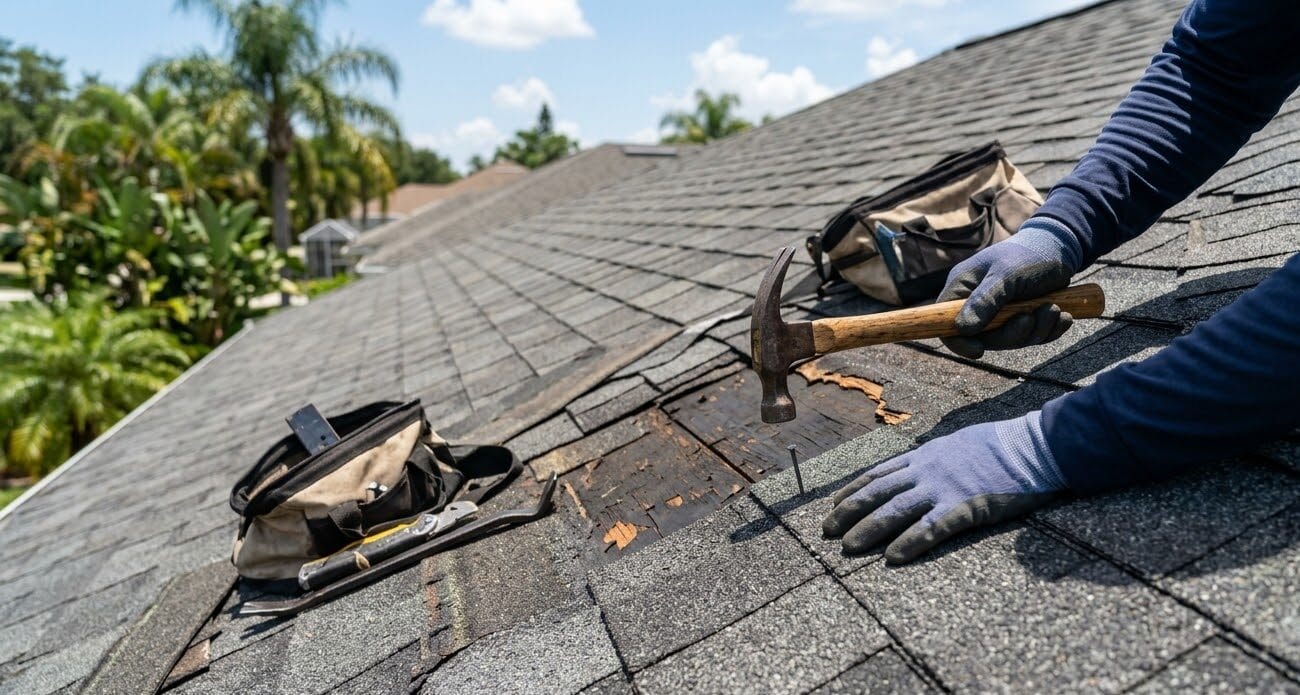
The strongest thing you can add to your own photos is an independent professional assessment. Protech provides free roof inspections with written documentation and photos your adjuster can use, and our insurance claims specialists know how Florida carriers evaluate storm damage. We are GAF Master Elite certified, licensed and insured, with a 4.9-star rating across 557 plus verified reviews and in-house crews on residential work.
Call (352) 605-0696 for a Free Documented Roof AssessmentBefore the next storm, it also pays to prepare, and our Florida hurricane prep checklist covers the steps that make documentation faster when it counts. If wind upgrades are on your list, ask us about the My Safe Florida Home program. Call (352) 605-0696 for a free assessment and let us document your roof the right way.
FAQ
Frequently Asked Questions
How long do I have to file a roof insurance claim in Florida?
+
What photos do I need for a roof damage claim?
+
Will insurance reimburse tarps and emergency repairs?
+
How fast must my insurer pay or deny the claim?
+
Should I get a professional inspection before filing?
+
Related Articles
More guides for Florida homeowners
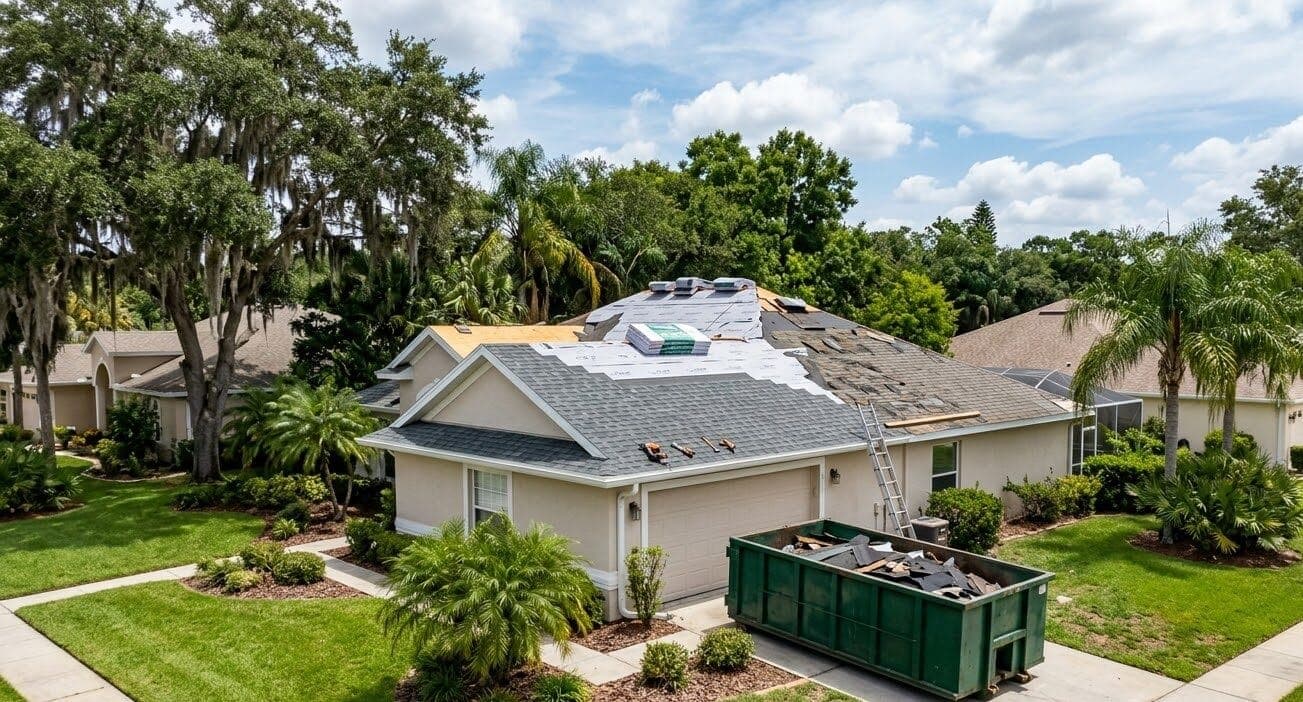
Best Shingles for Florida: Impact-Rated Class 4 Guide
The best shingle for a Florida home is usually a Class H architectural shingle installed as a full system. Here is how 3-tab, architectural and Class 4 impact-resistant shingles compare on cost, wind, insurance and lifespan.
Read Article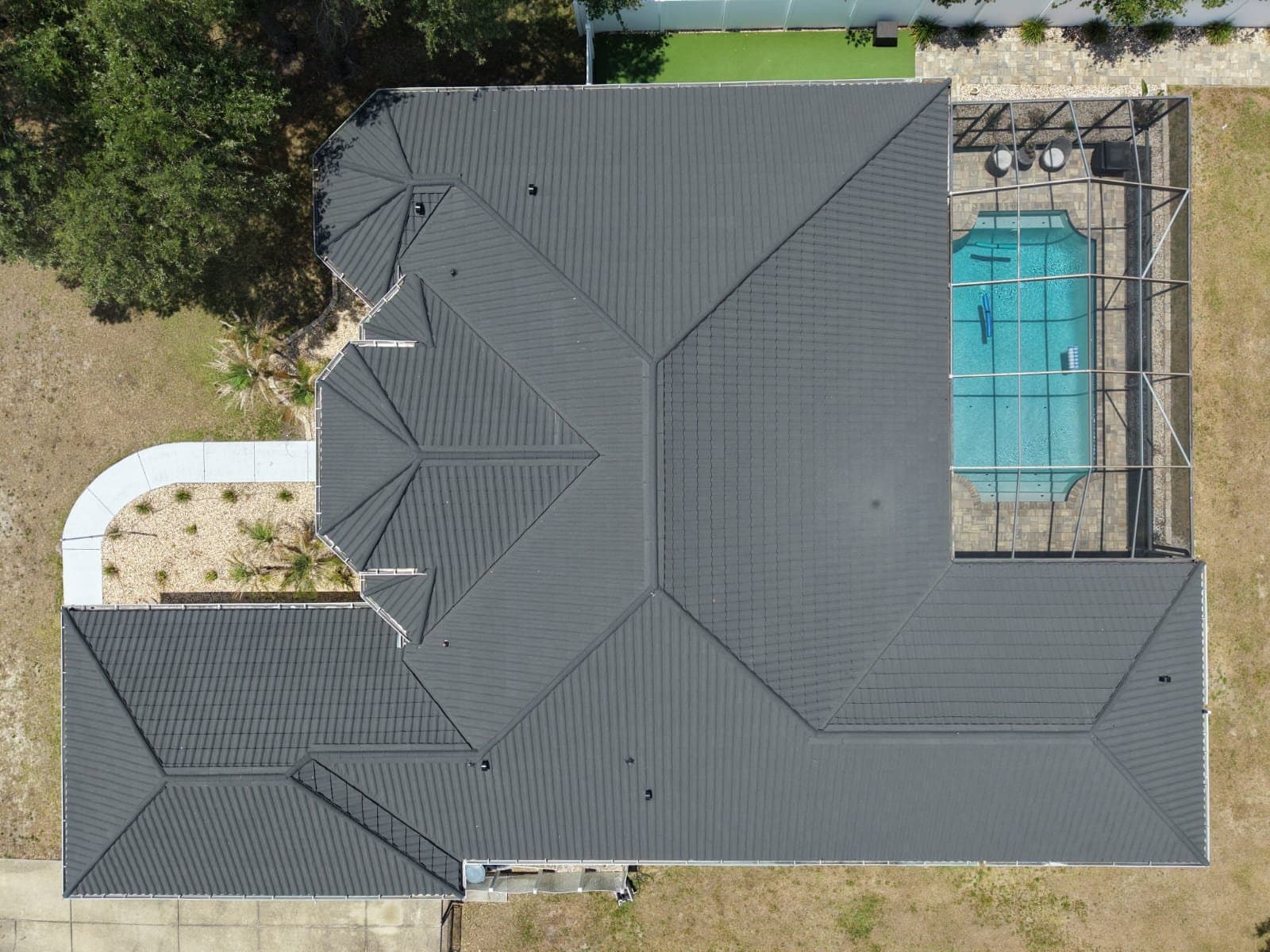
Metal Roof Cost in Florida 2026: Per-Sqft Guide
Metal roofs in Florida run about $8 to $23 per square foot installed, depending on the system. Here is what standing seam, stone coated steel and exposed fastener panels cost, what a typical home pays and how to compare quotes.
Read Article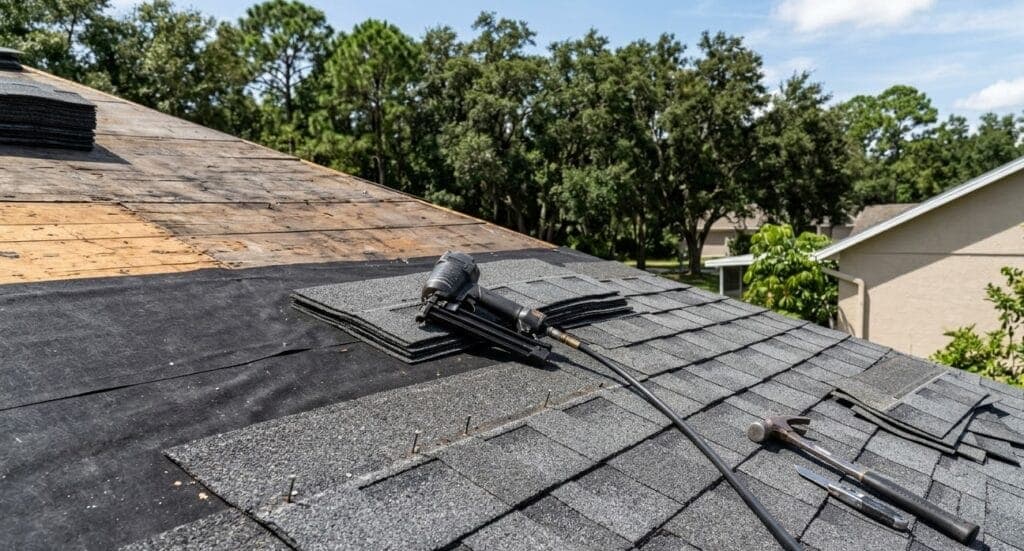
Roofing Warranties in Florida: What Voids Them
A new Florida roof usually carries two warranties: one from the manufacturer for the product and one from the contractor for the installation. Here is what each covers, what quietly voids them and how to keep your coverage.
Read ArticleReady When You Are
Get your free roof inspection today.
No-pressure, written estimate. Same-week scheduling across Hernando County. Call us now or request a visit online.