Blog
Roofing in Orlando FL: Why Orange County Permit Waits Hit 6 Weeks and How to Halve It
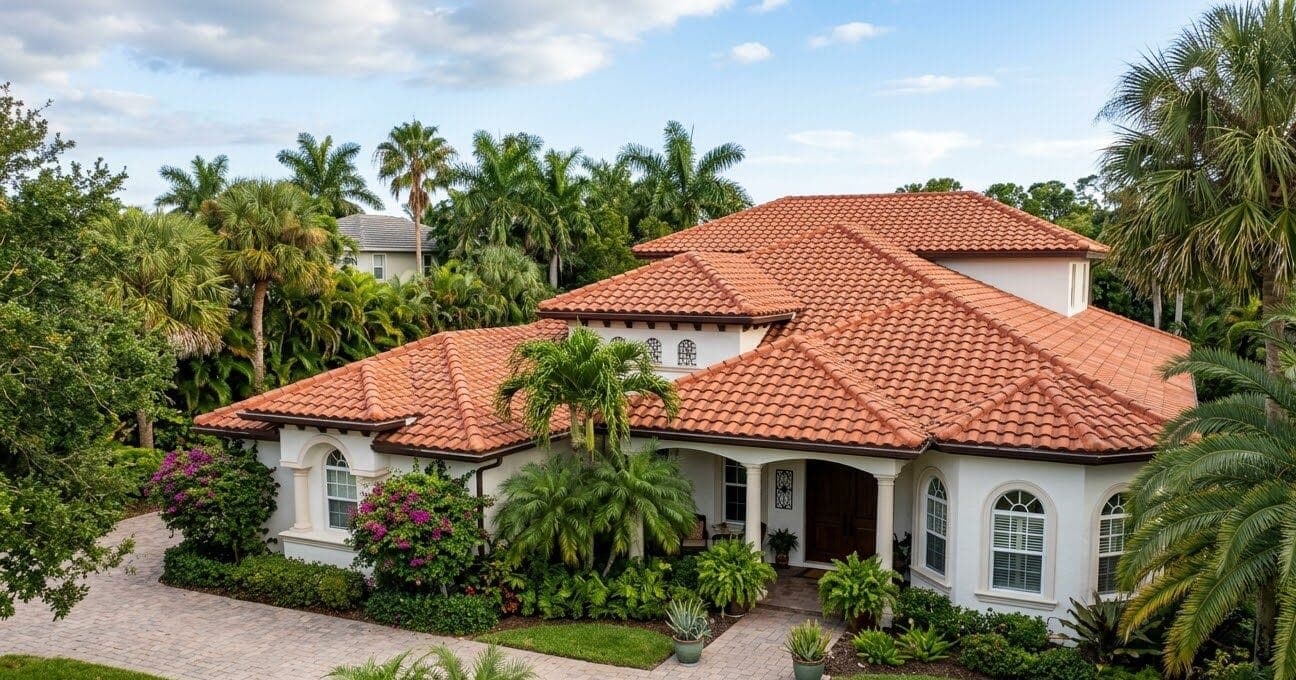
Call (352) 605-0696Orlando is one of the better places in Florida to own a roof. It sits roughly 50 miles from either coast, which keeps it out of the highest wind-speed design bands and away from the constant salt spray that quietly shortens shingle life along the Gulf and the Atlantic. That geography is worth real money on a re-roof. What Orlando gives back is administrative: Orange County is one of the busiest permitting jurisdictions in the state, and plan review through the building department commonly runs six to eight weeks when the queue is full. Most homeowners never hear that there is a legal alternative that cuts the wait to one to three weeks. Here is the full picture on Orlando roofing in 2026, from real per-square pricing to the code requirements your wind zone triggers, the exact documents Orange County wants, and the statute that lets you skip the line.
What a Roof Replacement Actually Costs in Orlando in 2026
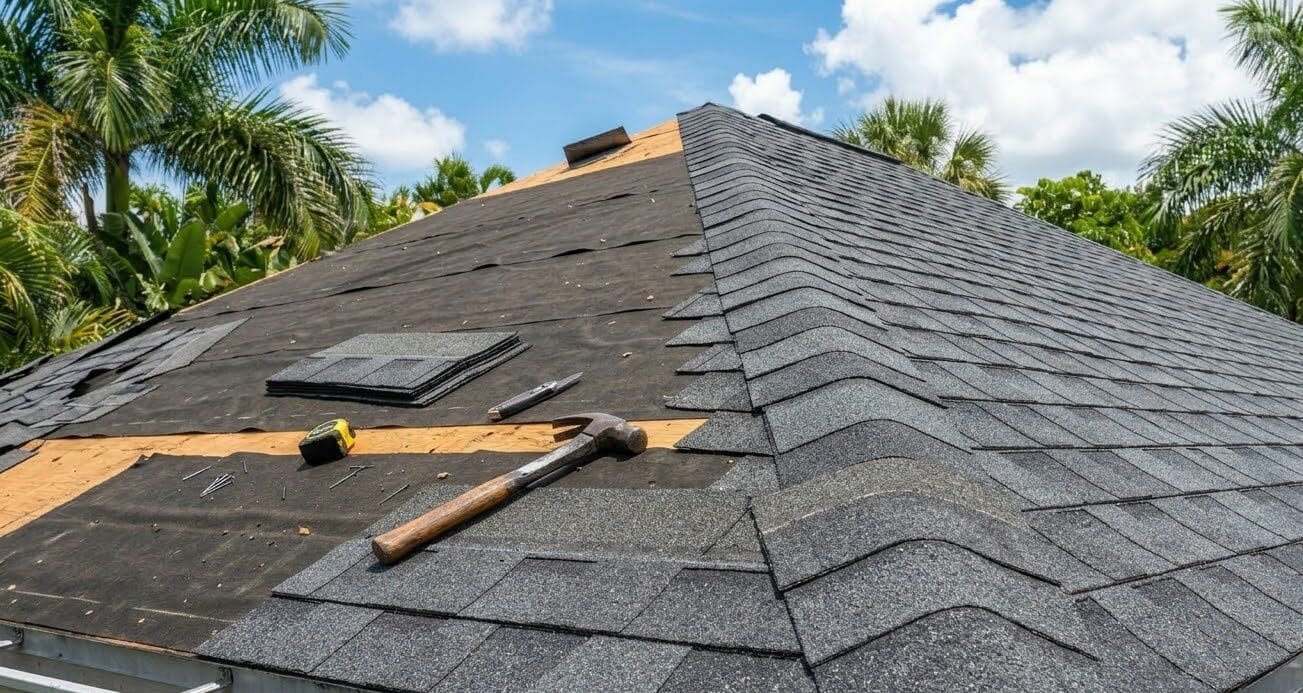
Roofing is priced by the square, which is 100 square feet of roof surface. A typical 2,000 to 2,100 square foot Orlando home has a roof surface of roughly 22 to 26 squares once pitch and overhangs are counted, which is why two houses with the same interior square footage can carry different quotes. Orlando labor rates run modestly above rural Central Florida and below the Tampa Bay and Southeast Florida markets.
- Architectural asphalt shingles: Commonly $375 to $525 per square installed in the Orlando metro, which lands most standard homes in the $9,000 to $15,000 range.
- Impact-resistant Class 4 shingles: Roughly $10,500 to $17,500 on the same home. The premium often comes back through an insurance credit, which is why it is worth pricing both ways rather than assuming it is an upsell.
- Concrete or clay tile: Around $600 to $1,000 per square installed. Weight drives this as much as material, because tile assemblies require deck and structural verification that shingles do not.
- Standing seam metal: Typically $900 to $1,500 per square installed, with a service life that commonly doubles asphalt in an inland climate.
- Tear-off and disposal: Usually $1 to $2 per square foot on top of the covering. A second layer of old shingles roughly doubles that line and is the most common reason a quote moves after the crew opens the roof.
Two variables move an Orlando number more than any brochure feature. The first is deck condition, which nobody can price accurately from the driveway. The second is complexity: valleys, dormers, skylights and steep pitch all add labor hours that a per-square average hides. That is why a written scope from an actual roof inspection beats a phone estimate every time, and why the cheapest bid in the stack is often the one that assumed the least about what is under the shingles. Our statewide breakdown of pricing drivers sits in the Polk County cost comparison, which shows how inland positioning affects the same job.
Orange County Permits: Where the Six-Week Wait Comes From
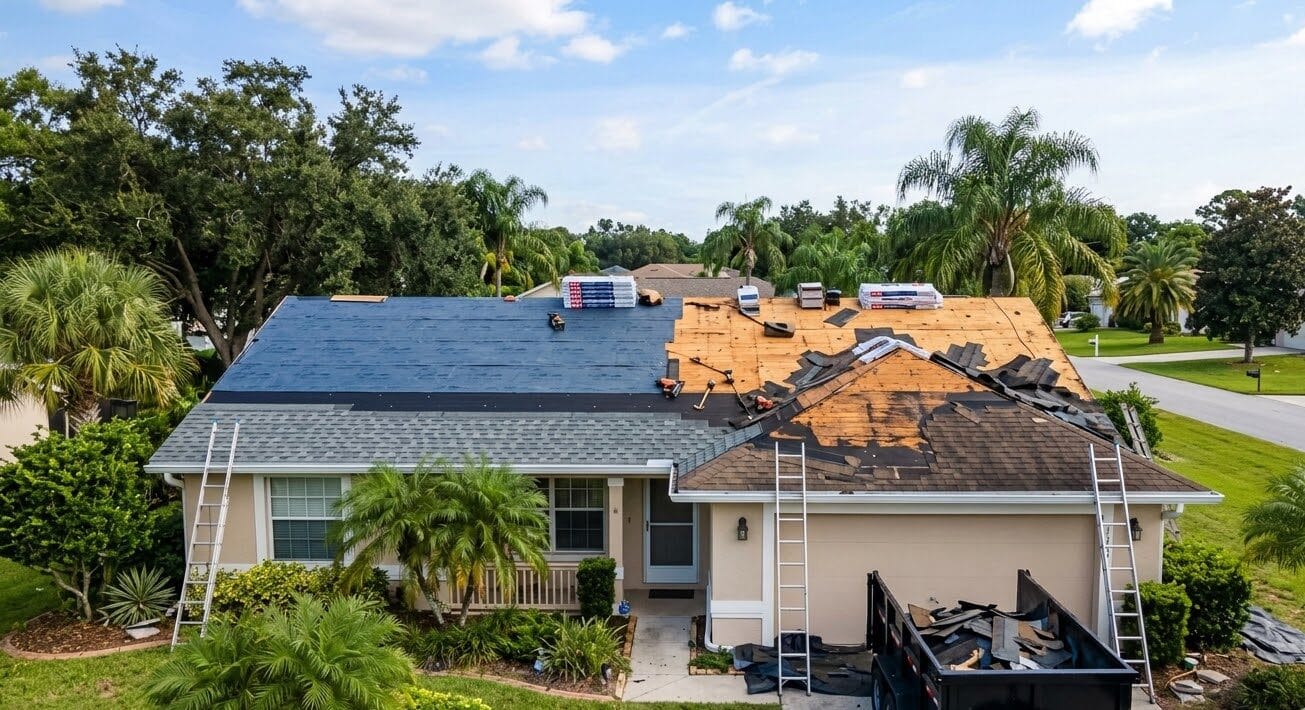
Every roof replacement in Orange County requires a permit. There is no square footage exemption that lets a full re-roof slide through, and pulling one is not optional paperwork: an unpermitted roof surfaces at resale, at insurance renewal and during any future claim, and it is far more expensive to resolve after the fact than to file correctly the first time.
Orange County takes roof permit applications through its Fast Track online system. The application asks for building class and type, the work type (new, addition, repair or re-roof), the project value, the roof square footage, the number of stories and the covering material. Two documents commonly ride along with it.
- Notice of Commencement: Required on any project valued above $5,000, which is essentially every full re-roof. It must be recorded and posted before work starts.
- Owner Builder Disclosure Statement: Required only if the homeowner is pulling the permit rather than a licensed contractor. This is where do-it-yourself roofing gets expensive, because the owner assumes the liability a contractor's license normally carries.
- Power of attorney: When submitted by a designee, it has to be an original, site-specific and notarized. Generic forms get rejected, which restarts the clock.
Permit fees for an Orange County roof replacement commonly land near $190, within the $150 to $600 band that Florida counties typically charge. The fee is not the problem. The queue is. Orange County processes an enormous volume of residential work, and when the backlog builds, plan review that would take days on paper stretches to six to eight weeks in practice. Homeowners with an active leak do not have six weeks, which is exactly the pressure that pushes people toward unpermitted work. For county questions, Orange County Permitting can be reached at (407) 836-5564 or esubs@ocfl.net.
The Private Provider Route: Florida Statute 553.791
Florida law gives property owners a way around the queue that most Orlando homeowners have never been told about. Under Florida Statute 553.791, an owner may hire a licensed private provider, meaning a Florida-licensed engineer or architect authorized under the statute, to perform plan review and construction inspections instead of the local building department. The building department is required to accept that work. It is not a loophole and it is not a favor; it is a statutory right.
The practical difference is time. Private providers commonly turn residential plan review in about 24 hours, and owners using the route through Orlando and Orange County typically see one to three weeks end to end instead of six to eight. On a roof with active water intrusion, that gap is the difference between drying the structure out and paying for drywall, insulation and mold remediation on top of the roof itself.
The tradeoff is cost. The private provider charges a fee that the building department does not, so the route is not automatically the right call. It earns its keep in two situations: when the roof is actively leaking and every week compounds interior damage, and when a closing, an insurance deadline or a carrier non-renewal is driving a hard date. For a dry roof being replaced on schedule at the end of its service life, the standard county queue is usually fine.
What HB 803 Changed on July 1, 2026
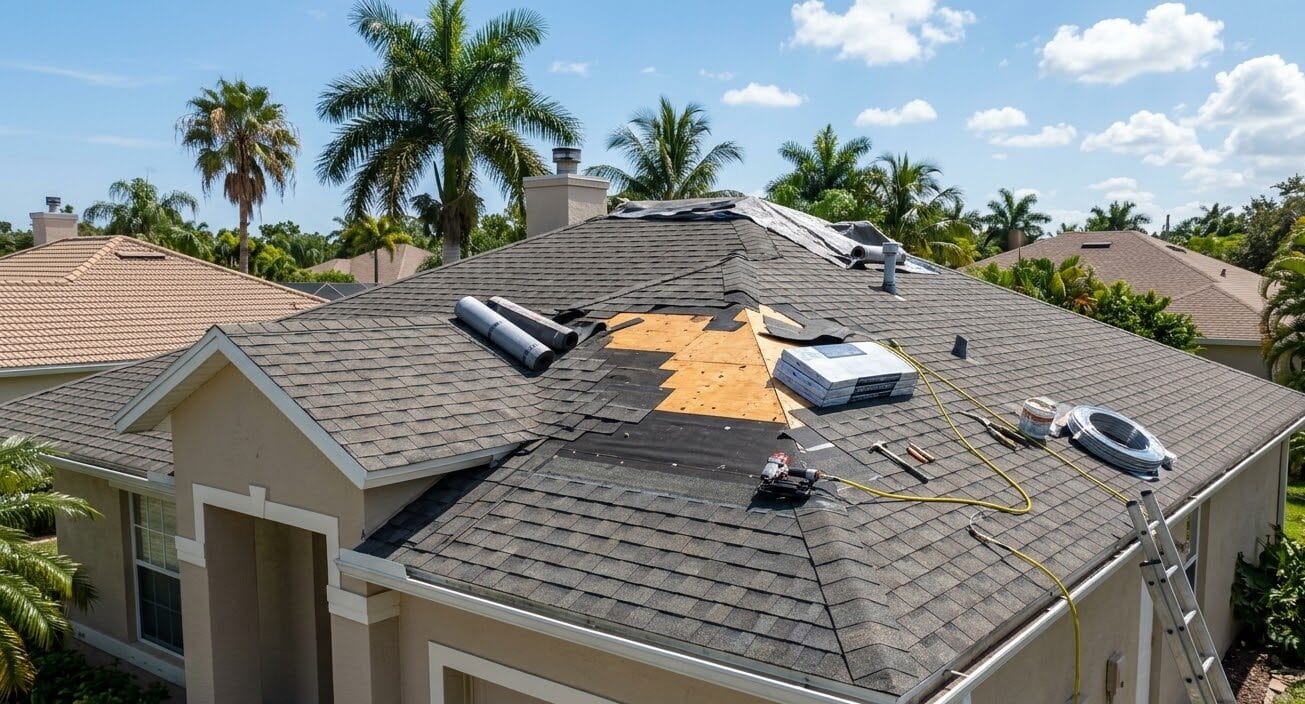
Florida House Bill 803 was signed on May 6, 2026 and took effect July 1, 2026. It is the most substantial rewrite of the private provider statute in more than a decade, and the headline change is financial: when a private provider handles all qualifying plan review and inspections, local governments must reduce the commercial permit fee by 50 percent. Partial scope earns a 25 percent reduction.
Read that carefully, because the mandatory fee reduction is written for commercial permits. If you own a strip center, a warehouse or a multi-tenant building in Orange County, the private provider route now returns half the permit fee alongside the faster review, which changes the math substantially on commercial roofing projects. Residential owners still get the speed benefit, and the statutory right to use a private provider is unchanged, but should not expect the same automatic fee cut.
The wider effect is that private providers have become a normal part of how work gets permitted in high-volume Central Florida jurisdictions rather than a specialty tactic. When you interview an Orlando roofer, asking whether they work with private providers is a fast way to learn how often they handle time-sensitive jobs.
Orlando's Wind Zone: About 130 mph, and What Code Requires There
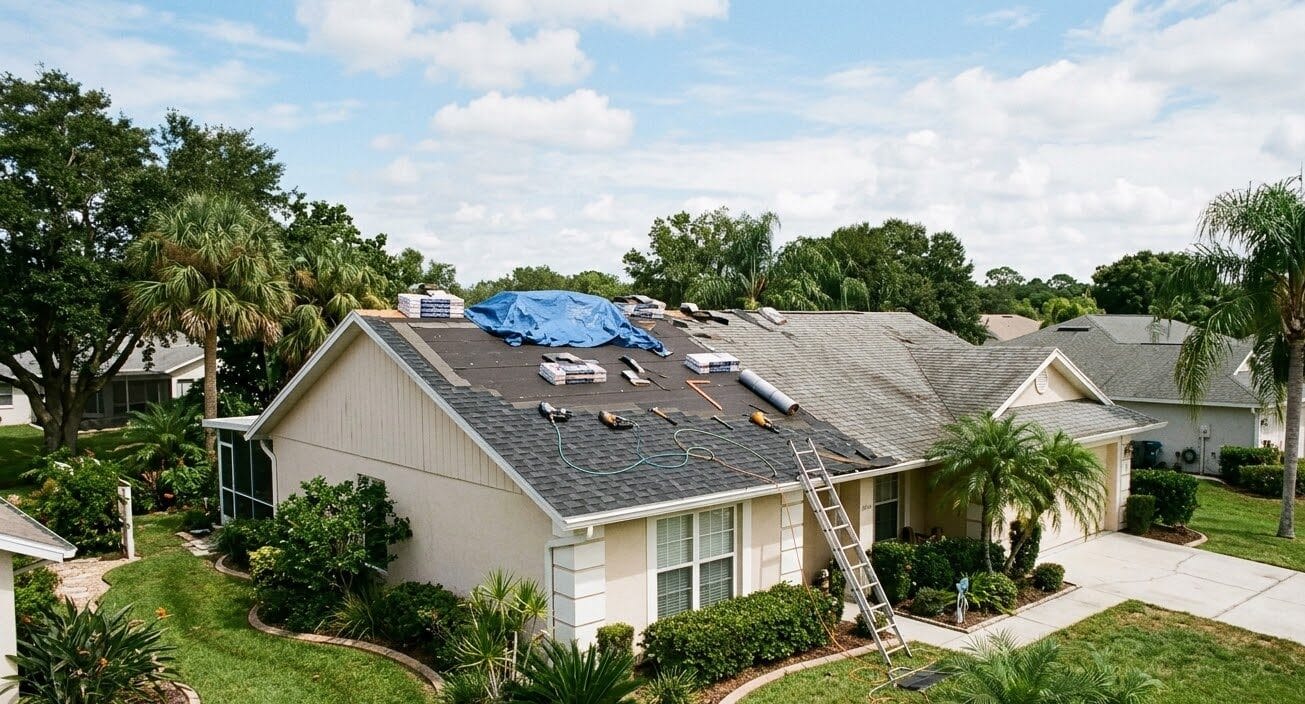
Roof code in Florida is driven by the ultimate design wind speed at your specific address, not by the county line. For a Risk Category II building, which covers ordinary single-family homes, the Orlando area generally falls between roughly 129 and 135 mph. Some Orange County addresses sit slightly higher. That places Orlando comfortably below Pinellas, Sarasota and the Southeast Florida high-velocity zones, and it is the single biggest reason an inland re-roof costs less than the same job on the coast.
Being under the coastal bands does not mean the requirements are light. At a design wind speed of 120 mph or greater, which Orlando clears easily, the Florida Building Code triggers enhanced underlayment requirements. That means the layer under your shingles is not a contractor preference in Orlando; it is a code obligation, and it is where corner-cutting hides best because it is invisible the day the job finishes.
Wind speed also decides fastening. Higher design speeds mean tighter nailing patterns, rated starter and hip-and-ridge components, and specific edge metal attachment. A crew that installs a 110 mph pattern on a 130 mph roof produces a job that looks identical from the ground and fails the first time a real storm crosses Orange County. We covered the 2026 code revisions in detail in our Florida Building Code roof changes guide.
Sealed Roof Deck and Secondary Water Barrier
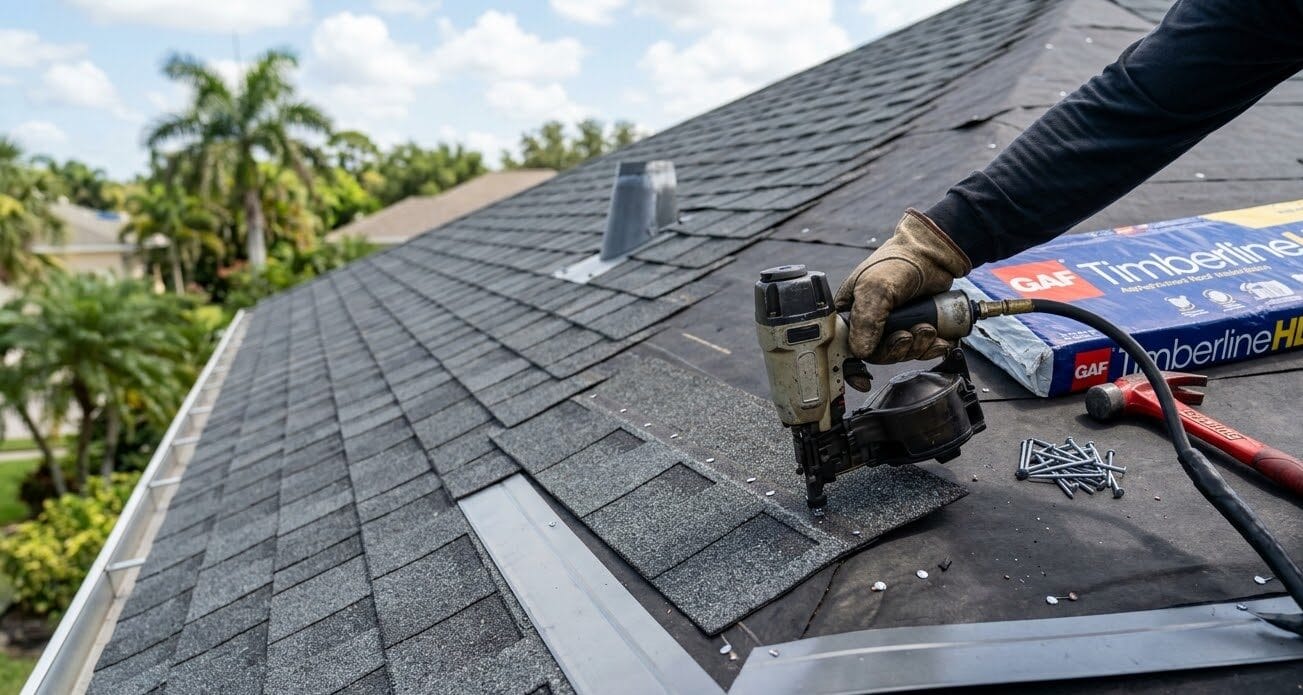
The two terms Orlando homeowners should learn before signing anything are sealed roof deck and secondary water barrier. Both describe the same underlying idea: when wind strips the shingles or tiles off, something underneath still has to keep water out of the house. A roof that loses its covering but keeps its water barrier is a repair. A roof that loses both is a gut renovation.
For design wind speeds of 120 mph and up, the code recognizes several compliant approaches. A self-adhering modified bitumen underlayment applied directly to the deck is the most robust. Alternatively, ASTM D226 Type II felt over a deck sealed with an approved roof deck adhesive or tape achieves the same purpose, as do synthetic underlayments that meet the code-specified standards. What matters is that the assembly is specified by name on your proposal.
- Ask which product, not which category: Underlayment on a quote should carry a manufacturer and a product name. The word underlayment by itself commits the contractor to nothing.
- Ask whether the deck seams are taped or adhered: This is the difference between a sealed roof deck and ordinary underlayment over an unsealed deck.
- Ask for photos before the covering goes on: Once shingles are down, nobody can verify what is underneath without tearing it back up.
This layer is also where insurance value hides. Carriers price roofs on documented wind-resistance features, and a sealed deck is one of the features that shows up on the form. Our wind mitigation inspection guide walks through which features carriers credit and how to document them.
Shingle, Tile, or Metal for an Inland Orlando Home
Orlando's climate changes the material calculation compared with the coast. Without salt-driven corrosion, metal fasteners and coatings last closer to their rated life, and asphalt shingles do not lose the several years that coastal exposure costs them. What Orlando does deliver in full is ultraviolet load and heat, plus an intense summer rain season, so thermal cycling and water management matter more than corrosion resistance.
Architectural asphalt remains the volume choice and is a rational one inland: reasonable cost, wide contractor familiarity, easy repair, and Class 4 impact-rated versions available when the insurance credit justifies the step up through shingle roof installation. Concrete and clay tile suit the Mediterranean and Spanish elevations common in Orlando subdivisions and last a long time, but the failure mode is the underlayment beneath rather than the tile itself, so a tile roof at 20 years often needs a full underlayment replacement with the tile lifted and reset.
Metal earns its premium on service life and wind performance. In an inland Orange County location, a properly detailed standing seam assembly through metal roofing systems commonly outlasts two asphalt roofs, which changes the comparison from price per job to cost per year of service. The catch is that metal punishes bad detailing more than shingles do, so installer selection matters more, not less.
What Legitimately Raises an Orlando Quote
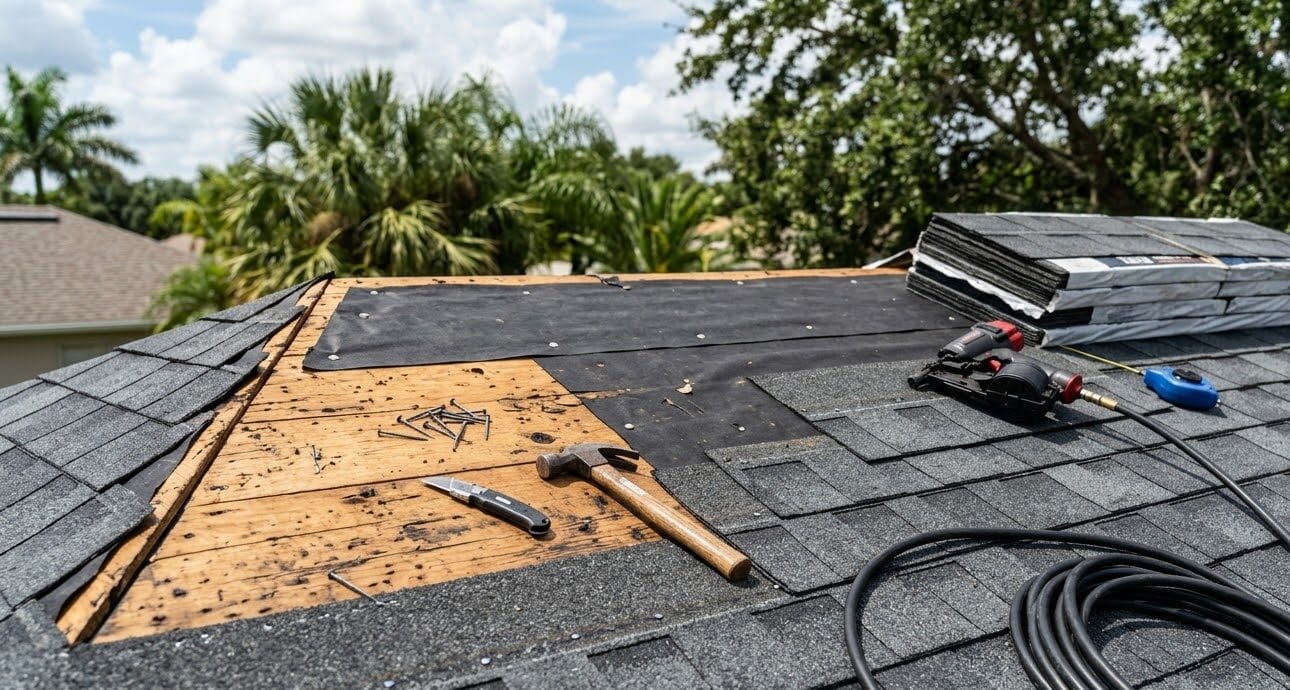
Not every increase is padding. These are the line items that honestly move a number, and knowing them lets you tell a fair adjustment from an invented one.
- Rotten or delaminated decking: Priced per sheet and impossible to quantify before tear-off. A trustworthy proposal states the per-sheet price up front rather than leaving it open.
- A second layer of old covering: Doubles disposal weight and tear-off labor. Florida limits how many layers can remain, so this is often mandatory rather than optional.
- Steep pitch and multiple stories: Both add fall protection, staging time and slower production rates.
- Penetration count: Skylights, solar mounts, plumbing stacks and chimneys each need flashing detail, and flashing is where most roofs eventually leak.
- Code-required upgrades: Bringing an older roof up to current fastening, drip edge and underlayment standards is not optional at re-roof, and it is a genuine cost on a 1980s or 1990s home.
What should not move the number is a discovery that a competent inspector would have caught before writing the proposal. If the scope changes twice in one week for reasons that were visible from the attic, the problem is the estimate, not the roof.
Insurance in Orange County: What Carriers Check
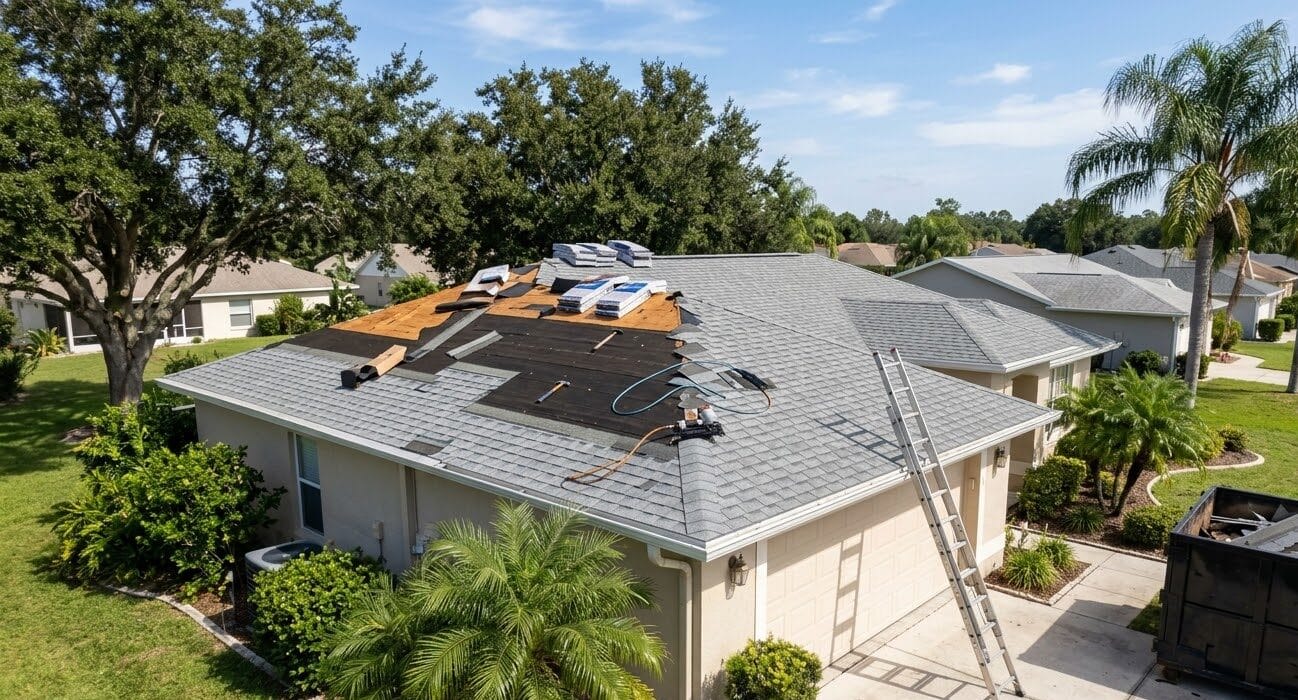
Florida carriers have tightened roof underwriting across the state, and Orange County is not exempt. Roof age is the first filter, and many carriers get uncomfortable with asphalt roofs past 15 years regardless of visible condition. The second filter is the wind mitigation form, which documents roof covering compliance, deck attachment, roof-to-wall connections, roof geometry and the presence of a secondary water barrier.
The practical consequence is that a re-roof is also an insurance transaction. A new roof installed to current code, documented on a fresh wind mitigation report, commonly moves the premium enough that the report pays for itself immediately. Skipping the report after a re-roof means paying for features the carrier is not crediting you for, which is one of the most common and most avoidable money losses in Florida homeownership.
When storm damage is involved rather than age, documentation timing drives the outcome. Photograph before any tarp goes up, keep every receipt, and file promptly. Our team handles the carrier side through insurance claims assistance, and the sequencing matters more than most homeowners expect.
HOA and Deed Restrictions Around Orlando
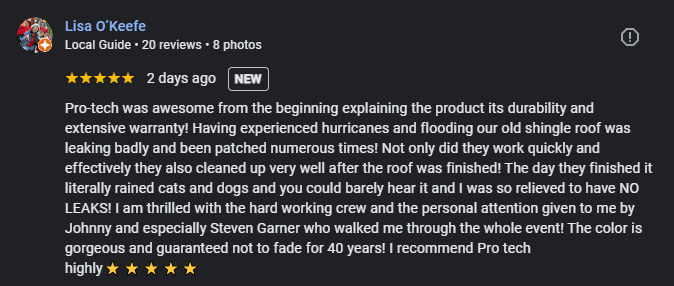
Large parts of the Orlando metro sit inside planned communities with architectural review committees, and roofing is one of the most commonly regulated exterior elements. Color is the usual restriction, followed by material type and profile. Some communities that were originally built with tile prohibit converting to shingle entirely, regardless of what code allows.
The sequence that avoids trouble is simple and frequently ignored: get architectural approval in writing before the permit is filed, not after the material is ordered. Approval typically takes a board cycle, which can be two to six weeks, and it runs in parallel with permitting rather than after it. Homeowners who order material first occasionally end up with a driveway full of shingles their community will not accept.
Vetting an Orlando Roofer: Five Checks
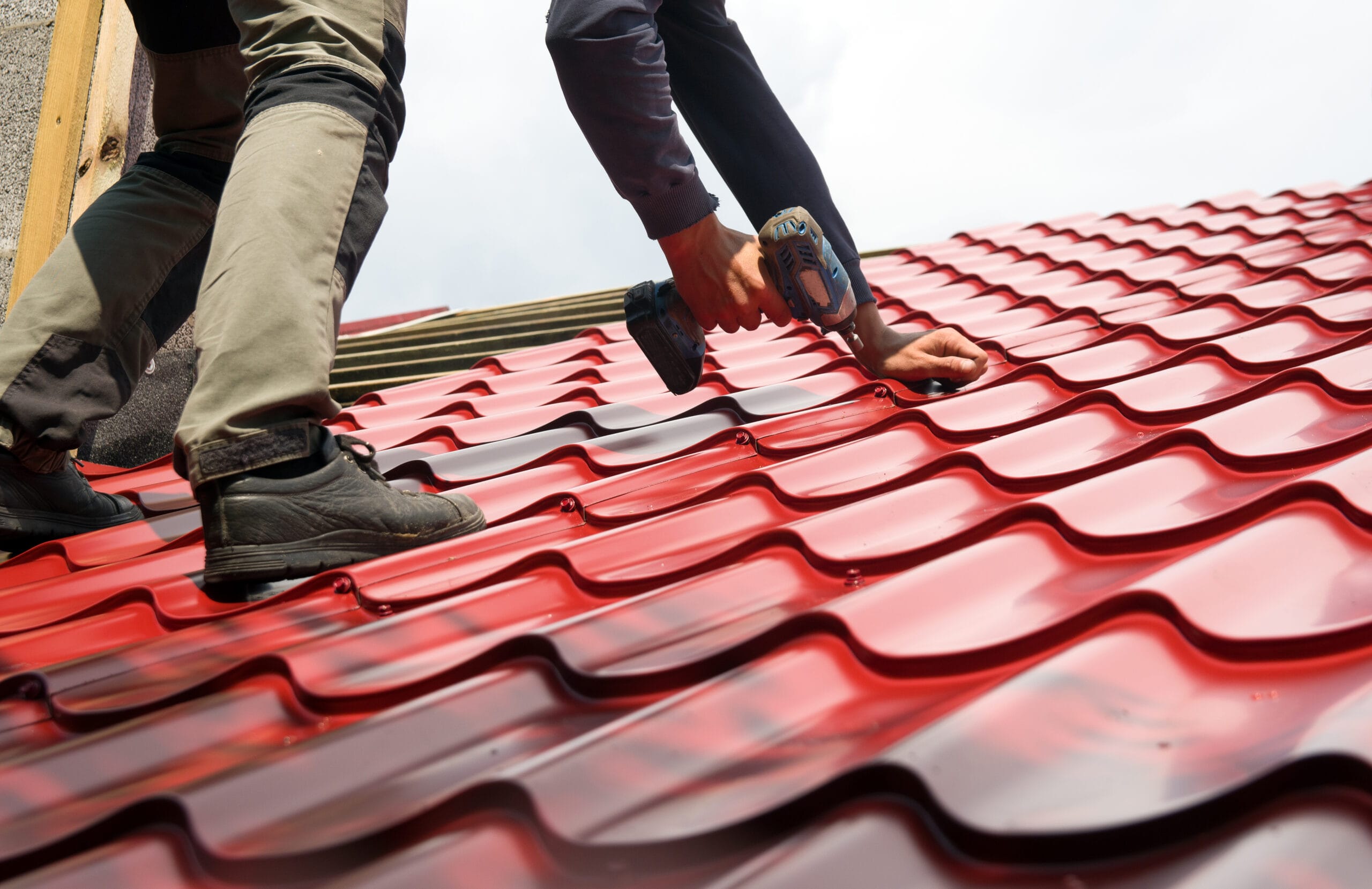
- Verify the license directly: Look the number up on the state licensing portal rather than trusting a logo on a truck. Protech Roofing holds Florida license CCC1335878.
- Confirm who pulls the permit: If a contractor asks you to pull it as owner builder, that is a signal about their licensing status and it shifts liability onto you.
- Get the underlayment specified by name: This is the fastest way to separate a real scope from a one-page price.
- Ask about the workmanship warranty term and who honors it: A manufacturer warranty covers material defects, not installation, and installation is what actually fails.
- Check that they carry both liability and workers compensation: Ask for certificates sent directly from the insurer, not forwarded copies.
Storm season brings crews into Central Florida from out of state, and some of them are excellent. The relevant question is not where a company is headquartered but whether it will still be reachable in three years when a flashing detail needs attention. You can see where our crews work day to day across the region on our Central Florida service area page.
What the Timeline Actually Looks Like
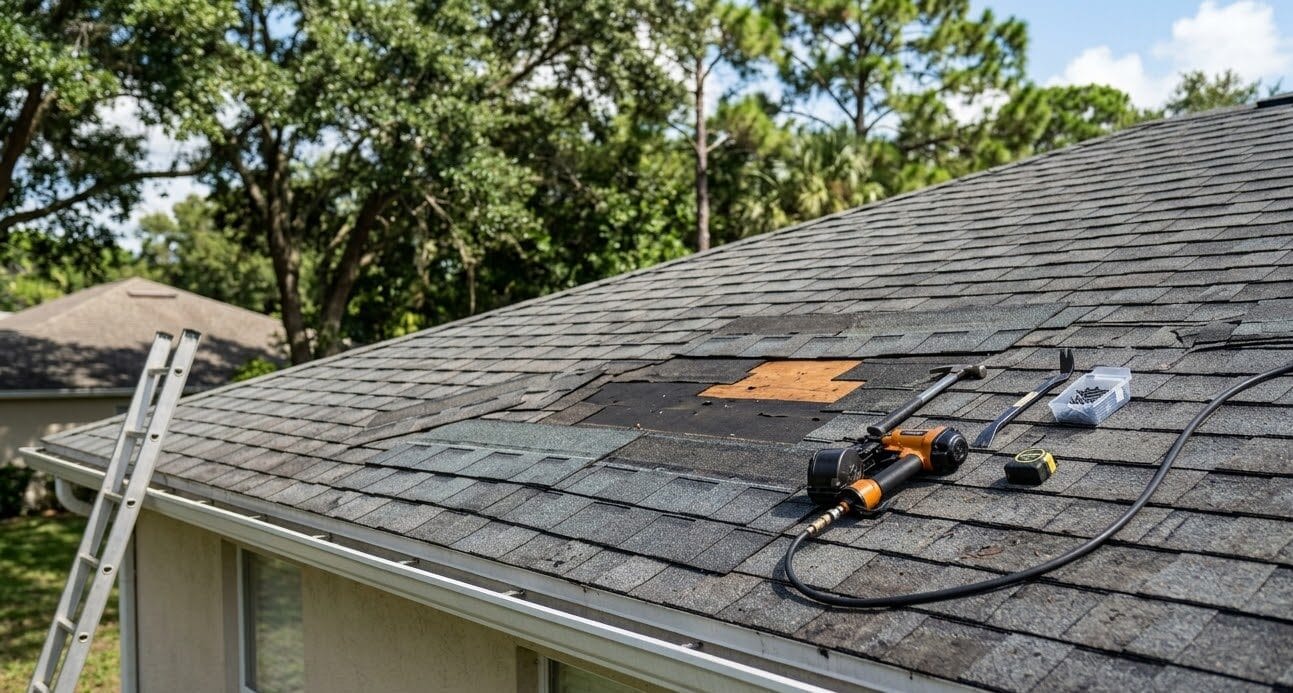
A standard Orlando re-roof breaks into four stages, and only one of them is the loud part. Inspection and proposal typically take two to five days. Permitting takes six to eight weeks through the Orange County queue, or one to three weeks with a private provider. HOA approval, when it applies, runs in parallel on a board cycle. Installation on a typical single-family home takes one to three days depending on size, pitch and material, with tile and metal at the longer end.
Final inspection follows within days of completion and is what closes the permit. Do not skip it and do not accept a contractor telling you it is unnecessary. An open permit is a title problem waiting to surface at closing, and it is trivially avoidable. When you are ready to price the work, a full roof replacement quote starts with an on-site inspection, and you can reach the team at (352) 605-0696 or through our contact page.
FAQ
Frequently Asked Questions
How much does a new roof cost in Orlando, FL in 2026?
+
Do I need a permit to replace my roof in Orange County?
+
Why does an Orange County roof permit take six weeks?
+
What is a private provider and can I use one for a residential roof?
+
What wind speed does an Orlando roof have to be built for?
+
What is a secondary water barrier and does Orlando require one?
+
Related Articles
More guides for Florida homeowners
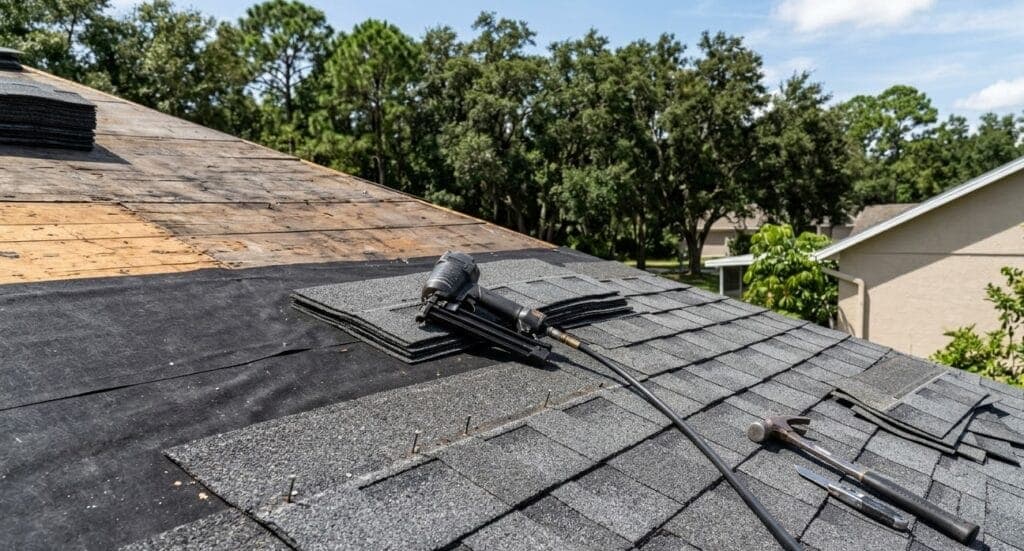
Roofing Warranties in Florida: What Voids Them
A new Florida roof usually carries two warranties: one from the manufacturer for the product and one from the contractor for the installation. Here is what each covers, what quietly voids them and how to keep your coverage.
Read ArticleSolar Roofing in Florida: Solar Shingles vs Panels (2026)
Every solar system on a Florida roof is either bolted to the roof or is the roof. Here is how panels and solar shingles compare in 2026, what changed with the federal credit, and why the cheapest solar project often starts with a re-roof.
Read Article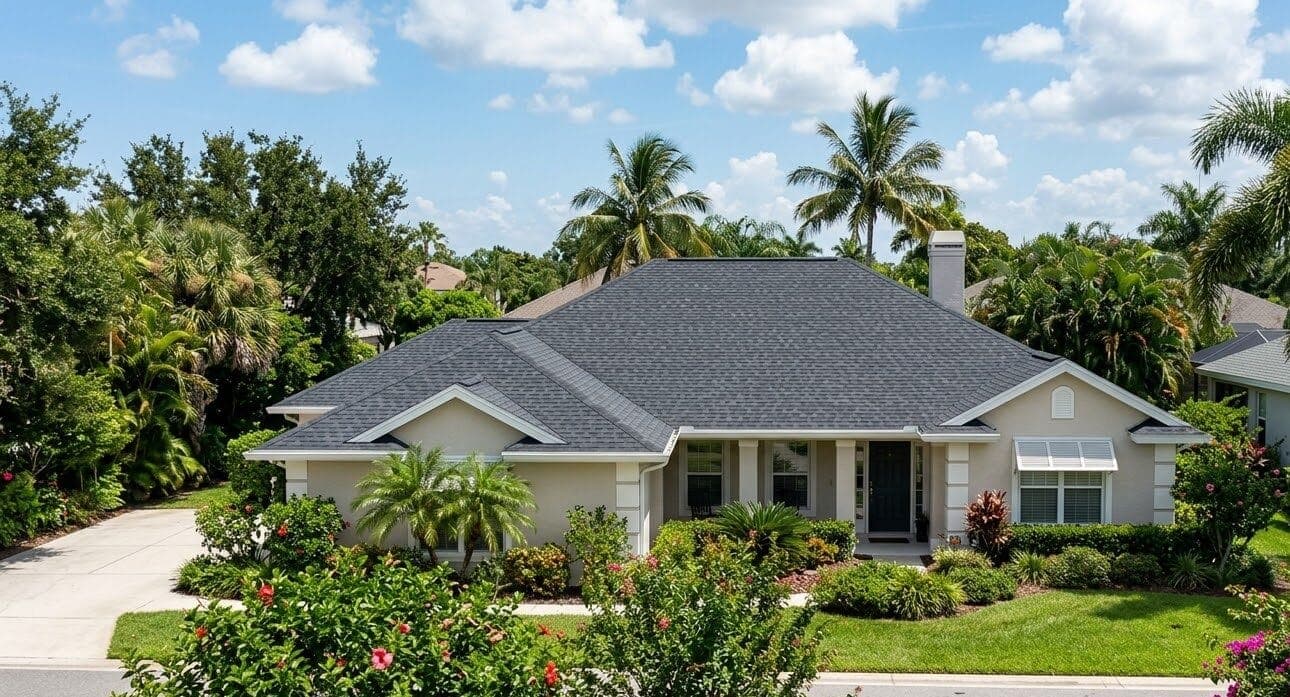
Pinellas Flood Zone Roofing: The 49% Rule Explained
Every article calls it the FEMA 50 percent rule. In unincorporated Pinellas County the number that governs your permit is 49 percent, measured against structure value without land. Here is what counts toward it, where a roof replacement actually lands in that math, and why simultaneous permits still aggregate even where the lookback period was repealed.
Read ArticleReady When You Are
Get your free roof inspection today.
No-pressure, written estimate. Same-week scheduling across Hernando County. Call us now or request a visit online.