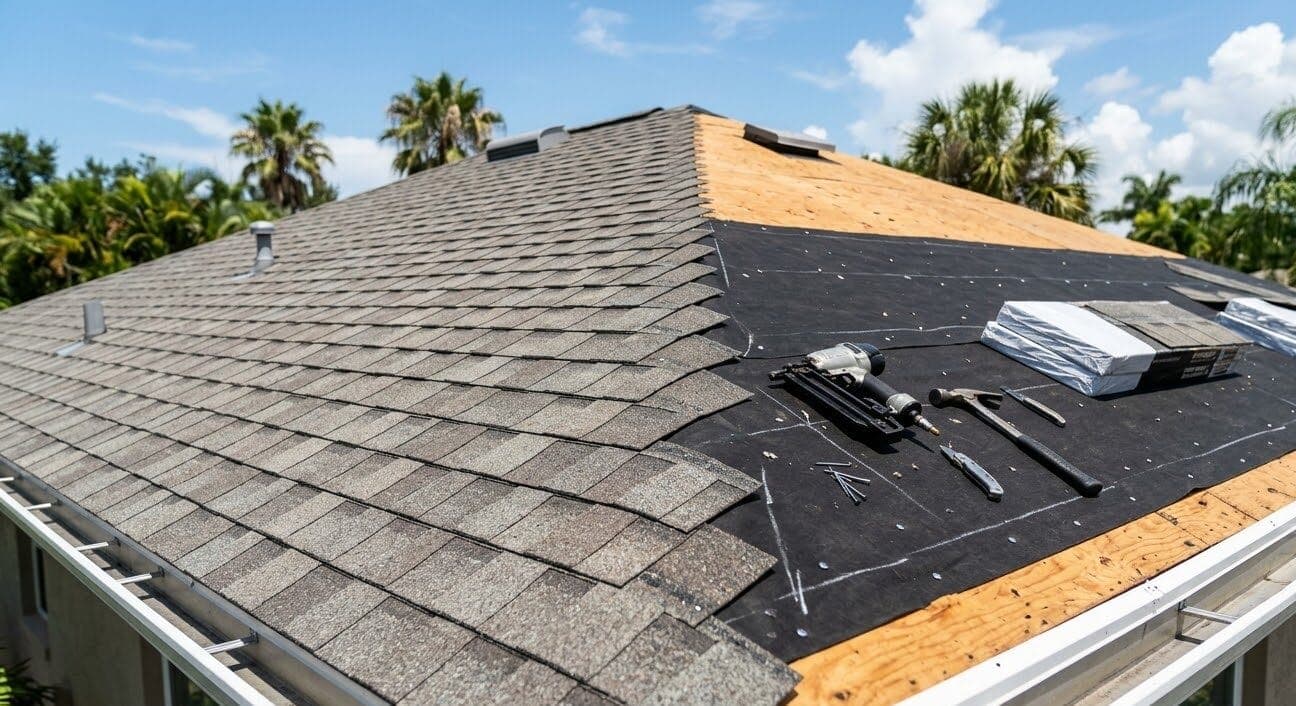
Hernando County, FL
Roofing Services in High Point, FL
High Point 55+ community roofing. Inspections, repairs, replacements, and energy efficient options. Free estimates: (352) 605-0696.
Call (352) 605-0696Protech Roofing Services handles roofing for the 1,600+ homes in High Point, one of Hernando County’s largest 55+ communities. Call (352) 605-0696.
Roof Inspections and Preventive Maintenance in High Point
Regular roof inspections are one of the smartest investments a High Point homeowner can make. Your roof takes a beating every single year from UV radiation, tropical rain, wind, and the occasional hailstorm. Small problems that go undetected can develop into expensive repairs if they’re left alone for too long. A professional inspection catches those issues early, while they’re still affordable to fix and before they cause secondary damage to your home’s interior.
Protech Roofing Services recommends annual inspections for High Point homes, along with an additional inspection after any major weather event. Our inspectors evaluate your roof from multiple angles and access points. We check the condition of your shingles, tiles, or metal panels for wear, cracking, lifting, or corrosion. We examine the flashing around vents, skylights, satellite mounts, and any other roof penetrations where leaks commonly develop. We look at the condition of your gutters, fascia, and soffits for signs of water damage, rot, or pest intrusion. And when accessible, we check your attic space for signs of water staining, inadequate ventilation, daylight through the decking, or pest damage that could compromise your roof’s structural integrity.
High Point’s manufactured homes have specific roofing considerations that differ from traditional site-built construction. Many of these homes use metal roofing systems or specialized shingle products designed for the lower roof pitches common in manufactured housing. Fastener patterns, sealant types, underlayment requirements, and edge metal details can all differ from what you’d find on a standard stick-built home. Our team has extensive experience with both manufactured and site-built homes in High Point, so we know exactly what to look for regardless of your home type. We don’t apply a one-size-fits-all checklist. We adjust our inspection based on the specific construction of your home.
After every inspection, we provide a detailed written report that includes photographs of any areas of concern, a summary of our findings, and our recommendations for any needed repairs or maintenance. We use a simple rating system that helps you understand the overall condition of your roof and how urgently (if at all) any issues need to be addressed. Green means everything looks good. Yellow means there are minor issues to watch or address in the near future. Red means immediate attention is needed to prevent further damage. There’s no charge for the inspection, and there’s absolutely no obligation to hire us for any recommended work.
Preventive maintenance is the other half of keeping your roof healthy. Simple tasks like clearing debris from valleys and gutters, trimming overhanging tree branches, cleaning organic growth from shingle surfaces, and checking sealant around pipe boots can add years to your roof’s lifespan. Many High Point homeowners schedule annual maintenance at the same time as their inspection. It takes an hour or two, costs very little compared to a repair or replacement, and prevents the kind of gradual neglect that leads to premature roof failure. Think of it like an oil change for your house. Regular small investments prevent expensive breakdowns later.
For the 55+ residents of High Point, we also understand that climbing a ladder and walking on a roof is not something you should be doing yourself. Falls from ladders and roofs are among the most common causes of serious injury for older adults, and Florida’s unpredictable afternoon rain showers can make surfaces slippery without warning. Let our trained, insured crews handle the climbing while you stay safely on the ground. That’s what we’re here for, and it’s a service our High Point customers tell us they genuinely appreciate.
We also keep records of our inspections so that we can track the condition of your roof over time. If we inspected your High Point home last year and noted a small area of concern, we’ll check that same area this year and compare. This kind of year-over-year tracking helps us spot trends and predict when a roof might be approaching the end of its useful life, giving you time to plan and budget rather than reacting to an emergency.
Insurance and Wind Mitigation Inspections for High Point Homeowners
Insurance costs in Florida have climbed steadily in recent years, and High Point homeowners on fixed retirement incomes feel that pressure more than most. A wind mitigation inspection is one of the most direct ways to reduce your homeowner’s insurance premium. Florida law requires insurance carriers to offer discounts for homes that meet specific wind resistance criteria, and the savings can be significant. We’ve seen High Point homeowners save anywhere from $400 to over $1,200 per year after completing an inspection and making targeted improvements to their homes.
The wind mitigation inspection evaluates features of your roof and home structure that affect how well they’d perform in a hurricane or severe windstorm. The inspector fills out the OIR-B1-1802 form, which is the standardized document that every Florida insurance carrier accepts. The form covers roof covering type and age, roof deck attachment method (nails versus staples, and spacing), roof-to-wall connections (hurricane straps versus clips versus toe-nails), roof geometry (hip roofs score better than gable roofs because they present less surface area to the wind), secondary water resistance, and opening protection on windows and doors.
Many homes in High Point were built in the mid-1970s through the 1980s, well before Florida adopted its modern building code in 2002. These older homes often score poorly on wind mitigation inspections because they lack features like hurricane straps at the roof-to-wall connections, ring-shank nails in the roof deck (staples were common in that era), or peel-and-stick self-adhering underlayment. The good news is that many of these features can be added during a roof replacement or even as standalone upgrades without replacing the entire roof. Protech can identify which improvements will have the biggest impact on your insurance score and provide honest cost estimates for each one.
We perform wind mitigation inspections for High Point homeowners and provide the completed OIR-B1-1802 form directly to you for submission to your insurance company. The process typically takes less than an hour on-site, and the cost of the inspection is almost always recovered within the first year through premium savings. If you haven’t had a wind mitigation inspection done on your High Point home, or if your last one is more than five years old, it’s worth scheduling a new one. Building improvements you’ve made since the last inspection (like a new roof or upgraded windows) could qualify you for additional discounts that you’re currently leaving on the table.
On the claims side, Protech helps High Point residents through every step of the insurance claims process after storm damage. We document damage thoroughly with high-resolution photographs, precise measurements, material identification, and detailed written descriptions. We meet with adjusters on-site when requested and answer their technical questions about materials, labor, and code-required upgrades. Our experience with insurance companies throughout Hernando County means we know what documentation adjusters need and how to present it in a way that avoids unnecessary delays and back-and-forth requests for more information.
One thing many High Point homeowners don’t realize is that their insurance policy is required to cover code-mandated upgrades when a covered event triggers a roof replacement. If your old roof had felt underlayment and current code requires peel-and-stick in certain areas, that upgrade cost should be part of your claim. If your old roof-to-wall connections were toe-nailed and current code requires hurricane straps, that’s a claimable expense too. We identify these items during our damage assessment and make sure they’re included in the documentation we provide to your adjuster. You shouldn’t have to pay out of pocket for upgrades that your policy is supposed to cover.
Choosing the Right Roofing Material for Your High Point Home
Selecting a roofing material for your High Point home involves balancing several factors: durability, cost, energy efficiency, wind resistance, weight, appearance, and compatibility with your home’s structure. Florida’s climate puts unique demands on roofing materials, and not every option that works well in other states performs the same way under our intense sun, heavy rain, and hurricane-force winds.
Asphalt shingles remain the most popular choice for residential roofing in Hernando County, and they’re widely used throughout High Point on both site-built and manufactured homes. Modern architectural (dimensional) shingles offer significantly better wind resistance, longevity, and curb appeal than the three-tab shingles that were standard in earlier decades. Top-tier architectural shingles carry wind ratings of 130 mph or higher and come with manufacturer warranties of 30 years or more. They’re available in a wide range of colors and profiles that complement different home styles, from traditional ranch to contemporary designs.
Metal roofing has become increasingly popular in High Point, especially among homeowners looking for maximum durability and energy efficiency. Standing seam metal panels can last 40 to 70 years with minimal maintenance, resist wind speeds well above hurricane force, and reflect solar heat more effectively than asphalt shingles. The higher upfront cost is offset by a dramatically longer lifespan and reduced cooling costs over those decades. For manufactured homes in High Point, metal roofing offers the additional benefit of being lightweight, which puts less stress on the home’s structural frame. This is particularly important for manufactured homes where roof load capacity may be more limited than in site-built construction.
Tile roofing (both concrete and clay) is another option worth considering, though it’s less common in High Point due to the weight factor. Tile roofs are extremely durable, fire-resistant, and available in styles that range from traditional barrel (S-tile) shapes to flat profiles that offer a more modern look. A quality tile roof can last 50 years or more. However, the weight of tile can be a concern for manufactured homes and some older site-built structures that weren’t engineered to carry that kind of load. If you’re interested in tile for your High Point home, we’ll evaluate your structure’s load-bearing capacity before making any recommendations. There’s no point in installing a material that’s going to stress your home’s framing system.
For manufactured homes in High Point specifically, the roof’s pitch and structural design play a major role in determining which materials are appropriate. Many manufactured homes have lower roof pitches (sometimes as low as 2:12 or 3:12) that require specific underlayment methods and fastening patterns to prevent water intrusion. Some materials that perform well on steeper-pitched roofs may not be appropriate for lower slopes because water doesn’t shed as quickly and can back up under edge laps. Our team evaluates each home individually and recommends only materials that are compatible with your specific roof configuration and pitch.
Color selection also matters more than you might think, especially in Florida. Darker colors absorb more solar radiation, which increases attic temperatures and cooling costs. Lighter colors and specially formulated “cool” shingles with reflective granules can make a meaningful difference in your energy bills. But color choice in High Point may also be influenced by community standards or HOA requirements. We’ll help you find the sweet spot between energy efficiency, aesthetics, community guidelines, and your personal taste.
Protech Roofing Services works with every major roofing material manufacturer and can source products across the full range of price points. We’ll walk you through the options side by side, explain the trade-offs honestly, show you samples, and help you choose the material that best fits your priorities and your budget. And we’ll make sure whatever you choose meets both Florida Building Code requirements and any applicable High Point community standards. There’s a right answer for every home, and our job is to help you find it.
Energy Efficient Roofing Solutions for High Point Residents
Living in a 55+ community in central Florida means long, hot summers and air conditioning bills that can eat into your monthly budget. For many High Point retirees, the electric bill is one of the larger recurring expenses in their household budget, and anything that can bring that number down is worth considering. Your roof plays a bigger role in your home’s energy efficiency than most people realize, and the right roofing system can lower your attic temperature by 30 to 50 degrees on a summer afternoon.
Cool roof technology is the foundation of energy efficient roofing. Reflective roofing materials are engineered to bounce solar radiation back into the atmosphere instead of absorbing it as heat. This technology is available across all major material categories, including asphalt shingles, metal panels, and tile. For High Point homeowners, the most practical options are reflective metal roofing (which naturally reflects a high percentage of solar energy due to its surface properties) and cool-rated asphalt shingles (which use specially coated granules containing reflective minerals to increase the shingle’s solar reflectance index).
Color matters more than most people think. A white or light-colored roof can be 50 to 60 degrees cooler on its surface than a dark-colored roof on the same sunny afternoon. That temperature difference translates directly into less heat reaching your attic and living spaces below. If your High Point home currently has a dark-colored roof and you’re planning a replacement, switching to a lighter color is one of the simplest and most cost-effective ways to improve your home’s energy efficiency without adding any cost to the roofing project itself.
Proper attic ventilation is the other critical piece of the energy efficiency puzzle. Even the most reflective roof covering will still transfer some heat into your attic space. Ridge vents, soffit vents, gable vents, and powered attic fans work together to create airflow that carries hot air out of the attic before it can radiate down through your ceiling insulation and into your living spaces. During a roof replacement in High Point, our team evaluates your current ventilation setup and calculates whether it meets the recommended ratio of one square foot of net free ventilation area for every 150 square feet of attic floor space. If it doesn’t, we install additional vents as part of the project. In many cases, improving ventilation during a reroof adds minimal cost but delivers noticeable comfort improvements within the first few days.
Radiant barriers are another option worth considering for High Point homes, especially those with limited attic insulation. These reflective sheets install on the underside of your roof rafters or trusses and block radiant heat from reaching your attic insulation. Research from the Florida Solar Energy Center has shown that radiant barriers can reduce cooling costs by 8 to 12 percent in homes with adequate insulation, and the benefit can be even greater in homes where insulation levels are below current recommendations. We can install radiant barriers during a roof replacement or as a standalone project.
Insulation itself deserves a mention here. While it’s not technically a roofing product, your attic insulation works directly with your roof to control heat transfer. Many older High Point homes have insulation levels that fall below current energy code recommendations. If we notice inadequate insulation during a roof replacement or inspection, we’ll flag it and let you know what upgrading would involve. Adding blown-in insulation to an attic is relatively affordable and can pay for itself through energy savings within a couple of years.
Protech helps High Point homeowners evaluate their energy efficiency options based on their specific home, budget, and goals. We don’t push expensive upgrades that won’t deliver a meaningful return. Instead, we focus on the improvements that make the biggest difference for your particular situation. For many retirees in High Point, the combination of a reflective roof covering, improved attic ventilation, and adequate insulation produces noticeable savings on the very first electric bill after the new roof goes on. And those savings add up year after year.
Waterfront and Coastal Roofing Challenges Near High Point
High Point sits just eight miles from the Gulf of Mexico, and that proximity brings some specific roofing challenges that communities farther inland don’t face to the same degree. Salt air, persistent coastal humidity, increased wind exposure, and the threat of hurricane-driven storm surge all affect how roofing materials perform and how long they last. Understanding these factors helps High Point homeowners make smarter decisions about their roofs and avoid materials or methods that won’t hold up well in this environment.
Salt-laden air is corrosive to many common roofing components. Metal flashing, exposed fasteners, gutter systems, drip edges, and even the metal elements embedded within asphalt shingle systems can corrode faster in coastal and near-coastal environments than they would farther inland. For High Point homes, this means choosing corrosion-resistant materials wherever possible. Stainless steel or coated aluminum fasteners, galvalume-coated steel panels (which combine aluminum and zinc for superior corrosion resistance), and corrosion-resistant flashing products all perform significantly better near the coast than standard galvanized steel equivalents.
Humidity is another factor that affects roofing in the High Point area. Hernando County’s proximity to the Gulf creates consistently high humidity levels, especially during the long summer months from May through October. This moisture promotes algae, lichen, and mold growth on roofing surfaces, particularly on north-facing slopes and in shaded areas that receive less direct sunlight. Algae-resistant shingles, which contain copper or zinc granules that inhibit organic growth, are an effective countermeasure. We recommend them for most High Point homes. Regular removal of leaf debris and organic material from roof surfaces also helps prevent moisture from getting trapped against the roofing material, which is the primary trigger for biological growth.
Wind exposure increases as you get closer to the coast, and High Point’s location means it falls within a wind zone that demands more from roofing systems than what you’d need in an inland community. Florida Building Code assigns different wind speed design criteria based on geographic location, and Hernando County’s requirements call for roofing materials rated for sustained winds of 120 mph or higher in most areas. Every roof we install in High Point meets or exceeds these code-mandated wind resistance standards. We also pay extra attention to edge details, ridge caps, and hip caps, which are the areas most vulnerable to wind uplift during a severe storm.
Wind-driven rain is the final challenge worth highlighting. Coastal storms frequently push rain horizontally, sometimes nearly parallel to the ground during the strongest gusts. This means water can enter through openings and seams that would stay completely dry during a normal vertical rainfall event. Proper flashing details around every roof penetration, adequate overlap on shingle courses, self-adhering underlayment in valleys and along eaves, and high-quality sealant at all critical junctions all contribute to keeping your High Point home dry during these types of events. Our installation crews pay close attention to these details because they’ve seen firsthand what happens when they’re overlooked.
For High Point homeowners, the takeaway is straightforward: choose materials and installation methods that account for the near-coastal environment, and work with a contractor who genuinely understands the local conditions rather than applying generic installation practices from less demanding climates. Protech Roofing Services has been protecting homes across Hernando County’s Nature Coast for years, and we build that hard-earned experience into every roof we install in the High Point community.
Roof Repair vs. Full Replacement: A Guide for High Point Homeowners
Every roof reaches a point where repairs are no longer the most practical or cost-effective option. For High Point homeowners, knowing when that point arrives can save you money, stress, and potential damage to your home’s interior. Here’s how to think through the repair versus replacement decision so you can make a choice you feel good about.
Repairs make sense when the issue is isolated and the surrounding roof is in good shape. A single leak around a vent pipe, a few shingles blown off during a thunderstorm, a cracked boot on a plumbing vent, or a small area of storm damage on an otherwise healthy roof are all good candidates for repair. These fixes are typically affordable (often a few hundred dollars), can be completed in a few hours, and extend the useful life of your existing roof without a major financial outlay. For many High Point retirees living on a fixed income, a well-timed repair avoids the larger expense of a replacement for another three to five years.
Replacement becomes the better choice when problems are widespread or the roof has reached the end of its expected lifespan. Most asphalt shingle roofs in Florida last 15 to 25 years, depending on the product quality, installation method, ventilation, and maintenance history. Metal roofs can last much longer, 40 to 70 years in many cases with proper care. If your High Point home’s roof is approaching or past its expected lifespan, a replacement gives you a fresh start with new materials, a full manufacturer’s warranty, compliance with current building codes, and decades of reliable protection ahead of you.
Watch for these warning signs that replacement may be approaching: granules from asphalt shingles collecting in your gutters and downspouts (a clear sign that the shingles are breaking down), visible curling, cracking, or buckling across large areas of the roof, multiple repairs in different locations over a relatively short period, soft or spongy spots that indicate decking damage underneath, and visible light coming through the roof deck from inside the attic. Any one of these is a concern worth investigating. Two or more together usually point toward replacement being the smarter financial decision.
Florida’s building code adds another consideration that many High Point homeowners aren’t aware of until it affects them directly. The 25% rule states that if more than 25% of your roof area needs repair or replacement, the entire roof must be brought up to current code standards. For older High Point homes with roofing systems that predate the 2002 code update, triggering the 25% rule can mean a full replacement even if you only intended to fix a portion of the roof. While this may initially feel like an unwelcome surprise, the end result is a roof that meets modern wind resistance, waterproofing, and fastening standards, which provides much better protection for your home going forward.
The financial side of this decision deserves careful thought. Track your repair costs over time. If you’ve spent $2,000 or more on repairs in the past three to four years and problems keep recurring in new locations, that money could have been applied toward a new roof that would last for decades. On the other hand, if a $400 repair on an eight-year-old roof buys you five or more years of reliable performance, that’s money well spent. The key is understanding where your roof is in its lifecycle and making decisions accordingly.
Protech Roofing Services provides honest, transparent evaluations for every High Point homeowner who calls us. We inspect the full roof from edge to ridge, not just the trouble spot you called about, and we give you written estimates for both repair and replacement so you can compare the costs and make the decision that’s right for your situation and your budget. Our crews are experienced with both manufactured and site-built homes throughout the High Point community, and we stand behind our work with warranties on materials and labor for every project we complete. Whatever you decide, you’ll have a team that does the job right the first time.
Service Areas
High Point is one of many communities we cover
Browse every county and city across Central Florida where Protech Roofing works.
- Aripeka
- Bayport
- Brookridge
- Brooksville
- Croom
- Garden Grove
- Hernando Beach
- High Point
- Hill 'n Dale
- Istachatta
- Lake Lindsey
- Lake Pasadena Heights
- Masaryktown
- Nobleton
- North Brooksville
- North Weeki Wachee
- Old Henley Place
- Pasadena Shores
- Pine Island
- Ridge Manor
- Royal Highlands
- South Brooksville
- Spring Hill
- Spring Lake
- Sugarmill Woods
- Timber Pines
- Weeki Wachee
- Weeki Wachee Gardens
- Wiscon
Roofing Services
Every roofing service we offer in High Point
Commercial Flat Roofing
TPO, PVC, and modified bitumen flat roof systems. 20-30 year warranties. Licensed commercial roofer in Central
Learn MoreCommercial Roofing
Commercial roofing in Central Florida. TPO, EPDM, metal, and flat roof systems for businesses. Licensed, insur
Learn MoreEmergency Roof Repair Services
24/7 emergency roof repair in Central Florida. Storm damage, leaks, tarping. Same-day response, licensed and i
Learn MoreGutter Installation
Seamless gutter installation in Central Florida. Aluminum, copper, and leaf guard systems. Protect your home f
Learn MoreLeak Detection and Repair
Advanced roof leak detection and repair in Central Florida. We find and fix the source fast. Licensed, insured
Learn MoreMetal Roofing Systems
Standing seam, corrugated, and stone-coated steel roofing. 40-70 year lifespan, hurricane-rated. Free estimate
Learn MoreMulti-Family Roofing
Multi-family roofing for apartments and condos in Central Florida. Expert installation, repair, and replacemen
Learn MoreNew Construction
New construction roof installation for builders in Central Florida. Code-compliant, permit-ready. Shingle, met
Learn MoreRegular Maintenance
Preventive roof maintenance in Central Florida. Annual inspections, cleaning, and minor repairs that extend ro
Learn MoreRoof Coating
Protective roof coating in Central Florida. Extend roof life, improve energy efficiency, and prevent leaks. Fr
Learn MoreRoof Inspection
Thorough roof inspections in Central Florida. Insurance, wind mitigation, and maintenance reports. Certified i
Learn MoreRoof Repair
Same-day roof repair in Central Florida. Shingle, tile, metal, and flat roofs. Licensed, insured, GAF-certifie
Learn MoreShingle Roof Installation
GAF-certified shingle roof installation in Central Florida. Architectural and designer shingles with manufactu
Learn MoreStone Coated Steel Tile
Stone coated steel tile roofing in Central Florida. Hurricane-rated, fire-resistant, 50-year lifespan. Free es
Learn MoreStorm Damage Restoration
Storm damage roof repair and restoration in Central Florida. Insurance claim help, free inspections, 24/7 emer
Learn MoreTile Repairs
Expert tile roof repair in Central Florida. Cracked, broken, and missing tile replacement. Licensed and insure
Learn MoreTotal Roof Replacement
Full roof replacement in Central Florida. Premium shingle, metal, and tile systems. 25-50 year warranties. Fre
Learn MoreRoofing By Area
Roofing services for cities and neighborhoods near High Point
Roof Repair Aripeka FL
Roof repair in Aripeka, FL. Coastal roof repairs for Hernando County homes. Protech Roofing. Call (352) 605-06
Roof Replacement in Aripeka, FL
Roof replacement in Aripeka, FL. Coastal wind zone and salt-air rated materials. Call (352) 605-0696.
Roof Repair Bayport FL
Roof repair in Bayport, FL. Coastal roof repairs in Hernando County by Protech Roofing. Call (352) 605-0696.
Roof Replacement in Bayport, FL
Roof replacement in Bayport, FL. 130 mph coastal wind zone, salt-air rated materials. Call (352) 605-0696 for
Roof Repair Brookridge FL
Roof repair in Brookridge, FL. Manufactured home roofing for this 55+ community. Call (352) 605-0696.
Roof Replacement in Brookridge, FL
Roof replacement in Brookridge, FL. 55+ community and manufactured home specialists. Call (352) 605-0696.
Emergency Roof Repair Brooksville FL
Emergency roof repair in Brooksville, FL. 24/7 storm damage response from Protech Roofing. Call (352) 605-0696
Metal Roofing Brooksville FL
Metal roofing in Brooksville, FL. Standing seam and metal shingle installation by Protech Roofing. Call (352)
Roof Inspection Brooksville FL
Roof inspection in Brooksville, FL. Professional assessments for insurance and maintenance. Call (352) 605-069
Roof Repair Brooksville FL
Roof repair in Brooksville, FL. Shingle, tile, and flat roof repairs by Protech Roofing. Call (352) 605-0696.
Roof Replacement Brooksville FL
Roof replacement in Brooksville, FL. Shingle, metal, and tile options from Protech Roofing. Call (352) 605-069
Roof Repair Croom FL
Roof repair in Croom, FL. Rural Hernando County roofing services by Protech Roofing. Call (352) 605-0696.
Roof Replacement in Croom, FL
Roof replacement in Croom, FL. Forest-area homes and rural properties. Call (352) 605-0696 for a free estimate
Roof Repair Garden Grove FL
Roof repair in Garden Grove, FL. Hernando County roofing services by Protech Roofing. Call (352) 605-0696.
Roof Replacement in Garden Grove, FL
Roof replacement in Garden Grove, FL. Site-built and manufactured homes near Brooksville. Call (352) 605-0696.
Roof Repair Hernando Beach FL
Roof repair in Hernando Beach, FL. Waterfront canal community roofing. Protech Roofing. Call (352) 605-0696.
Roof Replacement in Hernando Beach, FL
Roof replacement in Hernando Beach, FL. Canal-front homes built for 130 mph coastal winds. Call (352) 605-0696
Roof Repair High Point FL
Roof repair in High Point, FL. 55+ manufactured home roofing in Brooksville. Call (352) 605-0696.
Roof Replacement in High Point, FL
Roof replacement in High Point, FL. 55+ manufactured home community, HUD-code compliant roofing. Call (352) 60
Roof Repair Hill N Dale FL
Roof repair in Hill N Dale, FL. Eastern Hernando County roofing by Protech Roofing. Call (352) 605-0696.
Roof Replacement Hill N Dale FL
Roof replacement in Hill N Dale, FL. Hilltop wind-rated roofing for Hernando County homes. Call (352) 605-0696
Roof Repair Istachatta FL
Roof repair in Istachatta, FL. Rural Hernando County roofing by Protech Roofing. Call (352) 605-0696.
Roof Replacement in Istachatta, FL
Roof replacement in Istachatta, FL for rural homes and properties. Protech Roofing Services covers all of Hern
Roof Repair Lake Lindsey FL
Roof repair in Lake Lindsey, FL. Rural Hernando County roofing by Protech Roofing. Call (352) 605-0696.
Roof Replacement in Lake Lindsey, FL
Trusted roof replacement in Lake Lindsey, FL. Protech Roofing Services covers rural Hernando County properties
Roof Repair Lake Pasadena Heights FL
Roof repair in Lake Pasadena Heights, FL. Shingle, tile, and metal roof repairs near Dade City in Pasco County
Roof Replacement Lake Pasadena Heights FL
Roof replacement in Lake Pasadena Heights, FL. Shingle, metal, and tile options near Dade City in Pasco County
Roof Repair Masaryktown FL
Roof repair in Masaryktown, FL. Hernando County roofing for this historic Czech-Slovak community. Call (352) 6
Roof Replacement Masaryktown FL
Roof replacement in Masaryktown, FL. Full re-roofing for Hernando County’s Czech-Slovak heritage community. Ca
Roof Repair Nobleton FL
Roof repair in Nobleton, FL. Withlacoochee River area roofing by Protech Roofing. Call (352) 605-0696.
Roof Replacement Nobleton FL
Roof replacement in Nobleton, FL. Shingle and metal options for river area homes. Call (352) 605-0696.
Roof Repair North Brooksville FL
Roof repair in North Brooksville, FL. Professional roofing by Protech Roofing. Call (352) 605-0696.
Roof Replacement in North Brooksville, FL
Complete roof replacement in North Brooksville, FL. Serving homes near downtown Brooksville with expert Hernan
Roof Repair North Weeki Wachee FL
Roof repair in North Weeki Wachee, FL. Hernando County roofing by Protech Roofing. Call (352) 605-0696.
Roof Replacement North Weeki Wachee FL
Roof replacement in North Weeki Wachee, FL. Shingle and metal options. Protech Roofing. Call (352) 605-0696.
Roof Repair in Old Henley Place, FL
Roof repair in Old Henley Place, FL. Storm and leak repairs for Hernando County homes. Call (352) 605-0696.
Roof Replacement in Old Henley Place, FL
Roof replacement in Old Henley Place, FL. Shingle, tile, and metal options for Hernando County homes. Call (35
Roof Repair in Pasadena Shores, FL
Roof repair in Pasadena Shores, FL. Leak and storm damage repairs in Hernando County. Call (352) 605-0696.
Roof Replacement in Pasadena Shores, FL
Roof replacement in Pasadena Shores, FL. Shingle, metal, and tile roofing in Hernando County. Call (352) 605-0
Roof Repair Pine Island FL
Roof repair in Pine Island, FL. Coastal Hernando County roofing with 130 mph wind rated materials. Call (352)
Roof Replacement Pine Island FL
Roof replacement in Pine Island, FL. Coastal barrier island roofing with 130 mph rated systems. Call (352) 605
Roof Repair Ridge Manor FL
Roof repair in Ridge Manor, FL. Storm and flood damage repairs for Hernando County homes. Call (352) 605-0696.
Roof Replacement Ridge Manor FL
Roof replacement in Ridge Manor, FL. New roofs built for flood-zone and storm conditions. Call (352) 605-0696.
Roof Repair Royal Highlands FL
Roof repair in Royal Highlands, FL. New construction and existing home repairs in Hernando County. Call (352)
Roof Replacement Royal Highlands FL
Roof replacement in Royal Highlands, FL. New roofs for Hernando County’s planned community homes. Call (352) 6
Roof Repair South Brooksville FL
Roof repair in South Brooksville, FL. Local storm and wind damage repairs for Hernando County homes. Call (352
Roof Replacement South Brooksville FL
Roof replacement in South Brooksville, FL. Full re-roofs for Hernando County homes rated to 120 mph. Call (352
Emergency Roof Repair Spring Hill FL
Emergency roof repair in Spring Hill, FL. Fast storm damage response by Protech Roofing. Call (352) 605-0696.
Metal Roofing Spring Hill FL
Metal roofing in Spring Hill, FL. Standing seam and metal shingle experts. Protech Roofing. Call (352) 605-069
Roof Inspection Spring Hill FL
Roof inspection in Spring Hill, FL. Insurance, wind mitigation, and maintenance inspections. Call (352) 605-06
Roof Repair Spring Hill FL
Roof repair in Spring Hill, FL. Hernando County’s largest community, 120 mph wind zone. Call (352) 605-0696 to
Roof Replacement Spring Hill FL
Roof replacement in Spring Hill, FL. Serving 120,000+ residents with 120 mph wind rated systems. Call (352) 60
Roof Repair Spring Lake FL
Roof repair in Spring Lake, FL. Storm damage and leak repairs for homes on the Brooksville Ridge. Call (352) 6
Roof Replacement Spring Lake FL
Roof replacement in Spring Lake, FL. New roofs for ridge-top Hernando County homes rated to 120 mph. Call (352
Roof Repair in Sugarmill Woods, FL
Roof repair in Sugarmill Woods, FL. Deed-restricted community specialists. Call (352) 605-0696.
Roof Replacement in Sugarmill Woods, FL
Roof replacement in Sugarmill Woods, FL. ACC-compliant materials for all three villages. Call (352) 605-0696.
Roof Repair in Timber Pines, FL
Roof repair in Timber Pines, FL. ARC-approved work for 55+ gated community homes. Call (352) 605-0696.
Roof Replacement in Timber Pines, FL
Roof replacement in Timber Pines, FL. ARC-compliant installs for 55+ community homes. Call (352) 605-0696.
Roof Repair Weeki Wachee FL
Roof repair in Weeki Wachee, FL. Hernando County roofing with 120 mph wind rated materials. Call (352) 605-069
Roof Replacement Weeki Wachee FL
Roof replacement in Weeki Wachee, FL. Hernando County roofing pros with 120 mph wind rated installs. Call (352
Roof Repair Weeki Wachee Gardens FL
Roof repair in Weeki Wachee Gardens, FL. Riverfront roofing with 120 mph wind rated materials. Call (352) 605-
Roof Replacement Weeki Wachee Gardens FL
Roof replacement in Weeki Wachee Gardens, FL. Riverfront homes with 120 mph wind rated installs. Call (352) 60
Roof Repair Wiscon FL
Roof repair in Wiscon, FL. Central Hernando County roofing with 120 mph wind rated materials. Call (352) 605-0
Roof Replacement Wiscon FL
Roof replacement in Wiscon, FL. Central Hernando County roofing with 120 mph wind rated installs. Call (352) 6
FAQ
Frequently Asked Questions
Does Protech Roofing handle commercial roofing in High Point?
+
While Protech Roofing Services primarily focuses on residential roofing, we do handle certain commercial-scale projects in the High Point area, including community clubhouses, maintenance buildings, pool structures, and small commercial properties. Contact us at (352) 605-0696 to discuss your specific project, and we’ll let you know if it falls within our scope of services.
How long does a new roof last on a High Point home?
+
The lifespan of a new roof on a High Point home depends on the material chosen. Standard three-tab asphalt shingles typically last 15 to 20 years in Florida’s climate. Architectural (dimensional) shingles last 25 to 30 years. Metal roofing can last 40 to 70 years with proper maintenance. Tile roofs also offer exceptional longevity, often 50 years or more. Factors like attic ventilation, regular maintenance, and storm exposure will also influence how long any roofing material lasts on your specific home.
Does Protech Roofing Services serve the High Point community?
+
Yes. Protech Roofing Services proudly serves homeowners throughout the High Point 55+ community in Hernando County. We have extensive experience with both manufactured and site-built homes in High Point and we understand the community’s specific standards and requirements for roofing projects. Call (352) 605-0696 to schedule your free inspection.
Does Protech offer free roofing estimates in High Point, FL?
+
Yes. We provide free, no-obligation estimates for all roofing work in High Point, including inspections, repairs, and full replacements. An experienced inspector will visit your home, evaluate your roof’s condition from multiple vantage points, and provide a detailed written estimate covering materials, labor, timeline, and warranty information. There is no pressure and no hidden costs.
What should I look for when choosing a roofing contractor in High Point?
+
Look for a Florida-licensed contractor who carries both general liability and workers’ compensation insurance, pulls proper Hernando County building permits for every job, and provides written estimates before any work begins. Ask about their experience with manufactured homes if that applies to your property, since manufactured home roofing requires specific knowledge and techniques. Check online reviews and ask for local references from other High Point homeowners. Protech Roofing Services meets all of these criteria and has years of experience working throughout the High Point community.
From the Blog
Stay informed about roofing in Florida.
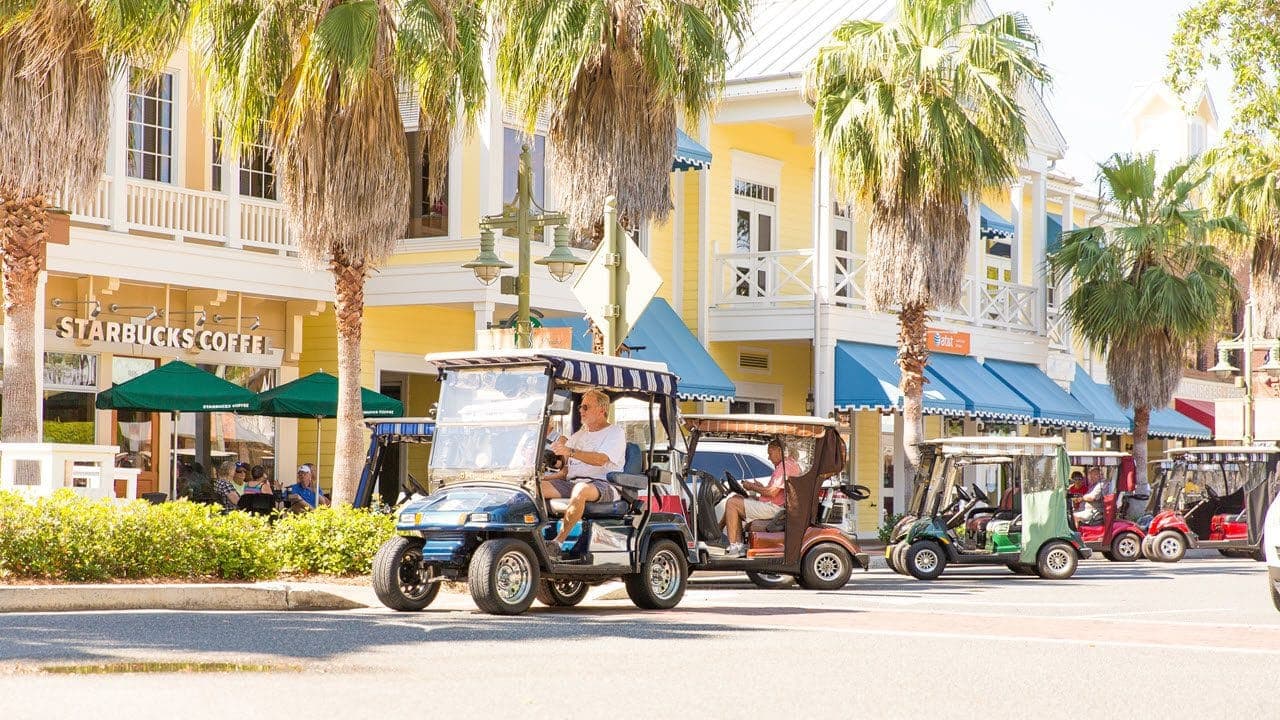
How Often Should You Replace Your Roof in Florida? (Especially in The Villages)
Complete guide to Florida roof replacement timing for Villages homeowners. Lifespan by material, insurance rules, the 25% code requirement, warning signs, 2026 costs, and when repair vs. replacement makes sense.
Read Article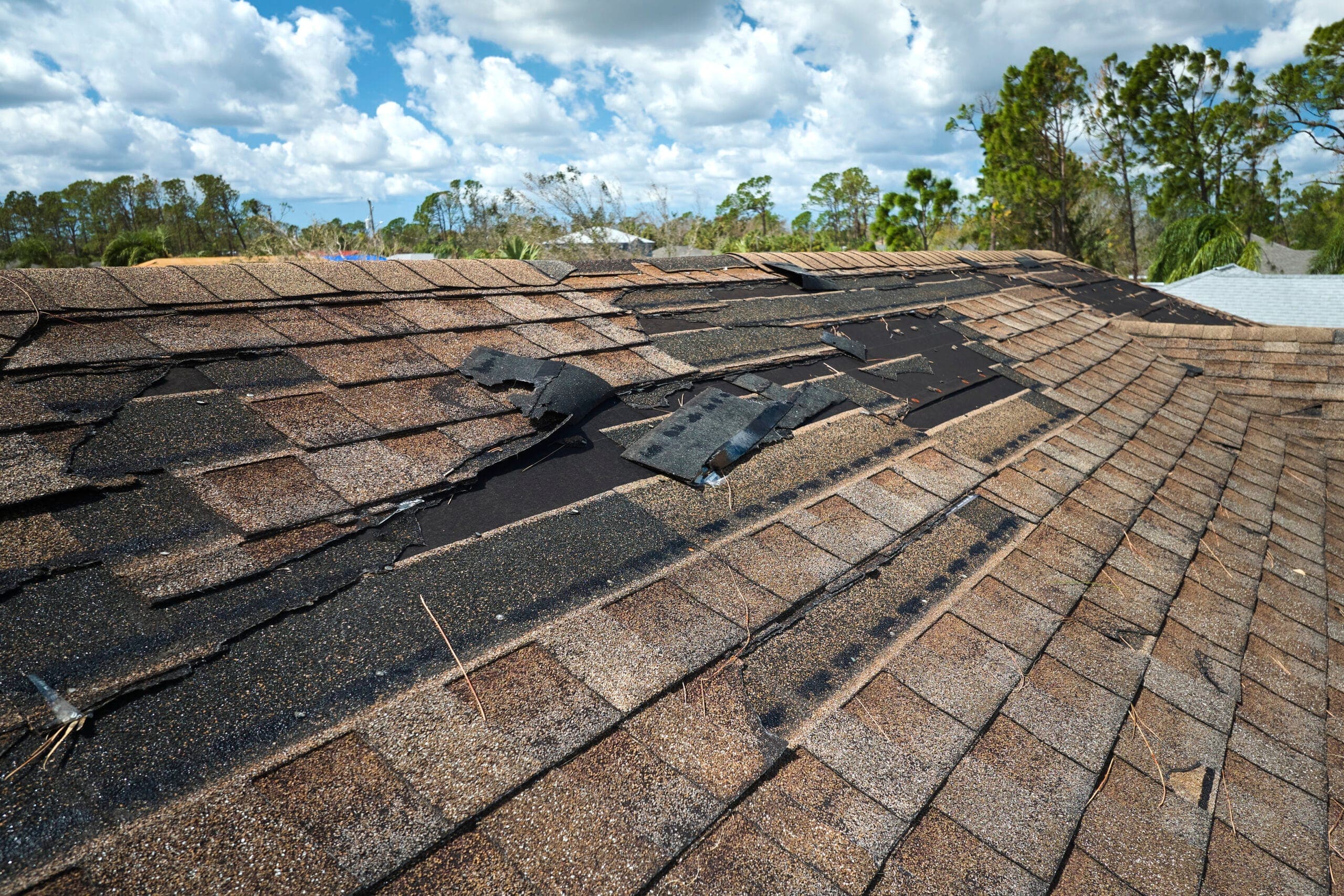
Roof Repair vs. Replacement: Which Is Right for Your Florida Home?
When to repair and when to replace your roof in Central Florida. Real cost comparisons, the Florida 25% rule, insurance age limits, material lifespans, and financing options. Call (352) 605-0696.
Read Article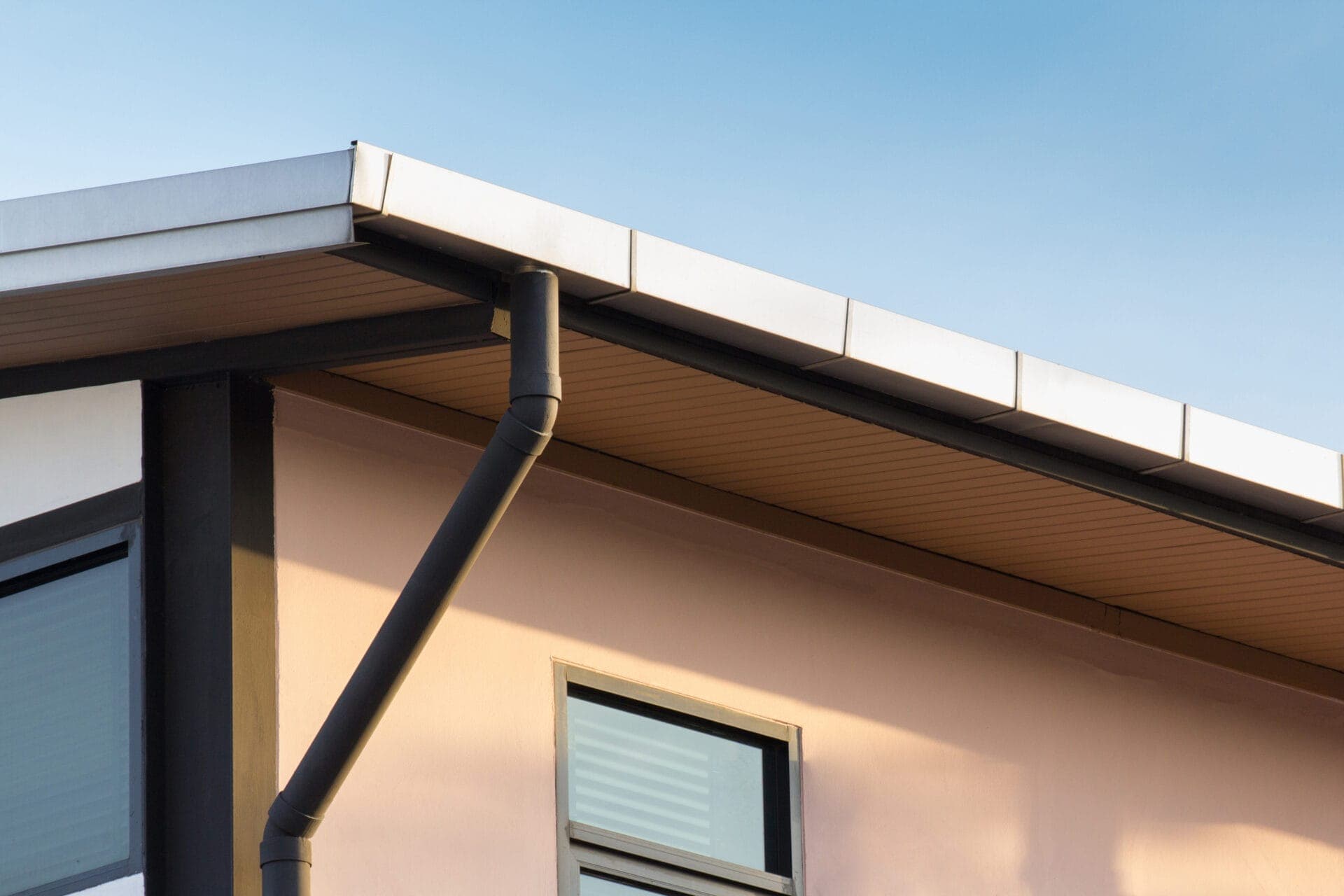
Box Gutter Solutions for Commercial Roofs in Central Florida
Complete guide to box gutter systems for commercial flat roofs in Central Florida. Types, materials, sizing for Florida rainfall, common problems, repair costs, and maintenance. Call (352) 605-0696.
Read ArticleReady When You Are
Get your free roof inspection today.
No-pressure, written estimate. Same-week scheduling across Hernando County. Call us now or request a visit online.