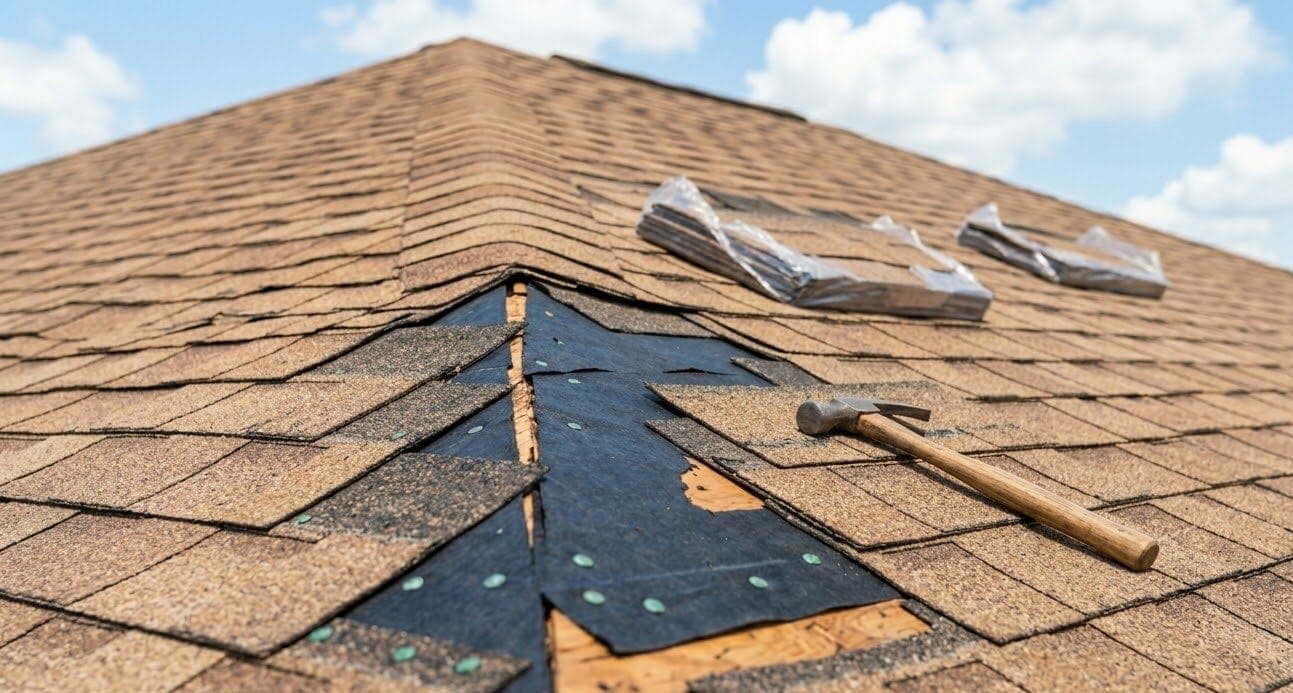
Hernando County, FL
Roofing Services in North Weeki Wachee, FL | Hernando County Roofer
Protech Roofing provides trusted roofing services in North Weeki Wachee, FL. Repairs, replacements, metal roofing. Call (352) 605-0696 today.
Call (352) 605-0696Protech Roofing Services provides trusted roofing for North Weeki Wachee homes and growing neighborhoods. Call (352) 605-0696 for an estimate.
Your Trusted Roofing Company in North Weeki Wachee
If you’re searching for reliable roofing services in North Weeki Wachee, FL, you’ve probably noticed how many contractors advertise in this area without actually being local. Storm chasers show up after every hurricane, knock on doors with aggressive sales pitches, and disappear before the warranty ink is dry. Protech Roofing Services is different. We’re based in Hernando County, we’ve worked on homes throughout North Weeki Wachee for years, and we’ll still be here when you need us five or ten years from now. That kind of long-term availability matters more than most homeowners realize until they need warranty service or a follow-up repair and can’t reach the company that did the original work.
North Weeki Wachee is a census-designated place in western Hernando County with a population that’s grown steadily over the past two decades, climbing from around 4,200 residents at the 2000 census to nearly 10,000 today. The community sits north of State Road 50 along the US-19 corridor, surrounded by state parks, natural springs, and thousands of acres of forested land. It’s the kind of place where people come for the outdoor lifestyle and the relatively affordable housing compared to Tampa, St. Petersburg, or the larger cities to the south. But that growth also means more homes that need roofing services, and not every contractor showing up to meet that demand has the experience or the local knowledge to do the job right.
The housing stock here reflects that growth pattern clearly. You’ll find established communities like Woodland Waters with its estate-sized lots and deed restrictions, the Weeki Wachee North 55-plus community where manufactured homes require specialized roofing approaches, and newer subdivisions that have filled in along the major corridors over the past 15 years. Each type of home presents different roofing needs. Older manufactured homes require different materials, different fastening methods, and different ventilation considerations than site-built CBS construction. Larger custom homes on estate lots might have complex roof geometries with multiple valleys, hip intersections, and roof-to-wall transitions that demand precise flashing work. We handle all of it, and we’ve been doing so long enough that there aren’t many surprises left.
Protech Roofing treats every North Weeki Wachee homeowner the same way regardless of the size or scope of the project. You get a thorough inspection, a detailed written estimate that breaks down materials and labor separately, and honest advice about whether you need a repair, a partial fix, or a full replacement. We don’t upsell, we don’t use scare tactics about what might happen if you don’t act today, and we don’t start work until you’re comfortable with the plan and the price. That straightforward approach is why our customers keep referring their neighbors to us, and it’s the only way we know how to operate.
Being local also means we respond quickly. When a storm blows through North Weeki Wachee and you need someone to assess the damage or tarp an active leak, we’re not driving two hours from another county. Our crews are nearby, our materials are stocked locally, and we can usually get eyes on your roof the same day or the next morning. Speed matters when water is getting into your home, and that local response time is something the big out-of-town operations simply can’t match.
How North Weeki Wachee’s Climate Puts Your Roof to the Test
Living in North Weeki Wachee means dealing with one of the most demanding climates for roofing in the entire country. The heat, humidity, rainfall, and storm exposure in this part of Hernando County create a constant cycle of stress on every component of your roofing system. If you don’t understand how these factors work together to degrade your roof over time, you might not catch problems until they’ve already caused real and expensive damage to the structure below.
The heat is relentless from May through October. Surface temperatures on a dark shingle roof can exceed 160 degrees on a clear July afternoon, and even lighter-colored materials regularly hit 140 degrees or more. That kind of heat accelerates the chemical breakdown of asphalt shingles by baking out the volatile oils that keep them flexible. It dries out the adhesive sealant strips that bond each shingle to the one below. And it causes thermal expansion in metal flashing, fasteners, and vent components. Every evening when the temperature drops, all those materials contract again. Over thousands of these daily cycles across years, joints loosen, sealant cracks, and small gaps develop where water can penetrate during the next rainstorm.
Rainfall in Hernando County averages over 50 inches annually, with the heaviest concentration during the summer thunderstorm season from June through September. North Weeki Wachee gets hit with sudden, intense downpours that can dump two inches of rain in under an hour. That’s an enormous volume of water that your roof has to move off the surface and into the gutter system quickly and completely. If there’s a low spot where water pools, a clogged valley where debris has accumulated, or a section where the shingles have curled away from the deck even slightly, water finds a way through. And in Florida, there’s no extended dry period coming to let things dry out; another storm could be 24 hours away.
Humidity compounds every other problem. Even on days without rain, the moisture content in the air throughout North Weeki Wachee stays stubbornly high, often above 80 percent for hours at a stretch. That ambient moisture works its way under lifted shingles, through gaps in aging caulk, and sits against the underlayment and decking. Over time, it promotes mold growth on the wood surfaces and softens the decking itself. We’ve pulled shingles off roofs in North Weeki Wachee and found decking so saturated with trapped moisture that you could push a screwdriver through it with your hand. That kind of damage doesn’t happen overnight. It builds slowly and silently when small issues go unaddressed for months or years, and by the time you notice a stain on your ceiling, the damage above is usually far worse than what you can see.
The tree cover that makes North Weeki Wachee so attractive also creates roofing challenges. Many properties here sit among mature oaks and pines that drop leaves, needles, branches, and Spanish moss onto the roof surface year-round. This organic debris collects in valleys, behind vents, and along the edges of dormers and skylights. When wet, it holds moisture against the roofing material for days at a time, creating perfect conditions for rot, mold, and algae growth. Overhanging branches also scratch and abrade roofing surfaces during wind events and can fall directly onto the roof during storms, causing immediate damage to shingles, tiles, or metal panels.
And then there are the storms themselves. Hernando County sits in the direct path of Gulf hurricanes and tropical systems. Hurricane Idalia in 2023, Hurricane Helene in 2024, and numerous tropical storms over the years have brought destructive winds and torrential rain to the North Weeki Wachee area. These storms don’t just cause visible damage like missing shingles or dented metal. They also weaken the roof system in ways that aren’t immediately apparent. A roof that takes 80 mph gusts might look fine from the street afterward, but the wind could have loosened fasteners by a fraction of an inch, shifted shingles slightly from their original position, or broken the adhesive sealant bonds that hold everything in place. Those hidden weaknesses won’t show as leaks until the next heavy rain exposes them.
Protech Roofing builds every roof in North Weeki Wachee with these conditions firmly in mind. We use materials rated for Florida’s extreme UV index and temperature swings. We install secondary water barriers on every re-roof to protect your home if the primary roofing material is compromised during a storm. And we follow fastener schedules specifically designed for the wind loads in this area. Your roof is your home’s first and most important line of defense against everything Hernando County’s climate throws at it, and we make absolutely sure it’s built to handle the job.
Metal Roofing Solutions for North Weeki Wachee Homes
Metal roofing has seen a genuine surge in popularity across North Weeki Wachee over the past several years, and it’s easy to see why when you look at the numbers. In a climate that punishes roofing materials with extreme heat, heavy rain, and periodic hurricane-force winds, metal outperforms most alternatives in both durability and long-term value. If you’ve been replacing asphalt shingles every 15 years and want to break that expensive cycle once and for all, metal deserves a serious and honest look.
Standing seam metal roofing is the top-tier option for residential homes. The panels run vertically from the ridge to the eave in continuous lengths, and they lock together along raised seams that conceal all fasteners underneath. No exposed screws means no penetration points for water to exploit. The panels attach to the roof deck using concealed clips that allow the metal to expand and contract freely with temperature changes throughout the day. In North Weeki Wachee, where roof surface temperatures can swing over 100 degrees between a cool winter morning and a peak summer afternoon, that thermal movement is significant. A rigid attachment system would stress the panels at every temperature change and eventually cause buckling, oil-canning, or fastener pull-through. The clip system eliminates those risks entirely.
Standing seam systems are rated for winds well above 140 mph when properly installed, which is above the design wind speed for most of Hernando County. That gives you a meaningful safety margin during hurricanes and severe tropical storms. The interlocking seam design also means panels can’t peel back the way individual shingles can, which is one of the most common failure modes on shingle roofs during high-wind events. Once a couple of shingles lift, the wind gets under more and more of them in a cascading failure. Standing seam panels don’t have that vulnerability because each panel is locked to its neighbor along the entire length of the seam.
For homeowners watching their budget more carefully, exposed fastener metal panels offer many of the same core benefits at a lower price point. These panels are screwed through the face directly into the roof structure, with each screw sealed by a neoprene washer that keeps water out. The trade-off is maintenance: those neoprene washers will eventually degrade from UV exposure and need replacement, usually after 12 to 15 years of Florida sun. But even accounting for that periodic maintenance task, exposed fastener metal roofing will outlast asphalt shingles by a wide margin and cost less on a per-year basis over the life of the home when you do the math.
Metal roofing also provides meaningful energy efficiency advantages that matter significantly in a Florida climate. Reflective metal panels with a light-colored or specially coated finish bounce solar radiation away from your home instead of absorbing it the way dark shingles do. That keeps your attic noticeably cooler, reduces the load on your air conditioning system during the eight or nine months a year it runs in this area, and can measurably lower your monthly energy bills. Studies from the Florida Solar Energy Center have shown that cool metal roofing can reduce residential cooling energy use by 10 to 25 percent depending on the home’s other characteristics. Some metal roof coatings qualify for Energy Star ratings, and the cumulative savings in cooling costs over 30 or 40 years can offset a substantial portion of the initial installation cost.
The aesthetic options have expanded dramatically in recent years too. If you love the look of barrel tile but can’t support the weight on your home’s structure, there are metal panels engineered to mimic the tile profile without the mass. Standing seam, corrugated, ribbed, and specialty profiles are all available in dozens of colors with Kynar 500 or equivalent PVDF finishes that resist fading and chalking for decades. The color you choose at installation is the color you’ll still see 25 or 30 years later, which is something you can’t say about cheaper SMP-coated panels or standard paint finishes that fade within a decade under the Florida sun.
Protech Roofing installs metal roofing systems from several major manufacturers and can show you samples, color options, and profile styles that fit the look of your North Weeki Wachee home. We’ll walk you through the detailed cost comparison so you can see exactly where metal sits relative to shingles and tile over a 30-year window. For many homeowners who look at those numbers honestly, the decision becomes pretty clear. Metal is an investment upfront, but it’s one that pays for itself through longevity, lower maintenance, reduced energy costs, and increased home value.
Hernando County Building Codes and Roofing Permits
Every roofing project in North Weeki Wachee requires a permit through the Hernando County Building Division. This isn’t a suggestion or a bureaucratic formality that you can skip if you’re in a hurry. It’s a legal requirement under Florida law, and it exists to protect you as the homeowner. A permitted roof means a county inspector verifies that the materials, fasteners, underlayment, and installation methods all meet the current Florida Building Code. An unpermitted roof means nobody checked any of that, and that can come back to bite you hard when you try to sell your home, file an insurance claim after a storm, or apply for a refinance where the lender requires proof of permitted work.
The Florida Building Code has specific provisions for roofing that go well beyond what most other states require, and for good reason. Florida gets hit by more hurricanes and tropical storms than practically anywhere else in the country, and the code reflects decades of hard lessons learned from catastrophic storm damage. One of the most important provisions is the mandatory secondary water barrier on all re-roofing work. This is a self-adhering membrane applied directly to the roof deck before the underlayment and primary roofing material go on top. If a hurricane rips off your shingles or tiles during a storm, this barrier keeps water out of your home until repairs can be made. It’s been required in Florida since 2002, and it has prevented catastrophic water damage to thousands of homes during every major storm since then.
Fastener requirements are another area where Florida’s code is stricter than what you’ll find in most other states. The code specifies the exact type, size, and spacing of nails or screws used to attach both the roof deck to the trusses and the roofing material to the deck. For standard shingle installations in Hernando County, this typically means six nails per shingle placed in specific locations per the manufacturer’s high-wind installation instructions, with 8d ring-shank nails attaching the plywood or OSB decking to the trusses at 6 inches on center along panel edges and 12 inches on center in the field. Hernando County inspectors check this during the final inspection, and they absolutely will fail a job that doesn’t meet the standard. There’s no negotiating on fastener patterns.
Roof-to-wall connections are also a critical focus under the Florida Building Code. Hurricane straps or clips must tie the roof trusses to the top plate of the wall structure to prevent the entire roof assembly from lifting off during high-wind events. If your home was built before modern strap requirements were adopted, a re-roof is the ideal opportunity to upgrade these connections. Improved roof-to-wall connections not only protect your home during storms but also directly qualify you for insurance premium reductions through the wind mitigation inspection program. We’ve seen North Weeki Wachee homeowners save significant money on their annual windstorm premiums after upgrading their roof and getting a favorable wind mitigation report.
Protech Roofing manages the entire permit and inspection process for every North Weeki Wachee project we take on. We prepare and submit the permit application with all required specifications, we coordinate scheduling with the county inspectors, and we make sure every single component of your new roof passes the code requirements before we call the job complete. You shouldn’t have to spend your time at the county building department filling out paperwork or worrying about whether your roof will pass inspection. That’s our responsibility, and we take it as seriously as any other part of the job.
If a contractor ever suggests skipping the permit to save you a few hundred dollars or speed up the timeline by a couple of days, walk away from that conversation immediately. The risk is not remotely worth it. An unpermitted roof can void your homeowner’s insurance coverage entirely, create legal liability that follows you if you sell the property, and leave you living under a roof that may not survive the next serious storm because nobody verified it was installed correctly. The permit process exists to protect you, and any contractor who wants to bypass it is not acting in your interest.
Energy Efficient Roofing Options for the Florida Heat
Keeping your home cool in North Weeki Wachee isn’t just about your air conditioning system. Your roof plays a massive role in how much heat enters your home from above, and the right roofing choices can make a real, measurable difference in your monthly energy bills. With electricity costs continuing to climb year over year in Florida, energy-efficient roofing has moved from a nice feature to a genuinely smart financial decision that pays returns for as long as you own the home.
The concept behind cool roofing is straightforward. Dark-colored roofing materials absorb solar radiation and transfer that heat energy down into your attic space. From there, it radiates through your ceiling insulation (or around it, if your insulation has gaps, compressed areas, or insufficient coverage) and raises the temperature inside your living space. Your air conditioning system then has to work harder and run longer to compensate for that additional heat load. On a 95-degree summer day in North Weeki Wachee, a dark asphalt shingle roof can reach surface temperatures of 160 degrees or more, and attic temperatures beneath it can hit 140 to 150 degrees. That superheated attic is essentially a giant oven sitting on top of your house, and your AC is fighting against it all day long.
Cool roofing materials address this problem by reflecting a higher percentage of solar energy back into the atmosphere instead of absorbing it. Light-colored metal roofs are among the best performers in this category, reflecting up to 70 percent of the sun’s energy compared to roughly 15 percent for a standard dark shingle roof. That’s an enormous difference, and it translates directly to lower attic temperatures and reduced cooling costs. Research by the Florida Solar Energy Center has shown that cool roofing can reduce residential cooling energy consumption by 10 to 25 percent, depending on the home’s insulation quality, ductwork location (whether ducts run through the attic or not), ceiling height, and other factors specific to the house.
Beyond the roofing material and its color, your attic’s ventilation system plays a critical role in energy efficiency. A properly ventilated attic allows the hottest air to escape through ridge vents, gable vents, or turbine vents at the top of the roof while drawing cooler outside air in through soffit vents along the eaves. This natural convection current keeps attic temperatures much closer to outdoor ambient temperatures rather than trapping extreme heat in a sealed space. When we install or replace a roof in North Weeki Wachee, we always evaluate the existing ventilation system and recommend upgrades if the current setup isn’t moving enough air to keep the attic within a reasonable temperature range.
Radiant barriers are another proven option worth considering if you want to maximize your roof’s energy performance. These reflective sheets or coatings install on the underside of the roof rafters and bounce radiant heat back toward the roof deck instead of letting it radiate downward into the attic space and insulation below. In Florida’s climate, where radiant heat from the roof deck is one of the biggest contributors to attic temperature, a radiant barrier combined with adequate insulation and proper ventilation can make a very noticeable difference in both comfort and cooling costs. The barrier itself is relatively inexpensive to install during a re-roof when the attic is already accessible.
Tile roofing also provides natural energy efficiency advantages because of the physical profile of the tiles. The curved or flat shape of roof tiles creates an air gap between the tile surface and the underlayment layer below. That air gap acts as a natural insulating layer that slows the rate of heat transfer from the hot tile surface into the attic space. Concrete tiles in lighter colors can reflect a significant amount of solar energy at the surface while also benefiting from this built-in air space underneath. It’s a double benefit that makes tile a naturally efficient choice even without specialized reflective coatings.
Protech Roofing can evaluate your current roof’s energy performance and recommend specific options that will reduce your cooling costs without sacrificing the durability or storm resistance you need in this part of Florida. We’ll show you the real-world differences between materials, walk you through the expected savings based on your home’s size and characteristics, and help you calculate the long-term value of upgrading to a more efficient roofing system. In a place like North Weeki Wachee, where your AC runs eight or nine months out of the year, those energy savings compound year after year and add up to real money over the life of the roof.
HOA and Community Roofing Requirements in North Weeki Wachee
North Weeki Wachee includes several deed-restricted communities and HOA-governed neighborhoods, and each one has its own specific set of rules about what you can and can’t do with your roof. Before you choose materials, colors, or even a contractor in some cases, you need to check your community’s covenants, conditions, and restrictions (commonly called CC&Rs) to make sure your plans comply with the association’s requirements. Getting this wrong can have serious consequences, including being required to tear off a brand-new roof that violates the community standards and start over at your own expense. That’s an incredibly expensive mistake that’s entirely preventable with a phone call to your HOA before the project begins.
Woodland Waters, for example, is one of Hernando County’s premier estate lot communities with detailed deed restrictions that cover everything from minimum home size to exterior finishes and materials. Phases 1 through 5 operate under one homeowners association, while Phase 6 has its own completely separate association with potentially different rules. It matters which phase your property falls in, because the roofing requirements and approval processes could differ between them. If you’re in Woodland Waters and planning a re-roof, the first step should be contacting your HOA to get the current guidelines before you sign any contracts with a roofing company.
The Weeki Wachee North 55-plus community operates under its own set of standards as well. Manufactured home communities often have specific requirements about roofing materials and installation methods that go beyond what the county building code requires on its own. Some communities restrict the types of metal roofing profiles you can use. Others specify an approved color palette to maintain a consistent visual appearance throughout the neighborhood. And a few communities require that you use contractors from an approved vendor list, which means you’ll need to verify that your chosen roofer is on that list before moving forward. Protech Roofing has worked in several 55-plus communities throughout Hernando County, and we know how to work within these requirements efficiently without slowing down the project.
Common HOA roofing restrictions we encounter in the North Weeki Wachee area include approved material types (some communities specifically prohibit exposed fastener metal panels while allowing standing seam, for instance), color palettes designed to maintain a consistent and attractive neighborhood appearance, and mandatory architectural review board approval before any exterior work can begin. Some HOAs also require that you submit your contractor’s license number, proof of insurance coverage, and workers’ compensation certificate as part of the approval package. These requirements add steps to the process, but they exist to protect property values for everyone in the community.
Here’s the important thing that many homeowners don’t fully understand: HOA rules and Florida Building Code are two completely separate sets of requirements, and your roof has to satisfy both simultaneously. An HOA might require concrete tile in a specific color range, but that tile still has to be installed per Florida Building Code standards with proper underlayment, the correct fastener pattern, and code-compliant flashing at every penetration and transition. Going the other direction, a roofing material that meets every building code requirement might still be banned by your HOA’s CC&Rs. Protech Roofing works within both sets of requirements and makes sure your new roof checks every single box on both sides before we consider the project complete.
If your HOA requires an architectural review application before roofing work can begin, we can help you prepare the submission package. We’ll provide the material specifications, manufacturer cut sheets, color samples, and detailed project descriptions that your review board needs to evaluate and approve the work. Getting this paperwork right the first time saves weeks of back-and-forth revisions and lets you get your new roof started and completed on a reasonable schedule.
And if you live in one of the unrestricted areas of North Weeki Wachee without any HOA oversight, you still need to follow Hernando County’s permitting requirements and the Florida Building Code for your roofing project. The only practical difference is that you have complete freedom to choose whatever roofing material, profile, and color you want without needing anyone’s approval beyond the building inspector. That flexibility is one of the things many homeowners in the non-restricted areas genuinely appreciate about their properties, and it opens up the full range of options we offer.
Service Areas
North Weeki Wachee is one of many communities we cover
Browse every county and city across Central Florida where Protech Roofing works.
- Aripeka
- Bayport
- Brookridge
- Brooksville
- Croom
- Garden Grove
- Hernando Beach
- High Point
- Hill 'n Dale
- Istachatta
- Lake Lindsey
- Lake Pasadena Heights
- Masaryktown
- Nobleton
- North Brooksville
- North Weeki Wachee
- Old Henley Place
- Pasadena Shores
- Pine Island
- Ridge Manor
- Royal Highlands
- South Brooksville
- Spring Hill
- Spring Lake
- Sugarmill Woods
- Timber Pines
- Weeki Wachee
- Weeki Wachee Gardens
- Wiscon
Roofing Services
Every roofing service we offer in North Weeki Wachee
Commercial Flat Roofing
TPO, PVC, and modified bitumen flat roof systems. 20-30 year warranties. Licensed commercial roofer in Central
Learn MoreCommercial Roofing
Commercial roofing in Central Florida. TPO, EPDM, metal, and flat roof systems for businesses. Licensed, insur
Learn MoreEmergency Roof Repair Services
24/7 emergency roof repair in Central Florida. Storm damage, leaks, tarping. Same-day response, licensed and i
Learn MoreGutter Installation
Seamless gutter installation in Central Florida. Aluminum, copper, and leaf guard systems. Protect your home f
Learn MoreLeak Detection and Repair
Advanced roof leak detection and repair in Central Florida. We find and fix the source fast. Licensed, insured
Learn MoreMetal Roofing Systems
Standing seam, corrugated, and stone-coated steel roofing. 40-70 year lifespan, hurricane-rated. Free estimate
Learn MoreMulti-Family Roofing
Multi-family roofing for apartments and condos in Central Florida. Expert installation, repair, and replacemen
Learn MoreNew Construction
New construction roof installation for builders in Central Florida. Code-compliant, permit-ready. Shingle, met
Learn MoreRegular Maintenance
Preventive roof maintenance in Central Florida. Annual inspections, cleaning, and minor repairs that extend ro
Learn MoreRoof Coating
Protective roof coating in Central Florida. Extend roof life, improve energy efficiency, and prevent leaks. Fr
Learn MoreRoof Inspection
Thorough roof inspections in Central Florida. Insurance, wind mitigation, and maintenance reports. Certified i
Learn MoreRoof Repair
Same-day roof repair in Central Florida. Shingle, tile, metal, and flat roofs. Licensed, insured, GAF-certifie
Learn MoreShingle Roof Installation
GAF-certified shingle roof installation in Central Florida. Architectural and designer shingles with manufactu
Learn MoreStone Coated Steel Tile
Stone coated steel tile roofing in Central Florida. Hurricane-rated, fire-resistant, 50-year lifespan. Free es
Learn MoreStorm Damage Restoration
Storm damage roof repair and restoration in Central Florida. Insurance claim help, free inspections, 24/7 emer
Learn MoreTile Repairs
Expert tile roof repair in Central Florida. Cracked, broken, and missing tile replacement. Licensed and insure
Learn MoreTotal Roof Replacement
Full roof replacement in Central Florida. Premium shingle, metal, and tile systems. 25-50 year warranties. Fre
Learn MoreRoofing By Area
Roofing services for cities and neighborhoods near North Weeki Wachee
Roof Repair Aripeka FL
Roof repair in Aripeka, FL. Coastal roof repairs for Hernando County homes. Protech Roofing. Call (352) 605-06
Roof Replacement in Aripeka, FL
Roof replacement in Aripeka, FL. Coastal wind zone and salt-air rated materials. Call (352) 605-0696.
Roof Repair Bayport FL
Roof repair in Bayport, FL. Coastal roof repairs in Hernando County by Protech Roofing. Call (352) 605-0696.
Roof Replacement in Bayport, FL
Roof replacement in Bayport, FL. 130 mph coastal wind zone, salt-air rated materials. Call (352) 605-0696 for
Roof Repair Brookridge FL
Roof repair in Brookridge, FL. Manufactured home roofing for this 55+ community. Call (352) 605-0696.
Roof Replacement in Brookridge, FL
Roof replacement in Brookridge, FL. 55+ community and manufactured home specialists. Call (352) 605-0696.
Emergency Roof Repair Brooksville FL
Emergency roof repair in Brooksville, FL. 24/7 storm damage response from Protech Roofing. Call (352) 605-0696
Metal Roofing Brooksville FL
Metal roofing in Brooksville, FL. Standing seam and metal shingle installation by Protech Roofing. Call (352)
Roof Inspection Brooksville FL
Roof inspection in Brooksville, FL. Professional assessments for insurance and maintenance. Call (352) 605-069
Roof Repair Brooksville FL
Roof repair in Brooksville, FL. Shingle, tile, and flat roof repairs by Protech Roofing. Call (352) 605-0696.
Roof Replacement Brooksville FL
Roof replacement in Brooksville, FL. Shingle, metal, and tile options from Protech Roofing. Call (352) 605-069
Roof Repair Croom FL
Roof repair in Croom, FL. Rural Hernando County roofing services by Protech Roofing. Call (352) 605-0696.
Roof Replacement in Croom, FL
Roof replacement in Croom, FL. Forest-area homes and rural properties. Call (352) 605-0696 for a free estimate
Roof Repair Garden Grove FL
Roof repair in Garden Grove, FL. Hernando County roofing services by Protech Roofing. Call (352) 605-0696.
Roof Replacement in Garden Grove, FL
Roof replacement in Garden Grove, FL. Site-built and manufactured homes near Brooksville. Call (352) 605-0696.
Roof Repair Hernando Beach FL
Roof repair in Hernando Beach, FL. Waterfront canal community roofing. Protech Roofing. Call (352) 605-0696.
Roof Replacement in Hernando Beach, FL
Roof replacement in Hernando Beach, FL. Canal-front homes built for 130 mph coastal winds. Call (352) 605-0696
Roof Repair High Point FL
Roof repair in High Point, FL. 55+ manufactured home roofing in Brooksville. Call (352) 605-0696.
Roof Replacement in High Point, FL
Roof replacement in High Point, FL. 55+ manufactured home community, HUD-code compliant roofing. Call (352) 60
Roof Repair Hill N Dale FL
Roof repair in Hill N Dale, FL. Eastern Hernando County roofing by Protech Roofing. Call (352) 605-0696.
Roof Replacement Hill N Dale FL
Roof replacement in Hill N Dale, FL. Hilltop wind-rated roofing for Hernando County homes. Call (352) 605-0696
Roof Repair Istachatta FL
Roof repair in Istachatta, FL. Rural Hernando County roofing by Protech Roofing. Call (352) 605-0696.
Roof Replacement in Istachatta, FL
Roof replacement in Istachatta, FL for rural homes and properties. Protech Roofing Services covers all of Hern
Roof Repair Lake Lindsey FL
Roof repair in Lake Lindsey, FL. Rural Hernando County roofing by Protech Roofing. Call (352) 605-0696.
Roof Replacement in Lake Lindsey, FL
Trusted roof replacement in Lake Lindsey, FL. Protech Roofing Services covers rural Hernando County properties
Roof Repair Lake Pasadena Heights FL
Roof repair in Lake Pasadena Heights, FL. Shingle, tile, and metal roof repairs near Dade City in Pasco County
Roof Replacement Lake Pasadena Heights FL
Roof replacement in Lake Pasadena Heights, FL. Shingle, metal, and tile options near Dade City in Pasco County
Roof Repair Masaryktown FL
Roof repair in Masaryktown, FL. Hernando County roofing for this historic Czech-Slovak community. Call (352) 6
Roof Replacement Masaryktown FL
Roof replacement in Masaryktown, FL. Full re-roofing for Hernando County’s Czech-Slovak heritage community. Ca
Roof Repair Nobleton FL
Roof repair in Nobleton, FL. Withlacoochee River area roofing by Protech Roofing. Call (352) 605-0696.
Roof Replacement Nobleton FL
Roof replacement in Nobleton, FL. Shingle and metal options for river area homes. Call (352) 605-0696.
Roof Repair North Brooksville FL
Roof repair in North Brooksville, FL. Professional roofing by Protech Roofing. Call (352) 605-0696.
Roof Replacement in North Brooksville, FL
Complete roof replacement in North Brooksville, FL. Serving homes near downtown Brooksville with expert Hernan
Roof Repair North Weeki Wachee FL
Roof repair in North Weeki Wachee, FL. Hernando County roofing by Protech Roofing. Call (352) 605-0696.
Roof Replacement North Weeki Wachee FL
Roof replacement in North Weeki Wachee, FL. Shingle and metal options. Protech Roofing. Call (352) 605-0696.
Roof Repair in Old Henley Place, FL
Roof repair in Old Henley Place, FL. Storm and leak repairs for Hernando County homes. Call (352) 605-0696.
Roof Replacement in Old Henley Place, FL
Roof replacement in Old Henley Place, FL. Shingle, tile, and metal options for Hernando County homes. Call (35
Roof Repair in Pasadena Shores, FL
Roof repair in Pasadena Shores, FL. Leak and storm damage repairs in Hernando County. Call (352) 605-0696.
Roof Replacement in Pasadena Shores, FL
Roof replacement in Pasadena Shores, FL. Shingle, metal, and tile roofing in Hernando County. Call (352) 605-0
Roof Repair Pine Island FL
Roof repair in Pine Island, FL. Coastal Hernando County roofing with 130 mph wind rated materials. Call (352)
Roof Replacement Pine Island FL
Roof replacement in Pine Island, FL. Coastal barrier island roofing with 130 mph rated systems. Call (352) 605
Roof Repair Ridge Manor FL
Roof repair in Ridge Manor, FL. Storm and flood damage repairs for Hernando County homes. Call (352) 605-0696.
Roof Replacement Ridge Manor FL
Roof replacement in Ridge Manor, FL. New roofs built for flood-zone and storm conditions. Call (352) 605-0696.
Roof Repair Royal Highlands FL
Roof repair in Royal Highlands, FL. New construction and existing home repairs in Hernando County. Call (352)
Roof Replacement Royal Highlands FL
Roof replacement in Royal Highlands, FL. New roofs for Hernando County’s planned community homes. Call (352) 6
Roof Repair South Brooksville FL
Roof repair in South Brooksville, FL. Local storm and wind damage repairs for Hernando County homes. Call (352
Roof Replacement South Brooksville FL
Roof replacement in South Brooksville, FL. Full re-roofs for Hernando County homes rated to 120 mph. Call (352
Emergency Roof Repair Spring Hill FL
Emergency roof repair in Spring Hill, FL. Fast storm damage response by Protech Roofing. Call (352) 605-0696.
Metal Roofing Spring Hill FL
Metal roofing in Spring Hill, FL. Standing seam and metal shingle experts. Protech Roofing. Call (352) 605-069
Roof Inspection Spring Hill FL
Roof inspection in Spring Hill, FL. Insurance, wind mitigation, and maintenance inspections. Call (352) 605-06
Roof Repair Spring Hill FL
Roof repair in Spring Hill, FL. Hernando County’s largest community, 120 mph wind zone. Call (352) 605-0696 to
Roof Replacement Spring Hill FL
Roof replacement in Spring Hill, FL. Serving 120,000+ residents with 120 mph wind rated systems. Call (352) 60
Roof Repair Spring Lake FL
Roof repair in Spring Lake, FL. Storm damage and leak repairs for homes on the Brooksville Ridge. Call (352) 6
Roof Replacement Spring Lake FL
Roof replacement in Spring Lake, FL. New roofs for ridge-top Hernando County homes rated to 120 mph. Call (352
Roof Repair in Sugarmill Woods, FL
Roof repair in Sugarmill Woods, FL. Deed-restricted community specialists. Call (352) 605-0696.
Roof Replacement in Sugarmill Woods, FL
Roof replacement in Sugarmill Woods, FL. ACC-compliant materials for all three villages. Call (352) 605-0696.
Roof Repair in Timber Pines, FL
Roof repair in Timber Pines, FL. ARC-approved work for 55+ gated community homes. Call (352) 605-0696.
Roof Replacement in Timber Pines, FL
Roof replacement in Timber Pines, FL. ARC-compliant installs for 55+ community homes. Call (352) 605-0696.
Roof Repair Weeki Wachee FL
Roof repair in Weeki Wachee, FL. Hernando County roofing with 120 mph wind rated materials. Call (352) 605-069
Roof Replacement Weeki Wachee FL
Roof replacement in Weeki Wachee, FL. Hernando County roofing pros with 120 mph wind rated installs. Call (352
Roof Repair Weeki Wachee Gardens FL
Roof repair in Weeki Wachee Gardens, FL. Riverfront roofing with 120 mph wind rated materials. Call (352) 605-
Roof Replacement Weeki Wachee Gardens FL
Roof replacement in Weeki Wachee Gardens, FL. Riverfront homes with 120 mph wind rated installs. Call (352) 60
Roof Repair Wiscon FL
Roof repair in Wiscon, FL. Central Hernando County roofing with 120 mph wind rated materials. Call (352) 605-0
Roof Replacement Wiscon FL
Roof replacement in Wiscon, FL. Central Hernando County roofing with 120 mph wind rated installs. Call (352) 6
FAQ
Frequently Asked Questions
How do I start a roofing insurance claim in North Weeki Wachee?
+
Call your insurance company first to report the damage and open a claim. Then call Protech Roofing at (352) 605-0696 so we can inspect your roof and document every detail with photos and a written damage report. This documentation supports your claim when the adjuster comes out. We’ll meet with the adjuster on-site if needed and answer their questions about the scope of damage and necessary repairs. Don’t make permanent fixes before the adjuster inspects, but temporary measures like tarping a leak are expected and won’t affect your claim.
What should I look for when choosing a roofing contractor?
+
Verify that the contractor holds a valid Florida roofing license (you can check on the DBPR website), carries both liability insurance and workers’ compensation coverage, and pulls permits for every job. Ask for references from recent projects in your area. Be cautious of contractors who demand large deposits upfront, pressure you to sign immediately, or suggest skipping the permit process. A reputable roofer will provide a detailed written estimate, explain the materials and methods they plan to use, and welcome your questions.
Does Protech Roofing offer free estimates in North Weeki Wachee?
+
Yes, Protech Roofing Services provides free estimates for all residential and commercial roofing projects in North Weeki Wachee. We’ll come to your property, inspect the roof, and provide a detailed written estimate that breaks down materials, labor, and any additional costs. There’s no obligation and no pressure. Call (352) 605-0696 to schedule your free estimate.
How often should I have my roof inspected?
+
At minimum, schedule a professional roof inspection once per year. The best time is in the fall after hurricane season, so any storm damage can be identified and addressed before the winter months. If your roof is over 15 years old, consider inspections twice a year since aging materials deteriorate faster in Florida’s climate. You should also get an inspection after any significant storm that brings high winds or heavy hail to the North Weeki Wachee area.
Does Protech Roofing offer emergency roof repair?
+
Yes, we provide emergency roof repair services throughout North Weeki Wachee and Hernando County. If a storm, fallen tree, or other event damages your roof and leaves it exposed to water intrusion, call us at (352) 605-0696. We’ll get a crew to your property as quickly as conditions allow to install temporary tarps or patches that prevent further damage. From there, we’ll assess the full scope of the damage and develop a permanent repair plan.
From the Blog
Stay informed about roofing in Florida.
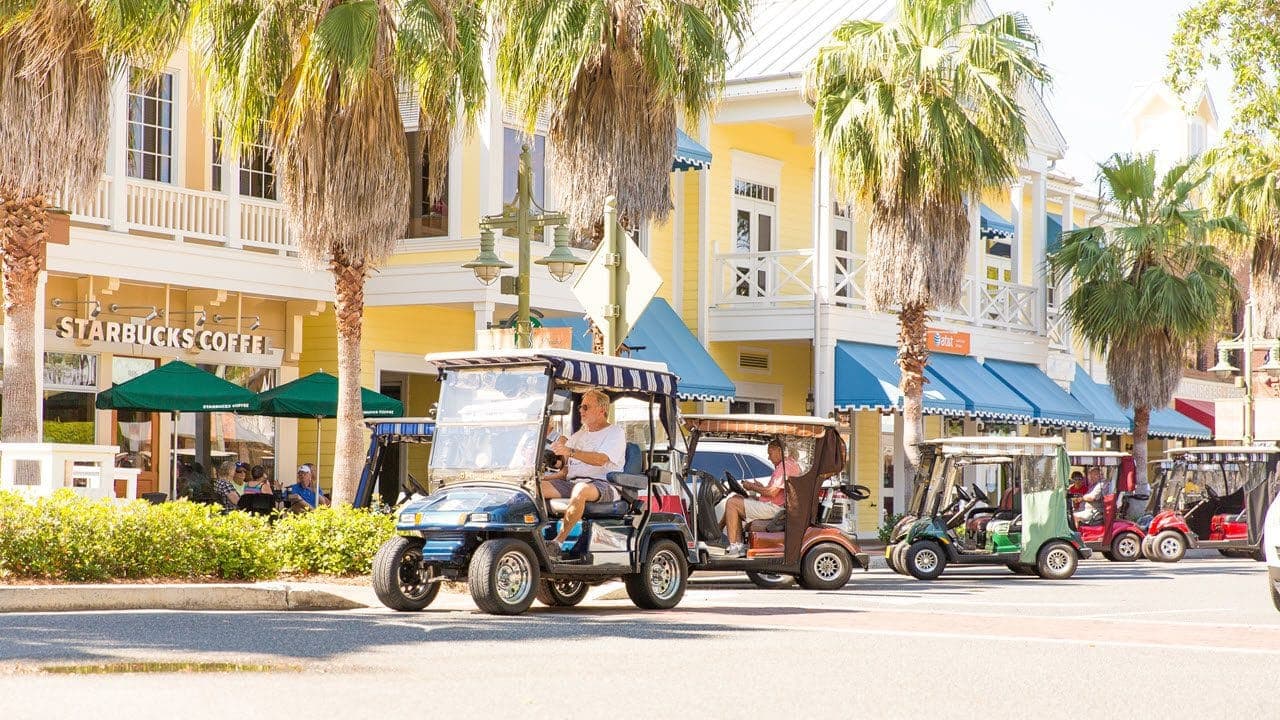
How Often Should You Replace Your Roof in Florida? (Especially in The Villages)
Complete guide to Florida roof replacement timing for Villages homeowners. Lifespan by material, insurance rules, the 25% code requirement, warning signs, 2026 costs, and when repair vs. replacement makes sense.
Read Article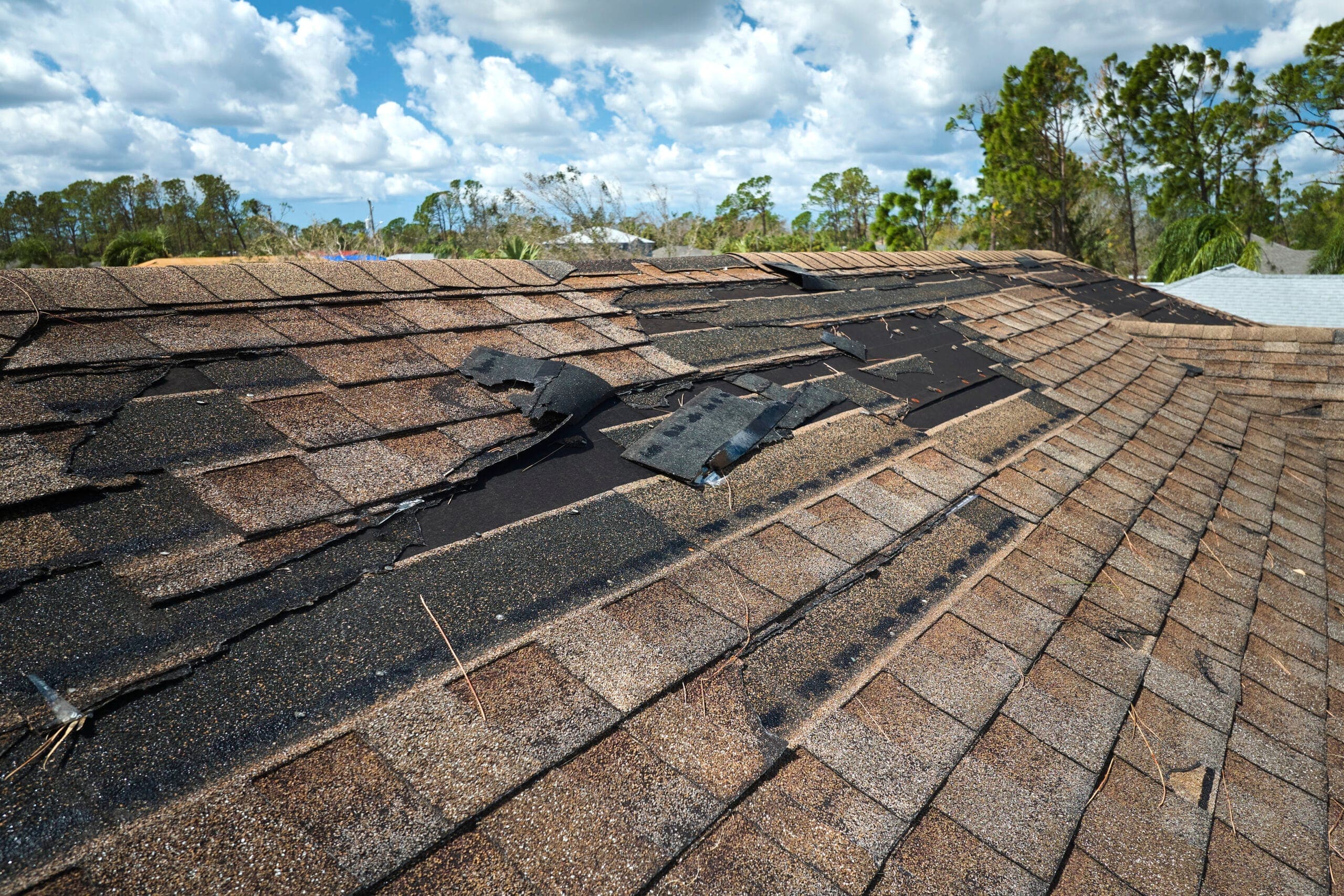
Roof Repair vs. Replacement: Which Is Right for Your Florida Home?
When to repair and when to replace your roof in Central Florida. Real cost comparisons, the Florida 25% rule, insurance age limits, material lifespans, and financing options. Call (352) 605-0696.
Read Article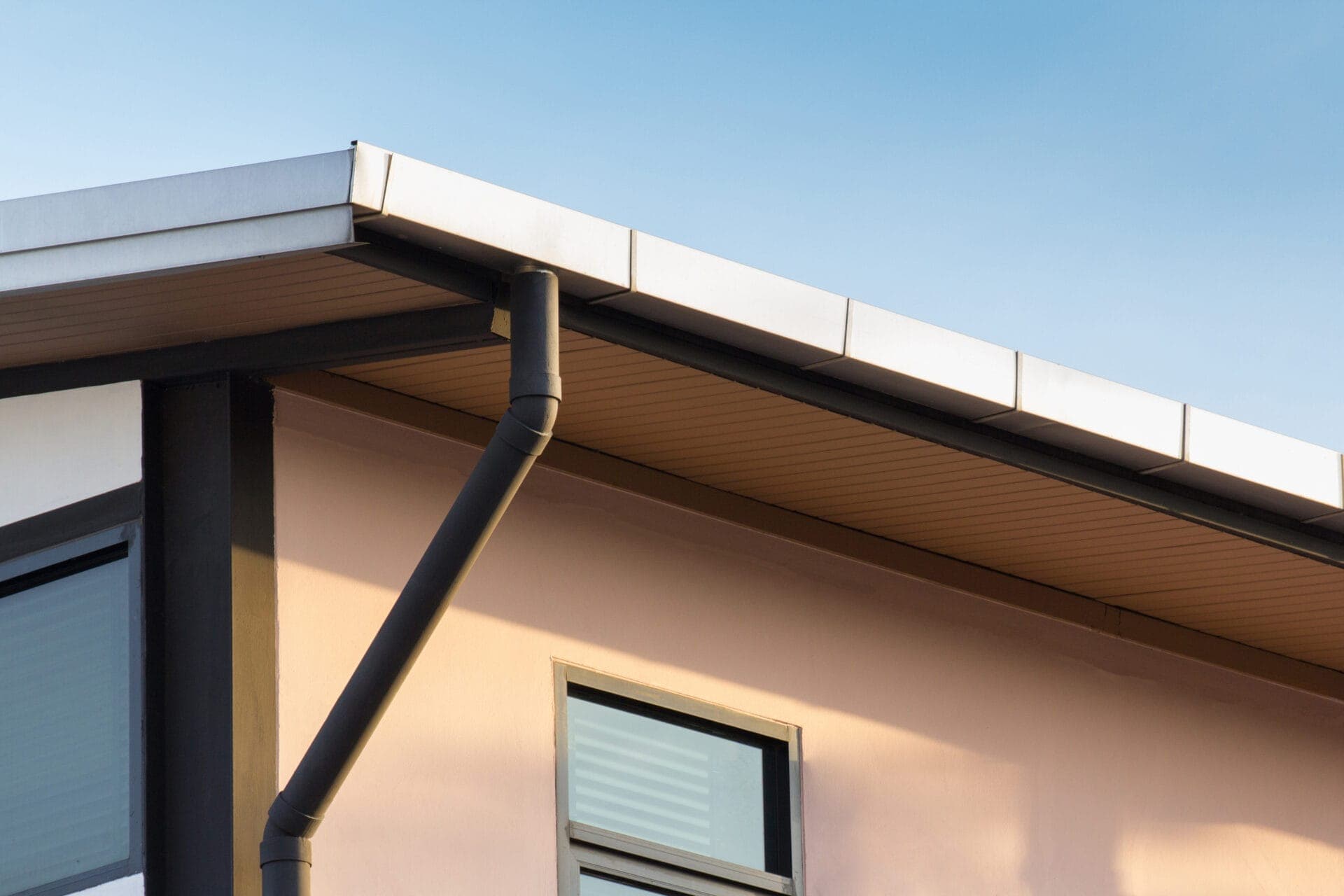
Box Gutter Solutions for Commercial Roofs in Central Florida
Complete guide to box gutter systems for commercial flat roofs in Central Florida. Types, materials, sizing for Florida rainfall, common problems, repair costs, and maintenance. Call (352) 605-0696.
Read ArticleReady When You Are
Get your free roof inspection today.
No-pressure, written estimate. Same-week scheduling across Hernando County. Call us now or request a visit online.