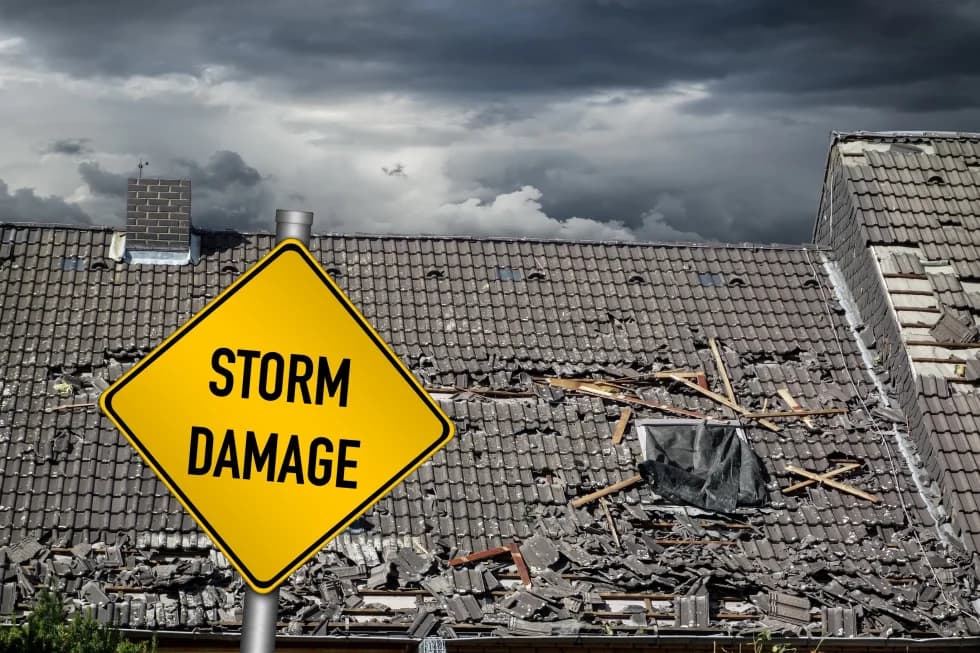
Wind, rain, and flying debris attack your roof in ways that are not always visible from the ground. This guide explains exactly how hurricanes damage each type of roofing material, what hidden problems to look for, and what to do in the critical hours after a storm. Call (352) 605-0696 for a post-storm inspection.
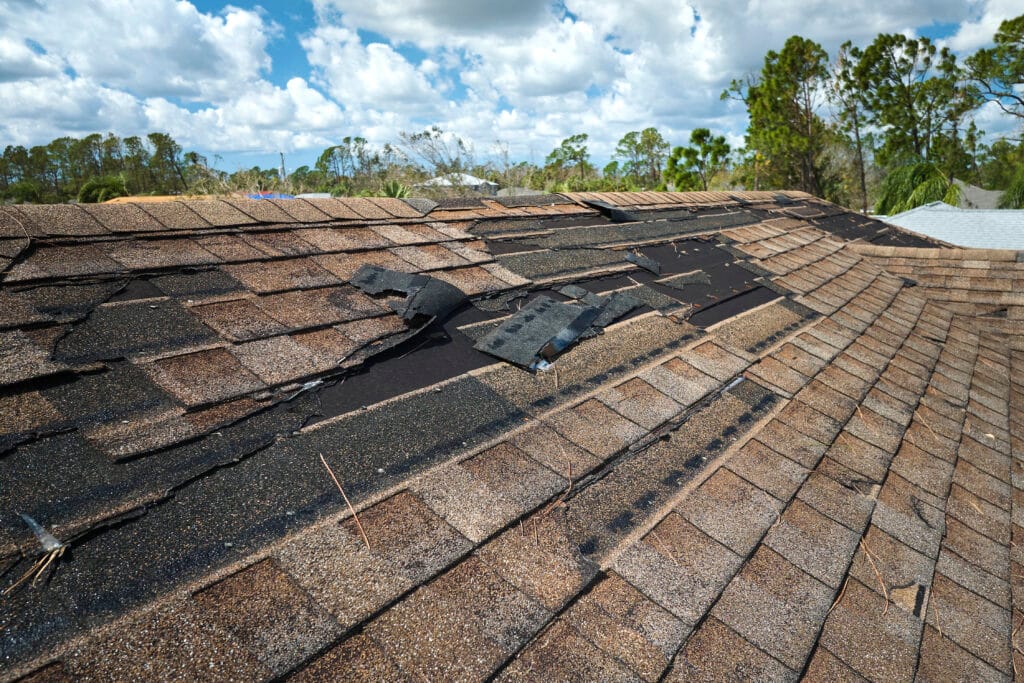
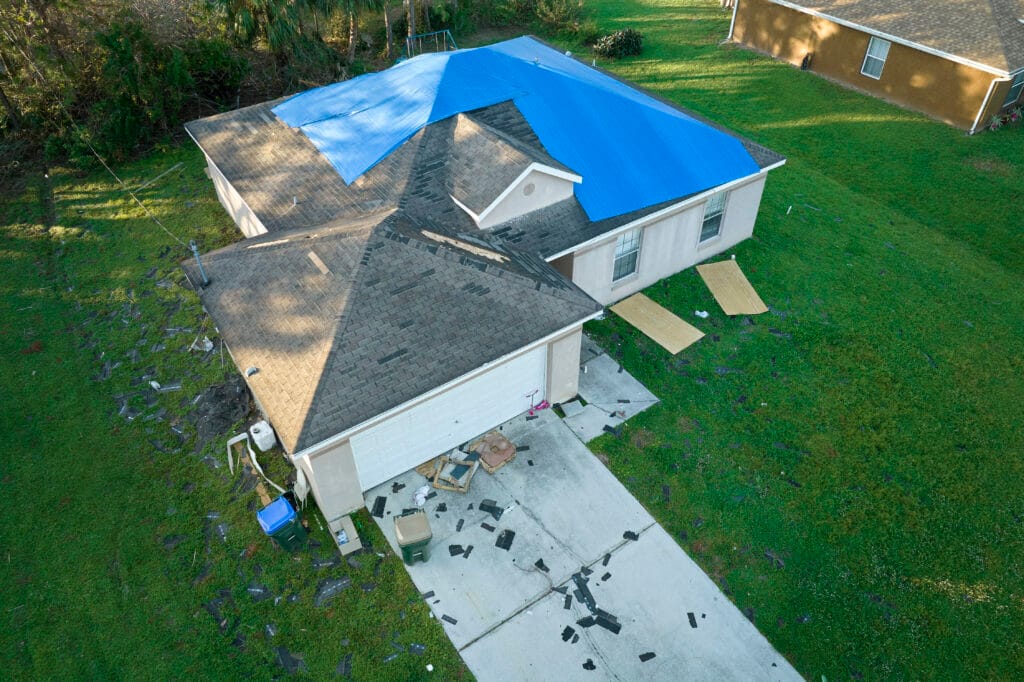
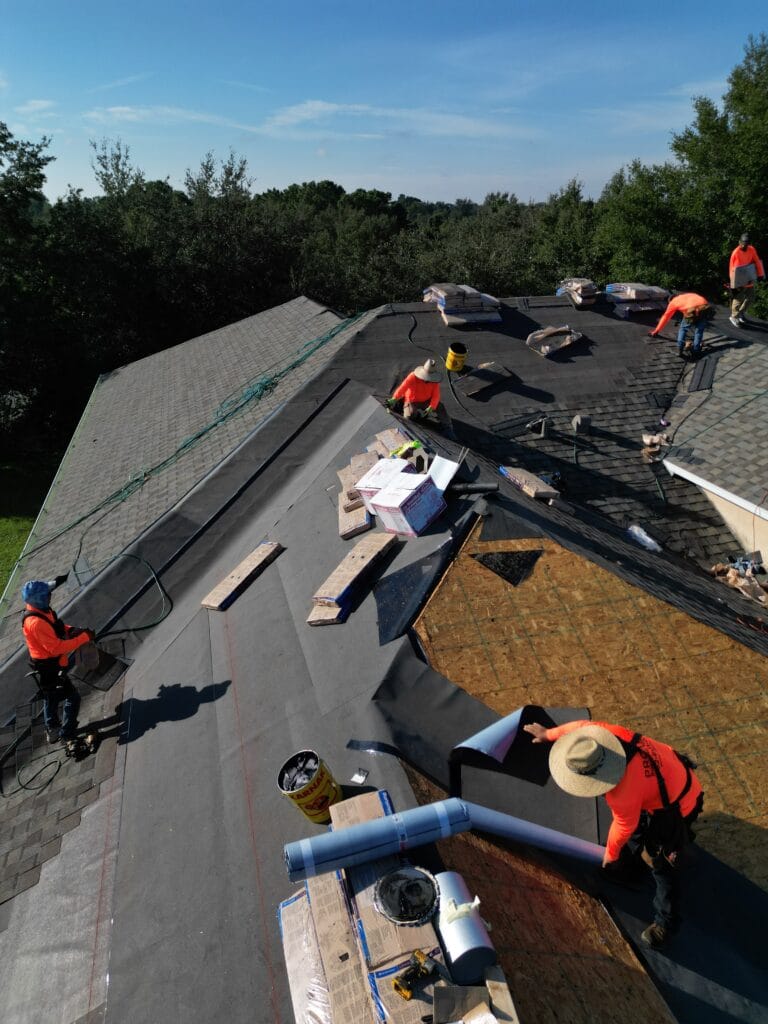
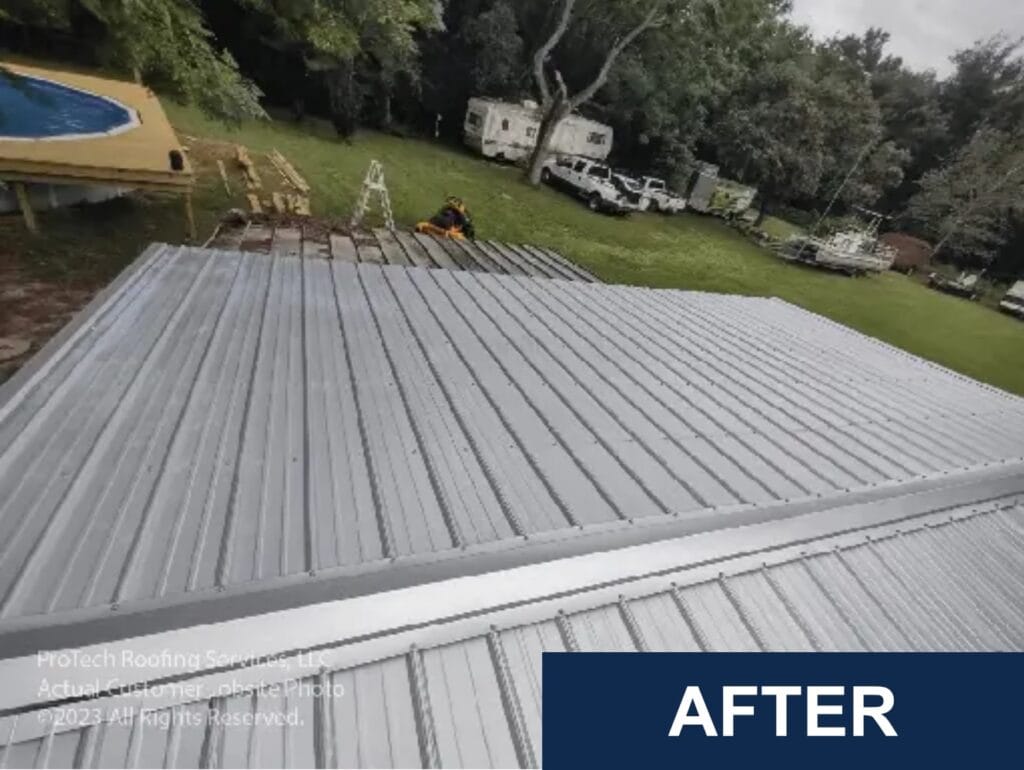
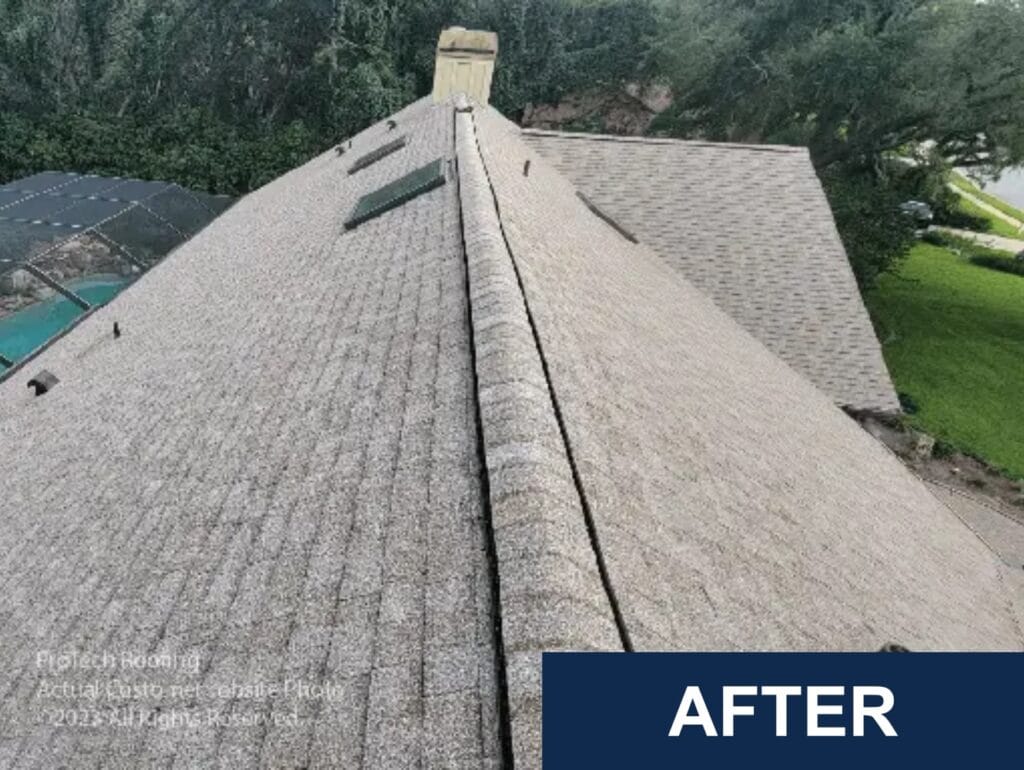
Inland communities are not immune. Storms that landfall along the Gulf coast routinely deliver damaging winds and flying debris to The Villages and Central Florida retirement communities, where mature tree canopies add the secondary risk of falling branches.
FAQ
Frequently Asked Questions
Should I inspect my roof after every storm?
+
How quickly should I tarp a damaged roof?
+
Will my insurance cover hurricane roof damage?
+
Can storm damage be invisible?
+
How do I protect my roof before a hurricane?
+
What is secondary water resistance and why does it matter?
+
Related Articles
More guides for Florida homeowners
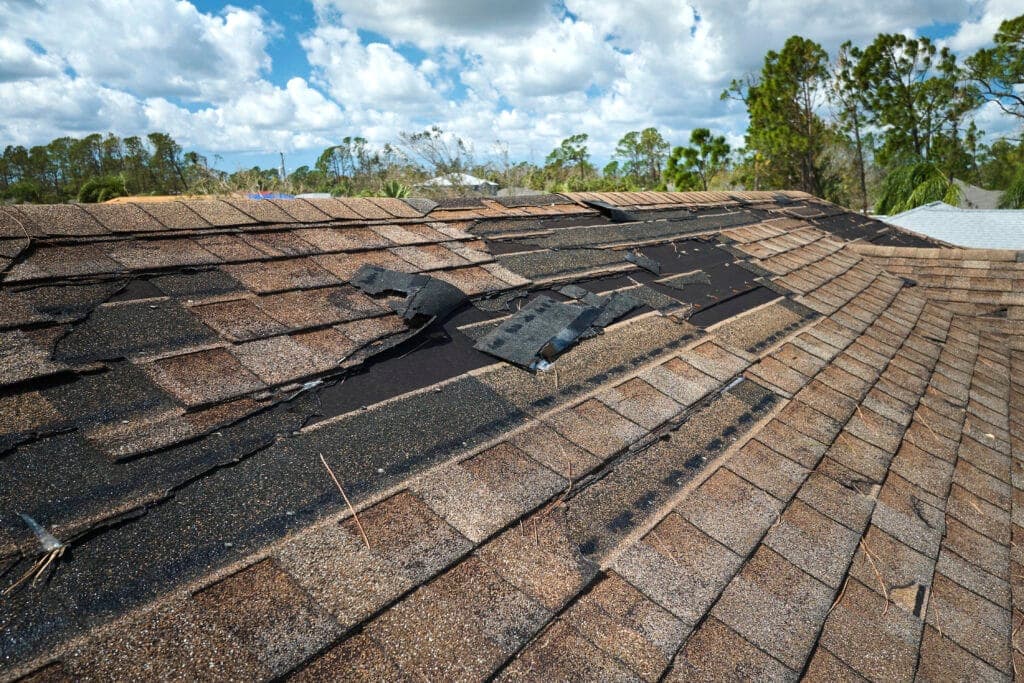
Roof Underlayment in Florida: The Hidden Layer Explained
Underlayment is the layer that decides what happens to your house when wind strips the shingles. Here is how felt, synthetic and peel-and-stick compare, what Florida code requires on a re-roof, and what each option costs in 2026.
Read Article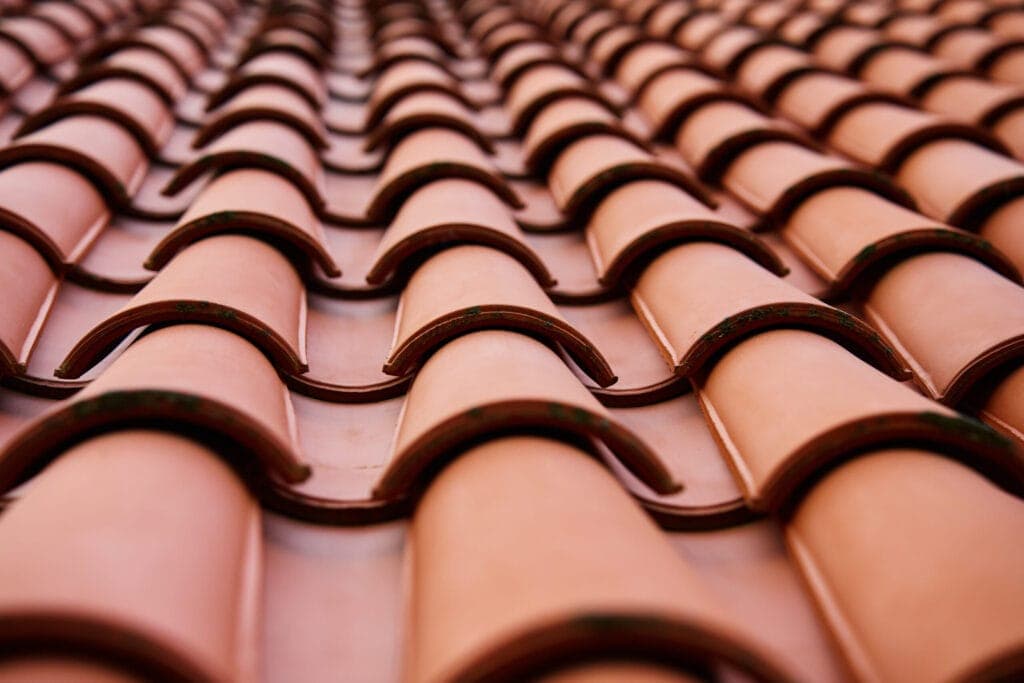
Florida Tile Roof Problems: Repair vs Re-Roof (2026)
Tile lasts for decades, the underlayment under it does not. Here are the tile roof problems Florida homeowners see most, what each repair costs in 2026, and how to tell when a repair is enough and when it is time to re-roof.
Read Article
Solar Roofing in Florida: Solar Shingles vs Panels (2026)
Every solar system on a Florida roof is either bolted to the roof or is the roof. Here is how panels and solar shingles compare in 2026, what changed with the federal credit, and why the cheapest solar project often starts with a re-roof.
Read ArticleReady When You Are
Get your free roof inspection today.
No-pressure, written estimate. Same-week scheduling across Hernando County. Call us now or request a visit online.