Blog
Salt Air Roof Damage on Tampa Bay: Why Coastal Roofs Fail at the Fastener First
Call (352) 605-0696Two identical houses, same builder, same architectural shingle, same year. One sits in Brooksville, twenty five miles inland. The other sits in Hernando Beach, four hundred feet from open water. Fifteen years later the inland roof is fine and the coastal roof is being replaced. Nobody is surprised by that, but almost everybody is wrong about the reason. The shingles on the coastal house are usually still intact. What failed is the metal: the nails, the drip edge, the flashing, the valley, the vent collars. Salt air does not chew through a roof from the top down. It works from the fastener out, quietly, and the roof lets go all at once during a storm that the inland roof shrugged off. This guide covers the chemistry, the two Florida code distances that most quotes ignore, the warranty line that specifically names bays like Tampa Bay, and the exact spec to demand before you sign.
What Salt Air Actually Does Up There
Salt air is not a fine mist of seawater drifting onto your roof. What actually travels inland is aerosolized chloride, microscopic salt particles carried on wind, and they behave in a way that makes them far more destructive than their size suggests. Chloride is hygroscopic, meaning it pulls moisture out of the air. A salt particle that lands on a nail head does not need rain to do damage. Once relative humidity climbs past roughly 75 percent, which on the Gulf coast is most nights of the year, that dry particle absorbs enough atmospheric water to become a droplet of concentrated brine sitting directly on bare metal.
That brine is an electrolyte, and an electrolyte is what turns slow oxidation into a fast electrochemical reaction. Chloride ions also do something specific and nasty: they penetrate the passive oxide layer that protects stainless steel and galvanized coatings, and they attack it in a concentrated spot rather than across the surface. This is why coastal corrosion often shows up as pitting, small deep craters, rather than the even orange film you see on an inland fence. A nail can look almost normal from below while its shank has lost a third of its cross section.
Then add the Tampa Bay daily cycle. The roof deck heats past 150 degrees in the afternoon, cools at night, and dew forms. Heat, wet, dry, repeat, three hundred times a year, with salt present the whole time. Each cycle concentrates the brine a little more as water evaporates and chloride stays behind. This is the part homeowners underestimate: it is not the storm that kills coastal roofs, it is the two thousand ordinary nights between storms.
The Two Distances Florida Code Cares About: 3,000 Feet and 300 Feet
Florida writes coastal corrosion into the building code, and it writes it as distance triggers. What surprises most homeowners is that there are two different distances for two different fastener types, and they are nowhere near each other.
- Nails, Section 1506.5: Nails must be corrosion resistant in accordance with ASTM F1667. Where the building sits within 3,000 feet of saltwater, the fasteners must meet Section 1711, the stricter corrosion resistance provisions.
- Screws, Section 1506.6: Screws must demonstrate corrosion resistance through ASTM A641 Class 1, TAS 114 Appendix E, or ASTM B117 salt spray testing. The Section 1711 trigger for screws is within 300 feet of saltwater.
- High Velocity Hurricane Zone, Section 1517.5.1.1: In the HVHZ, fasteners within 3,000 feet of saltwater carry the same Section 1711 requirement.
Those two numbers, 3,000 and 300, are not typos and they are not interchangeable. A contractor who treats them as the same figure will either fail an inspection or, worse, pass one and leave you with fasteners that rust out years before the covering does. The full breakdown of what changes when the 9th Edition takes effect is in our guide to the 2026 Florida Building Code roof changes.
Here is the practical problem with distance triggers on Tampa Bay: an enormous number of homes in Pinellas, coastal Pasco, and the Hernando shoreline sit inside 3,000 feet of water without their owners ever thinking of themselves as beachfront. Three thousand feet is a little over half a mile. If you can reach open water on a five minute walk, the code is talking about your house. And the code distance is a legal minimum, not a chemistry boundary. Measurable chloride deposition continues well past it, which is why a competent coastal spec usually exceeds the trigger rather than meeting it exactly.
Tampa Bay Is a Bay, and Your Warranty Knows It
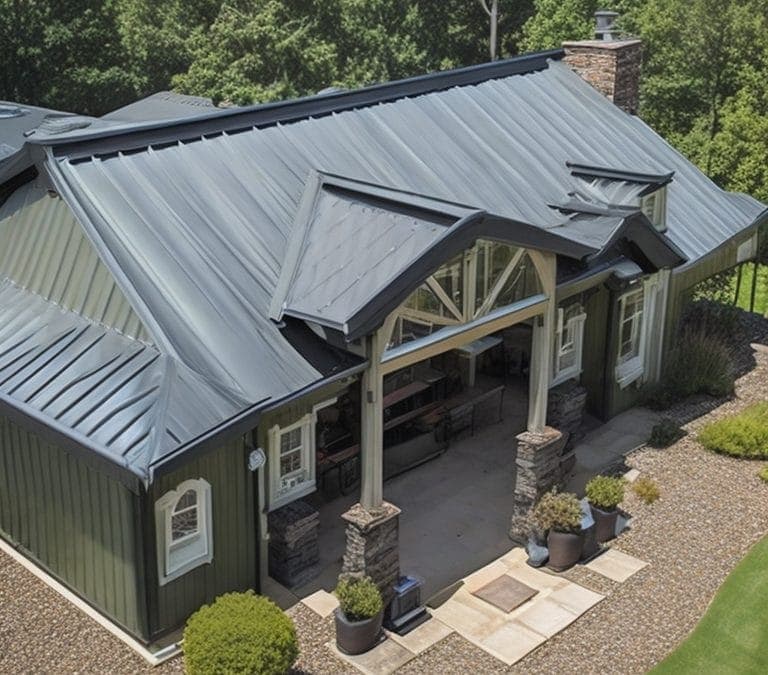
Here is the clause that catches metal roof owners on the bay side, and almost nobody reads it before signing. Galvalume substrate warranties, the AZ55 coated steel used on a large share of Florida metal roofs, carry explicit geographic exclusions written in feet:
- Coastline with breaking surf: excluded within 1,500 feet.
- Coastline with a large bay: excluded within 800 feet.
- Coastline with marsh: excluded within 400 feet.
Read that middle line again with a map of the Tampa Bay region in your head. Old Tampa Bay, Boca Ciega Bay, and the Hernando and Pasco marsh shoreline are exactly the geography those clauses were written for. A house 900 feet from Boca Ciega Bay may keep its Galvalume warranty. A house 600 feet away does not, and the homeowner usually finds this out in year twelve when they file a claim on rust perforation and get a letter back citing the exclusion.
The fix is a substrate change, not a coating upgrade. Painted aluminum is better suited to saltwater environments than Galvalume, because aluminum forms a self repairing oxide layer instead of relying on a sacrificial zinc aluminum coating that eventually runs out. Aluminum warranties come with their own condition worth knowing: many require an annual fresh water rinse for panels within about a mile of saltwater. That is a real obligation, and skipping it can void coverage just as effectively as the distance clause. If you are pricing metal on the bay side, the substrate conversation belongs at the quote stage, and our metal roofing systems page lays out the options we install. Homeowners comparing on the Pinellas side can start with metal roofing in Clearwater.
Fastener Metallurgy: 304, 316, and Why Galvanized Goes First
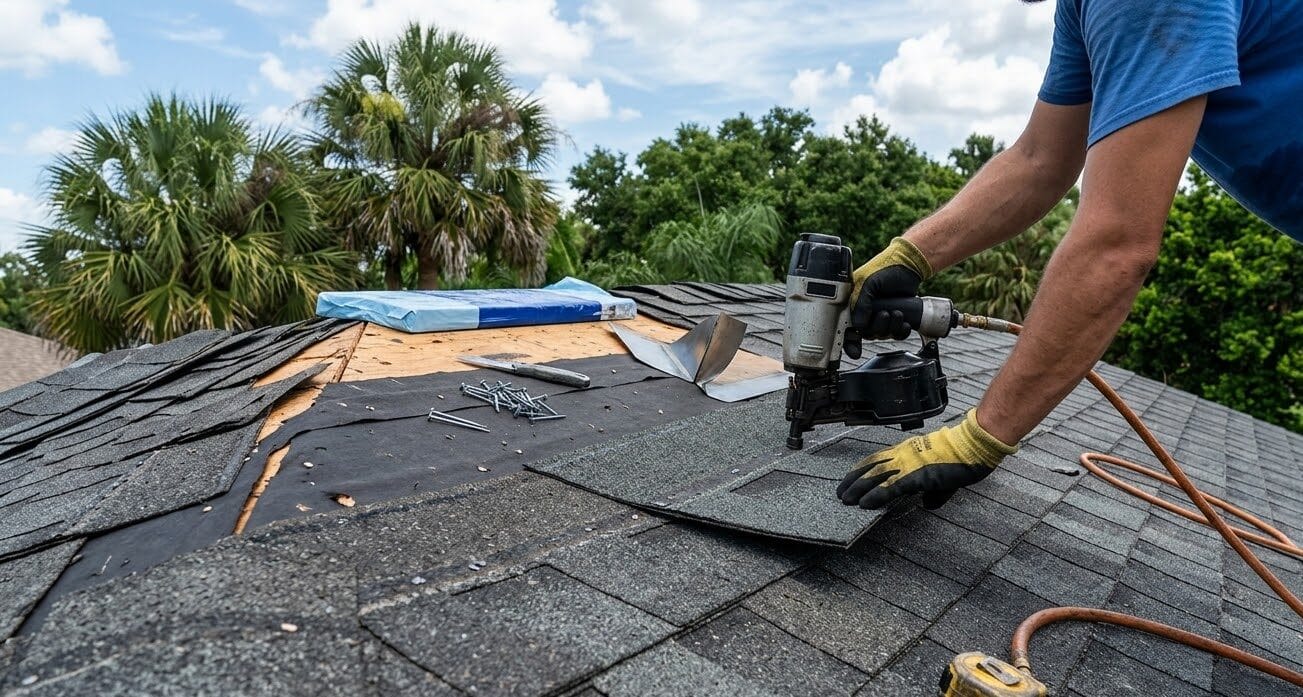
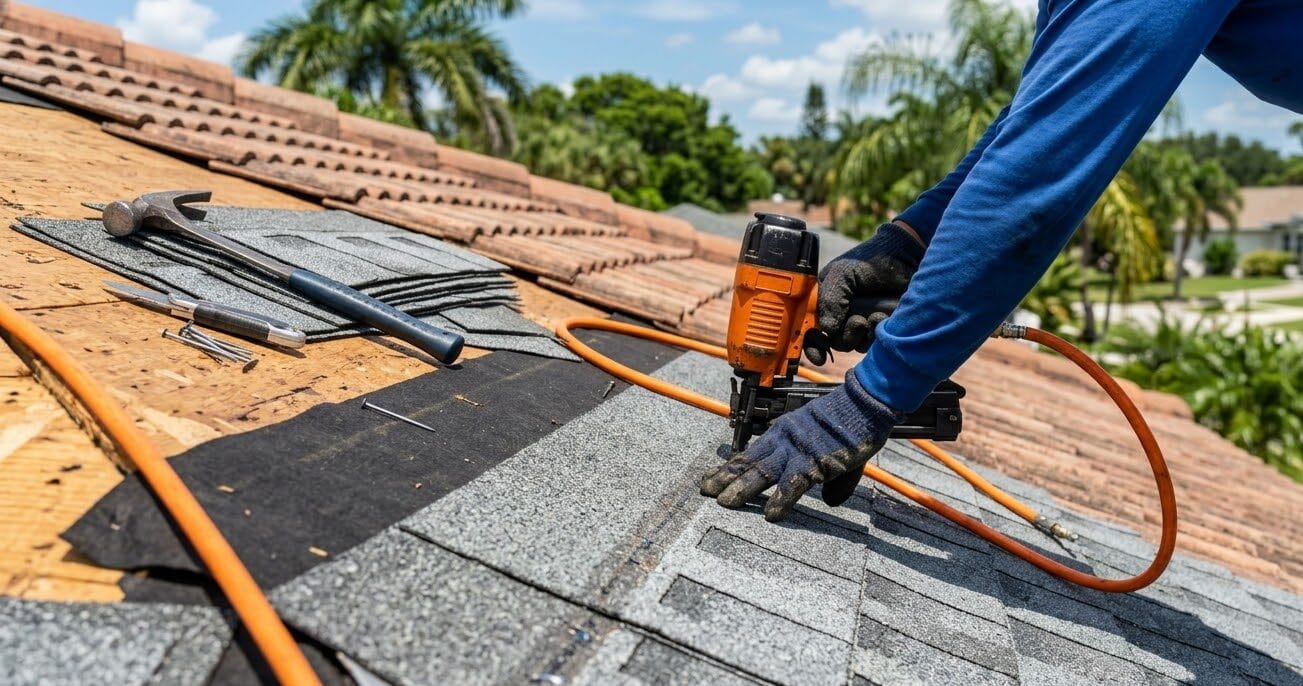
Fasteners are the cheapest component of a roof and the most common cause of premature coastal failure. The material hierarchy is genuinely simple, and the price difference across the whole roof is smaller than most homeowners expect.
- Electro galvanized: A thin zinc plating. Acceptable inland, a poor decision anywhere near the bay. The coating is too thin to survive chloride pitting and it is often the first thing to fail on a coastal roof.
- Hot dip galvanized: A thicker, rougher zinc layer that lasts considerably longer. This is the honest middle ground for homes well outside the trigger distances, and it is what ASTM A641 Class 1 testing addresses.
- Type 304 stainless: Sufficient for most homes in the roughly one to three mile band from saltwater, at meaningfully lower cost than 316.
- Type 316 stainless: Contains molybdenum, which is specifically what resists chloride pitting. This is the correct choice for beachfront and near shore homes, and it is what a serious coastal spec calls for inside the code trigger distances.
Baseline code for asphalt shingle fastening also sets the physical spec, not just the metallurgy: galvanized steel, stainless steel, aluminum, or copper roofing nails, minimum 12 gage shank, minimum three eighths inch diameter head, complying with ASTM F1667, long enough to penetrate through the roofing material and not less than three quarters of an inch into the sheathing. On a coastal job, all of that still applies. The metallurgy requirement stacks on top of it.
Galvanic Corrosion: The Metal Pairs That Eat Each Other
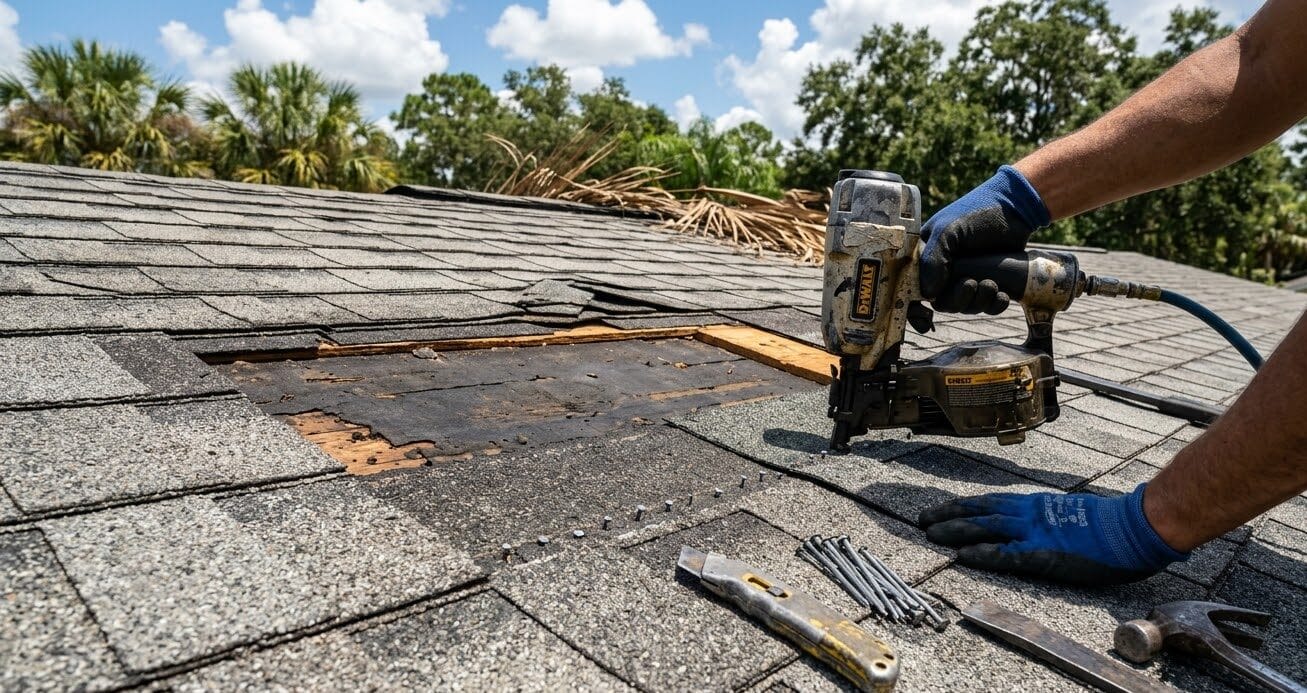
The second coastal failure mode has nothing to do with any single material being weak. It happens when two different metals touch in the presence of an electrolyte, and salt brine is an excellent electrolyte. The less noble metal becomes an anode and corrodes rapidly to protect the more noble one. On a roof this shows up in predictable places.
- Copper touching aluminum or galvanized steel: The classic bad pair. A copper vent boot or copper flashing draining onto an aluminum drip edge will destroy the aluminum, and copper runoff carries downstream far past the contact point.
- Stainless fasteners through bare aluminum panel: Workable, but it needs an isolating washer or coating. Stainless is more noble than aluminum, so the panel becomes the sacrificial half at every screw hole.
- Galvanized flashing against a stainless or copper component: The zinc surrenders first and fast, which turns your flashing into the sacrificial anode for the entire assembly.
- Mixed leftovers from a repair: The most common real world cause. A prior repair used whatever was on the truck, and three years later there is a rust stain running down one specific valley.
Florida code addresses this directly by requiring that fasteners used with connectors or metal plates have a coating or composition compatible with that of the connector, precisely to prevent galvanic action between dissimilar materials. Compatibility is a design decision made before the truck is loaded, which is why coastal repairs should not be improvised. If you already see a stain pattern coming off one flashing detail, that is worth a look before it reaches the deck. Our team handles this daily on the shoreline through roof repair in Hernando Beach.
How Each Roof System Ages in Salt Air
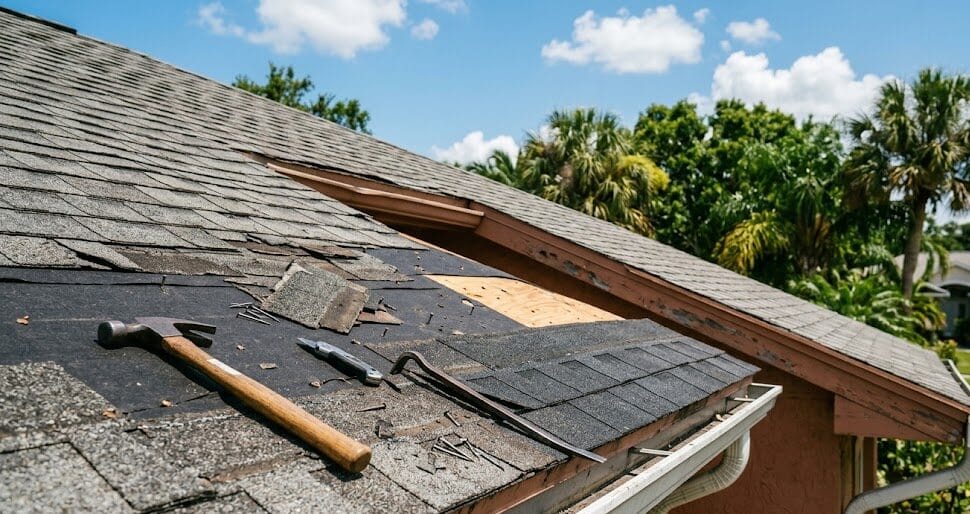
Salt does not treat every roofing system the same way, and the differences change what you should be inspecting.
- Architectural asphalt shingle: The shingle mat itself is largely indifferent to chloride. Everything metal serving it is not. Coastal shingle roofs typically fail at nails, drip edge, valley metal, and vent collars while the field of the roof still looks serviceable. That mismatch is exactly why coastal shingle roofs get replaced looking deceptively healthy.
- Metal panel: Highly durable if the substrate matches the exposure and a disappointment if it does not. Failures concentrate at cut edges, panel ends, fastener penetrations, and any place where the factory coating was breached during install. Exposed fastener systems have far more vulnerable points than standing seam.
- Concrete and clay tile: The tile is close to inert in salt air, which is a real advantage. The vulnerability moves entirely underneath, to the batten fasteners, the hurricane clips, and the underlayment. Tile roofs on the coast can hide advanced fastener corrosion under a field of perfect looking tile.
- Flat and low slope membrane: The membrane resists salt well. Termination bars, edge metal, drain assemblies, and mechanical fasteners at the perimeter carry the risk, and the perimeter is also where wind uplift is highest, so corrosion and load stack in the same place.
The through line is worth stating plainly: on a coastal roof, the covering is rarely the weak link. The connection is. That is a different inspection than most homeowners think they are buying.
Nine Signs Your Coastal Roof Is Corroding
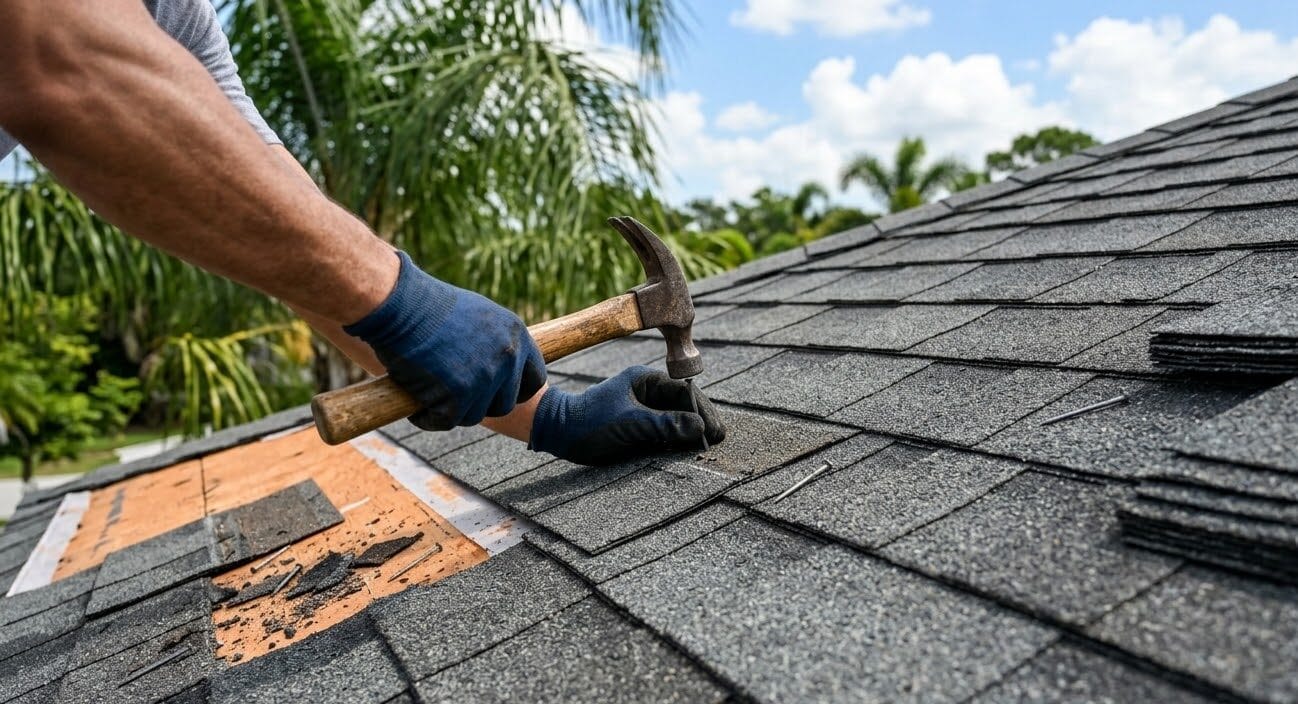
Most of these are visible from the ground with binoculars, which is the safest way for a homeowner to check.
- Rust streaks below fastener lines, especially vertical stains running down from a consistent row of nail or screw heads.
- Nail heads standing proud of the shingle surface, which usually means the shank has corroded and lost grip rather than the nail backing out mechanically.
- Chalky white or gray powder on aluminum components, which is aluminum oxide and an early stage signal.
- Drip edge that flexes or rattles in wind where it used to be rigid.
- Pitting on metal panels near cut edges and panel ends, which is where factory coating protection is thinnest.
- Shingle tabs lifting in one localized zone, commonly the windward slope facing open water.
- Rust colored runoff staining fascia, soffit, or exterior walls below a specific roof detail.
- Vent collars and pipe boots deteriorating faster than expected, often the first components to fail outright on a coastal roof.
- Gutter fasteners pulling loose while the gutter itself is undamaged.
The Coastal Maintenance Routine That Actually Extends Roof Life
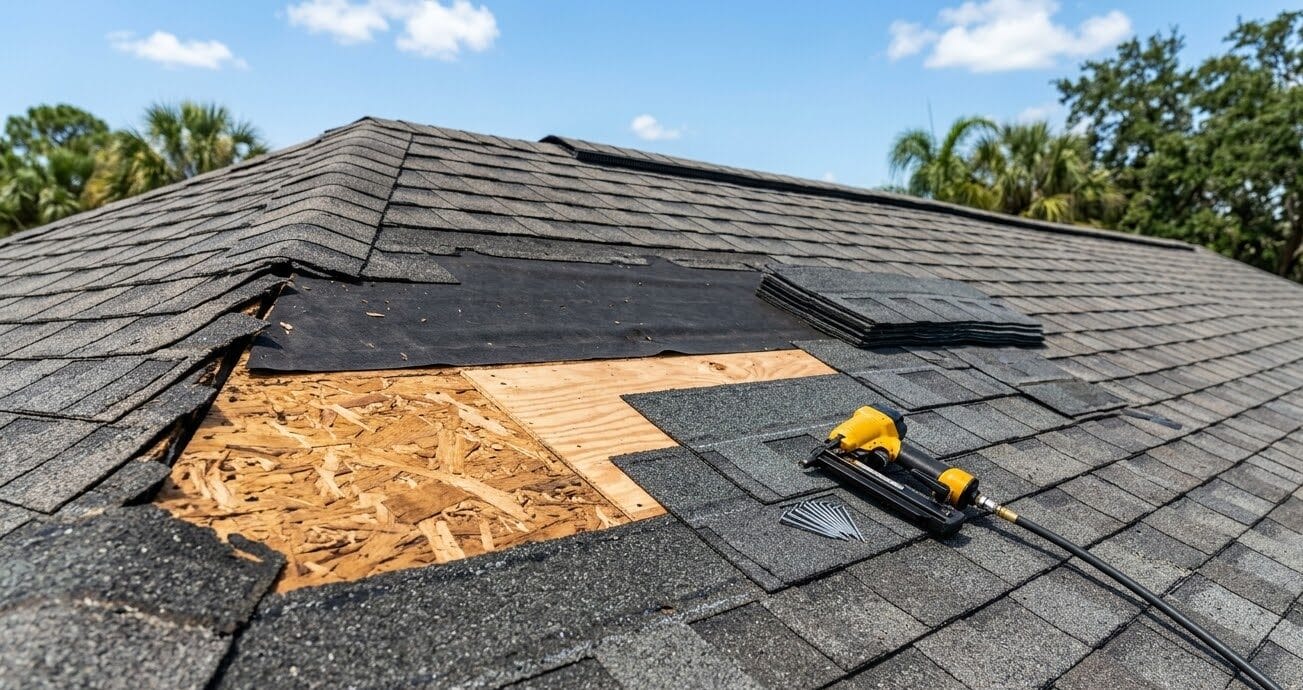
Coastal roofs respond to maintenance far more than inland roofs do, because the primary damage mechanism is a deposit sitting on a surface, and deposits can be removed. This is the rare case where a homeowner habit measurably changes the replacement year.
- Fresh water rinse, at least annually. On metal roofs within about a mile of saltwater this is often a written warranty condition rather than a suggestion. Low pressure fresh water, aimed to flush rather than blast, targeting fasteners, valleys, and any surface sheltered from rain.
- Pay attention to rain shadowed areas. Under overhangs, beneath solar arrays, behind chimneys and dormers. Rain never rinses those spots, so salt accumulates continuously and they corrode years ahead of the exposed field.
- Two inspections a year, not one. Before hurricane season and after it. On the coast the post season inspection matters most, because a season of onshore wind drives chloride deep into details.
- Replace corroded fasteners with matched metallurgy. Never with whatever is in the truck. One mismatched replacement screw can start a galvanic cell that outlives the repair.
- Keep gutters flowing. Standing salt water in a gutter is a continuous brine bath against the fascia and the drip edge, which is exactly the assembly you least want soaking.
A twice yearly look at the details is genuinely cheap next to a coastal re roof, and it is the entire premise of a regular maintenance plan. If you have never had the fastener condition documented, a baseline roof inspection is where to start.
Why This Shows Up in Your Insurance File
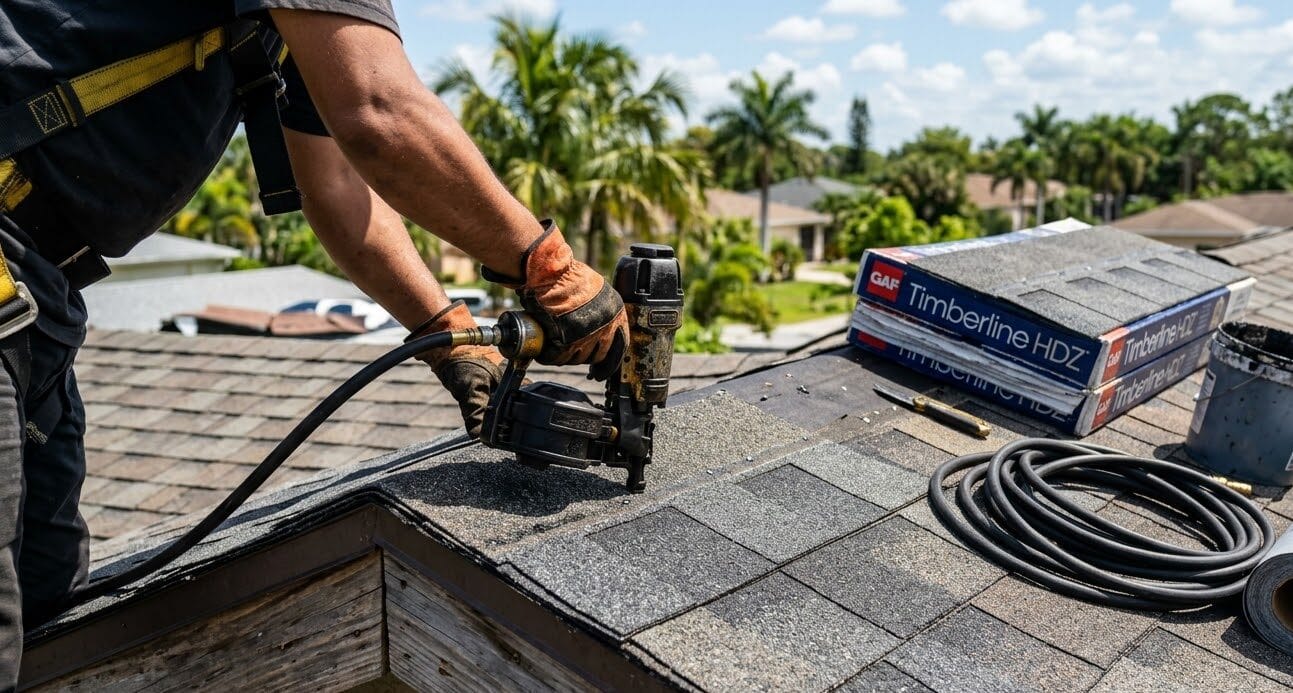
There is an uncomfortable asymmetry in coastal claims that owners should understand before they need it. Wind damage is a covered peril. Corrosion, rust, and wear are excluded as maintenance in essentially every Florida homeowners policy. When a coastal roof fails, both are usually present at once: corroded fasteners lost their hold, and then wind removed the covering.
That gives an adjuster a legitimate opening to attribute the loss to long term deterioration rather than the storm. The homeowners who fare best in that conversation are the ones with dated inspection records showing the roof was maintained and the fasteners were sound before the event. Documentation is not paperwork for its own sake here, it is the difference between a covered claim and a denied one.
There is an upside too. Coastal roofs that are specified properly tend to score well on the wind mitigation form, because the same decisions that resist corrosion, correct fastener type and proper attachment, are the decisions that document uplift resistance. Those credits can meaningfully reduce premium, and how the form is scored is covered in our guide to the Florida wind mitigation inspection.
What to Demand in a Tampa Bay Roofing Quote
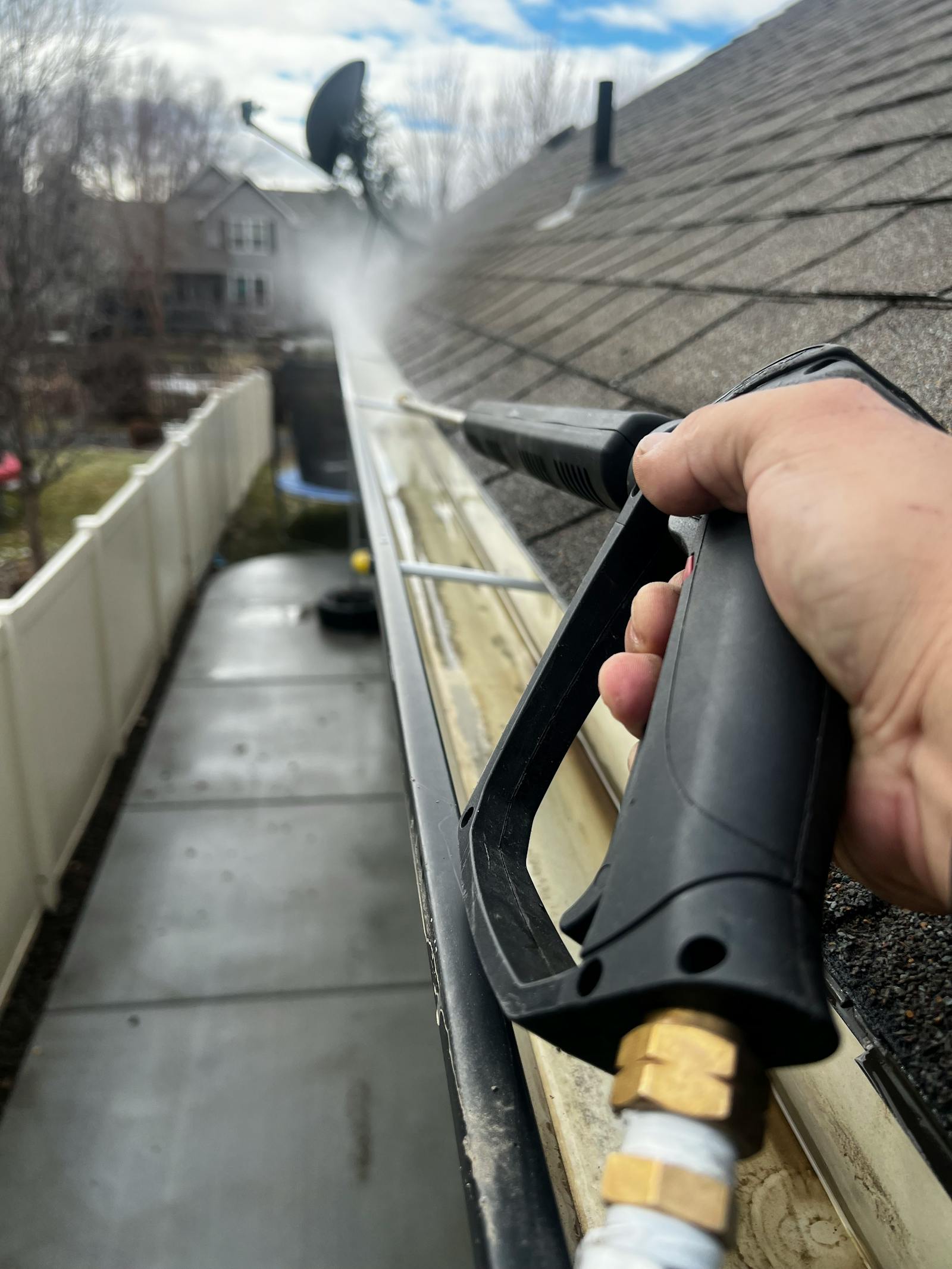
A coastal quote should differ from an inland quote in writing, not just in price. If these lines are missing, ask for them before you compare numbers, because two quotes are not comparable when one of them silently assumes inland conditions.
- Measured distance to saltwater, stated on the proposal, along with which code trigger applies to nails and which to screws.
- Fastener type by name. Not corrosion resistant fasteners, but the actual specification: hot dip galvanized, Type 304, or Type 316.
- Flashing, drip edge, and valley metal specified as materials, with confirmation that they are galvanically compatible with the fasteners and the covering.
- Substrate named on metal proposals, Galvalume or aluminum, plus the manufacturer warranty exclusions that apply at your address.
- Vent boots and pipe collars called out, since these are among the first components to fail in salt air and are cheap to upgrade during a re roof.
- License number on the document. Protech Roofing holds Florida license CCC1335878.
The summary is short. Inland, you buy a roof covering. On Tampa Bay, you buy a corrosion system that happens to include a roof covering. Get the metal right and a coastal roof will run close to its rated life. Get it wrong and the covering will outlast the things holding it down, which is the worst possible way to discover the difference. For a coastal assessment on your address, call Protech Roofing at (352) 605-0696 or start with a Clearwater roofing overview if you are on the Pinellas side.
FAQ
Frequently Asked Questions
How far inland does salt air damage roofs in Florida?
+
Does Tampa Bay count as coastal for a metal roof warranty?
+
Should I use 304 or 316 stainless fasteners on a coastal roof?
+
Why do coastal roofs fail if the shingles still look fine?
+
Does rinsing a roof with fresh water actually help?
+
Will insurance pay to replace a roof damaged by salt air?
+
Related Articles
More guides for Florida homeowners
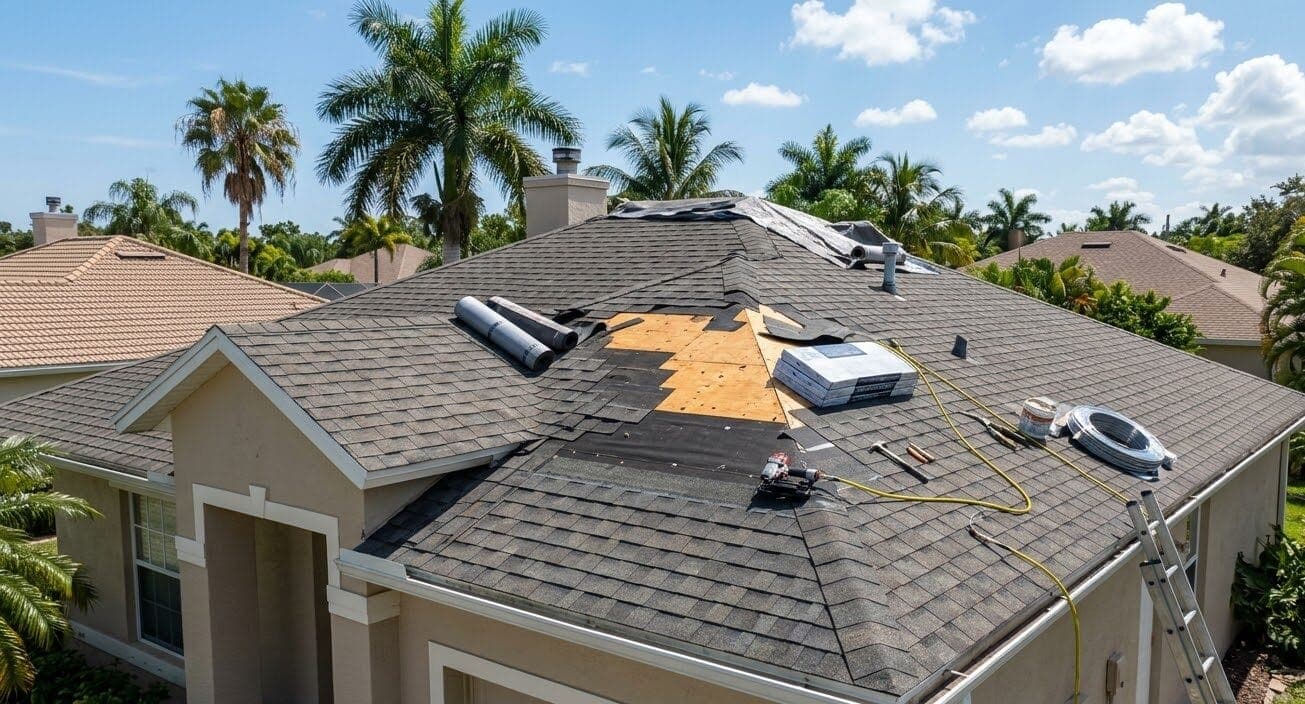
How Long a Roof Replacement Takes in Florida: 2026 Guide
A Florida shingle re-roof takes one to three days of physical work and about two to four weeks from contract to closed permit. Here is what happens each day, how metal and tile change the schedule and what causes delays.
Read Article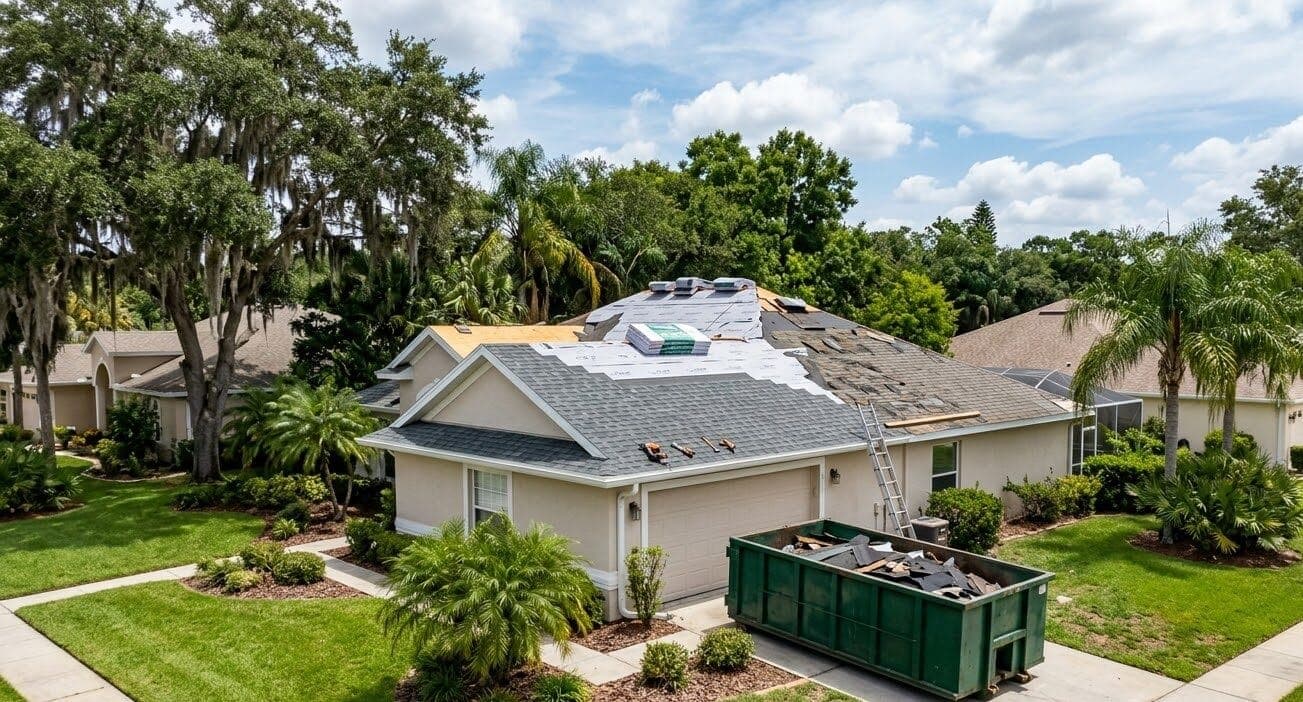
Best Shingles for Florida: Impact-Rated Class 4 Guide
The best shingle for a Florida home is usually a Class H architectural shingle installed as a full system. Here is how 3-tab, architectural and Class 4 impact-resistant shingles compare on cost, wind, insurance and lifespan.
Read Article
Metal Roof Cost in Florida 2026: Per-Sqft Guide
Metal roofs in Florida run about $8 to $23 per square foot installed, depending on the system. Here is what standing seam, stone coated steel and exposed fastener panels cost, what a typical home pays and how to compare quotes.
Read ArticleReady When You Are
Get your free roof inspection today.
No-pressure, written estimate. Same-week scheduling across Hernando County. Call us now or request a visit online.