Blog
My Safe Florida Home Grant 2026: Eligibility, Application, and How to Get Your $10,000
Call (352) 605-0696The My Safe Florida Home (MSFH) program is the single largest state-funded hurricane mitigation grant in the country, and the 2026 application cycle is more competitive than ever. With $352 million already distributed in the 2025–2026 round and another $405+ million reappropriated under the new state budget for 2026–2027, this is one of the few programs that pays cash directly into hurricane-hardening your home.
If you own a homesteaded property in Hernando, Citrus, Pasco, Sumter, Marion, or Lake County, this guide walks you through the 2026 eligibility rules, what the grant actually covers, how to apply, and the most common reasons applications get denied. Protech Roofing has been a wind-mitigation certified contractor since 2008 and runs our own My Safe Florida Home program services, and we have helped dozens of Central Florida homeowners navigate this program from inspection to reimbursement.
What Is the My Safe Florida Home Program?
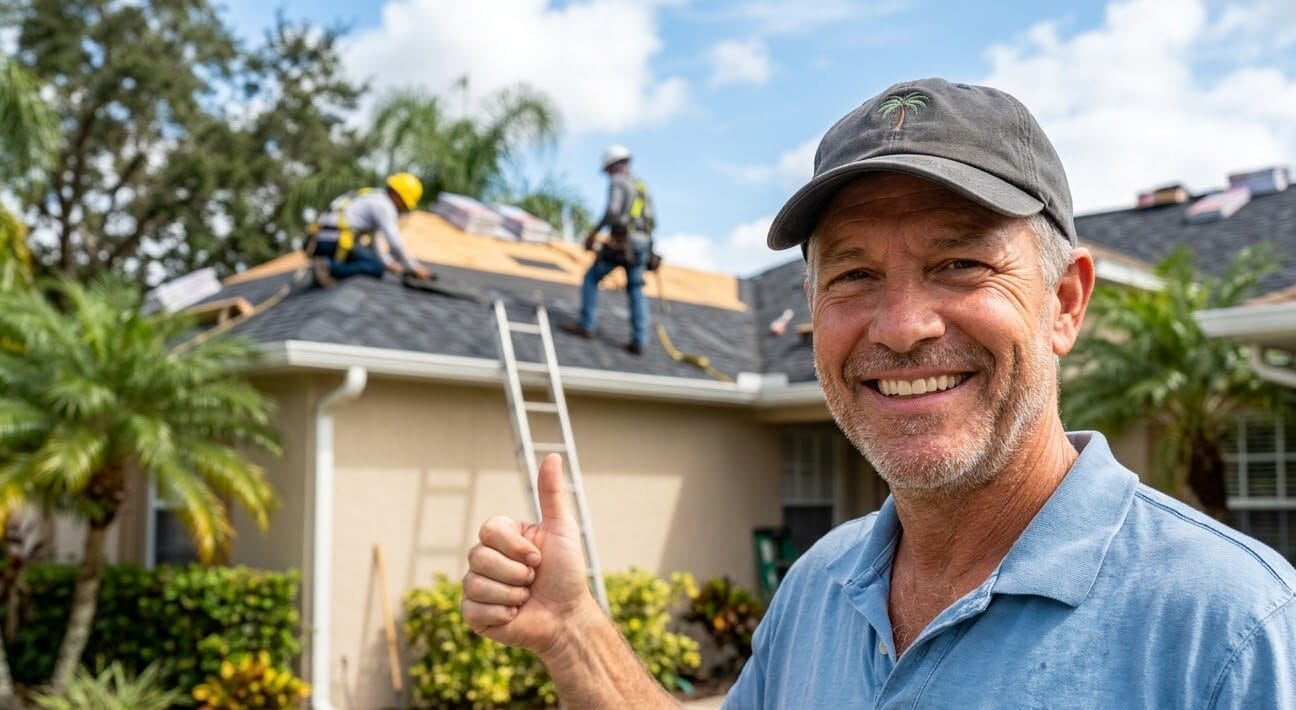
The My Safe Florida Home program was established by the Florida Legislature to help homeowners harden their homes against hurricane wind damage. The program pays for two things: a free wind mitigation inspection and a grant of up to $10,000 to install qualifying improvements identified in that inspection.
The program is administered by the Florida Department of Financial Services. All work funded under MSFH must be performed by a state-licensed contractor and must follow the Florida Building Code wind mitigation standards. Improvements are designed to reduce the chance of catastrophic damage during a hurricane and, in many cases, to lower your homeowners insurance premiums by 30 to 45 percent.
Is the Program Open in 2026?
Yes. The MSFH program reopened on August 4, 2025 with $352 million in funding for the 2025–2026 cycle, and the 2026–2027 reappropriation of more than $405 million was approved as part of the $115 billion state budget signed in June. Applications are accepted on a first-come, first-served basis within each income tier, and the queue moves faster for lower-income applicants. Check the live application status at mysafeflhome.com.
One important nuance: the 2026 rules are notably more restrictive than earlier years. If you applied in 2023 or 2024 and were denied, your eligibility status may have changed. Read the criteria below carefully before you re-apply.
Who Qualifies for the MSFH Grant in 2026?
You must meet all six of the following criteria. Missing any single one will block your application.
- Homestead exemption. The home must be your primary residence with an active Florida homestead exemption on file with the county property appraiser. Rental properties, second homes, vacation homes, condos, mobile homes, and manufactured homes do not qualify.
- Single-family site-built home. The structure must be a stick-built single-family residence. Townhomes attached to other units are usually excluded.
- Built before January 1, 2008. Homes built on or after January 1, 2008 are already built to the modern Florida Building Code wind standard and do not qualify for the grant.
- Insured for $700,000 or less. The home's dwelling-coverage replacement value on your homeowners policy must be at or below $700,000. This is the dwelling-only number, not the total policy.
- Income limit. Total household income must be at or below 120 percent of the county median income. For most Central Florida counties, that comes out to roughly $90,000 to $115,000 per year for a household of four, depending on the county and the year. The Florida Housing Finance Corporation updates the exact numbers annually.
- You live in Florida. The home must be in Florida. The program does not cover homes outside the state.
Low Income vs. Moderate Income — Two Tiers
The program is split into two tiers based on income.
- Low income. Total household income at or below 80 percent of county median. These applicants get priority in the application queue and receive grants up to $10,000 with no matching requirement. The state pays the entire amount.
- Moderate income. Total household income between 80 and 120 percent of county median. These applicants receive matching grants. For every $1 the homeowner puts in, the state contributes $2, up to the program cap. Lower priority in the queue than low-income applicants.
What Does the MSFH Grant Cover?
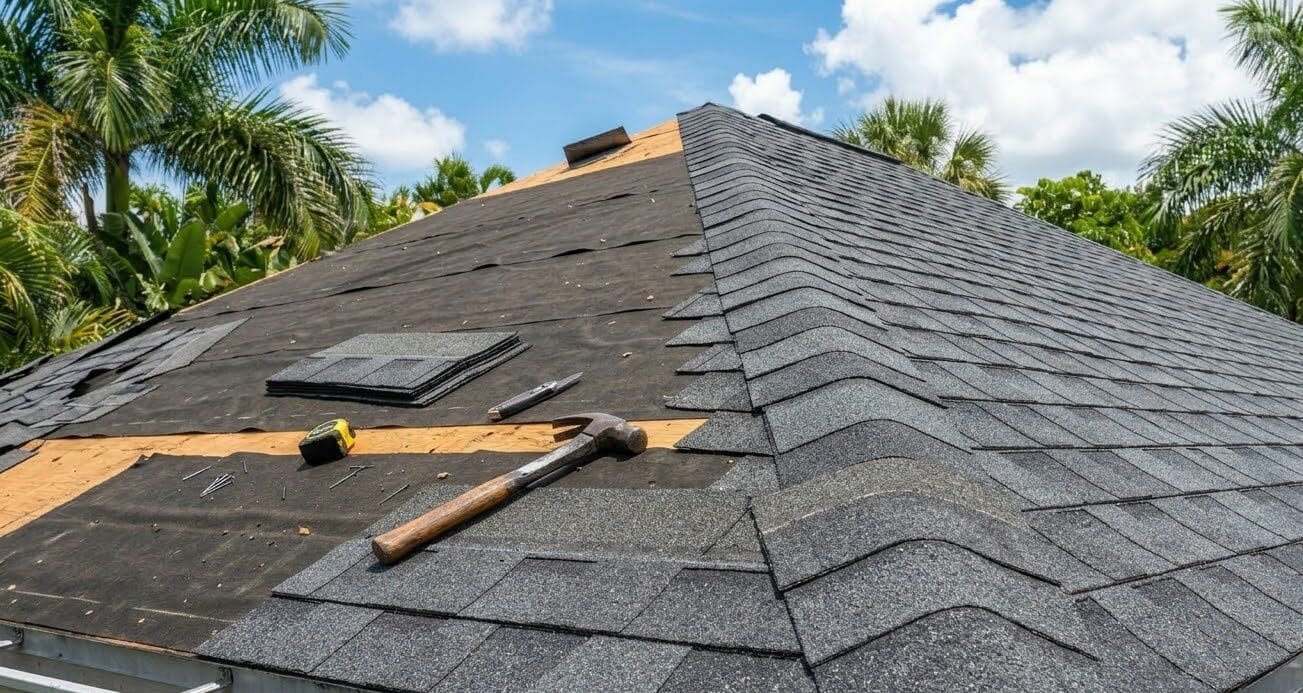
The grant pays for specific wind mitigation improvements identified during the free inspection. The covered improvements break down into five categories:
1. Roof Replacement and Re-Roofing to Wind Code
If your roof is at the end of its life, MSFH will fund a full re-roof using materials and installation methods that meet or exceed the current Florida Building Code wind requirements. This includes hurricane-rated underlayment, ring-shank nails at 6-inch spacing, and properly sealed deck attachments. For a typical Hernando County home, the roof component alone can exhaust the entire $10,000 grant (see our Florida roof replacement cost guide for current pricing), so the program will often pair this with a small homeowner contribution to complete the job.
2. Roof Deck Attachment Upgrade
Re-nailing the existing roof deck with ring-shank nails at 6 inches on center is one of the most cost-effective wind mitigation upgrades. It typically runs $1,500 to $3,500 and qualifies for direct insurance premium discounts.
3. Roof-to-Wall Connection Upgrade
Hurricane straps and clips that tie the roof structure to the wall studs significantly reduce uplift damage. Upgrades to single-wrap straps or, where possible, double-wrap straps qualify for both the grant and ongoing insurance savings.
4. Opening Protection: Windows, Doors, and Garage Doors
Impact-rated windows, hurricane shutters, impact-rated garage doors, and impact-rated entry doors are all covered. For homes that already have a good roof but lack opening protection, this is often the highest-value use of the grant.
5. Secondary Water Barrier
A self-adhering peel-and-stick membrane applied to the entire roof deck before shingles are installed. It is the single best insurance against water intrusion if your shingles blow off in a storm.
How Much Money Can You Get?
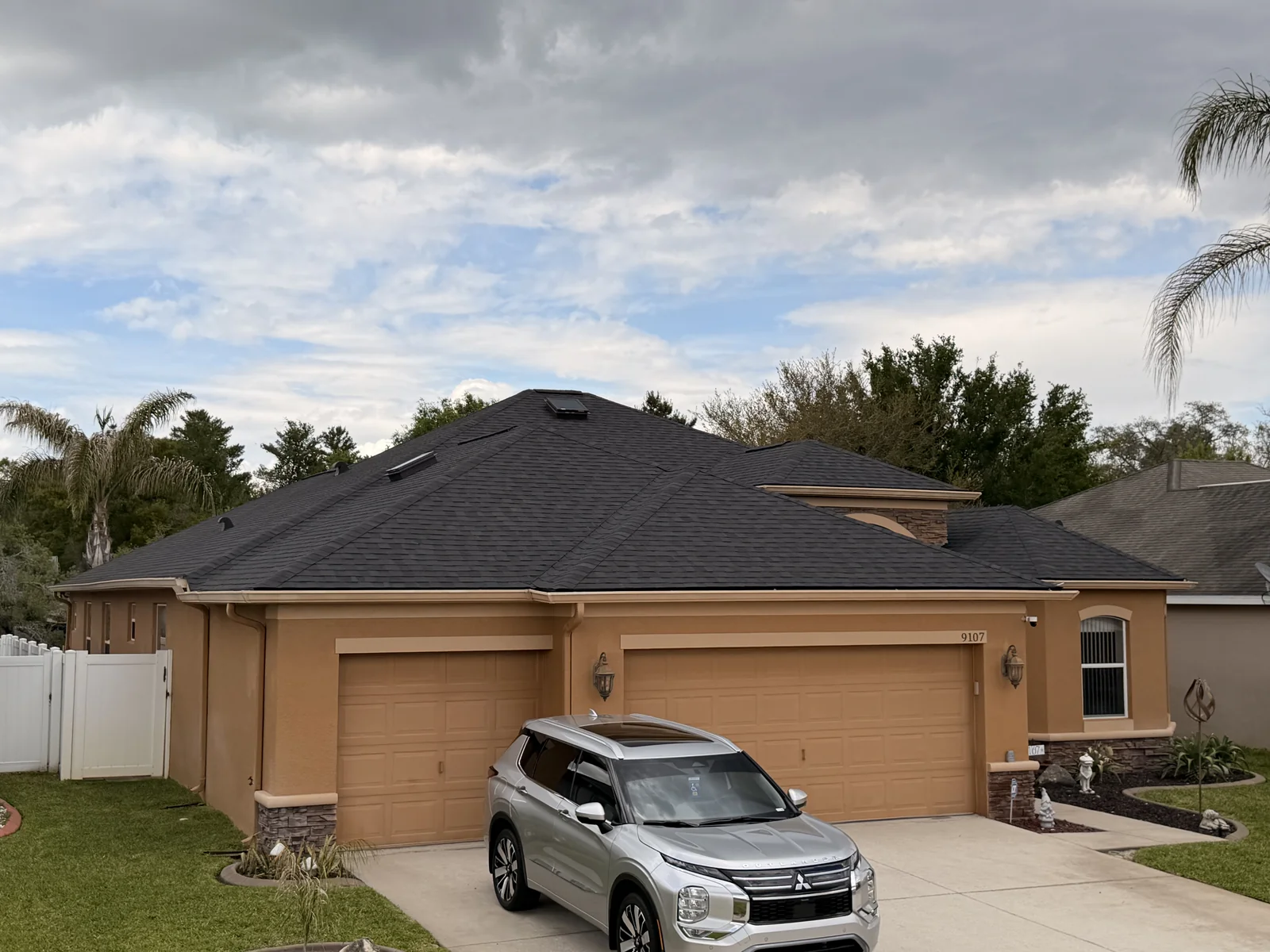
The maximum grant is $10,000 per home, but the actual award depends on your income tier and on what improvements your wind mitigation inspection recommends. Low-income homeowners typically receive the full $10,000 with no out-of-pocket cost. Moderate-income homeowners contribute one dollar for every two dollars the state pays, so a $15,000 project would receive $10,000 from the state and require $5,000 from the homeowner.
There is one important rule that catches applicants off guard. The grant reimburses you after the work is completed and inspected. You need to either pay your contractor up front and get reimbursed by the state, or work with a contractor like Protech who can carry the project on credit until the state pays.
How to Apply: Step-by-Step
The application process has five distinct steps and typically takes 4 to 8 months from start to finish during a normal funding cycle, although recent demand has pushed timelines closer to 9 to 12 months.
Step 1: Register on mysafeflhome.com
Create an account on the official program portal. You will need basic homeowner information, your property appraiser parcel ID, proof of income (most recent tax return or pay stubs), and your homeowners insurance declarations page.
Step 2: Wait for Approval to Schedule Your Free Inspection
Once your application is reviewed and approved, the state sends you a referral to a licensed wind mitigation inspector. You do not pay for this inspection. The inspector performs a standard 7-point wind mitigation report and identifies which improvements would qualify your home for the grant.
Step 3: Receive Your Inspection Report and Grant Approval Letter
Within 2 to 4 weeks of the inspection, you receive a written report listing each recommended improvement and the corresponding grant value. This is your authorization to move forward.
Step 4: Choose a Licensed Contractor
You can choose any state-licensed contractor with the appropriate roofing or building license. Confirm the contractor is familiar with MSFH paperwork and has experience pulling permits for wind mitigation upgrades. Protech Roofing is a Florida-licensed contractor (CCC1331376) with MSFH experience across Hernando, Citrus, Pasco, Sumter, Marion, and Lake counties.
Step 5: Work Completion and Reimbursement
The contractor completes the work, pulls all required permits, and arranges the final inspection. The state then reimburses you (or, with most contractors, reimburses the contractor directly) for the grant portion of the work.
What the Free Wind Mitigation Inspection Covers
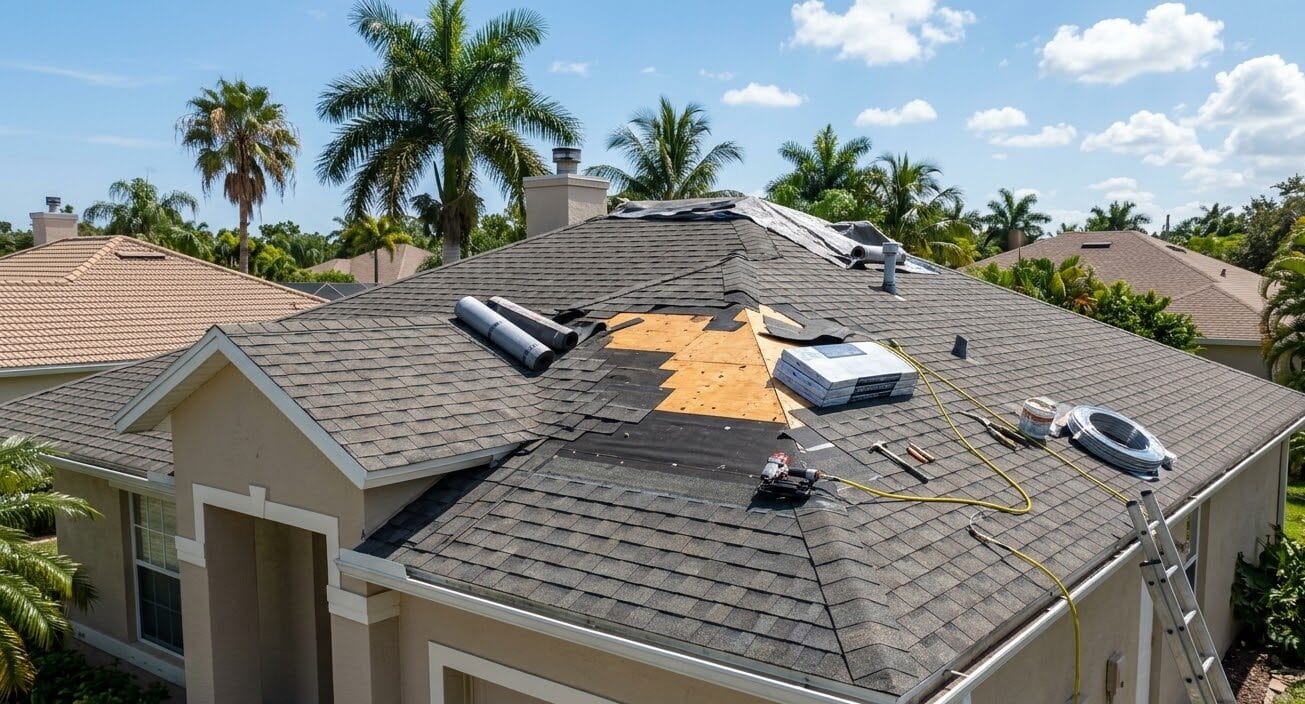
The state-funded inspection follows the standard Uniform Mitigation Verification Form (OIR-B1-1802) used by Florida insurance carriers. The inspector documents and photographs the following:
- Roof covering type and age
- Roof deck attachment method (8d common nails, ring-shank, screw, glue)
- Roof-to-wall connections (clips, single wraps, double wraps)
- Roof geometry (hip, gable, other)
- Secondary water resistance (peel-and-stick membrane installed under shingles)
- Opening protection (windows, doors, garage doors, skylights)
You can use the same report later to claim wind mitigation discounts on your homeowners insurance (read our guide on Florida insurance roof coverage for the full discount mechanics), which is required by Florida law to be passed on to consumers.
Common Reasons MSFH Applications Get Denied
Knowing these in advance can save you weeks of waiting only to be rejected.
- Funding exhausted. The annual allocation runs out fast, especially for the moderate-income tier. Applying within the first 30 days of a new funding cycle gives you the best chance.
- Home built after January 1, 2008. The program will deny any home built on or after that date regardless of other qualifications, because the home is already built to code.
- Insured for more than $700,000. If your dwelling-coverage replacement value is even $1 above $700,000, the application is denied.
- Income above 120 percent of county median. Use the Florida Housing Finance Corporation calculator before applying. Border-line applicants are often denied.
- No homestead exemption. Rental homes, second homes, and homes under LLC ownership do not qualify.
- Incomplete documentation. Missing tax returns, missing insurance declarations, or unsigned consent forms cause the application to be sent back, and you go to the back of the queue.
How MSFH Stacks With Your Insurance Discount
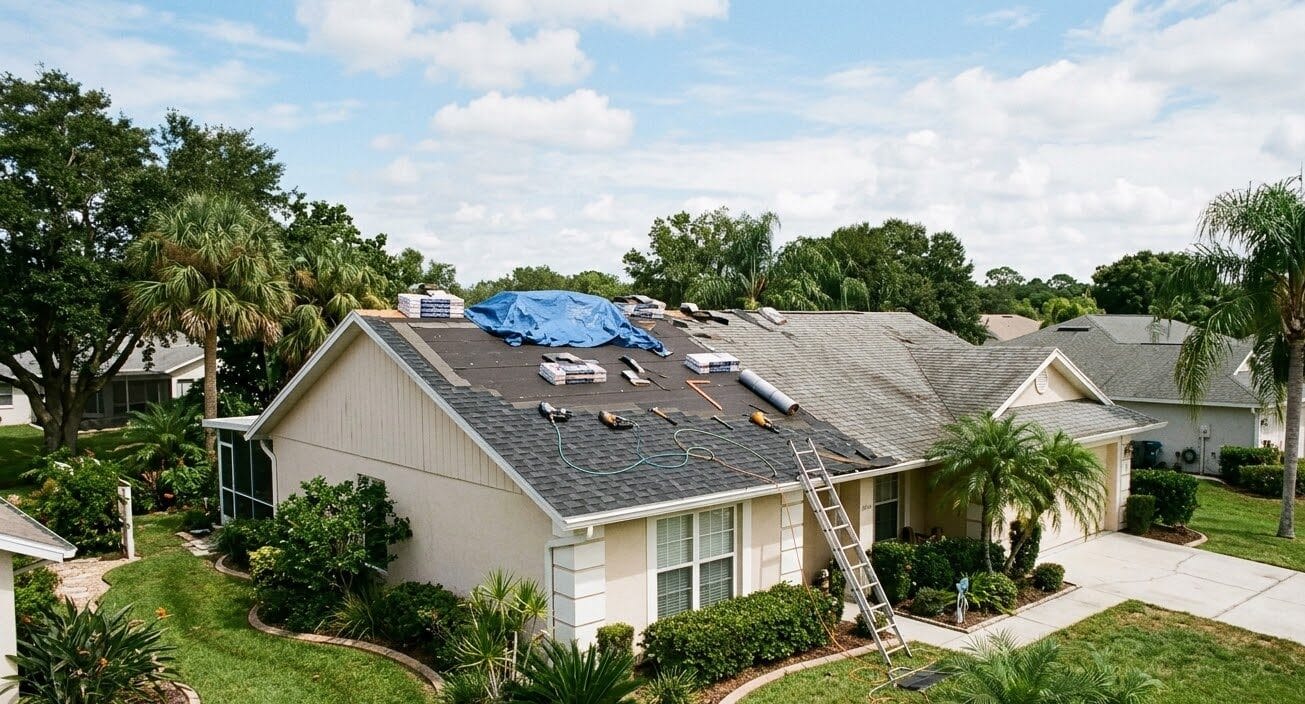
This is the part most homeowners miss. Even if you do not get the full grant, completing wind mitigation improvements and updating your wind mitigation inspection with your insurance carrier can reduce your annual premium by 30 to 45 percent.
On a $4,200 annual premium (typical for Hernando County), a 40 percent discount saves about $1,680 per year, or $16,800 over a decade. That savings often pays for any homeowner contribution required under the moderate-income matching tier within a few years.
What Protech Roofing Does to Help
We are not the state. We do not approve your application or issue the grant. What we do is the part of the process that homeowners most often struggle with: the actual wind mitigation work itself.
- We review your inspection report at no cost and tell you in plain language what each line item means.
- We provide a written quote that matches the format the state requires for reimbursement.
- We pull all permits and arrange the post-work inspection.
- For most homeowners, we carry the project on credit until the state reimbursement comes through, so you are not out of pocket while waiting.
- We update your wind mitigation inspection paperwork after the work is complete, so you can claim the insurance discount immediately.
If you have an MSFH approval letter in hand or you are just starting the application and want to understand whether your home is likely to qualify, schedule a free 15-minute consultation including a no-obligation roof inspection with our team at (352) 605-0696. We have been doing this since 2008, we know exactly what the state will accept and what they reject, and we work across all six Central Florida counties.
Quick Eligibility Check
Run through this 30-second self-check before you spend an hour on the application:
- Do you own your home and have a Florida homestead exemption? ✓
- Is your home a single-family stick-built structure (not condo, manufactured, or mobile)? ✓
- Was it built before January 1, 2008? ✓
- Is the dwelling coverage on your homeowners policy at or below $700,000? ✓
- Is your total household income at or below 120 percent of your county median? ✓
If you said yes to all five, you are likely eligible. Apply at mysafeflhome.com today and call us at (352) 605-0696 once you have your approval letter.
Protech Roofing is based in Hernando County, and we walk Brooksville and Spring Hill homeowners through the My Safe Florida Home process every week. If your inspection turns up damage we handle the roof repair, and if the roof is past saving a full roof replacement is what unlocks the biggest wind mitigation credits. Call (352) 605-0696 and we will tell you honestly which one you need.
FAQ
Frequently Asked Questions
Is the My Safe Florida Home program still open in 2026?
+
How much money can I get from the MSFH grant in 2026?
+
My home was built in 2010. Can I still qualify for the grant?
+
Does my home need to have a homestead exemption to qualify?
+
How long does the MSFH application process take?
+
Do I have to pay for the wind mitigation inspection?
+
Can MSFH improvements lower my home insurance premium?
+
What if my insurance dwelling coverage is just over $700,000?
+
Related Articles
More guides for Florida homeowners
Florida Tile Roof Problems: Repair vs Re-Roof (2026)
Tile lasts for decades, the underlayment under it does not. Here are the tile roof problems Florida homeowners see most, what each repair costs in 2026, and how to tell when a repair is enough and when it is time to re-roof.
Read Article
Solar Roofing in Florida: Solar Shingles vs Panels (2026)
Every solar system on a Florida roof is either bolted to the roof or is the roof. Here is how panels and solar shingles compare in 2026, what changed with the federal credit, and why the cheapest solar project often starts with a re-roof.
Read Article
Chimney Flashing Leaks in Florida: Find the Real Cause
Roofs do not leak in the field, they leak at the terminations, and the chimney is the hardest termination on the roof. Here is what Florida code requires, the five failures behind almost every chimney leak, and what a correct reflash costs in 2026.
Read ArticleReady When You Are
Get your free roof inspection today.
No-pressure, written estimate. Same-week scheduling across Hernando County. Call us now or request a visit online.