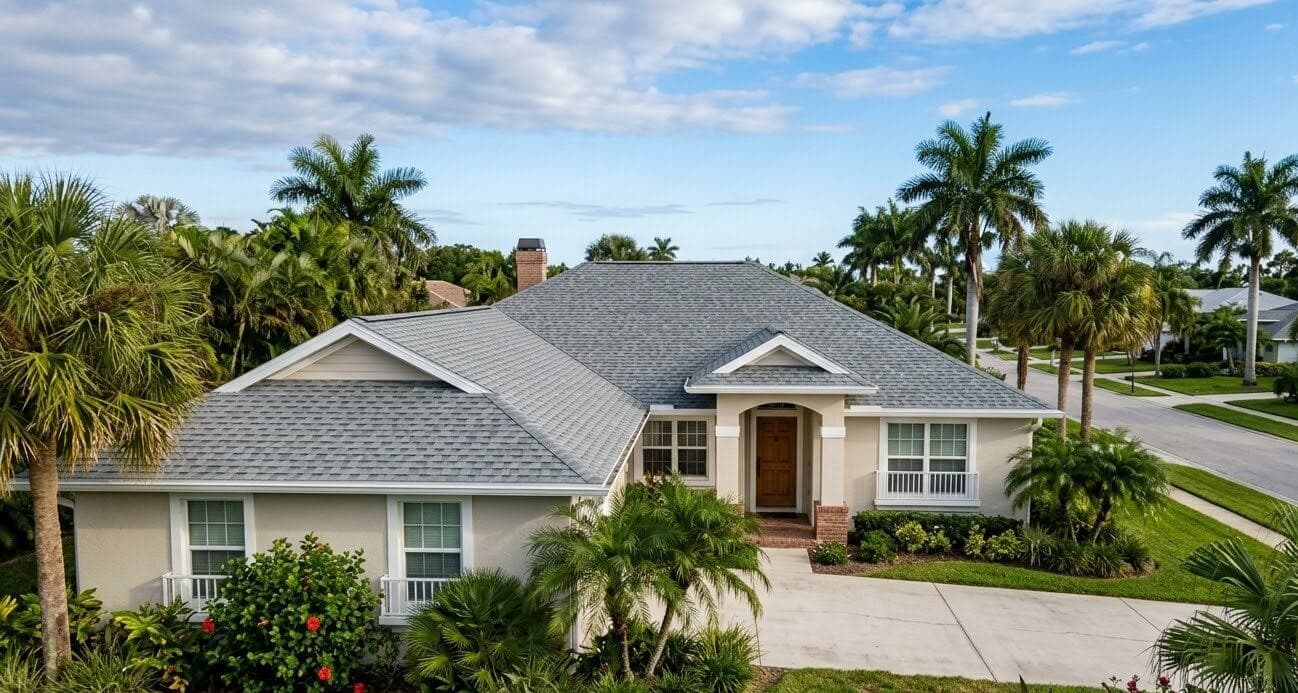
Tampa, FL
Emergency Roof Repair in Tampa, FL
Emergency roof repair in Tampa, FL. 24/7 dispatch, tarping, fallen trees, hurricane response from Brooksville. Call (352) 605-0696.
Call (352) 605-0696Protech Roofing Services runs 24/7 emergency dispatch for Tampa homeowners and business owners. When a tree drops on a Seminole Heights bungalow, when a tile slips on a Davis Islands roof, when a storm hits harder than the forecast promised, we answer the phone and a tarp-and-stabilize crew is on the way. Our headquarters in Brooksville puts us about an hour from downtown Tampa on I-275, and during hurricane season we stage crews locally to drop response times further. Call (352) 605-0696 any time, day or night.
You Are Viewing
Emergency Roof Repair for homeowners and businesses in Tampa, part of Hillsborough County, FL, Florida.
24/7 Dispatch From Brooksville to Tampa
Emergency roof repair in Tampa, FL is the phone call nobody wants to make. A tree came down at 2 AM. A tile slid and water is pouring into the master bedroom. A storm hit harder than the forecast said it would and a whole section of shingles is missing. We pick up that phone 24 hours a day, 7 days a week at (352) 605-0696. Our headquarters is in Brooksville on Jayson Drive, which is about 50 miles north of downtown Tampa, roughly an hour on I-275 under normal conditions. That means when you call at 2 AM from Seminole Heights or Tampa Palms, we are dispatching a tarp-and-stabilize crew immediately and they are on your roof before most contractors answer their voicemail.
During hurricane season and in the immediate aftermath of a named storm, we stage crews in Tampa specifically so the response time drops. In the week after Hurricane Milton in October 2024 we had two crews working Tampa around the clock, and the average call-to-crew-onsite time was under 90 minutes for active water intrusion. The schedule is different during a calm week, but the commitment is the same: if your roof is actively leaking in Tampa, we are coming tonight.
A Tampa emergency call goes through a dispatcher first, not a voicemail. The dispatcher gets your address, the nature of the damage, any safety hazards, and whether anyone is in the affected room. Then they hand off to the on-call crew with your photos and details. You get a callback with the crew's arrival window within about 10 minutes of the initial call. That handoff protocol is how we keep a 2 AM Tampa emergency from turning into a next-morning visit.
Lessons From Hurricane Milton's Tampa Response
Hurricane Milton made landfall at Siesta Key on October 9, 2024 as a Category 3 with 120 mph sustained winds, after peaking at Category 5 over the Gulf. Tampa Bay took a 6 to 9 foot storm surge and Tampa itself got nearly 12 inches of rain, making it the wettest single event in city history. Milton left 42 dead across Florida and caused $34.3 billion in damage, and the emergency roofing response across Tampa was the most intense we have ever run.
What we learned: tarping alone is not enough in 12 inches of rain. Standard 20 by 30 foot blue tarps leaked at the grommets within 24 hours of being installed because the wind kept working at the edges. The tarps that held were the heavier reinforced variety with sandbag edges and lath strips nailed through the tarp into sound decking below the damaged area. We now stock reinforced tarps on every Tampa emergency truck, along with lath, sandbags, and the stainless roofing nails needed to make a tarp survive a second storm cell coming through the next day.
The second lesson: fallen trees need to come off the roof before the tarp goes on. A limb that is still pressing down on a broken rafter is acting as a seal against further collapse, but it is also channeling water straight into the structure. We bring chainsaws and a small loader to most Tampa emergencies because a limb-strike call is going nowhere until the wood is cleared. The third lesson: document everything before you touch it. The insurance claim depends on photos of the damage as-found, not photos taken after the tarp goes on. We photograph every emergency before we start work.
What to Do Before Our Crew Arrives in Tampa
The hour between your call and our arrival is the hour when damage can double. A few simple steps make a real difference. First, move people and pets away from the affected room. A ceiling holding water can collapse without warning, and the drywall comes down in heavy chunks. If you see a bulge in a ceiling, treat it as imminent. Second, move valuable items out of the splash zone. Electronics, documents, and irreplaceable items come first. Leave the furniture if you are alone and cannot safely move it.
Third, place a bucket or a trash can under any active drip, and if the ceiling is bulging, poke a small hole at the lowest point of the bulge to drain the water in a controlled way. A pencil or a screwdriver into the low point releases the water before the whole ceiling gives. This sounds counterintuitive but it is the standard advice from every emergency roofing guide.
Fourth, turn off the electricity to the affected room at the breaker. Water and ceiling fixtures do not mix. If the water has reached the outlets on the wall, turn off the whole circuit. Fifth, take photos and videos of the damage from multiple angles, including the ceiling, the walls, any floor water, and the affected furniture or belongings. The photos are the foundation of the insurance claim. Do not clean up yet. Adjusters want to see the scene.
And do not go on the roof yourself. Every year in Tampa we get calls from homeowners who fell through a compromised deck trying to tarp their own roof. The deck around a fresh puncture is often saturated and weaker than it looks. Let us bring the right equipment and the right insurance.
Emergency Tarping and Temporary Patches on Tampa Roofs
The tarp is not the repair. It is the bridge between the emergency and the permanent fix, and it has to hold through whatever weather comes next. Our Tampa tarping protocol covers an area at least three feet past the damage in every direction, uses reinforced tarps with brass grommets, anchors with lath strips nailed through the tarp into sound decking, and includes a secondary weighting of sandbags along the windward edge. Tarps installed this way routinely survive 40 to 60 mph gusts through a second thunderstorm cell.
Temporary patching is different. For a cracked vent boot that is leaking in the middle of the night, a temporary silicone collar gets us through to the scheduled repair visit. For a limb-strike puncture on a tile roof, a rapid-set roof sealant over a layer of peel-and-stick underlayment and a plywood patch handles the structure until we can source matching tile. For a missing-shingle wind event, we can often replace the missing tabs with a matching product the same night if the inventory is on the truck.
The temporary work is billed separately from the permanent repair, and insurance carriers in Tampa treat it as a covered mitigation expense on almost every policy. Save your receipts and your photos. We document the temporary work with the same rigor as the permanent repair because the claim narrative depends on it.
Fallen Tree Damage in Seminole Heights and Oak-Canopy Tampa
Tampa's oldest neighborhoods were planted with live oaks more than a century ago, and those oaks are magnificent every day except the day a limb or the whole tree drops onto a bungalow. Seminole Heights, Tampa Heights, Old Seminole Heights, Southeast Seminole Heights, and the older blocks near Sulphur Springs and Forest Hills all sit under dense oak canopy. So does a lot of Hyde Park, Palma Ceia, and the historic streets near Bayshore Boulevard. When a limb comes down, the damage to the roof is usually worse than it looks from the ground because the impact compresses the decking fibers around the puncture and weakens the structure across a wider footprint.
Our tree-damage response has a specific order. We assess whether the tree is still connected to a trunk that could come further down, because cutting a loaded limb the wrong way can pull the whole thing onto the crew. We secure the area, cut the tree in sections with a chainsaw, and remove the wood to the yard or a dumpster. Then we photograph the decking damage, assess whether any structural members are compromised, and install a full-area tarp over the puncture zone. If the deck is broken, we sheet it with plywood as a temporary closure before the tarp goes on. The permanent repair is scheduled for the following days once we source matching material.
Tree removal is usually a separate specialty from roofing, and for large trees we coordinate with local arborists rather than trying to handle the tree ourselves. The priority at 2 AM is the roof. The priority at 10 AM the next morning is getting the tree cleared so the real repair can start.
Filing the Tampa Insurance Claim the Right Way
Emergency roof events in Tampa almost always turn into insurance claims, and how the claim is filed makes a meaningful difference in what gets paid. Contact your carrier within 24 to 72 hours of the event. Florida law expects prompt notification and most policies treat delayed reporting as a reason to reduce or deny the claim. The initial report does not need to have repair estimates attached. You are just establishing the timeline.
Save every receipt from the emergency phase. Tarping costs, temporary labor, hotel bills if the home is uninhabitable, food expenses if the kitchen is out of service, and any other out-of-pocket costs from the event are usually covered under the loss-of-use clause of a standard Florida policy. Our invoice for the emergency work includes the line items that carriers expect to see and the photo documentation that supports each line.
Once the initial emergency is handled, we walk through the full scope of damage during a scheduled follow-up visit and write the formal repair or replacement quote. That quote goes to the carrier alongside our photo-organized damage report. For Tampa claims involving multiple trades (drywall, paint, flooring, electrical), we can coordinate with general contractors who handle the non-roof trades. The entire claim usually closes within four to eight weeks from the original event, faster if the damage is isolated and slower if the event was a widespread storm like Milton.
More in this area
Other roofing services in Tampa
FAQ
Frequently Asked Questions
How fast can you respond to an emergency roof call in Tampa?
+
What do I do if a tree falls on my Tampa home at night?
+
Does homeowners insurance cover emergency tarping in Tampa?
+
What does emergency roof repair cost in Tampa?
+
Do you handle commercial emergencies in Tampa?
+
From the Blog
Stay informed about roofing in Florida.
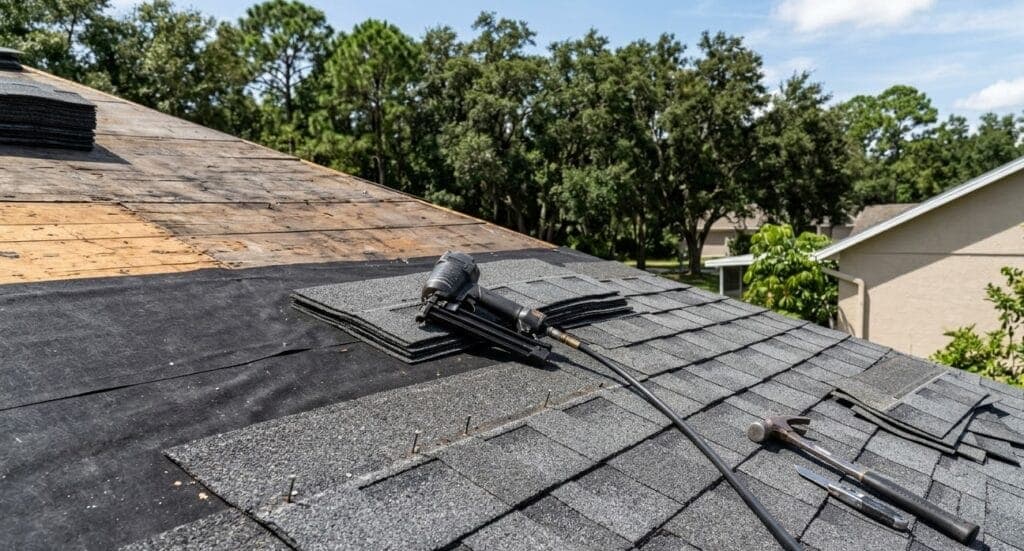
Roofing Warranties in Florida: What Voids Them
A new Florida roof usually carries two warranties: one from the manufacturer for the product and one from the contractor for the installation. Here is what each covers, what quietly voids them and how to keep your coverage.
Read Article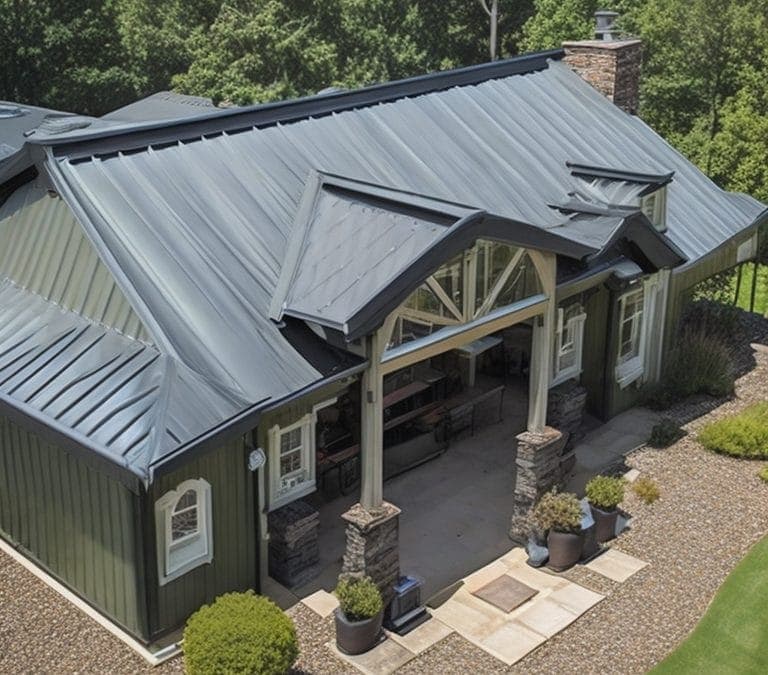
Best Roof Color for Florida Heat: Cool Roofs Explained
Florida test homes show a white shingle saves only 3 to 5 percent on cooling while reflective white metal or tile saves 18 to 26 percent. Here is how to choose a roof color that actually keeps your attic cooler.
Read Article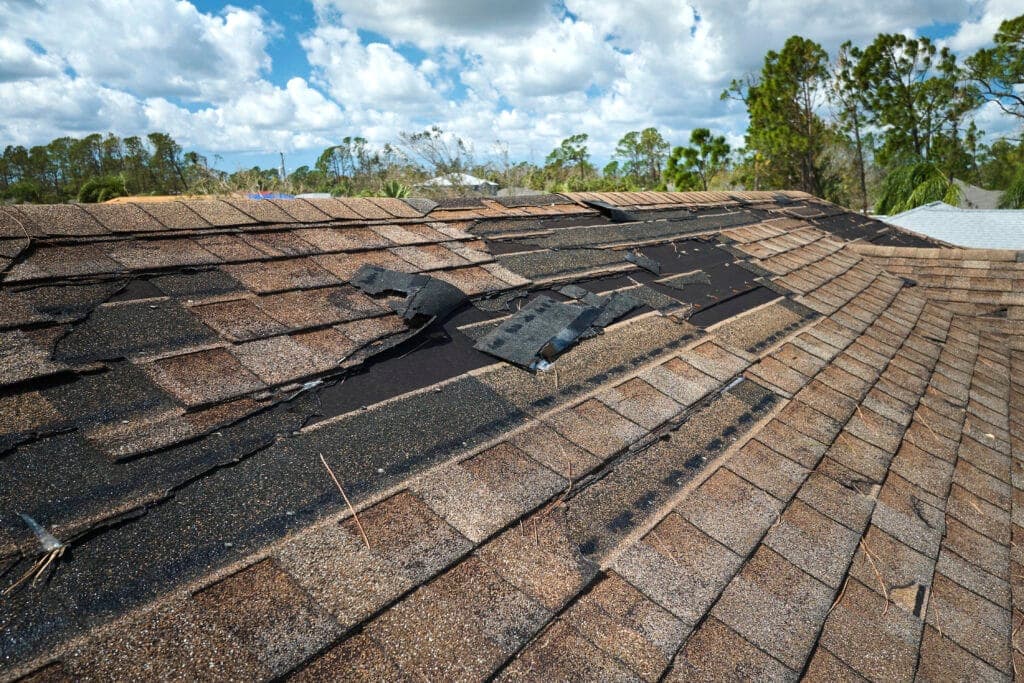
Roof Underlayment in Florida: The Hidden Layer Explained
Underlayment is the layer that decides what happens to your house when wind strips the shingles. Here is how felt, synthetic and peel-and-stick compare, what Florida code requires on a re-roof, and what each option costs in 2026.
Read ArticleReady When You Are
Get your free roof inspection today.
No-pressure, written estimate. Same-week scheduling across Hernando County. Call us now or request a visit online.