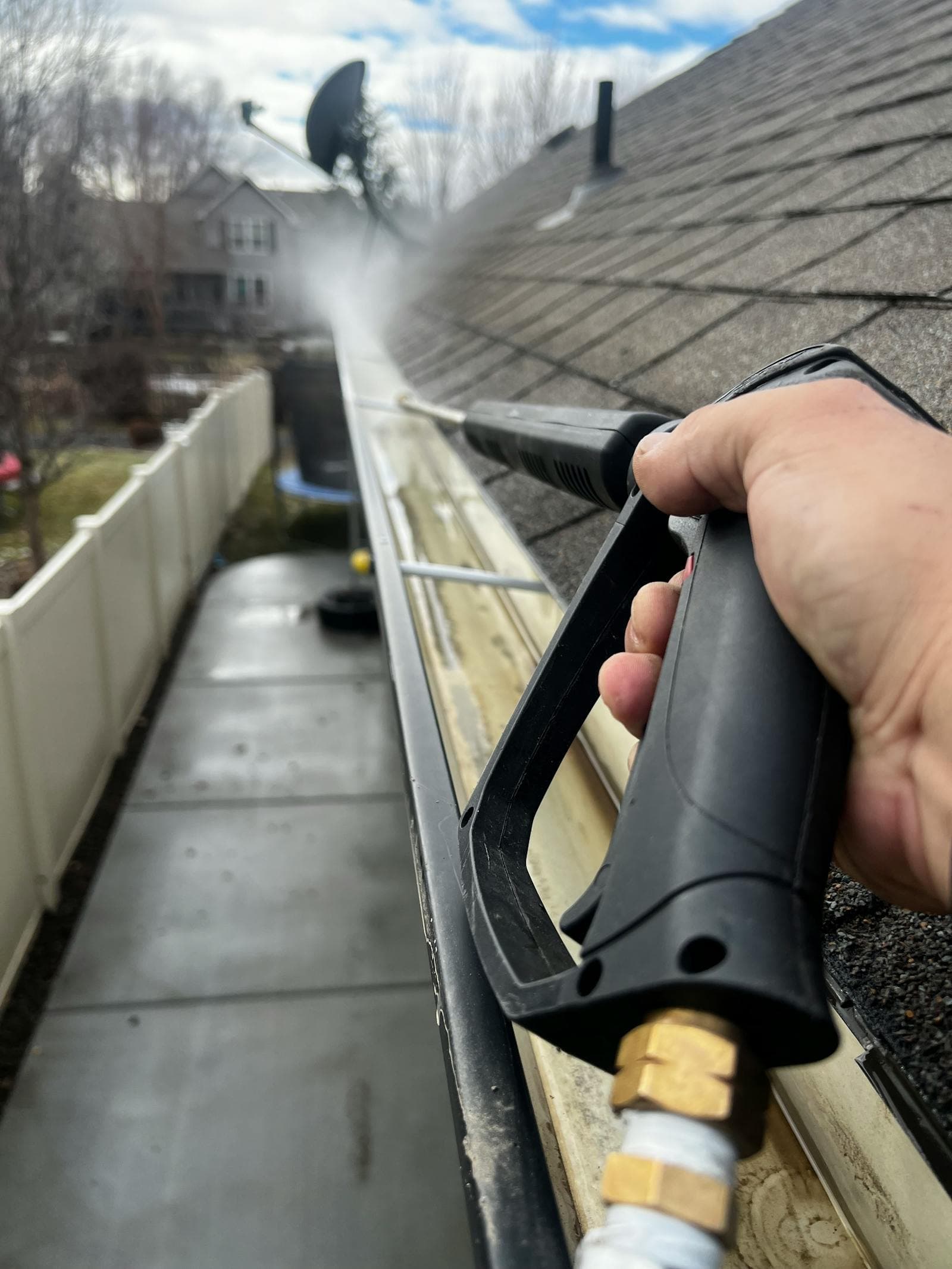
Clearwater, FL
Gutter Cleaning in Clearwater, FL
Gutter cleaning in Clearwater, FL. Salt crust, oak debris, super gutter service on birdcage lanais. Call (352) 605-0696.
Call (352) 605-0696Gutter cleaning in Clearwater, FL isn't a one-size service. A Harbor Oaks Mediterranean with century-old live oak overhead has nothing in common with an Island Estates waterfront ranch crusted in salt residue, and a Countryside birdcage lanai with a clogged super gutter is its own animal. Protech Roofing runs cleaning routes across Clearwater Beach, Sand Key, Morningside, Skycrest, Oak Grove, and the Countryside HOA neighborhoods out of our Brooksville headquarters. Call (352) 605-0696 to schedule a cleaning before the next thunderstorm finds the clogged section.
You Are Viewing
Gutter Cleaning for homeowners and businesses in Clearwater, part of Pinellas County, FL, Florida.
The Clearwater Gutter Cleaning Calendar From Beach to Countryside
Gutter cleaning in Clearwater, FL works best on a three-window calendar, and the right windows depend on which Clearwater you live in. The same calendar doesn't fit a Clearwater Beach condo and a Countryside ranch under heavy oak canopy. We adjust the schedule to the address, the debris source, and the roof type.
Spring (February through April) is the heavy pollen window across all of Clearwater. Live oak catkins drop in mid-March through April, and they coat every gutter on the mainland with a sticky brown felt that holds water against the channel walls. Skycrest, Morningside, Oak Grove, and Harbor Oaks all see significant catkin loading every spring. Island Estates and Clearwater Beach see less catkin debris because the canopy is sparser, but they get spring salt buildup that has nothing to do with the oaks. We schedule spring cleanings between mid-March and late April on the mainland, and between February and March on the barrier islands.
Summer (June through August) is the storm-debris window. Pinellas summer thunderstorms drop 2 to 3 inches of rain in concentrated bursts and they bring leaves, small branches, and shingle granule wash down into the gutter system. A clean spring gutter that's left alone through August will be partially clogged by Labor Day on most Clearwater properties. We schedule mid-summer cleanings in late June or early July, and we time them so the gutters are clear before the peak of hurricane season.
Fall (September through November) is the post-storm and post-hurricane cleanup window. Clearwater took direct hits from Helene on September 26, 2024 and Milton on October 9, 2024, and the debris cleanup from those events ran for months. We schedule fall cleanings between mid-October and mid-November on most addresses, and we add an emergency cleaning rotation whenever a named storm crosses the Pinellas peninsula.
Salt Crust Buildup on Island Estates and Clearwater Beach Gutters
Salt crust is a Clearwater-specific cleaning problem that doesn't exist 10 miles inland. Chloride salt deposits land on every surface overnight on the barrier islands, and they accumulate in gutter channels alongside whatever organic debris washes down from the roof. The combination creates a hardened crust that ordinary water flushing won't remove, and that crust accelerates corrosion on anything aluminum or steel underneath.
On Island Estates and Clearwater Beach cleanings we treat the channel differently than we would on a mainland Morningside ranch. We start with a manual debris removal to clear the organic load (leaves, palm fronds, shingle granules). Then we hit the channel with a low-pressure freshwater rinse to soften the salt crust. Then we follow with a brush scrub along the floor and walls of the channel where the crust has bonded to the aluminum. Then a final freshwater flush to verify flow. The whole process takes about 40 percent longer than a standard mainland cleaning, and the price reflects that.
Sand Key sits in the same salt zone and gets the same treatment. Waterfront Harbor Oaks properties along the Intracoastal also get the salt protocol because the chloride load is similar to the open-Gulf addresses, even if the property is technically on the mainland. Skycrest, Morningside, Oak Grove, and Countryside are far enough inland that the salt protocol isn't necessary, and we run standard cleanings on those routes.
One thing we look for on every barrier-island salt cleaning. Pitting on the aluminum or visible rust on any steel fastener. Salt crust accelerates both, and we flag any property where the gutter system is showing chloride damage so the homeowner can plan a material upgrade before the channel fails. On Island Estates and Clearwater Beach we've replaced gutter systems that were under 15 years old because galvanized fasteners or the wrong aluminum alloy corroded through. A PVDF-coated steel or copper replacement is the long-term fix, and we say so honestly when we see it.
Live Oak Debris in Harbor Oaks, Morningside, and Oak Grove
Mainland Clearwater has heavy live oak canopy across the older established neighborhoods, and the oak debris cycle drives most of our cleaning calls on those addresses. Harbor Oaks, platted in 1914 on the bluff south of downtown, has the densest canopy in Clearwater, with century-old live oaks that drop catkins, acorns, twigs, and occasional large branches throughout the year. Morningside and Oak Grove have similar canopy density, and parts of Skycrest sit under a slightly thinner but still significant oak presence.
The oak debris pattern is predictable and miserable. Catkin shed runs from mid-March through April and coats every gutter with a sticky felt mat that bonds to the channel floor as it dries. Acorn drop runs September through November and adds heavier, denser material that doesn't flush easily. Year-round leaf shed (live oak isn't deciduous in the typical sense, it sheds slowly throughout the year) keeps a steady trickle of debris coming into the gutter even between the seasonal peaks. The result is that an unmaintained Harbor Oaks or Morningside gutter is partially clogged within four months of a cleaning and significantly clogged within eight months.
Cleaning oak-canopy gutters in Clearwater requires more than scooping. The catkin felt mats have to be peeled off the channel floor, not just rinsed, because rinse water alone tightens the felt against the aluminum. We use plastic scoops to lift the felt, then a stiff brush to clear the residue, then a freshwater flush to verify flow. The downspouts get a snake auger to clear any clogs at the bend, because oak debris tends to lodge at the elbow where the downspout turns away from the wall.
On waterfront Harbor Oaks properties we layer the salt protocol over the oak protocol, because those addresses get both. The cleaning takes longer, costs more, and ends with a more thorough flow test than a standard inland cleaning. We document the work with photos so the homeowner can see what came out of the channel and what condition the gutter is in afterward.
Why Clogged Super Gutters Flood Clearwater Lanais
Countryside is the Clearwater super gutter capital, and a clogged super gutter on a Countryside birdcage lanai is the most common lanai complaint we get on cleaning calls. The super gutter is the oversized channel that bridges the bottom edge of the house roof and the top rail of the screen pool enclosure. When it clogs, water overflows into the cage during every thunderstorm and the homeowner sees a waterfall pouring into the pool deck. Within months that water damages the cage frame, rots wood trim, and creates algae growth on the screening itself.
Super gutter cleaning in Clearwater requires specialized technique, which is why the research notes call out Countryside as a neighborhood that mandates specialized cleaning to avoid screen damage. The channel sits over the screen frame, often inaccessible from a standard ladder, and the cleaning has to happen without dropping debris into the cage or scraping the screening with a tool. Untrained crews damage screens regularly on these jobs. We don't.
Our Countryside super gutter cleaning protocol uses lightweight aluminum scoops, a debris bag positioned outside the cage to catch what we pull out, and a low-pressure rinse that we control from inside the cage so we can see exactly where the water is going. We don't use blowers on super gutter cleanings because the airflow pushes debris into the cage and damages the screening. We don't use stiff metal scrapers because they gouge the .040-gauge aluminum and create rust starters at the gouge points. The right tools and the right pace are the difference between a clean job and a $1,200 screen repair on top of the cleaning fee.
Super gutter cleaning frequency on Countryside birdcages is higher than standard gutter cleaning because the channel is wider, the debris load is heavier (every leaf that falls on the cage roof eventually washes into the super gutter), and the consequences of a clog are immediate and visible. We recommend quarterly cleanings on Countryside super gutters under heavy oak canopy and semi-annual cleanings on less-canopied addresses. The standard mainland gutter calendar of three cleanings per year doesn't fit super gutters.
Post-Hurricane Gutter Cleanup After Milton in Clearwater
Hurricane Milton landed at Siesta Key on October 9, 2024 as a Category 3 storm, and Clearwater sat squarely on the strong side of the track as the eyewall crossed the Pinellas peninsula. Storm surge along Clearwater Beach and Island Estates ran 5 to 10 feet above normal tide. The mainland took widespread wind damage and the rainfall load was significant. We were doing post-Milton gutter cleanings into the spring of 2025, and the work pattern was different from a standard fall cleaning.
Post-Milton cleanings on the barrier islands had to deal with surge debris that pushed up into the gutter system from below, not just down from the roof. Salt water pushed silt, sand, and small organic material into downspouts and back up into the channels on properties where the surge reached eave height. We found compacted sand at the bottom of downspouts on several Island Estates and Sand Key properties that took the highest surge. The fix was disassembly of the downspout at the elbow, manual clearing of the compacted material, and a full freshwater flush before reassembly.
Mainland post-Milton cleanings dealt with shingle debris from neighboring roofs, shredded vegetation from the high winds, and an unusual volume of fastener debris from torn flashing on adjacent properties. Harbor Oaks, Morningside, Skycrest, and Oak Grove all saw gutters loaded with material that wasn't from the property's own canopy. We pulled metal fragments, shingle pieces, and even small wood splinters from gutter systems across the mainland for weeks after the storm.
The cleanings we did between Helene on September 26, 2024 and Milton on October 9, 2024 were also different. Helene loaded the gutters with leaves, palm fronds, and wind-blown debris, and homeowners who didn't clean between the two storms had badly clogged systems that backed water under shingles during Milton's heavier rainfall. The lesson we tell every Clearwater customer now: clean between named storms when there's a gap of even a week, because a clogged gutter is a leak source during the next storm.
Cleaning Tile Roof Gutters and Barrier-Island Flat Roofs Safely
Roof access for gutter cleaning in Clearwater varies more than in most cities because the housing stock is so mixed. A Harbor Oaks 1920s Mediterranean has a tile roof with steep hip geometry that demands specialized fall protection and tile-walking technique. A Clearwater Beach contemporary has a flat parapet roof with edge details that are easy to damage if a cleaning crew steps wrong. An Oak Grove ranch has a straightforward low-slope shingle roof that any trained crew can work. We adjust the approach to the roof.
On tile roofs in Harbor Oaks and Countryside, we use foam pads under our boots, walk only on the tile's structural ridges (not the field), and run a fall-arrest harness from a properly anchored point. Cracked tile from careless cleaning is one of the most common complaints we hear from Harbor Oaks homeowners about previous service providers, and we don't repeat that mistake. If the tile is too brittle to walk safely, we clean from the ladder only and accept that some sections will need a longer reach with extension tools.
Barrier-island flat roofs are their own world. Many Clearwater Beach and Island Estates contemporaries have parapet-walled flat roofs with TPO or modified-bitumen membranes that gouge easily under boot pressure or scuff under abrasive tools. We use clean rubber-soled boots, walk only on areas with adequate slope and supportive substrate, and never use metal tools that could puncture the membrane. The gutter on a flat parapet roof is usually a hidden internal scupper or a wall-mounted exterior channel, and the cleaning approach depends on which.
On Sand Key high-rise units we coordinate access with the building manager because rooftop access is usually restricted to certified personnel. We have the certifications and we've worked Sand Key buildings before. The coordination just takes more lead time than a single-family install.
Bundling Gutter Cleaning With Roof Inspection in Clearwater
Every gutter cleaning in Clearwater is also an opportunity to look at the roof above the gutter, and the homeowners who bundle the two services save money and catch problems early. We're already on the property, we're already on a ladder or the roof, and the additional time to walk the roof and document condition is short compared to a separate inspection trip. The math works in your favor.
On a bundled visit we do the cleaning first, then we walk the roof with a moisture meter, a camera, and a written checklist. We check every pipe boot for cracking, every flashing for corrosion, every shingle course for lift, every tile field for cracked or slipped pieces, every metal panel seam for separation, and every penetration for sealant failure. On Harbor Oaks tile roofs we check the underlayment exposure at any cracked tile, because the underlayment is what's actually holding water out and a cracked tile with intact underlayment is a different repair than a cracked tile with degraded underlayment.
The written report we leave at the end of a bundled visit lists every finding with a photo, a priority rating, and a rough repair estimate. Some items get fixed on the spot if they're minor and we have the materials on the truck. Others get scheduled separately. The homeowner gets the report whether or not they hire us for any of the repair work. We don't push unnecessary fixes and we don't create urgency where it doesn't exist. The Clearwater roofs that we see annually for bundled cleaning and inspection visits typically last 3 to 5 years longer than roofs that only get attention when something fails. That extra service life is meaningful money on a $15,000 to $22,000 replacement bill down the line.
More in this area
Other roofing services in Clearwater
FAQ
Frequently Asked Questions
How often should I clean gutters on my Clearwater home?
+
Why are gutter cleanings on Clearwater Beach and Island Estates more expensive than mainland Clearwater?
+
Do you clean super gutters on Countryside birdcage lanais?
+
What did Milton do to Clearwater gutters and what should I check now?
+
How much does gutter cleaning cost on a Clearwater home?
+
From the Blog
Stay informed about roofing in Florida.

Gutters for Florida Homes: Seamless vs Sectional Guide
Seattle gets 38 inches of rain a year and runs 5-inch gutters. Tampa gets 52.6 and overflows, because 30 of those inches fall in four months and mostly in short bursts. Gutters are sized on inches per hour, not inches per year. Here is the sizing math, what seamless actually buys you, and the two spec lines that matter more than the word seamless in a hurricane state.
Read Article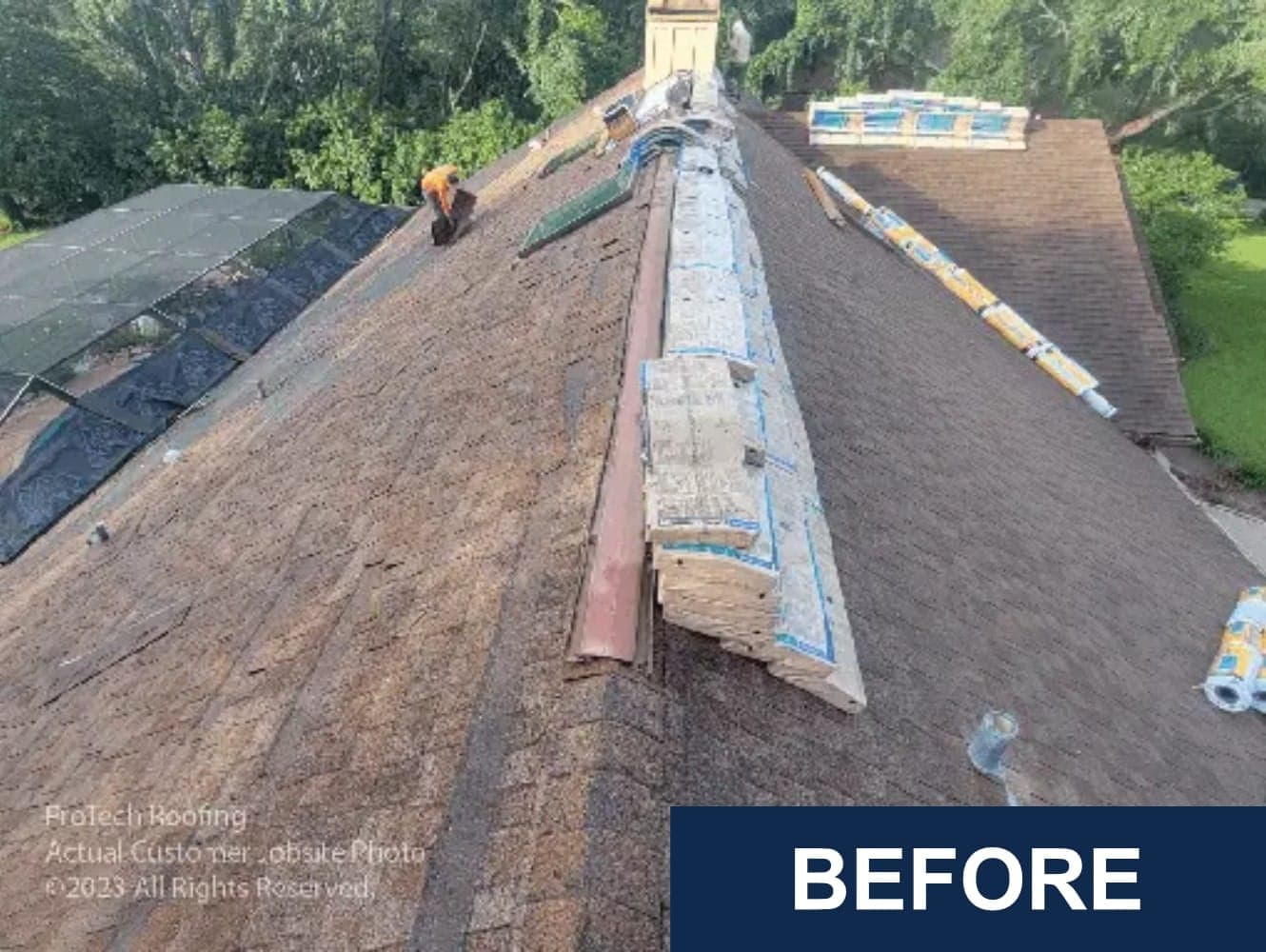
The Ultimate Guide to Roofing in Clearwater, FL (2026)
2026 guide to roofing in Clearwater, FL: coastal salt and wind, costs, condo and HOA rules, insurance, and how to choose a local contractor.
Read Article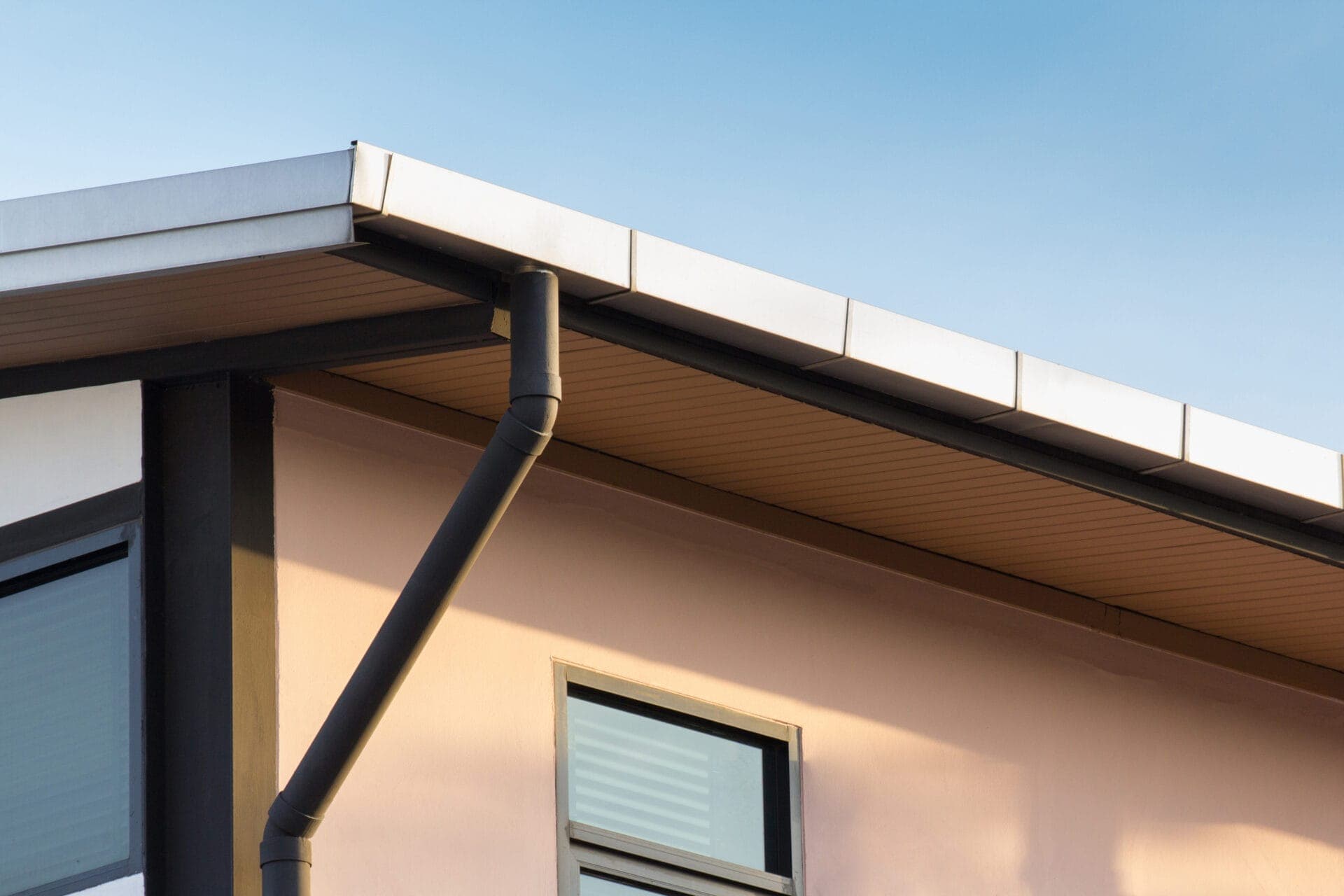
Box Gutter Solutions for Commercial Roofs in Central Florida
Complete guide to box gutter systems for commercial flat roofs in Central Florida. Types, materials, sizing for Florida rainfall, common problems, repair costs, and maintenance. Call (352) 605-0696.
Read ArticleReady When You Are
Get your free roof inspection today.
No-pressure, written estimate. Same-week scheduling across Hernando County. Call us now or request a visit online.