
Blog
ACV vs RCV Roof Claims in Florida: Why Your Payout Is Smaller Than the Estimate
Call (352) 605-0696On a Florida roof claim, the first check is usually actual cash value: the replacement cost minus depreciation for the roof's age, minus your deductible. On a replacement cost policy, the held-back depreciation is paid after the roof is replaced and documented. On an ACV roof, it is never paid. Here is how each number is calculated and how to protect your payout.
Why the Insurance Check Is Smaller Than the Roofer's Estimate
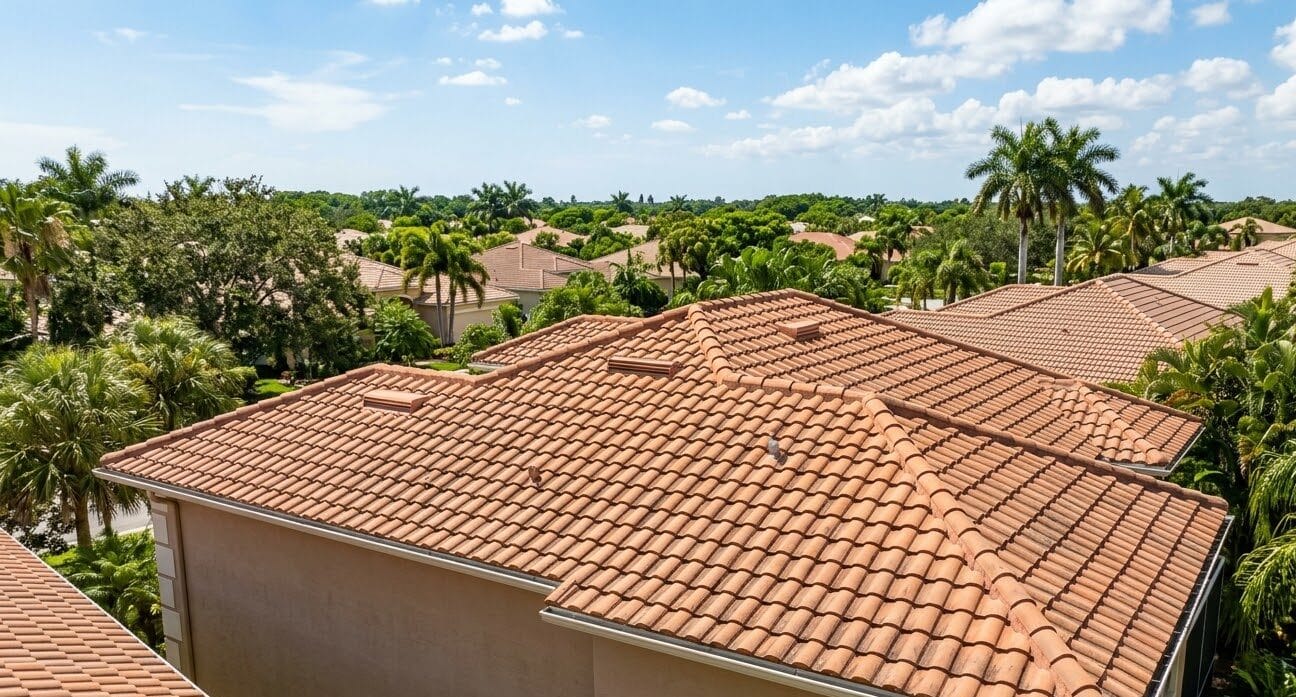
A Florida homeowner files a roof claim after a storm, the adjuster agrees the roof needs replacing, and the estimate comes back at $18,000. Then the first check arrives and it is closer to $8,000. Nobody made a math error. The gap is almost always the difference between two numbers on the claim: actual cash value (ACV) and replacement cost value (RCV), plus the deductible taken off the top.
Understanding that gap before a storm is the single most useful thing a homeowner can do with their policy. It decides whether a new roof is mostly covered or mostly out of pocket, and it decides what you need to do after the first check to collect the rest. This guide walks through how each payout is calculated, what Florida law says about when the insurer has to pay, how roof deductibles and payment schedules shrink the number and how to recover money that is being held back.
If you want the full claim process from first damage to final check, our Florida roof insurance claim guide covers it step by step. This article zooms in on one question: why the payout is smaller than the estimate, and what you can do about it.
ACV vs RCV: The Two Ways a Roof Claim Gets Paid
Replacement cost value (RCV) is what it costs today to replace the damaged roof with new materials of like kind and quality, including labor, tear-off, underlayment, flashing and code-required items. It is the number on a contractor's estimate or the adjuster's full repair scope.
Actual cash value (ACV) is RCV minus depreciation. Depreciation is the insurer's estimate of how much of the roof's useful life was already used up before the storm. A 3-year-old shingle roof has very little depreciation. A 17-year-old shingle roof may have most of its value depreciated away on paper, even if it was not leaking the day before the storm.
The policy type decides which number you eventually get:
- Replacement cost policy: pays up to RCV, minus the deductible, but usually in two parts. The first check is the ACV amount. The depreciation that was held back, often called recoverable depreciation, is released when the work is done and documented.
- Actual cash value policy or ACV roof endorsement: pays ACV minus the deductible, and that is the end of it. The depreciation is not recoverable, no matter who replaces the roof or how quickly.
- Roof payment schedule: some carriers sell an optional endorsement that pays a set percentage of the roof cost based on age and material. State Farm, for example, received approval from the Florida Office of Insurance Regulation in 2020 to offer a roof payment schedule endorsement. Premiums are lower, but so are payouts on older roofs.
Your declarations page and the endorsements attached to it tell you which one you have. Many homeowners assume they have replacement cost on everything because the dwelling coverage says so, and only learn at claim time that an endorsement changed how the roof itself is paid.
How Depreciation Is Calculated on a Florida Roof
There is no single statewide depreciation table. Adjusters typically use estimating software and look at the age of the roof, its expected lifespan for the material, its condition before the loss and sometimes the type of item being depreciated. The core idea is simple: if a roof is expected to last a certain number of years and part of that life is used up, that share of the replacement cost is subtracted.
Here is a simplified illustration, not a quote from any carrier:
- RCV of the roof: $18,000 for tear-off and a new architectural shingle roof.
- Roof age: 12 years, on a material the adjuster treats as having a 20-year life.
- Depreciation: 12 of 20 years used, or 60%, which is $10,800.
- ACV: $18,000 minus $10,800 equals $7,200.
- Deductible: a 2% hurricane deductible on a $300,000 dwelling limit is $6,000.
On a replacement cost policy, that homeowner might see a first check of only $1,200 ($7,200 ACV minus the $6,000 deductible), with $10,800 of recoverable depreciation still owed once the roof is replaced and invoiced. On an ACV-only roof, the $1,200 is the whole payment. Same storm, same roof, very different outcome.
Two things can move the depreciation number. The first is the roof's age, which is why documented installation dates, permits and receipts matter. Florida law defines roof age for insurance purposes as the date the full roof surface was last built or replaced under the building code in effect. The second is condition. An adjuster who sees a well-maintained roof with no prior leaks has less reason to apply heavy depreciation than one who sees curled shingles and old patches.
What Florida Law Says About Holding Back Replacement Cost
Section 627.7011 of the Florida Statutes governs replacement cost payments on homeowners policies. For a dwelling loss on a replacement cost policy, the insurer must initially pay at least the actual cash value of the insured loss, less any applicable deductible. The insurer then pays the remaining amounts needed to perform the repairs as work is performed and expenses are incurred.
That is the legal basis for the two-check system. It also means the first check is not supposed to be a lowball placeholder. A Florida appellate court has held that the statute requires payment of actual cash value, not merely the insurance company's own estimate of actual cash value, which matters if you believe the depreciation applied to your roof is unreasonable.
The statute has two other provisions that affect roofs directly:
- Total loss: if the dwelling is a total loss, the insurer must pay replacement cost coverage without holding back depreciation.
- Roof deductible proof: if a separate roof deductible applies, the insurer may limit the roof payment to ACV until it receives reasonable proof that you paid the roof deductible, such as a canceled check, money order receipt, credit card statement or a financing contract.
The same statute also includes the 15-year roof rule for policies issued or renewed on or after July 1, 2022. An insurer cannot refuse to write or renew a policy solely because a roof is under 15 years old, and for older roofs it must allow an inspection by an authorized inspector. If the inspection shows at least five years of useful life left, the insurer cannot refuse coverage solely because of roof age. That rule is about keeping coverage, not about how a claim is paid, but it is often the reason a carrier moves an older roof to ACV or a payment schedule at renewal.
Deductibles: The Other Reason the Check Looks Small
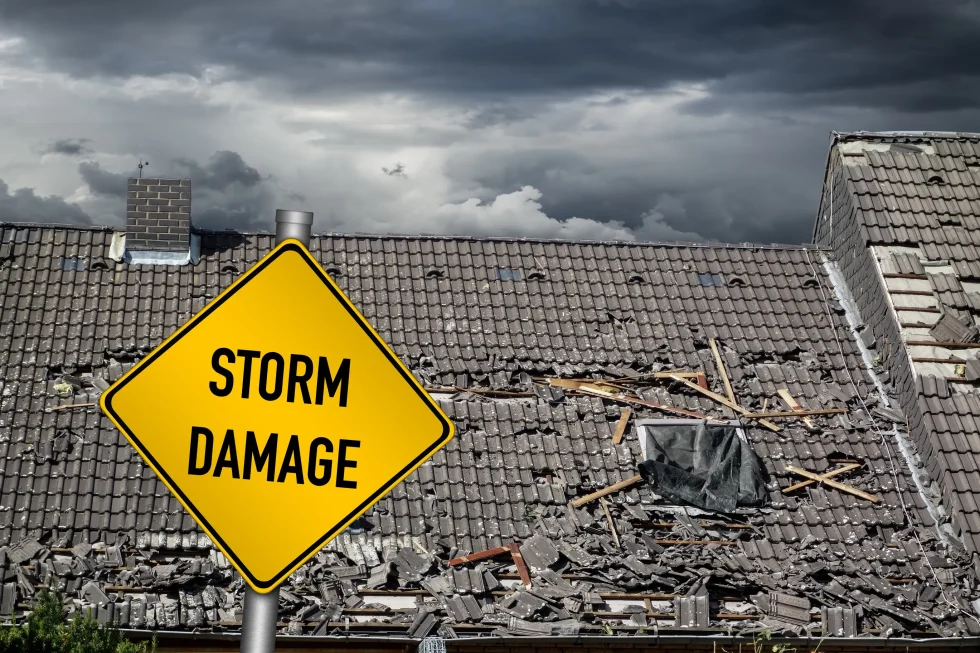
Depreciation explains most of the gap between estimate and first check, but the deductible is subtracted on top of it. Florida policies can carry three kinds of deductibles that matter for roofs:
- Hurricane deductible: insurers must offer hurricane deductible options of $500, 2%, 5% and 10% of the dwelling limit. Most Florida homeowners carry a percentage, so on a $300,000 dwelling a 2% deductible is $6,000 and a 5% deductible is $15,000. On a partial roof claim after a hurricane, the deductible can wipe out the entire ACV payment.
- All other perils deductible: the standard deductible for non-hurricane wind, hail and other covered losses, often a flat dollar amount.
- Separate roof deductible: under section 627.701(10), insurers may offer a roof deductible of up to the lesser of 2% of the Coverage A limit or 50% of the cost to replace the roof. It applies only to claims adjusted on a replacement cost basis and does not apply to a total loss under the valued policy law, to roof damage from a hurricane, to a tree or other object puncturing the roof deck or to a loss requiring repair of less than 50% of the roof. You can reject it by signing the state-approved form, and the premium must include a credit if you accept it.
Only one deductible applies to a given loss. If a roof deductible applies, no other policy deductible may be applied to that loss. Reading which deductible fits your storm, and confirming the adjuster applied the right one, is part of checking the payout.
How to Recover the Depreciation on a Replacement Cost Policy
If you have replacement cost coverage, the held-back depreciation is real money that is owed to you once the work is done. Homeowners lose it most often by not finishing the paperwork. The process usually looks like this:
- Read the estimate: it should show the RCV, the depreciation withheld and the ACV paid. Recoverable and non-recoverable depreciation are sometimes listed separately. Ask the adjuster to explain any non-recoverable line.
- Sign a contract for the full scope: use a licensed roofing contractor who will build the roof to the current Florida Building Code, including the secondary water barrier requirements that apply on a Florida re-roof.
- Pay the deductible and keep proof: the deductible is your share. under section 489.147 it is insurance fraud for a contractor to pay, waive or rebate it, and a roof deductible payment receipt may be required before the full roof payment is released.
- Submit the final invoice and photos: send the completed invoice, permit and final inspection, and any code upgrade documentation to the carrier with a written request for the recoverable depreciation.
- Watch the deadlines: many policies set a time limit for completing repairs and claiming the holdback. Check your policy language. Florida law separately limits when claims and supplemental claims can be filed: one year from the date of loss for a new or reopened claim and 18 months for a supplemental claim under section 627.70132.
Code upgrades deserve their own line. Items required by the current code that were not on the old roof, such as additional underlayment, drip edge or ventilation changes, may be covered under the policy's ordinance or law coverage rather than the roof replacement itself. Florida policies are required to display a bold notice that law and ordinance coverage is an important coverage to discuss with your agent, and the percentage you carry affects how much of those upgrades the insurer pays.
When the ACV Number Looks Wrong
An adjuster's depreciation is an estimate, not a fact. If your roof was younger than the carrier assumed, recently repaired or in better condition than the estimate reflects, you can push back with documents rather than opinions:
- Prove the age: roofing permits on the county building department site, the original invoice, or a home inspection report from when you bought the house.
- Prove the condition: recent inspection reports, maintenance records and photos taken before the storm.
- Get a detailed contractor scope: a line-item estimate that includes everything the code requires, so the RCV used to calculate ACV is complete.
- Ask for the depreciation breakdown: which items were depreciated, at what rate and on what assumed lifespan.
- Use the formal options: your policy's appraisal clause, the free mediation program run by the Florida Department of Financial Services, or an attorney or licensed public adjuster for large disputes.
A professional roof inspection report written before or right after the storm carries more weight than a homeowner's description. Our roof inspection service documents age, materials, existing condition and storm damage with photos, which is exactly what an adjuster or appraiser looks at. Our guide to the insurance adjuster meeting explains how to prepare for the inspection itself.
ACV vs RCV at Renewal: Check Your Policy Before Hurricane Season
The best time to deal with ACV is before you need to file a claim. As roofs age, some Florida carriers change the roof settlement terms at renewal, and the notice can be easy to miss among renewal paperwork. A few habits make a big difference:
- Read the declarations page every renewal: look for the words actual cash value, roof surface payment schedule or roof settlement in the endorsements list.
- Ask your agent directly: if my roof is replaced after a covered loss, do I get replacement cost or a depreciated amount, and what is my hurricane deductible in dollars?
- Compare the cost of better coverage: moving the roof back to replacement cost may be possible with a newer roof, a passing inspection or a different carrier.
- Consider the roof's real age: on a roof near the end of its life, a planned replacement before a storm may cost less than an ACV claim after one, and a new roof resets both the depreciation and the insurability conversation.
Wind mitigation features also matter. A new roof built to current code with documented roof deck attachment and secondary water resistance can qualify for wind mitigation premium credits, which partly offsets the cost of keeping replacement cost coverage.
How Protech Roofing Helps With ACV and RCV Claims
Protech Roofing works with Florida homeowners on storm and insurance roof claims across Hernando County and the surrounding region. Our insurance claims assistance team documents the damage, writes a complete code-compliant scope and supplies the invoices, permits and photos carriers ask for before they release recoverable depreciation. We do not waive deductibles, and we do not promise payout amounts, because both are against the rules and against the homeowner's interest.
When a roof does need to be replaced, our total roof replacement crews build it to the current Florida Building Code so the work qualifies for the full replacement cost payment. Homeowners can also start with our local pages for roof replacement in Spring Hill and roof replacement in Brooksville. If the storm just passed and water is coming in, our storm damage restoration team can stabilize the roof first and document everything for the claim.
Call (352) 605-0696 to schedule an inspection. We will show you the damage, explain what your estimate means line by line and help you collect every dollar your policy actually owes.
FAQ
Frequently Asked Questions
What is the difference between ACV and RCV on a roof claim?
+
Why is my first roof insurance check so small?
+
How do I get the recoverable depreciation from my insurer?
+
Does Florida law require insurers to pay full replacement cost on a roof?
+
Can an insurer depreciate a roof that was not leaking before the storm?
+
Related Articles
More guides for Florida homeowners

Roof Leaks in Florida: 8 Causes and How to Find Them
Most Florida roof leaks come from eight sources, from cracked pipe boots and flashing failures to lifted shingles and worn underlayment. Here is how to trace the water to its entry point and limit the damage.
Read Article
How Long a Roof Replacement Takes in Florida: 2026 Guide
A Florida shingle re-roof takes one to three days of physical work and about two to four weeks from contract to closed permit. Here is what happens each day, how metal and tile change the schedule and what causes delays.
Read Article
Best Shingles for Florida: Impact-Rated Class 4 Guide
The best shingle for a Florida home is usually a Class H architectural shingle installed as a full system. Here is how 3-tab, architectural and Class 4 impact-resistant shingles compare on cost, wind, insurance and lifespan.
Read ArticleReady When You Are
Get your free roof inspection today.
No-pressure, written estimate. Same-week scheduling across Hernando County. Call us now or request a visit online.